6 Disease-Resistant Trees for Low-Maintenance Yards
Want shade without constant spraying? Compare six hardy trees, what "resistant" really means, site-matching rules, and the first-two-year care that keeps them low maintenance.
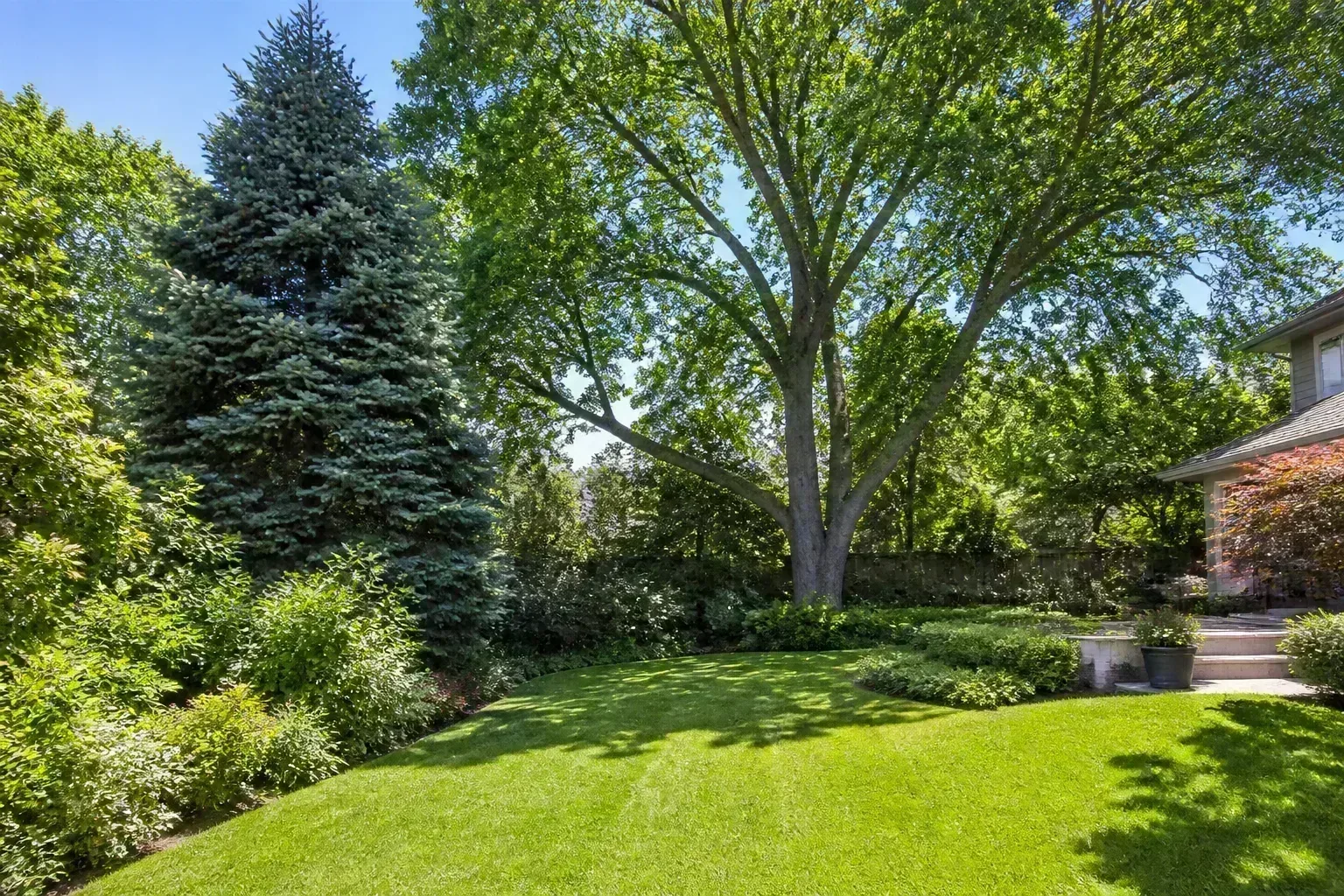
A disease-resistant yard tree is not a magic shortcut. It is a species whose genetics, growth habit, and site fit make serious fungal and bacterial problems uncommon enough that you are not scheduling annual spray programs or watching half the canopy die before the mortgage is paid off. The six trees below are ones arborists repeatedly recommend for residential landscapes because they combine toughness with decades of useful life — once they are planted correctly and watered through establishment.
This guide explains what resistance really means, how to match a tree to your lot before you fall in love with a photo, and the planting and watering sequence that turns a “low-maintenance” label into reality.
What “Disease Resistant” Actually Means for Yard Trees
Disease resistant describes a plant that encounters a pathogen less often, fights it off more effectively, or survives infection longer than susceptible relatives — not a plant that never gets sick. Nursery tags and blog lists rarely distinguish resistant (lower risk), tolerant (infected but often survives or declines slowly), and immune (pathogen cannot establish). For yard planning, tolerant is often good enough if you also avoid the cultural mistakes that turn minor stress into major decline.
Resistant, Tolerant, and Immune Are Not the Same Thing
Oak wilt is the clearest example. Red oaks in the Quercus rubra group often die within weeks of infection. White oaks in the Quercus alba group — including swamp white oak — are more tolerant: symptoms may appear on one branch per year, and trees can survive several years or longer, with some specimens recovering under good care (Ohio State Extension). Calling white oaks “resistant” is shorthand; extension specialists in northern states sometimes prefer tolerance because homeowners hear “resistant” and assume infection cannot happen.
Serviceberries illustrate a different pattern. They are generally easy landscape plants, yet Wisconsin Horticulture notes they share pest and disease relationships with apples and pears, including fireblight and Gymnosporangium rusts when junipers grow nearby (Wisconsin Horticulture). A cultivar bred for rust resistance helps, but it is not a blanket guarantee.
Why the Right Site Matters More Than the Label on the Tag
Trees planted in the wrong light, depth, or drainage fail from root stress first. Root rot, drought collapse, and mower damage then invite secondary diseases that get blamed on “bad luck.” A bald cypress in a chronically flooded basement swale may thrive; the same species planted where soil never drains can struggle. A live oak in a postage-stamp courtyard will fight for light and air circulation, raising foliar issues that a properly sited specimen rarely shows.
Before you choose a species, walk the planting spot at dawn and mid-afternoon, dig a test hole to see how fast water drains, and measure overhead wires and rooflines against the mature spread on the tag — not the cute five-gallon size in the pot.
How to Pick a Low-Maintenance Tree Before You Buy
Low maintenance starts with right tree, right place. Disease resistance is the second filter, not the first.
Match Sun, Soil Moisture, and Mature Size First
Full-sun trees planted in deep shade develop weak structure and thin foliage that invites opportunistic pathogens. Wet-soil specialists planted on a dry berm spend their lives thirsty. Oversized canopies planted too close to structures get hacked every few years, and every flush cut is an open wound.
Use a simple matrix:
| Site condition | Tree direction |
|---|---|
| Large lot, full sun, Southeast heat | Live oak, longleaf pine |
| Wet spring, dry summer, clay | Swamp white oak, bald cypress |
| Small yard, part shade acceptable | Katsura, Autumn Brilliance serviceberry |
| Low spot, periodic standing water | Bald cypress, swamp white oak |
| Replacing ash in Midwest/Northeast | Swamp white oak |
If your lot is genuinely small, start with our trees vulnerable to wind damage guide to avoid fast growers that become removal projects, then narrow to compact species here.
Read Regional Disease Pressure Honestly
Oak wilt maps, emerald ash borer range, and cedar-rust zones are not national equalizers. A tree that is effortless in coastal Georgia may face different insect pressure in Ohio. Check your state extension tree-health pages when you know your USDA zone. Local arborists see the same five pathogens every year in your county; their short list is worth a phone call before a four-figure planting.
Live Oak — Built for Decades of Shade
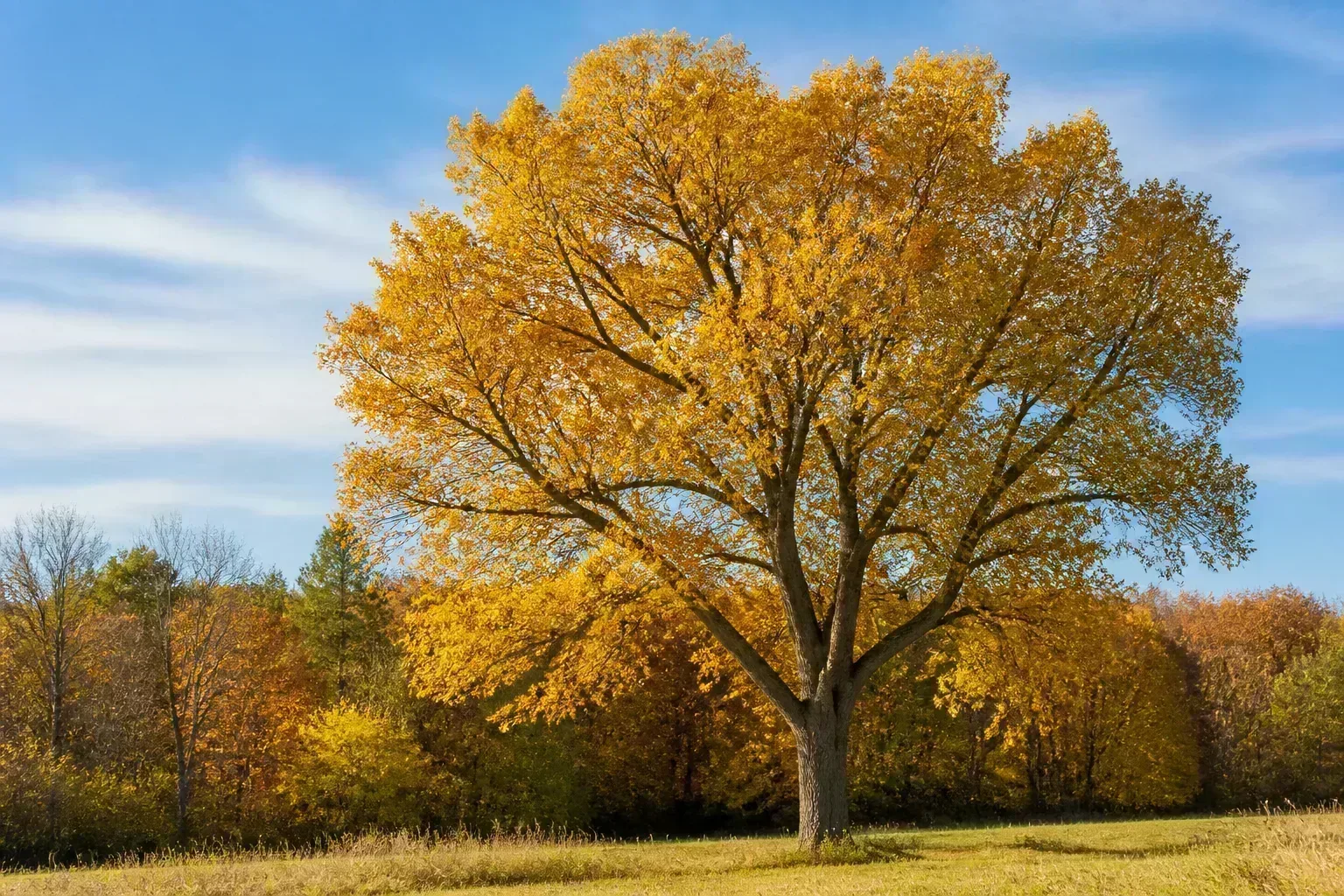
Live oak (Quercus virginiana) is the shade tree Gulf Coast arborists mention when they want something that still looks stately after hurricanes, heat, and decades of urban soil compaction. Mature specimens develop massive horizontal limbs and dense evergreen foliage that filters light rather than blocking it completely.
Size, Zones, and the Space Live Oaks Demand
Live oak commonly reaches 40–80 feet tall with spreads that can exceed 60–100 feet in open landscapes (NC State Extension). It is hardy roughly USDA zones 8–10, with some protection needed where winter lows brush the edge of its range. This is not a tree for a 30-foot-wide side yard. It needs open ground and clearance from structures so limbs can grow without repeated topping.
Plant at least as far from the trunk to the foundation as you expect half the mature spread — often 30 feet or more for a specimen live oak. Crowding produces crossing branches, thin interior foliage, and long-term maintenance that defeats the “low maintenance” goal.
Why Arborists Rank Live Oak Among the Toughest Shade Trees
Live oak resists many common oak problems when sited well. Its wood is strong, which is why UF/IFAS and Gulf Coast storm studies repeatedly list live oak among top performers in high-wind events — relevant if you are comparing it with faster, weaker shade trees. Established trees tolerate drought and salt spray better than most broadleaf shade options in coastal plain yards.
Skip live oak if: your lot cannot accommodate the spread, you are north of its hardiness comfort zone, or you need quick shade in five years. Live oak is a generational tree, not a fast fix.
Swamp White Oak — Wet Soil, Dry Summers, and Ash-Tree Replacement
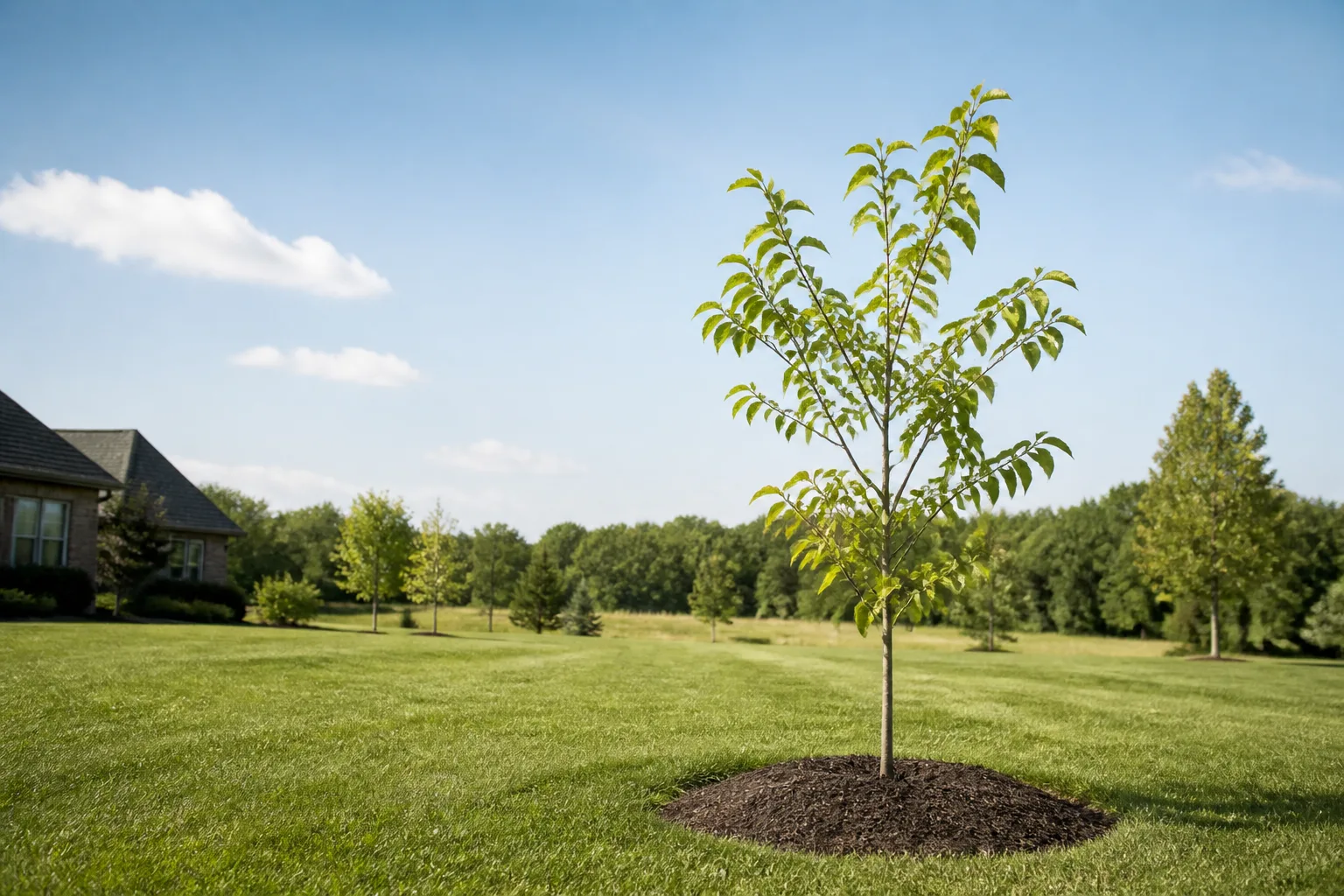
Swamp white oak (Quercus bicolor) is the Midwest-friendly workhorse that tolerates conditions many yard trees hate: spring saturation, summer drought, and compacted clay around new construction. It belongs to the white oak group, with rounded leaf lobes and generally slower oak-wilt progression than red oaks.
Oak Wilt Tolerance in the White Oak Group
Extension sources across the Midwest describe white oaks — swamp white, bur, chinkapin, and others — as more tolerant of oak wilt caused by Ceratocystis fagacearum. Wisconsin guidance notes infected white oaks may drop leaves on one or more branches for several years rather than collapsing in a single season (Wisconsin DNR oak wilt overview citing similar patterns). Indiana extension material explains gradual branch dieback that homeowners sometimes mistake for other oak problems (Purdue BP-28-W).
That tolerance makes swamp white oak a practical replacement for ash (Fraxinus) lost to emerald ash borer in many northern and central states — a use case arborists increasingly recommend because transplanted swamp white oaks establish more reliably than some other oaks and handle urban soil.
Important caveat: tolerance is not immunity. Avoid wounding oaks during the oak-wilt beetle activity window in your region (often spring in many Midwest states), never pile mulch against the trunk, and do not prune indiscriminately during high-risk periods local extension lists.
Planting Swamp White Oak Where Compaction and Flooding Both Happen
Swamp white oak grows 50–60 feet tall with a 50-foot spread in typical landscape conditions (NC State Extension). It prefers acidic, moist, well-drained soils but tolerates wet sites and clay. That combination suits low backyard corners, rain-garden margins, and new subdivisions where subsoil was scraped and compacted.
Pair it with other wet-tolerant plantings in a rain garden or moist border rather than isolating a single oak in lawn that is overwatered daily. Once established, swamp white oak needs supplemental irrigation mainly during prolonged drought — not a standing weekly hose ritual.
Fall color is an understated yellow-brown to reddish purple; the real payoff is structure and longevity.
Bald Cypress — Storm-Tough and Surprisingly Flexible
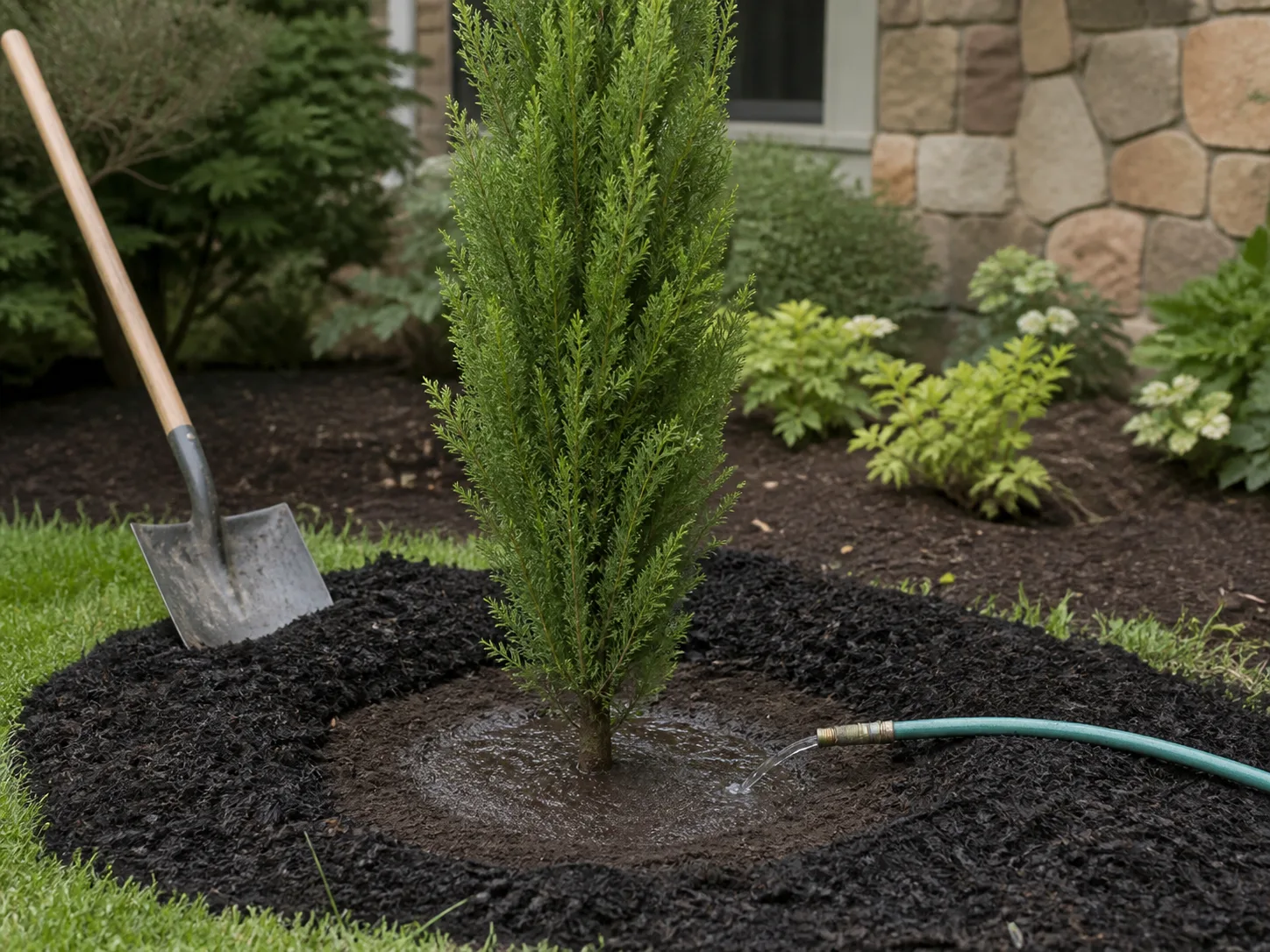
Bald cypress (Taxodium distichum) is a deciduous conifer — soft green needles in summer, bronze fall color, then bare branches that show off reddish bark in winter. Native to southeastern swamps, it has become a respected street and yard tree far beyond its wetland origins because roots tolerate both wet and dry conditions once established.
Wet Sites, Dry Sites, and the Needle-Drop Trade-Off
Bald cypress handles standing water, lake edges, and low yard spots where maple or cherry would drown. It also performs in average garden soil when watered through establishment. NC State Extension lists hardiness zones 4–9 and notes tolerance of clay, compaction, and occasional drought after roots deepen (NC State Extension).
The trade-off is needle shed in fall. Fine foliage drops all at once rather than lingering like pine needles. Plan for a brief rake-up season, not a maintenance-free conifer fantasy. In very wet soils, classic cypress knees (woody projections from roots) may appear — harmless but occasionally awkward in tight turf; mulch beds or naturalized edges hide them better than pristine lawn.
For species comparisons within the cypress family — Leyland versus pond versus bald — see our types of cypress trees guide before you default to a fast Leyland screen that may need lifelong fungicide attention.
Bald Cypress in Residential Landscapes
Mature height is often 50–70 feet with 20–30 foot spread, pyramidal when young, more open with age. Use bald cypress as a single specimen, a loose row along a drainage swale, or a tall anchor on the back property line. It is not a foundation shrub.
Skip bald cypress if: you want evergreen screening year-round, hate any leaf litter, or need a tree under power lines without repeated clearance pruning.
Katsura Tree — Few Diseases and Unforgettable Fall Fragrance
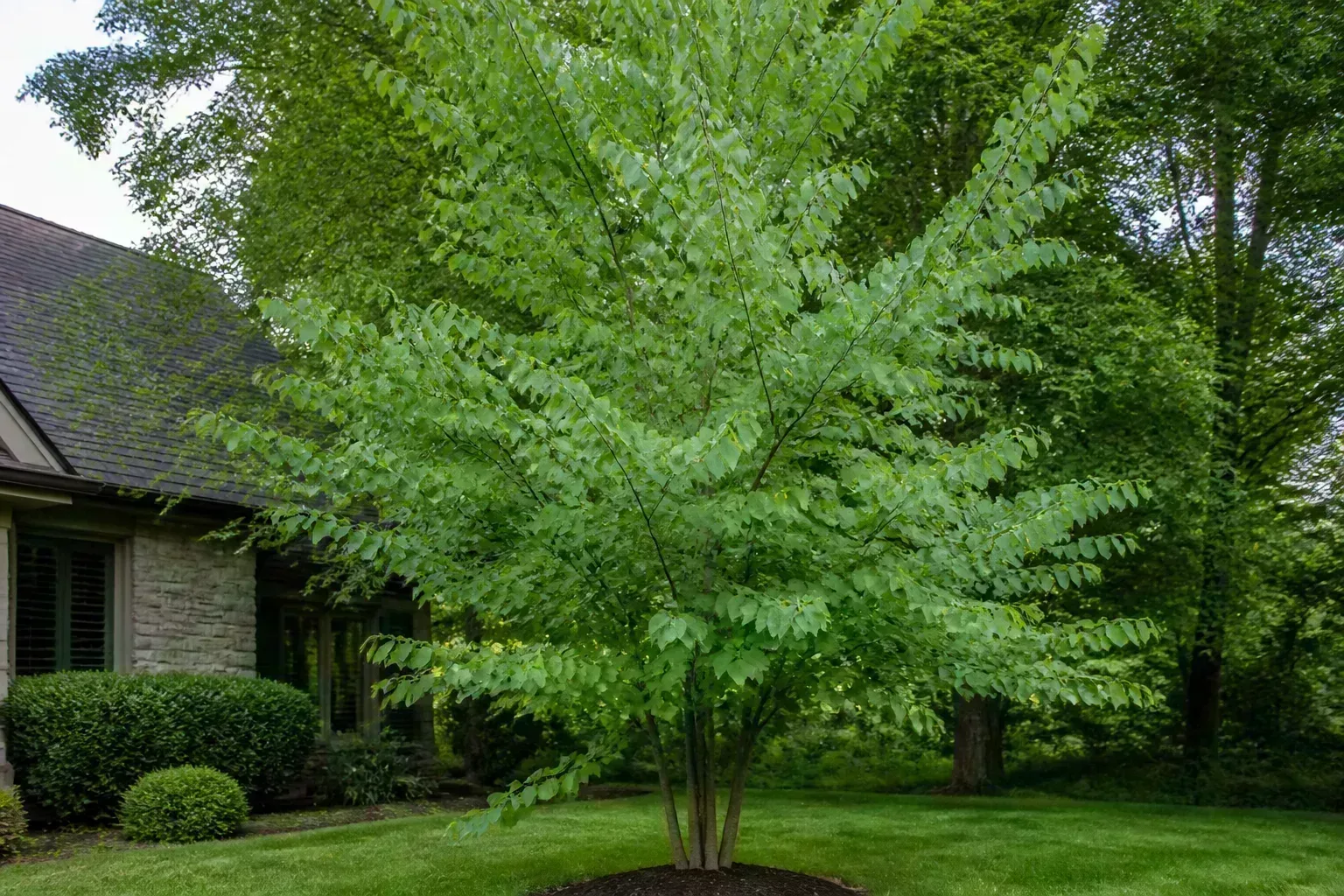
Katsura (Cercidiphyllum japonicum) is the discerning homeowner’s small-to-medium specimen when dogwoods struggle with anthracnose pressure and maples feel overused. Heart-shaped leaves emerge reddish-purple in spring, mature to blue-green, then turn apricot to yellow in fall. On warm autumn days, fallen leaves release a caramel or brown-sugar fragrance that stops people mid-walk.
Foliage, Fragrance, and Summer Care Reality
Katsura is not a host for the long list of fruit-tree diseases that plague apples and pears, and it rarely attracts the intense pest pressure of birches or elms in most landscapes. It prefers moist, slightly acidic soil and tolerates part shade — useful on east or north exposures where harsh afternoon sun would scorch leaves. Established trees show respectable drought tolerance, though young trees still need even moisture.
Expect 40–60 feet in ideal conditions, often smaller in cultivation, with a pyramidal to rounded crown. In small yards, look for the cultivar ‘Heronswood Globe’ or train a single leader early to keep width manageable.
Summer stress shows as leaf scorch when soil is dry and air is hot; that is cultural, not mysterious pathology. Mulch the root zone, irrigate during heat waves the first few years, and avoid planting in reflected heat from south-facing walls.
When Katsura Is the Better Small Specimen Pick
Choose katsura when you want multi-season interest without spraying for rust or scab, you have partial shade or protected sun, and you value fragrance and fall color over showy flowers. Skip it when you need instant height, have extremely alkaline desert soil, or cannot provide steady moisture while the tree is young.
Longleaf Pine — Drought-Hardy Native for Larger Lots
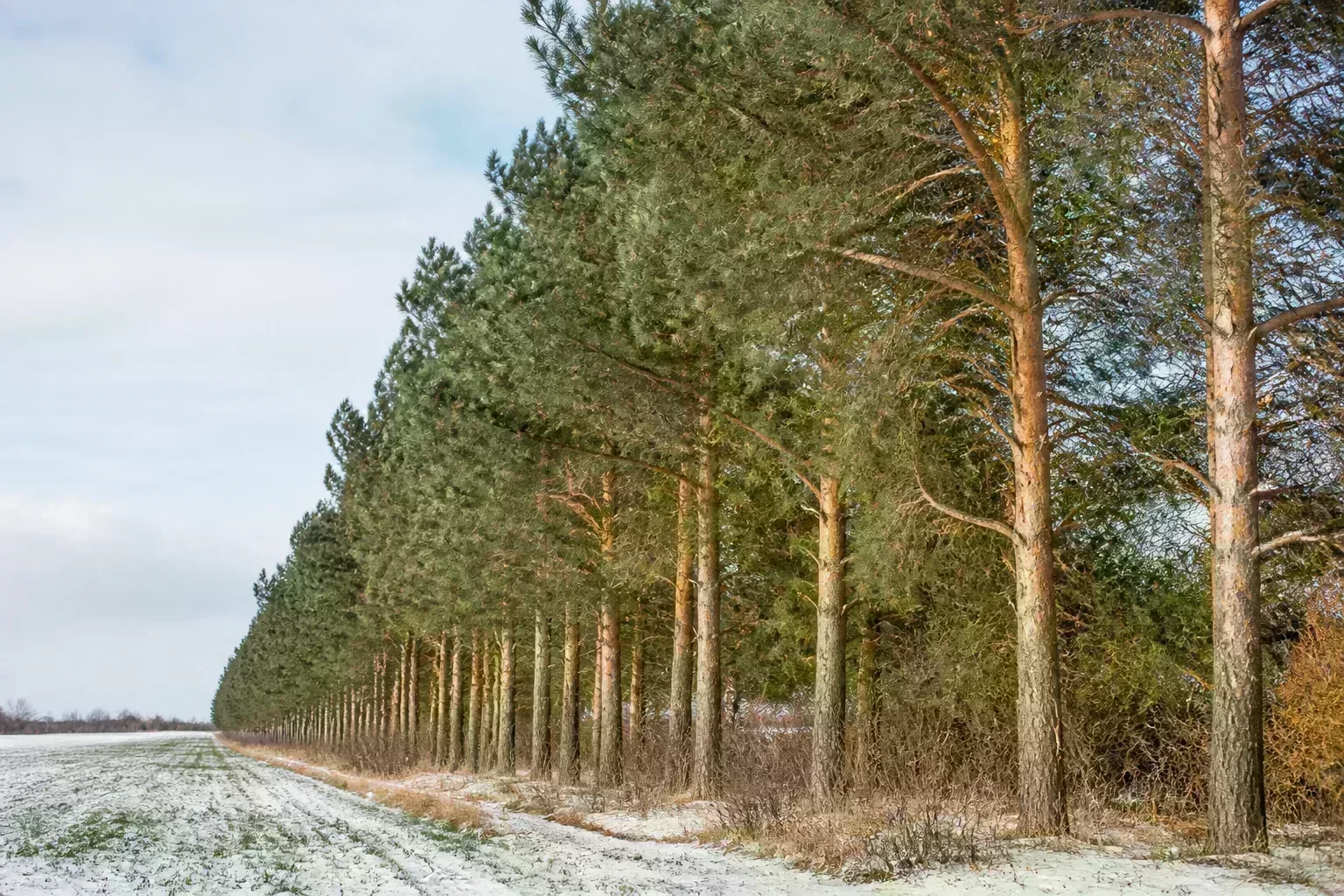
Longleaf pine (Pinus palustris) is the long-game native conifer of the Southeast coastal plain — not a suburban foundation plant, but an outstanding low-maintenance choice when you have acreage, sandy soil, and full sun. Historically it dominated millions of acres maintained by low-intensity fire that cleared competing hardwoods.
Fire Ecology and Why Longleaf Needs Room
Longleaf pine seedlings spend years in a grass stage — a tuft of needles near the ground — before bolting upward. That juvenile phase confuses homeowners who think the tree stalled. In nature, fire periodically burned competing vegetation while longleaf survived. In yards, you substitute maintenance: keep weeds and aggressive hardwood seedlings from shading the young pine, and never pile mulch or soil over the stem.
Mature trees reach 80–100 feet with open, irregular crowns. Lifespan often runs 80–100 years in landscape settings, with forest giants far older. Longleaf resists many pine diseases that trouble densely planted Loblolly plantations, and established trees tolerate drought and hurricane winds better than brittle fast-growing conifers used for quick screens.
Longleaf Pine Versus Faster Privacy Pines
If you need a 15-foot screen in three years, longleaf is the wrong tool. If you want a native evergreen that eventually looks like a real Southern forest and does not demand annual fungicide after a humid summer, longleaf wins. Plant several on large properties for a cohesive woodland edge rather than one lonely specimen in a quarter-acre lot.
Hardiness is roughly zones 7–10, with best performance in the Deep South. Skip longleaf pine if: your lot is small, you cannot tolerate an open grass-stage juvenile period, or you are outside its native humidity and heat range without a proven local track record.
Autumn Brilliance Serviceberry — Small Tree, Big Seasons
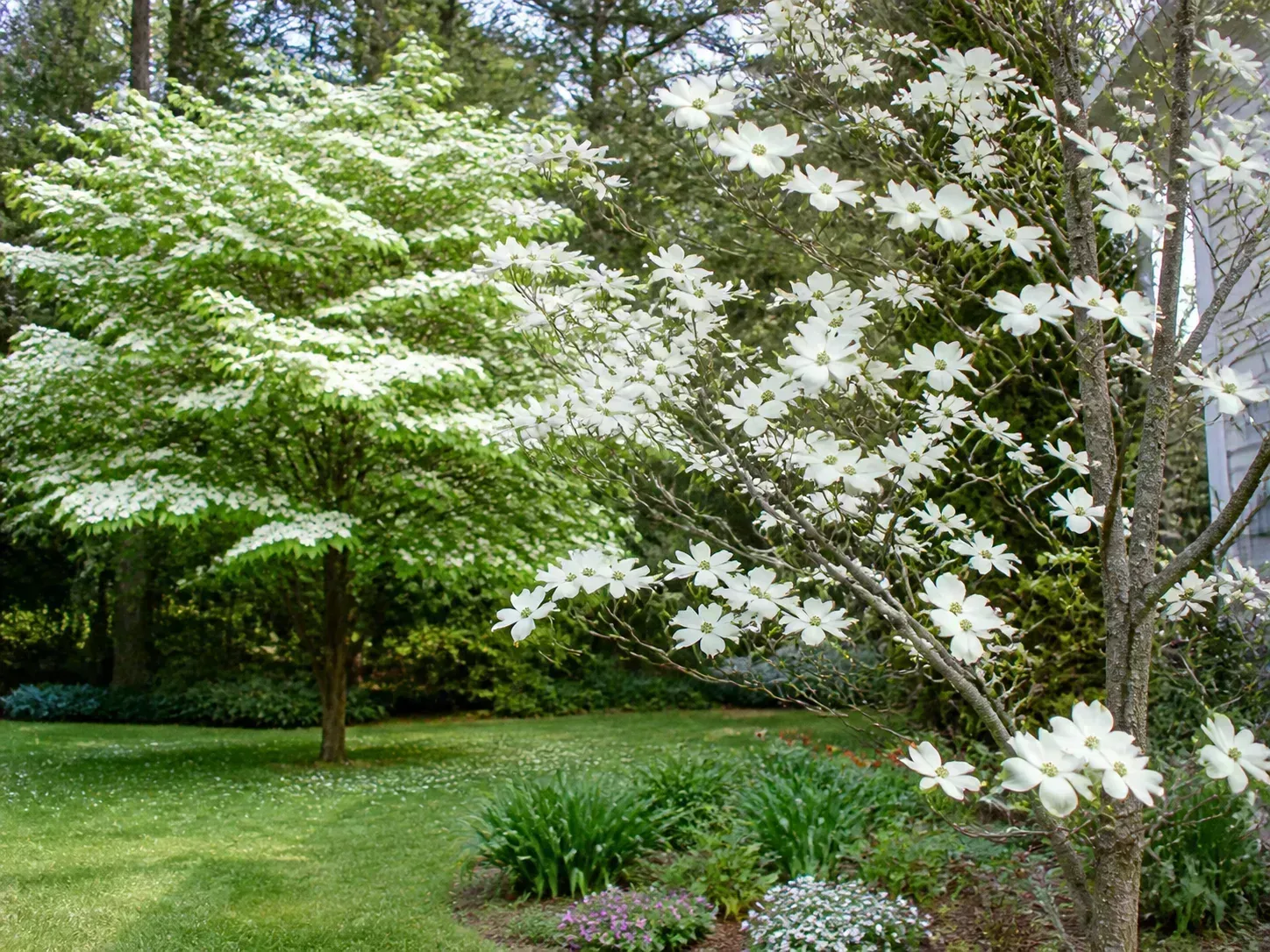
‘Autumn Brilliance’ serviceberry (Amelanchier × grandiflora ‘Autumn Brilliance’) is a hybrid between downy and Alleghany serviceberries bred for landscape performance: white spring flowers, edible blue-black fruit in early summer, and orange-red fall foliage. It solves the “I want a flowering tree but not another disease magnet” problem for front yards and courtyard gardens.
Why This Cultivar Beats Many Serviceberry Diseases
The apple serviceberry group (A. × grandiflora) includes cultivars with improved rust resistance compared with some straight species. Wisconsin Horticulture specifically lists ‘Autumn Brilliance’ for red-orange fall color and disease resistance among serviceberry hybrids (Wisconsin Horticulture). Penn State Extension highlights serviceberries as rain-garden plants with multi-season value and pollinator support (Penn State Extension).
That does not erase all risk. Serviceberries can host cedar-serviceberry rust when eastern red cedar (Juniperus virginiana) grows nearby. If junipers line your property line, inspect leaves in spring for rust spots and consider removing nearby alternate hosts or choosing a different small tree.
Fruit, Birds, and Cedar-Rust Caveats
‘Autumn Brilliance’ typically grows 15–25 feet tall and wide — large shrub or small multi-stem tree depending on pruning. Flowers attract bees; fruit attracts birds (and humans who enjoy juneberries in jam). Fruit set is heavier when another compatible serviceberry is nearby for cross-pollination.
Plant in full sun to part shade. Tolerates wet spring soil and dry summer spells once established — a flexibility that matches many suburban yards. Prune in late winter to remove crossing wood and, if desired, lift the canopy to show smooth gray bark.
Skip Autumn Brilliance if: you hate sharing fruit with birds, junipers next door make rust likely every spring, or you need a tree taller than 25 feet without planting something else later.
Planting and Establishment: The Real Low-Maintenance Secret
Disease resistance collapses when roots fail. The first two years after planting determine whether your tree becomes a 40-year asset or a replacement project.
Root Flare, Mulch, and the First Two Watering Years
Plant so the root flare — where trunk widens at the base — sits slightly above grade. Dig a wide saucer, not a deep pit. Backfill with native soil; skip rich amendments that discourage roots from exploring outward. Water deeply twice weekly during the first growing season if rain is insufficient, then weekly during the second year during drought — not daily sprinkles that keep surface roots shallow.
Mulch 2–3 inches deep in a ring several inches away from the trunk. Volcano mulch invites bark decay and cambium death that mimic disease. Stake only if the root ball rocks in wind; remove stakes after one growing season so the trunk strengthens.
Fall planting works in many climates when soil stays warm; spring planting is standard where winters are harsh. Avoid summer planting unless you can irrigate reliably.
Pruning Young Trees for Structure, Not Decoration
First pruning goals: one dominant leader (for trees that need it), removal of competing stems rubbing the trunk, and clearance of temporary low branches while they are small — cuts under a nickel heal faster. Do not strip half the canopy to “balance” a new tree. Structural pruning every two to three years for the first decade beats emergency removal of split co-dominant trunks later.
For large transplants, hire a certified arborist to inspect nursery pruning wounds and root ball quality before the tree leaves the truck.
Ongoing Care That Keeps These Trees Low Maintenance
Established disease-resistant trees rarely need fertilizer if lawn fertilizer already reaches their root zone — excess nitrogen can push soft growth that invites insects. A soil test every three to five years beats annual “tree food” rituals.
Irrigate during drought only until soil is moist 12–18 inches down. Mow or trim weeds under young trees instead of letting grass compete. Keep string trimmers and mower decks away from bark.
Inspect once a year for dead branches, trunk cracks, mushroom conks at the base, and boring insect sawdust. Catching a girdling root or mower wound early prevents pathogens from exploiting the opening.
Leave naturalized leaf litter under oaks and pines when possible; it buffers soil moisture and feeds mycorrhizae that help trees resist stress.
When Even Disease-Resistant Trees Need Professional Help
Call a certified arborist when you see sudden full-canopy wilt on oaks in summer, vertical trunk cracks with oozing, mushrooms forming at the root flare, or more than 25 percent dieback in one year. Oak wilt confirmation requires lab work or experienced field diagnosis; do not guess while neighboring oaks are at risk.
Power-line clearance, lightning protection on historic specimens, and cabling split co-dominant stems are jobs for professionals with insurance and training — not weekend ladder work.
If a tree was planted too deep years ago, air excavation and root collar clearing can sometimes rescue a declining specimen; if the trunk is already sunk six inches below grade, replacement may be cheaper than decades of decline.
Conclusion
The six disease-resistant trees worth shortlisting for a low-maintenance yard are live oak for generational Southern shade where space allows, swamp white oak for clay, wet-dry swings, and ash replacement in the Midwest, bald cypress for storm-tough vertical structure in wet or average soils, katsura for fragrant, low-spray specimen beauty, longleaf pine for native evergreen scale on larger properties, and Autumn Brilliance serviceberry for compact multi-season front-yard impact.
None of them thrive on neglect the week after installation. Match species to sun, soil, and mature spread first; plant the root flare correctly; water through the first two years; and prune for structure while young. Do that, and disease resistance becomes what it was always meant to be — fewer emergencies, less spraying, and a yard that looks intentionally cared for instead of constantly rescued.