6 Landscaping Trends for 2026, According to Pros
See six landscaping trends shaping 2026, from everyday outdoor rooms and regional planting to lawn alternatives, rain gardens, and compact courtyards.

The most useful landscaping trends in 2026 have a practical thread: make outdoor space more comfortable, easier to manage, and better suited to the weather and plants of the place. Homeowners are building outdoor lounge areas, choosing more low-maintenance and native plants, reworking parts of lawns, and asking more of small yards. Water management and romantic, layered planting are also shaping designs, but the right version depends on your region and your daily routines.
These are signals, not rules. A trend report can show what surveyed homeowners installed or searched for; it cannot tell you whether a specific patio will drain, whether a native plant suits your soil, or whether a lawn is useful for your family. Use the six ideas below to find one project that solves a real problem before you spend on a full redesign.
How to Read Landscaping Trends in 2026
The numbers behind current design trends measure different things. Houzz Research surveyed 1,191 U.S. homeowners on the platform about outdoor and exterior projects that they had recently completed or planned. Its results are useful for spotting what active renovators are doing, but they do not represent every homeowner or every region. Houzz’s Emerging Summer Trends report, by contrast, tracks year-over-year changes in U.S.-based searches on its site from January through March 2026; a search increase signals interest, not completed projects. (2026 U.S. Houzz Outdoor Trends Study; 2026 U.S. Houzz Emerging Summer Trends Report)
Professional observations add another layer. The American Society of Landscape Architects’ 2024 survey found strong client demand for nature-based solutions, including native drought-tolerant plants and rain gardens; a current University of Minnesota Extension overview likewise highlights native plants, pollinator habitat, soil health, and small lawn-to-flower conversions. Neither source says every yard should look alike. The point is that function and local ecology are now part of the design conversation alongside color and style. (ASLA survey on nature-based climate solutions; University of Minnesota Extension’s 2026 sustainable gardening trends)
1. Build Outdoor Living Rooms for Everyday Use
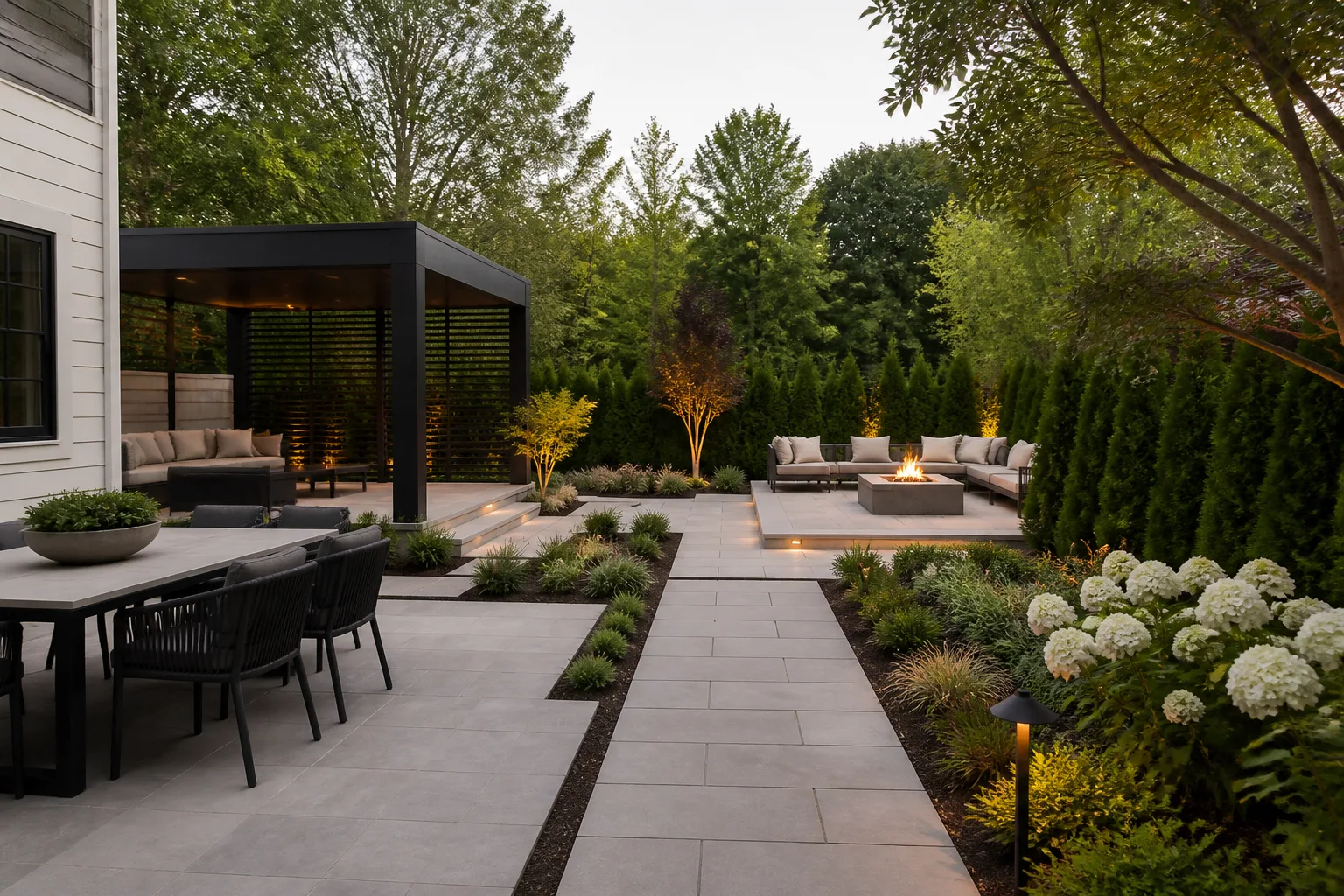
Outdoor spaces are moving from occasional party settings toward places people use for an ordinary morning coffee, a family meal, quiet reading, or evening conversation. Houzz’s 2026 study found a lounge or seating area in 83% of renovated outdoor spaces; 71% had a sofa or lounge chairs, and 66% of lounge areas had outdoor lighting. Those are project shares among surveyed homeowners, not a prediction that every backyard needs a sofa or built-in kitchen. (Houzz Research’s 2026 outdoor study)
Start With One Comfortable, Useful Zone
Decide what you want to do outside most often, then size the space around that activity. A pair of chairs and a side table may be all a small patio needs; a family that eats outside may prioritize a level dining surface, shade, and a route between the kitchen and table. In a larger yard, a secondary sitting nook can make an unused corner feel purposeful without building an expensive, fully equipped outdoor kitchen.
Keep the planting and hardscape in balance. A paved room can feel comfortable and low-maintenance, but an oversized, unshaded surface may become hot and send rain toward a foundation or neighboring lot. Trees, a pergola, or a shade sail can soften sun exposure; surrounding beds make the room feel connected to the rest of the yard. Plan enough clear space for chairs to move and for the people who use the route, including anyone using a mobility aid.
Design for Shade, Light, and Access
Comfort depends on where the sun falls at the hour you plan to use the area. Watch the site through the day before fixing a permanent structure in place. Deciduous trees can provide summer shade while allowing more winter sun, but mature-tree roots, overhead lines, and the eventual canopy size belong in the plan. A retractable awning or umbrella can be a simpler first step if the seating position is still experimental.
Lighting extends use after sunset, but it does not have to mean a bright, all-night yard. Use shielded, downward-facing fixtures where needed for steps or task areas, put controls on timers or switches, and avoid directing light into neighbors’ windows or wildlife habitat. In a small yard, one well-lit route and a focused seating area usually serve more purpose than many decorative fixtures. If the project involves grading, electrical work, a retaining wall, or a roofed structure, check local codes and hire a qualified professional where required.
2. Put Regional, Lower-Care Planting First
Plant palettes are being judged by what they do as well as how they look. In Houzz’s 2026 study, 73% of renovating homeowners selected low-maintenance plants, 55% selected native plants, and 56% chose plants that attract pollinators; the shares choosing low-maintenance, native, and drought-resistant plants each rose by 3 to 4 percentage points from 2024. These categories can overlap, and a homeowner’s selection does not prove the plant was well matched to the site. Still, the data lines up with landscape professionals’ increasing attention to climate, maintenance, and habitat. (Houzz’s 2026 outdoor feature and plant data; ASLA’s 2024 nature-based solutions survey)
Choose Plants for Your Climate and Actual Site
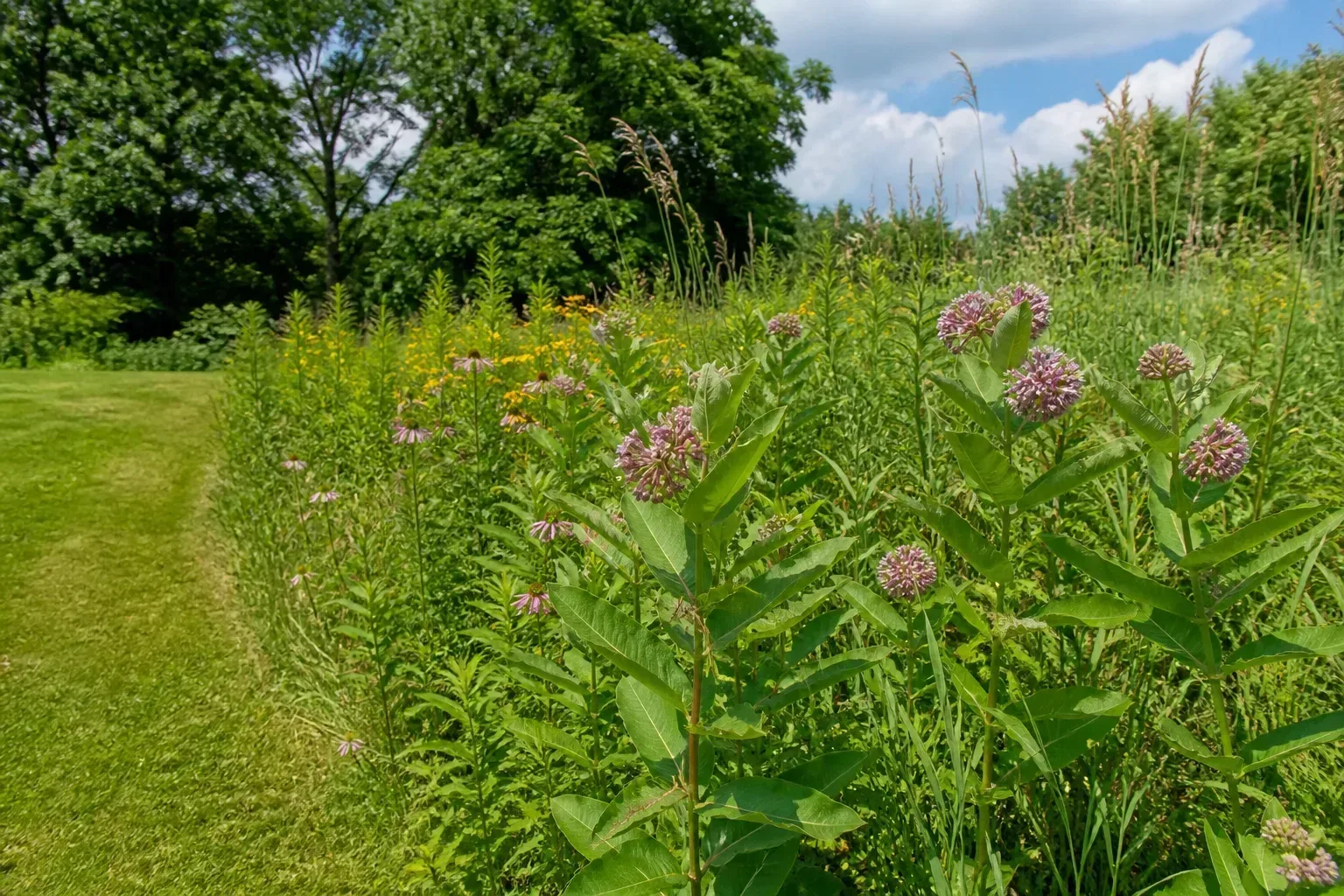
“Native” is a geographic term: a plant native to one state or ecoregion may not be native to another. Start with the conditions you already have—sun, soil texture, drainage, wind, salt exposure, and irrigation access—then look for species native to your local region or cultivars suited to the same site. Your state Extension service, local native-plant society, botanic garden, or reputable regional nursery can help you narrow choices. A well-chosen native planting can support local food webs, but the species and plant community matter; a label alone is not an ecological plan.
Lower-care does not mean no care. Most new trees, shrubs, and perennials need establishment watering and weed control while roots fill the soil. A drought-tolerant plant still needs water during establishment and may fail in heavy, poorly drained soil; a moisture-loving native may not thrive in a hot, dry parking strip. Group plants with similar needs so irrigation is easier to target, and leave enough mature spacing for airflow and maintenance access rather than packing every plant tightly for an instant effect.
Make Pollinator Planting Feel Intentional
A pollinator garden can look designed rather than unfinished. Repeat a small set of regionally appropriate plants in groups, layer heights so paths and windows stay clear, and include flowers that bloom at different times. Add shrubs or grasses for structure, and retain stems or leaf litter where practical through winter so beneficial insects have places to shelter. The University of Minnesota Extension recommends choosing plants that supply food and habitat, creating nesting places, and maintaining a healthy landscape rather than aiming for a perfect, sterile one. (University of Minnesota Extension’s pollinator landscape guidance)
Keep taller flowers and busy pollinator activity at a sensible distance from a narrow doorway, play area, or dining chair if that placement would bother household members. You can build a small habitat bed at the edge of a lawn instead of converting the entire yard. Pros interviewed by the National Association of Landscape Professionals also describe demand for native and pollinator-focused designs as highly regional and client-specific, a useful reminder that a popular palette still has to fit the household. (National Association of Landscape Professionals’ 2026 plant-trend reporting)
Color and foliage still do important design work. Landscape professionals interviewed by the National Association of Landscape Professionals noted interest in warmer salmon and sunset colors for 2026, while dark leaves can make lighter blooms or chartreuse foliage stand out. Use a dark-leaved plant as one accent rather than filling an entire border with a color that may flatten in shade. For a shady bed, choose plants for the specific light and moisture pattern; University of Maryland Extension recommends treating shade gardens as layered plant communities and accounting for whether the soil is dry, moist, or wet. That lets a shade garden feel lush without forcing sun-loving flowers into a difficult spot. (National Association of Landscape Professionals; University of Maryland Extension’s native plants for shade)
3. Let Lawns Shrink Where They Do Not Earn Their Keep
The lawn conversation in 2026 is less absolute than “remove every blade of grass.” Houzz reported that 18% of surveyed homeowners were reducing lawn size and 17% were removing lawns, while 23% were expanding theirs. Nearly half of homeowners upgrading lawn areas were adding garden beds. Natural grass remained the most common replacement for existing lawns, while hardscape projects and mulch both gained popularity. The figures show different households making different choices, not a nationwide mandate to eliminate turf. (Houzz’s 2026 landscaping trends report)
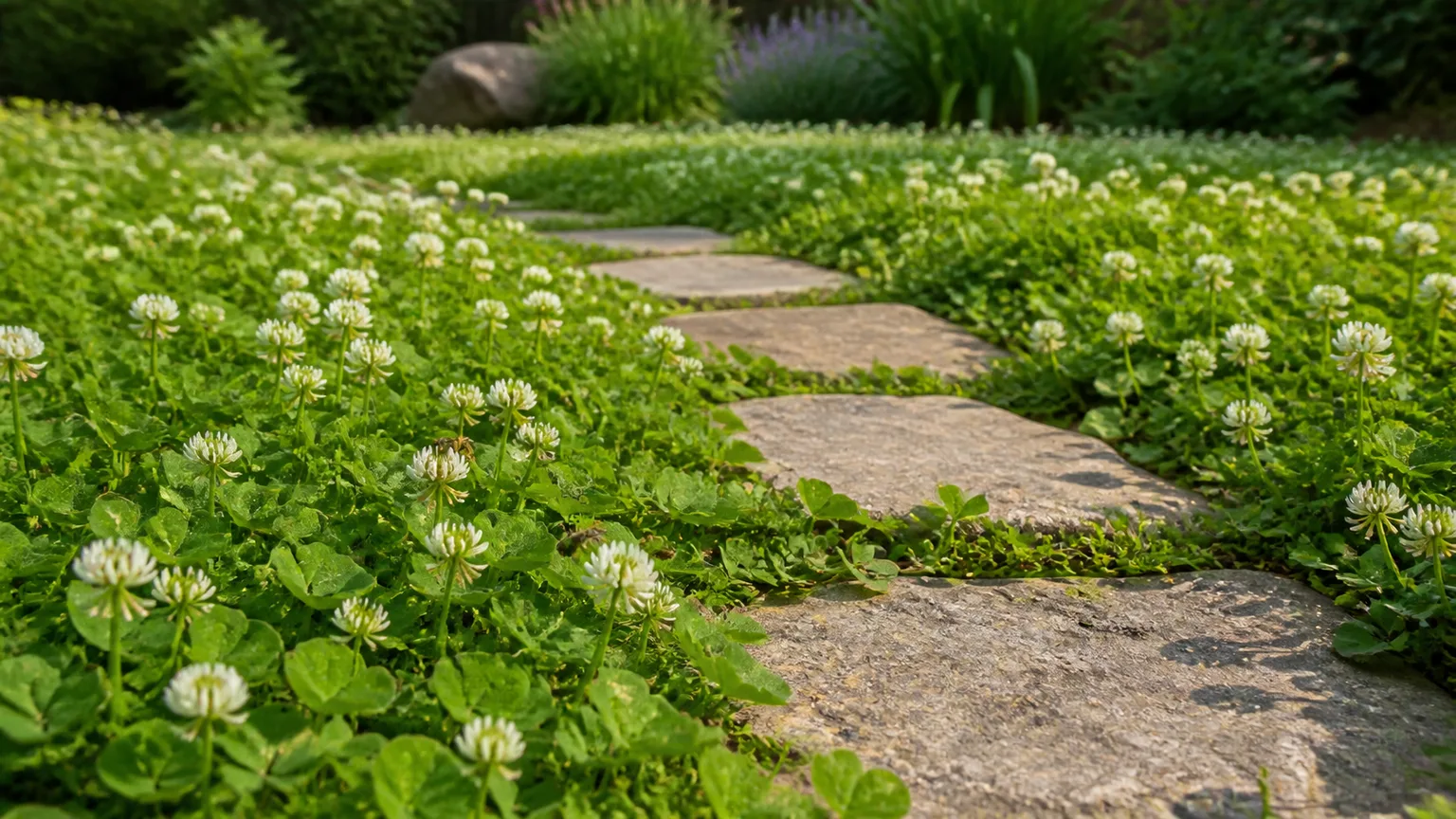
Keep lawn where people play, sit, walk, or need a durable open surface. Reduce it first where mowing is awkward—steep slopes, narrow strips, tree roots, or corners that repeatedly brown out. A small conversion is easier to evaluate than stripping the whole yard at once, and it preserves a usable patch while you learn how a new planting performs.
Keep Functional Turf and Convert Difficult Patches
Before removing grass, identify why it is struggling. Heavy shade, compacted soil, poor drainage, and foot traffic call for different fixes; a seed mix cannot correct each problem. If the area is useful for sports or pets, improving the existing turf with a locally appropriate grass species and better mowing or irrigation may fit better than replacing it with a fragile ornamental lawn.
For a low-traffic patch, options include a bee lawn, low groundcover, native planting, mulch under trees, or a path-and-bed combination. Each has trade-offs. Clover flowers can attract bees, which may not suit a frequently used play surface; a native meadow may need clear edging and seasonal cutting; groundcovers take time to knit together; gravel can heat up and needs weed management. University Extension guidance encourages replacing hard-to-mow lawn sections with shrubs or flowers where that makes sense, rather than treating one replacement as right for every site. (University of Minnesota Extension on pollinator-friendly landscapes)
Start with a small test bed. Mark the boundary, remove turf using a method that suits the grass and season, amend only if a soil test or local guidance supports it, and add plants at their mature spacing. Edge the new bed so it reads as intentional while it fills in. After one growing season, compare water, mowing, weeding, and visual results before expanding the conversion. For detailed options, see our guide to lawn alternatives.
4. Make Water Management Part of the Garden Design
Water-conscious design is visible in both homeowner searches and professional practice. Houzz reported a 137% year-over-year increase in searches for “permeable patio” on its site in the first quarter of 2026, while ASLA’s 2024 survey found rain gardens, bioswales, and permeable pavers among the nature-based tools professionals said clients were requesting for flood mitigation. A permeable surface is not automatically a drainage fix, but it reflects a wider shift toward thinking about where rain goes instead of sending every drop to a pipe. (Houzz’s 2026 emerging search trends; ASLA’s survey on nature-based solutions)
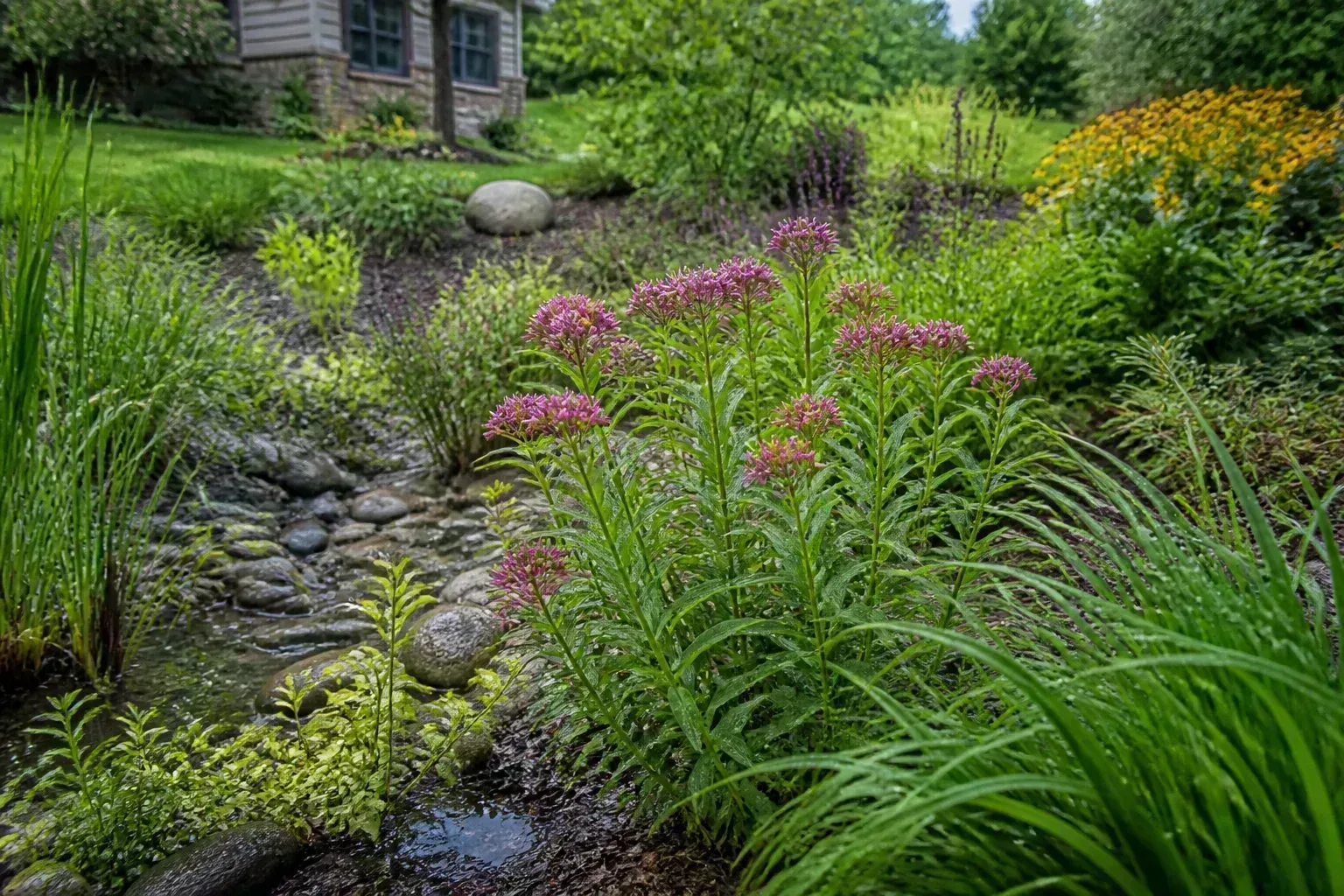
A rain garden is a planted depression that collects runoff from a roof or hard surface and allows it to soak into the soil. It can be a useful landscape feature when the site is appropriate: the University of Maryland Extension recommends starting with an assessment of property conditions and needs, while UC IPM suggests pairing runoff-collection features with plants able to handle both wetter and drier periods. (University of Maryland Extension’s rain garden guide; UC IPM’s landscape design and water-quality guidance)
Check Drainage Before You Add a Rain Garden
Trace where downspouts, driveways, and slopes already direct water during a storm. Check soil infiltration and seasonal water levels, keep required setbacks from buildings, wells, septic areas, and utilities, and plan a safe overflow route. A rain garden is not a hole to dig wherever puddles collect: standing water may signal poor infiltration, a high water table, or a grading problem that needs a different fix. Follow local stormwater guidance or consult an Extension office or qualified landscape professional before digging if the site is close to structures or has persistent flooding.
Use plants rated for the wet-to-dry range of the specific basin and your region. The center may hold water briefly after rain while the raised edge drains sooner; that gradient lets a designer use different plants in different zones. Native sedges, grasses, and flowering perennials can provide habitat as well as seasonal color, but their exact species should come from local recommendations. Keep the first-year watering and weeding in your project budget because new plants still need establishment care. Our rain garden planning guide covers more of the site checks.
5. Bring Back Romantic Courtyards and Layered Planting
Classic garden references are resurfacing in a more flexible form. Houzz’s 2026 Emerging Summer Trends report found U.S.-based searches for “French courtyards” rose nearly sixfold and “cottage patios” rose 204% year over year from January through March; English-cottage patio searches also increased. Those numbers measure searches on Houzz, not construction permits or the share of all American gardens, but they suggest that people are looking for outdoor spaces with texture, enclosure, and a sense of history. (Houzz’s 2026 emerging search data)
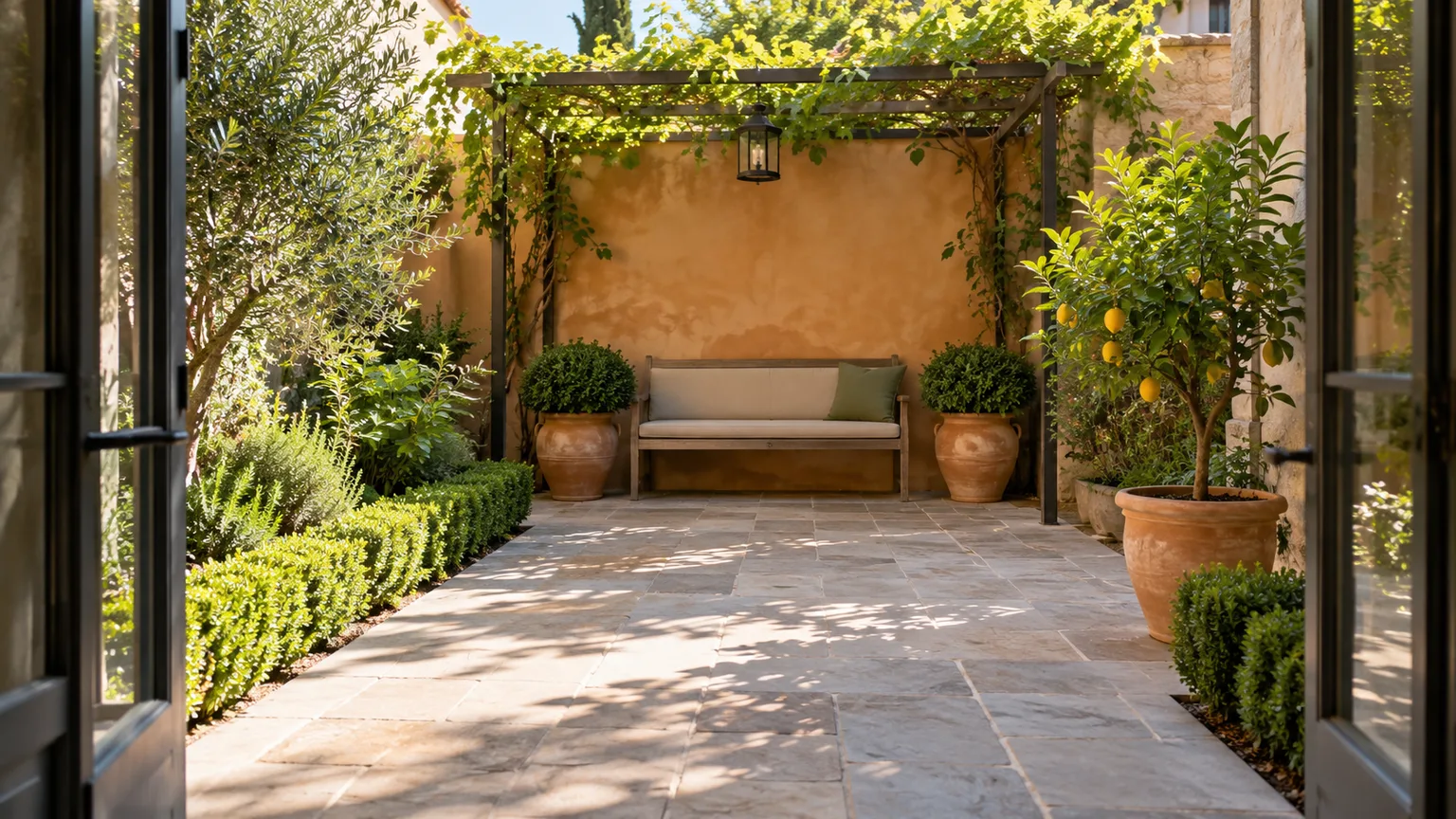
You do not need a formal parterre or a European plant collection to borrow the feeling. A simple path, a small seat framed by shrubs, a climbing vine on a trellis, and a repeating plant palette can make a contemporary yard feel settled. Combine long-lived structure—trees, evergreen shrubs, stone edging—with seasonal flowers and grasses that suit your climate. Repetition creates rhythm; allowing some plants to self-seed or soften the edges keeps the garden from looking rigid.
Avoid copying plants from a photograph if their climate needs do not match yours. English roses, hydrangeas, and lavender each respond differently to heat, humidity, winter cold, drainage, and disease pressure; choose local equivalents for the effect you want. A low-water courtyard in the Southwest, for example, can use native shrubs, dryland grasses, and regionally suitable stone to create the same feeling of enclosure and age as a lush temperate border. Explore cottage-garden design principles and English garden structure for more examples.
6. Give a Small Yard One Clear Job at a Time
A smaller landscape can still feel complete when it has one clear route and a few coordinated uses. Houzz’s 2026 emerging report saw search growth for small front yards, courtyards, and patio gardens, with searches for “small front yards” up 79% year over year. Search volume does not tell us how many homeowners built these spaces, but it points to a practical design question: how can a limited outdoor footprint support sitting, planting, movement, and privacy without becoming crowded? (Houzz’s 2026 search trends for compact outdoor areas)
Use Space Vertically and Keep Routes Open
Choose the main job first: a place for breakfast, a pollinator bed viewed from indoors, a path to a gate, or a small vegetable area. Leave enough width to use the space comfortably and to reach plants for pruning or harvesting. One open central route and a continuous bed along a boundary often feel larger than a series of tiny beds and ornaments that interrupt movement.
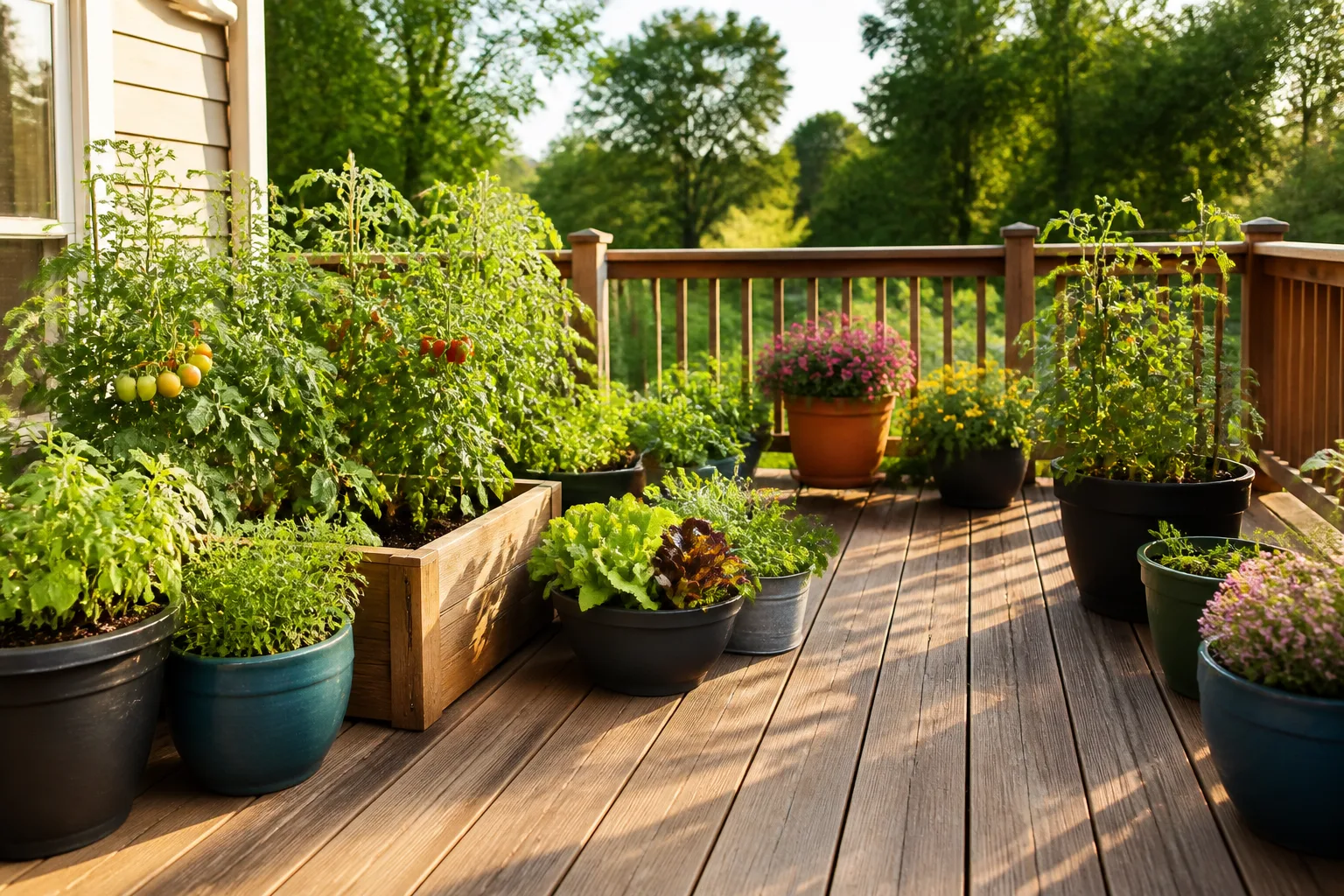
Use vertical structure where ground area is scarce: a trellis for a suitable vine, wall-mounted planters, a narrow raised bed, or a small tree with a canopy that clears the path. Check mature width before planting next to a fence or foundation; a shrub that fits on planting day may block a narrow route within a few seasons. A bench with storage, folding chairs, or a planter that doubles as a screen can provide more than one function without turning the yard into a furniture showroom.
Grouped containers are another flexible way to add a small seasonal display: repeat a pot color or material, vary the heights, and keep one plant combination per pot so you can rotate it as the season changes. Planters were still part of 40% of outdoor feature upgrades in Houzz’s 2026 study, though their share was down six percentage points from 2024, so think of a cluster as a useful option rather than a must-have trend. Containers also need more frequent watering than many in-ground beds; choose a manageable number and pot size you can maintain through heat and wind. (Houzz’s 2026 outdoor remodeling trends)
How to Choose a Trend That Fits Your Yard
Make a short site inventory before buying materials. Note where you get morning and afternoon sun, where runoff travels, which plants already thrive, and what maintenance you are willing to do in summer and fall. Include the household’s real needs: a stable play surface, clear access, a dog route, privacy from a window, or a spot to eat. Your trend shortlist should come from those constraints, not just an attractive photograph.
| Trend | A good fit when… | Plan for… |
|---|---|---|
| Outdoor room | You will use a defined place to sit or eat most weeks. | Shade, durable surfaces, drainage, and lighting placement. |
| Regional planting | You want seasonal texture or habitat and can establish a bed. | First-season watering, weeding, and a locally vetted plant list. |
| Smaller lawn | Part of the turf is difficult to mow or rarely used. | Edge definition and the needs of children, pets, or play. |
| Rain garden | Runoff has a safe route to a tested, suitable basin. | Infiltration, setbacks, overflow, and utility location. |
| Courtyard style | You want a more intimate, framed view. | Maintenance of paths, containers, and plants around seating. |
| Compact layout | Your yard has a narrow footprint or several competing uses. | Clear circulation and the mature size of trees and shrubs. |
Use this table to rule out ideas that do not solve a problem you have. A family that needs a place to run may gain more from retaining the main turf panel and adding a planted border than from installing a rain garden just because it is in the news. A steep, soggy corner may benefit from a professional drainage assessment before any planting trend. A small patio can still gain comfort from a movable umbrella and two containers without a construction project.
Compare the whole cost, not just installation. A new patio can require grading, drainage work, lighting, or a retaining wall; a native bed may cost less to build but need establishment watering and initial weed control; a lawn conversion may save mowing but add edging or seasonal cutting. Check local restrictions before changing front-yard turf, installing fences, moving downspouts, or lighting a boundary. If you rent, start with containers or movable seating; if you own, test a small bed or one seating zone before commissioning a full plan.
If the project changes grades, retains soil, redirects roof water, adds electrical work, or sits near utilities, consult the appropriate local professional. The best trend is the one that solves a recurring yard problem and continues to work after the social-media moment passes.
Conclusion: Borrow the Idea, Then Fit It to Your Site
In 2026, landscaping trends point toward more useful outdoor rooms, locally suited planting, selective lawn changes, water-aware design, romantic garden forms, and better-planned small yards. Survey figures and search growth show where interest is moving, but your climate, drainage, household, and maintenance budget should decide which idea stays. Begin with one manageable area, test how it works through a season, and expand only when the result improves how you use the yard.