How to Bring Begonias Inside for Winter
Save your begonias for next year with a type-by-type winter plan for inspection, acclimation, indoor care, tuber storage, and spring revival.
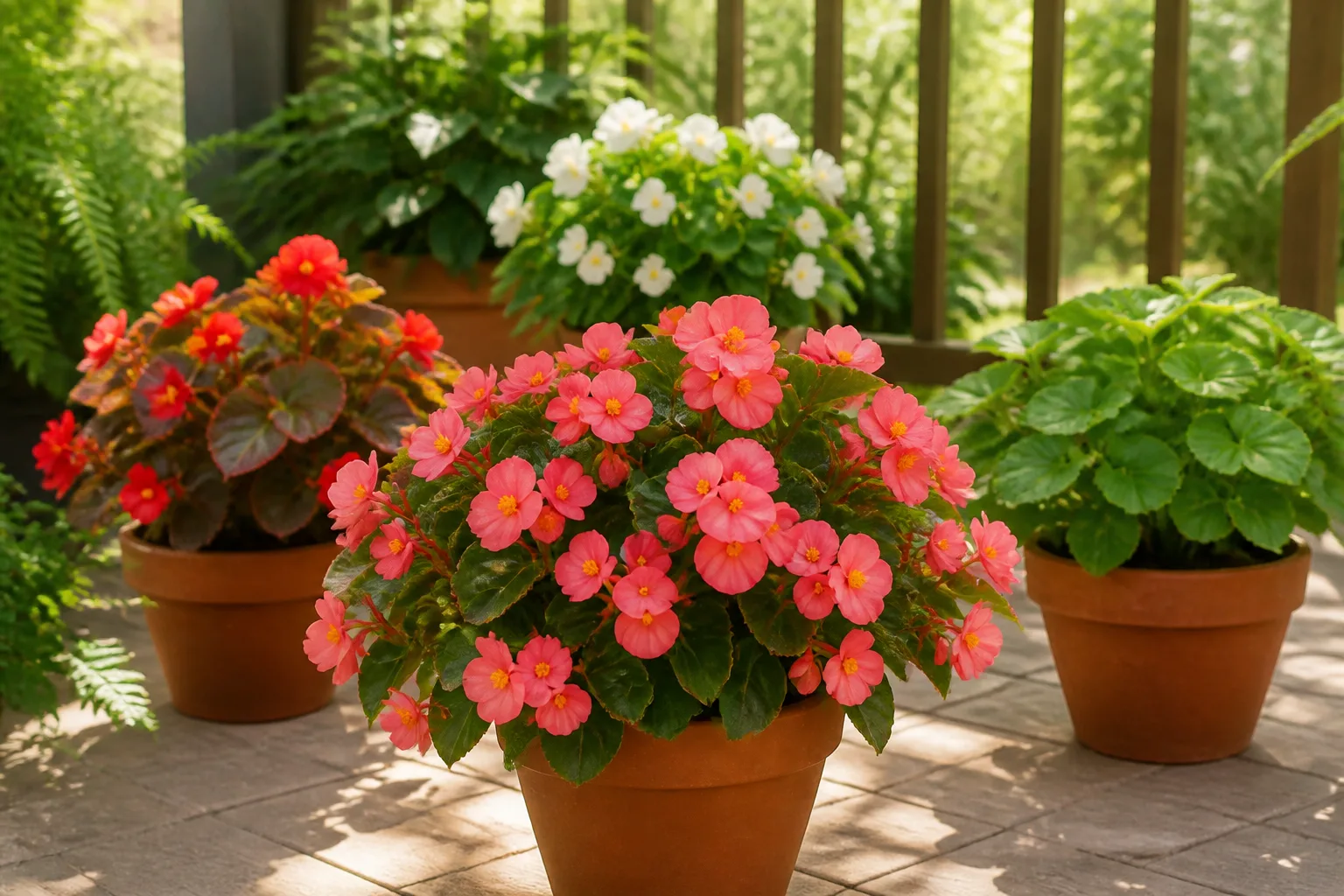
Yes, you can bring many begonias inside for winter—but “bring it indoors” is not a complete care plan. A tuberous begonia may need to lose its leaves and rest in dry storage, while a wax, cane, rhizomatous, or Rex begonia can remain a living houseplant if you provide enough light and avoid soggy soil.
The safest plan starts with identification, not a calendar date. Check the plant tag, look at the stems and roots, and decide whether you are trying to preserve an active plant, a dormant tuber, or a hardy outdoor begonia. That one choice determines when to move it, how much water it needs, and whether a bright windowsill or a dark storage box is the right destination.
Quick answer: choose the winter method by begonia group
Use this table as a first pass. If you are unsure, the plant’s label or a close look at the base is more reliable than the flower color; several unrelated begonia groups can have similar blooms.
| Begonia group | What to look for | Best winter plan |
|---|---|---|
| Tuberous or tuberous hybrid | Swollen, flattened tuber; showy seasonal flowers | Let it go dormant, then lift and store the tuber frost-free. |
| Wax or fibrous-rooted | Compact bedding plant with fine roots and fleshy but non-tuberous stems | Bring the whole plant indoors and keep it lightly growing. |
| Cane type | Upright, jointed stems; Angel Wing and Dragon Wing forms are common examples | Keep as a living houseplant in bright filtered light. |
| Rhizomatous or Rex | Thick creeping stem at the soil surface; foliage is often the main feature | Keep growing indoors with steady moisture, humidity, and filtered light. |
| Hardy begonia, such as some Begonia grandis selections | Heart-shaped leaves and a climate-appropriate hardy label | Leave it outside only if the cultivar and local conditions support that choice; otherwise protect or lift it. |
The Royal Horticultural Society’s outdoor begonia guidance classifies common garden begonias as tender perennials and separates tuberous, hardy, and semperflorens types. The practical message is simple: a plant sold as a summer annual may still be perennial in nature, but it does not follow that every begonia should spend winter on a windowsill.
Identify your begonia before moving it
The most expensive winter mistake is choosing the wrong destination. A dormant tuber placed on a warm, wet windowsill can rot or make weak shoots; a Rex begonia placed in a dark garage will lose the conditions it needs to stay healthy. Take five minutes to identify the structure at the base before you lift anything.
Tuberous begonias: save the tuber, not a winter flower show
Tuberous begonias are often sold in hanging baskets, containers, or bedding displays and may carry large, rose-like flowers. The plant stores energy in a swollen underground tuber. As day length and temperatures fall, the top growth naturally yellows, drops leaves, and stops behaving like a normal houseplant.
You can move a tuberous begonia indoors temporarily to protect it from an early cold snap, but keeping the leafy plant warm and wet all winter is usually the wrong goal. Let it finish the season, reduce watering as it slows, and plan to store the firm, dry tuber. The Proven Winners overwintering guide also distinguishes tuberous begonias as the group that needs a winter dormancy rather than continuous indoor growth.
Fibrous, cane, rhizomatous, and Rex begonias: keep them growing
Wax begonias, many bedding begonias, and cane forms such as Angel Wing begonias have fibrous roots rather than a single storage tuber. They can stay alive indoors through winter. They may pause or grow more slowly, but they do not need to be dried, boxed, and forgotten.
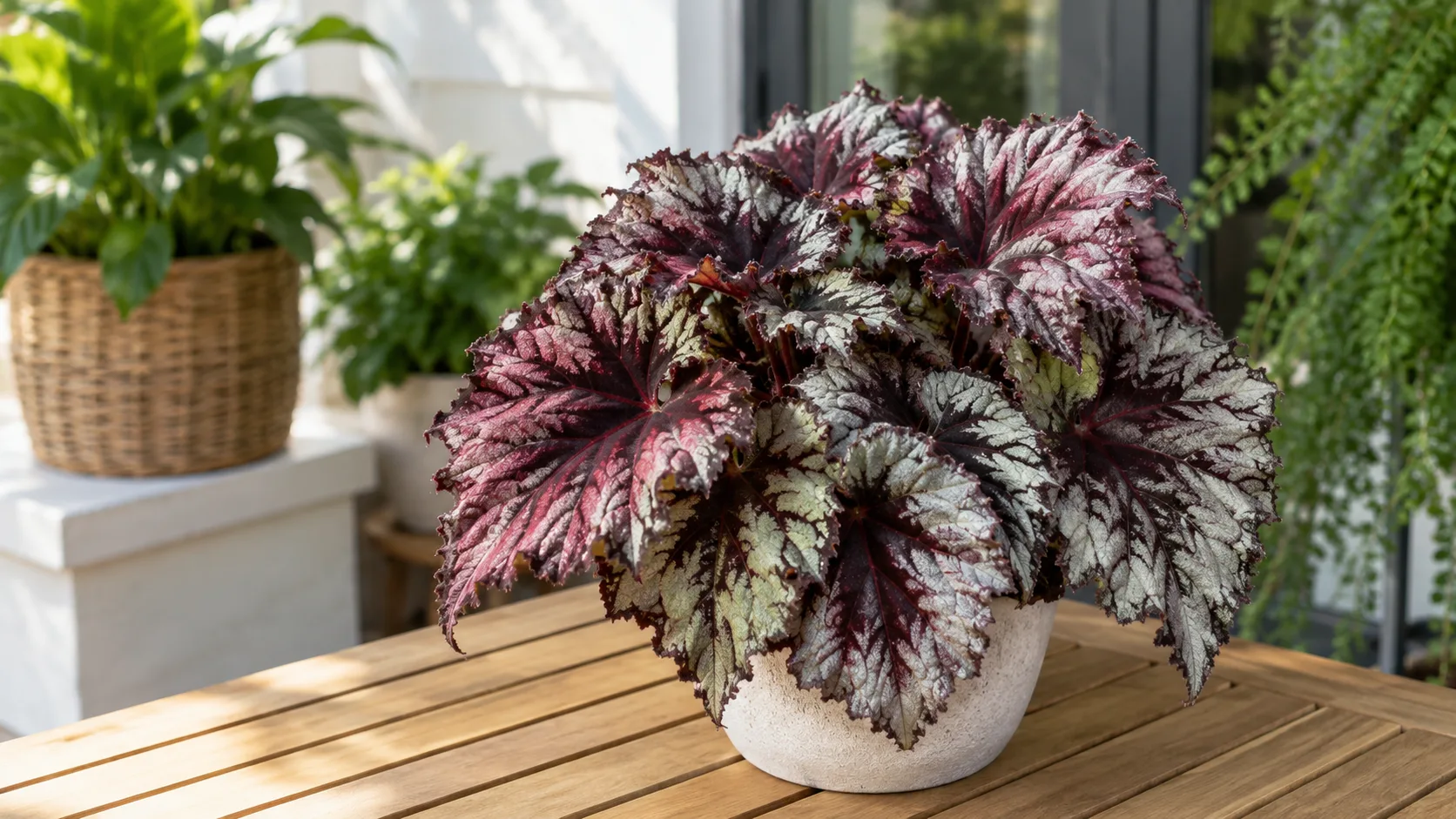
Rhizomatous begonias have a thick stem that creeps along or just above the soil surface. Many Rex cultivars fall into this foliage-focused group. They can be more demanding indoors because dry air, low light, and erratic watering show quickly in their leaves, but their winter plan is still an active plant plan: filtered light, even but not saturated moisture, good airflow, and a stable room.
The same Proven Winners guide groups cane, bedding, rhizomatous, and Rex begonias as non-dormant types that can remain in growth. Its useful distinction is not the brand name of a cultivar; it is whether the plant has a true dormancy habit.
Hardy begonia: an outdoor exception worth checking
Some hardy begonias, especially selected forms of Begonia grandis, can return outdoors in climates where the ground does not freeze deeply and the site is sheltered. The RHS notes that hardy begonia types can be left in the ground in mild areas with suitable protection, while its general garden begonias remain tender.
Do not decide by the word “tuber.” Hardy begonia and tender tuberous hybrids may both have swollen underground parts, yet one may be suitable for an outdoor winter and the other may be killed by a hard freeze. Check the cultivar, your local extension guidance, and the actual exposure of the planting bed. If the plant is in a small pot, remember that container roots experience colder, faster temperature swings than roots insulated by garden soil.
Set a temperature deadline instead of waiting for an emergency
Bring living begonias indoors before frost is forecast. The plant does not need to be hit by frost first, and waiting until a cold night can turn a manageable transition into a damaged, waterlogged mess. For a garden-grown fibrous or cane begonia, aim to dig and pot it while the weather is still mild enough for the indoor and outdoor environments to overlap.
For tuberous begonias, the deadline is different: lift them before a hard freeze and before the ground freezes solid. A light frost may kill the leaves without immediately destroying the tuber, but once the top is damaged, do not leave the plant in wet soil for weeks. Wisconsin Horticulture includes tuberous begonias among tender “bulbs” that need special treatment and advises lifting damaged-top growth promptly, curing the storage structure, and keeping it cool, dry, and above freezing. Read its tender-bulb storage guidance as a framework, then adjust the exact temperature and timing to your cultivar.
Use the first frost date as a planning reminder, not a command to perform every step on one day. Mark the plants you intend to save, find an indoor spot or storage box early, and watch the forecast. A mild autumn may give you more time; an early hard freeze may give you less.
Quarantine and clean the plant before it crosses the threshold
Moving a begonia indoors also moves every insect, egg, fungal spore, and slug hiding in its foliage or drainage holes. Indoor conditions are less forgiving because there are no rainstorms to knock pests off, fewer predators, and many nearby plants for a small infestation to reach. Inspect first, then decide whether the plant is worth the indoor space.
Check the undersides of leaves, leaf axils, cane joints, the soil surface, the rim of the pot, and the drainage holes. Look for fine webbing, stippling, sticky residue, cottony clusters, scale bumps, distorted new growth, gray or white fungal growth, and soft stems. Slide a container plant out of its pot if you can do so without breaking the root ball; pests sometimes shelter beneath the pot or around the drainage holes.
Rinse dust and loose insects from the foliage with a gentle stream of water, allowing the plant to dry before you inspect it again. If a pest is present, use only a product labeled for ornamental plants and follow its label for application, ventilation, and repeat timing. Do not substitute concentrated dish soap, bleach, or an improvised pesticide for a labeled treatment.
Keep the begonia away from your established houseplants for at least a couple of weeks while you watch for new activity. A plant with a small, treatable issue can earn its place indoors after the problem is controlled. A plant with spreading rot, severe mildew, or a heavy infestation is usually a poor candidate for overwintering; save a healthy cutting if the species permits, and discard the failing material rather than risking the collection.
Bring a container begonia indoors with less shock
Container-grown begonias are the easiest to move because the roots are already in a manageable volume of mix. Start by removing dead leaves, spent flowers, weeds, and debris from the soil surface. Check that the drainage holes are open and that the pot can stand in a saucer without sitting in water.
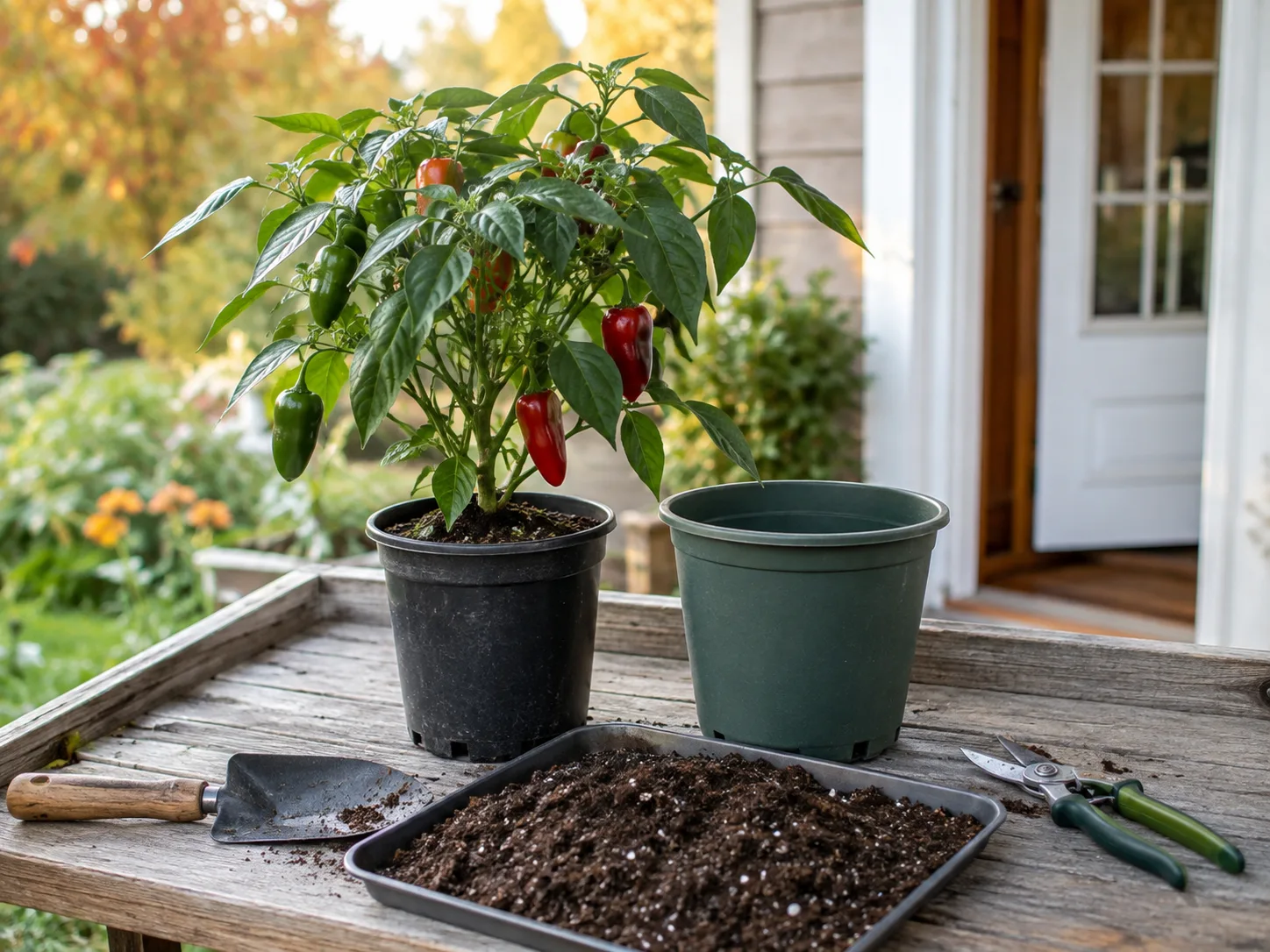
If the mix is dry, water the plant thoroughly a day before the move and let excess drain. If it is already wet, do not water again just because the season is changing. Begonias need moisture, but a heavy pot of cold, saturated mix takes longer to dry indoors and increases the risk of root trouble.
Trim only what has a clear job: remove broken stems, pinch a few overly long shoots, and cut away diseased or damaged growth with clean pruners. Avoid a major haircut on a plant you are trying to acclimate. A little shaping can reduce the indoor footprint, but removing a large share of healthy foliage at the same time as the plant changes light and air can add unnecessary stress.
If a begonia grew in the ground, lift a generous root ball and pot it at the same depth in a clean container with a well-draining mix. Do not bring a large mass of garden soil indoors if it is compacted, poorly draining, or full of weeds and soil pests. Keep the new pot only modestly larger than the roots; extra wet mix is not a winter benefit.
For a week or two before the final move, shift the plant from full outdoor exposure into bright shade or filtered light. Then introduce the indoor location gradually when practical—an evening indoors, a day back outside, and longer indoor stays—or move it directly only when temperatures are already reasonably close. The Gardening Know How cold-climate overview and Gardeners’ Path winterizing guide both describe gradual changes in light and temperature as a way to reduce stress and leaf drop.
Dig and store a tuberous begonia
Tuber storage is a different job from houseplant care. Your goal is to move a healthy storage organ from active growth into a controlled rest, then keep it firm until spring. Do not store a tuber that is already soft, badly cut, or visibly diseased and expect a box to repair it.
Lift and cure without bruising the tuber
As late-season growth slows, reduce irrigation and stop routine feeding. Wait for the foliage to yellow naturally when possible. If a hard freeze is approaching, lift before it arrives rather than waiting for perfect dieback; if a light frost has already blackened the tops, lift within a few days and well before the soil freezes.
Use a garden fork or small spade several inches away from the stem and loosen the soil on all sides before lifting. Tuberous begonia tubers can be shallow and easy to slice, especially in a crowded container. Lift the clump, support it from underneath, and shake or brush away loose soil without scraping the skin.
Leave a short stem attached while the tuber begins to dry. Spread the clumps in a single layer in a shaded, dry, well-ventilated place where they will not be rained on. A curing period of roughly one to two weeks is a useful starting point for tuberous begonias; the exact time depends on the size of the tuber, the weather, and how much moisture it carried from the garden.
The stem stub should become dry and loose rather than green and juicy. Once the surface is dry, remove the remaining stem and excess soil gently. Inspect the tuber from every angle and discard any that are mushy, foul-smelling, deeply cut, or collapsing. A clean cut on a firm, otherwise healthy tuber can be allowed to dry fully before storage, but do not keep questionable pieces in the same box as valuable stock.
Pack, label, and inspect the dormant tuber
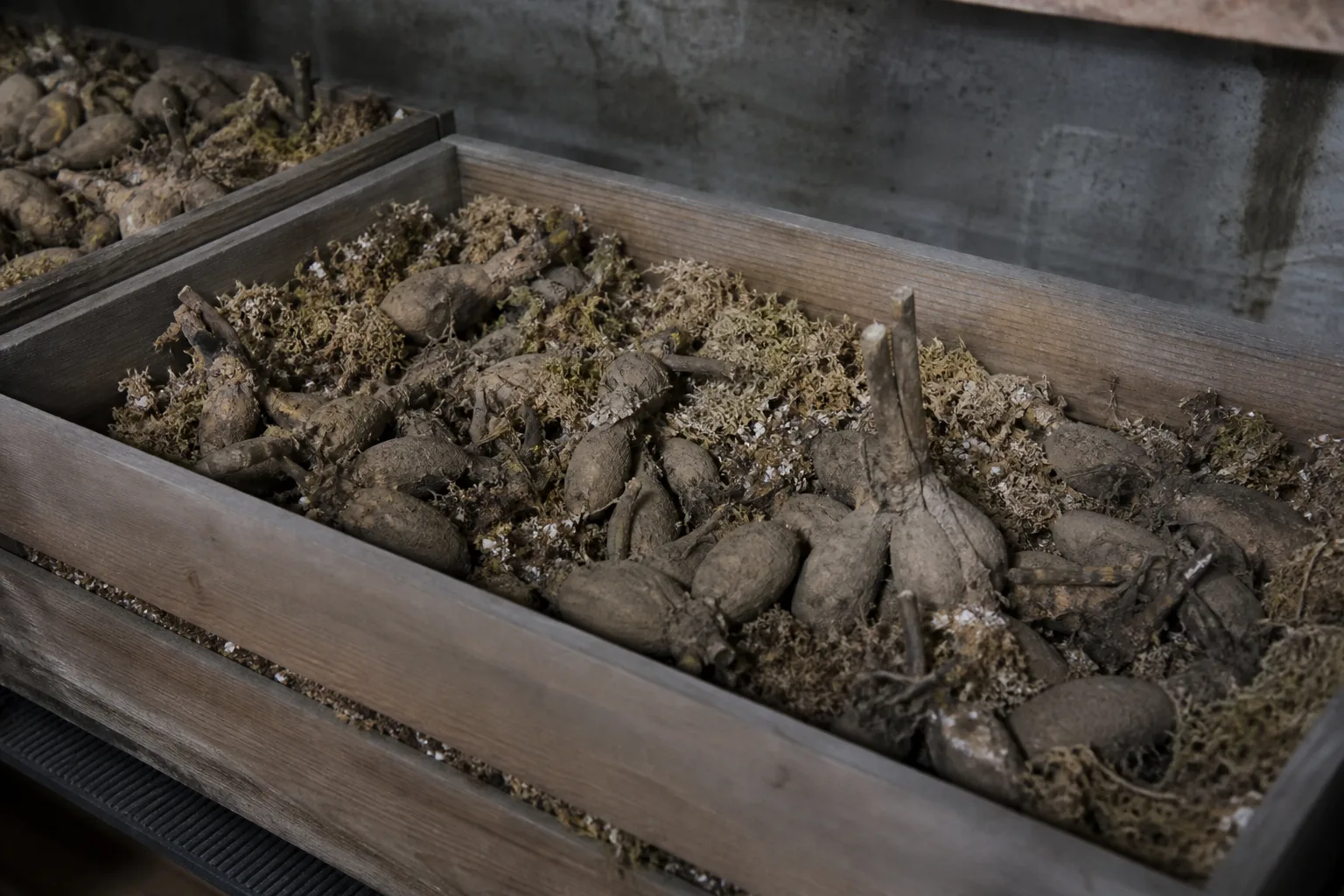
Use a cardboard box or paper bags, not an airtight plastic container. Nestle individual tubers in dry sawdust, vermiculite, sand, or another suitable loose packing material so they do not touch. The packing protects the surface and buffers small humidity changes, but it must not be wet.
Store the box in a dark, dry, frost-free place. A practical target for many tuberous begonias is around 45–50°F, with the cultivar’s instructions taking priority; the RHS suggests about 45°F for dry tubers, while Wisconsin Horticulture gives a cool 35–45°F range for many tender bulbs and separately lists about 50°F for tuberous begonias. The agreement that matters most is “cool, dry, and never freezing,” not a single magic number.
Label each tuber or bag with the cultivar and flower color before you forget which is which. Once a month, open the box and look for soft spots, fuzzy growth, odor, or a tuber that is becoming wet. Remove a failing tuber immediately so one rotting piece does not turn the packing material into a source of trouble.
If the tubers are wrinkled and shrinking, the storage air may be too dry. Barely moisten the packing material—not the tuber—and check again later. If the box feels damp or condensation is present, remove the tubers, air-dry them, and repack in fresh, dry material. Storage should be a quiet inspection routine, not a watering schedule.
Care for living begonias indoors through winter
Put living begonias in bright filtered or indirect light. A shaded outdoor begonia may suffer if placed against hot glass in afternoon sun, while a plant moved to a dim corner may stretch, drop leaves, and invite disease. A grow light can help when natural light is weak, but keep the plant far enough away to avoid heat and leaf scorch.
Keep pots away from radiators, forced-air vents, exterior doors, and cold glass. A stable room in the approximate 60–75°F range is a reasonable general target for actively growing fibrous, cane, rhizomatous, and Rex types, but avoid chasing a precise number if the plant is exposed to drafts or rapid swings. Consistency matters more than a thermostat-perfect room.
Adjust water to the group and the plant’s actual growth. For wax and cane begonias, let the upper layer of mix dry slightly, then water thoroughly and empty the saucer. Rhizomatous and Rex begonias appreciate more even moisture, but their roots still need air; keep the mix lightly moist rather than constantly saturated. Tuberous begonias in dormancy follow the storage plan above and should not be watered like a leafy houseplant.
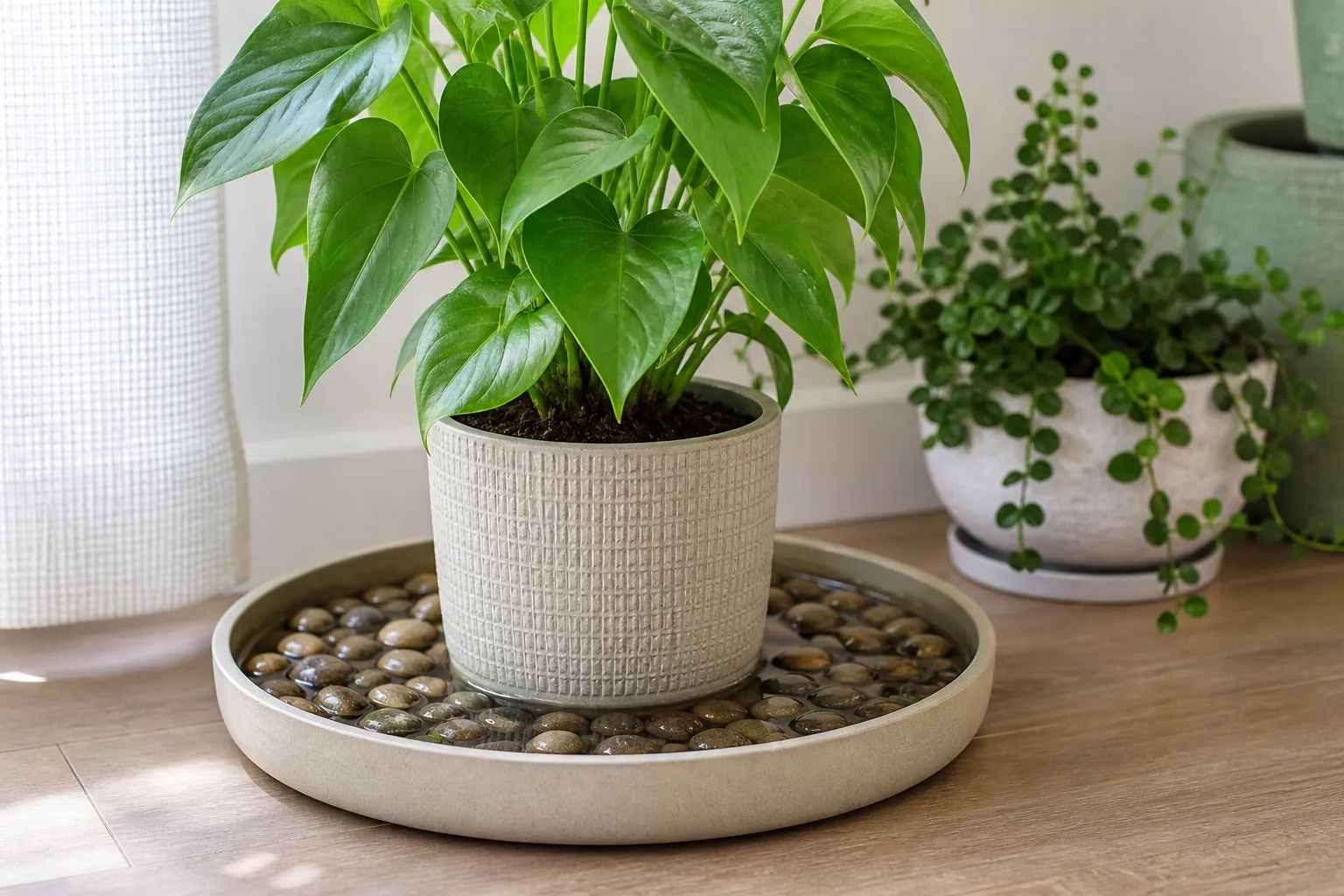
Winter air can be dry, particularly in heated rooms. Group plants, use a humidifier with enough airflow to prevent constantly wet foliage, or place a correct pebble tray nearby. The pot must sit on the stones above the waterline; standing the pot in water is a root-rot setup, not a humidity solution. Misting may wet leaves briefly but does not replace stable room humidity or good circulation.
Pause fertilizer while a newly moved plant is adjusting and while light levels are weak. Resume a dilute, balanced feed only when you see active new growth and your watering routine has stabilized. Remove dead leaves and spent flowers promptly, but avoid aggressive winter pruning unless you are correcting damage, controlling size, or taking cuttings.
Some leaf drop after the move is normal. Outdoor leaves were built under stronger, longer light and different air movement, so the plant may shed some while it produces foliage suited to the indoor location. Leaf drop accompanied by a sour pot, soft stems, or continuously wet mix points to a root problem; pale stretched growth points to insufficient light; stippling or webbing points to mites; and a white powdery coating suggests a disease or airflow issue rather than simple acclimation.
Wake tubers and move living plants outdoors in spring
Start tubers before the outdoor planting date if you want an early display. Several weeks before the local frost-free window, place each tuber in a small pot of fresh, well-draining mix with the concave top at or just above the surface. The RHS recommends starting tuberous begonias into growth in early spring and keeping them shallow rather than burying the storage organ deeply.
Water the mix enough to settle it, then hold back until the surface begins to dry or shoots appear. Once new growth is visible, increase water gradually and provide bright light. A small pot is useful at this stage because a large container stays wet around a mostly dormant tuber; pot up only when the roots and shoots are clearly using the mix.
For living begonias that spent winter indoors, wait until frost danger has passed and outdoor temperatures are stable enough for the particular plant. Begin in bright shade protected from wind, rain, and abrupt temperature drops. Add more outdoor time over one to two weeks before returning the plant to its summer position, and increase light gradually—especially for a Rex or foliage begonia that spent winter behind filtered glass.
If a plant looks thin in spring, do not compensate with a full-strength fertilizer or a sudden move into sun. Check the roots, light, moisture, and pest status first. New growth is a better signal that the plant is ready for feeding and a brighter placement than the calendar alone.
Use cuttings as insurance when a whole plant is impractical
Sometimes the best answer is not moving a large outdoor pot into your home. A sprawling wax or cane begonia may be healthy but too large, a plant may have a small pest issue that makes a clean restart sensible, or you may want several spring plants without storing a bulky container. The three-route comparison in Get Busy Gardening’s overwintering guide is useful here: the choice is between keeping a plant active, storing a dormant structure, or starting a smaller plant. In those cases, cuttings are a practical insurance policy.
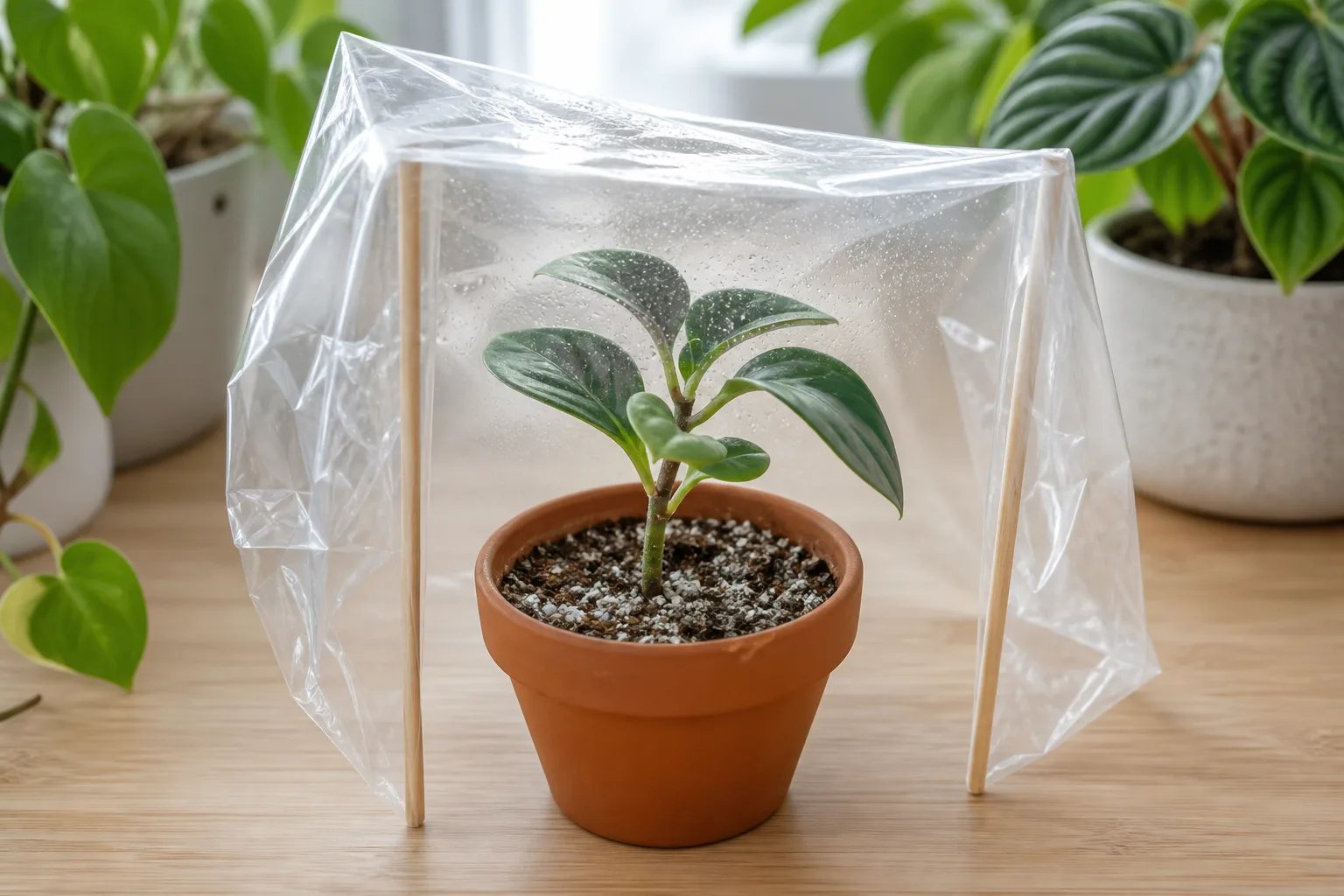
Take 3–4-inch pieces from vigorous, non-flowering stems while the plant is still actively growing. Remove the lower leaves and place the cutting in a clean, lightly moist rooting medium under bright indirect light. A loose humidity cover can reduce water loss, but leave ventilation and check that condensation is not keeping the medium saturated.
Begonias can root in water, but roots formed in a glass may need a careful transition into potting mix. Rooting directly in a small, airy medium often produces a smoother handoff to winter care. Once the cutting resists a gentle tug and shows new growth, remove the cover gradually and care for it as a small houseplant.
The RHS separates propagation methods by begonia group: tuberous begonias can be divided when shoots are emerging and each section must have a viable bud, while many fibrous or semperflorens types are better handled with stem cuttings. Do not cut up a dormant tuber in autumn simply because it is convenient; division is safer when growth makes the buds visible and the cut surfaces can dry before active potting.
Fix the common winter failures before giving up
Most overwintering failures are not mysterious. They come from putting the right plant in the wrong environment, or from changing several variables at once and then guessing at the result.
| What you see | More likely cause | First correction |
|---|---|---|
| Leaves drop soon after moving indoors | Lower light, temperature change, or abrupt transition | Move to bright filtered light, keep conditions stable, and wait for new adapted leaves. |
| Yellow leaves with wet soil and a soft base | Overwatering or root/crown rot | Stop watering, check roots and stems, improve drainage, and remove rotted tissue. |
| Tuber is mushy or smells bad | Storage moisture, injury, or rot spread | Remove it immediately; discard or cut only firm, healthy tissue, then dry and repack. |
| Tuber is deeply wrinkled | Storage is too warm or dry | Verify temperature, barely moisten the packing material, and inspect more often. |
| Pale, long stems indoors | Insufficient light | Add a grow light or move closer to bright filtered light without scorching foliage. |
| Fine stippling or webbing | Spider mites or another pest | Isolate, rinse, identify the pest, and use a labeled treatment if appropriate. |
| Gray or white growth on leaves | Poor airflow, wet foliage, or fungal disease | Remove affected debris, improve air movement, keep leaves drier, and reassess whether the plant is worth saving. |
Do not keep watering a tuberous begonia because the bare storage tuber looks “dead.” Dormancy is the survival strategy. Conversely, do not assume a Rex or cane begonia is dormant just because it slows down; if it remains leafy, check light, moisture, and roots before withholding water for months.
Also reconsider the cost of the project. If you have no frost-free storage for tubers, no bright location for a living plant, or no way to isolate pests from your collection, buying a healthy spring plant may be the more reliable choice. Saving a begonia is rewarding when the conditions fit; it is not a requirement to rescue every plant at any cost.
Conclusion
Bring begonias inside for winter when the plant is a tender, non-dormant type that can live as a houseplant, or when you need to protect a container before frost. For a tuberous begonia, bring it out of danger, let it rest, and store the firm tuber cool, dry, dark, and frost-free instead of trying to force winter flowers.
Identify the group, inspect for pests, move gradually, and keep moisture matched to the plant’s actual state. In spring, wake tubers shallowly and harden living plants back to outdoor light. If a whole plant is too large or risky to move, a few healthy cuttings can preserve the variety with less space and a cleaner start.



