Not Enough Light for Houseplants: Signs and Fixes
'Light is the engine of houseplant health. Not Enough Light appears as Weak growth, small leaves, dull color, plant leaning toward light when a plant receives too little energy to thrive-or too much direct sun for its leaves to handle. Matching light to species prevents most leaf fade, stretch, and scorch issues indoors. Track weekly progress after you change care, and note watering, light, and repotting dates so you can tell whether the symptom is improving or returning.'. Compare upper versus lower leaves, new versus old growth, and soil moisture at root depth before you treat, because the same visible symptom can come from watering, light, pests, or normal aging on different plants.
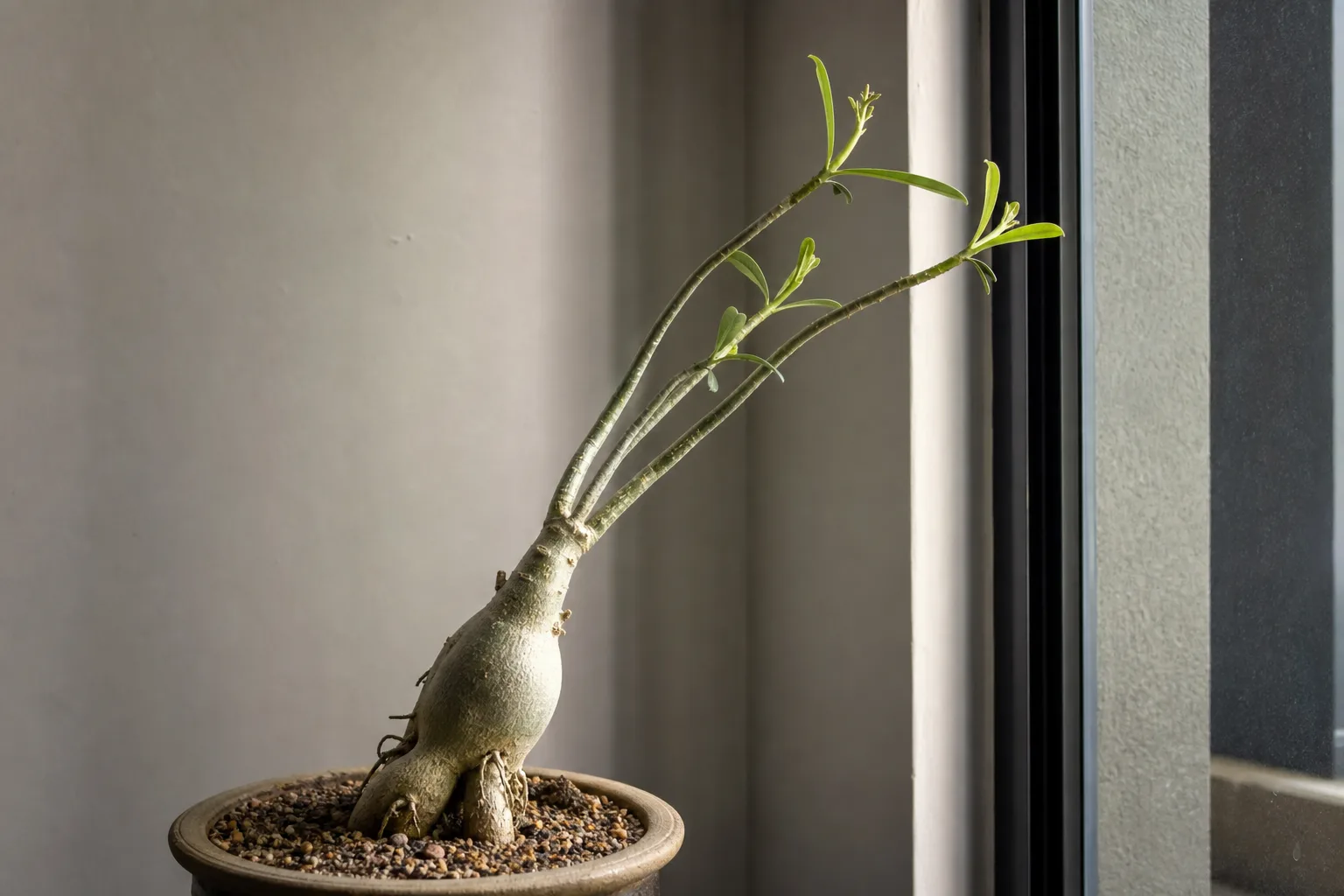
Not Enough Light on Houseplants
Still unsure?Match your symptoms to the most likely problems in under a minute.Run diagnosis →Understand and fix not enough light
'Light is the engine of houseplant health. Not Enough Light appears as Weak growth, small leaves, dull color, plant leaning toward light when a plant receives too little energy to thrive-or too much direct sun for its leaves to handle. Matching light to species prevents most leaf fade, stretch, and scorch issues indoors. Track weekly progress after you change care, and note watering, light, and repotting dates so you can tell whether the symptom is improving or returning.'. Compare upper versus lower leaves, new versus old growth, and soil moisture at root depth before you treat, because the same visible symptom can come from watering, light, pests, or normal aging on different plants.
Overview
'Light is the engine of houseplant health. Not Enough Light appears as Weak growth, small leaves, dull color, plant leaning toward light when a plant receives too little energy to thrive-or too much direct sun for its leaves to handle. Matching light to species prevents most leaf fade, stretch, and scorch issues indoors. Track weekly progress after you change care, and note watering, light, and repotting dates so you can tell whether the symptom is improving or returning.'. Compare upper versus lower leaves, new versus old growth, and soil moisture at root depth before you treat, because the same visible symptom can come from watering, light, pests, or normal aging on different plants.
How to identify it
- Plant leans or stretches toward the window (too little light)
- Pale, washed-out leaves far from the glass
- Crispy bleached patches on sun-facing leaves (too much light)
- Slow growth in winter far from windows
- Compare care routine-watering unchanged but leaves declining
When to worry
Bleached, papery patches after sudden sun exposure or total leaf drop after a dark move need quick light adjustment, not fertilizer.
Common causes
Plant too far from the brightest window
Indoor light drops sharply with distance. What looks 'bright' to us may be low light for a fiddle leaf fig or succulent.
Sudden move into direct sun
Plants acclimated to indirect light burn quickly when placed in south-facing direct rays-classic Not Enough Light.
Seasonal daylight reduction
Winter short days trigger fade, drop, and leggy growth even if the plant stayed in the same spot all year.
Dirty windows or obstructed glass
Sheers, tint, furniture, and grimy panes can cut usable light more than owners realize.
Step-by-step fix
Measure light at the plant's location
Within 2 feet of a window is bright indirect for most tropicals. Farther than 6 feet is usually low light.
Move gradually
Increase light over 1–2 weeks to avoid shock. Pull back from harsh direct sun the same way.
Add grow lights if windows are insufficient
Full-spectrum LEDs 12–14 hours daily support plants in dark rooms or north-facing windows.
Rotate the pot weekly
Even growth prevents one-sided lean and uneven fading.
Adjust watering with light changes
Plants in brighter spots dry faster-recheck soil when you move them.
Prevention tips
- Research light needs before placing a new plant
- Acclimate to direct sun slowly over two weeks
- Supplement with grow lights in winter for high-light species
- Keep windows clean and unobstructed
Common mistakes
- Assuming all 'indoor plants' tolerate the same light
- Moving a plant into direct sun to 'fix' legginess instantly
- Ignoring seasonal light drop in winter care
Indoor plants need usable light to build sugars, maintain leaves, and produce balanced new growth. When light falls below a plant’s needs, the result is rarely one dramatic symptom. More often, growth gradually stretches, leans, becomes smaller or paler, and sheds older foliage. The pot may also stay wet longer because the plant is using less water.
Those signs are valuable but not exclusive. Root trouble, excess water, nutrient stress, pests, and seasonal dormancy can also slow growth or change leaf color. Diagnose low light from a cluster of growth responses plus the actual conditions at leaf level. Then improve exposure gradually; the cure for insufficient light should not become a sunburn event.
This guide uses a comparative, response-based method synthesized from extension guidance: compare new growth with older growth on the same plant, audit the actual leaf-level exposure across a week, rule out root and pest look-alikes, and change one major light variable at a time. Phone readings are treated as comparisons, not calibrated plant-light measurements. The images show growth patterns on Adenium and do not define a universal requirement for other species.
Quick answer: signs of insufficient light
A houseplant may not be receiving enough light when it shows several of these changes:
- New stems stretch toward the brightest window.
- Spaces between leaves become longer.
- New leaves are smaller, thinner, or less colorful.
- Lower leaves yellow or drop while the stem continues to reach.
- Variegation becomes less distinct in new growth.
- Flowering declines on a species expected to bloom.
- The substrate stays wet much longer than it once did.
- Growth slows during a seasonal reduction in daylight.
University of Minnesota Extension identifies small leaves, long internodes, and pale color among signs of inadequate light. No single feature proves the diagnosis. A rootbound plant may make small leaves; overwatering may yellow lower foliage; and some plants naturally slow in winter.
If the plant sits in a windowless room with no horticultural light, insufficient light is highly plausible. “Low-light tolerant” plants still require light; the label means they decline more slowly or maintain acceptable form under lower intensity than high-light species.
What indoor light actually means
Plant light has more than one dimension. Intensity is how much photosynthetically useful light reaches a surface at a moment. Duration is how long exposure lasts. Spectrum describes wavelength distribution. The total usable light across a day matters more than a bright-looking instant.
Human vision adapts to a dim room, so a corner can appear comfortable while offering little energy for photosynthesis. Light also decreases rapidly as a plant moves away from a window, and leaves below the canopy receive less than the top leaves.
Window direction is only a starting point. Latitude, season, clouds, neighboring buildings, trees, roof overhangs, screens, curtains, tint, dirty glass, and the plant’s distance from the pane can reverse a rule of thumb. Evaluate the actual location rather than relying on “north window” or “bright room” as complete descriptions.
Read the growth pattern
Compare the newest two or three nodes with older growth produced when the plant looked healthy. Photograph the plant from the same position and measure internode length. Changes within one plant are usually more informative than comparing it with a highly lit greenhouse specimen online.
Map direction. Does the plant lean consistently toward one source? Are leaves on the room-facing side smaller or dropping? Is new growth reaching while older stems remain compact? A directional pattern supports a light gradient.
Also check the root zone. A dim plant often dries slowly, so a watering routine that worked in summer may become excessive in winter. Low light and wet roots frequently occur together and can amplify yellowing, wilt, and loss.
Leaning, stretching, and long internodes
Plants orient growth toward light, a response called phototropism. Under insufficient intensity, many species also elongate stems and petioles. The result is commonly called legginess or etiolation: wider spaces between leaves, weaker support, and a sparse silhouette.
Existing elongated sections will not become short again when light improves. Better conditions should produce more compact subsequent growth. Once the plant is stable and actively growing, pruning or propagation can rebuild form if appropriate for the species.
Rotation can distribute directional growth, but it cannot create more light. Turning a severely light-starved plant merely changes which direction it reaches. First improve the total exposure.
Small leaves, dull color, and leaf loss
Insufficient energy can lead to smaller new leaves, slower expansion, reduced variegation, and the shedding of foliage that the plant can no longer support. Penn State’s overview of low-light houseplants emphasizes choosing species suited to interior conditions rather than expecting all plants to perform similarly.
Dull or pale color alone is ambiguous. Excess sun can bleach, nutrient-uptake trouble can cause chlorosis, and pests can stipple the blade. Low light becomes more convincing when color change appears together with reaching, long internodes, weak new growth, and a location with limited exposure.
Flower loss also has multiple causes. Light-demanding flowering plants commonly need more energy than foliage plants, but temperature, maturity, nutrition, pruning, and day length may influence bloom. Do not promise flowering from a brighter spot alone.
Use the image to compare direction, spacing, and canopy density. Adenium is a high-light succulent; its response cannot set a universal threshold for shade-adapted foliage plants.
Rule out common look-alikes
Check for overwatering: persistently wet mix, a heavy pot, yellowing, edema-like tissue, odor, or weak roots. Low light may be the reason the mix stays wet, but root dysfunction can become the immediate problem. Correct both the placement and watering logic.
Cornell Cooperative Extension’s houseplant guidance also stresses matching indoor plants to available light, reinforcing that species selection belongs in the diagnosis rather than being an afterthought.
Check for nutrient and pH issues when chlorosis follows a vein or leaf-age pattern. Check for pests when pale areas consist of fine stippling, silver scars, webbing, black specks, or sticky residue. Check temperature when growth stalled after exposure to cold glass, air conditioning, or heating.
Normal seasonal slowing is possible, especially where winter days shorten. University of Minnesota Extension recommends moving plants closer to windows during winter while avoiding cold injury. A seasonal slowdown without stretching, decline, or prolonged wetness may not require aggressive correction.
Finally, identify the plant. A snake plant growing slowly in moderate indoor light is not equivalent to an Adenium, cactus, citrus, or flowering African violet. Species-specific guidance sets the destination; visible response tells you whether the current setting is working.
Assess the plant’s real light
Observe at several times on a clear day and a cloudy day. Record when direct sun reaches the leaves, how long it lasts, and whether shadows are sharp or diffuse. Note obstructions and the distance from the glass.
A handheld light meter can provide repeatable comparisons. Phone sensors and apps vary, so use them mainly to compare locations rather than claim laboratory precision. Measure at the leaf surface, facing the source, at multiple times. A single noon reading does not represent the whole day.
Record the device, orientation, position, and time so later readings are comparable. A consumer lux reading describes illumination weighted for human vision; it is not interchangeable with photosynthetic photon flux or a daily light integral. Use the number to test whether one shelf is consistently brighter than another, then judge success from compact, normally sized new growth.
The strongest measurement remains plant response over time. If new growth becomes compact, appropriately colored, and normally sized after a gradual increase, the change is working.
Create a seven-day light audit before buying equipment:
| Observation | Record |
|---|---|
| First and last useful daylight | Approximate clock times |
| Direct sun on leaves | Start, finish, and affected side |
| Major obstruction | Curtain, screen, tree, roof, building |
| Canopy distance from glass | Same unit each time |
| Comparative meter reading | Morning, midday, late afternoon |
| Plant response | Leaning, wilt, bleaching, new growth |
The audit exposes seasonal and household variables that a compass direction misses. Repeat it after leaves appear on outdoor trees, after a curtain change, and near the shortest and longest days of the year.
If several plants share a shelf, measure the edges as well as the center. A fixture or window can provide acceptable light to one plant while leaving another outside the effective footprint. Taller plants may also shade shorter ones.
Window direction, distance, and obstructions
South- or west-facing glass may provide intense direct sun in some northern-hemisphere locations; east windows often offer gentler morning sun; north windows may provide diffuse light. In the southern hemisphere, orientation reverses. Buildings, trees, balconies, screens, and glazing can matter more than compass direction.
Distance is critical. A plant several metres from a bright window does not receive the same intensity as one close to it. Move incrementally—perhaps a modest step closer—then observe for bleaching, hot leaf surfaces, wilt, or scorch.
Clean glass and open opaque curtains during suitable hours. Do not compromise privacy, security, or plant temperature to gain light. A sheer can diffuse harsh rays while preserving useful brightness.
Duration, season, and simple measurement
Short winter days reduce total daily exposure even if the plant remains in the same spot. The sun’s path also changes, so direct beams can begin or disappear seasonally. Reassess placement instead of assuming a successful summer location remains equivalent all year.
Avoid continuous lighting. Plants have species-dependent day and night physiology, and household grow lights should be operated with a timer rather than left on around the clock. Extension guidance for supplemental lighting emphasizes that intensity, duration, and source distance interact.
Record daily on/off time and placement. Without records, owners often respond to slow growth by moving the fixture ever closer or running it longer, creating heat or bleaching.
Increase natural light safely
Move the plant in stages. Start by reducing distance from a suitable window or increasing exposure during gentler hours. Hold the change long enough to inspect new growth, but respond promptly to pale exposed patches, crisp margins, or heat wilt.
Acclimation is especially important after shipping, a winter indoors, or purchase from a shaded retail environment. Leaves formed in low light may be poorly prepared for intense direct sun. New leaves developed under brighter conditions can be better adapted.
Do not combine a large light increase with repotting, fertilizing, and pruning unless an urgent condition demands it. One primary change keeps the plant’s response interpretable.
Use a two-stage transition. In the first stage, remove obvious obstructions or move the plant a modest distance closer without adding harsh direct rays. In the second, once the plant remains stable, introduce stronger exposure in short increments appropriate to the species. If bleaching or persistent heat wilt appears, step back to the last tolerated condition.
Rotation is useful only after adequate exposure exists. Rotate a small amount at regular intervals if balanced form matters, but avoid spinning a sensitive flowering plant unpredictably. Mark the pot’s original orientation so the change can be reversed.
If a suitable window becomes very cold at night, move foliage back from the glass while retaining daytime brightness. Light and temperature should be managed as one placement problem, not competing goals.
If natural light cannot meet the species’ needs without creating temperature extremes, use a grow light or choose a plant better suited to the space. Plant selection is often more sustainable than forcing a high-light plant to survive in a dark location.
Make that compatibility decision explicitly:
| Situation | Best next move | Stop condition |
|---|---|---|
| A suitable brighter position exists without hot or cold extremes | Relocate in stages | Bleaching, persistent heat wilt, or cold injury appears |
| The room is dim but a safely mounted fixture can cover the canopy | Add timed supplemental light | Glare, heat, unstable mounting, or water exposure cannot be controlled |
| Neither safe natural nor supplemental light is practical | Choose a lower-light-tolerant plant | Do not compensate with fertilizer or chronic drought |
Use a grow light when windows cannot deliver
Grow lights are useful for windowless rooms, deep interiors, winter supplementation, or high-light plants where safe window exposure is limited. A horticultural LED can be efficient, but “full spectrum” on a label does not guarantee adequate output at the canopy.
Before choosing a fixture, define the growing area and the result you want. Keeping a tolerant foliage plant stable demands less than producing compact succulent growth or reliable flowers. Check the manufacturer’s coverage map at a stated distance, power consumption, dimming, timer compatibility, and safe mounting.
Fixtures should be physically secure, and electrical connections should remain away from irrigation. Do not drape a hot or heavy lamp over foliage. If a household member is sensitive to glare, use a shade or schedule that protects people without blocking the plant’s intended exposure.
Follow the fixture manufacturer’s clearance, mounting, indoor-use, and moisture restrictions. Keep cords out of saucers and watering paths, do not defeat ventilation openings, and stop using equipment that flickers, overheats, smells scorched, or has damaged insulation. Plant recovery never justifies an unsafe electrical setup.
University of Maryland Extension’s indoor-light guidance emphasizes that plant placement should reflect species requirements and actual room conditions. A more powerful lamp is not automatically the best choice; controllable, even coverage can be easier to manage.
Use the manufacturer’s plant-oriented coverage and distance guidance as a starting point. Match the fixture to the area, not just one leaf directly beneath it. Raise, lower, or dim gradually based on plant response.
White household lamps may support tolerant plants when close and bright enough, but fixtures designed for plants generally provide clearer output and placement information. Never exceed electrical ratings or use a non-damp-rated fixture where watering can reach it.
Choose placement and duration
Place the light so the canopy receives reasonably even exposure. Side lighting can increase leaning; an overhead source usually supports balanced form. As plants grow upward, distance changes, so reassess regularly.
Run the light on a timer during a consistent daytime window. There is no universal duration because output, distance, species, natural window contribution, and growth stage differ. Begin conservatively with manufacturer and extension guidance, then adjust from measured conditions and new growth.
Do not infer adequate light from a purple glow or subjective brightness. Useful intensity at leaf level matters.
Watch heat, glare, and plant response
LED fixtures generate less radiant heat than many older lamps but still produce heat at the fixture and power supply. Keep foliage from touching the lamp, allow ventilation, and check leaf temperature. Secure cords and keep water away from electrical connections.
Signs of too much artificial light can include bleaching, upward curling, crisp exposed areas, or color changes limited to the lit surface. Increase distance or reduce duration gradually. Signs of continued insufficiency include reaching toward the lamp, long internodes, and small new leaves.
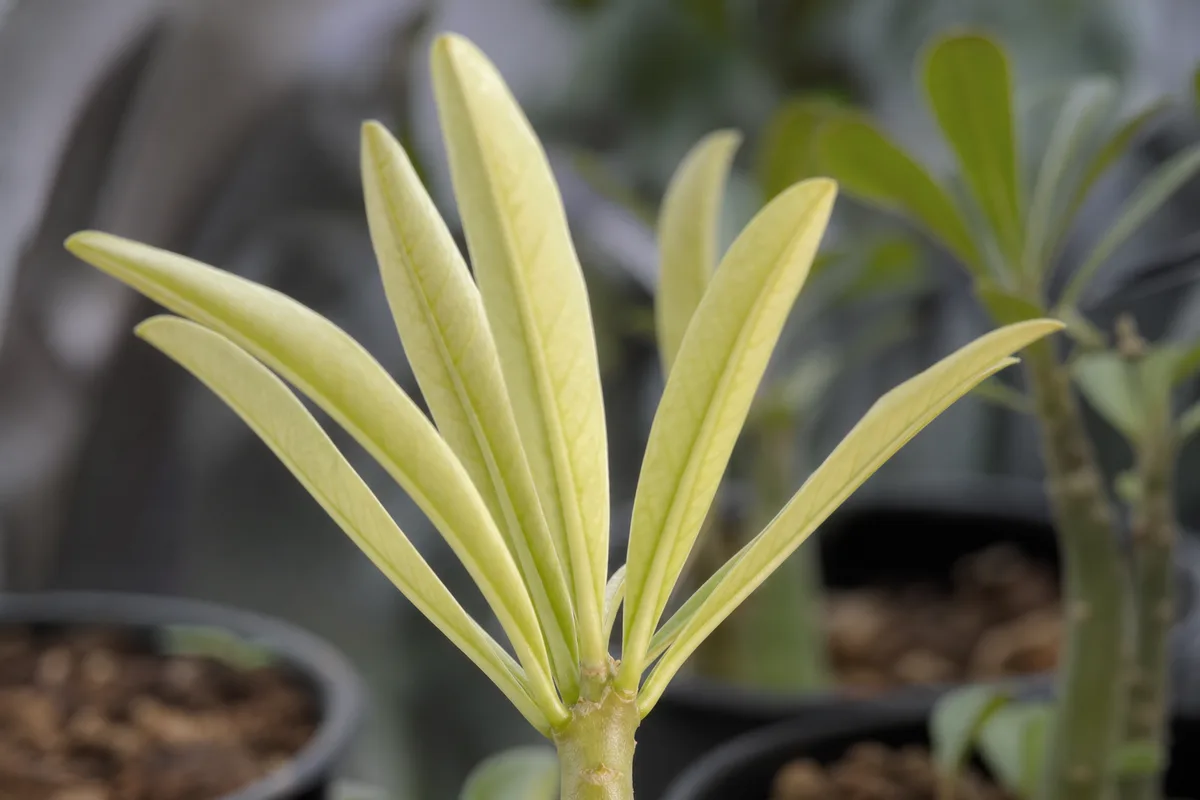
The close view can support comparisons over time. It cannot reveal daily light exposure by itself.
Adjust watering and care as light changes
Light changes water use. A plant moved brighter may dry faster; a plant in dim winter conditions may dry much more slowly. Check the mix rather than shortening or lengthening a schedule automatically.
A practical watering reset begins with a baseline. Water thoroughly when appropriate, let excess drain, and note the pot’s weight. Check again at consistent intervals without watering automatically. This reveals how the new light setting changes drying. A moisture reading at the surface alone may miss a wet center.
Humidity and temperature also influence demand. A bright but cool window can produce a different drying pattern from a warm grow-light shelf. Heater airflow may dry leaves and the upper substrate while deeper mix remains wet. Treat the root ball as a three-dimensional volume.
Do not fertilize merely because growth is slow in low light. A plant without enough energy may not use nutrients effectively, and salts can accumulate. Correct light and root health first, then feed during active growth according to the product label and species needs.
Higher light can also reveal other limits: a small root ball, low humidity, heat, or insufficient water-holding capacity. Adjust one variable at a time and maintain balanced conditions. Brighter is not always better; suitable light is the goal.
Track recovery and prevent relapse
Evaluate at least one meaningful growth cycle. Existing stretched stems remain stretched, and dropped leaves do not return to old nodes on every species. Look for shorter new internodes, appropriately sized leaves, stable color, reduced leaning, normal drying, and resumed growth.
Use a fixed reference point. Tie a loose marker below the newest node, record leaf length at emergence and maturity, and photograph the plant weekly from front and side. The first leaf after a change may have already begun developing under the old conditions; later leaves can provide a fairer test.
Set a stop rule for escalation. If new growth remains weak despite verified adequate exposure, check roots, drainage, substrate, temperature, pests, and plant identity. If several plants under the same fixture decline, recheck equipment output and heat. If one plant declines while neighbors improve, species needs or an individual root problem become more likely.
Pruning is optional and should follow stabilization. For a branching species, cutting above a healthy node can encourage a fuller form under improved light. For palms, many succulents, and single-crown plants, casual pruning can permanently remove the growing point. Confirm the plant’s growth habit first.
Mark a stem lightly or photograph the newest node so old and new growth are not confused. If no improvement occurs, reassess fixture output, exposure duration, roots, temperature, pests, and species identity.
Prevent relapse by checking seasonal changes, cleaning windows, maintaining timer settings, and moving fixtures as the canopy grows. Choose low-light-tolerant plants for genuinely dim spaces, while remembering that tolerance is not the same as thriving without light.
Inspect the setup monthly. Dust can accumulate on leaves and fixtures, plants can grow into the lamp, timers can reset after power loss, and outdoor foliage can begin shading a window. Small maintenance prevents a slow decline from becoming a mystery.
When planning a room, place plants by demand rather than decoration alone. Reserve the brightest reliable zones for high-light species and use genuinely tolerant plants farther back. If the desired plant and available light remain incompatible, a grow light or a different plant is the honest solution.
Conclusion
Not enough light usually reveals itself through a pattern: reaching, long internodes, smaller or duller new leaves, older-leaf loss, slow drying, and a location with limited usable exposure. Confirm that cluster and rule out root, water, nutrient, temperature, and pest problems. Improve natural or artificial light gradually, then reassess watering as use changes. Existing stretched growth will not compact, but healthier, sturdier new growth can show that the correction is working.
Plants commonly affected
These houseplants often struggle with not enough light. Open a care guide or plant-specific troubleshooting page for tailored fixes.
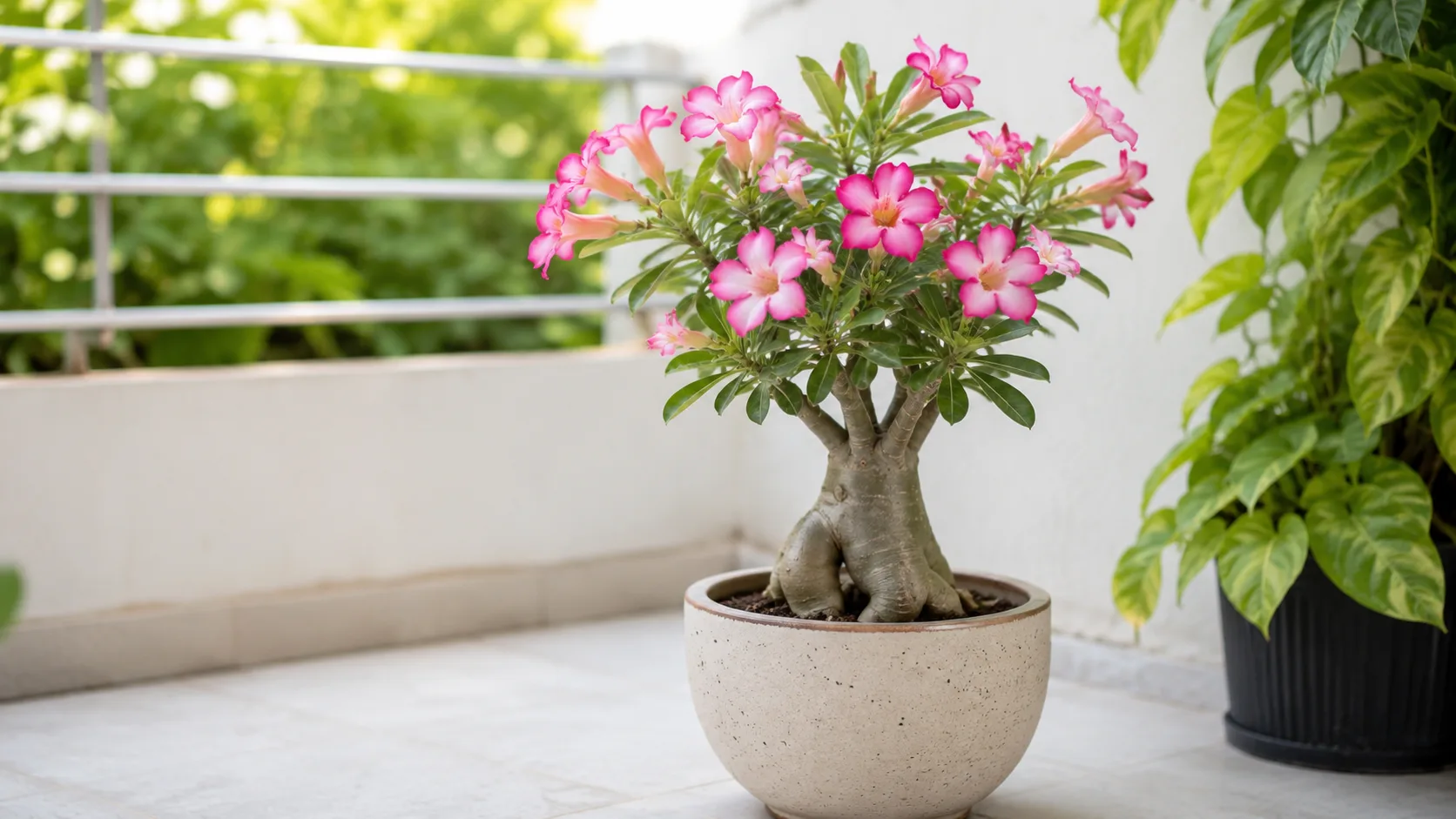 Medium
Adenium
Likely causeInsufficient direct sun causes stretched stems, pale leaves, and absent or weak flowering.
Quick fixMove to the brightest south window or outdoors gradually; supplement with grow lights if needed.
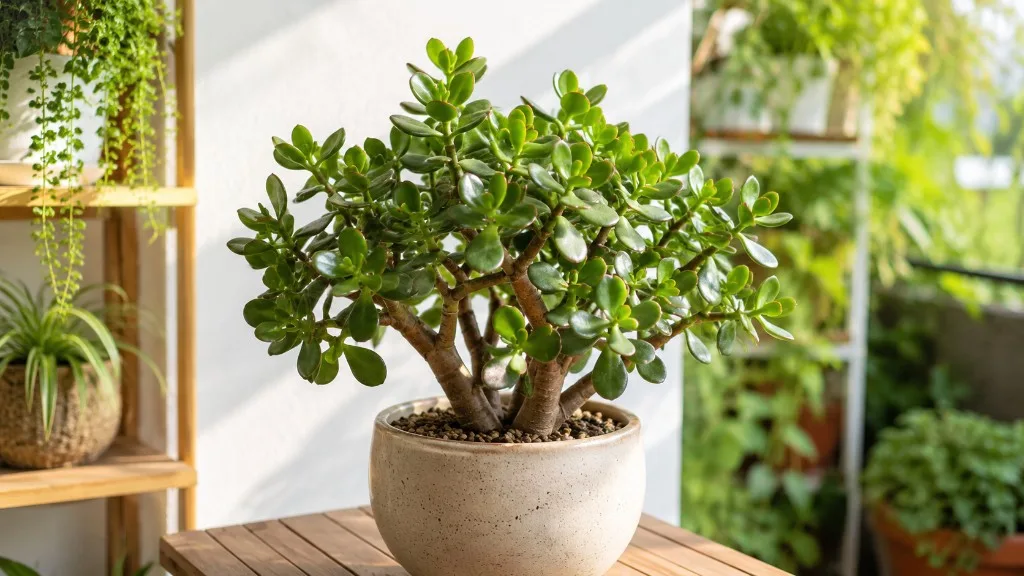 Medium
African Milk Tree
Likely causeCommon on this plant type; confirm with recent watering, light, and root checks.
Quick fixInspect the plant and correct the most likely care stressor before stacking treatments.
 Medium
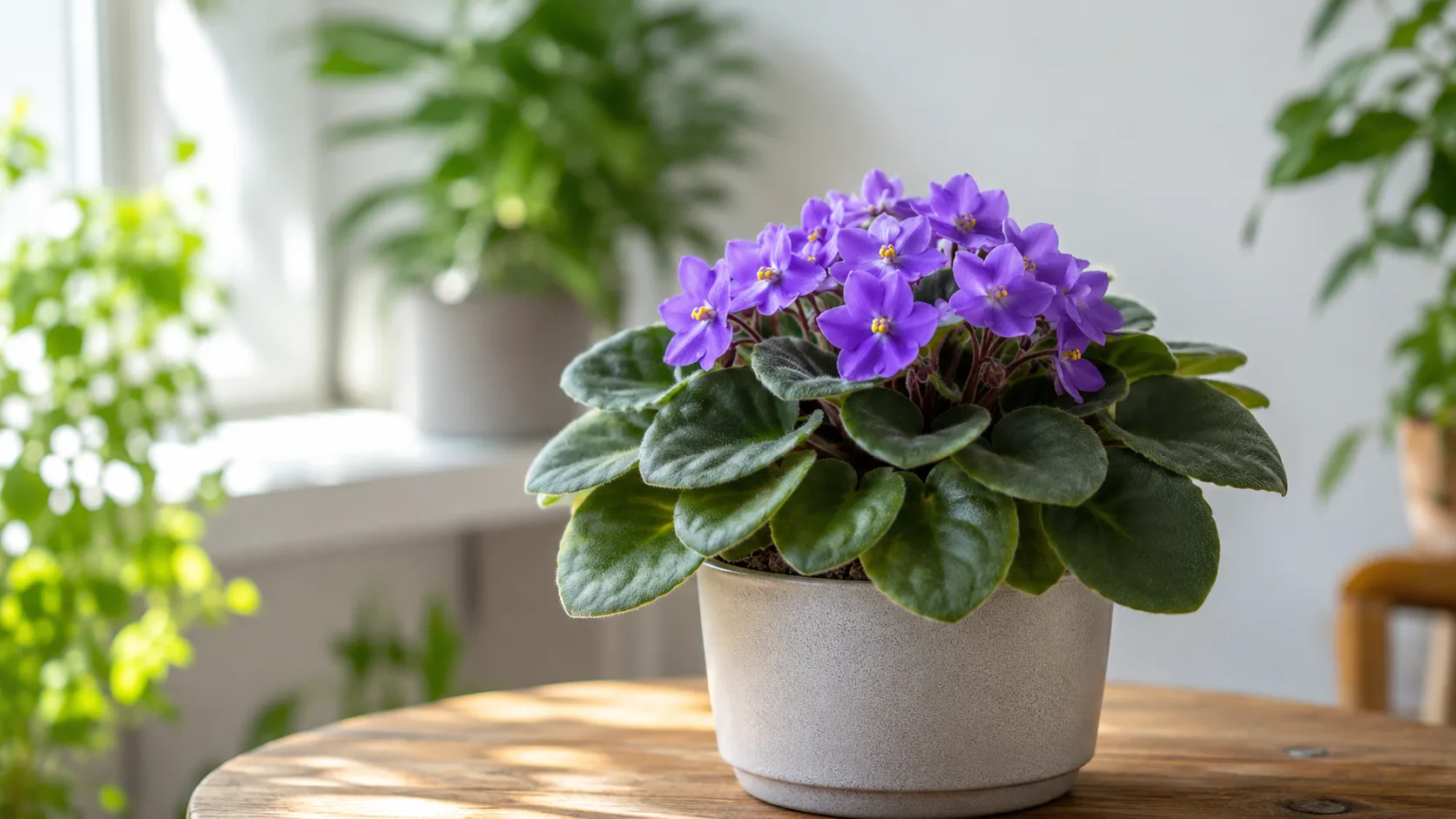
African Violet
Likely causeAn African violet in too little light stays alive but looks dark green, reaches upward, and often stops blooming. First fix: move within about a foot of bright indirect light or add a grow light on a
Quick fixSee plant-specific guide for step-by-step fixes.
 Medium
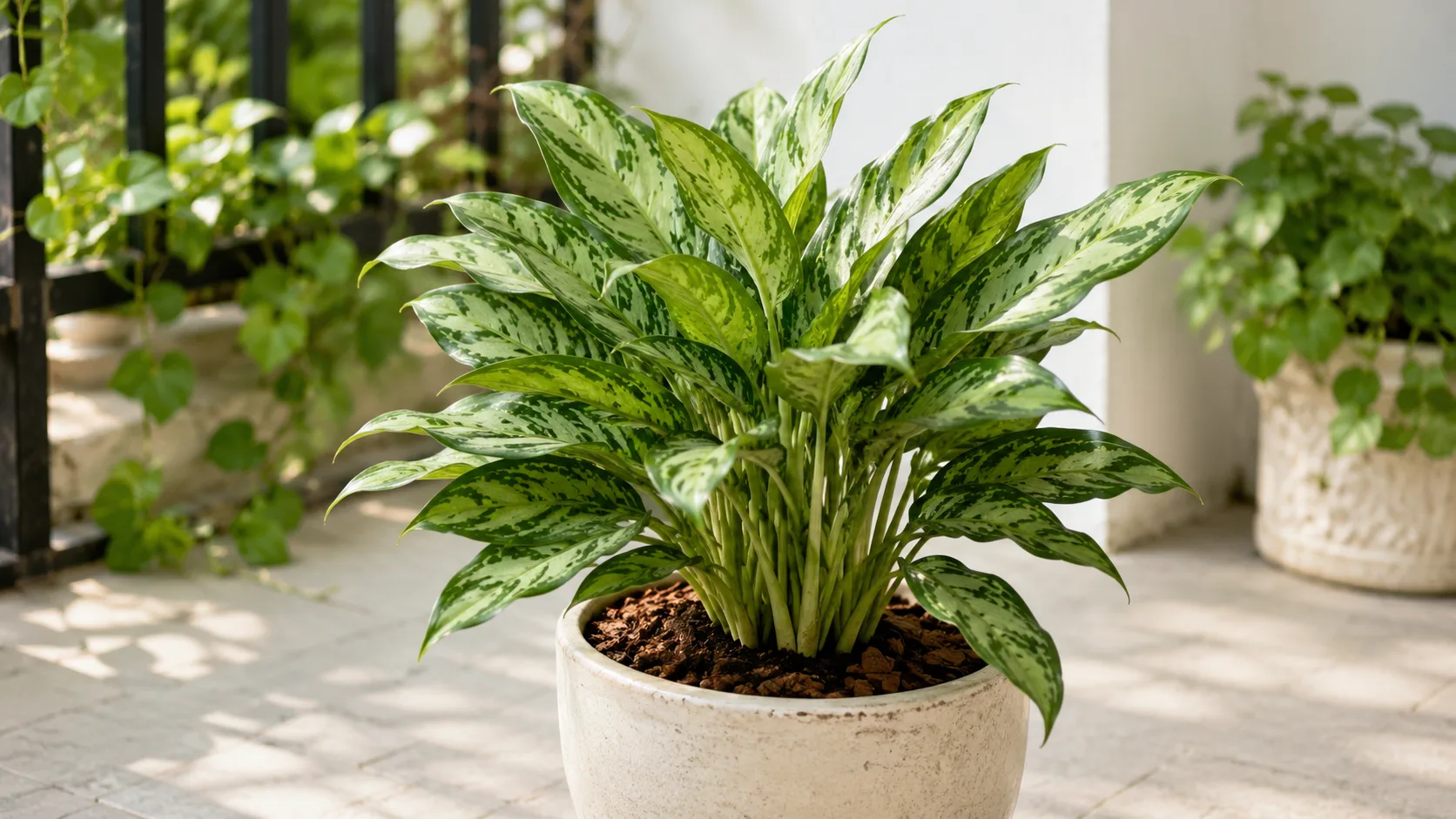
Aglaonema
Likely causeCommon on this plant type; confirm with recent watering, light, and root checks.
Quick fixInspect the plant and correct the most likely care stressor before stacking treatments.
 Medium
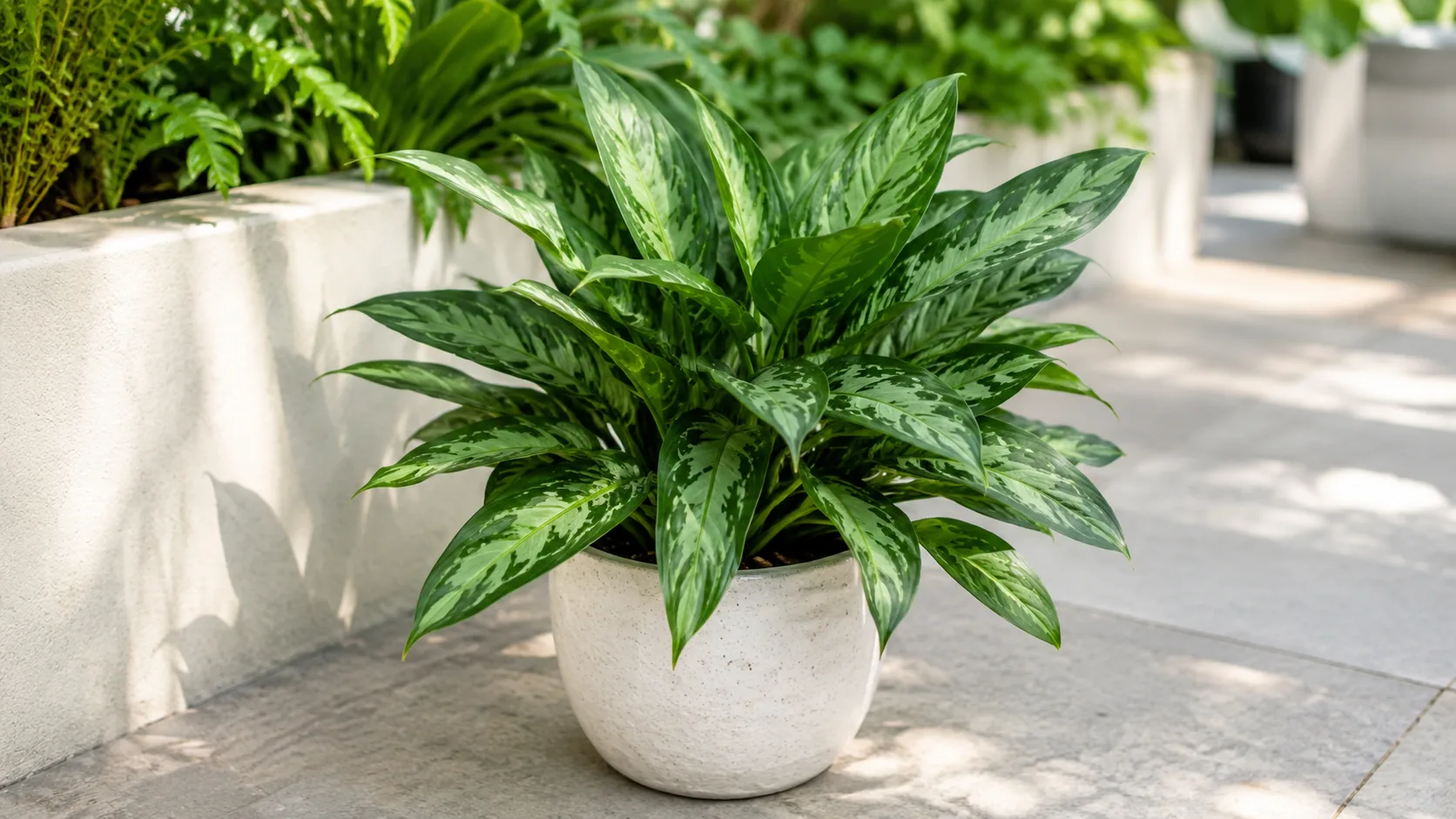
Aglaonema Cutlass
Likely causeCommon on this plant type; confirm with recent watering, light, and root checks.
Quick fixInspect the plant and correct the most likely care stressor before stacking treatments.
- Medium
Aglaonema Lady Valentine
Likely causeCommon on this plant type; confirm with recent watering, light, and root checks.
Quick fixInspect the plant and correct the most likely care stressor before stacking treatments.
- Medium
Aglaonema Maria
Likely causeCommon on this plant type; confirm with recent watering, light, and root checks.
Quick fixInspect the plant and correct the most likely care stressor before stacking treatments.
- Medium
Aglaonema Pictum Tricolor
Likely causeCommon on this plant type; confirm with recent watering, light, and root checks.
Quick fixInspect the plant and correct the most likely care stressor before stacking treatments.
 Medium
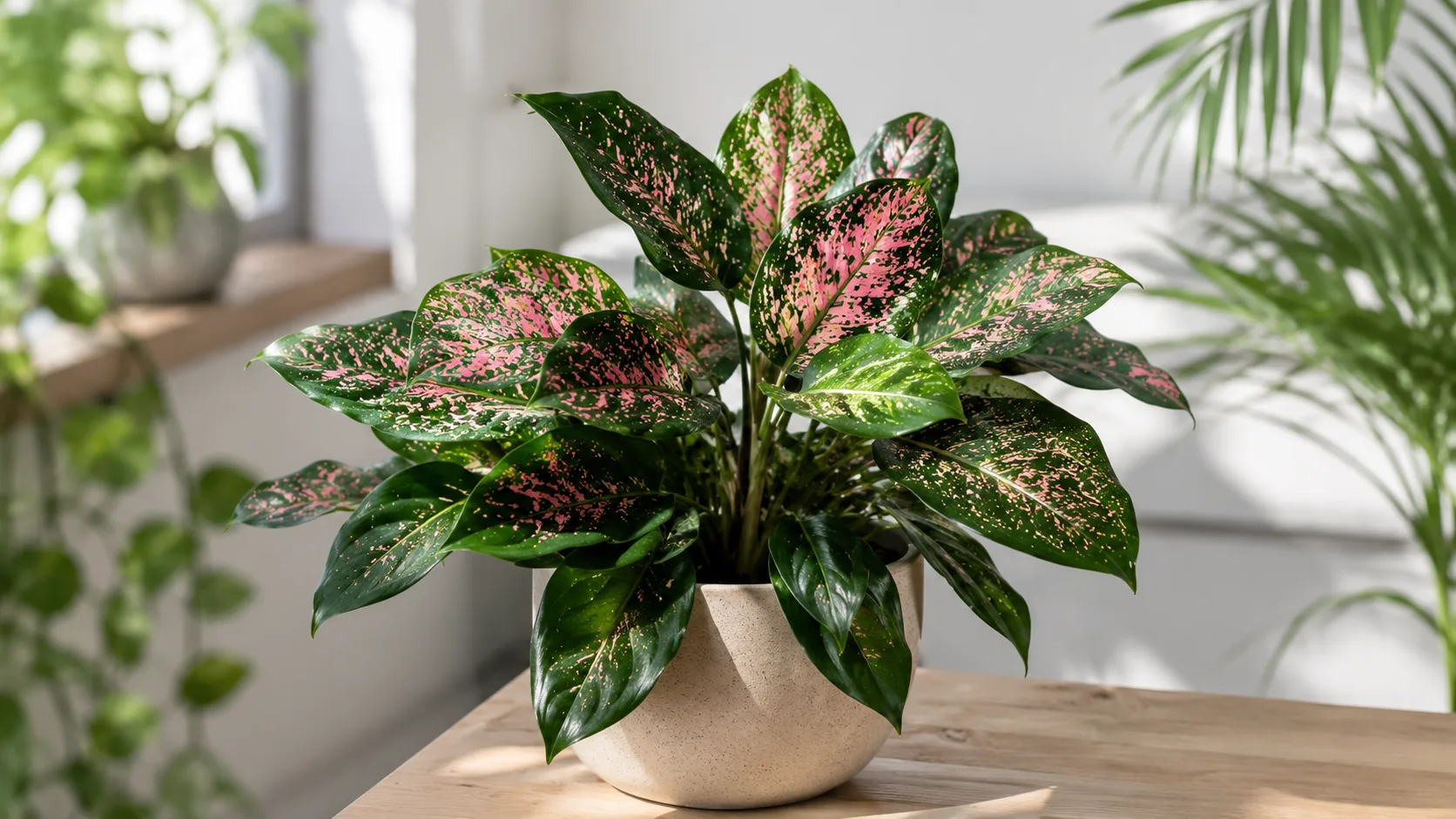
Aglaonema Pink Dalmatian
Likely causeCommon on this plant type; confirm with recent watering, light, and root checks.
Quick fixInspect the plant and correct the most likely care stressor before stacking treatments.
- Medium
Aglaonema Red Siam
Likely causeCommon on this plant type; confirm with recent watering, light, and root checks.
Quick fixInspect the plant and correct the most likely care stressor before stacking treatments.
 Medium
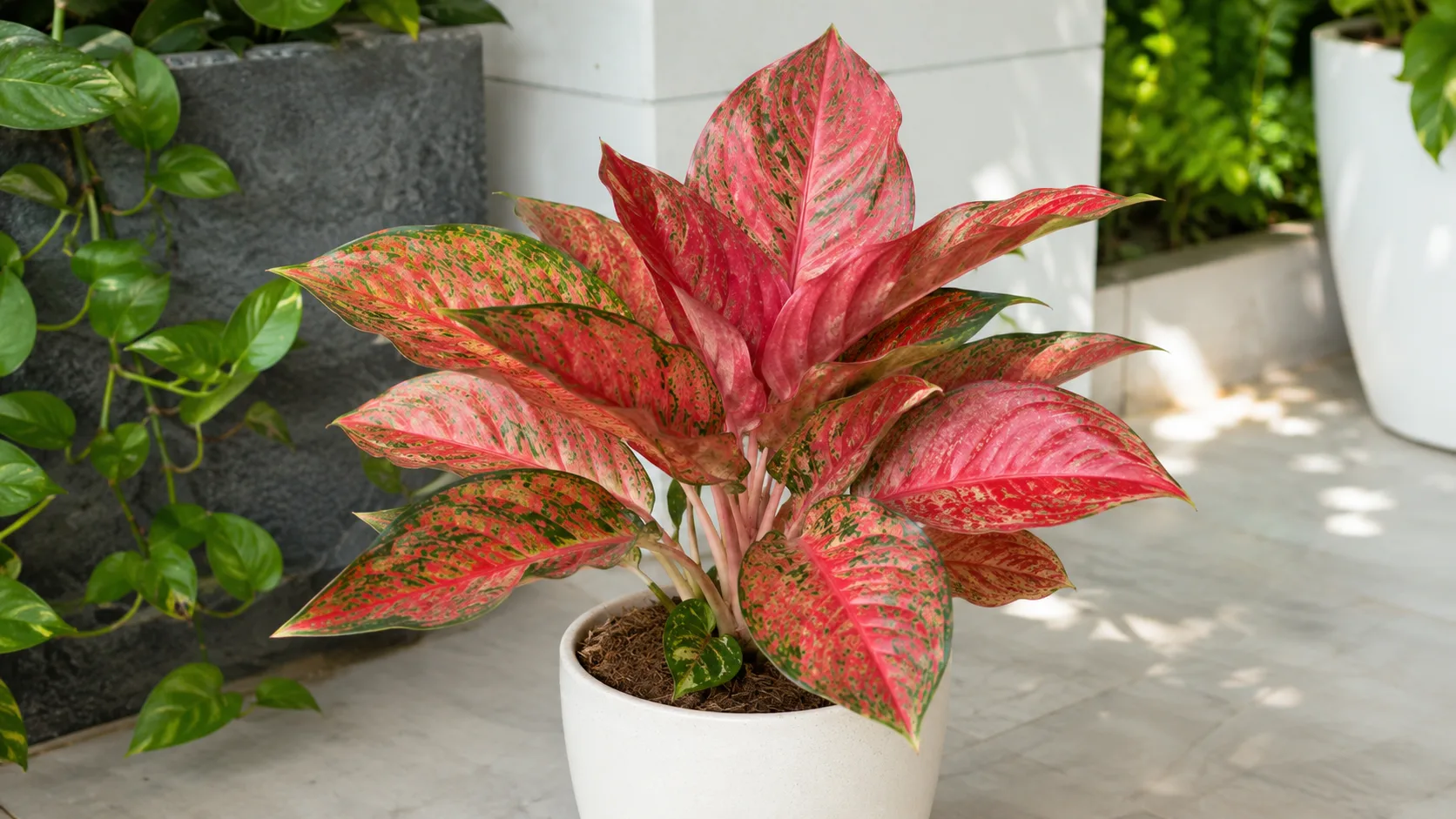
Aglaonema Red Valentine
Likely causeCommon on this plant type; confirm with recent watering, light, and root checks.
Quick fixInspect the plant and correct the most likely care stressor before stacking treatments.
 Medium
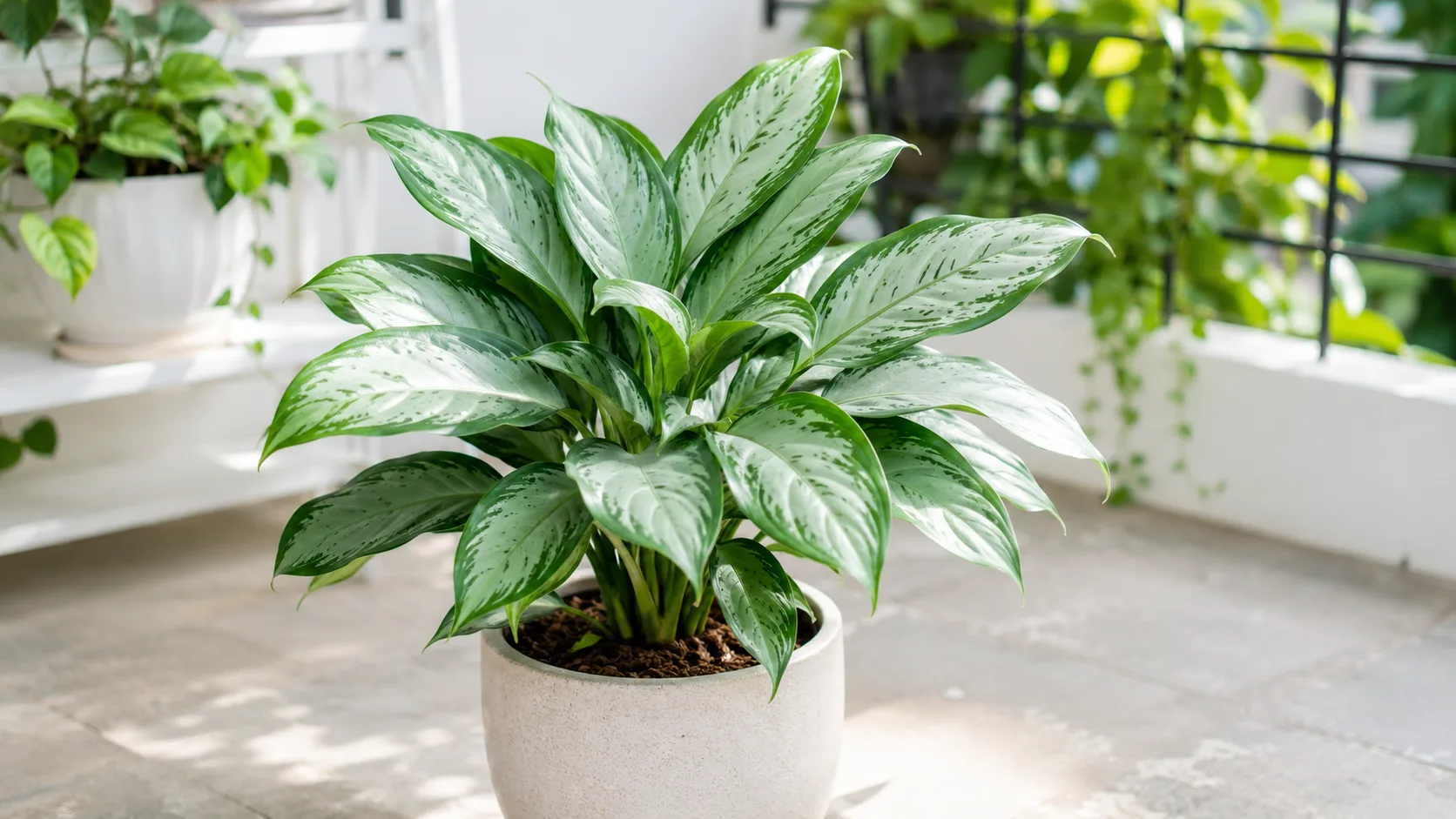
Aglaonema Silver Bay
Likely causeCommon on this plant type; confirm with recent watering, light, and root checks.
Quick fixInspect the plant and correct the most likely care stressor before stacking treatments.