35 Best Low-Light Indoor Plants for Your Home
Compare 35 low-light indoor plants ranked by real tolerance, with foot-candle floors, pet safety notes, watering traps in dim rooms, and honest thrive-vs-survive guidance.
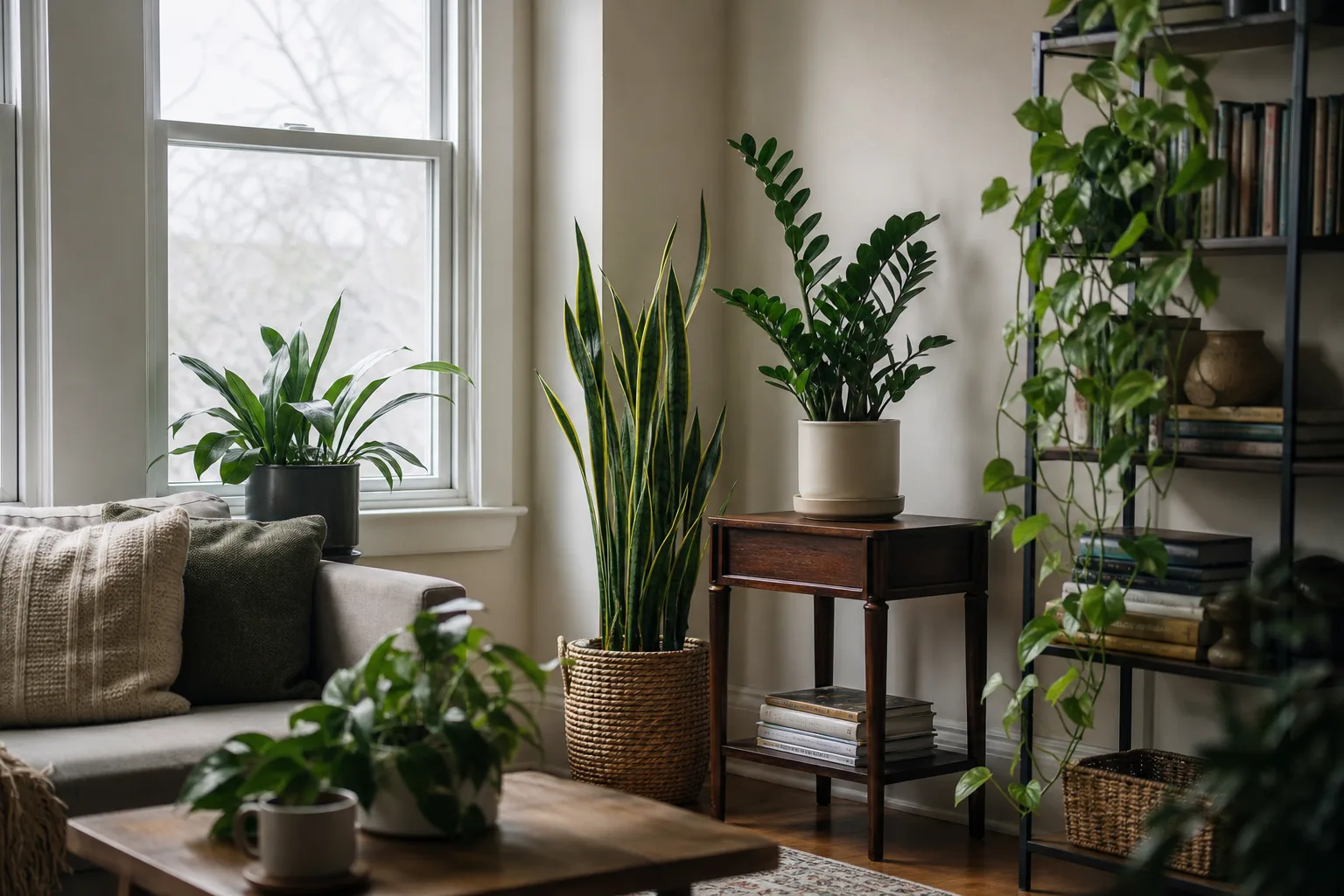
A north-facing window, a hallway with frosted glass, or a corner six feet from the only window in the room — these are the spaces where most houseplant advice falls apart. Retailers slap “low light” on tags for plants that will stretch, fade, or rot within months. This guide covers 35 houseplants that genuinely tolerate dim indoor conditions, organized by how much light they actually need, not by marketing labels.
If you want a shorter curated list with deep care links, see our 10 best low-light indoor plants guide. This page is the full reference: every plant below includes a light floor in foot-candles, watering guidance for slow-growing dim rooms, difficulty rating, and pet-safety status verified against ASPCA and extension sources.
What Low Light Actually Means Indoors
Low light is not a vibe. It is a measurable drop in photosynthetically useful light at the spot where leaves sit. University of Maryland Extension classifies low-light houseplants as those needing roughly 50 to 250 foot-candles (fc) at plant height. Light intensity falls sharply with distance from a window — a plant on a sill may receive ten times more light than the same plant on a bookshelf six feet away. (University of Maryland Extension)
The RHS notes that even shade-tolerant plants need some light to photosynthesize — no houseplant makes its own food in true darkness. (RHS: How Plants Use Light)
Bright Indirect vs True Low Light
These two levels get conflated constantly, and the confusion kills plants.
Bright indirect light is what you get one to three feet inside a south- or west-facing window with a sheer curtain, or directly in an east-facing window. Think 250–1,000 fc. Many “low-light” lists actually describe plants that need this level to look good.
True low light is a north-facing windowsill, the interior of a room with one distant window, or a spot where you can read during the day without turning on a lamp. Think 50–250 fc. Only a subset of houseplants stay attractive here long-term.
The Shadow Test and Foot-Candle Benchmarks
You do not need expensive equipment to start. During the brightest part of the day, hold your hand 12 inches above the pot:
- Sharp, dark shadow: Medium to bright light — most tropicals thrive here.
- Soft but visible shadow: Low to moderate light — Tier 1 and Tier 2 plants on this list work.
- Barely a shadow: Survival zone — snake plant, ZZ plant, and cast iron plant only; growth will be minimal.
A $15 light meter removes guesswork. Penn State Extension Master Gardeners report readings as low as 25 fc on north-facing sills in winter — below what most sources call “low light,” yet snake plants can still hold form there if you adjust watering. (Penn State Extension)
Why Most Low-Light Plants Die (It Is Usually Not the Light)
The number-one killer in dim rooms is overwatering, not insufficient light. Plants in low light photosynthesize slowly and transpire less water. Watering on a weekly calendar keeps soil wet for weeks, suffocating roots. Check soil before every watering: if the top inch feels moist, wait.
The second killer is distance. A plant labeled “low light” on a tag three feet from a window may be eight feet from the only light source in your room. That is a different plant environment entirely.
Third: variegation loss and legginess get mistaken for death. Pothos in dim corners grows long, sparse vines with small leaves. The plant is alive but unhappy. Either move it closer to the window or accept a thinner look.
Tolerate vs Thrive: How to Read This List
Every plant here is grouped into one of three tiers:
- Tier 1 — True survivors (50–100 fc): Stay green and hold shape for months or years in genuinely dim rooms. Growth is slow.
- Tier 2 — Moderate low light (100–200 fc): Survive in shade but look fuller, grow faster, and keep color closer to a window or brighter corner.
- Tier 3 — Borderline (150–250 fc minimum): Listed on many low-light roundups but need the brighter end of “low” plus humidity discipline. Beginners often struggle.
No plant on Earth thrives in a room with zero natural or artificial light. Snake plant and ZZ plant come closest in offices with consistent fluorescent or LED lighting, but even they need ambient illumination to read by.
Quick Comparison: Top Low-Light Picks at a Glance
| Plant | Tier | Light floor | Best for | Pet safety |
|---|---|---|---|---|
| Snake plant | 1 | 50+ fc | Forgetful owners, corners | Toxic ⚠️ |
| ZZ plant | 1 | 50+ fc | Windowless offices, travel | Toxic ⚠️ |
| Cast iron plant | 1 | 50+ fc | Darkest neglected corners | Non-toxic ✓ |
| Pothos | 2 | 100+ fc | Trailing shelves, beginners | Toxic ⚠️ |
| Spider plant | 2 | 100+ fc | Pet-safe hanging baskets | Non-toxic ✓ |
| Peace lily | 2 | 100+ fc | Wilt-when-dry beginners | Toxic ⚠️ |
| Aglaonema | 2 | 75+ fc | Colorful dim foliage | Toxic ⚠️ |
| Parlor palm | 2 | 100+ fc | Graceful palm look | Non-toxic ✓ |
Use this table to shortlist, then read the full entries below for honest limitations.
Tier 1: True Low-Light Survivors
These are the plants to buy when your room fails the shadow test. They have high plasticity — the ability to adjust leaf chemistry and growth rate to changing light, as Penn State Extension describes in dieffenbachia and lucky bamboo. (Penn State Extension)
Snake Plant, ZZ Plant, and Cast Iron Plant
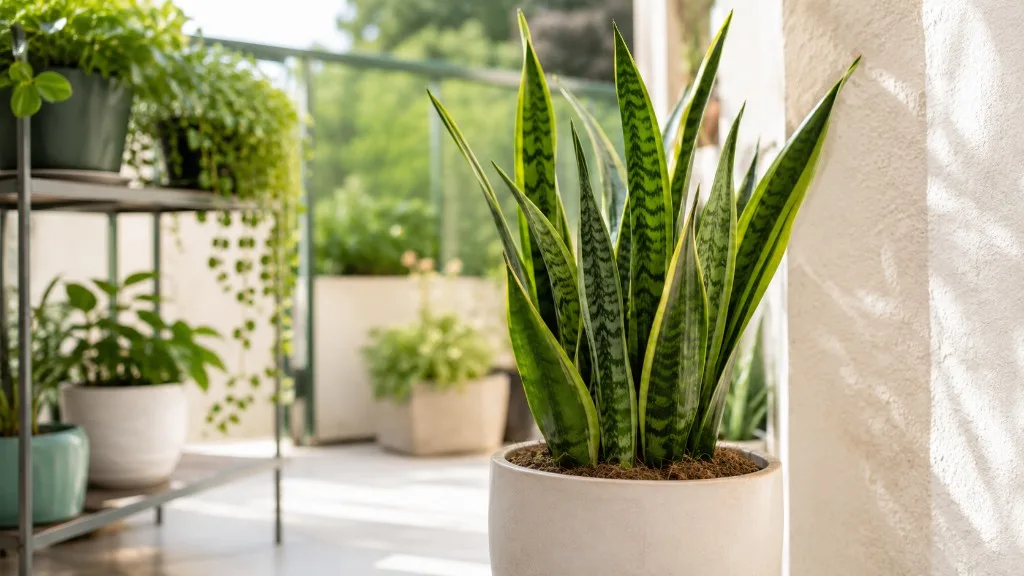
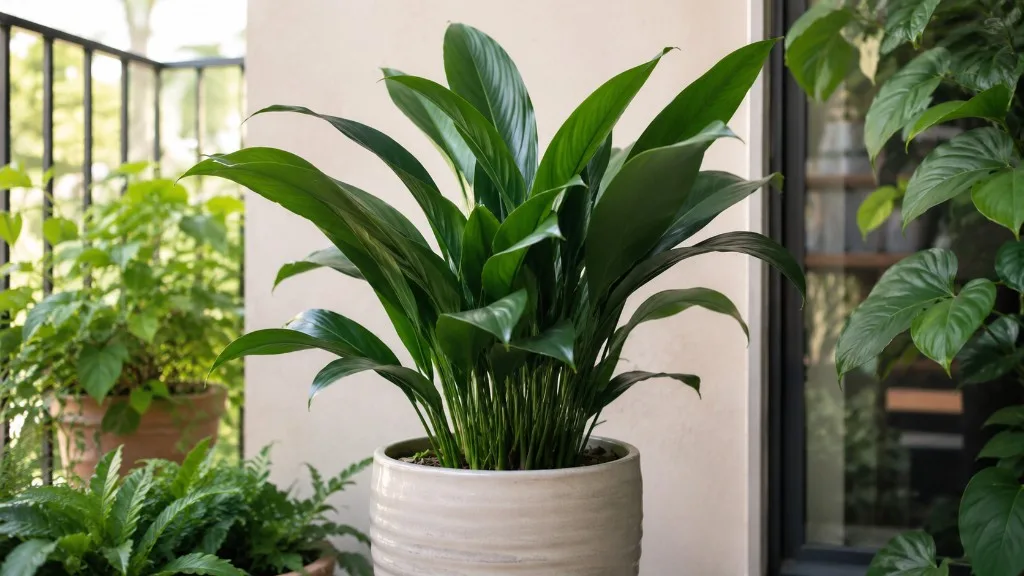
Snake plant (Dracaena trifasciata) is the default answer for dim apartments. Upright sword leaves hold form at 50 fc or below. Overwatering — not low light — is its weakness. Let soil dry completely between waterings. Toxic to cats and dogs per ASPCA. Mature size indoors: 2–5 feet. See the snake plant care hub for watering and propagation.
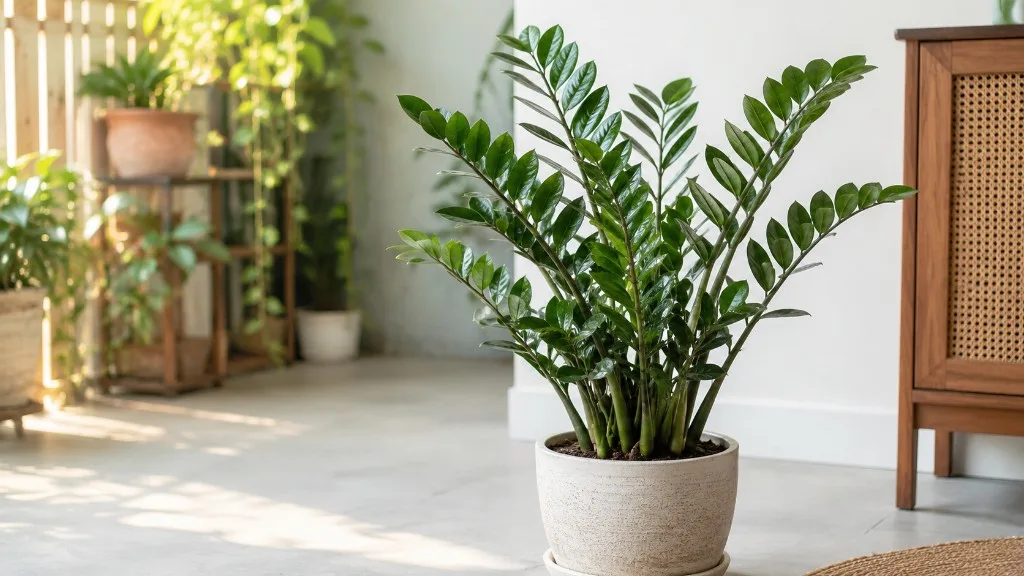
ZZ plant (Zamioculcas zamiifolia) stores water in rhizomes and tolerates fluorescent-only offices better than almost any tropical. Glossy leaves stay upright in deep shade; growth near zero below 50 fc. Allow soil to dry thoroughly. Toxic per ASPCA. NC State Extension confirms low-maintenance shade tolerance. (NC State: ZZ plant)
Cast iron plant (Aspidistra elatior) earned its name. Large arching leaves survive neglect, low light, and irregular watering. RHS lists it among the most shade-tolerant houseplants, thriving in deep shade where others fail. Non-toxic to cats and dogs per ASPCA. Slow grower: 2–3 feet tall indoors.
Lucky Bamboo and the Dracaena Group
Lucky bamboo (Dracaena sanderiana) is not bamboo — it is a dracaena from West African forest understory. Penn State Extension notes it stays vibrant in deep shade after moving from bright light, with increased bushiness in diffuse low light. Grows in water or soil. Toxic per ASPCA. Keep out of drafts.
Dragon tree (Dracaena reflexa var. angustifolia) and corn plant (Dracaena fragrans) survive lower light but produce smaller leaves on thinner canes. Both are ASPCA-listed toxic. Water when the top half of soil dries. Dragon tree reaches 6 feet indoors; corn plant often tops out around 6 feet in pots.
Yucca cane (Yucca gigantea) handles dim corners better than expected for a sun-loving genus, but prefers bright indirect. In low light, growth stalls and lower leaves may yellow. Drought-tolerant — water only when soil is fully dry. Toxic per ASPCA.
Tier 2: Moderate Low-Light Standouts
These plants survive in shaded rooms but reward you with fuller foliage when light trends toward 150–200 fc. Expect slower growth and less variegation in the dimmest spots.
Trailing Vines for Shelves and Hanging Baskets
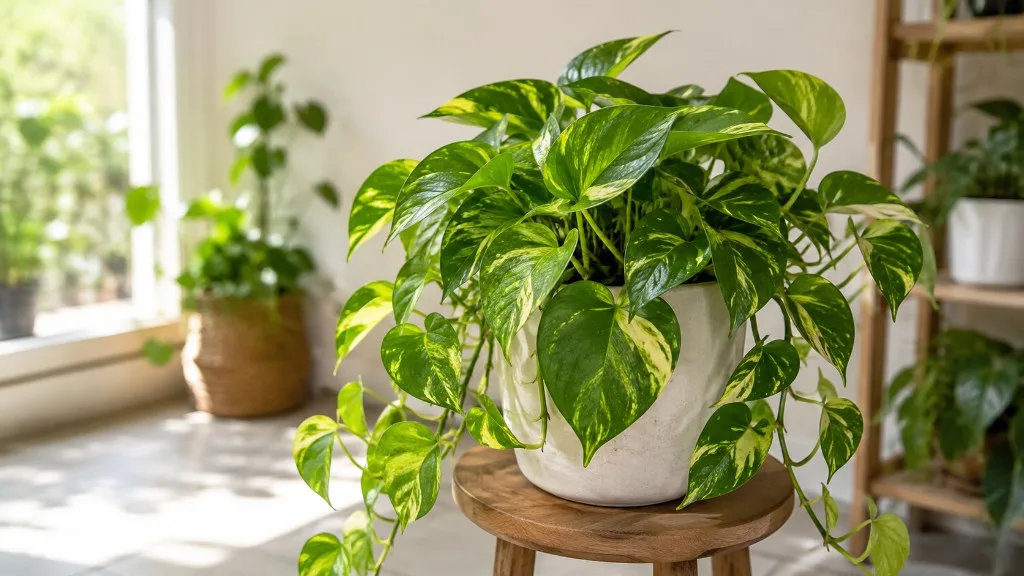
Pothos (Epipremnum aureum) tolerates very low light but variegated cultivars revert to plain green in shade. Solid-green ‘Jade’ and ‘Neon’ hold color better than marble queen in dim rooms. Penn State Extension recommends medium indirect for best growth. Toxic per ASPCA. See types of pothos for cultivar differences.
Heartleaf philodendron (Philodendron hederaceum) trails softly from shelves. Low light causes leggy stems with sparse leaves — trim regularly or move closer to the window. Toxic per ASPCA.
Silver pothos (Scindapsus pictus, satin pothos) keeps matte silver-speckled leaves in moderate low light; color washes out in very dim corners. Toxic per ASPCA.
Arrowhead vine (Syngonium podophyllum) prefers the brighter end of low light. Deep green varieties adapt better than heavily variegated ones. Toxic per ASPCA.
Inch plant (Tradescantia zebrina) loses purple striping in deep shade. Bright indirect preserves color; low light keeps it alive but dull. Toxic to pets per ASPCA.
English ivy (Hedera helix) trails well indoors in indirect light. RHS notes shade tolerance but warns of spider mites in dry heated rooms. Invasive outdoors — keep contained. Toxic per ASPCA.
Wax plant (Hoya carnosa) survives low light but blooms only in brighter conditions. Thick waxy leaves store water — let soil dry between waterings. Non-toxic per ASPCA.
Palms, Ferns, and Upright Foliage
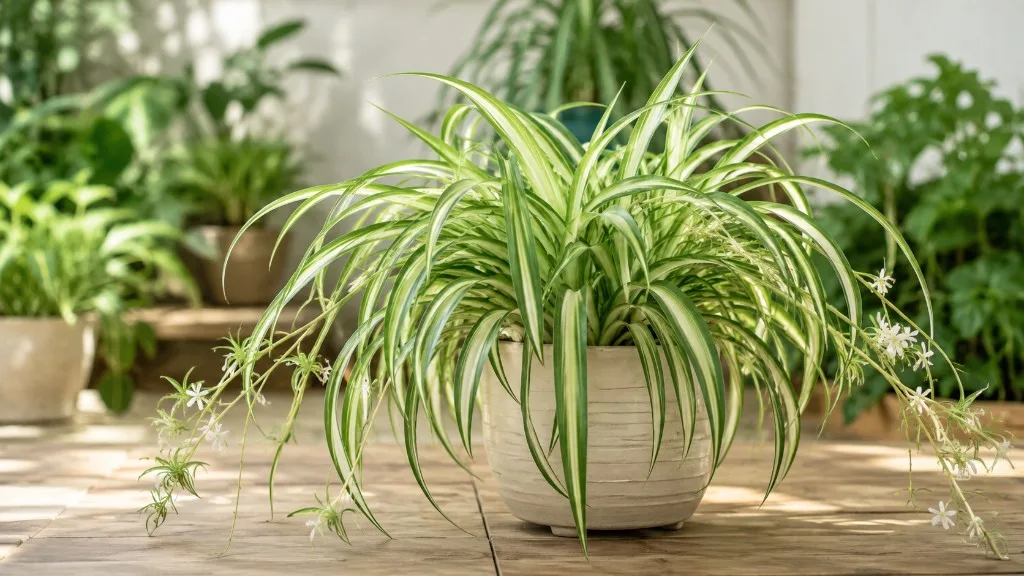
Spider plant (Chlorophytum comosum) adapts to a wide light range including artificial office light. Produces dangling plantlets on long stems. Non-toxic per ASPCA. NC State Extension confirms easy indoor culture. (NC State: spider plant)
Peace lily (Spathiphyllum spp.) wilts dramatically when dry — a useful beginner signal. Blooms sporadically in low light. Keep soil evenly moist, not soggy. Toxic per ASPCA.
Chinese evergreen (Aglaonema spp.) darkens and slows in shade; variegated types need brighter low light to keep pink or silver markings. Penn State Extension documents stress when moved abruptly from bright to dim — acclimate gradually. Toxic per ASPCA.
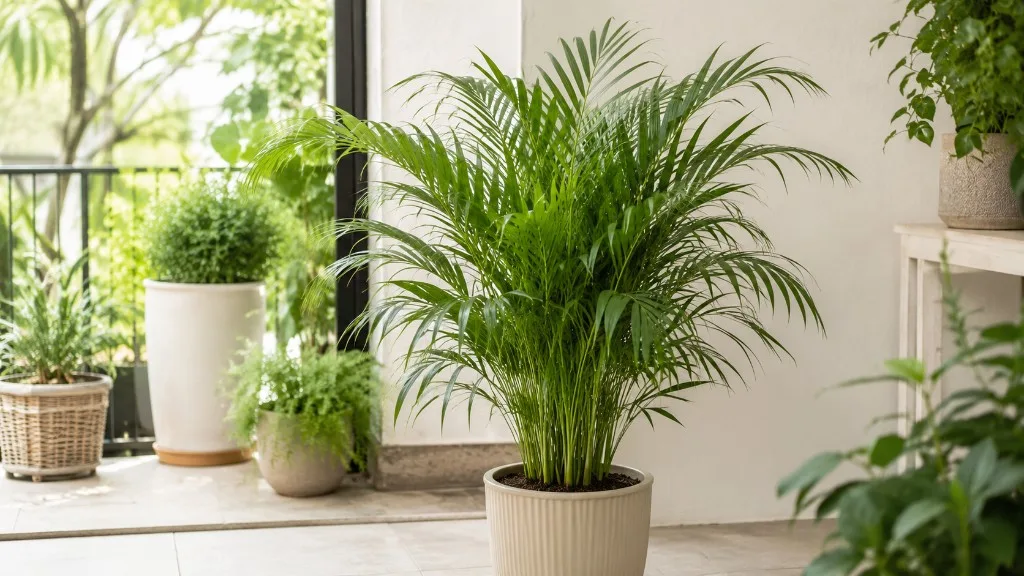
Parlor palm (Chamaedorea elegans) brings a tropical silhouette without demanding sun. Tolerates lower light than most palms but grows slowly. Non-toxic per ASPCA.
Peperomia (Peperomia spp.) fits small gaps. Moderate indirect light preferred; tolerates shade with reduced growth. Most species non-toxic, but verify your cultivar.
Money tree (Pachira aquatica) handles moderate low light. Braided trunks are a nursery technique, not natural growth. Water when top inch dries. Non-toxic per ASPCA.
Ponytail palm (Beaucarnea recurvata) is a succulent tree, not a palm. Needs the brightest spot you can offer among Tier 2 plants — minimum bright indirect. Stores water in its bulbous base. Non-toxic per ASPCA.
Dieffenbachia (Dieffenbachia seguine) shows high plasticity: new leaves grow greener with less variegation in shade, per Penn State Extension. Filtered indirect light through curtains is ideal. Toxic per ASPCA — keep from pets and children.
Dwarf umbrella tree (Heptapleurum arboricola) tolerates medium indirect light. Creamy variegation fades in deep shade. Toxic per ASPCA.
Wax begonia (Begonia × semperflorens-cultorum) flowers less in low light but foliage persists. Keep soil lightly moist. Toxic per ASPCA.
Tier 3: Beautiful but Demanding in Shade
These appear on nearly every low-light list. They can work in shaded rooms, but only if you also manage humidity, watering precision, and realistic expectations.
Prayer plant (Maranta leuconeura) folds leaves at night. Needs consistent warmth, high humidity, and evenly moist soil. Direct sun burns foliage. Medium difficulty. Non-toxic per ASPCA.
Polka dot plant (Hypoestes phyllostachya) fades in too much sun and too little light. East- or west-facing indirect is the sweet spot. Easy but short-lived indoors — treat as a seasonal accent.
Bromeliads (Bromeliaceae) with soft, spineless leaves tolerate lower light; stiff-leaved types need brighter indirect. Epiphytic — use orchid mix. Keep central cup filled with water in tank-forming types.
Bird’s nest fern (Asplenium nidus) needs humidity and indirect light. Fronds develop ripples with adequate light. Do not water the crown directly.
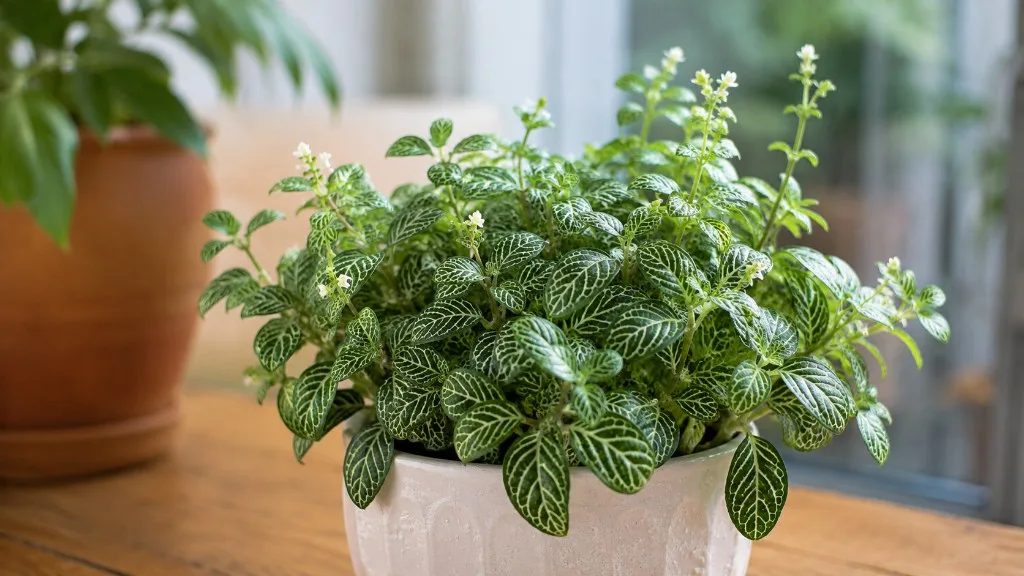
Nerve plant (Fittonia albivenis) demands high humidity — a terrarium plant in dry homes. No direct sun. Medium to difficult.
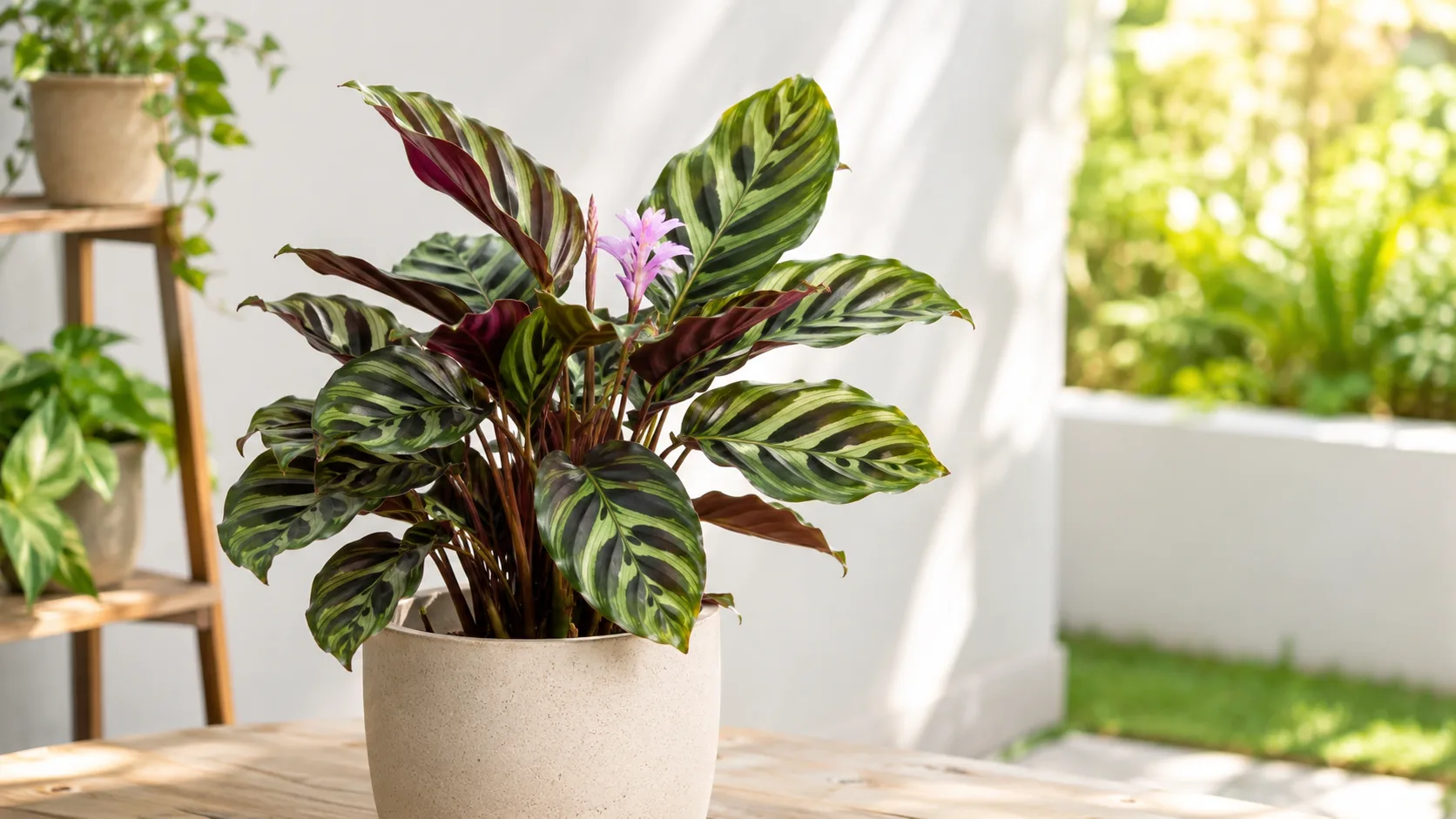
Calathea (Calathea spp.) is famously finicky. Forest understory origins mean shade tolerance, but dry air and tap water cause crisp edges. Not beginner-friendly despite every low-light roundup. See satin pothos leaves curling for similar humidity troubleshooting patterns.
Staghorn fern (Platycerium bifurcatum) grows on mounts in dappled light. Let moss dry between waterings. Medium difficulty.
Maidenhair fern (Adiantum raddianum) needs constant moisture and humidity. One dry cycle drops fronds. Beautiful but unforgiving in heated dim rooms.
Anthurium (Anthurium spp.) blooms sporadically indoors in moderate light. High humidity and warmth required. Toxic per ASPCA.
Swiss cheese plant (Monstera deliciosa) survives low light but produces small, unsplit leaves on stretched stems. Bright indirect produces the iconic fenestrations. Toxic per ASPCA.
Bird of paradise (Strelitzia reginae) is mislabeled as low-light tolerant. It needs bright indirect and supplemental grow lights in dim rooms to flower. Large leaves yellow without enough light. Toxic per ASPCA.
All 35 Low-Light Houseplants: Complete Reference
Below is every plant on this list with quick specs. Light floors are minimums for survival — add 50–100 fc for plants that look full and grow actively.
| # | Plant | Botanical name | Tier | Light floor | Water | Size (indoors) | Difficulty | Pets |
|---|---|---|---|---|---|---|---|---|
| 1 | Prayer plant | Maranta leuconeura | 3 | 150+ fc | Evenly moist | 6–12 in. | Medium | Safe ✓ |
| 2 | Polka dot plant | Hypoestes phyllostachya | 3 | 150+ fc | Moist, not soggy | 1–2 ft. | Easy | Mild |
| 3 | Bromeliad | Bromeliaceae | 2–3 | 150+ fc | Cup + moist mix | 2 ft. | Easy | Varies |
| 4 | Bird’s nest fern | Asplenium nidus | 3 | 150+ fc | Evenly moist | 2 ft. | Easy | Safe ✓ |
| 5 | Nerve plant | Fittonia albivenis | 3 | 150+ fc | Consistently moist | 3–6 in. | Difficult | Safe ✓ |
| 6 | Wax plant | Hoya carnosa | 2 | 100+ fc | Dry between | 3–6 ft. vine | Easy | Safe ✓ |
| 7 | Ponytail palm | Beaucarnea recurvata | 2 | 150+ fc | Dry thoroughly | 6–8 ft. | Easy | Safe ✓ |
| 8 | Money tree | Pachira aquatica | 2 | 100+ fc | Top inch dry | 6–8 ft. | Easy | Safe ✓ |
| 9 | Peperomia | Peperomia spp. | 2 | 100+ fc | Dry partway | 6–12 in. | Easy | Mostly safe |
| 10 | Calathea | Calathea spp. | 3 | 150+ fc | Evenly moist | 1–2 ft. | Difficult | Safe ✓ |
| 11 | Spider plant | Chlorophytum comosum | 2 | 100+ fc | Dry top inch | 1–2 ft. | Easy | Safe ✓ |
| 12 | Pothos | Epipremnum aureum | 2 | 100+ fc | Dry halfway | 20+ ft. vine | Easy | Toxic ⚠️ |
| 13 | Snake plant | Dracaena trifasciata | 1 | 50+ fc | Fully dry | 2–5 ft. | Easy | Toxic ⚠️ |
| 14 | Staghorn fern | Platycerium bifurcatum | 3 | 100+ fc | Dry between | 2–3 ft. | Medium | Safe ✓ |
| 15 | English ivy | Hedera helix | 2 | 100+ fc | Dry top inch | 3–8 ft. | Medium | Toxic ⚠️ |
| 16 | Cast iron plant | Aspidistra elatior | 1 | 50+ fc | Partly dry | 2–3 ft. | Easy | Safe ✓ |
| 17 | Peace lily | Spathiphyllum spp. | 2 | 100+ fc | Before wilt | 1–4 ft. | Easy | Toxic ⚠️ |
| 18 | Maidenhair fern | Adiantum raddianum | 3 | 150+ fc | Never dry | 1–2 ft. | Difficult | Safe ✓ |
| 19 | ZZ plant | Zamioculcas zamiifolia | 1 | 50+ fc | Fully dry | 2–4 ft. | Easy | Toxic ⚠️ |
| 20 | Heartleaf philodendron | Philodendron hederaceum | 2 | 100+ fc | Top inch dry | 10+ ft. vine | Easy | Toxic ⚠️ |
| 21 | Anthurium | Anthurium spp. | 3 | 150+ fc | Moist, not soggy | 12–18 in. | Difficult | Toxic ⚠️ |
| 22 | Chinese evergreen | Aglaonema spp. | 2 | 75+ fc | Dry partway | 1–3 ft. | Easy | Toxic ⚠️ |
| 23 | Swiss cheese plant | Monstera deliciosa | 3 | 150+ fc | Dry top inch | 3–15 ft. | Easy | Toxic ⚠️ |
| 24 | Silver pothos | Scindapsus pictus | 2 | 100+ fc | Dry halfway | 4–10 ft. | Easy | Toxic ⚠️ |
| 25 | Dragon tree | Dracaena reflexa | 2 | 75+ fc | Dry halfway | 6 ft. | Easy | Toxic ⚠️ |
| 26 | Wax begonia | Begonia × semperflorens | 2 | 100+ fc | Lightly moist | 6–18 in. | Easy | Toxic ⚠️ |
| 27 | Corn plant | Dracaena fragrans | 2 | 75+ fc | Dry halfway | 6 ft. | Easy | Toxic ⚠️ |
| 28 | Parlor palm | Chamaedorea elegans | 2 | 100+ fc | Lightly moist | 2–6 ft. | Easy | Safe ✓ |
| 29 | Yucca cane | Yucca gigantea | 2 | 100+ fc | Fully dry | 6+ ft. | Easy | Toxic ⚠️ |
| 30 | Dieffenbachia | Dieffenbachia seguine | 2 | 100+ fc | Dry partway | 3–5 ft. | Easy | Toxic ⚠️ |
| 31 | Arrowhead vine | Syngonium podophyllum | 2 | 100+ fc | Dry top inch | 3–6 ft. | Easy | Toxic ⚠️ |
| 32 | Bird of paradise | Strelitzia reginae | 3 | 200+ fc | Evenly moist | 3–6 ft. | Medium | Toxic ⚠️ |
| 33 | Dwarf umbrella tree | Heptapleurum arboricola | 2 | 100+ fc | Dry partway | 4–6 ft. | Medium | Toxic ⚠️ |
| 34 | Inch plant | Tradescantia zebrina | 2 | 100+ fc | Dry top inch | 2–3 ft. | Easy | Toxic ⚠️ |
| 35 | Lucky bamboo | Dracaena sanderiana | 1 | 50+ fc | Keep moist/water | 1–5 ft. | Easy | Toxic ⚠️ |
Pet Safety at a Glance
Non-toxic to cats and dogs (ASPCA): cast iron plant, spider plant, parlor palm, hoya, prayer plant, nerve plant, bird’s nest fern, maidenhair fern, calathea, staghorn fern, money tree, ponytail palm.
Toxic — keep out of reach: pothos, snake plant, ZZ plant, peace lily, philodendron, monstera, aglaonema, all dracaenas (including lucky bamboo, dragon tree, corn plant), dieffenbachia, anthurium, syngonium, tradescantia, begonia, yucca, English ivy, scindapsus.
“Non-toxic” does not mean pets should eat freely — any plant material can cause mild stomach upset in quantity. For a pet-focused shortlist, see low-light plants safe for cats.
Placement Rules That Matter More Than the Plant Tag
Stay within four feet of a window unless you are growing Tier 1 survivors. Light drops exponentially with distance.
Rotate pots a quarter turn monthly so all sides receive equal light and growth stays even.
Do not place plants in direct sunbeams through south- or west-facing glass — low-light tolerant does not mean sun-proof. Sheer curtains diffuse harsh rays.
Group humidity lovers (ferns, calathea, fittonia) together or near a pebble tray. Dim rooms are often dry rooms because HVAC runs more in interior spaces.
Use pots with drainage holes. Cachepots without drainage cause root rot in slow-growing low-light plants faster than any other mistake. See how to water indoor plants the right way.
When Dim Rooms Need a Grow Light
Add supplemental lighting when:
- The shadow test shows barely any shadow at plant height
- Tier 2 or Tier 3 plants stretch toward windows or lose variegation within weeks
- The room has no windows and relies on overhead fluorescents only
- Winter shortens day length below 10 hours and plants stop growing
A small full-spectrum LED grow bulb on a 12-hour timer, positioned 12–18 inches above foliage, converts a survival-only room into one where Tier 2 plants actually grow. Penn State Extension Master Gardeners augmented snake plant and pothos with LED grow lights when foot-candle readings dropped to 25 fc in winter. (Penn State Extension)
For wattage, distance, and spectrum details, see the grow lights complete guide. For tall statement plants in dim rooms, also browse tall low-light plants and low-light hanging plants.
Conclusion
Thirty-five houseplants can tolerate low indoor light — but tolerance is not the same as thriving, and no plant grows in true darkness. Start with Tier 1 survivors if your room fails the shadow test: snake plant, ZZ plant, or cast iron plant. Move to Tier 2 trailing vines and upright foliage once you confirm 100+ fc at the pot. Reserve Tier 3 plants for rooms where you can also manage humidity and accept slower growth.
Match watering to light speed: dim rooms mean less water, not more. Check soil before every watering. Keep toxic plants away from pets. And when in doubt, move the plant one foot closer to the window before buying a replacement — that single shift solves more “low-light deaths” than any fertilizer ever will.