16 Low-Light Hanging Plants for Dim Rooms
Compare 16 low-light hanging houseplants by foot-candles, humidity needs, and care difficulty — plus hook safety and when to add grow lights.
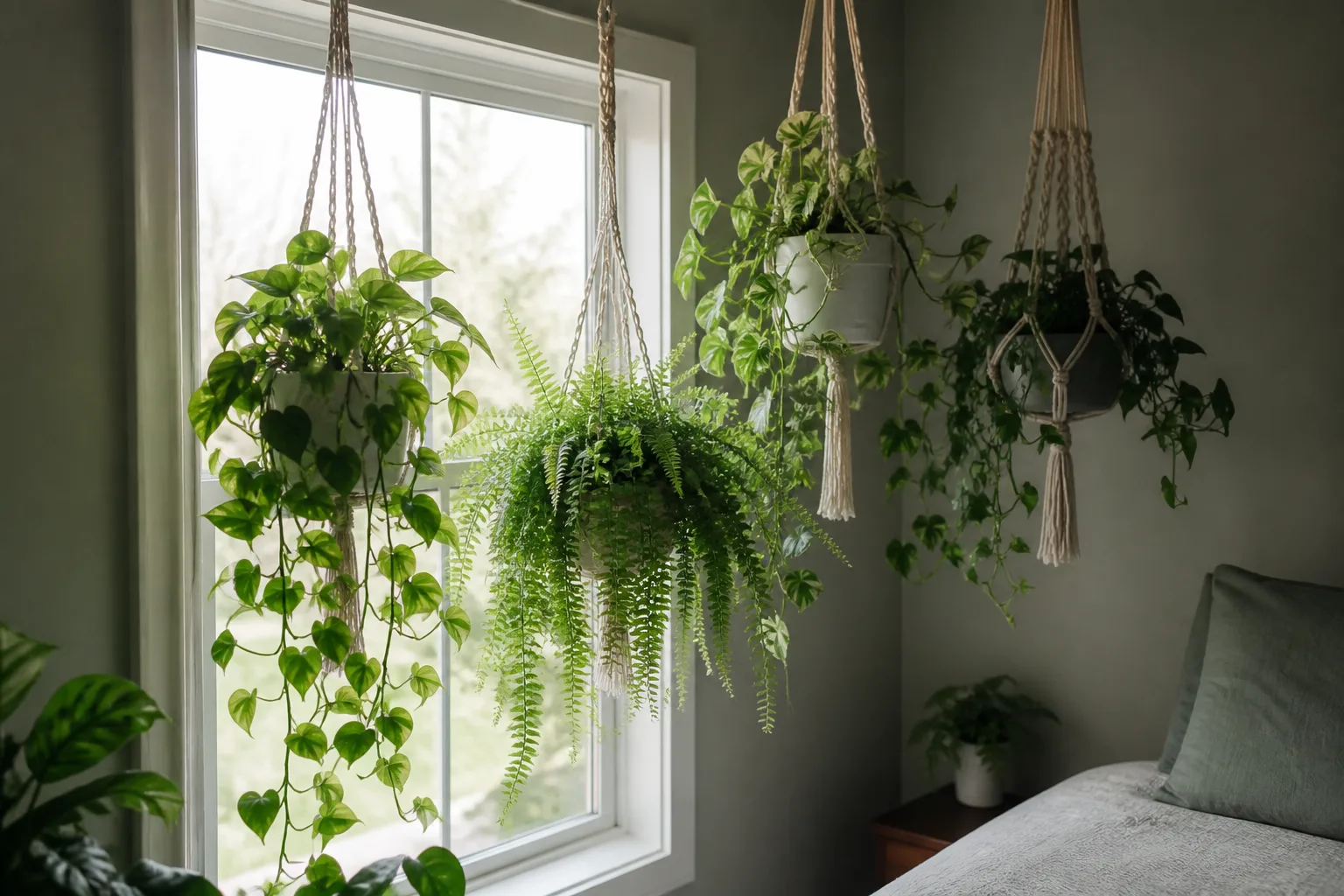
A north-facing bedroom, a hallway with one frosted window, or an office lit only by ceiling panels — these are exactly the rooms where hanging plants earn their keep. They use vertical space your desk cannot spare, soften harsh corners, and let vines do the decorating while you work under fluorescent light. The catch is that “low light” gets mislabeled constantly. Nursery tags promise survival in shade, then your basket yellows, stretches toward the ceiling fixture, or sits in soggy soil for weeks because dim rooms slow evaporation.
This guide covers 16 low-light hanging plants that genuinely tolerate dim indoor conditions, grouped by how they behave in real homes — not just what looks good on a tag. You will also get foot-candle ranges so you can match plants to your room, hanging setup rules that keep drywall intact, watering adjustments for slow-drying baskets, and pet-safety notes where toxicity matters.
What Low Light Means for Hanging Houseplants
Low light indoors usually means roughly 25–100 foot-candles (ftc) at the spot where leaves will hang — think interior walls more than six feet from a window, north exposures with sheer curtains, or rooms where daylight is the accent, not the main light source. University of Minnesota Extension groups Chinese evergreens, pothos, and philodendrons among plants that grow well under fluorescent office lighting, which typically falls in this lower band. (University of Minnesota Extension)
That is not the same as zero light. A windowless closet or bathroom with no bulb will not sustain foliage long term. Low-light-tolerant plants survive there; they rarely thrive without a supplemental grow lamp. Hanging height matters too: a basket six inches below the ceiling may receive less reflected light than a plant on a shelf at window height, even in the same room.
Reading Your Room Before You Buy
Before you order a macrame hanger, measure where the pot will actually hang. Hold a light meter or phone lux app at leaf height, pointed toward the brightest surface (usually the window), on a clear midday.
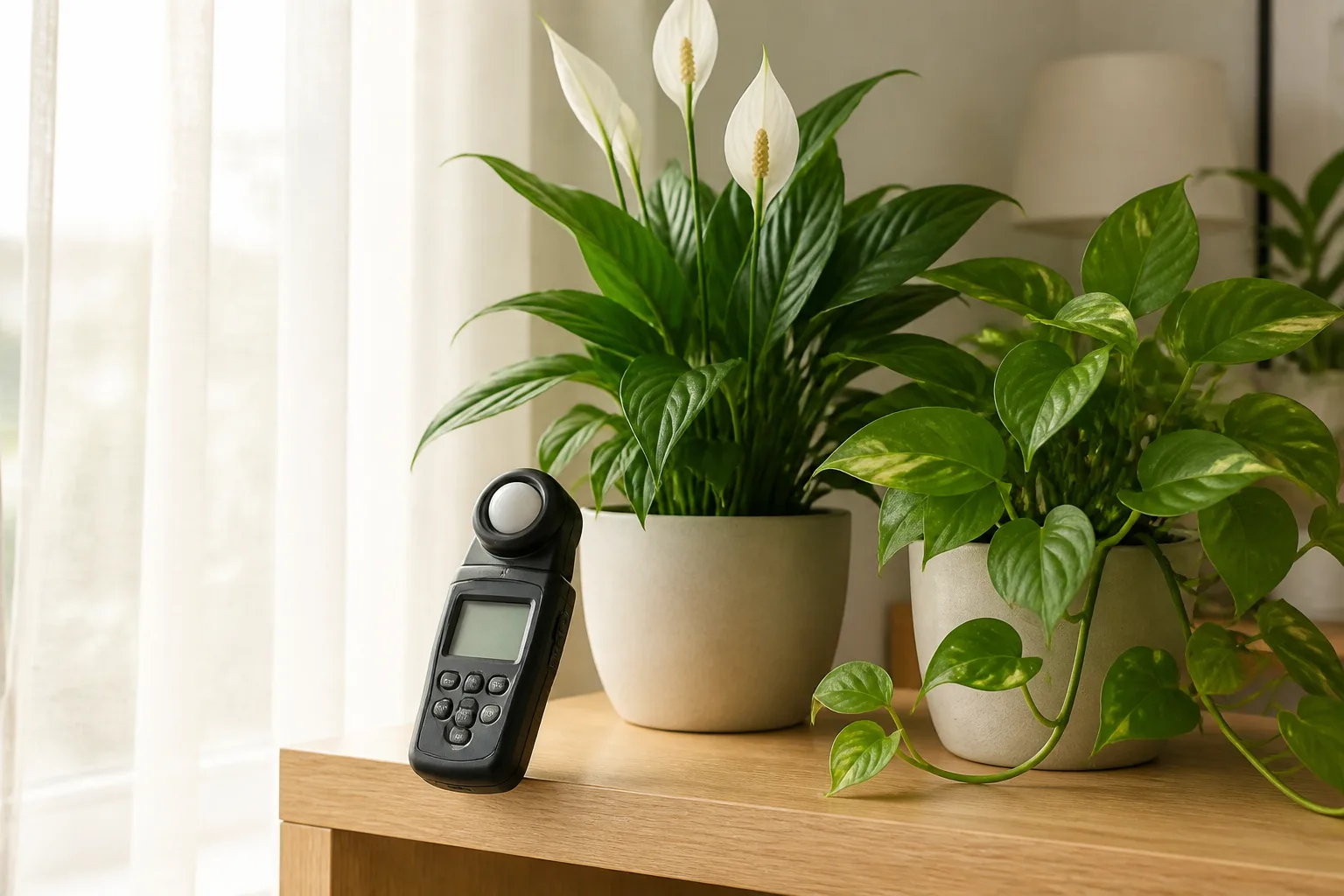 If you are between 25 and 100 ftc, you are in low light. Between 100 and 500 ftc is medium indirect — bright enough for most trailers on this list to grow noticeably faster. Our light meter guide for houseplants walks through the same workflow with foot-candle bands from UF/IFAS.
Watch for etiolation: longer gaps between leaves, smaller new foliage, and vines leaning toward the brightest point. That is the plant voting with its stems. In low light, growth slows — which is fine if you want a controlled cascade, frustrating if you expected a floor-length pothos in six months.
How to Hang Plants Safely in Dim Rooms
Dim rooms often push people toward high corners where light is weakest. That is visually dramatic and horticulturally risky unless you compensate with brighter species or a grow bulb nearby.
Pots, Drainage, and Weight
Every hanging basket needs a drainage hole and a catch tray or inner plastic liner you can remove to dump runoff. Water that pools in a closed decorative pot is the fastest route to root rot — especially in low light, where transpiration is slow. Use lightweight plastic inner pots inside heavier ceramic shells if you are worried about hook load. A saturated 8-inch basket can weigh 10–15 pounds; use a ceiling anchor rated for 25+ pounds in drywall (toggle bolt or joist mount), not a sticky hook meant for towels.
Match pot size to plant vigor. Aggressive trailers like golden pothos or heartleaf philodendron can stay in smaller pots longer in low light because growth is slow. Fast growers in dim rooms still want root room eventually — just not an oversized swamp.
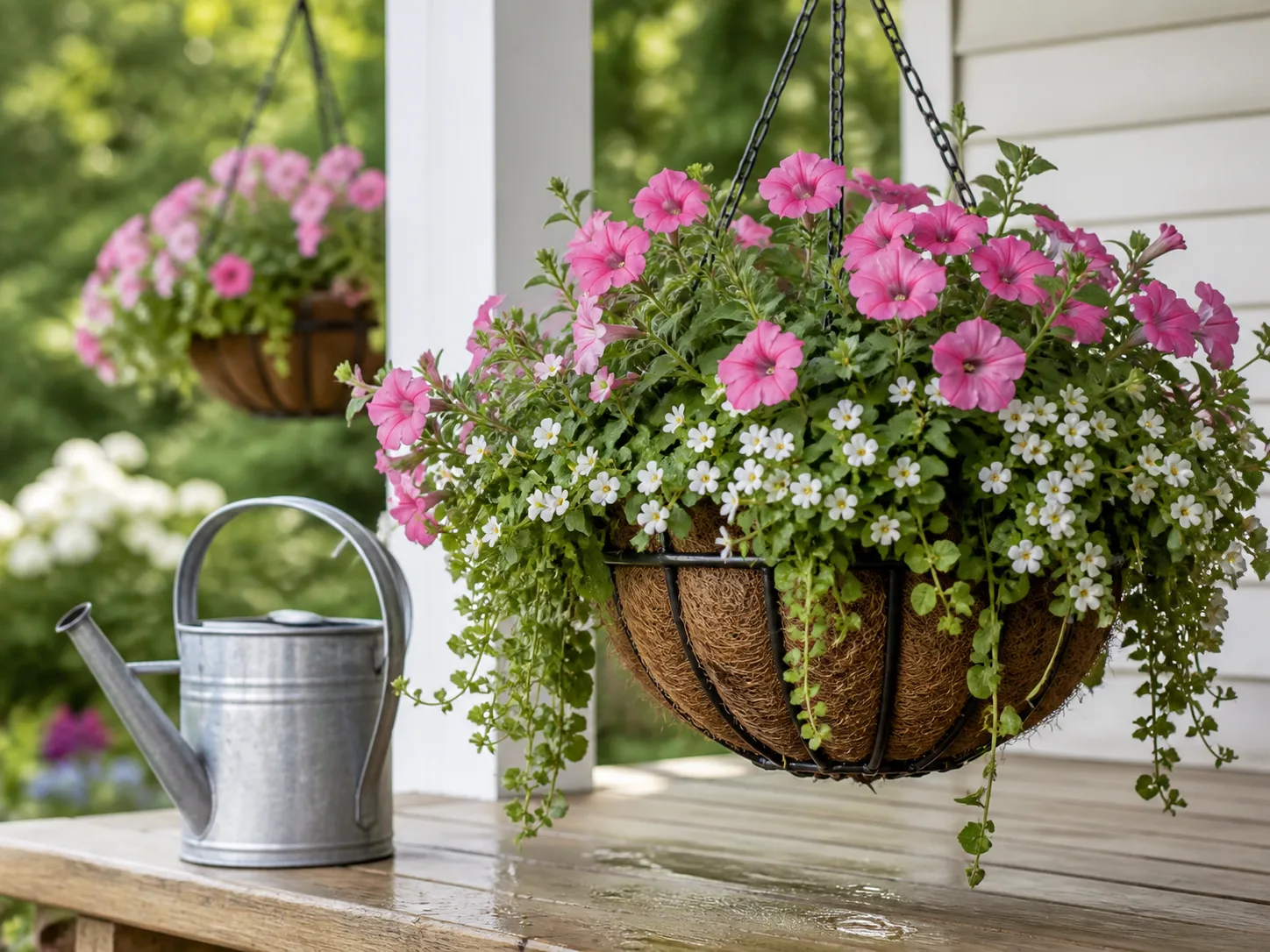
For pebble-tray humidity basics when ferns or Dischidia are on your list, see our houseplant humidity guide.
The 16 Best Low-Light Hanging Plants
The plants below all tolerate low to medium indirect light indoors. Bloom and bold variegation usually need brighter spots; foliage color may shift greener in shade. Water when the top 1–2 inches of mix feel dry unless noted — and stretch that interval in winter or very dim rooms.
Pothos and Philodendron Trailers
Marble Queen pothos (Epipremnum aureum ‘Marble Queen’) — Cream-splashed leaves hold some variegation in medium light but revert toward green in truly dim corners. Still one of the most forgiving hanging choices. Vines reach 10–15 feet over years if you never trim. Pair with a pothos care hub for repotting and propagation.
Golden pothos (E. aureum) — The benchmark easy trailer. Tolerates full shade indoors better than almost any flowering houseplant, forgives missed waterings, and roots readily in water. In low light it grows slowly and stays compact — useful in offices. See golden pothos for cultivar differences.
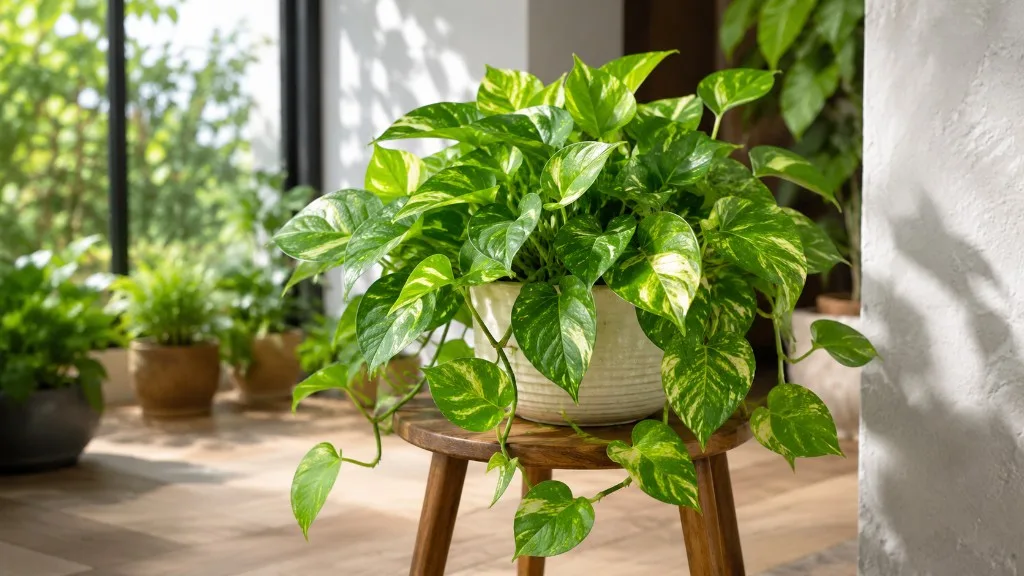
Neon pothos (E. aureum ‘Neon’) — Chartreuse foliage stays surprisingly bright in shade compared with variegated types, though color dulls slightly without medium light. Excellent beginner hanger for bathrooms with frosted glass.
Heartleaf philodendron (Philodendron hederaceum) — Soft, heart-shaped leaves on thin vines that look elegant in macrame. Slightly more humidity-friendly than pothos but still tolerant of average homes. Toxic to pets if chewed (oxalates). Philodendron hub covers light and soil in depth.
Monstera adansonii — Swiss-cheese holes develop best with medium light; in low light you get solid green leaves on thinner vines. Still hangs beautifully and air-dries faster than ferns. Not a true low-light specialist, but acceptable a few feet from a north window. Monstera adansonii for humidity and support options.
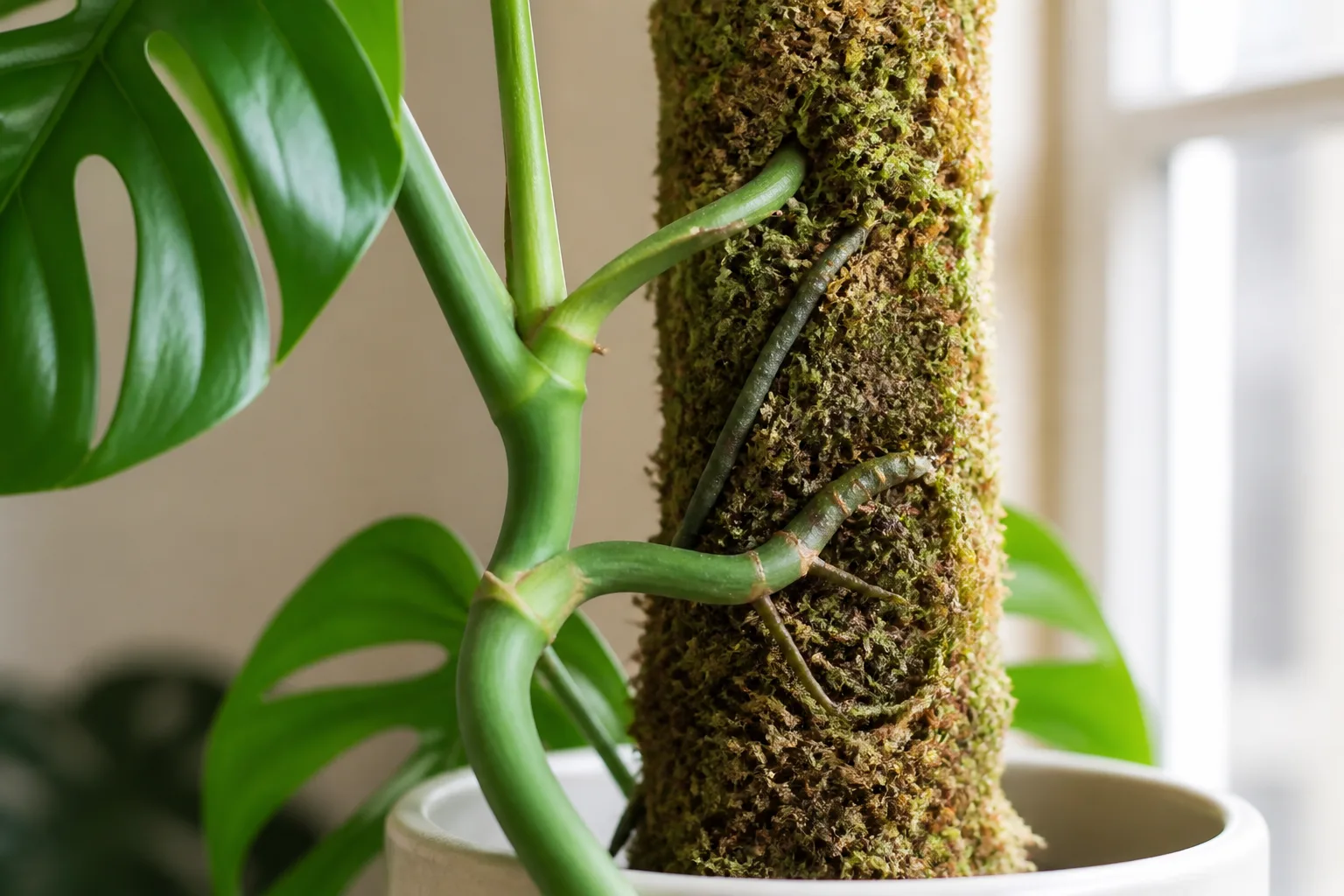
Mini monstera (Rhaphidophora tetrasperma) — Split leaves resemble monstera but this is a different genus. Grows quickly when happy, more slowly in shade. Give a moss pole inside the basket if you want fenestration; otherwise expect smaller leaves. Rhaphidophora tetrasperma for staking tips.
Scindapsus, Syngonium, and Delicate Cascades
Satin pothos (Scindapsus pictus) — Silver-speckled leaves (not a true pothos) originate from understory forests and handle shade well.
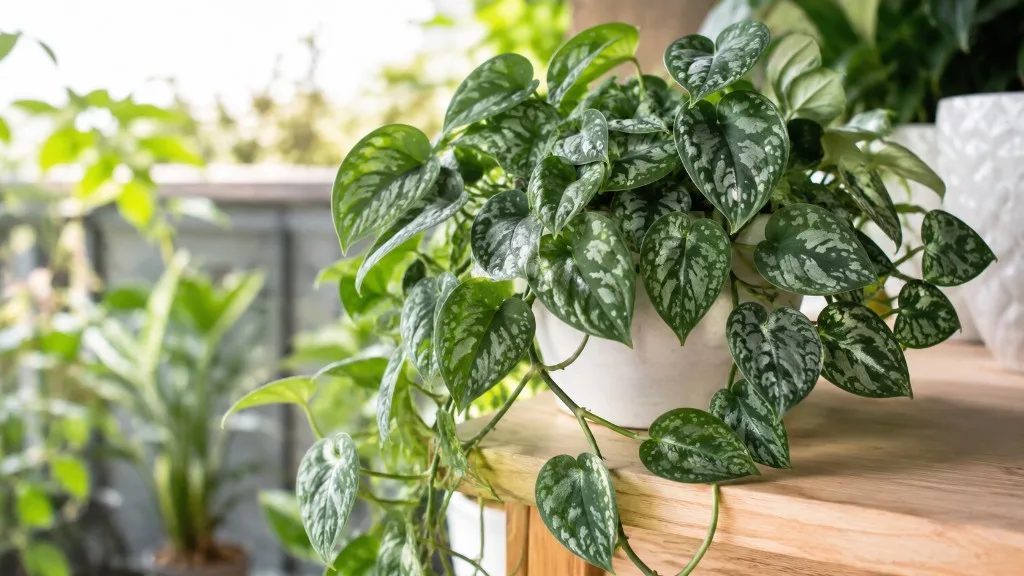 Leaves curl when thirsty; overwatering causes yellow bases. Our growing satin pothos guide covers the watering loop without repeating it here. Scindapsus pictus hub for soil and light detail.
String of hearts (Ceropegia woodii) — Tiny heart leaves on wire-thin stems. Stores water in tubers; needs excellent drainage and longer dry periods between waterings. Low light slows growth — which prevents the tangled mess beginners hate. Avoid cold drafts above windows. String of hearts for propagation and pest notes.
Neon robusta arrowhead (Syngonium podophyllum ‘Neon Robusta’) — Dusty pink juvenile leaves fade to green in shade. If color matters, hang it where it gets medium light part of the day; if you only need trailing greenery, low light works. Syngonium for humidity and pruning.
String of nickels (Dischidia imbricata) — Epiphytic succulent-like leaves that overlap like coins. Loves humidity — bathroom hangers often outperform living rooms. Let mix dry almost completely; misting helps in dry HVAC air. Dischidia for mounting and watering rhythm.
Ferns, Ivy, and Humidity-Heavy Choices
Boston fern (Nephrolepis exaltata) — Classic arching fronds for baskets. Tolerates low light only if humidity stays high and soil never dries to dust.
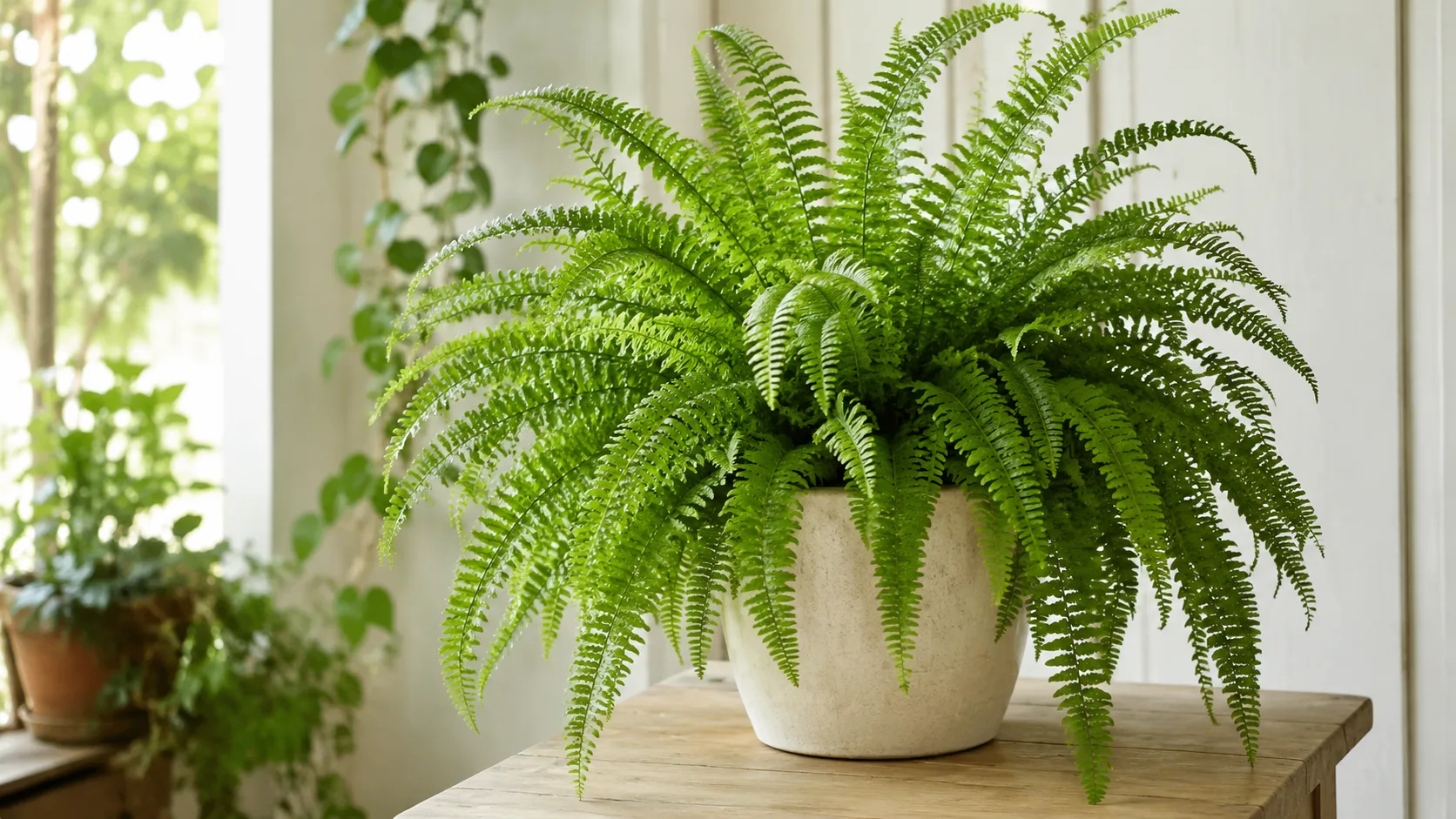 Brown fronds usually mean dry air or inconsistent water, not always too little light. Mist less, improve humidity instead — see Boston fern and indoor fern care.
English ivy (Hedera helix) — Fast, glossy trailers that survive dim corners and cool rooms. Aggressive grower; trim often to keep manageable length. Toxic to dogs, cats, and horses per ASPCA (vomiting, drooling, abdominal pain if ingested). Skip if pets chew plants; choose spider plant or peperomia instead. (ASPCA)
Hoyas, Lipstick Plant, and Slow-Growing Bloomers
Hoya carnosa (including tricolor / ‘Krimson Princess’ types) — Thick waxy leaves tolerate partial shade; flowers need bright indirect light and a stable root-bound pot. In low light you get a handsome trailing vine without blooms — still worthwhile. Avoid soaking; let dry between drinks. Hoya carnosa for bloom triggers.
Lipstick plant (Aeschynanthus spp.) — Cascading stems with glossy leaves; tubular red flowers appear mainly in brighter, humid spots. In shade it remains an attractive foliage hanger if you accept no blooms. Keep evenly moist, not waterlogged.
Spider Plant, Peperomia, and Compact Spillers
Spider plant (Chlorophytum comosum) — ASPCA lists it non-toxic to cats and dogs — a strong pick for pet households.
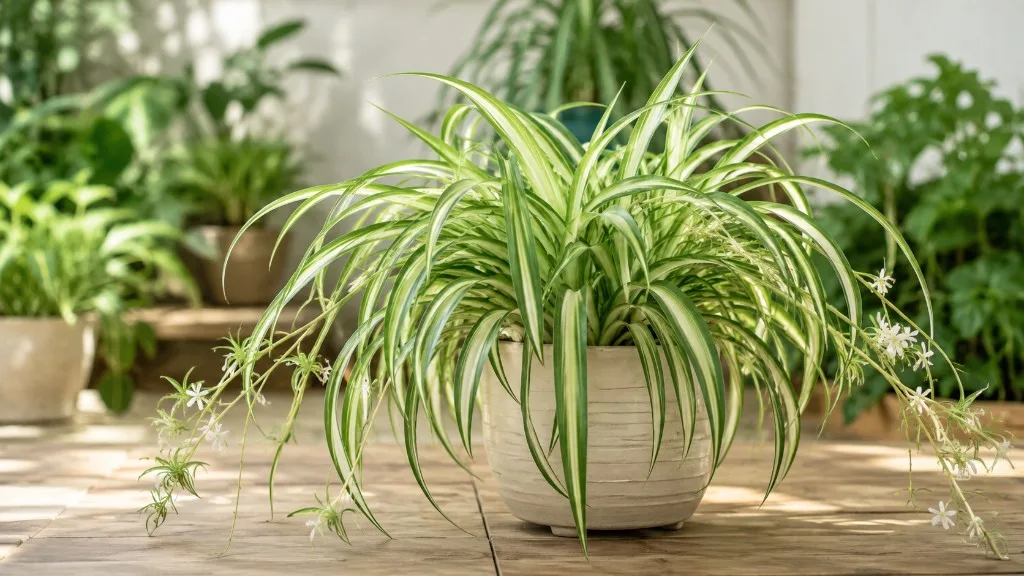 Low light keeps it compact with fewer “spiderette” offsets; brighter light triggers baby production. Let soil dry halfway down between waterings. Spider plant for fluoride tip-browning fixes.
Radiator plant (Peperomia obtusifolia) — Thick succulent-like leaves store water; forgiving when you forget. Stays under 12 inches tall — better for shorter hangers than floor-length drama. Allow soil to dry fully. Peperomia hub for cultivars.
Comparison Table: Light, Water, and Pet Safety
| Plant | Low-light tolerance | Water rhythm | Pet notes |
|---|---|---|---|
| Golden / Neon / Marble Queen pothos | Excellent | Top 2 in dry | Toxic if chewed |
| Heartleaf philodendron | Excellent | Top 2 in dry | Toxic |
| Scindapsus pictus | Very good | Top 2 in dry; avoid sogginess | Toxic |
| String of hearts | Good (slow growth) | Dry deeply between | Non-toxic |
| Syngonium neon robusta | Good (greener leaves) | Top 2 in dry | Toxic |
| Monstera adansonii | Fair–good | Top 2 in dry | Toxic |
| Rhaphidophora tetrasperma | Fair–good | Top 2 in dry | Toxic |
| Boston fern | Good with humidity | Evenly moist, not soggy | Non-toxic |
| English ivy | Excellent | Keep lightly moist | Toxic |
| Hoya carnosa | Good foliage; blooms need sun | Dry between | Non-toxic |
| Lipstick plant | Good foliage; blooms need sun | Evenly moist | Non-toxic |
| Dischidia (string of nickels) | Good with humidity | Dry almost fully | Check species |
| Spider plant | Very good | Dry halfway down | Non-toxic |
| Peperomia obtusifolia | Very good | Dry fully | Non-toxic |
Use the table to narrow choices: pet owners should shortlist spider plant, peperomia, hoya, Boston fern, string of hearts before pothos or philodendron. Need maximum neglect tolerance? Golden pothos, neon pothos, peperomia. Need humidity without a fog machine? Dischidia or Boston fern in a bathroom with a window.
Care Mistakes in Low-Light Hanging Baskets
The top killer is not darkness — it is water sitting in root zones while leaves photosynthesize slowly. Hanging pots also dry unevenly: the top crusts while the bottom stays wet. Lift the inner pot and feel weight, or use a bamboo skewer to check center moisture before you pour.
Cold drafts from HVAC vents above doorways brown fern fronds and crisp pothos tips. Heat rises, but so does dry air — misting ferns without raising room humidity rarely fixes browning. Group baskets or run a small humidifier if you collect ferns and Dischidia.
Dust blocks light you already lack. Wipe leaves monthly with a damp cloth — especially broad philodendron and hoya foliage. For fluorescent-only offices, rotate the basket a quarter turn weekly so one side does not lean permanently toward the fixture.
Overwatering When Soil Dries Slowly
In low light, plan on watering 30–50% less often than the same plant in a bright window. If the top two inches are still damp after ten days, the room is too dim, the pot is too large, or drainage is blocked — not that the plant needs another drink. Yellow leaves with wet soil mean root stress; let the mix dry, then water less next cycle. If stems go mushy, unpot, trim brown roots, and repot into fresh airy mix in a smaller container.
Pet-Safe Swaps for Toxic Trailers
Pothos, philodendron, scindapsus, syngonium, monstera, rhaphidophora, and English ivy all carry calcium oxalates or other compounds that irritate mouths and stomachs if pets chew them. Symptoms include drooling, vomiting, and pawing at the mouth — call your vet or ASPCA Animal Poison Control if ingestion is suspected.
Safer hanging options in similar light: spider plant (proven non-toxic), peperomia obtusifolia, hoya carnosa, Boston fern, and string of hearts. For a deeper pet-focused list, see low-light plants safe for cats and non-toxic plants for cats.
When to Add a Grow Light Instead of Guessing
Add a grow bulb when new leaves keep shrinking, vines stretch more than a few inches between nodes, or soil stays wet beyond two weeks. A single full-spectrum LED 12–14 inches above the basket, on a timer for 10–12 hours, often moves a “surviving” pothos into active growth without moving the hanger. You do not need greenhouse PAR meters for one basket — a basic lux reading after install confirms you reached medium-light territory.
If you refuse to add light, choose the most shade-tolerant species on this list — golden pothos, heartleaf philodendron, peperomia, spider plant — and accept slow, sparse growth as normal, not failure.
Conclusion
Low-light hanging plants turn unused ceiling space into greenery when you match species to real foot-candles, hang with proper anchors and drainage, and water on soil dryness — not a calendar. Golden pothos, heartleaf philodendron, scindapsus, spider plant, and peperomia cover most dim rooms with the least drama; ferns, Dischidia, and lipstick plant reward bathrooms and humid kitchens. Measure your spot, pick from the comparison table, and upgrade light before you upgrade fertilizer. A trailing vine in a north room can look lush for years when the basket dries on schedule and the hook is rated for the weight of wet soil.