Brown Leaf Tips on Houseplants: Causes and Fixes
Brown tips are typically the earliest warning that a plant's water balance is under pressure. The tip is the farthest point from the roots, so it dries first when moisture delivery is inconsistent. This is especially common in humidity-sensitive species such as calathea, peace lily, and dracaena, but any houseplant can show tip burn under stress. Brown tips can also be cosmetic from occasional dryness, so severity and progression are key. The most reliable diagnosis combines humidity, watering consistency, and water quality. Chronic low humidity increases transpiration faster than roots can replace moisture. Long dry intervals followed by heavy watering also injure feeder roots. In addition, fertilizer salts and hard-water minerals accumulate in potting mix and can scorch leaf edges. Correcting the environment and root-zone chemistry usually stops new damage quickly, although existing brown tissue stays brown and can be trimmed for appearance.
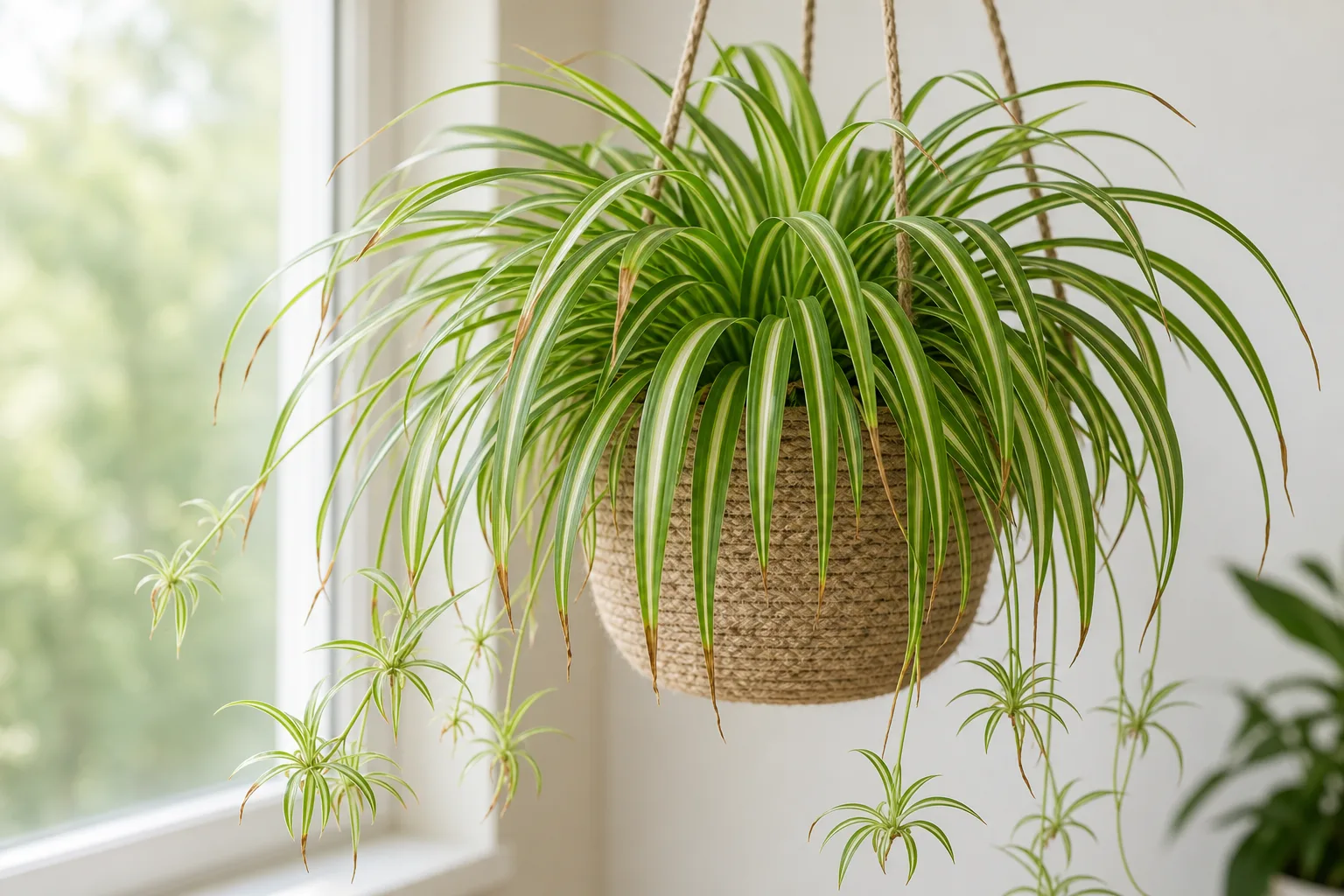
Brown Tips on Houseplants
Still unsure?Match your symptoms to the most likely problems in under a minute.Run diagnosis →Understand and fix brown tips
Brown, crispy leaf tips with otherwise green leaves usually indicate dry air, inconsistent watering, or salt buildup in the root zone.
Overview
Brown tips are typically the earliest warning that a plant's water balance is under pressure. The tip is the farthest point from the roots, so it dries first when moisture delivery is inconsistent. This is especially common in humidity-sensitive species such as calathea, peace lily, and dracaena, but any houseplant can show tip burn under stress. Brown tips can also be cosmetic from occasional dryness, so severity and progression are key.
The most reliable diagnosis combines humidity, watering consistency, and water quality. Chronic low humidity increases transpiration faster than roots can replace moisture. Long dry intervals followed by heavy watering also injure feeder roots. In addition, fertilizer salts and hard-water minerals accumulate in potting mix and can scorch leaf edges. Correcting the environment and root-zone chemistry usually stops new damage quickly, although existing brown tissue stays brown and can be trimmed for appearance.
Brown Tips patterns: what you see vs. likely cause
Match your plant to the closest pattern, then start with the first step before trying other fixes.
| What you see | Likely cause | First step |
|---|---|---|
| Crispy tips only; rest of leaf green | Low humidity or inconsistent watering | Raise humidity to 50%+ and stabilize watering rhythm |
| Tips brown with white crust on soil | Salt or fertilizer buildup | Flush pot with clean water 2–3× pot volume |
| Tips brown on dracaena or spider plant | Fluoride or chlorine in tap water | Switch to filtered or rested tap water for 4–6 weeks |
| Brown creeping down entire margins | Root stress from over- or underwatering | Inspect roots and soil moisture at depth, then adjust |
How to identify it
- Leaf tips are dry, crispy, and tan-to-brown.
- Damage begins at the tip and may creep down margins.
- Newest leaves may emerge with minor tip browning.
- Potting mix may show white crust from mineral salts.
- No soft, wet lesions typical of bacterial rot.
- Humidity near the plant is often below 45% for tropicals.
When to worry
Escalate care if browning moves from tips to whole leaf margins, appears on most new leaves, or is paired with limp foliage and no new growth.
Common causes
Low ambient humidity
Dry indoor air increases moisture loss through leaves. Tip tissue desiccates first because it receives water last.
Inconsistent watering cadence
Large swings between very dry and very wet soil stress roots. Damaged roots cannot hydrate leaf margins reliably.
Salt accumulation
Excess fertilizer and minerals from tap water build up in soil. These salts draw water away from roots and burn leaf edges.
Fluoride or chlorine sensitivity
Some species react to treated tap water with edge and tip necrosis. This is common in spider plant and dracaena.
Root crowding
Severely rootbound plants dry too quickly and struggle to hydrate leaves evenly, leading to repeated tip burn.
Step-by-step fix
Stabilize watering rhythm
Water when the top layer reaches species-appropriate dryness, then water thoroughly until runoff for even rehydration.
Raise local humidity
Target 50-60% for tropical foliage by grouping plants, using a humidifier, and keeping away from vents.
Flush accumulated salts
Run clean water through the pot 2-3 times pot volume monthly during active growth to reduce buildup.
Adjust fertilizing strength
Use half-strength fertilizer and skip feeding when growth is slow to avoid additional root-zone stress.
Trim cosmetic damage
Cut brown tips following the leaf shape, leaving a thin brown edge to avoid wounding healthy tissue.
Repot if severely rootbound
Move up one pot size with fresh mix if roots circle densely and water runs straight through rapidly.
Prevention tips
- Monitor indoor humidity, especially in AC and heating seasons.
- Use filtered or rested water for sensitive plants.
- Feed lightly and flush soil regularly.
- Repot before severe root congestion develops.
Common mistakes
- Misting alone as the only humidity strategy.
- Increasing fertilizer to fix browning.
- Cutting deeply into healthy green tissue while trimming tips.
- Watering on a strict schedule regardless of soil moisture.
Related care topics
These care guides help prevent repeat issues once you have treated the immediate problem.
A brown tip is damaged leaf tissue, but it is not a diagnosis. The same crispy point can follow a forgotten watering, concentrated fertilizer, very dry heated air, unsuitable irrigation water, or roots that stayed wet so long they could not function normally. Treating every brown tip with more water can therefore turn a cosmetic problem into root trouble.
The useful question is not simply, “Why is this tip brown?” It is, “What changed, what does the rest of the plant look like, and what is happening inside the pot?” Read those clues together, make the lowest-risk correction first, and judge the result by healthy new growth. University of Missouri guidance is explicit that a dead leaf tip cannot return to its normal appearance, so recovery means the damage stops spreading and later leaves grow cleanly.
Start here: match the pattern to the safest first check
Brown leaf tips on houseplants commonly point to a water-balance problem, accumulated salts, or an environmental stress. That may mean a root ball dried too far, fertilizer or irrigation salts concentrated around roots, the air became unusually dry, or persistently wet mix damaged roots. Heat, harsh sun, cold drafts, pests, and disease can also cause browning, but those problems often create a less uniform pattern.
Use the table as a triage tool, not a verdict. Texture and distribution help you decide what to inspect first; neither can prove a cause without evidence from the pot and recent care.
| What you see | Evidence to check next | Safest first move | Do not do yet |
|---|---|---|---|
| Crisp, repeated tips; pot unusually light | Dry mix at root depth, gaps around the root ball, a recent missed watering | Rewet the root ball evenly and let it drain | Do not fertilize a dry, stressed plant |
| Crisp tips plus white crust on soil or pot | Frequent feeding, repeated small sips, hard or softened water | Pause fertilizer and confirm that the pot drains | Do not flush a pot with no drainage or actively rotting roots |
| Soft browning, yellowing, wilt in wet mix | Heavy pot for many days, standing runoff, sour smell, weak roots | Empty runoff and inspect drainage; inspect roots if decline continues | Do not add water just because the plant wilts |
| One-sided tan patches | Hot glass, new direct sun, radiator, cold window, or air vent | Remove the localized exposure | Do not overhaul watering unless the root-zone evidence supports it |
| Expanding spots, halos, webbing, or sticky residue | Leaf undersides, neighboring plants, wet foliage, visible insects | Isolate while you identify the pest or disease | Do not assume ordinary tipburn |
This multi-clue approach matches current diagnostic guidance. The UC Statewide IPM Program lists overfertilization, salt accumulation, excessively dry or wet soil, strong heat or sun, low relative humidity, and drafts among the possibilities. The RHS leaf-damage guide likewise recommends reading associated symptoms and checking roots because brown leaves have more than one cause.
What a brown leaf tip can—and cannot—tell you
The tip is a common place for water or salt stress to become visible. When water delivery cannot keep pace with loss, or when a concentrated root-zone solution makes uptake more difficult, leaf margins may die. Horticulturists call this localized death tip necrosis or tip burn; the University of Missouri IPM program classifies common houseplant tipburn as an abiotic disorder rather than a disease, although “burn” does not necessarily mean direct sunlight.
Brown tissue cannot photosynthesize, rehydrate, or repair itself. A successful fix therefore does not erase the mark; it stops the damaged area from expanding and allows subsequent leaves to emerge without the same injury. Depending on the plant’s growth rate and the season, that evidence may take several weeks rather than several days.
One old leaf developing a brown tip while the plant is producing sound new growth may be normal aging or old damage. Several leaves developing matching tips at about the same time point more strongly to a shared environmental or root-zone stress. Rapid spread, collapsing stems, foul-smelling mix, extensive yellowing, or visible pests calls for a closer inspection rather than cosmetic trimming.
Read four clues before changing plant care
Diagnosis becomes easier when you compare four clues: where the damage starts, how it feels, which leaves are affected, and what the pot is doing. Look at the entire plant in good light, including leaf undersides and the point where stems meet the soil. Then look through the drainage holes and, if symptoms are advancing or the mix stays wet abnormally long, slide the root ball out without tearing it apart.
Do not respond to a photograph of the symptom alone. Two plants can look similar above the pot while one has a dry root ball that water bypasses and the other has declining roots in a decorative cachepot full of runoff. Their corrections are almost opposite, which is why the root-zone check carries more weight than the leaf-tip color by itself.
Dry, crisp tips repeated across many leaves
Uniform tan-to-brown points with a crisp texture can fit intermittent drought, low humidity, fertilizer salts, or water-quality sensitivity. If the pot feels unusually light, the mix has pulled away from the sides, or water races down a gap and immediately exits, the central root ball may remain dry after a quick watering. Apply water slowly in several passes until the mix is evenly moist, then let the pot drain and adjust future checks to the plant’s actual drying rate.
If moisture has been reasonably consistent, review fertilizer and water. A pale or whitish crust on the soil or pot rim strengthens the salt-buildup hypothesis, especially after frequent feeding or repeated small sips that never produce drainage. Sensitive plants can show damage even while tougher plants irrigated from the same tap look fine.
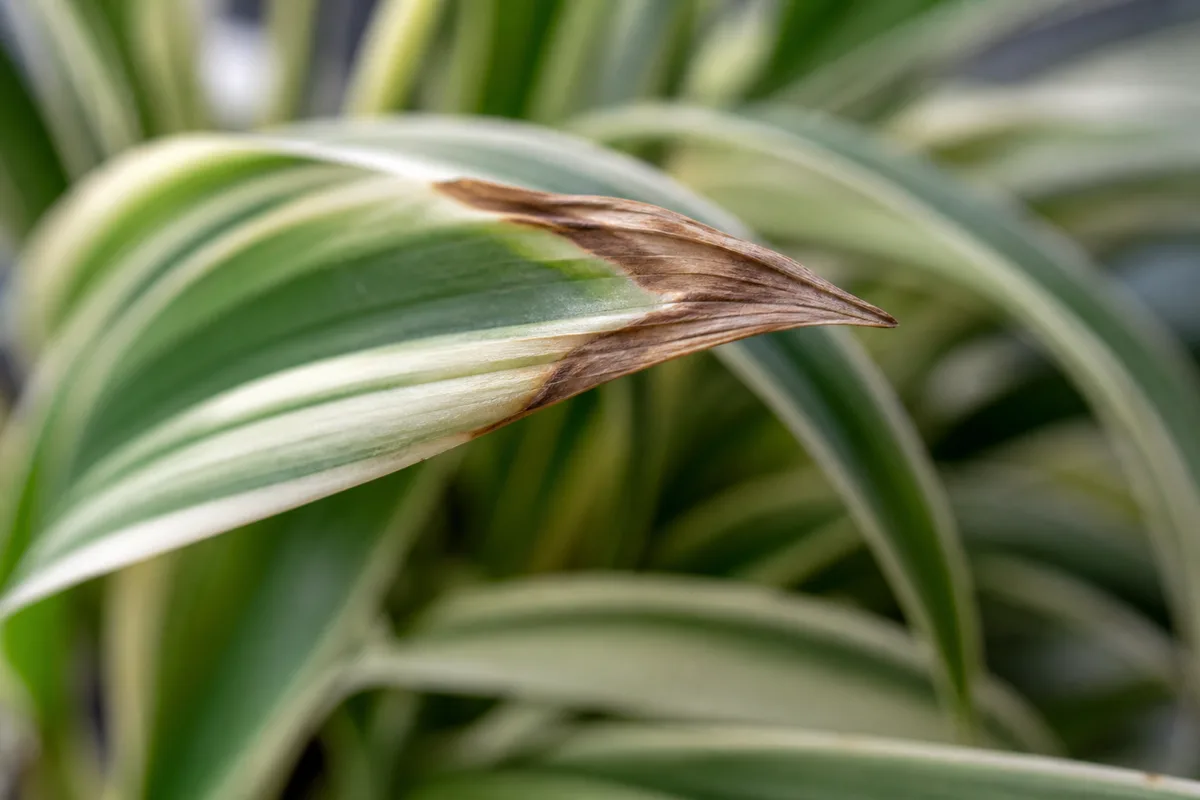
The boundary between brown and green tissue is useful but not diagnostic. A neat line on long, narrow leaves is a familiar tipburn pattern, yet appearance alone cannot separate fluoride sensitivity from a dry episode or excess fertilizer. Your recent care history and the pot condition provide the missing distinction.
Soft brown tips with yellowing or wet soil
Brown areas that feel soft, coupled with yellow leaves, wilting in wet mix, a sour smell, or a pot that remains heavy for many days, make root-zone trouble more plausible. Overwatering reduces oxygen available for root growth and favors root disease, so an affected plant can wilt even while the mix is wet. Adding more water on the basis of wilt alone can worsen that cycle.
Check whether the container has an open drainage hole and whether runoff sits inside a cover pot. If symptoms are advancing, gently inspect the roots. Healthy root color varies by species, so prioritize firmness and integrity; Clemson notes that infected roots can be brown to black and soft. Remove only clearly decayed material with clean tools, correct the drainage problem, and repot into a suitable airy mix when decay is substantial.
Wet soil does not automatically prove root rot. A recently watered plant is supposed to be wet, and some species naturally retain fine, darker roots. Interpret root texture, smell, declining foliage, and the length of time the mix remains saturated together before disturbing the plant.
Irregular patches, spots, webbing, or isolated damage
Strong sun and heat usually create bleached tan areas or larger irregular patches on the exposed side, not only identical points on every leaf. Cold glass, air-conditioning, heater blasts, rubbing against a wall, and rough handling can also produce localized damage. If only leaves touching one hazard are affected, correct the position before changing watering or fertilizer.
Inspect stippled or dusty leaves with a hand lens if possible. Fine webbing and pale speckling can indicate spider mites; sticky residue, bumps, cottony clusters, or distorted new growth suggest other sap-feeding pests. Circular lesions, water-soaked spots, yellow halos, or rapidly enlarging patches may indicate disease, especially when foliage stays wet and air movement is poor.
Isolate a plant with suspected pests while you identify the problem, and avoid splashing water between plants. The Royal Horticultural Society’s houseplant leaf-damage guide recommends checking roots and reviewing cultural conditions when widespread discoloration occurs. When spots spread quickly despite corrected care, seek species-specific advice from a local extension or plant health professional.
Six causes worth testing
Most cases are abiotic, meaning they arise from care or environmental conditions rather than an infectious organism. More than one stressor can operate at once: dry indoor air speeds moisture loss, a tight root ball dries unevenly, and concentrated fertilizer makes water harder for roots to absorb. That is why changing everything at once may produce a temporary improvement without teaching you what actually worked.
Rank causes using evidence from your plant. A missed watering last week is stronger evidence than a generic claim that the species “likes humidity,” while a mineral crust and a history of heavy feeding make salts more plausible. Start with the explanation that fits the most observations and requires the least disruptive correction.
Inconsistent watering and a dry root ball
Houseplants need different moisture rhythms, but nearly all suffer when watering swings outside their tolerance. Tropical foliage plants may develop crisp tips after repeated severe drying, while drought-adapted succulents need the mix to dry substantially and can be harmed by copying a fern’s routine. “Water once a week” is not a diagnosis or a reliable universal rule.
Check moisture at root depth with a finger, wooden skewer, or the weight of the pot. Water thoroughly when that species has reached its appropriate level of dryness, then let surplus water leave the container. Small, frequent sips wet only part of the mix, encourage uneven rooting, and leave salts behind.
Very dry potting mixes can shrink from the container wall or resist wetting evenly. If water instantly channels around the edge, apply it slowly in several passes or soak the nursery pot briefly, then let it drain completely. Do not leave it standing in water afterward, and do not make bottom soaking the automatic routine for a plant whose roots already stay wet too long.
Fertilizer burn and soluble salt buildup
Fertilizer supplies mineral nutrients as soluble salts. When those salts accumulate in the root zone, they can contribute to tipburn and root injury. The University of Wisconsin–Madison Extension’s spider plant profile specifically notes that excessive fertilizer may lead to tip browning, while Clemson identifies a white-to-gray crust on the mix or pot rim as evidence of salt buildup.
Pause feeding while the plant is stressed. If the pot has drainage, the roots are otherwise healthy, and the mix is not already waterlogged, leach accumulated salts by slowly passing clean irrigation water through the mix and letting it drain fully. Clemson recommends periodically drenching the pot to leach salts, but the safe volume depends on the container and medium; empty the saucer and never flush a container without an outlet.
Resume fertilizer only when the plant is actively growing, using the product label and the species’ needs as upper limits rather than targets to exceed. More is not faster. In low winter light, recently repotted plants and slow growers often use nutrients more slowly, so repeated feeding can accumulate faster than the plant consumes it.
Tap-water minerals and sensitive houseplants
Water chemistry varies by location. Minerals and other dissolved salts can remain in a pot as water evaporates, while some plants are particularly prone to injury associated with fluoride or chlorine compounds. Wisconsin Extension identifies fluoride or chlorine in tap water among several possible causes of spider-plant tipburn; this is a species-specific clue, not proof that tap water caused every brown tip.
If a sensitive plant has persistent tipburn despite sound watering and restrained feeding, test a water change for several irrigation cycles while holding other care steady. The RHS spider-plant guide recommends rainwater or filtered water where fluoride is implicated; Wisconsin Extension suggests distilled water or rainwater. Check the specifications of any household filter rather than assuming “filtered” means low in every mineral or treatment chemical.
Leaving tap water in an open container is not a universal water-quality fix because it does not remove dissolved mineral salts or fluoride. Treatment methods also vary by utility, so review a current local water-quality report if water sensitivity remains a strong possibility. A controlled switch is more informative than changing water, fertilizer, potting mix, and humidity at the same time.
Low humidity and fast moisture loss
Low relative humidity increases the rate at which plants lose water through their leaves. The RHS explains the transpiration link: when air is dry, foliage can lose water faster than roots replace it, and brown tips or margins may follow. A small hygrometer can reveal whether damage coincides with heating or air-conditioning instead of leaving you to guess.
Move sensitive plants away from forced-air vents, radiators, and repeated drafts. Grouping plants may modestly improve the immediate microclimate, but a room humidifier offers a more meaningful and measurable change when the air is persistently dry. Choose a humidity level compatible with the room and building; pushing indoor humidity so high that windows condense can encourage mold and structural problems.
Misting changes the leaf-surface conditions briefly, but it does not provide the same steady, measurable room-level change as a humidifier. Frequent wet foliage can also complicate disease management; Clemson advises avoiding splashing water because it can spread some fungal leaf spots. If low humidity is genuinely the cause, measure the room and choose a sustained correction that is also safe for the building.
Overwatering, poor drainage, and damaged roots
Roots require both water and oxygen. Fine pores in a well-structured potting mix hold moisture, while larger pores refill with air after drainage; a dense, saturated mix deprives roots of that balance. Clemson Cooperative Extension explains that overwatering reduces oxygen available for root growth and favors root disease; a pot that is too large, blocked drainage, compacted old mix, low light, or cool temperatures can keep roots wet even if you do not water often.
Correct the system rather than simply waiting longer between identical heavy waterings. Ensure drainage is open, empty standing runoff, and give the plant suitable light so it uses water normally. If the mix stays saturated far beyond the species’ usual cycle, repotting into a better-aerated medium may be justified, but unnecessary repotting adds stress and can damage sound roots.
Root decline can also occur when a plant is severely rootbound and water no longer penetrates evenly. A dense, intact root mass is different from rot: firm crowded roots may call for a modestly larger container, whereas soft, collapsing roots call for correcting saturation and removing clearly dead material. Choose the response from what you actually find rather than root color alone.
Excess light, heat, cold drafts, and sudden change
Direct sun through glass can overheat or scorch foliage that was acclimated to shade. Move the plant back from intense exposure or filter the light, but avoid shifting it into a dark corner where low light will slow drying and create a second problem. Gradual acclimation is safer when a species can tolerate brighter conditions.
Temperature extremes can create similar marginal injury. Keep leaves from touching cold windows and position plants away from exterior-door blasts, fireplaces, radiators, and air-conditioning outlets. A plant moved from a humid greenhouse or shop may also brown temporarily while adjusting to the drier home environment.
Track timing. Damage that appeared soon after relocation, a heatwave, a cold night, or the start of central heating is meaningful evidence. Once damaged, a leaf may continue revealing the injury for a short time even after the trigger is removed, so focus on whether the spread slows and new leaves improve.
A step-by-step recovery plan
Begin with a dated photograph before trimming. Note which leaves are affected, mark where the brown boundary ends, check moisture at depth and pot weight, confirm drainage, and review recent feeding, water source, location, heat, and airflow. Inspect roots only when the wetness pattern or continuing decline makes that disturbance worthwhile.
Then use this order:
- Stop obvious active harm. Empty standing water, move the plant away from a hot or cold draft, shade scorched foliage, or isolate a suspected pest problem.
- Restore an appropriate moisture cycle. Rewet a truly dry root ball or allow an overly wet one to approach the species’ proper watering point. Do not alternate panic-soaking with extreme drying.
- Pause fertilizer. A stressed plant does not need an extra dose, and fertilizer can confound the diagnosis.
- Address salts or water sensitivity. Flush only when drainage and root health make it safe; switch water for sensitive species when the evidence fits.
- Improve the environment. Correct harsh exposure and measure humidity before buying equipment or misting constantly.
- Inspect progress, not scars. Compare the photograph after two to four weeks and watch the newest leaves; slow-growing plants may need longer before new growth provides a fair test.
Change one major variable at a time when the plant is stable enough to allow it. If you simultaneously repot, relocate, flush, prune heavily, fertilize, and change water, the plant experiences more stress and you learn nothing from its response. Multiple immediate actions are appropriate only when there is urgent evidence such as active rot, severe infestation, or standing water.
Escalate when decline is fast or structural. Extensive soft roots, a collapsing stem base, bad odor, rapidly spreading lesions, severe webbing, or repeated leaf collapse needs prompt species-specific treatment. A valuable or unusual specimen may justify help from a local extension diagnostic service rather than another round of guesswork.
Should you cut off brown leaf tips?
You can trim brown tips for appearance, but trimming does not cure the cause. Use clean, sharp scissors and remove only dead tissue, following the leaf’s natural shape while leaving a very narrow brown margin. Cutting into green tissue creates a fresh wound that can dry into another visible brown line.
Remove an entire leaf at its natural attachment point when it is mostly dead, diseased, or collapsing, but avoid stripping a stressed plant of large amounts of still-green foliage. The RHS spider-plant guide supports removing browned tips or whole damaged leaves for appearance while the growing conditions are corrected. Clean tools before and after working, particularly if spots or disease are possible.
If you prefer not to trim, leave the tip in place as a progress marker. Photograph where the brown area ends; if it remains stable while the next leaves develop cleanly, the correction is working. That evidence is more useful than expecting an old scar to reverse.
Preventing brown tips from returning
Build care around observation rather than a rigid calendar. Learn how heavy the pot feels after thorough watering and again when the species is ready for water, check drainage every time, and adjust for seasonal changes in light and temperature. A plant may dry twice as slowly in winter even though the date on your reminder has not changed.
Use fertilizer deliberately. Feed during active growth at a suitable concentration, avoid adding it to a severely dry or sick plant, and periodically water deeply enough for some drainage where the plant and setup allow. If mineral crust repeatedly returns, review both fertilizer frequency and irrigation-water quality.
Match the plant to the room. Thin-leaved tropical species are poor candidates for a shelf over a radiator, while high-light succulents decline in a dim humid corner for different reasons. For persistently sensitive spider plants, dracaenas, or calatheas, a consistent low-mineral water source may be simpler than repeatedly treating the resulting tips.
Keep a short care log when the problem recurs. A useful entry needs only four fields: date, root-zone condition, action taken, and change in the newest leaf. If tips stabilize after a water-source switch while moisture and fertilizer stay consistent, water sensitivity becomes more plausible; if the mix remains wet for many days and yellowing continues, drainage or root condition deserves more attention.
Conclusion
Brown leaf tips on houseplants are evidence, not instructions. Repeated crisp tips direct your first checks toward moisture inconsistency, salts, water sensitivity, or dry air; soft browning with wet mix and yellowing makes root trouble more plausible; irregular lesions, stippling, or one-sided patches shift attention toward pests, disease, or a localized environmental hazard.
Use a simple order: inspect the plant and root zone, correct the cause supported by the strongest evidence, then watch new growth before changing another major variable. Seek species-specific help when roots or stems collapse, lesions spread, or pests are severe. The old scar will remain, but a stable boundary and clean new leaves show that the plant is moving in the right direction.
Plants commonly affected
These houseplants often struggle with brown tips. Open a care guide or plant-specific troubleshooting page for tailored fixes.
 Medium
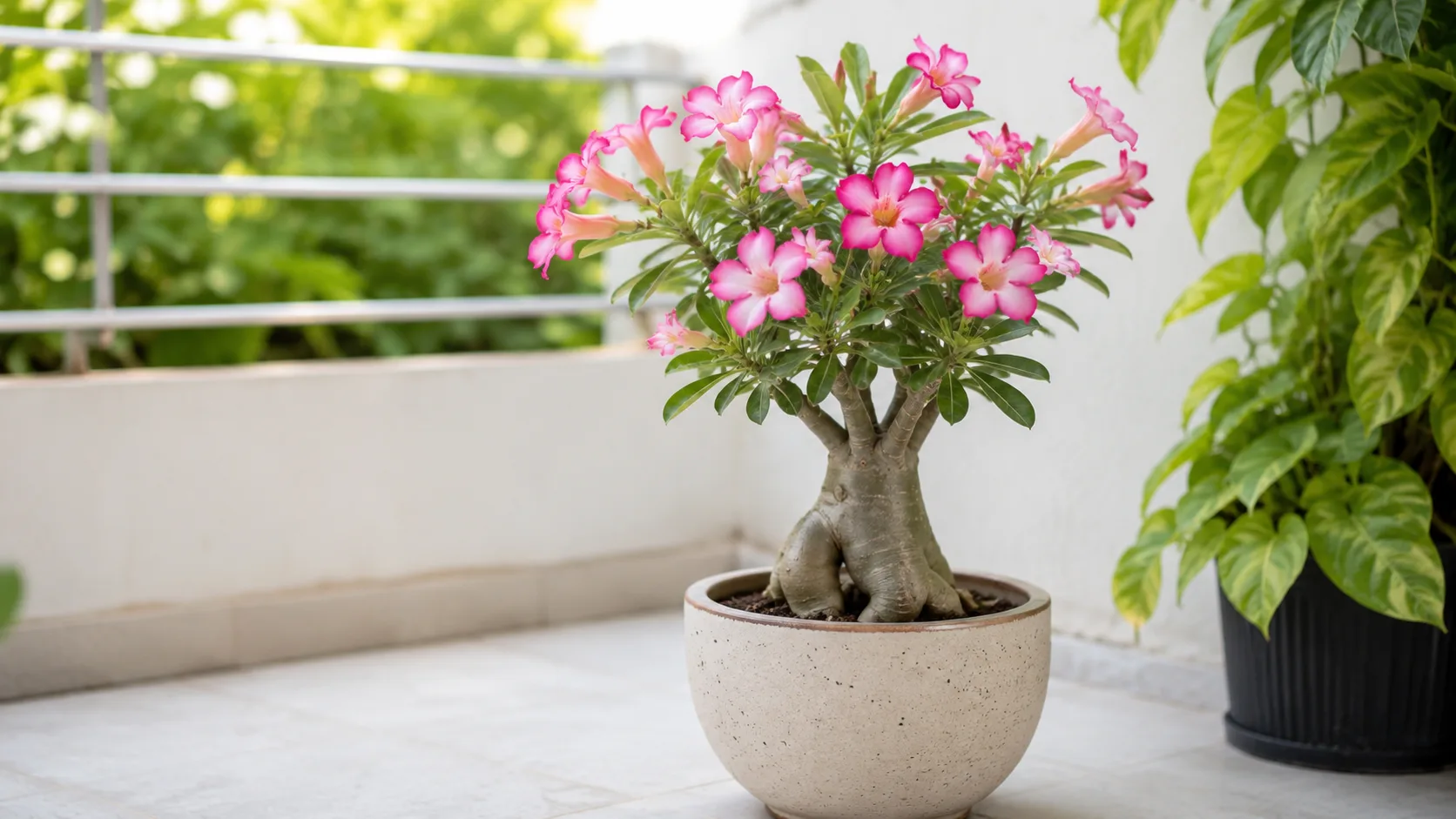
Adenium
Likely causeDry-down stress, excess salts, or fertilizer burn on leaf margins—common when watering or feeding is out of sync.
Quick fixCheck soil dryness and caudex firmness; flush salts if needed and resume soak-and-dry watering.
 Medium
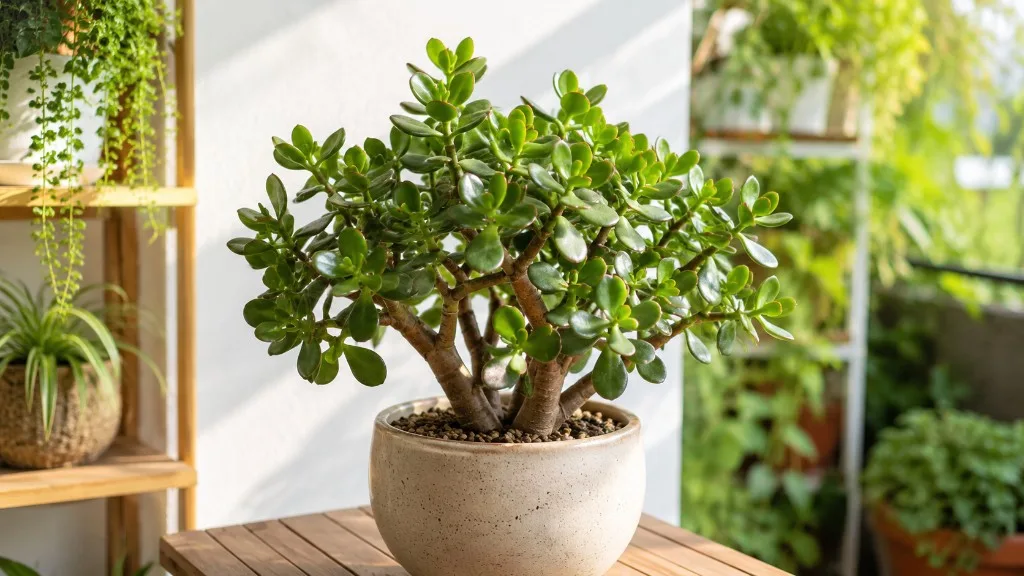
African Milk Tree
Likely causeCommon on this plant type; confirm with recent watering, light, and root checks.
Quick fixInspect the plant and correct the most likely care stressor before stacking treatments.
 Medium
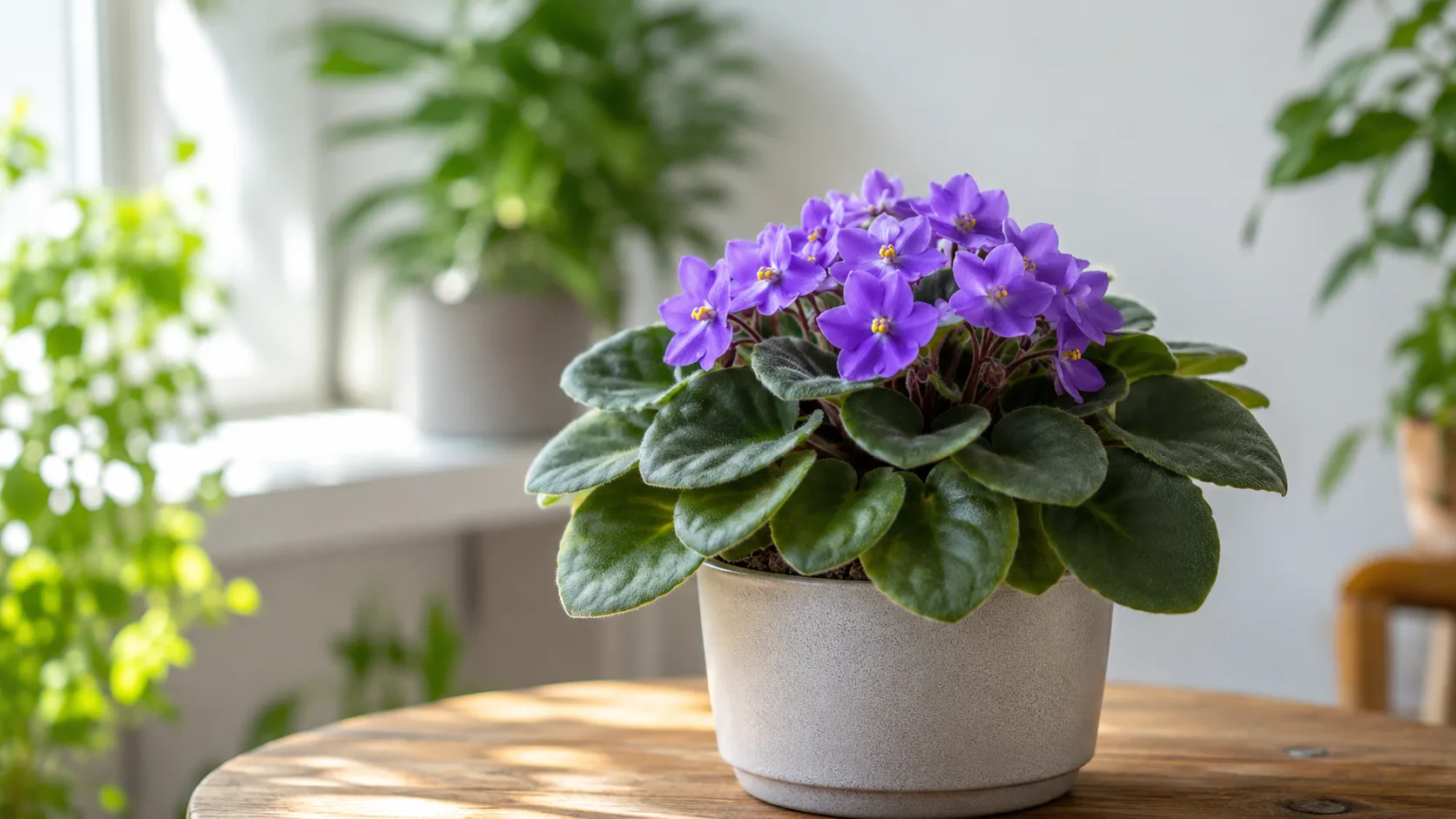
African Violet
Likely causeBrown Tips on African Violet: African violets are one of the most popular houseplants around the world. Their beautiful and vibrant blooms add a touch of color to any room. However, if you're an African violet owner, you may
Quick fixInspect African Violet, confirm brown tips matches your symptoms, then adjust care or treat per authoritative guides.
 Medium
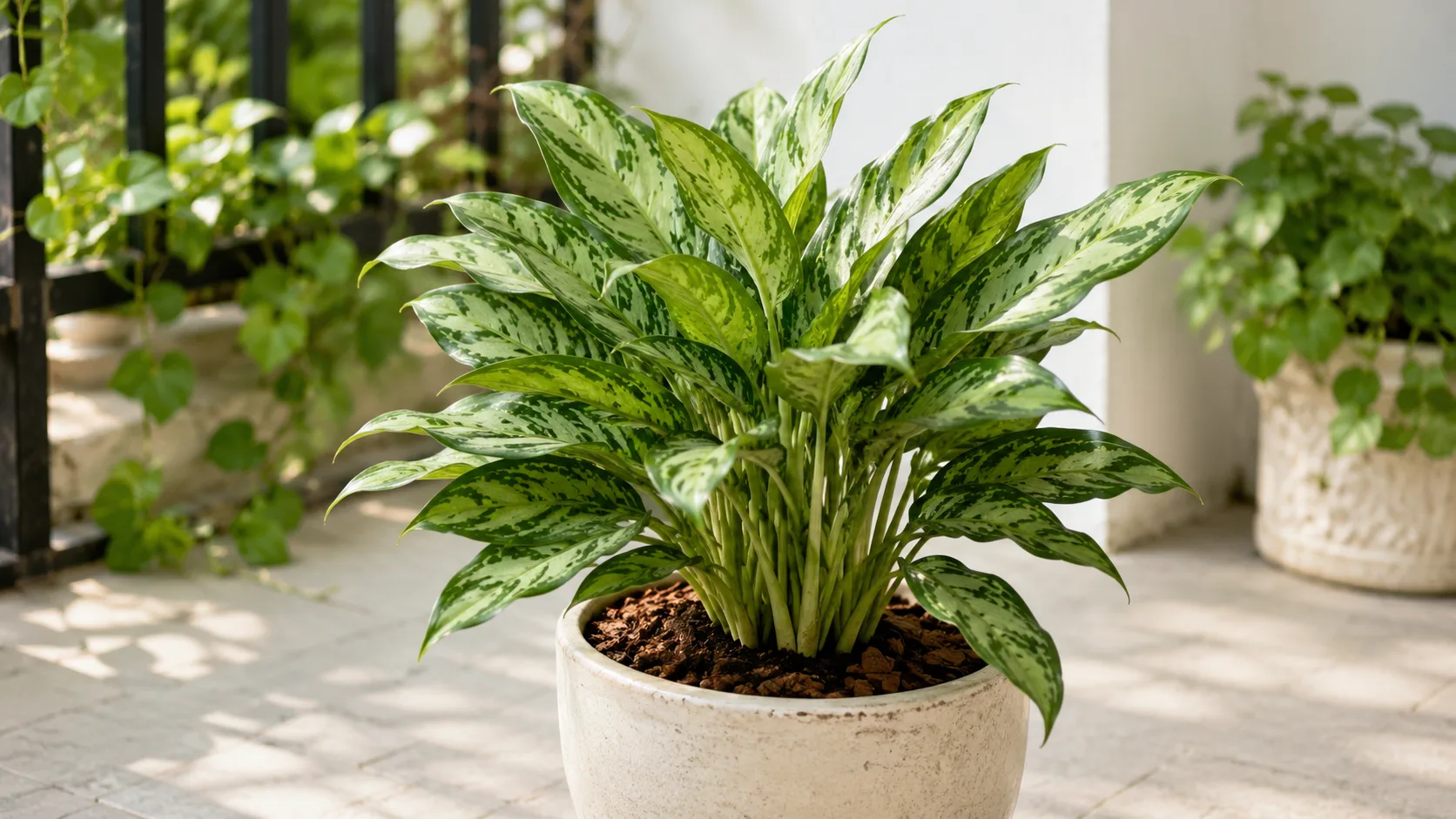
Aglaonema
Likely causeLow humidity, fluoride in water, or overfertilising causes tip browning
Quick fixSwitch to filtered water; reduce fertiliser; increase humidity
 Medium
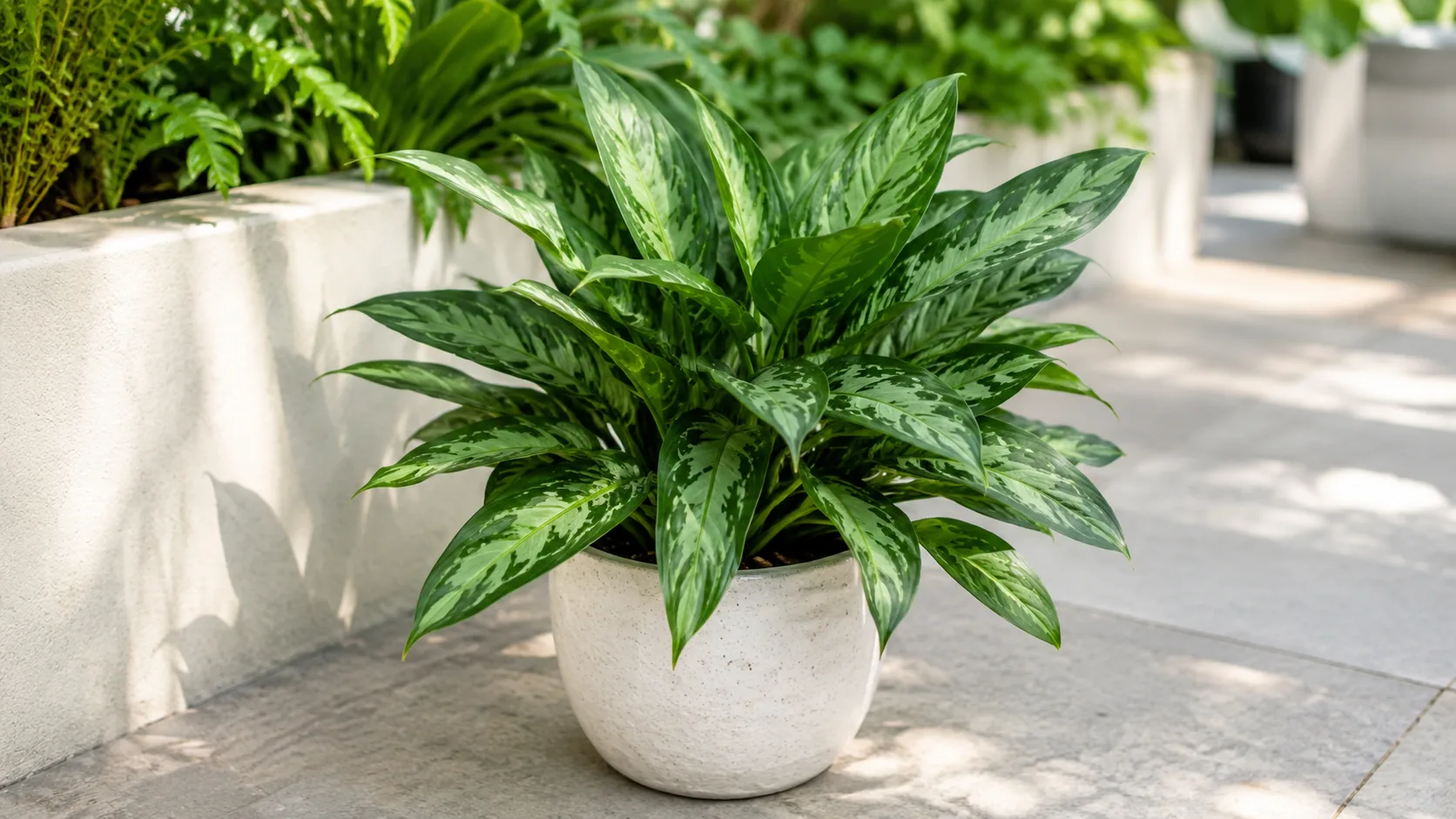
Aglaonema Cutlass
Likely causeCommon on this plant type; confirm with recent watering, light, and root checks.
Quick fixInspect the plant and correct the most likely care stressor before stacking treatments.
- Medium
Aglaonema Lady Valentine
Likely causeCommon on this plant type; confirm with recent watering, light, and root checks.
Quick fixInspect the plant and correct the most likely care stressor before stacking treatments.
- Medium
Aglaonema Maria
Likely causeCommon on this plant type; confirm with recent watering, light, and root checks.
Quick fixInspect the plant and correct the most likely care stressor before stacking treatments.
- Medium
Aglaonema Pictum Tricolor
Likely causeCommon on this plant type; confirm with recent watering, light, and root checks.
Quick fixInspect the plant and correct the most likely care stressor before stacking treatments.
 Medium
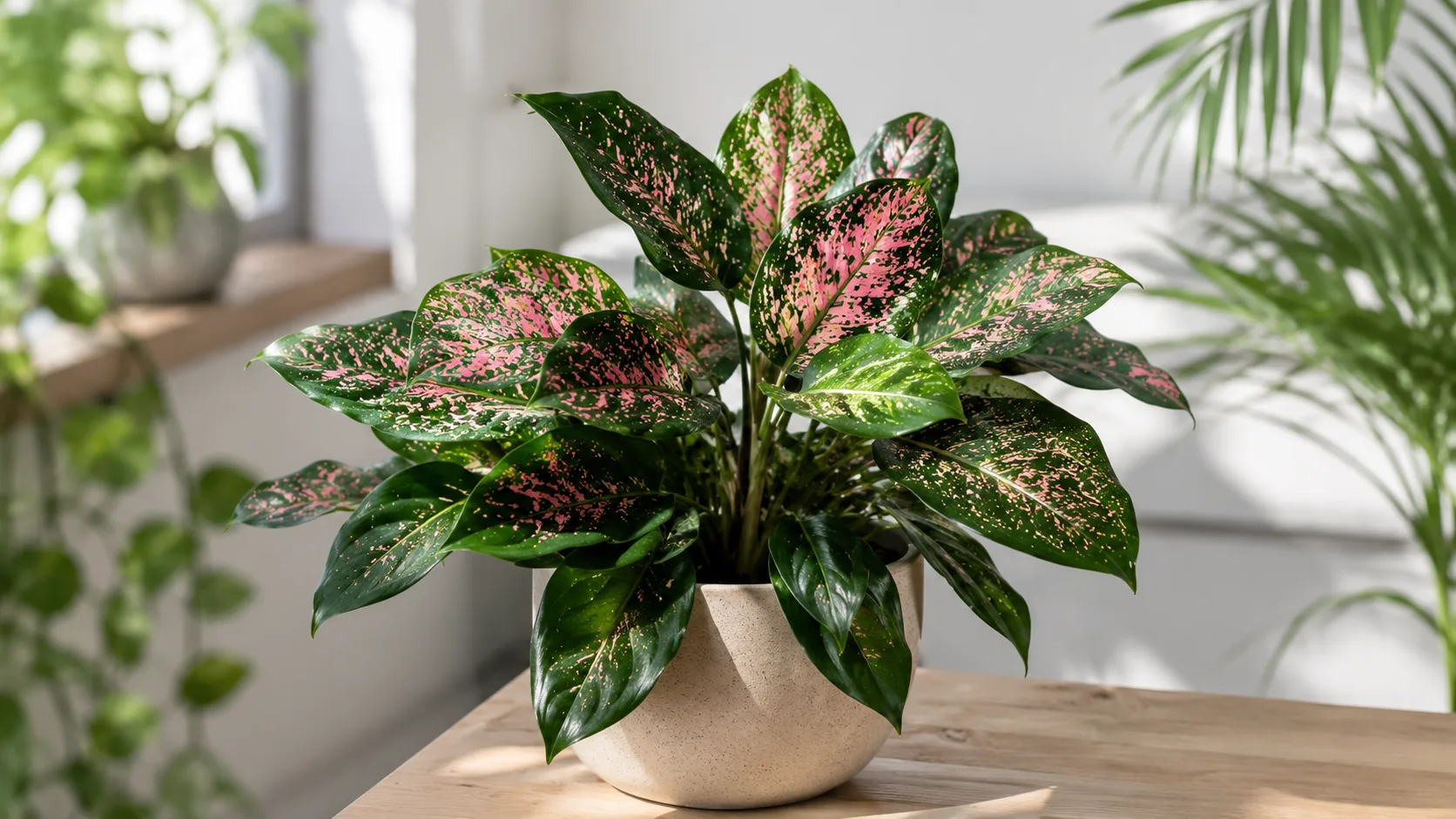
Aglaonema Pink Dalmatian
Likely causeCommon on this plant type; confirm with recent watering, light, and root checks.
Quick fixInspect the plant and correct the most likely care stressor before stacking treatments.
- Medium
Aglaonema Red Siam
Likely causeCommon on this plant type; confirm with recent watering, light, and root checks.
Quick fixInspect the plant and correct the most likely care stressor before stacking treatments.
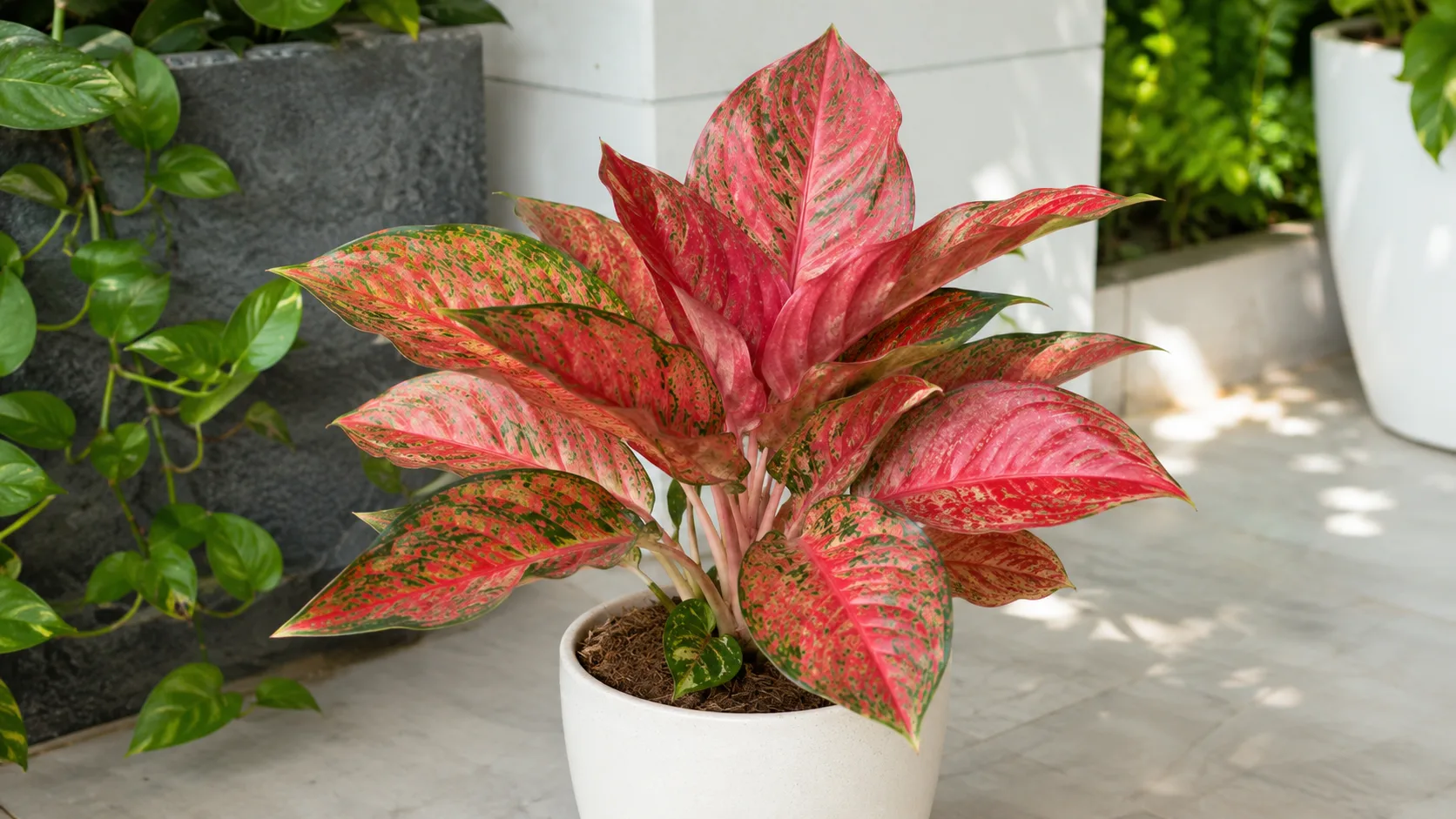 Medium
Aglaonema Red Valentine
Likely causeCommon on this plant type; confirm with recent watering, light, and root checks.
Quick fixInspect the plant and correct the most likely care stressor before stacking treatments.
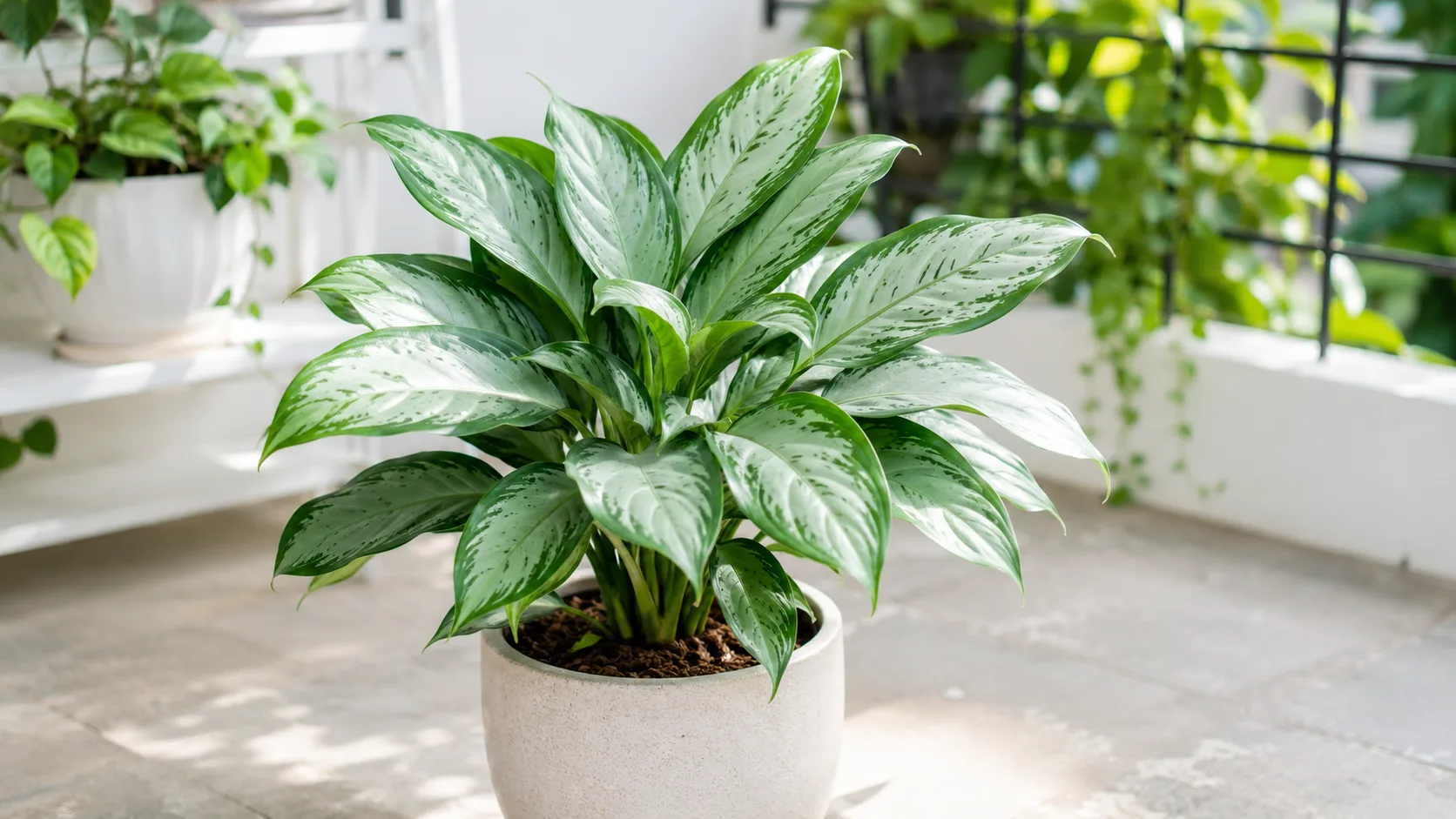 Medium
Aglaonema Silver Bay
Likely causeLow humidity or tap water minerals.
Quick fixBoost humidity slightly and use filtered water.