How to Care for Dracaena: Types & Tips
Learn dracaena care for corn plant, dragon tree, and lucky bamboo: light, watering, fluoride-safe water, type ID, pruning, propagation, and pet safety.
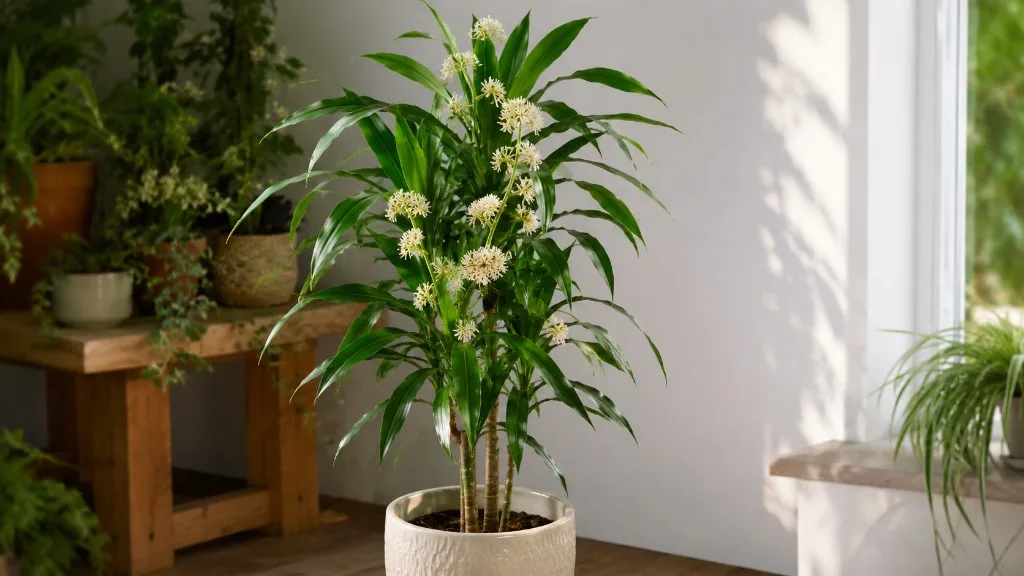
Walk into any plant shop and you will see dracaena sold under half a dozen names—corn plant, dragon tree, Janet Craig, lucky bamboo, Song of India—yet most care tags treat them identically. That is partly fair: they share cane-forming architecture, fluoride sensitivity, and a preference for bright indirect light. It is also misleading, because a narrow-leaf Dracaena marginata in a dim hallway fails differently from a wide-leaf Dracaena fragrans parked beside a south window. This guide covers the shared rules first, then helps you identify which dracaena you own and when to jump to a species-specific page on LeafyPixels.
Dracaena Quick Reference
Use this table before you change watering, repot, or move a pot. If symptoms do not match, scroll to troubleshooting rather than stacking fixes.
| Factor | Indoor target | Watch for |
|---|---|---|
| Light | Bright indirect; some morning sun OK | Leggy stems, narrow new leaves = too dim |
| Water | Soak when top 2 inches dry | Wet mix for weeks = rot risk |
| Soil | Well-draining, slightly acidic mix | Heavy peat that stays soggy |
| Temperature | 65–80°F (18–27°C) days | Below 50°F (10°C) causes damage |
| Humidity | 40–60%; higher in winter heat | Crisp leaf margins in dry air |
| Fertilizer | Monthly spring–summer; skip winter | Salt crust + brown tips |
| Pets | Toxic to cats and dogs (saponins) | Chewing, vomiting, dilated pupils |
| Outdoor zones | USDA 10–12 year-round | Cool zones: houseplant only |
For topic-by-topic deep dives, the Dracaena plant hub links light, watering, soil, fertilizer, repotting, propagation, pruning, and a full problems index.
What Makes Dracaena Different From Other Houseplants
Dracaena is a genus of tropical shrubs and trees in Asparagaceae, native to Africa, southern Asia, and parts of Australia. Indoors, most sold species grow as woody canes topped by rosettes of strap-like or grass-like leaves. Lower leaves yellow and drop as the plant matures, exposing bare stem—that silhouette is normal architecture, not proof the plant is dying.
NC State Extension describes Dracaena fragrans as a slow-growing broadleaf evergreen that resembles a cornstalk: tall unbranched stem, many broad leaves, sweetly fragrant flowers when conditions allow. (NC State Extension) The RHS notes that woody dracaenas develop a fountain of narrow glossy leaves atop a stem that can reach 2 m (6½ ft) indoors, occasionally producing small fragrant white flower clusters. (RHS)
Recent taxonomy moved snake plant (Dracaena trifasciata, formerly Sansevieria) into the same genus, but snake plants behave like succulents—thick rhizomes, drought storage, different watering rules. This guide focuses on cane dracaenas (fragrans group, marginata, reflexa, sanderiana). If you own a snake plant, treat it separately even though the label may say Dracaena.
The care checkpoint that matters most: more light means faster drying; low light means wet soil lingers. Pair bright filtered light with a check-before-you-water rhythm and you prevent the chain reaction—dim placement, slow drying, repeated watering, root damage—that kills more dracaenas than pests do.
Light Requirements for Healthy Growth
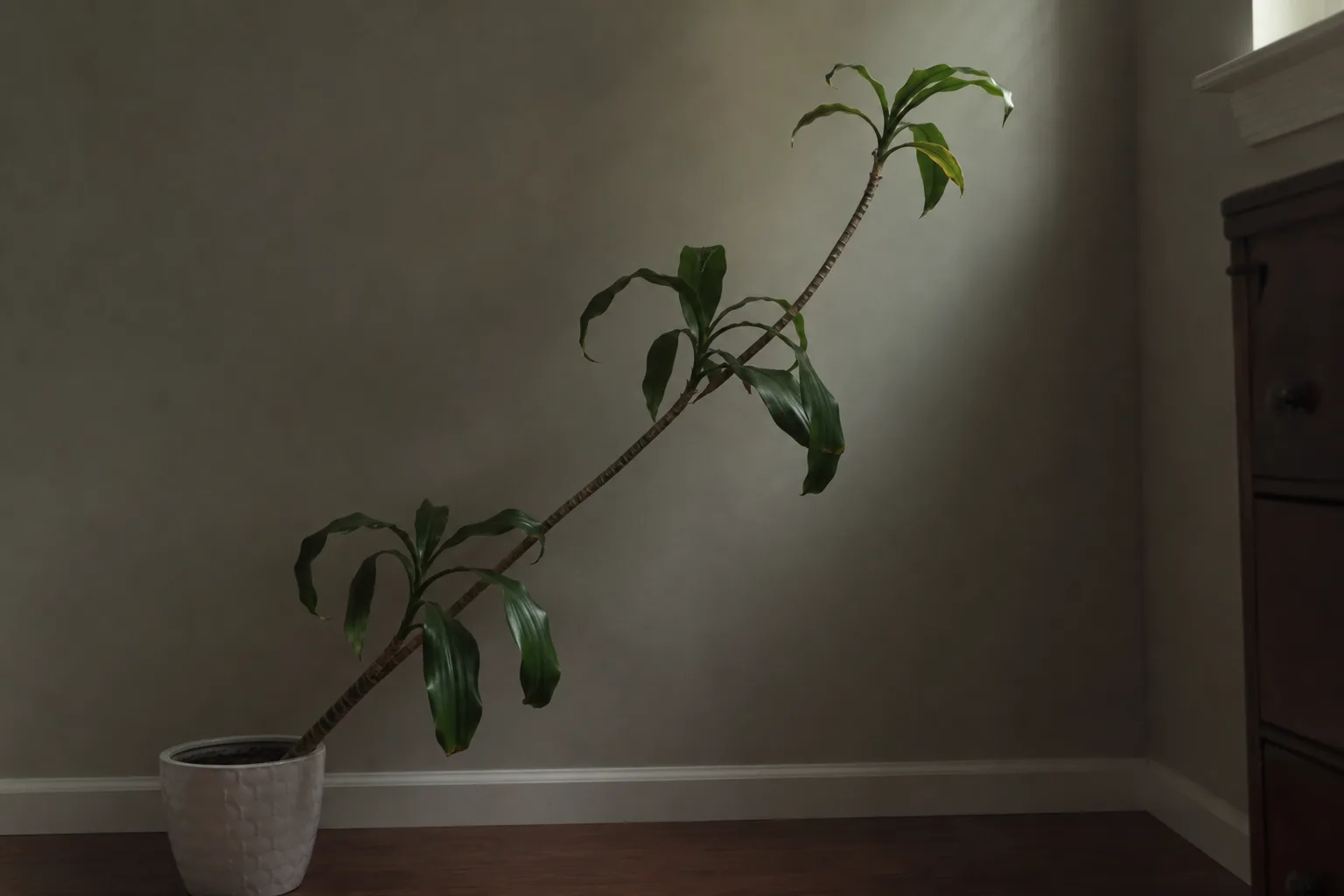
Indoors, dracaena wants bright, indirect light for most of the day. An east-facing window is the safest default. Near a south- or west-facing window, set the pot back a few feet or filter direct rays with a sheer curtain. Direct sun—especially hot afternoon beams—bleaches or scorches foliage. NC State warns that direct sun burns leaves, while too little light narrows leaf width and slows growth. (NC State Extension)
Dracaena tolerates moderate or lower light better than many flowering houseplants, which is why it survives offices and north-facing rooms. Tolerance is not preference. In dim corners, internodes stretch, new leaves shrink, variegation fades, and the pot stays damp too long. If you see all three, move the plant closer to the window before blaming fertilizer or repotting.
Choosing the Right Window
East window: gentle morning sun plus bright indirect afternoon—ideal for most cane dracaenas.
North window: workable when the plant sits close to the glass and the room is not deeply shaded by buildings or trees.
South or west window: usable with sheer curtains or side placement; watch for pale streaks and crispy patches on the window-facing side.
No usable window: a full-spectrum grow light on a timer beats hoping ceiling fixtures are enough. Start at the manufacturer’s recommended distance and adjust based on new growth—leaning and pale leaves mean add light; bleached tips mean back off.
Variegated cultivars such as Warneckii, Lemon Lime, and marginata ‘Tricolor’ need more light than solid-green Janet Craig types to hold stripe color. If stripes wash out, increase light before increasing fertilizer.
For species-specific placement, see the Dracaena light guide and the Dracaena marginata hub for narrow-leaf dragon trees.
Watering Dracaena the Right Way
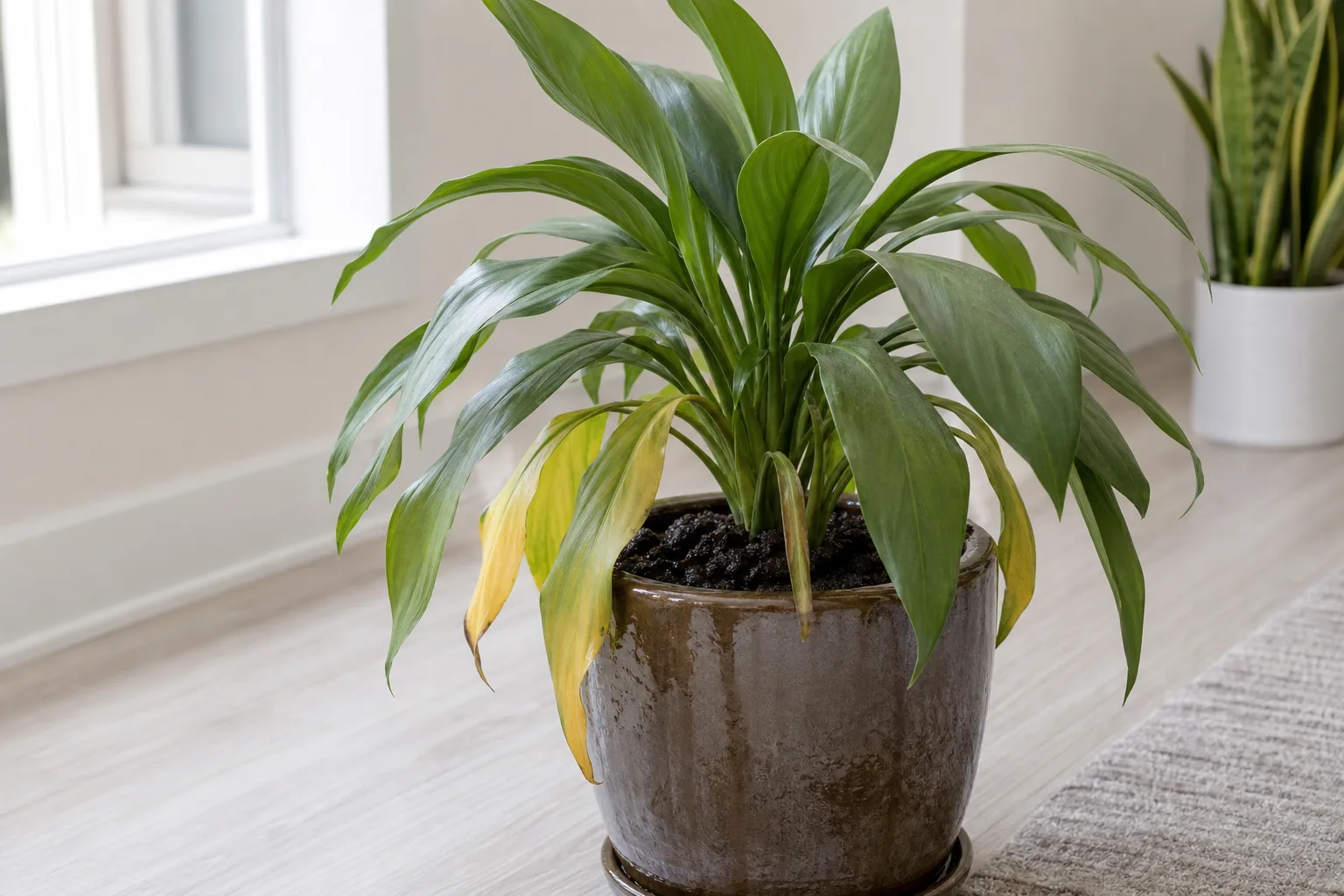
Water when the top 2 inches (5 cm) of mix feel dry, then soak until a little water exits the drainage hole and empty the saucer. The RHS recommends checking compost before every watering and warns that keeping mix wet or leaving the pot sitting in water causes root rot. (RHS)
There is no reliable “every seven days” schedule. A large corn plant in bright summer light may need water twice as often as a small marginata in a cool, dim room. Use three signals together: finger or skewer depth, pot weight after a full watering versus dry, and recent conditions (cloudy week, move to lower light, heat wave).
During active growth (spring through fall), most indoor dracaenas want regular cycles of wetting and drying. In winter, when growth slows and light drops, extend the interval—many pots need half as much water as midsummer. NC State says keep soil moist during the growing season but cut back in winter. (NC State Extension)
Avoid both extremes. Constant saturation suffocates roots and invites fungus gnats. Repeated bone-dry collapse followed by heavy soaking stresses roots and produces brown tips. If water runs straight through a shrunken root ball, water in two slow passes a few minutes apart.
Water Quality and Fluoride Sensitivity
Dracaenas are notably sensitive to fluoride and accumulated salts in tap water. NC State lists fluorides and built-up salts as primary causes of brown leaf tips and recommends non-fluoridated water plus periodic flushing. (NC State Extension) The RHS advises rainwater or filtered water because hard tap water is alkaline (neutralizing acidic mix) and fluoride damages foliage. (RHS)
Letting tap water sit overnight reduces chlorine but does not remove fluoride. Softened water adds sodium—often worse. Practical fixes, in order of effort: collect rainwater, use a filter rated for fluoride reduction, or buy distilled water for sensitive cultivars showing chronic tip burn despite good light and watering rhythm.
Once a month during the growing season, flush salts by watering slowly until several pot-volumes drain through, then empty the saucer. White crust on the pot rim signals fertilizer or mineral buildup—flush before feeding again.
Full watering mechanics live in the Dracaena watering guide.
Soil, Potting Mix, and Drainage
Use a loose, well-draining, slightly acidic potting mix. The RHS suggests three parts peat-free ericaceous compost, one part perlite, and one part orchid bark—a mix that holds moisture without staying waterlogged. (RHS) NC State recommends commercial potting soil in a pot with drainage holes and repotting when roots emerge from the hole or the plant lifts out of the pot. (NC State Extension)
Heavy all-purpose mixes that stay wet for days are a common rot trigger in low light. Adding 20–30% perlite or coarse bark to standard indoor mix usually improves drainage enough for home conditions. Target pH roughly 6.0–6.5; alkaline water and wrong mix together explain many “mystery” tip-burn cases.
Always use a pot with at least one drainage hole. Cover the hole with mesh or a single shard to keep mix in—not a thick gravel layer that reduces root volume without improving drainage the way people expect.
See the Dracaena soil guide for mix recipes and the repotting guide for timing and pot sizing.
Temperature and Humidity Needs
Dracaenas are tropical understory plants. NC State notes they thrive at 70–80°F (21–27°C) and should stay above 50°F (10°C) when possible. (NC State Extension) The RHS recommends 18–30°C (65–86°F) and warns against cold draughts and hot radiators. (RHS)
Winter heat dries indoor air. Low humidity alone rarely kills dracaena, but it contributes to crisp leaf margins, especially on wide-leaf fragrans types. Group plants together, use a pebble tray with water below stone level, or run a humidifier if tips brown despite good watering and fluoride-safe water.
Avoid placing pots in the direct path of air-conditioning vents, frequently opened doors, or single-pane windows on cold nights. Sudden temperature swings show up as wilted leaves that are not always fixed by adding water.
Fertilizing During the Growing Season
Feed monthly from spring through summer with a balanced liquid houseplant fertilizer diluted to half the label rate. Skip fertilizer in fall and winter when growth slows. Overfeeding damages roots and shows up as salt crust and brown tips—the same symptoms as bad water.
Replace the top 2–3 inches of mix each spring if you are not repotting; that refreshes nutrients without forcing a larger pot. If the plant looks pale in bright light with good watering, a single summer feeding cycle may help; if tips burn after every feed, flush salts and halve the dose.
Details: Dracaena fertilizer guide.
How to Identify Your Dracaena Type
Labels lie. “Dracaena” on a pot may mean fragrans, marginata, reflexa, sanderiana, or a cultivar name buried in fine print. Identification matters because leaf width, variegation, and cane habit change how much light and water margin you have before problems appear.
Start with leaf shape and arrangement:
- Wide strap leaves, 2–4 inches across, arching from thick cane: likely Dracaena fragrans group (corn plant, Massangeana, Janet Craig, Warneckii, Lemon Lime).
- Narrow grass-like leaves, often red-edged, on slim branched canes: likely Dracaena marginata (dragon tree).
- Short, stiff, alternating dark and chartreuse stripes on compact stems: likely Dracaena reflexa ‘Song of India’.
- Thin green stems in water or shallow soil, sometimes trained in spirals: likely Dracaena sanderiana (lucky bamboo—not a true bamboo).
Then check variegation: center stripe (Massangeana), edge stripe (Lindenii), grey-green with white bands (Warneckii), lime and cream stripes (Lemon Lime), pink-red margins (marginata ‘Colorama’). Solid dark green short leaves on a dense rosette usually mean Janet Craig (Compacta).
Still unsure? Photograph leaf width next to your hand, count canes, and note whether leaves spiral or radiate flat. Compare to the cultivar list on NC State’s D. fragrans profile—nine named cultivars with distinct stripe patterns. (NC State Extension)
Popular Dracaena Species and Cultivars
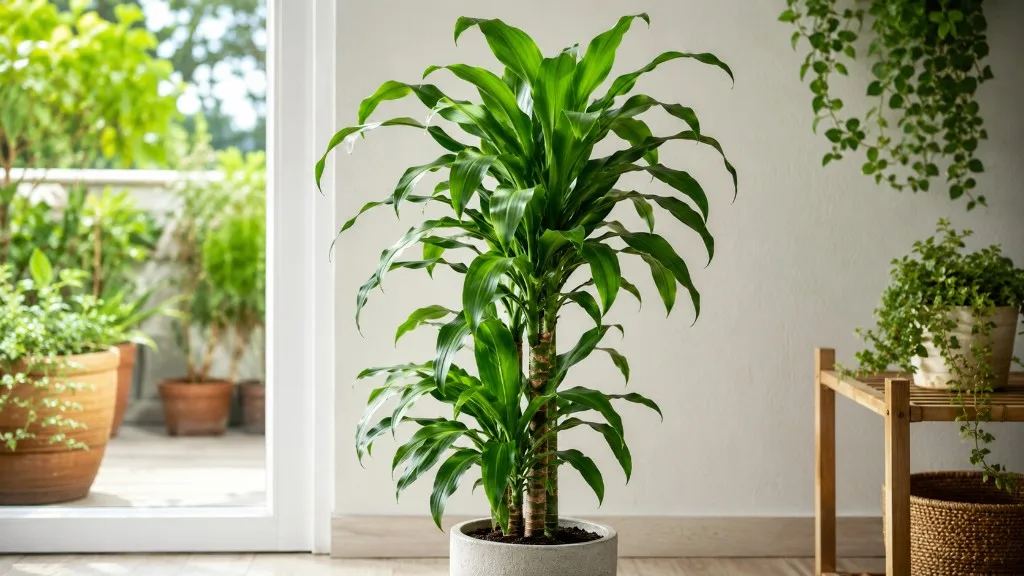
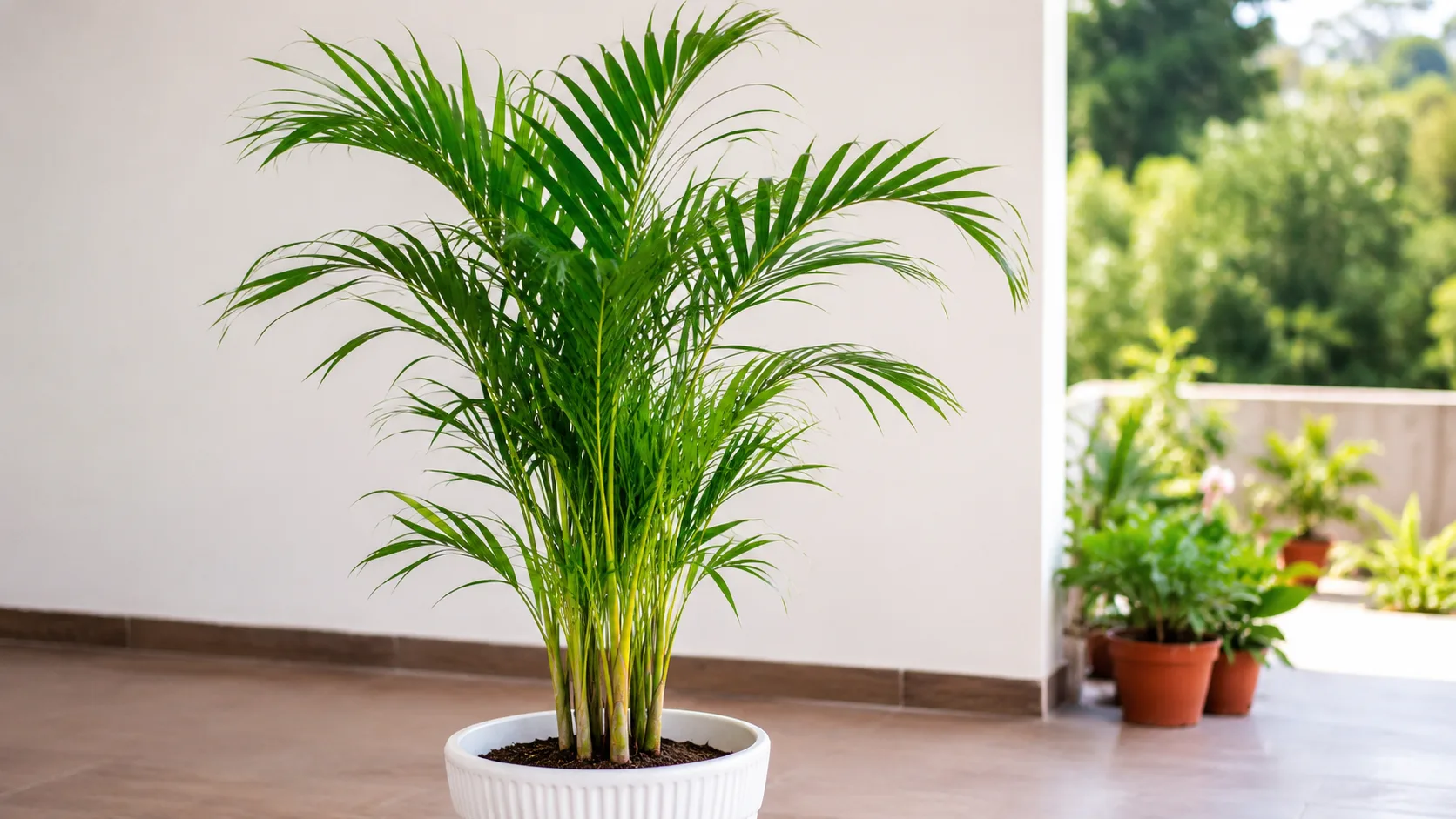
Corn plant (Dracaena fragrans) — Wide arching leaves on thick tan canes; includes ‘Massangeana’ (yellow center stripe), ‘Janet Craig’ (solid green compact), ‘Warneckii’ (grey-green with white stripes), and ‘Lemon Lime’ (chartreuse bands). Slow-growing floor plant, often 4–6 ft indoors. Deep dive: corn plant care guide and Dracaena hub.
Dragon tree (Dracaena marginata) — Multiple slim canes with narrow, pointed leaves; red-edged cultivars are common. Tolerates neglect but bleaches in harsh sun. See Dracaena marginata hub.
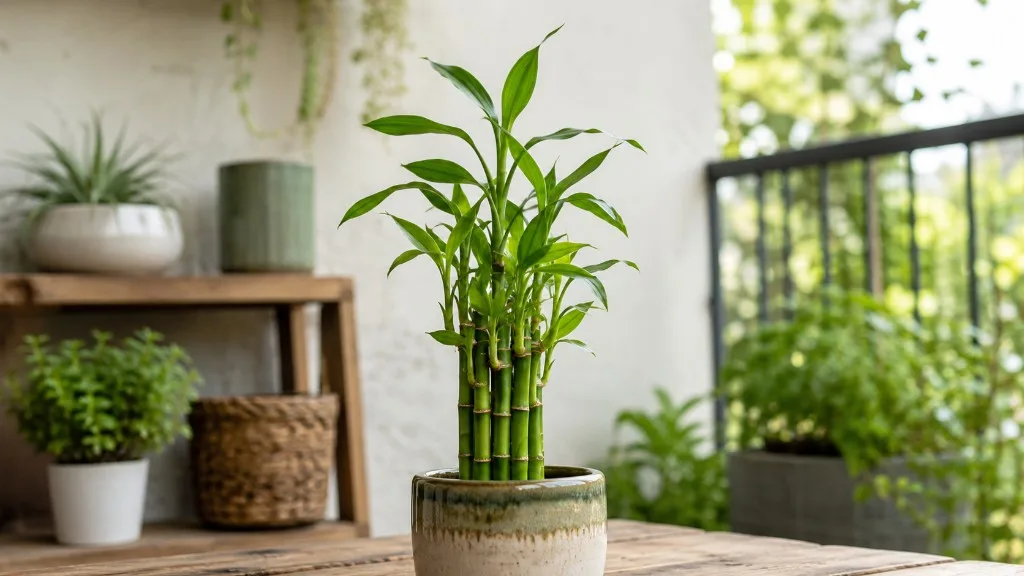
Lucky bamboo (Dracaena sanderiana) — Grown in water or moist soil; stems often trained with light direction. Not bamboo; different rot risks in standing water. Distinct from cane-and-soil fragrans care.
Song of India (Dracaena reflexa) — Alternating green and chartreuse stripes on shorter, bushy stems. Needs brighter light than plain Janet Craig to hold color. See Dracaena reflexa hub.
Striped cultivars by name on LeafyPixels: Warneckii, Lemon Lime, Compacta / Janet Craig group.
Gardening Know How notes that although dracaena looks tropical, it is naturally an understory plant and does not tolerate direct sun well—yet many species tolerate lower light, with slower growth. (Gardening Know How)
Pruning and Shaping Cane Plants
Pruning is optional but dracaena responds well to cuts. Remove fully yellow or brown leaves at the base as they appear—lower leaf drop is normal maturation. To shorten a leggy cane, cut the stem just above a leaf node in spring or early summer when growth is active. New shoots often emerge from dormant buds below the cut over several weeks.
The RHS confirms dragon plants readily produce new shoots on stems just below the cut, so you can keep height manageable or train a standard form with branching atop a single trunk. (RHS)
Use clean, sharp pruners. Wipe blades between plants if mealybugs or scale were present. Save healthy tops for propagation. Do not prune heavily while the plant recovers from repotting, root rot, or cold damage.
More detail: Dracaena pruning guide.
Propagating Dracaena From Cuttings
Propagation is one of dracaena’s easiest wins. Take an 8-inch (20 cm) stem section or a leafy crown cutting in spring, remove lower leaves, and root in moist potting mix or clean room-temperature water.
Soil method: Dip the cut end in rooting hormone if you have it, bury the bottom node in moist mix, keep in bright indirect light, and maintain lightly moist—not wet—soil. Gentle tug resistance after three to six weeks suggests roots.
Water method: Submerge the bottom node only; change water weekly. Pot into mix once roots are several inches long.
Even a bare cane section with a visible node can sprout if orientation is correct—the end that was up stays up. NC State lists stem cuttings as the recommended propagation strategy for D. fragrans. (NC State Extension)
Seed propagation is rare indoors because cane dracaenas seldom flower in home conditions; when they do, night fragrance is strong but unpredictable.
Step-by-step: Dracaena propagation guide.
Repotting and Summer Outdoor Care
Repot in spring when roots circle the pot, emerge from drainage holes, or the plant becomes top-heavy. Move up one pot size—about 2 inches wider—not a huge container. Overpotting keeps mix wet too long and causes rot, the same failure mode the RHS warns about. (RHS)
Refresh the top 2–3 inches of mix annually even when you skip repotting. Terracotta or unglazed ceramic dries faster than plastic—adjust watering when you change pot material.
Summer outdoors (cool climates): dracaena can vacation outside in partial shade when nights stay above 55°F (13°C). Acclimate over a week; avoid harsh midday sun and windy exposed patios. Water more often in heat. Bring inside before nights drop below 50°F (10°C).
In USDA zones 10–12, some species grow in landscape shade with well-drained, slightly acidic soil—they can reach tree size outdoors, unlike the 4–8 ft typical houseplant ceiling.
Common Pests and Diseases

Dracaena attracts the usual houseplant pests: mealybugs, scale, spider mites, thrips, and occasionally aphids. NC State lists thrips and mealybugs among common insect problems for D. fragrans. (NC State Extension)
Inspect leaf axils and cane joints weekly when you water. Mealybugs look like cottony clusters; scale forms brown bumps; spider mites cause stippling and fine webbing under leaves. Isolate new plants for two weeks. Treat with insecticidal soap or horticultural oil on repeated applications, covering undersides.
Fungal leaf spot appears when foliage stays wet or mix is constantly soggy. Improve airflow, water soil not leaves, and remove badly spotted leaves. Root rot from overwatering is more common than spot disease indoors.
Escalate to the Dracaena problems hub for symptom-specific fixes: brown tips, yellow leaves, root rot, spider mites.
Troubleshooting Leaf Problems
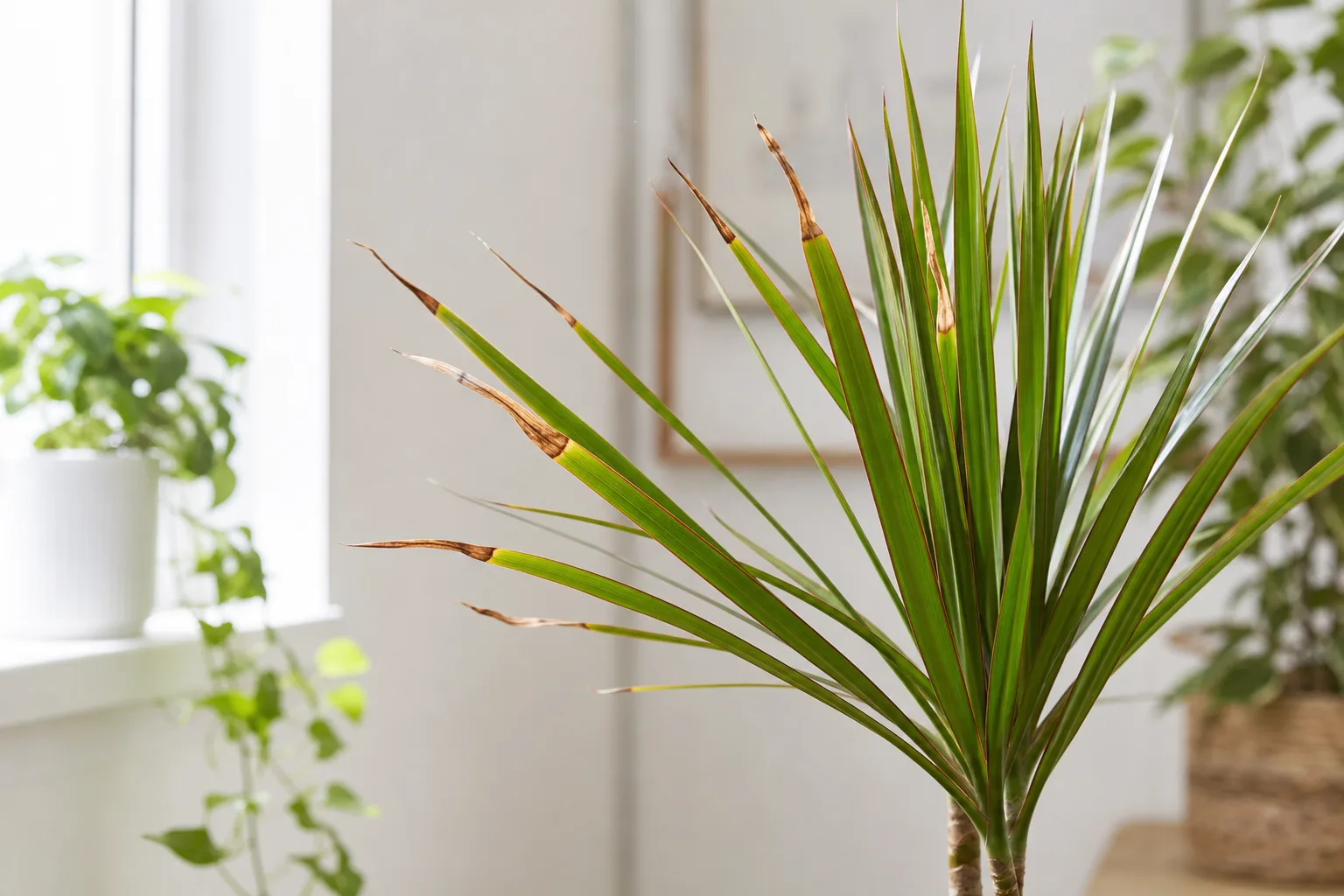
Most dracaena problems announce through leaves. Read the pattern, not just the color.
Brown leaf tips and margins — Often fluoride, salt buildup, inconsistent watering, or very dry air. Fix water source and flush before trimming. Tips do not re-green; judge success on new growth.
Scorched patches — Direct sun or sudden move to a bright window. Filter light and acclimate gradually.
Yellow leaves — If oldest lower leaves yellow one at a time while the crown grows, that is normal senescence. Multiple yellow leaves at once, especially with wet mix, suggests overwatering—cut back, check drainage, consider repotting if soil smells sour.
Wilted, droopy leaves — Could be underwatering, overwatering, cold draft, heat stress, or root damage. Check soil moisture depth and pot weight before adding water.
Pale new growth in brighter light — Often harmless acclimation; leaves may look lighter without crisp brown edges. Crisping means sun stress, not “happy light.”
When Brown Tips Are Normal vs a Red Flag
Trimming brown tips improves appearance but does not fix the cause. Snip only dead tissue following the leaf’s natural shape; sterile scissors reduce spread of secondary infection.
Brown tips are a red flag when they spread to new leaves after you corrected water timing, switched to low-fluoride water, flushed salts, and improved humidity—then inspect roots for rot or pests.
Brown tips are expected once on older leaves after a dry vacation or a winter heating season if new foliage emerges clean afterward.
Pet Safety and Placement
Dracaena is toxic to cats and dogs. The ASPCA lists saponins as the toxic principle, with clinical signs including vomiting (occasionally with blood), depression, anorexia, hypersalivation, and dilated pupils in cats. (ASPCA)
Keep plants and pruning debris off floor level in pet homes. Elevated stands help but are not foolproof for climbers. Contact your veterinarian or ASPCA Animal Poison Control at (888) 426-4435 if ingestion is suspected.
Dracaena appears on NASA-related air-purification lists, but the real-world benefit in a ventilated home is minor compared to ventilation and source control. Choose dracaena for looks and ease of care, not as an air filter replacement.
Conclusion
Dracaena earns its reputation as a durable houseplant when you respect three relationships: filtered light, check-before-you-water, and fluoride-aware water. Identify your type so you know whether you own a wide-leaf corn plant, a red-edged dragon tree, or a water-grown lucky bamboo—then use the Dracaena hub for species-specific schedules on light, watering, soil, and propagation. When leaves talk, read the pattern before you repot, fertilize, or cut the whole cane. Fix the environment first; trim second; propagate when you want a backup plant or a shorter silhouette.