6 Landscaping Projects That Aren't Worth the Investment
Not every curb-appeal upgrade pays you back. Learn which six landscaping investments buyers discount, what they cost to remove, and what to do instead.
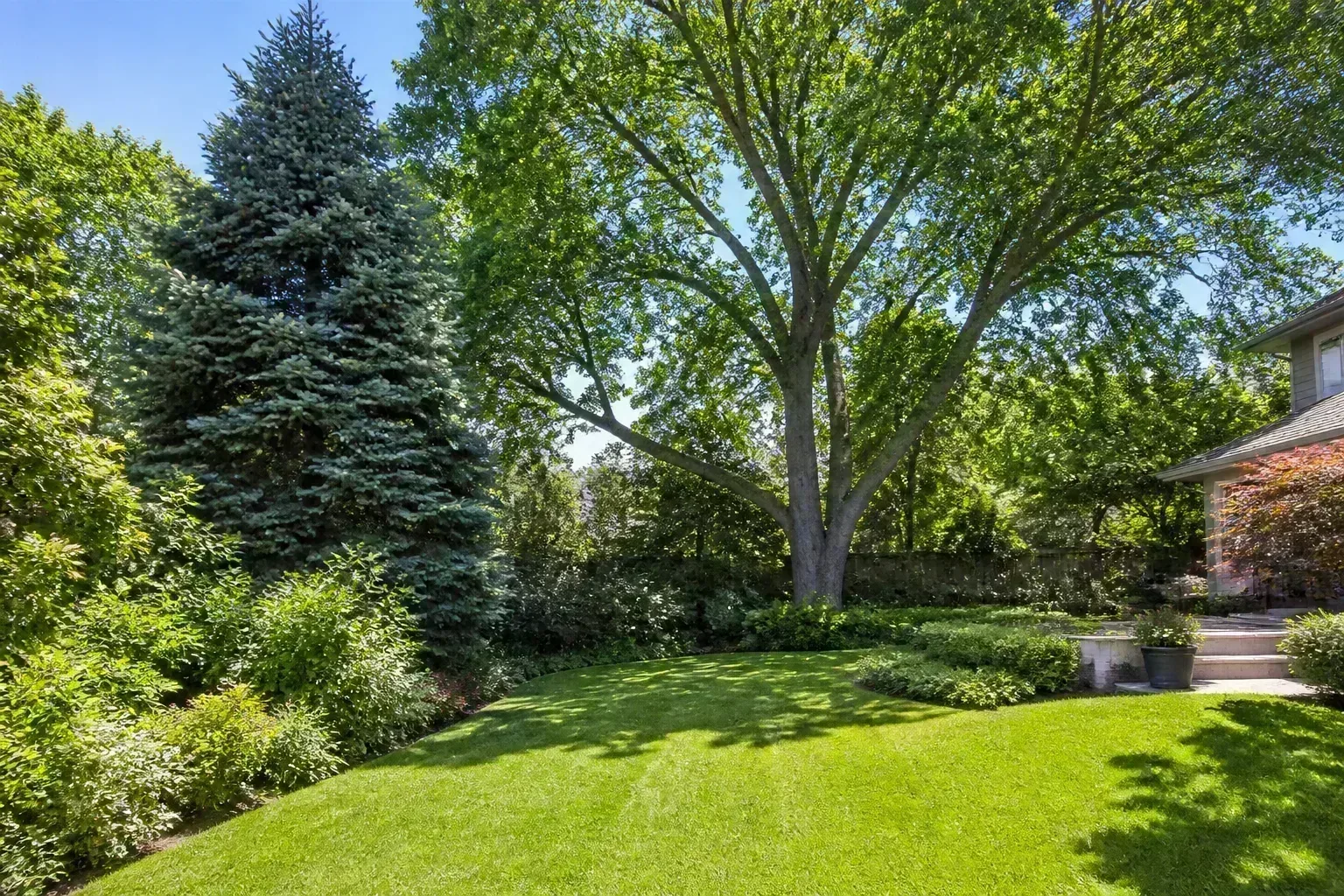
A magazine-ready yard and a money-smart yard are not always the same project. Landscaping can absolutely help a home sell — agents routinely push curb appeal before photos go live — but several popular upgrades recover little of their cost because the next owner sees work, weirdness, or a demolition quote instead of a bonus room outdoors. The six projects below are the ones that most often fail the resale test. That does not mean they are always mistakes. It means you should enter them with open eyes, especially if you plan to list within three to five years.
Not Every Beautiful Yard Pays You Back at Closing
Return on investment (ROI) for landscaping is the percentage of project cost you recover at sale — not profit, and rarely 100% (Investopedia). A $15,000 koi pond that adds $4,000 to an offer is a 27% ROI whether the fish are gorgeous or not. Buyers reimburse you for function, fit, and fear reduction, not for every hour you spent deadheading.
Enjoyment ROI and resale ROI use different scorecards
If you are staying a decade, enjoyment ROI matters more than closing-day math. A backyard you use every Sunday can be worth every dollar even when an appraiser shrugs. Resale ROI only matters when someone else’s preferences set the price. Mix the two scorecards and you overspend on features that photograph well in your camera roll but read as chores in a buyer’s showing notes.
Run both numbers mentally: Will we love this daily? and Will a stranger pay to inherit it? When answers diverge, scale the project down, move it to the backyard, or plan to remove it before listing.
What curb-appeal data actually tells sellers
Curb appeal is not optional — 92% of REALTORS® have suggested sellers improve curb appeal before listing, and 97% say it is important when attracting a buyer (NAR Remodeling Impact Report: Outdoor Features). The same report tracks cost recovery on standard-quality outdoor projects for a typical post-1978 home on a 14,000-square-foot lot. Simple, broadly appealing upgrades — fresh lawn care, defined beds, lighting — tend to photograph cleanly and recover a healthier share of cost than bespoke installations that require a horticulturist on speed dial.
The takeaway is not “skip landscaping.” It is invest in upgrades buyers can understand in thirty seconds from the curb and defer passion projects that need a tour guide.
Run This Three-Question Filter Before You Hire Anyone
Before you sign a landscape contract or buy another truckload of stone, walk the plan through three questions. They catch most low-ROI jobs without killing creativity.
Question 1: Will the next owner need a specialist to keep it alive?
Buyers mentally price future Saturdays. Formal parterres, topiary, rare grafted trees, and pond ecosystems signal weekly or daily labor. If maintenance requires skills most homeowners lack — winterizing pumps, balancing koi water chemistry, rejuvenation pruning on specialty roses — assume a discount unless you are in a luxury market where estate care is normal.
The RHS and Fine Gardening both stress that low maintenance starts at design: fewer plant types, right plant for sun and soil, and hardscape that does not trap leaves. High-maintenance gardens break every one of those rules on purpose.
Question 2: Does it shrink usable lawn or fight the neighborhood?
Oversized patios, sport courts, and front-yard hardscape can erase play space and garden flexibility. In family-heavy subdivisions, a yard that is 80% concrete reads as permanent — not versatile. Likewise, a desert xeriscape in a lush Midwest block, or a tropical fountain in a prairie town, feels imported. Buyers discount misfit because rework is expensive.
Match intensity to comps on your street. If every neighbor has a modest lawn and foundation planting, a show-garden installation makes your house the outlier in the wrong direction.
Question 3: Is removal cheaper than maintenance for your timeline?
Some features cost more to remove than to install. In-ground ponds, built-in fountains, and glued-down artificial turf leave buyers adding a line item for demo, grading, and new sod. If you might sell before you break even on enjoyment, price removal now — get one contractor quote for “take this out and leave a plain lawn bed.” That quote is often the true ROI figure.
Project 1: High-Maintenance Specialty Gardens
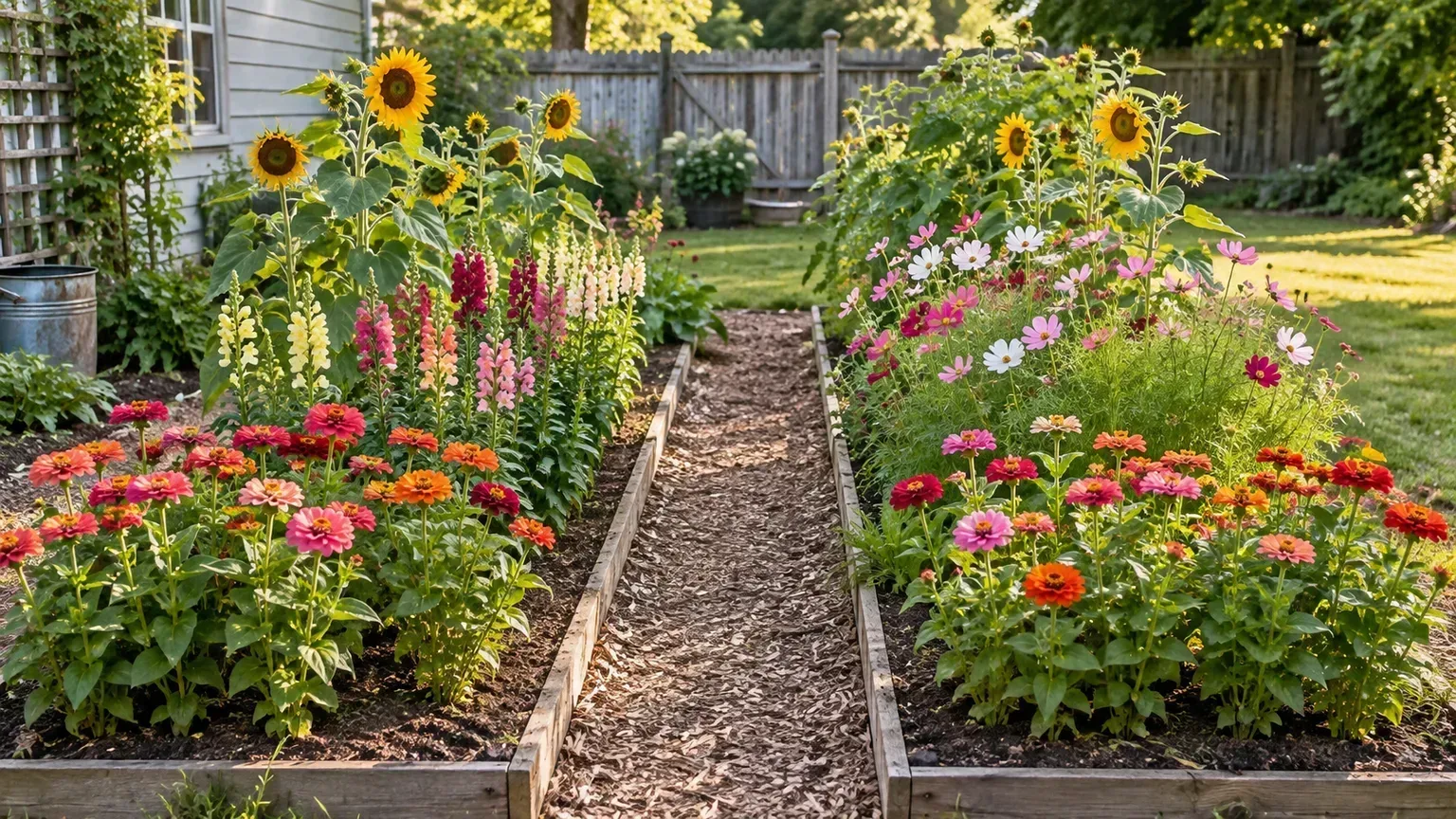
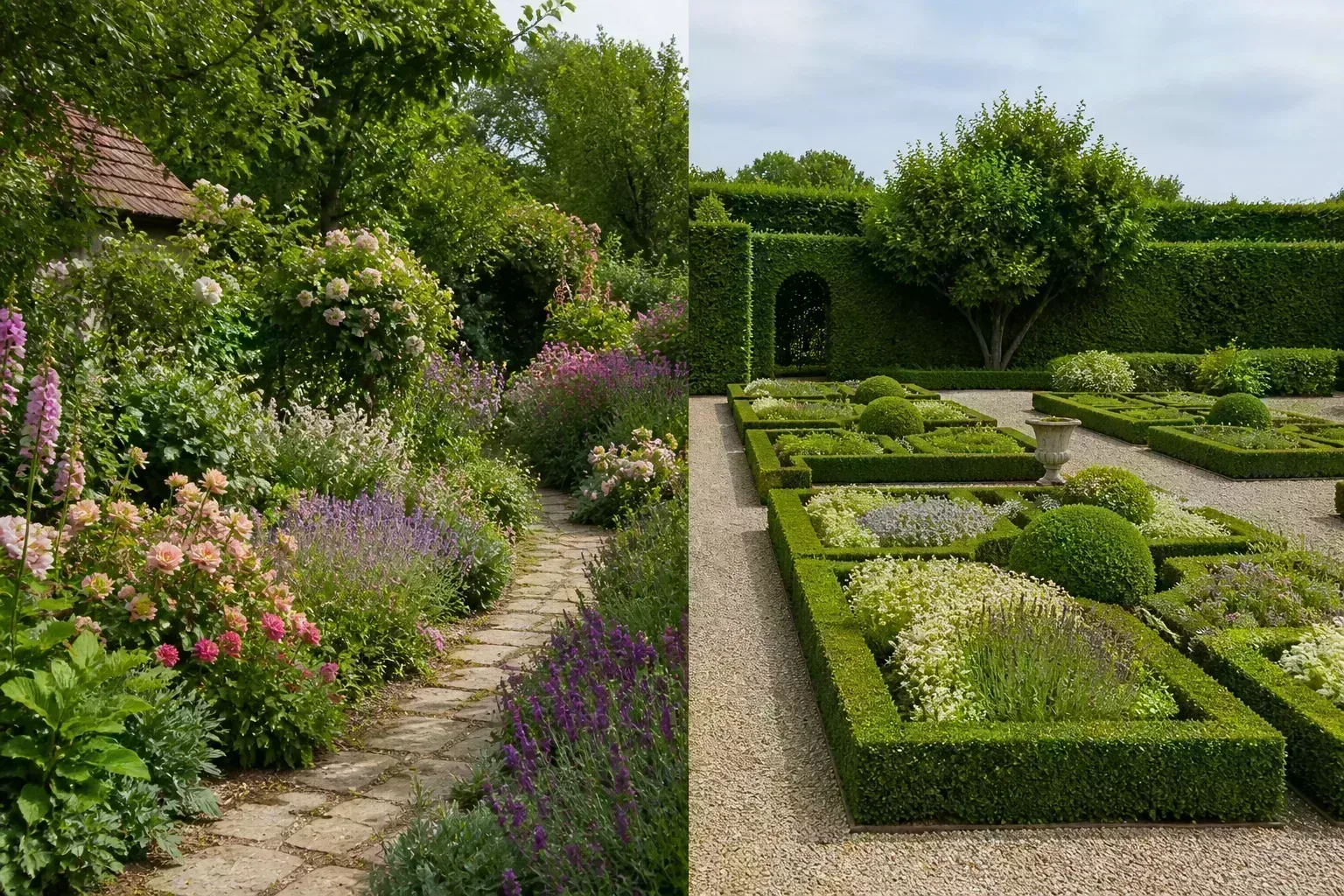
Formal rose gardens, intricate perennial borders, espalier collections, and “collector” yards with dozens of one-off species look stunning when maintained by an expert. At an open house, they often produce the opposite reaction: “Who is going to keep this alive?”
Why formal beds and rare plants intimidate buyers
Agents repeatedly report that labor-heavy landscaping narrows the buyer pool. A visitor may admire craftsmanship and still subtract thousands for the first year of professional maintenance — or for replacing plants they cannot identify in their USDA zone (USDA Plant Hardiness Zone Map). Rare cultivars also die on schedule if the next owner waters like a lawn.
Water-thirsty beds in drought regions raise a second bill: irrigation repair and summer water costs. Savvy Gardening notes that repeating a few tough plants beats a collector’s mash of specialty species — a principle buyers intuit even without horticulture vocabulary.
Smarter swaps that still look intentional
You do not need a bare yard to sell. Repeat three to five of the same shrub, edge beds crisply, mulch 2–3 inches, and keep one seasonal color layer instead of twelve. That reads as designed, not empty. For small front yards, see our low-maintenance landscaping for small front yards guide; for listing prep on a budget, budget front yard landscaping ideas walks through high-impact, low-fuss sequencing.
If you already own a specialty garden and plan to list, simplify before photos: remove sick plants, reduce species count, add drip on a timer, and document a one-page maintenance calendar. Transparency lowers fear even when you cannot lower workload.
Project 2: Unusual Water Features and Oversized Focal Points
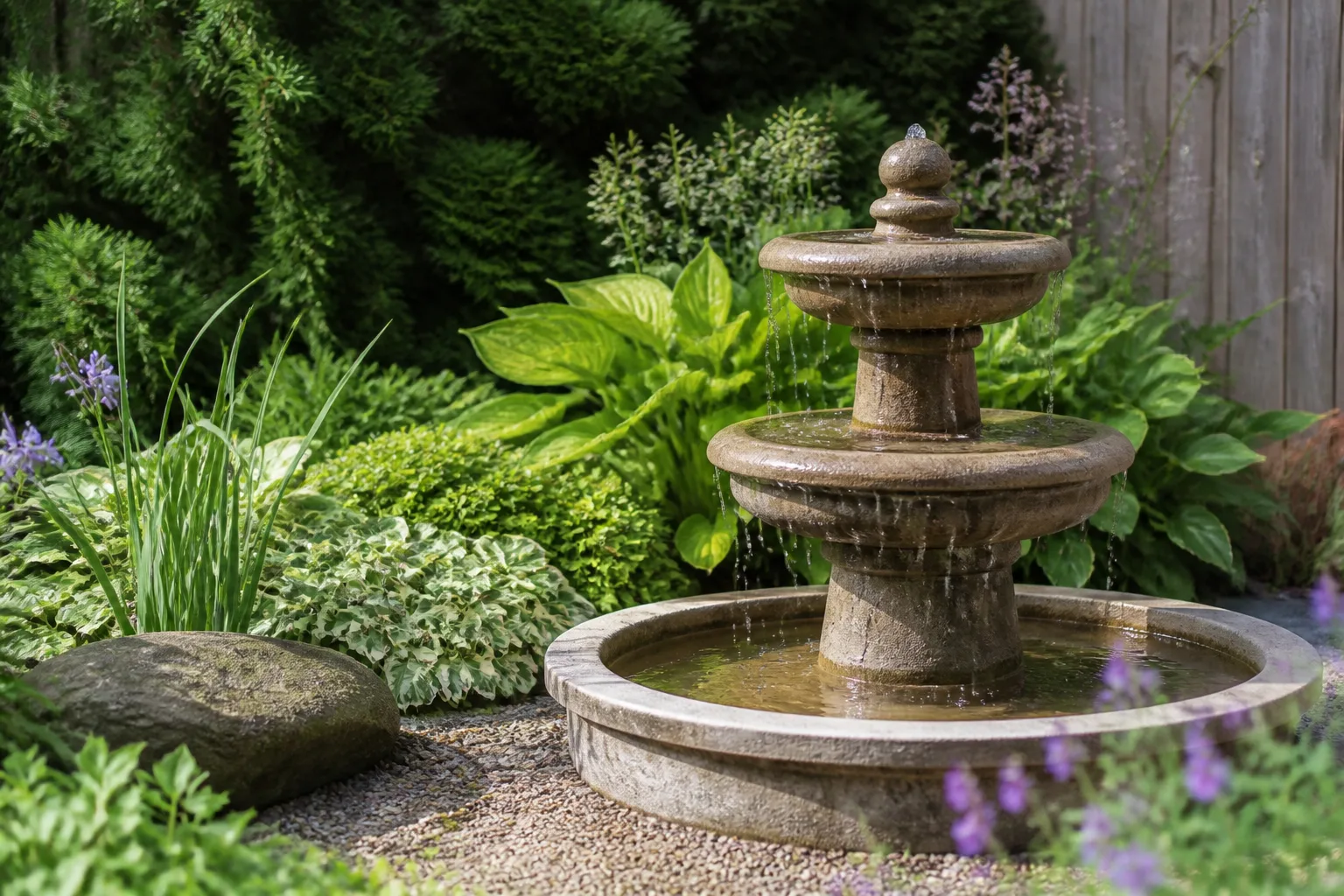
Giant tiered fountains, koi ponds, waterfall walls, and novelty installations (think oversized sculptures or themed grottos) personalize a property fast. They also anchor buyers to one question: What will it cost to make this normal again?
Koi ponds, giant fountains, and the demo line item
Ponds demand filtration, algae control, winter protection, and predator management — not optional extras. Penn State Extension’s pond guidance emphasizes ongoing balance: proper depth, plant coverage, and debris control to keep water healthy (Penn State Extension). A buyer who does not want fish hears pump repairs and leaf netting forever.
Large fountains in front yards amplify curb risk. They read as noise, splash on walkways, and winterization chores in cold climates. In backyards they fare better — but only when scale matches the lot and style matches the house.
Before building, ask a landscaper for removal pricing, not just install pricing. If demo exceeds 25–30% of install cost, treat the feature as semi-permanent and avoid it unless you are staying long-term.
Project 3: Artificial Turf in the Front Yard
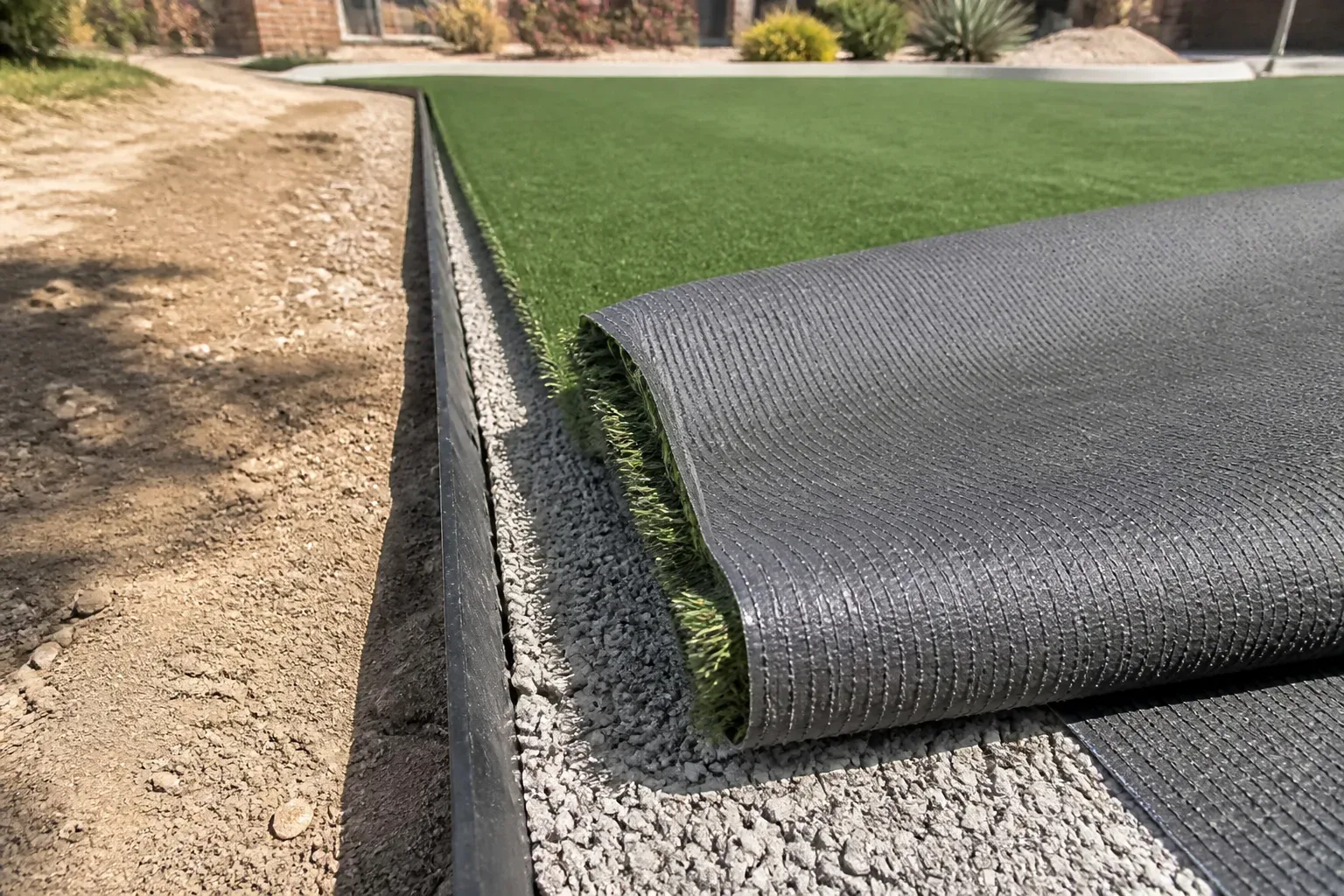
Synthetic grass solves real problems: dog wear, shade where seed fails, and water restrictions. As a resale play — especially in the front yard — it frequently underperforms.
Upfront cost, heat, and the “plastic lawn” reaction
Quality artificial turf is not a budget shortcut. Site prep, base compaction, seam work, and infill push installed costs well above sod for many lots — and cheap installs look worse faster. Turf also runs hotter than natural grass in full sun; surface temperatures can make the lawn unusable on peak summer afternoons without shade (heat concerns documented in synthetic turf guidance).
Buyers in grass-traditional markets often react to front synthetic lawns as visual tell — plastic sheen, odd drainage, or HOA conflict. Backyard pet runs and side yards hide better and face fewer objections. If drought policy pushes you toward turf, consider partial replacement with gravel paths and region-adapted groundcovers instead of wall-to-wall plastic out front.
Our outdated yard features that are hard to maintain guide covers when lawn alternatives help — and when they create new work.
Project 4: Hardscape That Consumes the Whole Yard
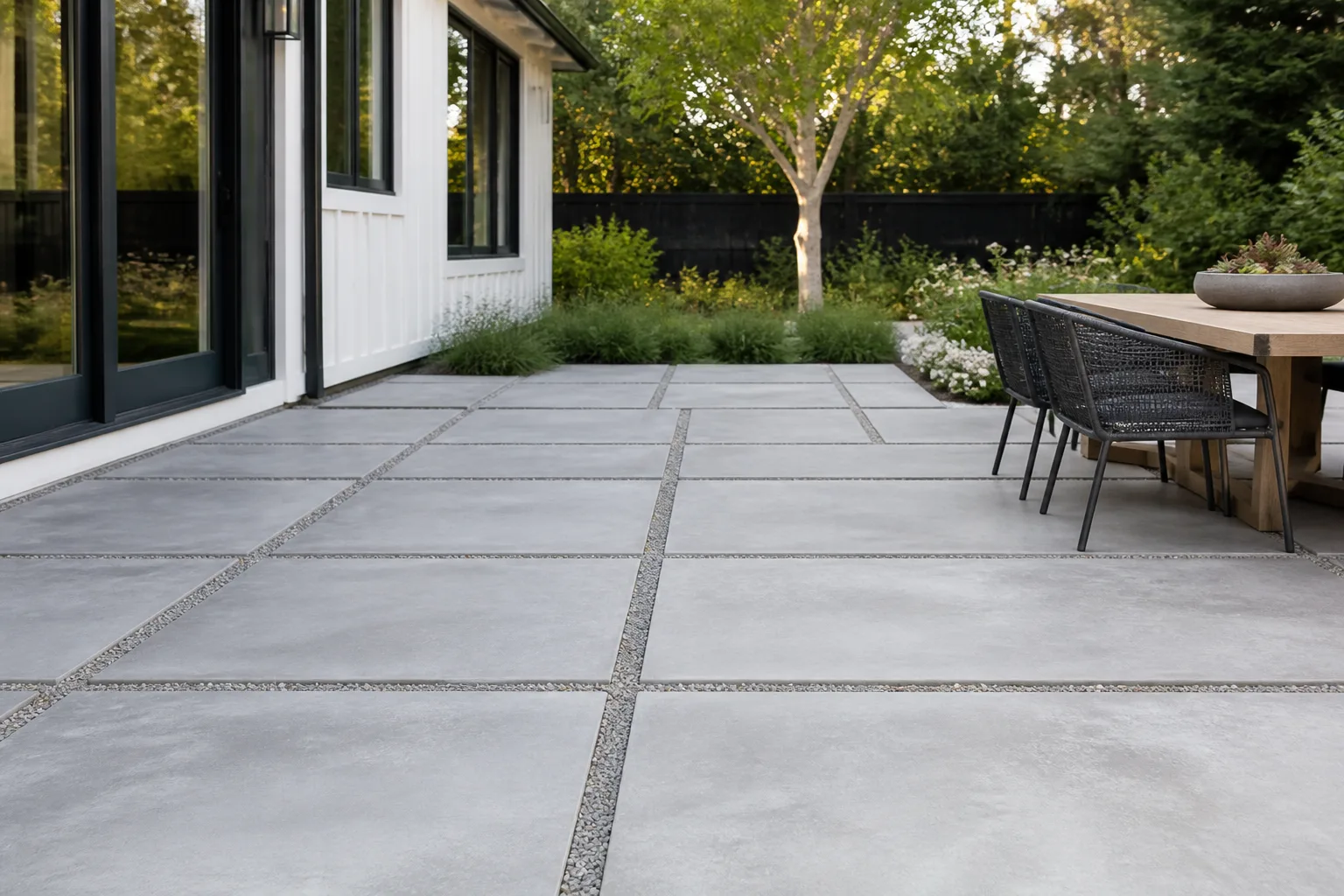
Patios, outdoor kitchens, and paver oceans are lifestyle upgrades. They become resale traps when they delete green space the buyer expected — especially on 5,000–8,000 square-foot suburban lots.
Finding a patio-to-green balance buyers can picture
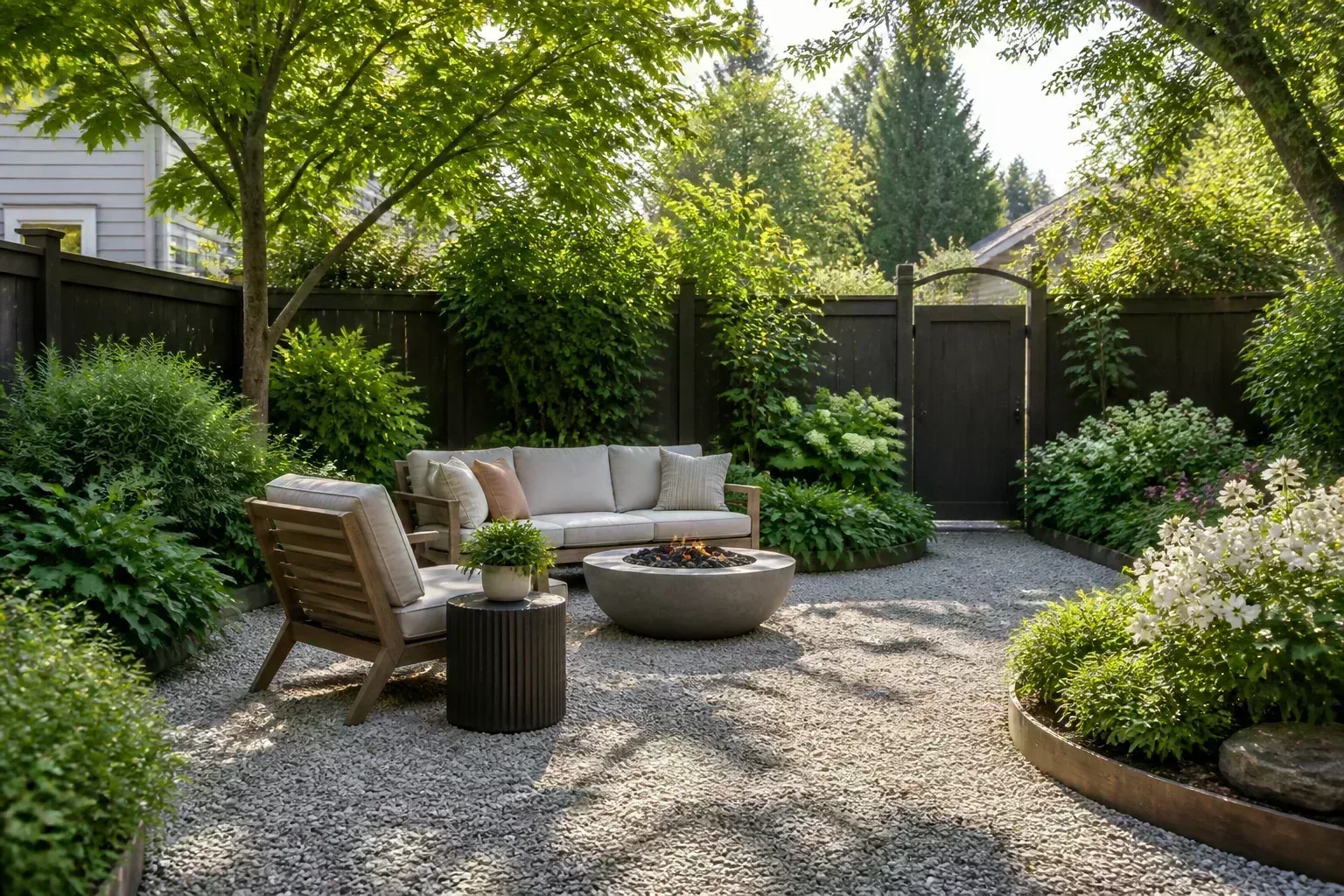
Hardscape should clarify zones, not carpet the lot. A useful rule for resale-focused yards: keep at least 40–50% of the rear yard as plantable or playable green unless your comps are patio-heavy urban lots. Leave a straight sightline from the house to lawn; buyers imagine kids, dogs, and garden beds in that volume.
Oversized front hardscape is worse. A courtyard of pavers with one token shrub raises heat, reduces softness in photos, and complicates snow removal in northern markets. UF/IFAS landscape planning guidance starts with how people move through the site — paths first, then planting — not maximum stone coverage (UF/IFAS ten planning tips for design).
If you already over-paved, soften before listing: large containers, a border planting bed, or a cut-out planting pocket with mulch breaks up concrete in listing photos without a full demo.
Project 5: Above-Ground Pools
Above-ground pools trade speed and upfront savings for weak resale optics. Install can run from a few hundred dollars for basic models to several thousand for larger decks and surrounds — still far below inground — but buyers treat them as temporary structures with permanent clutter.
Why buyers see liability before leisure
Families with toddlers picture fencing codes, insurance riders, and filter noise. Empty-nesters picture taking it down. Neither group reliably adds full install cost to their offer. In-ground pools can help in hot, pool-heavy markets; above-ground units rarely carry the same premium and often lower usable yard appeal when the liner is faded or the deck is DIY.
If you want summer water without sinking resale, community membership, a removable splash pad, or a planned inground budget for your next long-term home may beat a bulky above-ground ring you will rip out at closing anyway. At minimum, keep the pool immaculate for showings or remove it before photos — half-collapsed liners are worse than no pool.
Project 6: Highly Personalized or Trend-Heavy Landscaping
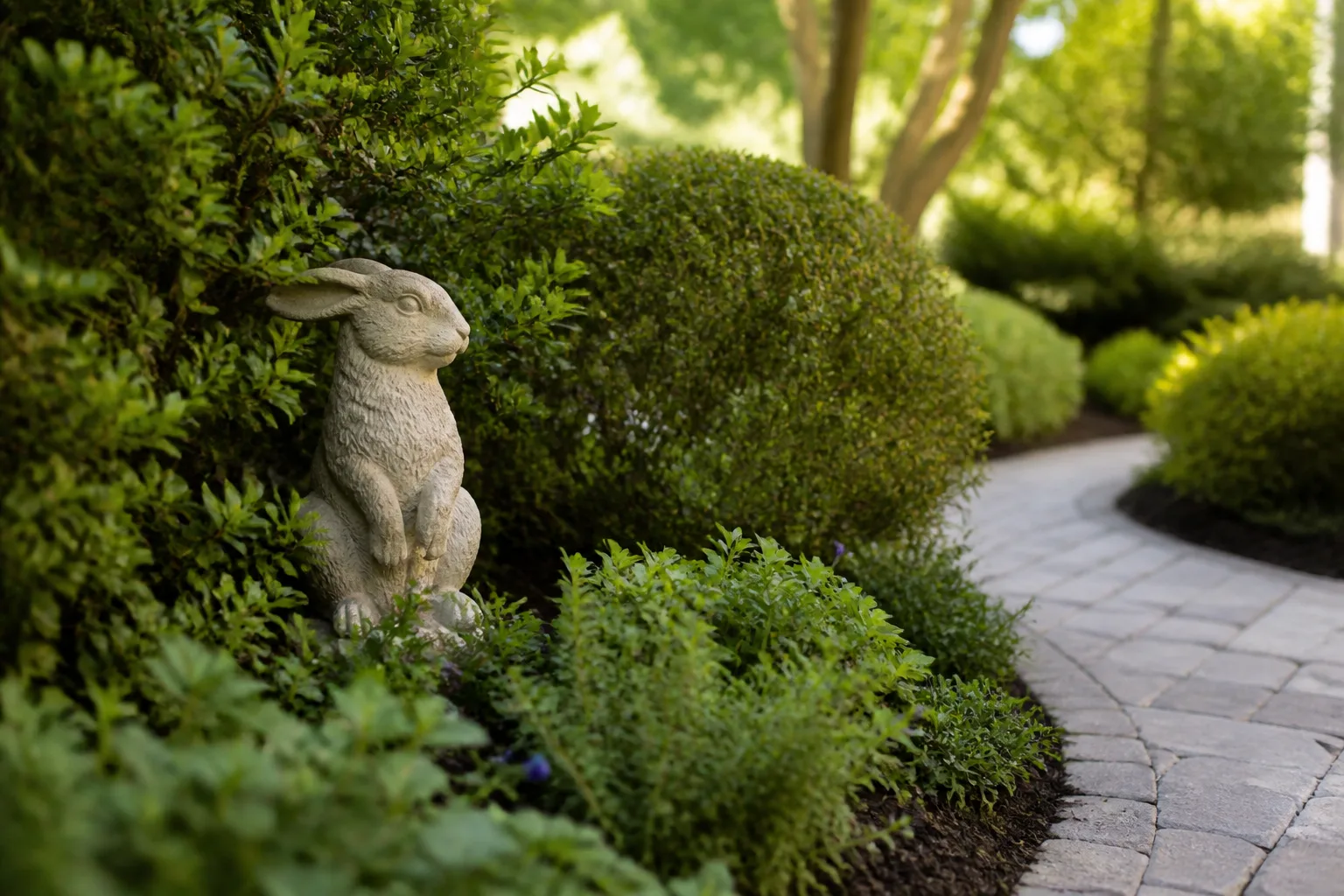
Bronze horse statues, religious shrines, sports-themed hardscape, imported exotics, and meme-tier trends make a property memorable. Memorable is not always marketable.
Statues, exotic imports, and niche themes
Personal taste features are priced twice: once at install and again when buyers budget removal or awkward coexistence. Non-native exotics that need winter protection, custom irrigation, or chemical regimens signal ongoing cost in climates they were never meant for. Trend-heavy installs — neon gravel, extreme color mulch, overbuilt outdoor “rooms” copied from social media — age faster than classic structure planting.
Neutral does not mean boring. Repetition, clean edges, and one focal plant outperform a yard that reads as someone’s private theme park. For broader curb-appeal wins that stay broadly legible, see curb appeal landscaping ideas.
If you will not remove a personal feature, frame it so it does not dominate the first photo: plant screening, move statuary to a rear garden room, and stage the front toward simple beds buyers can reimagine.
Conclusion
Landscaping projects fail the investment test when they ask the next owner for specialist labor, demo dollars, or a taste transplant — not when they are pretty. High-maintenance collector gardens, front-yard synthetic turf, yard-eating hardscape, above-ground pools, oversized water features, and hyper-personal installs top most agents’ caution lists for good reason. Curb appeal still matters enormously; the win is in clarity, balance, and maintainability, not maximal complexity.
Use the three-question filter, separate enjoyment ROI from resale ROI, and spend where buyers see care, not homework. Edge beds, refresh mulch, fix irrigation leaks, and repeat a few tough plants before you build a pond you will pay to fill in. If you are staying put, build the yard you love — just do not expect the closing table to fund every passion project.