5 Low-Maintenance Landscaping Ideas for Small Front Yards
Small front yard? Swap thirsty turf for natives, ornamental grasses, and smart xeriscaping. Get hydrozone rules, first-year care, and five upgrades that stay low-effort after establishment.
A small front yard becomes high-maintenance when every plant wants different water, the lawn drinks more than the kitchen, and you bought six one-gallon pots that fight for the same three feet of sun. Low-maintenance landscaping is not about planting whatever is labeled drought-tolerant online. It is about matching a few right ideas to your actual site—then repeating them until the façade reads intentional from the curb.
The five upgrades below—native beds, a dwarf fruit tree, ornamental grasses, a managed meadow, and xeriscaping—are sized for tight lots. None are zero work. All can drop weekend labor sharply after establishment if you audit first and group plants by water need.
Start With a 15-Minute Front Yard Site Audit
Before you rip turf or order gravel, walk the yard with your phone notes app open. Low-maintenance failures almost always trace back to skipped measurements, not bad luck with a single shrub.
Sun, soil, drainage, and the path you cannot block
Record direct sun at 8 a.m., noon, and 4 p.m. in midsummer. South- and west-facing strips bake; north entries stay cool. Match plants to those hours—not to the tag you saw at the garden center last March.
Dig a test hole 12 inches deep after rain. If water sits for hours, you need drainage fixes or raised mounds before drought-tolerant plants go in. Sandy soil drains fast and needs compost; heavy clay holds water but suffocates roots without amendment.
Map non-negotiable traffic: door swing, mailbox path, garbage rollout, and where guests actually step. A meadow is low-care until foot traffic compacts it into mud. For broader layout thinking, see our landscape design for beginners guide.
Call 811 before planting trees, posts, or edging that requires digging in the United States.
Deer pressure, HOA rules, and your real maintenance budget
Deer turn “low maintenance” into nightly salad bar if you skip resistance checks. Note whether beds are browsed now; choose deer-resistant grasses, lavender, sage, and many native shrubs in high-pressure areas—or fence the bed before you plant.
HOAs and city codes may restrict height, lawn percentage, visible compost, or front-yard edibles. Read covenants before you meadow the entire hellstrip.
Be honest about maintenance budget: two Saturday cleanups per year, or twenty minutes weekly? A dwarf fruit tree needs annual pruning and fallen-fruit pickup; a meadow needs one hard cut in late winter. Pick ideas that fit the calendar you will actually keep.
The Design Rules Small Front Yards Live By
Small front yards punish clutter. Three rules separate polished low-care façades from chaotic plant collections.
Hydrozones beat random pretty planting
Hydrozoning means grouping plants with similar water needs so you irrigate (or hand-water) each zone on its own schedule—not soaking drought lovers because the hydrangea two feet away is thirsty. Professional designers use this trick on every water-wise job; it matters more on a 12-foot-wide bed than on a half-acre lot.
| Zone | Typical plants | Irrigation approach |
|---|---|---|
| Low | Native shrubs, ornamental grasses, lavender, agave, established meadow | Deep, infrequent soak; often rain-only after year 2 |
| Moderate | Mixed perennials, newer shrubs | Weekly check first summer; taper after establishment |
| Higher | Vegetables, containers, new trees | Consistent moisture first 1–2 seasons; drip at root zone |
The California Department of Water Resources plant and landscape guide stresses region-appropriate species and efficient irrigation as paired strategies—not rock mulch alone.
Repeat plants instead of collecting one of everything
Buy three to five of the same shrub or grass rather than seven different perennials in seven colors. Repetition reads designed; singles read accidental. In a narrow front bed, one grass species massed along the walk often outperforms a mixed border that needs constant editing.
Keep a simple palette: one evergreen backbone (boxwood, inkberry, or a regional native shrub), one grass for movement, one flowering perennial or meadow mix, and one vertical accent (dwarf tree or trellis). That is enough for curb appeal on a postage-stamp lot. For budget sequencing—edge and mulch before impulse plants—see budget front yard landscaping ideas.
Idea 1: Replace Thirsty Turf With Native and Region-Adapted Plants
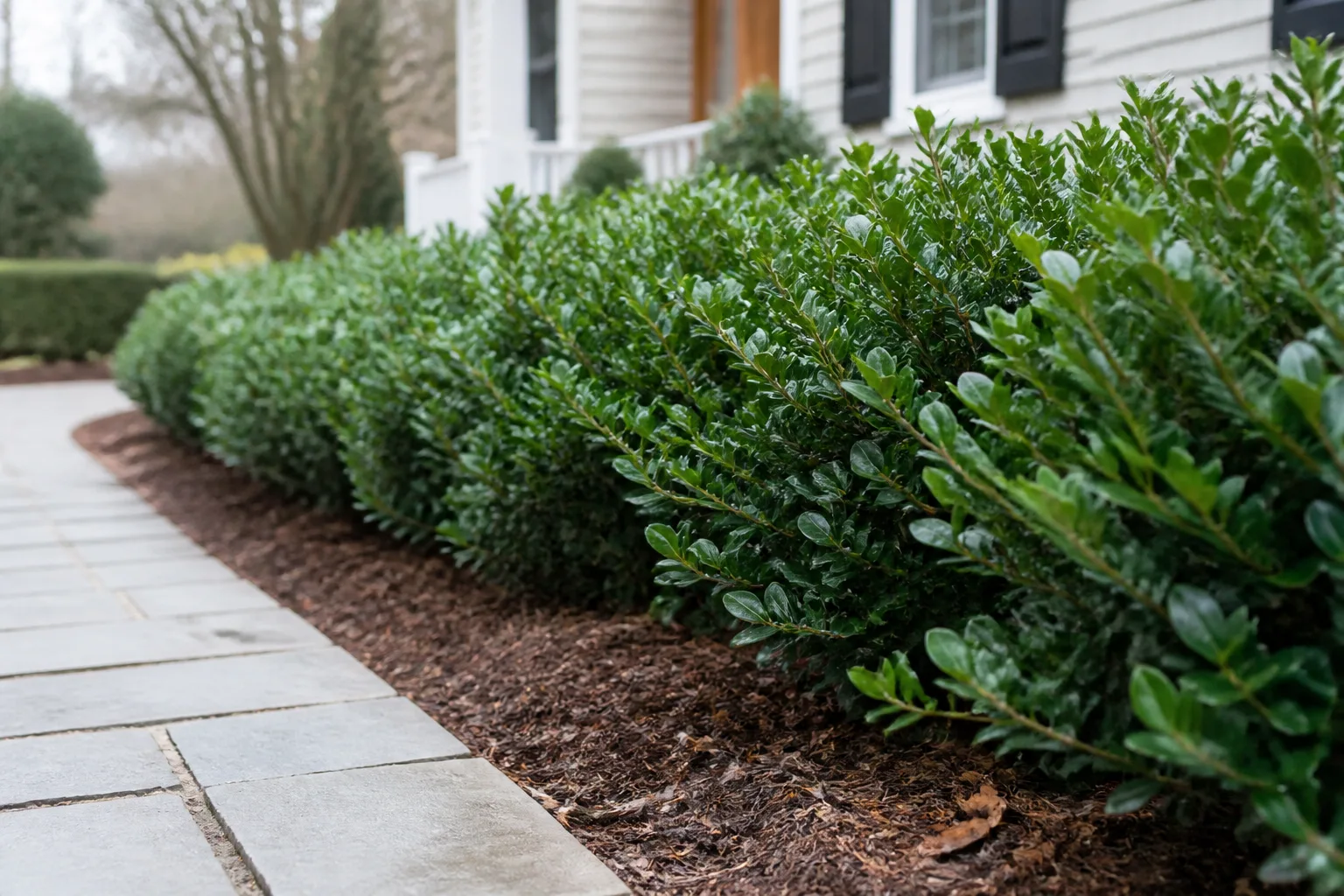
Traditional cool-season lawn is often the thirstiest surface in a front yard. In dry climates, outdoor irrigation can account for a large share of household water use; Utah State University research cited in regional water programs notes that xeriscape-style landscapes can cut outdoor water use by roughly 60% compared with conventional turf-heavy yards once plants are established.
Swapping lawn for native and region-adapted plants is the highest-leverage low-maintenance move in many regions. Natives already match local rainfall rhythms, soil biology, and pollinator networks. The EPA’s WaterSense guidance frames established regional plants as often needing little supplemental water compared with imported turf species—provided they are sited correctly.
How to pick natives that stay low-care after year one
Start with your USDA hardiness zone, summer heat, and average rainfall—not a national “native” list from a different coast. A coastal California lilac and an Eastern purple coneflower solve different problems.
Short list for many temperate front yards (verify locally):
- Inkberry holly (Ilex glabra cultivars like ‘Shamrock’)—evergreen structure, wet-tolerant compared with desert natives
- Little bluestem (Schizachyrium scoparium)—upright native grass, fall color, clump-forming
- Purple coneflower (Echinacea purpurea)—long bloom, seed heads for birds if you skip deadheading
- Aromatic aster or regional fall aster—for late pollinator fuel
- Ninebark or spirea—tough flowering shrubs with cultivars under 4 feet
Pull lists from your state extension native-plant database or local watershed district—then cross-check mature size against your bed width. A “small” shrub that hits eight feet will block windows in three seasons.
First-year reality: Even drought-tolerant natives need regular deep watering the first growing season while roots expand. Skipping that year is how “native” beds die and get labeled high-maintenance. After establishment, mulch and occasional deep soak beat daily spritzing.
For pollinator pairing, see tips to attract pollinators to your yard.
Idea 2: Add a Dwarf Fruit Tree for Vertical Structure
A single dwarf or semi-dwarf fruit tree adds height in a flat front yard without the shade footprint of a full-size shade tree. It can anchor a corner bed, frame the front walk, or replace a failing ornamental that never bloomed.
When a front-yard fruit tree earns its space—and when it does not
Good fit when: You have six or more hours of sun, a bed deep enough for roots (often 6–8 feet from pavement), time for annual pruning, and tolerance for spring petals and occasional fruit on the walk.
Skip or relocate when: HOA bans front-yard edibles, deer strip bark, or you hate picking up drops. Citrus in frost pockets, cherries in warm humid regions with leaf-spot pressure, and figs in tight 3-foot beds all become high-maintenance fast.
Regional examples (always check rootstock and mature size on the label):
- Dwarf lemon or lime on patio rootstock in frost-free or container-overwinter climates
- Dwarf cherry (‘Carmine Jewel’ bush types stay shorter than standard trees)
- Fig (‘Petite Negra’ and other compact cultivars)—fruit without pollination partners in many areas
- Dwarf apple on M9 or similar rootstock—needs cross-pollinator unless label says self-fertile
Plant at the correct depth—buried graft unions fail. Stake loosely the first year only. Mulch 2–3 inches, pulled back from the trunk. Drip irrigation at the root zone beats overhead spray, which encourages foliar disease on fruit trees.
A dwarf tree is not less work than a shrub—it is work compressed into pruning, thinning, and cleanup. If you want vertical structure without fruit drop, a columnar evergreen or ornamental crabapple may be the lower-care choice.
Idea 3: Build Year-Round Texture With Ornamental Grasses
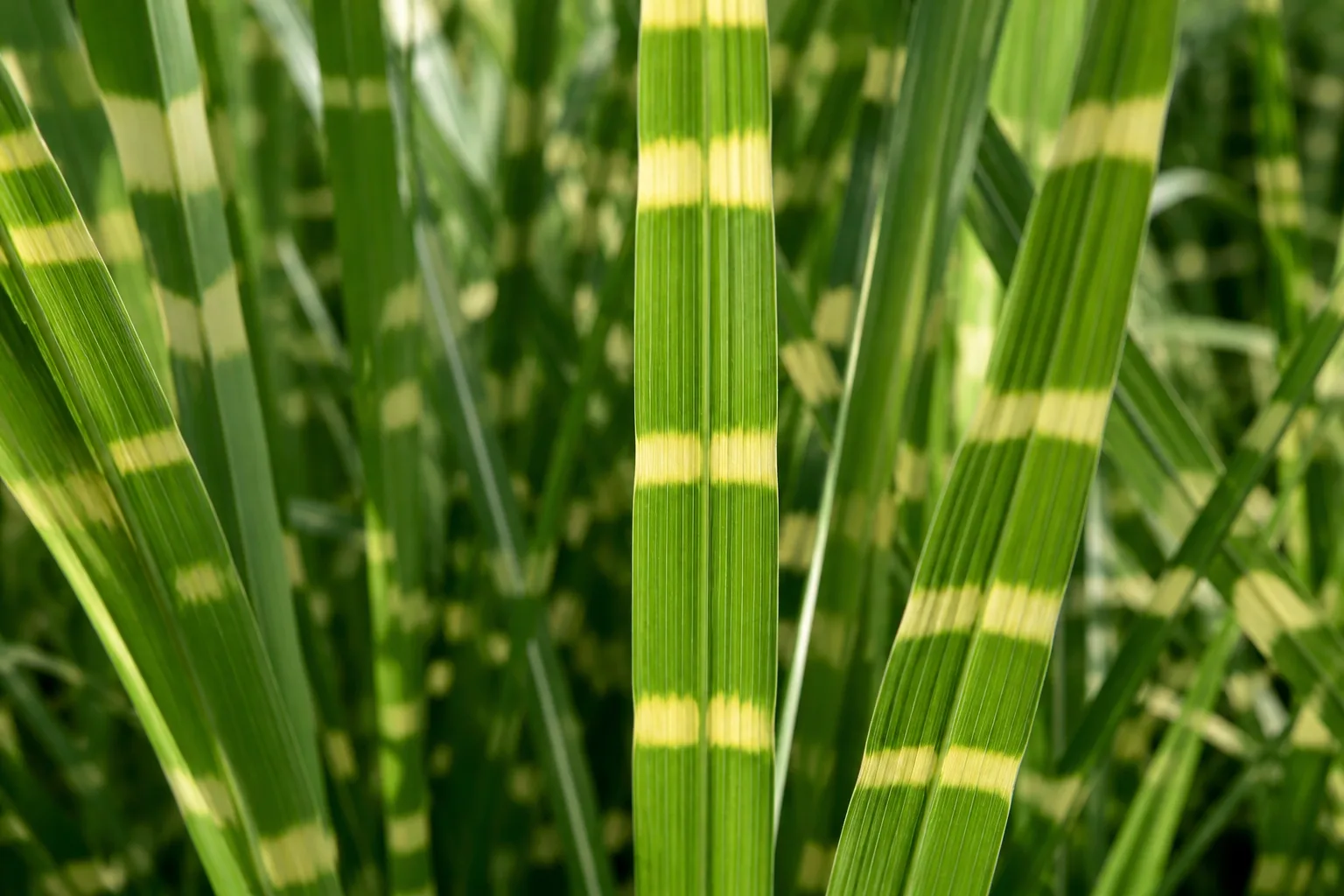
Ornamental grasses deliver height, winter structure, and deer resistance in one package—valuable when a small front bed cannot fit layered shrubs. Colorado State University Extension notes that grasses add movement and seasonal interest with less fertilizer demand than many flowering perennials when sited in appropriate sun.
Grasses that read polished from the sidewalk
Match height to the façade. A 6-foot grass against a single-story porch overwhelms; a 2-foot mass along the foundation reads intentional.
Sun, medium to tall (back of bed):
- Calamagrostis × acutiflora ‘Karl Foerster’—upright feather reed grass, strong vertical lines, holds winter silhouette
- Panicum virgatum (switchgrass cultivars like ‘Heavy Metal’)—native option; verify spread in your region
Sun to part shade, medium-low (front edge):
- Schizachyrium scoparium (little bluestem)—native, orange fall color
- Carex species—sedge texture where true grasses struggle in part shade; see best grasses for shade
Low spreading companions (not grasses but often grouped with them):
- Nepeta × faassenii ‘Junior Walker’—compact catmint, repeat bloomer, deer-resistant in many areas
- Geranium cantabrigiense ‘Biokovo’—tough groundcover geranium for edging
Avoid invasive runners in small beds—check your state’s noxious-weed list before planting miscanthus cultivars where they have escaped. Prefer clump-forming species in tight lots.
Cut back deciduous grasses in late winter before new growth—one annual session, not weekly deadheading. Leave standing through winter for structure unless HOA requires tidiness year-round. Deeper cultivar comparisons live in low-maintenance ornamental grasses.
Idea 4: Plant a Managed Wildflower Meadow
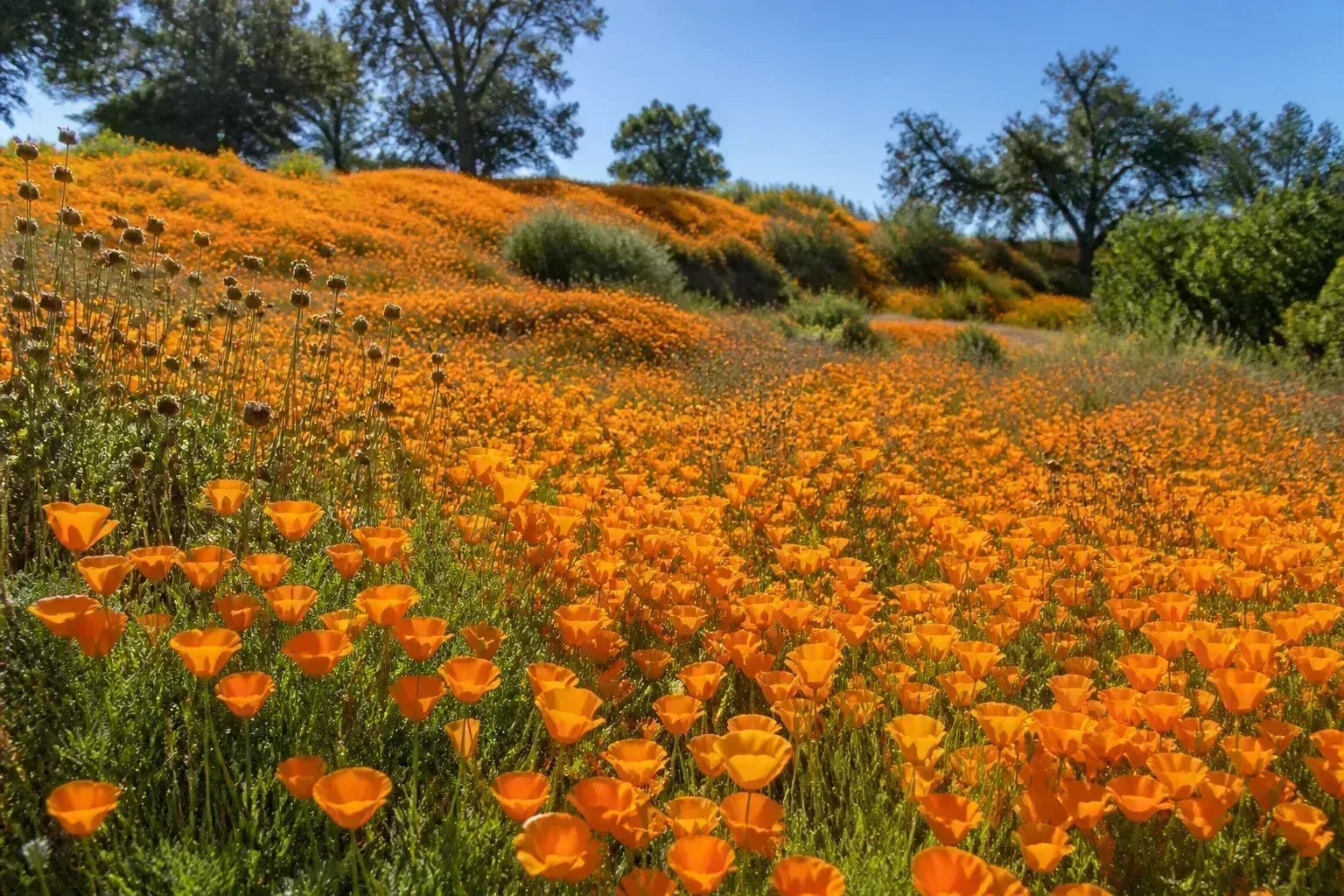
A wildflower meadow can replace manicured turf in sunny front yards where foot traffic is light. Done well, it needs mowing or scything once a year and occasional weed patrol—not weekly mowing and fertilizing.
Meadows support pollinators and build soil biology. They fail when homeowners expect golf-course neatness in month one or plant a random national seed mix that does not match local rainfall.
Meadow vs. messy: keeping curb appeal on a small lot
Use a meadow when: You have full sun, at least 100 square feet (smaller patches look weedy unless edged crisply), and acceptance of seasonal brown phases.
Use a mixed perennial bed instead when: HOA requires green uniformity, dogs cut diagonals across the yard, or your lot is mostly shade.
Execution for small front yards:
- Kill existing turf with solarization, smothering, or careful sod removal—do not rototill weed seeds up without a plan.
- Choose a regional meadow mix from a reputable native seed vendor; include grasses for structure, not flowers alone.
- Define edges with metal edging, a gravel ribbon, or a mowed strip—sharp outline is what makes meadows read “designed.”
- First year: water during dry spells while seedlings establish; mow high once midseason if weeds dominate.
- Year two onward: one cut in late fall or early spring; spot-pull tree seedlings and invasive thugs.
Wildflower meadows are not no-maintenance in year one. They become low-maintenance when native annuals and perennials self-sustain and weeds lose ground. For color sequencing without full meadow commitment, repeat three tough perennials (aster, coneflower, black-eyed Susan) and call it a pollinator bed—less romance, more control.
Idea 5: Xeriscape With Rock, Mulch, and Drought-Tolerant Layers
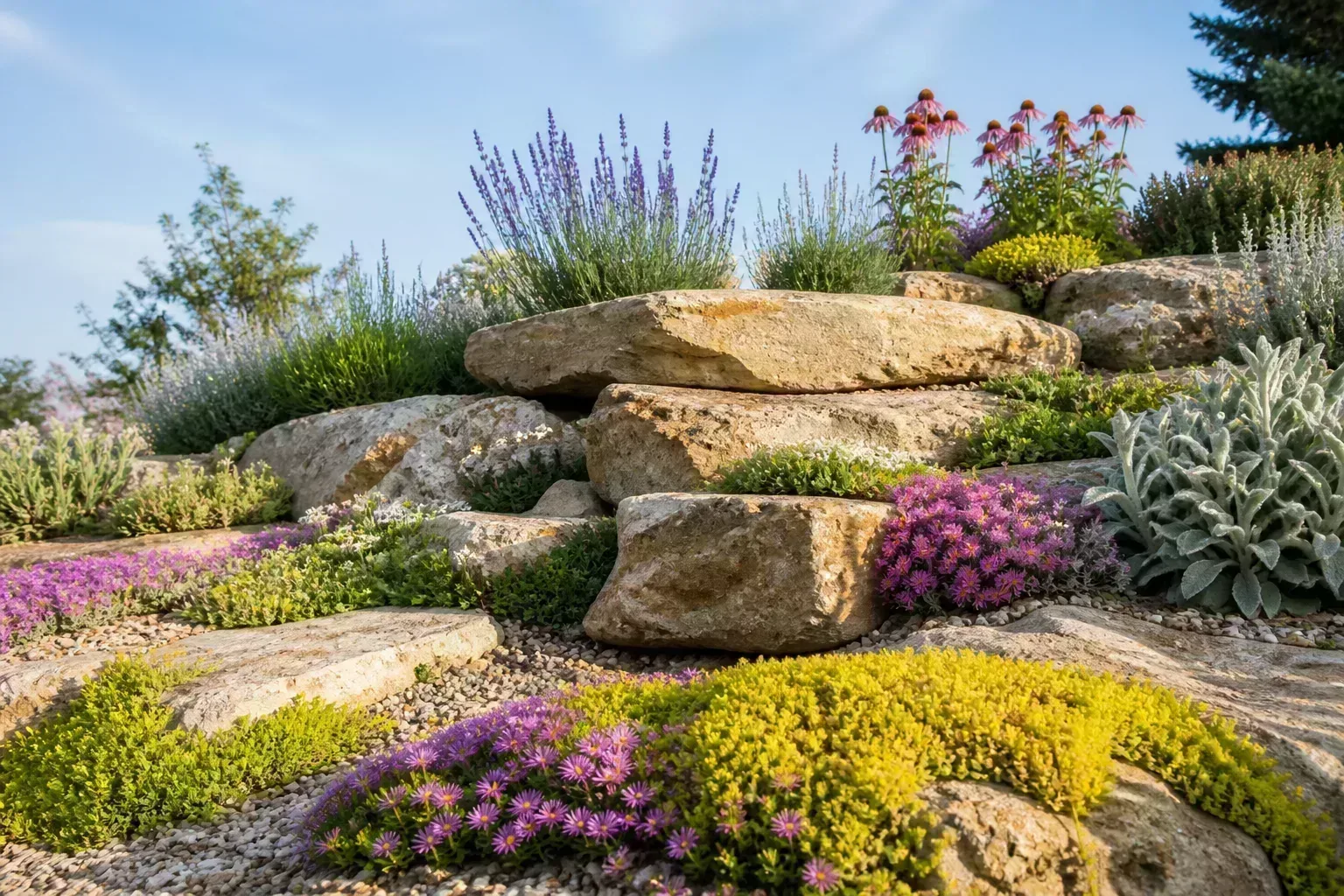
Xeriscaping is water-wise landscaping: appropriate plants, improved soil, mulch, efficient irrigation, and hardscape used to reduce irrigated area. It is not synonymous with bare gravel and a lone cactus—modern xeriscapes layer succulents, Mediterranean herbs, boulders, and structural shrubs for year-round interest.
Dry regions benefit most, but arid-summer climates everywhere—Pacific Northwest rain shadows, Texas Hill Country, Colorado Front Range—gain from reducing irrigated lawn even where winters are wet.
Avoiding the white-gravel desert cliché
The failure mode is 100% rock on plastic with no plants: heat island, weeds in dust, and zero habitat. Better xeriscape on a small front yard:
- Soil first: compost in planting pockets; grade so water stays in beds, not on the sidewalk
- Plant in groups, not polka dots—odd numbers, repeated species
- Organic mulch in planted zones; gravel or decomposed granite in paths and around succulents that need sharp drainage
- Boulders or dry creek to direct runoff visually and functionally
- One shade tree if space allows—future shade cuts irrigation needs for the whole façade
Succulents, agave, lavender, sage, santolina, and regional natives from the California water-wise plant guide are starting points—always filter by your zone. Pair with drip irrigation on a timer for establishment, then reduce zones as plants root deep.
If your lot is small, xeriscape the hellstrip and beds but keep a functional turf or groundcover patch for pets and package delivery paths—partial xeriscape beats an all-or-nothing tear-out you regret in August.
Irrigation, Mulch, and the First-Year Maintenance Reality
Low-maintenance landscaping front-loads labor. Years one and two are establishment: deep watering, weeding, mulch top-up, and correcting plant mistakes. Years three onward should shrink to seasonal pruning, mulch refresh, and irrigation checks.
Mulch is the cheapest water-saving tool. A 2–3 inch layer of shredded bark or compost in planted beds suppresses weeds and cuts evaporation—keep it pulled back from trunks and stems. Reapply organic mulch annually as it breaks down; gravel mulch suits succulents but does not feed soil.
Irrigation: Switch spray heads on beds to drip or micro-spray where code allows—water at the root zone loses less to wind and evaporation than overhead sprinklers. Group zones by hydrozone. New trees and shrubs need slow deep soaks through the first dry season even if the species is labeled drought-tolerant.
Maintenance calendar (after establishment):
| Season | Tasks |
|---|---|
| Late winter | Cut back ornamental grasses; prune fruit trees and shrubs; refresh bed edges |
| Spring | Mulch; split overcrowded perennials if needed; start drip system check |
| Summer | Deep soak during extreme drought only; spot weeds; harvest fruit |
| Fall | Plant new woody stock; meadow cut if used; blow leaves off paths, not into crowns |
Conclusion
The best low-maintenance small front yard is not the one with the most Pinterest labels—it is the one built from honest site data, hydrozones, and two or three repeated plant types that match your sun, deer pressure, and willingness to prune once a year. Native beds cut water and fertilizer; a dwarf fruit tree adds height if you accept cleanup; ornamental grasses carry winter structure; a managed meadow replaces turf where traffic allows; xeriscaping layers rock and drought-tolerant plants without abandoning greenery.
Audit this weekend. Pick one or two ideas—not all five at once. Establish plants properly the first year, mulch like you mean it, and wire drip before August heat. Your future self gets the low-maintenance payoff; this year’s self does the smart groundwork.



