6 Tips to Attract Pollinators Without Messy Curb Appeal
Six expert tips to attract bees, butterflies, and hummingbirds—plus bloom calendars, flower-shape pairings, and design rules that keep your front yard looking intentional.
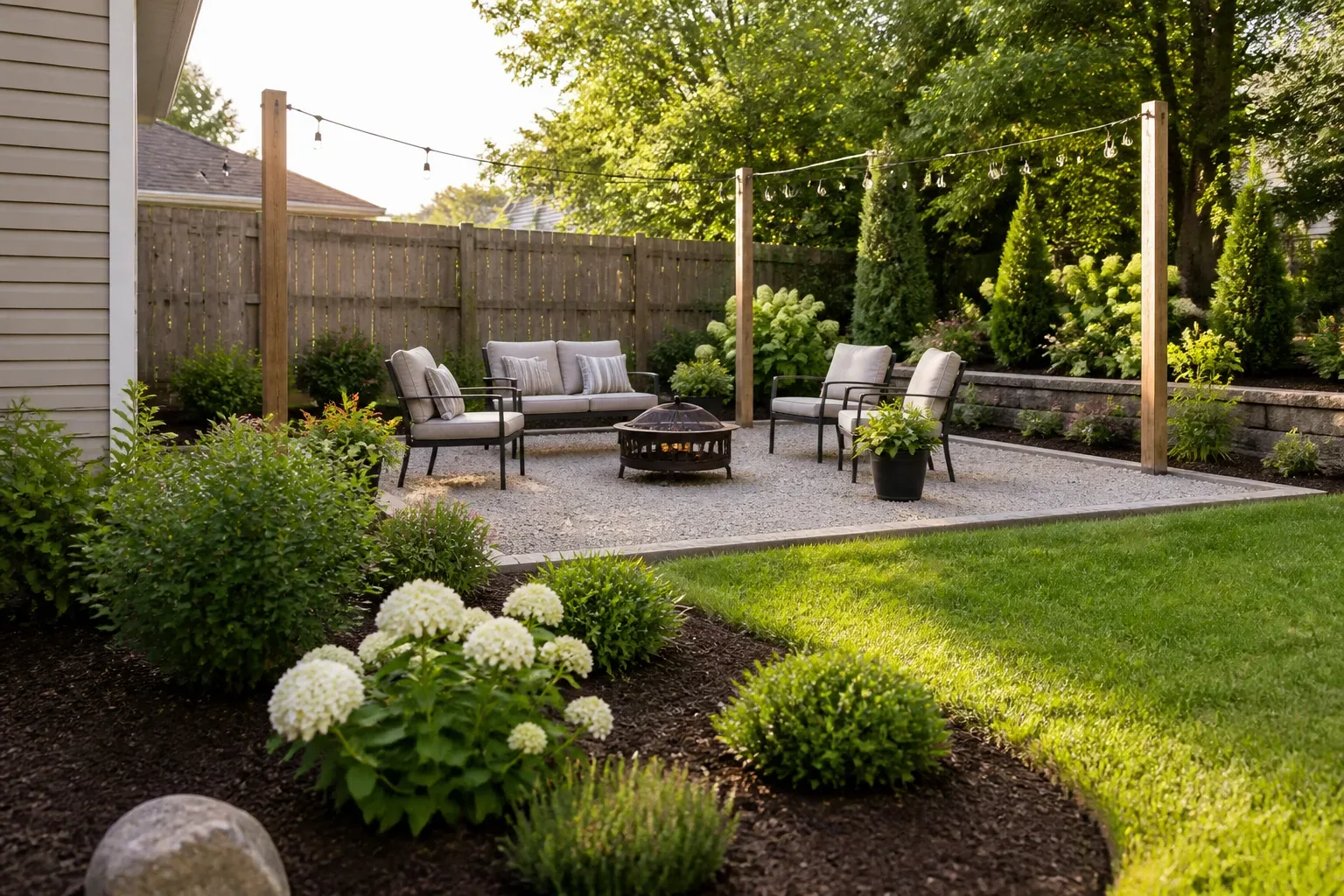
You do not need a meadow that spills onto the sidewalk to help bees, butterflies, and hummingbirds. What you need is a succession of nectar and pollen, a few host plants for caterpillars, clean water, and a layout that reads as designed from the street. The six tips below turn pollinator science into front-yard decisions—identify who you are feeding, bloom through the gaps, mix flower shapes, keep edges crisp, spray less, and treat nibbled leaves as proof the system is working.
Why a Pollinator Yard Can Look as Good as It Functions
Pollinator habitat and curb appeal fail for the same reason: random singles scattered in mulch look like placeholders, not a plan. Professional-looking beds repeat key plants in odd-number drifts, keep a low front layer along the walk, and use edging or a mowed grass strip so the planting reads as intentional. Ecologically, the same repetition creates efficient foraging—bees return to patches where they already found food instead of burning energy searching your whole lot.
The other half is timing. A June-only coneflower patch feeds adult insects for a few weeks and leaves them hungry the rest of the year. Gardener’s Supply pollinator guidance stresses a succession of blooming annuals, perennials, and shrubs so nectar and pollen stay available across the growing season. Pair that with host plants—milkweed for Monarch caterpillars, parsley-family herbs for swallowtails—and you support full life cycles, not just photo-op butterflies. Our milkweed and Monarch host guide walks through that larval side in detail.
Even a 4×6-foot sunny pocket by the mailbox or a pair of matching porch planters can matter if something blooms in April, July, and October. Scale is flexible; continuity is not.
Tip 1: Identify the Pollinators You Are Actually Trying to Feed
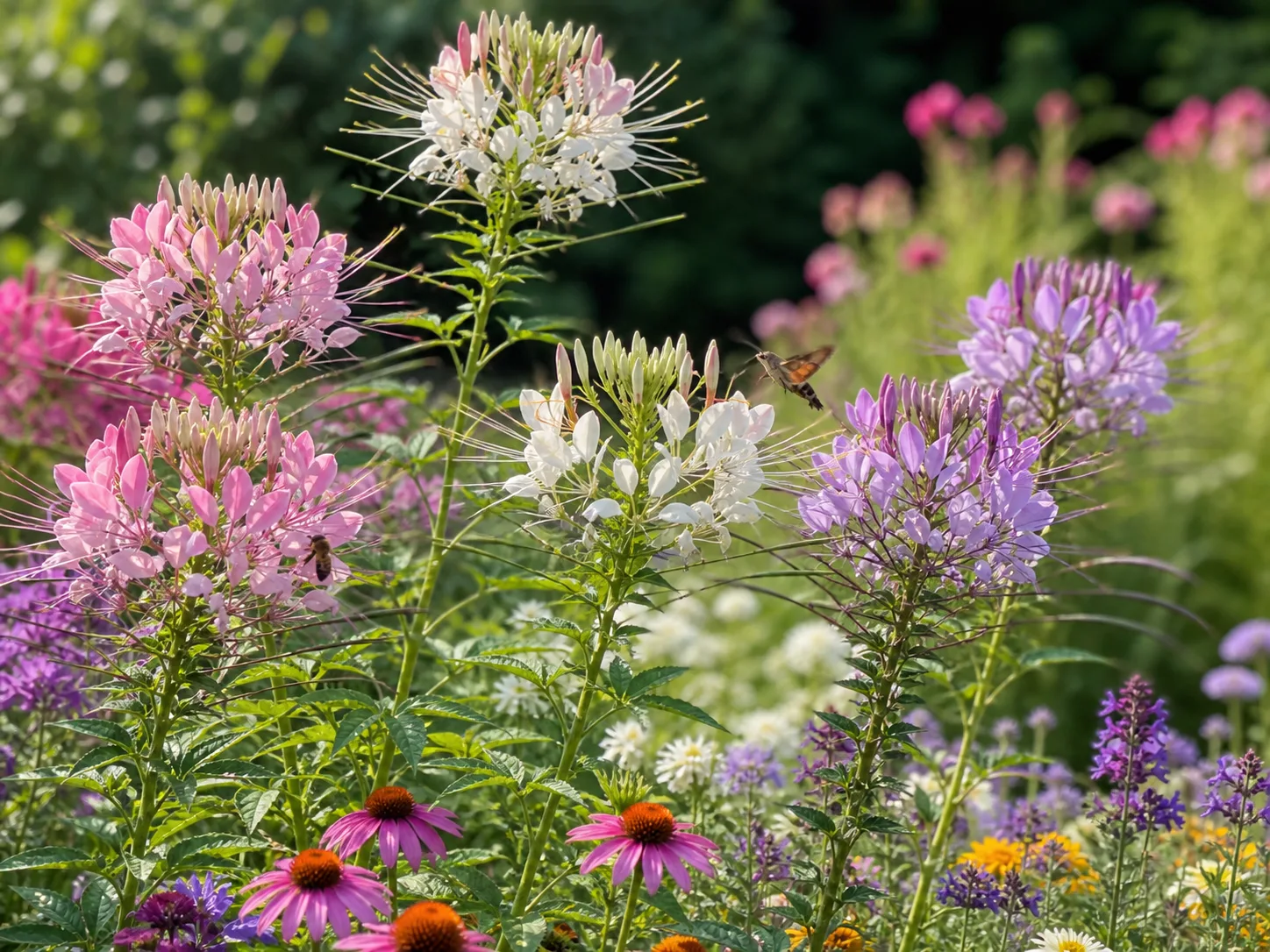
Start with a notebook, not a seed catalog. Sit outside on a warm calm afternoon and list what already visits your yard—bumblebees, honeybees, carpenter bees, hummingbirds, swallowtails, skippers, hoverflies, even great black wasps that look alarming but hunt garden pests. If you are unsure, photograph insects and log them in iNaturalist or a regional field guide before buying plants for “butterflies” that your neighborhood may not host.
Generalist bees and many flies tolerate a wide menu. Specialists tie their life cycle to particular plant families—Monarchs and milkweed being the famous example the National Park Service documents. Hummingbirds favor tubular red and orange blooms they can probe with long tongues. Many native bees are ground-nesters that need bare soil patches, not a fully mulched fortress. Knowing your cast changes plant choice and how tidy you can keep the floor of the bed.
Match Flower Types to Bees, Butterflies, and Hummingbirds
| Pollinator group | What they need | Plant direction (examples—verify locally native) |
|---|---|---|
| Bumblebees & honeybees | Flat landing platforms, open pollen | Coneflower, aster, sunflower, bee balm |
| Native solitary bees | Bare ground, early spring blooms | Spring ephemerals, leave sunny soil patches |
| Butterflies (adults) | Nectar, flat or clustered flowers | Zinnia, verbena, Joe Pye weed, asters |
| Butterflies (larvae) | Host foliage they can eat | Milkweed, dill, fennel, pipevine |
| Hummingbirds | Tubular red/orange nectar | Cardinal flower, coral honeysuckle, salvia |
| Beneficial wasps & flies | Small flowers, herb blooms | Yarrow, dill, cilantro gone to flower |
Do not assume every “pollinator mix” seed packet matches your ecoregion. A trip to a local native nursery or extension plant list beats a national blend that includes species your climate cannot support—or invasives your HOA already side-eyes.
Tip 2: Plant Blooms in Succession From Early Spring Through Late Fall
Pollinator gardens fail quietly in the shoulder seasons. Insects emerging from winter hibernation need early nectar—think spring bulbs, pussy willow, native plums, and early perennials like lupine where adapted. Late-season asters and goldenrod fuel migrating Monarchs and queen bumblebees storing fat for winter. Natural Themes Native Plant Nursery notes that early bloomers like pasque flower and prairie smoke and late goldenrods bookend the season so your yard is not a food desert in April or October (Natural Themes pollinator garden overview).
Build a simple bloom calendar on paper before you shop:
| Season | Goal | Example plant groups (regionalize) |
|---|---|---|
| Early spring | First nectar after winter | Native shrubs, spring bulbs, ephemerals |
| Late spring–early summer | Peak bee activity | Fruit trees, catmint, allium, lupine |
| Mid–late summer | Butterfly peak | Coneflower, milkweed, bee balm, liatris |
| Fall | Migration & overwinter prep | Aster, goldenrod, sedum, late sunflowers |
Close the Bloom Gap That Starves Your Yard in May and September
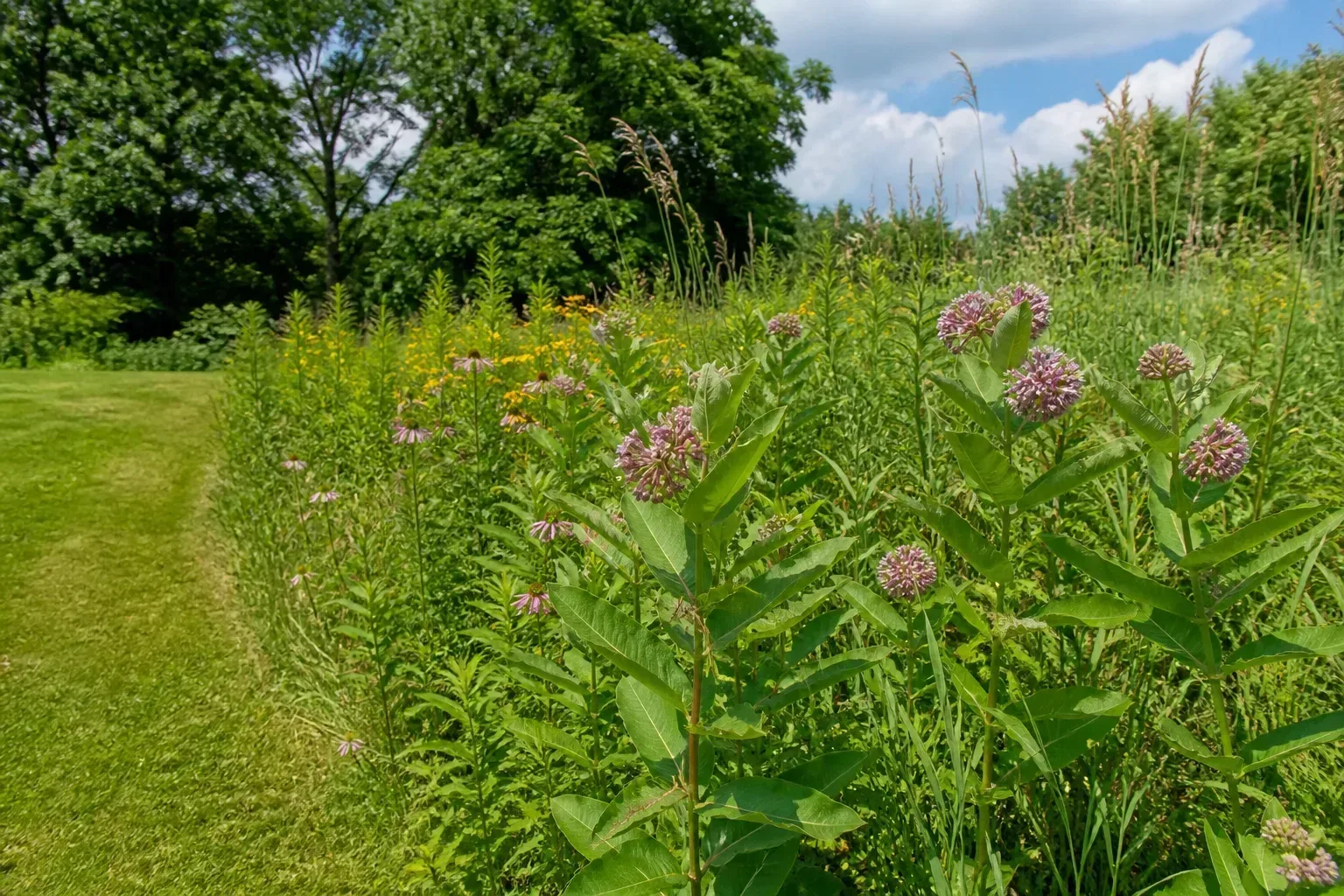
Walk your beds mentally month by month. If nothing flowers between peony week and July 4, add catmint, penstemon, or allium. If August looks tired, plug in black-eyed Susan, Joe Pye weed, or prairie blazing star (liatris). Mix annuals—sunflowers, zinnias, single marigolds—for cheap gap-fillers while perennials mature. Double-flowered cultivars may look lush but often offer little or no pollen; Natural Themes compares them to a buffet of pictures instead of food. Prefer straight species or single-flowered cultivars when wildlife value is the point.
Tip 3: Mix Flower Shapes and Colors on Purpose, Not by Accident
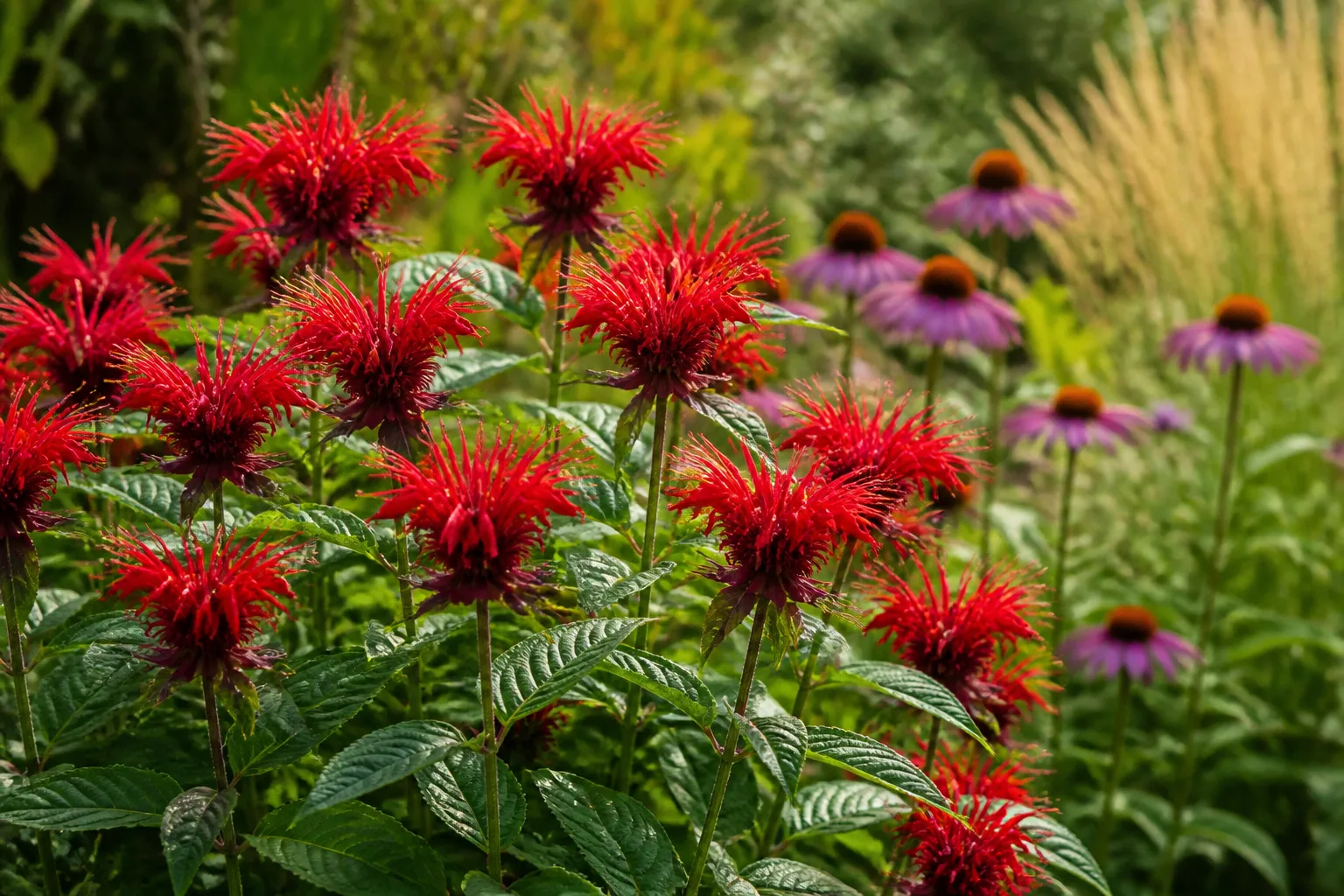
Flower architecture is pollinator UX. Tubular blossoms—bee balm, salvia, cardinal flower—reward hummingbirds and long-tongued bees. Flat-topped umbels and daisies—yarrow, coneflower, zinnia—give butterflies and short-tongued bees a landing pad. Clustered short tubes—phlox, verbena—serve multiple small insects at once. Gardener’s Supply notes butterflies especially notice red, orange, yellow, and pink, while many bees see blue and purple better than red (Gardener’s Supply pollinator guidance).
Aim for three shapes blooming simultaneously in the peak bed: one tubular, one flat, one cluster. That diversity increases visits without doubling square footage.
Tubular, Flat, and Cluster Blooms Serve Different Mouthparts
Picture one 10-foot border row: bee balm and salvia in back for height and tubes, purple coneflower and black-eyed Susan mid-height for platforms, creeping thyme or sedum front edge for tiny flowers near the path. Hummingbirds work the back layer; bumblebees patrol the middle; solitary bees skim the front. Fragrance helps too—lavender, hyssop, and catmint deter some pest insects while feeding pollinators, a pairing many tip lists mention but rarely explain.
Tip 4: Design for Curb Appeal With Edges, Repetition, and Height Layers
“Curb appeal” is mostly structure. Define the bed with steel edging, stone, or a 6–12 inch mowed grass buffer between planting and sidewalk so the pollinator strip does not read as unmowed chaos. Repeat the same three plants in drifts of three, five, or seven instead of one-of-each botanical garden style. Keep the lowest growers forward—catmint, sedum, creeping phlox—and tallest plants—Joe Pye weed, sunflowers, ornamental grass—toward the house or center so sight lines stay open from the street.
Match your house style. Cottage gardens can carry more species if color repeats tie the bed together. Modern facades often look best with two flower colors plus one grass for calm repetition. Our budget front yard landscaping ideas cover edging and mulch refreshes that change street view faster than buying new shrubs—apply the same crisp edge logic here.
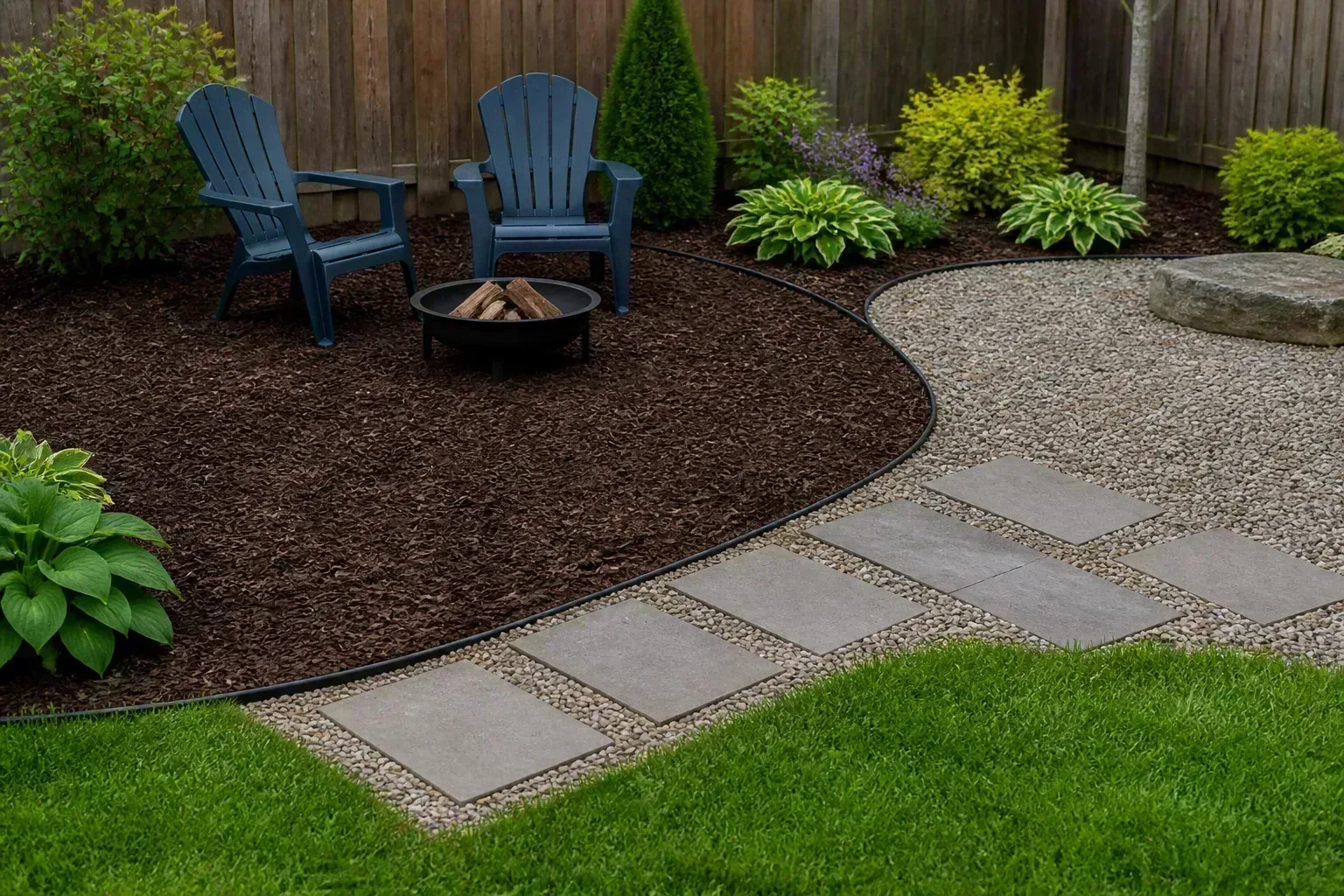
Use Odd-Number Drifts and a Mowed Buffer Strip
If HOA rules or neighbor side-eye is a concern, keep 30–50% of the front lawn mowed and concentrate pollinator density in one framed island or foundation bed. A visible birdbath or shallow pollinator dish (pebbles, not deep water) signals care, not neglect. Avoid wind-pollinated ornamental grasses used alone as your only “native” gesture—they produce little nectar for insects; pair grasses with forbs as structure, not the entire menu.
Tip 5: Stop Broadcasting Pesticides and Fix Problems Narrowly
Broad insecticides, herbicides, and fungicides—including some organic contact sprays—kill pollinators and the predators that keep aphids in check. Gardener’s Supply is blunt: even organic pesticides can be toxic to bees; never spray open blossoms or when pollinators are active (Gardener’s Supply pollinator guidance). If you must treat, apply after dusk, target only the affected plant, and keep spray off flowers entirely.
Start with integrated pest management: hand-pick Japanese beetles into soapy water, blast aphids off with a hose, prune out mildewed bee balm leaves, accept minor leaf damage on host plants. Ask nurseries whether starter plants were treated with systemic neonicotinoids— residues can persist in pollen. When buying “pollinator friendly” flats, that question matters as much as flower color.
Safer First Steps When Aphids, Mildew, or Beetles Show Up
| Problem | First action | Avoid |
|---|---|---|
| Aphids on milkweed | Wait for ladybugs/lacewings; hose off | Broad spectrum spray on blooms |
| Powdery mildew on bee balm | Improve air flow; thin stems | Fungicide on open flowers |
| Japanese beetles | Hand pick at dawn | Whole-yard grub killer without reading label |
| Caterpillars on parsley/dill | Identify species; relocate only if not a host | Bt on every leafy green indiscriminately |
Healthy diverse plantings with mint-family aromatics—lavender, thyme, sage—often reduce pest pressure without nuking the insect community that pollinates your tomatoes.
Tip 6: Accept a Little Wildness Without Letting the Bed Look Abandoned
Holes in leaves mean caterpillars are eating host plants—exactly what a functioning habitat looks like. A monarch caterpillar on milkweed will defoliate a stem; that is success, not infestation. Train your eye to distinguish chewing from disease: uniform brown spots or slime signal trouble; ragged edges on dill, milkweed, or hollyhock often mean butterflies are reproducing.
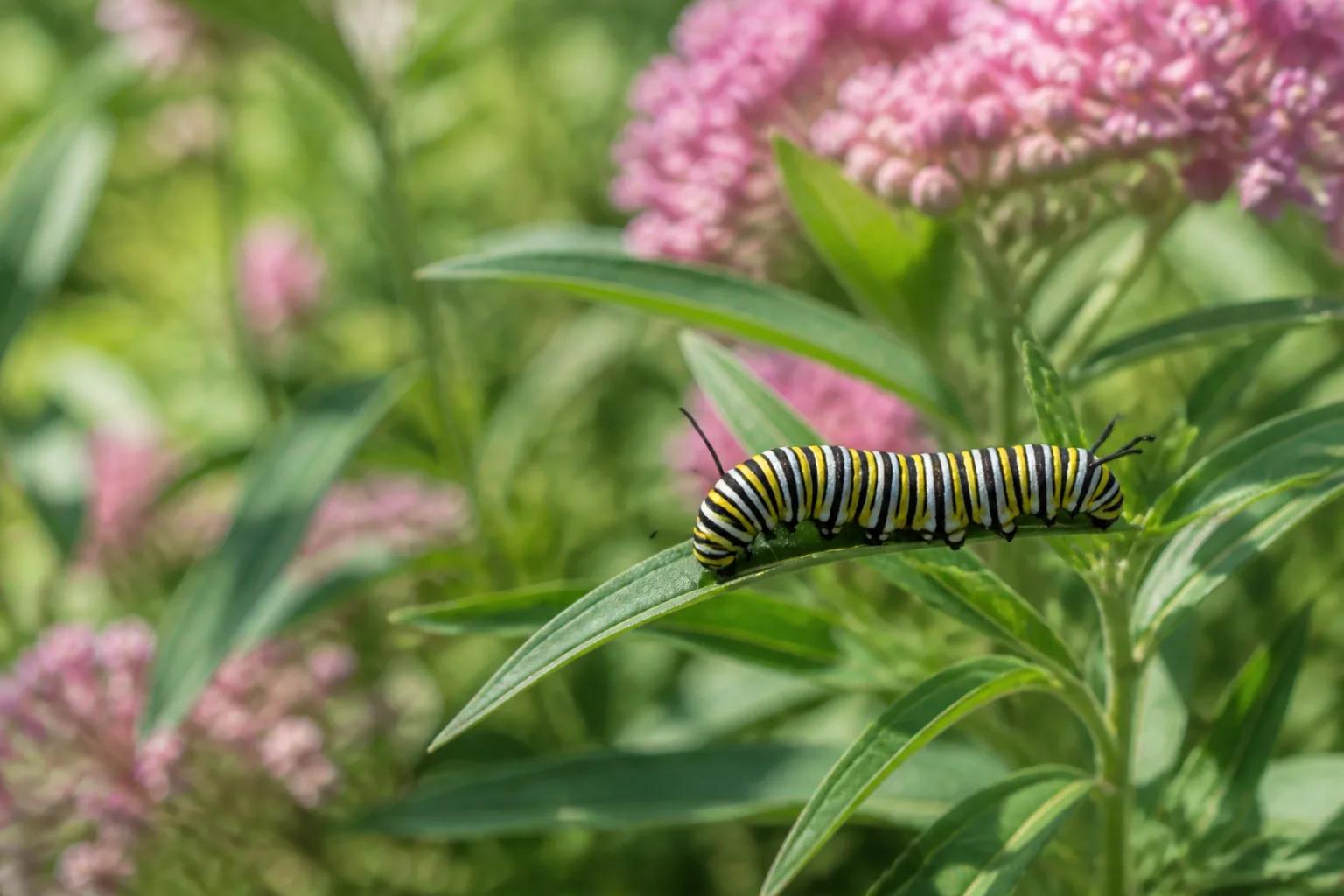
Leave some stems standing through winter for overwintering bees and seed-eating birds. The National Wildlife Federation advocates leaving leaves in garden beds where you can—insulation for insects and free mulch. In visible front beds, compost leaves in a back corner or chop them into mulch rather than bare soil if neighbors prefer tidy—but do not strip every stem to ground level in fall if you want spring bees.
Nesting Spots That Still Read Intentional From the Sidewalk
Ground-nesting bees need sunny bare patches—a foot of unmulched soil along a back edge works. Stem-nesting bees use hollow or pithy stems; leave 8–12 inch stubble on coneflower and bee balm until late spring, then cut gradually. A small brush pile or log slice tucked behind taller plants provides shelter without dominating the view. Frame these zones with edging so “wild” reads as designed habitat, not forgotten chores.
Add Water and Host Plants Most Quick Tip Lists Skip
Nectar hydrates partially; water completes the offer. Bees and butterflies need shallow sources—a saucer with pebbles and water below stone tops, a pebble-filled birdbath rim, or a damp puddling patch of sand with a pinch of salt for butterflies seeking minerals. Deep open water drowns insects. Refresh every one to two days in summer to limit mosquitoes. Our garden plates pollinator water guide covers dish setup, cleaning, and placement in detail.
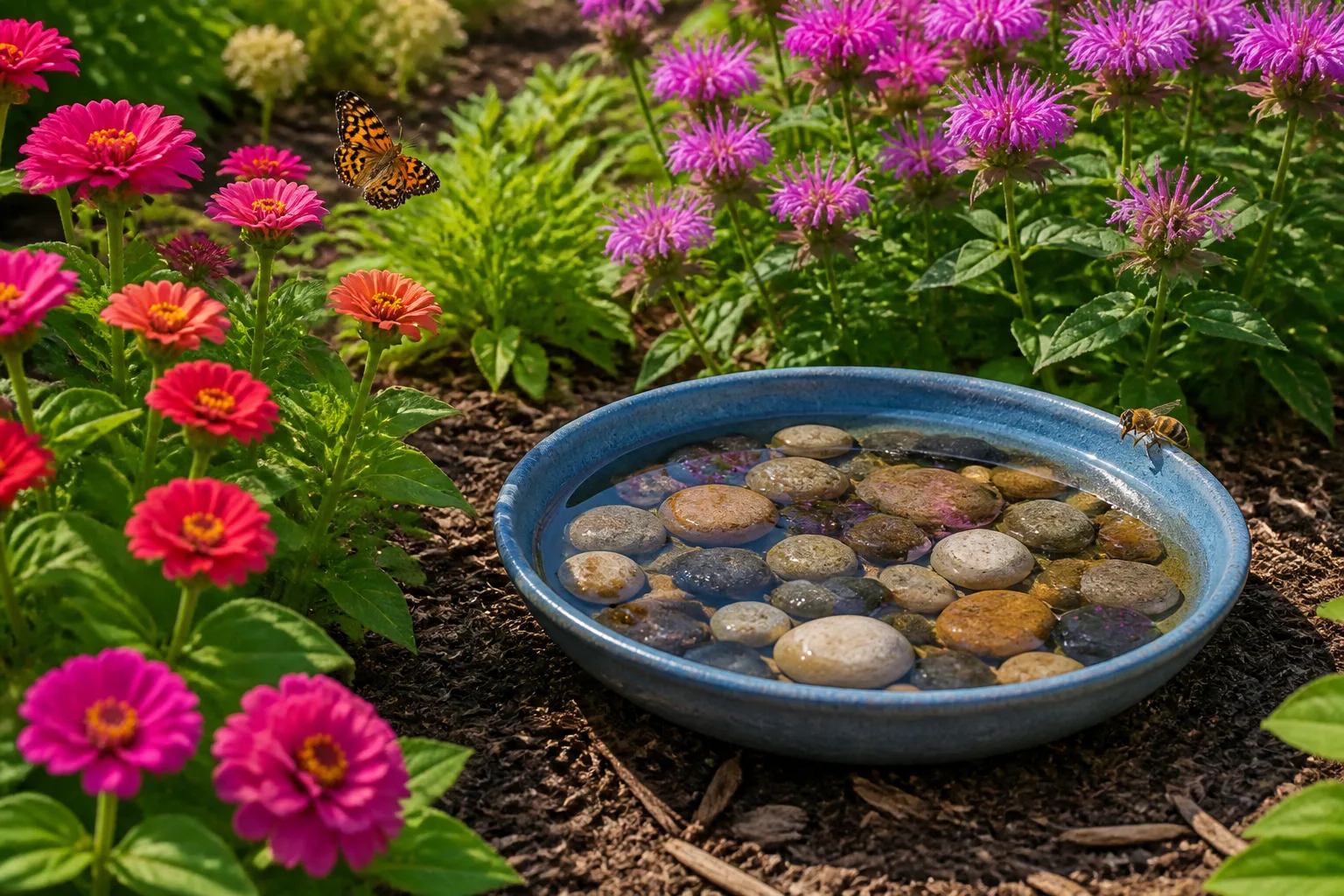
Host plants are non-negotiable for butterflies. Adult zinnias attract swallowtails to visit; parsley, dill, fennel, or rue let them stay and lay eggs. Monarchs require native milkweed species suited to your soil—not tropical milkweed where extension offices warn it disrupts migration timing in warm climates. Pair host foliage in a back or side bed if you prefer chewed leaves out of the primary curb view.
Common Mistakes That Undo Pollinator Work
Planting only summer annuals leaves spring and fall empty. Buying double flowers for show with no pollen reward. Mulching every inch and eliminating ground-nesting sites. Spraying blooming weeds like clover and dandelion that were feeding bees until your perennials establish. Assuming one “pollinator plant”—a lone butterfly bush without natives—supports a full ecosystem; it may attract adults without sustaining local specialists. Choosing invasives marketed as pollinator magnets; see our invasive plants to avoid guide before planting aggressive spreaders.
Over-tidying in fall removes overwintering habitat. Ignoring shade: deep shade under dense evergreens limits bloom; place pollinator density in six-plus hours of sun when possible, or use shade-tolerant natives like foamflower and native geranium in bright shade only.
Conclusion
Turning your yard into pollinator habitat without sacrificing curb appeal comes down to six moves: know your local cast, bloom through the calendar gaps, mix flower shapes, design with edges and repeated drifts, spray narrowly if at all, and read chewed leaves as a healthy sign. Add shallow water and host plants, and you move from attracting passing insects to supporting generations.
Start one bed this season—maybe the foundation strip or a pair of matching planters—and expand the bloom calendar next year. Pollinators do not need perfection; they need continuous food, safe water, and a place to nest that you are willing to leave slightly less sterile than a golf course. Your yard can look cared-for and alive at the same time.



