Thin Stems on Houseplants: Causes and Fixes
When a houseplant stops producing new leaves or stems look weak, owners often assume fertilizer is the fix. Thin Stems with Long, weak stems caused by low light or crowding usually traces to light, roots, temperature, or season. This guide helps you distinguish normal slow periods from problems that need intervention. Track weekly progress after you change care, and note watering, light, and repotting dates so you can tell whether the symptom is improving or returning. Compare upper versus lower leaves, new versus old growth, and soil moisture at root depth before you treat, because the same visible symptom can come from watering, light, pests, or normal aging on different plants.
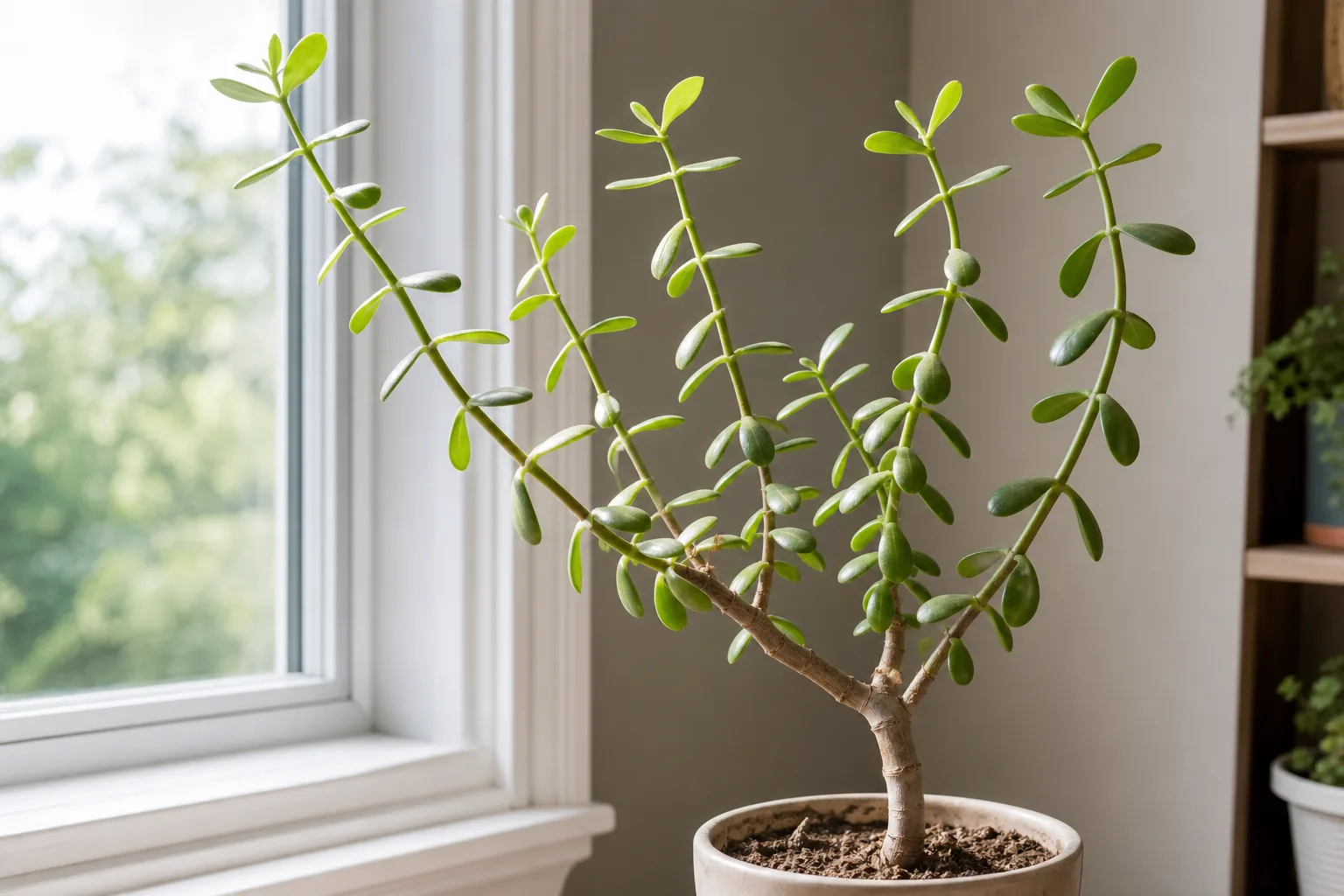
Thin Stems on Houseplants
Still unsure?Match your symptoms to the most likely problems in under a minute.Run diagnosis →Understand and fix thin stems
When a houseplant stops producing new leaves or stems look weak, owners often assume fertilizer is the fix. Thin Stems with Long, weak stems caused by low light or crowding usually traces to light, roots, temperature, or season. This guide helps you distinguish normal slow periods from problems that need intervention. Track weekly progress after you change care, and note watering, light, and repotting dates so you can tell whether the symptom is improving or returning. Compare upper versus lower leaves, new versus old growth, and soil moisture at root depth before you treat, because the same visible symptom can come from watering, light, pests, or normal aging on different plants.
Overview
When a houseplant stops producing new leaves or stems look weak, owners often assume fertilizer is the fix. Thin Stems with Long, weak stems caused by low light or crowding usually traces to light, roots, temperature, or season. This guide helps you distinguish normal slow periods from problems that need intervention. Track weekly progress after you change care, and note watering, light, and repotting dates so you can tell whether the symptom is improving or returning. Compare upper versus lower leaves, new versus old growth, and soil moisture at root depth before you treat, because the same visible symptom can come from watering, light, pests, or normal aging on different plants.
How to identify it
- No new leaves for 2+ months during spring/summer
- Stems elongate with wide gaps between leaves
- New leaves smaller than older ones
- Roots visible on soil surface or circling pot
- Plant in a very dark corner or tiny pot for years
When to worry
Stunted growth with yellowing, pests, or soft stems suggests root or disease issues beyond normal slow winter growth.
Common causes
Insufficient light for growth
Plants conserve energy in dim spots. Thin Stems with leggy stems is classic low-light etiolation.
Root-bound container
When roots fill the pot, there is little soil left to support new growth-growth stalls even with good care.
Winter or cool-season dormancy
Many houseplants naturally slow in short, cool months. Little new growth in winter can be normal.
Chronic underwatering or nutrient lack
Ongoing stress limits the resources available for new leaves and branches.
Step-by-step fix
Confirm the season and recent care changes
Pause expectations in winter. Note any repotting, moves, or pest issues in the last 3 months.
Increase light if stems are stretching
Move closer to a window or add a grow light. Prune leggy growth to encourage bushier new shoots.
Check if the plant is root-bound
Roots circling the pot edge mean repot into a container 1–2 inches larger with fresh mix.
Feed lightly during active growth
Half-strength fertilizer once a month in spring and summer if light is adequate.
Be patient after fixing conditions
New growth may take 3–6 weeks to appear once light and roots are corrected.
Prevention tips
- Match plant species to available light
- Repot before roots circle tightly
- Fertilize during growth season only
- Rotate plants for even light exposure
Common mistakes
- Over-fertilizing to force growth in low light
- Repotting into an oversized pot hoping for faster growth
- Expecting summer growth rates in winter
A houseplant with thin stems is giving you information about the conditions in which those stems formed. If the new growth is long, firm, pale, and reaching toward a window, insufficient usable light is the leading explanation. If a stem becomes soft, dark, pinched, or suddenly unable to hold itself up, treat that as a different and more urgent problem involving roots, moisture, injury, or decay.
The important distinction is gradual structural weakness versus acute collapse. Staking both plants may make them look better for a day, but it does not solve either cause. A reliable diagnosis comes from comparing old and new growth, feeling the stem, checking the root zone, and reconstructing what changed before the symptom appeared.
This guide synthesizes current university-extension guidance and uses a lowest-risk-first diagnostic sequence. It cannot identify a pathogen or structural defect from appearance alone; spreading lesions, odor, rapidly expanding softness, or repeated collapse after the environment is corrected warrant examination by a local extension plant clinic or qualified horticulturist.
What thin stems mean
“Thin stems” describes a visible result, not a single disease. A stem may be narrower than earlier growth, unusually long between leaves, unable to carry its canopy, or simply thin relative to what is normal for that species. The stem’s firmness, color, spacing, and rate of change matter more than diameter alone.
In many indoor plants, thin elongated growth is etiolation or low-light stretching. The University of Maine Cooperative Extension describes etiolation as elongated, spindly growth with pale foliage under low-light conditions. The plant is still growing, but its architecture reflects a shortage of light energy: longer internodes, smaller or paler leaves, and a reach toward the strongest source.
Thin growth can also reflect an unfavorable balance among light, warmth, water, and nutrition. A warm plant may keep extending in a dim room, while its limited photosynthesis cannot support compact, sturdy tissue. Root damage, chronic drought, crowding, or an unhealthy stem base can reduce vigor too, but these usually bring other clues beyond simple stretching.
Read the growth pattern before treating
Start with a side-by-side comparison. Look at the newest 10–20 centimeters of growth and compare it with the stem produced earlier. Note whether internodes have lengthened, leaves have become smaller, color has faded, or the stem has curved toward one side.
Then ask when the change began. Growth that became thin after a move away from a window, a seasonal drop in daylight, or a curtain change strongly implicates light. A plant that was structurally normal yesterday and collapsed today requires inspection for breakage, drought, saturated mix, or decay rather than a slow-light diagnosis.
Long internodes, small leaves, and a directional lean
Internodes are the lengths of stem between leaves or nodes. When several consecutive internodes are much longer than those below them, the evidence is stronger than one isolated narrow section. The University of Maryland Extension notes that inadequate indoor light can produce spindly, leggy plants, fading color, poor growth, and a lean when light arrives mainly from one direction.
A directional lean alone is not proof of serious stress. Plants orient growth toward light, and some naturally climb or trail. Concern rises when the lean appears alongside widely spaced leaves, progressively smaller foliage, weak attachment, pale color, or a marked difference from the same plant’s earlier growth.
Take a dated photograph from the side and another from above. This simple record is more useful than memory when you evaluate the next two or three leaves. It also keeps you from making multiple changes before you know which one helped.
Thin but firm versus soft or collapsing
Gently support the stem between two fingers without squeezing. A thin but firm stem that bends gradually and springs slightly is consistent with structural weakness. A stem that feels translucent, water-soaked, mushy, hollow, blackened, or sharply constricted near the soil line needs prompt investigation.
Wet roots can fail to supply the shoot even when the pot contains plenty of water. Virginia Cooperative Extension explains that prolonged saturation fills pore spaces and reduces oxygen available to roots, which can lead to root death, stunting, soft stems, and leaf loss. A sour smell, persistently heavy pot, yellowing, or mushy roots moves the diagnosis away from simple legginess.
Also look for physical damage. A heavy leaf, pet, tight plant tie, shipping bend, or repeated movement can partially crack a thin stem. A clean break is a mechanical problem; an expanding dark lesion is not. Isolate plants with suspicious lesions until you can rule out an infectious stem disease.
The most likely causes
Rank causes by the whole pattern rather than by what is easiest to change. In a stable indoor plant with long internodes and firm tissue, light comes first. In a suddenly failing plant, water and root condition take priority.
Too little usable light
Light is energy for photosynthesis, and indoor intensity changes dramatically with distance and obstruction. Maryland Extension emphasizes that intensity, duration, and quality all influence growth, and that intensity decreases rapidly as distance from the source increases. A plant can therefore be in a “bright room” while receiving little useful light at leaf level.
Season matters as well. The same shelf may support compact growth in late spring but produce thin growth in winter, when days are shorter and the sun angle changes. Dirty glazing, an overhang, nearby tree foliage, privacy film, or a neighboring building can further reduce the light that reaches the canopy.
Do not assume that “low-light tolerant” means “grows compactly in darkness.” Tolerance describes survival and acceptable appearance under reduced light, not identical growth at every intensity. Some pothos and philodendrons persist in dim positions but make longer internodes and lose variegation or leaf size.
Fast growth without enough structural support
Warmth and available nutrients can encourage extension, but a plant still needs adequate light to build compact growth. Fertilizer does not replace photons. Feeding a stretching plant heavily may increase soft extension without correcting the underlying energy limitation.
Dense crowding has a similar effect. When neighboring stems or leaves shade one another, shoots compete for light and may elongate. Seedlings are especially prone to this pattern, but tightly packed mature houseplants can develop thin interior or lower shoots too.
Normal juvenile growth can also look narrow. Fresh shoots often begin tender and gain strength as tissue matures. Judge them over time and against the species’ normal habit instead of expecting every new stem to feel woody immediately.
Root, water, and stem problems
Chronic underwatering limits cell expansion and overall growth, while repeated wilt-and-recovery cycles can leave a plant with small leaves and weak shoots. Maryland Extension reports that prolonged drought may cause yellowing, scorch, leaf drop, and stunted growth. A very light pot, dry mix pulled from the container wall, crisp edges, and limp rather than elongated growth support this diagnosis.
Excess water can produce a superficially similar loss of vigor because oxygen-starved roots function poorly. The distinction is in the root zone: dry, shrunken mix and brittle foliage versus persistently wet mix, odor, soft tissue, and declining roots. Wilting alone cannot decide between them.
Rootbound plants sometimes make smaller, less vigorous growth because the container dries rapidly and holds little buffered moisture. Yet visible roots at a drain hole do not automatically mean severe restriction. Slide the root ball out only if the plant’s condition and watering behavior justify the disturbance; a dense circling mass with little mix remaining is more persuasive evidence.
Diagnose the cause in ten minutes
Use a fixed sequence so one dramatic symptom does not dominate your judgment:
- Compare new and old internodes, leaf size, color, and direction.
- Feel the stem from healthy tissue toward the weak section.
- Check moisture below the surface and lift the pot to assess weight.
- Inspect drainage holes, the saucer, and any cachepot for standing water.
- Examine leaf undersides and nodes for pests, stippling, webbing, scale, or residue.
- Review changes in placement, season, watering, fertilizer, repotting, or temperature.
This sequence separates a chronic growth-condition problem from an emergency. It also stops a common error: watering a wilted plant whose root zone is already saturated.
Use the result to choose one first action. Firm, gradually stretched growth calls for a measured light correction and observation of the next leaf sequence. A clean crease calls for support or pruning. A soft, dark, expanding area—especially above persistently wet mix—calls for isolation, root and stem inspection, tool sanitation, and prompt expert help if healthy and damaged tissue cannot be clearly distinguished.
Check light, stem texture, soil, and roots
Measure light where the leaves actually sit, at several times on a typical day. A phone app can be useful for relative comparisons between positions, though it is not a laboratory instrument. More important than one reading is whether the proposed location consistently supplies more appropriate light for that species.
Probe the root zone rather than trusting the top centimeter. A wooden skewer can reveal moisture deeper in a large pot, and pot weight becomes informative once you learn its freshly watered and ready-to-water states. Clemson Extension stresses that watering frequency depends on species, growth stage, location, pot, mix, and weather—there is no universal calendar interval.
If the stem is soft near the soil or the pot stays wet unusually long, inspect roots. Healthy roots vary in color by species but should generally feel firm. Remove only clearly dead, hollow, or mushy tissue with clean tools; do not strip healthy roots merely because they are tan or stained by mix.
Test competing explanations against the pattern. Suppose a plant has long new internodes but the root ball dries at a normal rate, roots are firm, and the stem points toward a window: improving light is the lowest-risk first experiment. If the plant instead has short weak shoots, a pot that stays heavy, and several yellowing leaves, root-zone conditions deserve attention before you change the lamp. When one stem is thin but the rest are normal, inspect local shading, damage, or a pest cluster rather than treating the entire pot.
Keep the first experiment modest. Move the stable low-light plant closer to suitable light, mark the newest node, and preserve the current watering method long enough to observe the next growth. If you simultaneously repot, prune, fertilize, and install a lamp, any improvement or decline becomes difficult to interpret. Urgent rot or physical breakage is the exception; those problems justify immediate action rather than a slow trial.
Fix the growing environment first
Correct the cause before changing the plant’s shape. Better light cannot make an old internode shorter, but it can change the structure of the next growth. Likewise, pruning in the same dim location often produces another set of stretched shoots.
Increase light without scorching the plant
Move the plant toward a brighter appropriate exposure in stages. Sudden transfer from deep shade into intense direct sun can scorch foliage, particularly behind glass. Start with a modest change, observe for several days, and increase exposure gradually according to the species.
A grow light can provide a more predictable solution where windows are inadequate. Choose a fixture intended for plant growth, follow its coverage and distance guidance, and use a timer. Maryland Extension advises giving most plants a dark period and keeping total illumination to no more than about 16 hours daily, rather than leaving a lamp on continuously.
Position matters more than raw marketing wattage. Light reaching a plant falls as distance increases, and a small lamp cannot evenly serve a broad canopy from far away. Watch the new internodes: shorter spacing and normal-size leaves are the most practical evidence that the setup is working.
Correct watering and feeding
Water according to root-zone moisture and the species’ needs, then apply enough to wet the mix evenly and let excess drain. Repeated tiny sips can leave parts of the root ball dry and encourage shallow wet zones. If dry mix has pulled from the pot, rehydrate it slowly in repeated passes so water does not simply escape down the gap.
If the mix remains saturated for days, improve the causes of slow drying: inadequate light, an oversized pot, blocked drainage, compacted media, or water trapped inside a decorative cover. Do not repot automatically; a stressed plant with firm roots may recover once excess water drains and conditions improve.
Pause fertilizer while the plant is actively declining or growing in inadequate light. Resume modest feeding only during healthy active growth and according to the product label and plant type. More fertilizer cannot repair an energy shortage, and excess salts can further stress roots.
Prune, train, or stake the plant
Once conditions are corrected, decide whether the old growth is functional, hazardous, or simply unattractive. A healthy thin vine may be trained onto a support. A top-heavy upright shoot may need temporary staking while new compact growth develops.
Use a soft tie in a loose figure-eight so it does not constrict the stem. Anchor the stake in a way that does not tear major roots, and check ties monthly. Staking is a bridge, not a cure; if every new shoot still needs support, the environment or plant choice remains mismatched.
For species that branch from nodes, pruning can reset the canopy. Cut with clean, sharp tools above a healthy node, retaining enough foliage for recovery. Do not remove a large proportion from a severely root-stressed plant at the same time as a disruptive repot unless decay makes removal necessary.
What existing thin stems can and cannot do
Existing stems may mature and gain some strength, especially when they are young and healthy. They will not shorten their internodes or rebuild missing leaves along every bare section. The clearest improvement will appear in growth produced after conditions change.
That limitation informs the choice between keeping, training, and pruning. Keep a thin stem if it is healthy and useful to a climbing plant. Prune it if compact form matters and the species branches readily. Propagate a healthy cutting when the lower plant is bare and renewal is safer than severe reshaping.
Never propagate from soft, blackened, or suspiciously diseased tissue. Cut well above damage into healthy material and use sanitation appropriate to the suspected problem.
Watch the next flush of growth
Mark the newest node with a loose piece of colored thread or take a dated close photograph. Over the next several weeks, compare internode length, leaf size, color, and stem firmness. Existing leaves may remain pale or small, so assess the plant by what it builds next.
Do not expect a universal timetable. Species, season, temperature, root health, and severity all affect recovery. A fast-growing pothos may show a useful response quickly, while a slow woody houseplant may need a full growth cycle.
If new growth remains thin despite verified adequate light, reassess roots, pests, nutrition, and species habit. Change one major factor at a time when the plant is stable; otherwise you lose the ability to identify the successful correction.
Use ratios rather than demanding a particular stem diameter. Compare the distance between three consecutive new nodes with three representative nodes that formed when the plant looked healthy. Compare leaf width and color in the same way. A consistent shift toward shorter spacing and normal leaf size is meaningful even if the young stem has not yet hardened.
Stable plants can be reassessed after one complete new-leaf sequence, but declining plants need closer observation. Check a suspicious soft area daily, keeping photographs under similar light. Expansion of discoloration, loss of firmness, or failure above the lesion is evidence to escalate; an unchanged firm scar is more compatible with old mechanical injury.
Species exceptions and false alarms
Climbers and vines are designed to seek support. Monstera, philodendron, pothos, hoya, and many other plants may make longer searching shoots until they find a surface, and juvenile growth can differ markedly from mature supported growth. A long vine is not automatically etiolated.
Some plants naturally have narrow canes, flexible petioles, or arching stems. Compare the plant with reliable species descriptions and with its own healthy older growth. Petioles—the structures attaching leaves—are often mistaken for stems, and their normal flexibility should not be “corrected” with fertilizer.
Seedlings need a faster response because severe stretching can produce fragile plants. Improve overhead light and spacing promptly, but avoid putting tender seedlings into intense heat or direct outdoor sun without acclimation.
Common mistakes
The most common error is fertilizing before fixing light. Another is moving a shade-grown plant directly into harsh sun, trading thin growth for scorched leaves. Permanent tight staking can hide the symptom while damaging the stem.
Avoid repotting solely because a few roots are visible, cutting every thin stem before the plant has energy to regrow, or watering because a leaning plant “looks thirsty.” Leaning is a direction-of-light clue; moisture must be checked separately.
Finally, do not diagnose from one photograph. Stem texture, root-zone condition, timing, and species habit are essential evidence that an image cannot supply.
Do not try to “exercise” a weak indoor stem with forceful fan exposure. Gentle air movement can be useful in a growing space, but a stem already at risk of cracking needs protection. Structural improvement should come from suitable growth conditions and properly formed new tissue, not repeated bending.
Prevent thin stems from returning
Place each plant where its actual light tolerance matches the home, and reassess that position seasonally. Rotate free-standing plants periodically for balanced exposure, but do not rotate a plant that is intentionally climbing toward a support without considering its growth habit.
Keep the canopy open enough that new shoots receive light. Feed in proportion to active growth, water from observed moisture rather than a rigid date, and choose a pot and mix that drain yet retain an appropriate amount for the species.
Most importantly, use new growth as your dashboard. Shorter internodes, normal leaf size, steady color, and firm stems show that the system works long before old stretched sections change appearance.
Conclusion
Thin stems on a houseplant most often reflect the conditions present while those stems formed, especially inadequate usable light. Confirm the pattern—long internodes, small leaves, directional growth, and firm tissue—before acting. Soft, dark, or suddenly collapsing stems require a separate check for water, root, injury, or disease problems.
Improve the environment first, then prune, train, or stake according to the species and your goal. Existing stretched growth has limits, so judge success by the next leaves and internodes. That approach replaces guesswork with evidence and gives the plant the best chance to build genuinely stronger growth.
Plants commonly affected
These houseplants often struggle with thin stems. Open a care guide or plant-specific troubleshooting page for tailored fixes.
 Medium
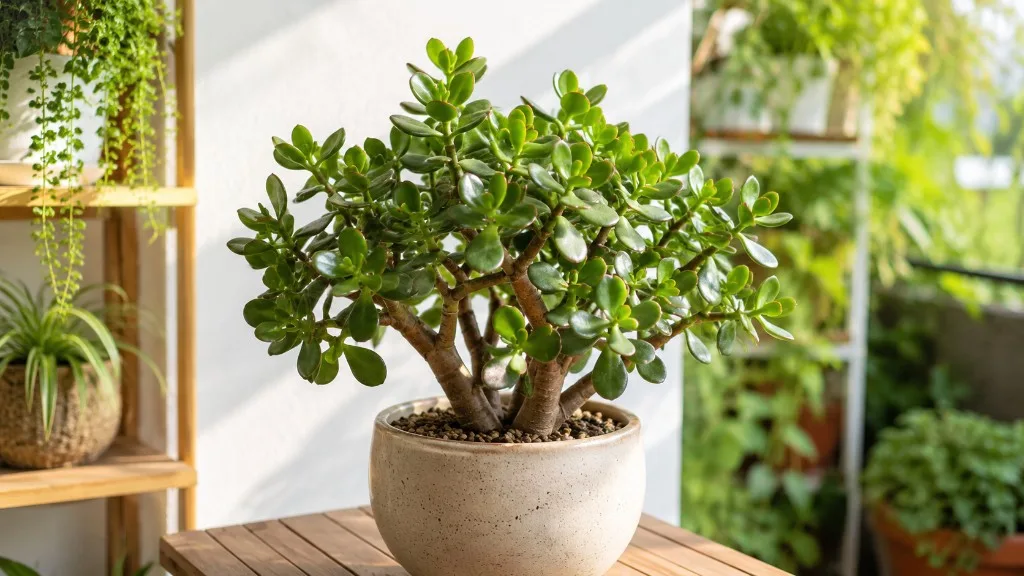
Jade Plant
Likely causeAug 9, 2025 · When a jade plant doesn’t receive enough light, it stretches its stems in search of a brighter source, a phenomenon known as etiolation . This results in unusually long, thin stems with leaves spaced far apart, unlike the dens
Quick fixConfirm diagnosis on your Jade Plant, then address the most likely care or pest factor described in current extension guidance.
 Medium
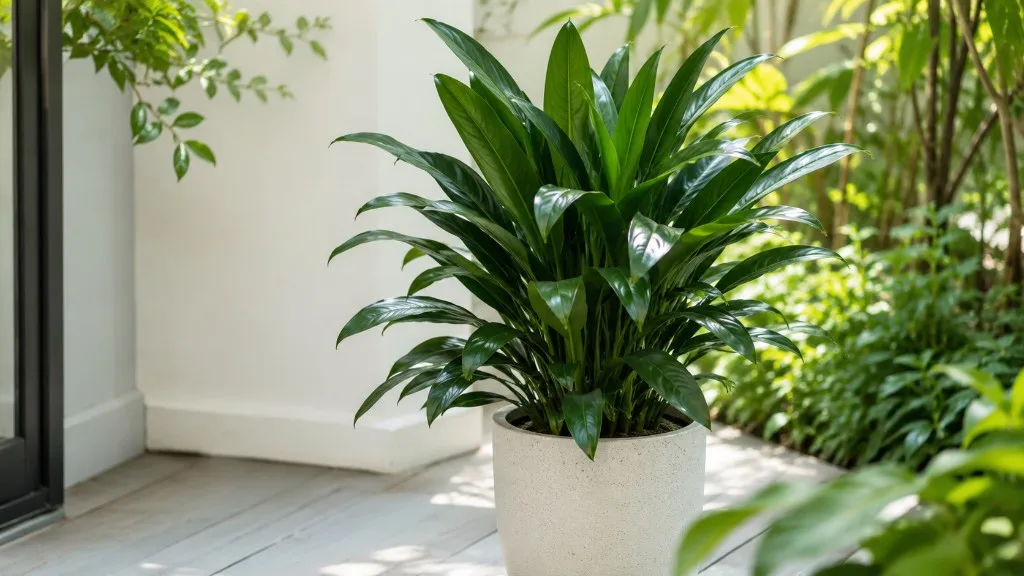
Janet Craig Dracaena
Likely causeOct 28, 2023 · Use your sterilized tools to make a clean cut at the base of the leaf stem, close to the main stem of the plant. Thin out overcrowded stems : If the Dracaena Janet Craig plant has become too dense or crowded, you can selectiv
Quick fixConfirm diagnosis on your Janet Craig Dracaena, then address the most likely care or pest factor described in current extension guidance.
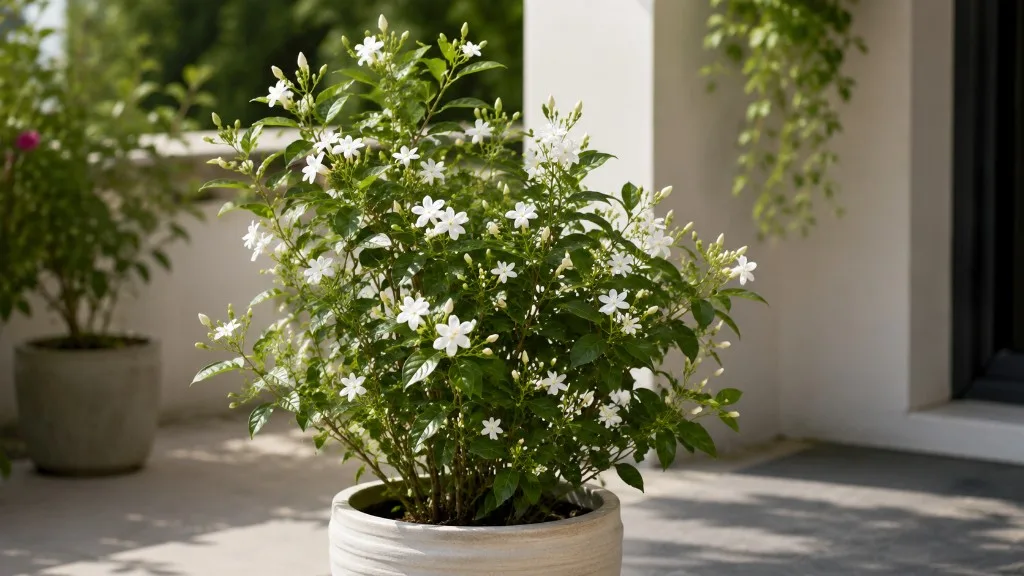 Medium
Jasmine
Likely causeJun 26, 2022 · For a tropical touch of sweetly soothing perfume and masses of starry flowers, learn about 13 popular types of jasmine vines and shrubs for the garden.
Quick fixConfirm diagnosis on your Jasmine, then address the most likely care or pest factor described in current extension guidance.
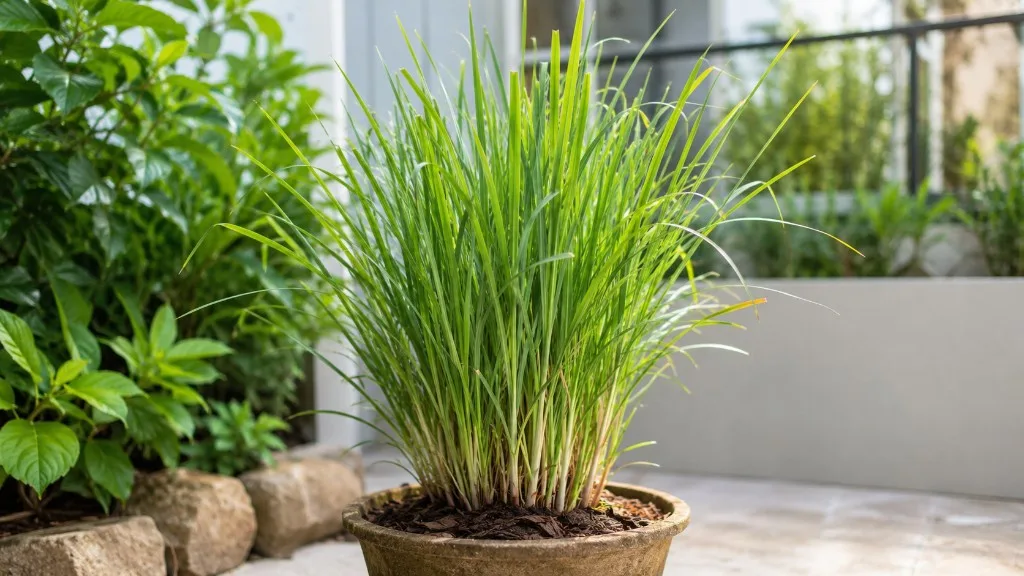 Medium
Lemongrass
Likely causeOct 18, 2025 · Several factors can cause thin stalks : insufficient nitrogen, inadequate sunlight, inconsistent watering, or the plant being too young. Ensure you’re fertilizing regularly, providing full sun, and being patient—stalks thicke
Quick fixConfirm diagnosis on your Lemongrass, then address the most likely care or pest factor described in current extension guidance.
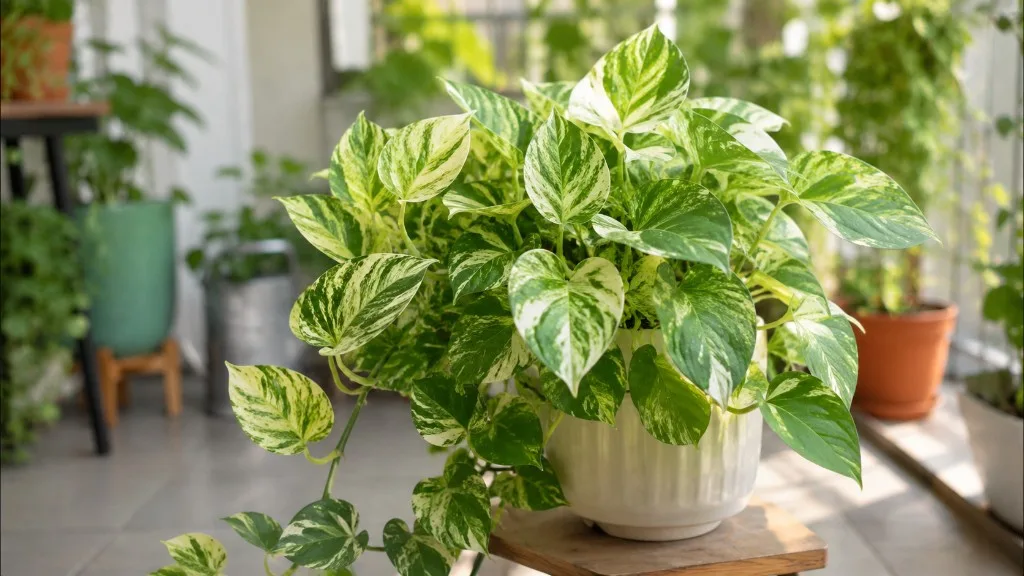 Medium
Manjula Pothos
Likely causeThe Manjula Pothos is bright green foliage cascading down like a waterfall of lush greenery that you can’t help but love! This popular houseplant is easy to care for and offers an exotic beauty to any home or office. Not only does the Manju
Quick fixConfirm diagnosis on your Manjula Pothos, then address the most likely care or pest factor described in current extension guidance.
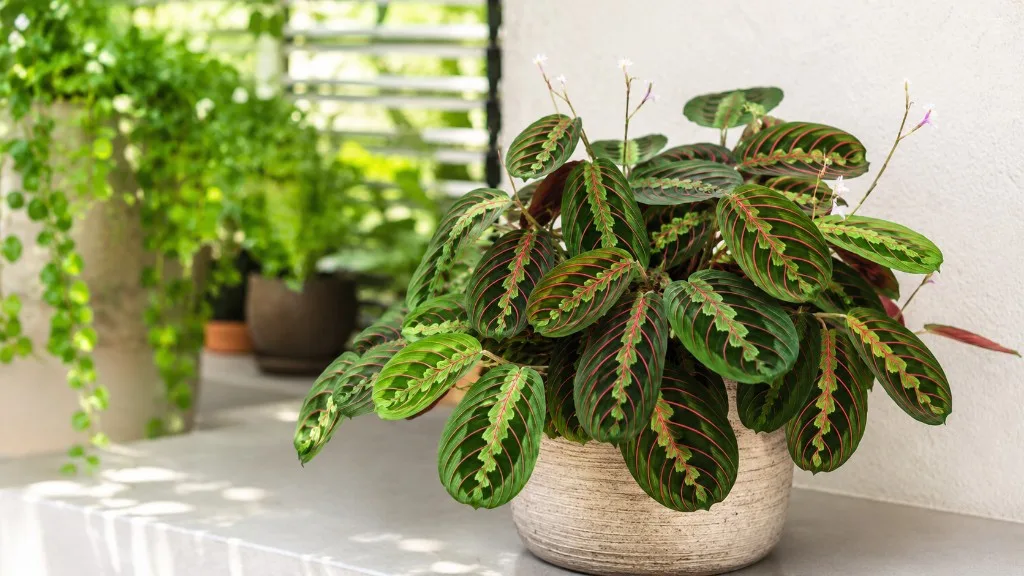 Medium
Maranta Leuconeura
Likely causeJul 3, 2023 · The stems of Maranta Red plants are relatively short and grow close to the ground. They are typically thin and covered with small, scale-like leaves called cataphylls. These cataphylls protect the delicate growing points of th
Quick fixConfirm diagnosis on your Maranta Leuconeura, then address the most likely care or pest factor described in current extension guidance.
 Medium
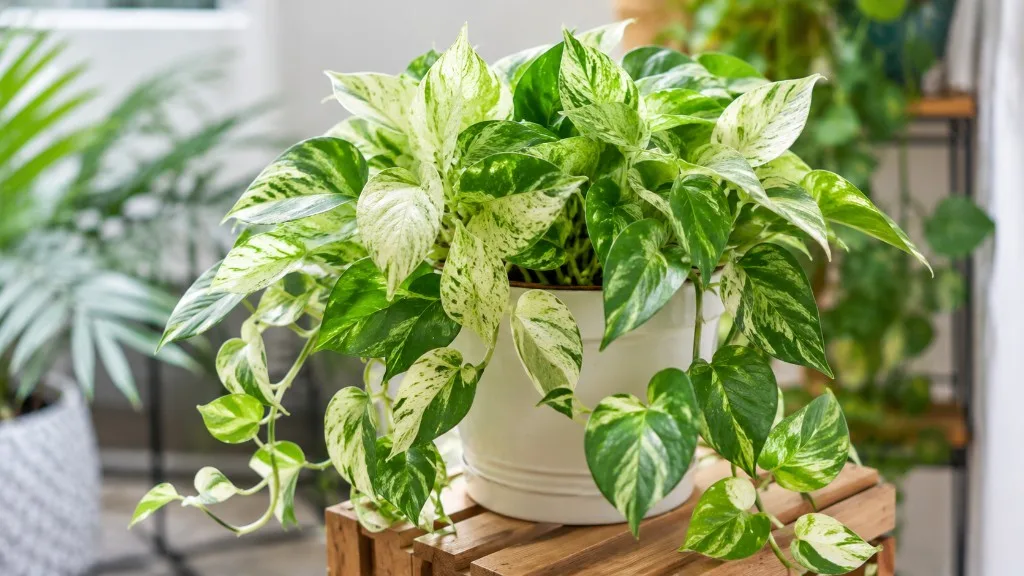
Marble Queen Pothos
Likely causeJan 1, 2026 · In this guide, I am breaking down the exact science and schedule I use to keep my Marble Queens thriving. From the specific soil chemistry required to prevent root rot to the secret of maintaining high variegation, this is eve
Quick fixConfirm diagnosis on your Marble Queen Pothos, then address the most likely care or pest factor described in current extension guidance.
 Medium
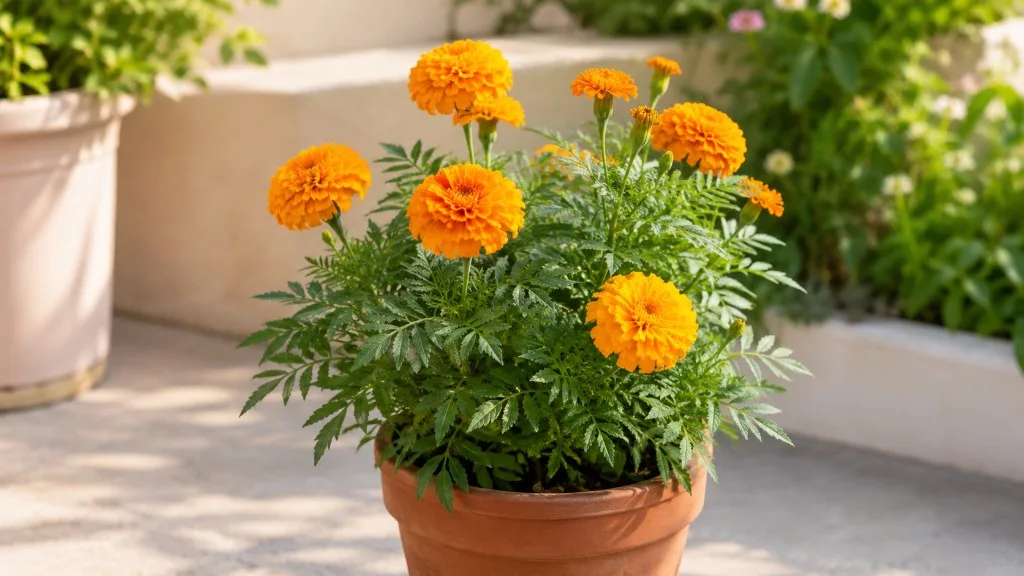
Marigold
Likely causeJul 8, 2023 · The roots and stems of a marigold plant are vital for its growth, stability, and overall health. The fibrous root system ensures efficient water and nutrient uptake, while the herbaceous stems provide structural support and tr
Quick fixConfirm diagnosis on your Marigold, then address the most likely care or pest factor described in current extension guidance.
 Medium
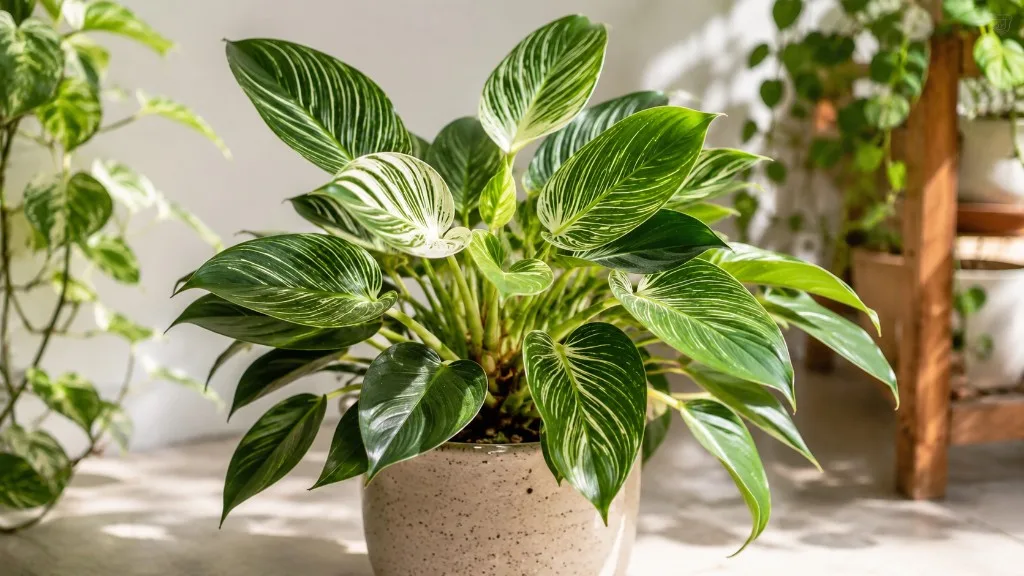
Philodendron Birkin
Likely causeJun 29, 2023 · The stems of a Philodendron Birkin are just as important as their roots. They provide support for the leaves and help transport water and nutrients throughout the plant.
Quick fixConfirm diagnosis on your Philodendron Birkin, then address the most likely care or pest factor described in current extension guidance.
 Medium
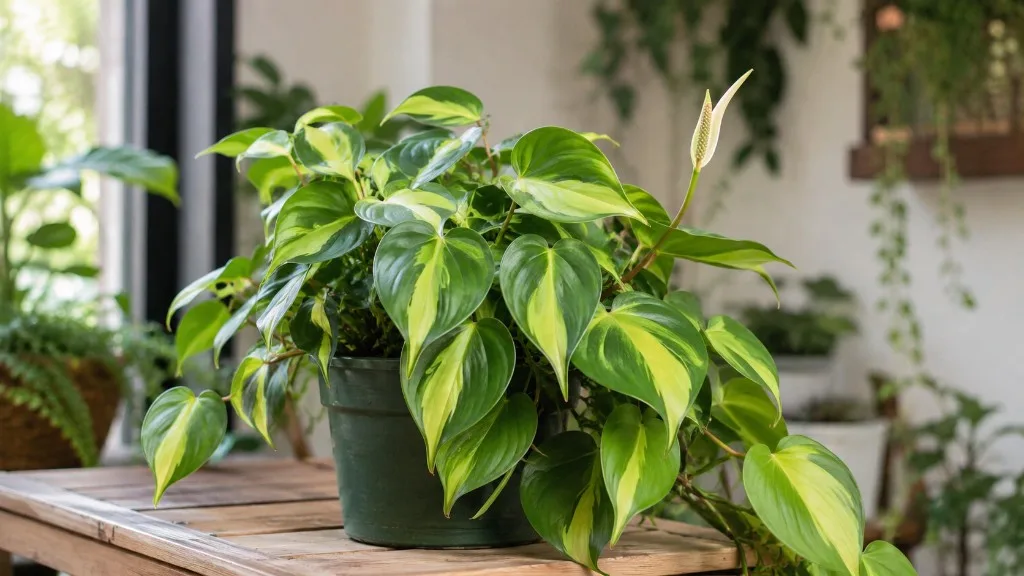
Philodendron Brasil
Likely causeAug 24, 2025 · In low-light conditions, a Philodendron Brasil will stretch its vines toward the nearest light source. It prioritizes reaching the light over producing lush, full foliage, resulting in a thin , sparse appearance.
Quick fixConfirm diagnosis on your Philodendron Brasil, then address the most likely care or pest factor described in current extension guidance.
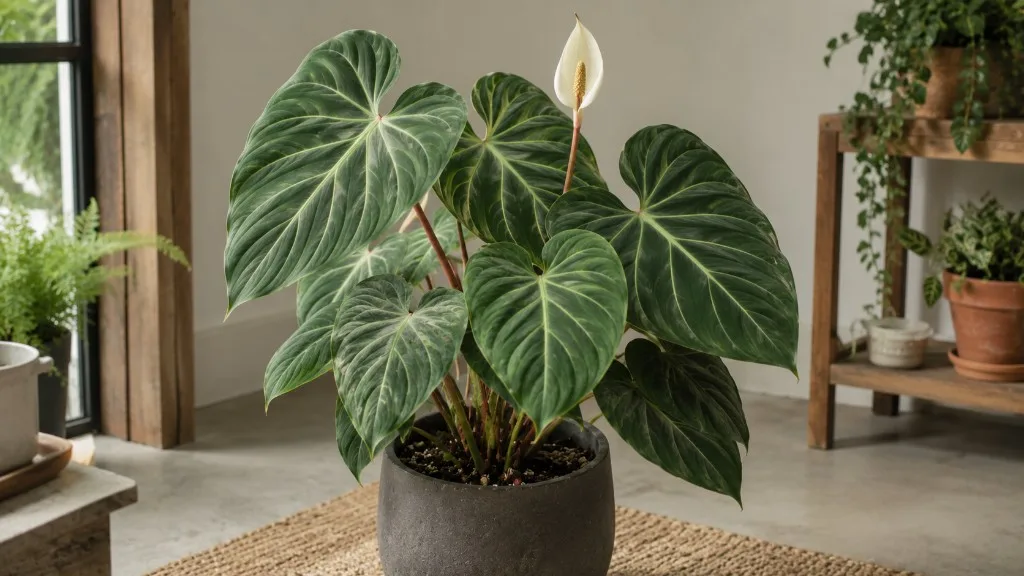 Medium
Philodendron Gloriosum
Likely causeFeb 6, 2025 · If you are thinking of adding a philodendron to your indoor or outdoor garden, choosing the right variety can be a challenge because there are so many different options. Some are more …
Quick fixFollow extension or botanical guidance for Philodendron Gloriosum thin stems; adjust care before applying broad treatments.
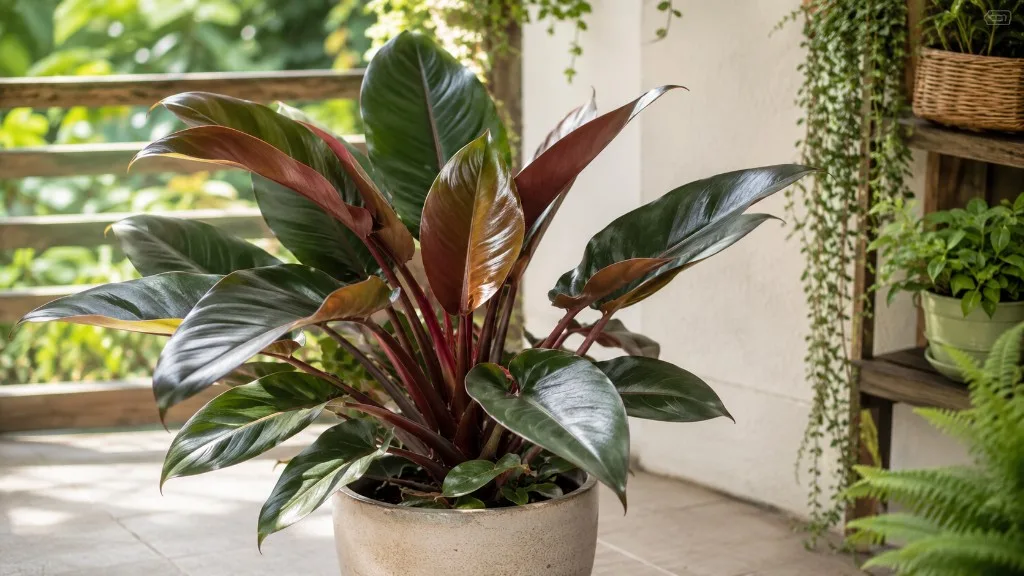 Medium
Philodendron Imperial Red
Likely causeFeb 6, 2025 · If you are thinking of adding a philodendron to your indoor or outdoor garden, choosing the right variety can be a challenge because there are so many different options. Some are more …
Quick fixFollow extension or botanical guidance for Philodendron Imperial Red thin stems; adjust care before applying broad treatments.