11 Plants That Need Full Sun to Bloom Their Best
Learn which 11 garden plants need more direct sun, how to diagnose low light, and when afternoon shade, drainage, or a cultivar change matters.
If a plant is getting tall, thin, or strangely one-sided, check the light before you add fertilizer or water more often. A shaded plant may stay alive while quietly sacrificing flowers, sturdy stems, dense foliage, or the leaf color you bought it for.
The useful question is not whether a plant can tolerate shade. It is whether the plant is receiving enough direct light for the job you want it to do. The 11 plants below include genuine sun lovers, shade-tolerant plants that flower or color better with more sun, and cultivars that change the recommendation completely.
Read “Full Sun” as a Growing Condition
In garden labeling, full sun usually means at least six hours of direct sunlight on the plant during the growing season. That does not mean six hours of general daylight. A bright sky under a roof, tree canopy, or balcony overhang may look sunny to you while delivering much less usable light to the leaves.
Timing matters too. Six hours of gentle morning sun is not the same stress as six hours of hot, reflected afternoon sun beside a south-facing wall. Bluestem Gardening’s practical light guide uses six or more hours for full sun and recommends tracking shadows over several days rather than guessing from a single view of the bed. (Bluestem Gardening)
Treat the label as a starting point, then adjust for climate, soil, wind, and the plant’s roots. Lavender usually wants the classic combination of sun and fast drainage; an azalea may flower better with more light but still need protection from brutal afternoon heat; a peony can appreciate afternoon shade in a warm region while producing fewer flowers in deep shade.
Diagnose Light Before Moving a Plant
Low light is a strong suspect when new growth is longer and farther apart than older growth, stems lean toward one direction, flowering becomes sparse, or a normally colorful leaf turns mostly green. A plant that receives enough light for survival but not enough for flowering may look healthy at first; the missing blooms are the clue.
Watch the plant for a full growing cycle if possible. Measure direct sun at leaf height in spring and again after nearby trees leaf out, because a bed that is sunny in April can become part shade by June. A simple phone time-lapse, a paper sun map, or notes taken at 9 a.m., noon, 3 p.m., and 5 p.m. for three clear days will reveal more than the words “south side of the house.”
Before you move anything, rule out the look-alikes:
- Low light: stretched stems, fewer flowers, leaning, weak color, and slow but soft growth.
- Too much sun or heat: bleached patches, crispy margins, sudden wilt on hot afternoons, and damage on the side facing the light.
- Dry roots: a light pot, dry soil below the surface, and leaves that recover after a thorough watering.
- Poor drainage: a sour smell, persistently wet soil, yellowing, or stems collapsing at the crown.
- Nutrient excess: lush, floppy foliage with few flowers after repeated high-nitrogen feeding.
If a plant is both stretched and scorched, it may have been moved from deep shade straight into harsh sun. More light is not automatically the fix; the transition has to be gradual.
The 11 Plants That Often Need More Direct Sun
Use the table as a quick placement guide, not as a substitute for the plant tag. “Best target” describes the exposure that usually improves flowering, compact growth, or foliage color. “Exception” is where a cultivar or climate changes the decision.
| Plant | Light that usually improves performance | What shade can cost you | Important exception |
|---|---|---|---|
| Azalea | Morning sun to several hours of direct light | Fewer flowers and looser growth | Many evergreen types prefer afternoon protection in hot climates |
| Amsonia | Full sun for a tighter clump | Flopping and fewer blue flowers | It tolerates part shade if soil is not too rich or wet |
| Lilac | Six or more hours for reliable bloom | Flower buds and fragrance | Afternoon shade can help in hot, humid regions |
| Ninebark | Sun for foliage color and flowers | Duller leaves and weaker shape | Dark-leaf cultivars may scorch in reflected heat |
| Viburnum | Sun to light shade, depending on species | Fewer flowers and berries | Species differ widely; check the tag |
| Lavender | Full sun and sharp drainage | Sparse, woody, short-lived growth | Tender types may need winter protection, not more shade |
| Garden phlox | Sun with good airflow | Stretching and more mildew pressure | Part shade can work if the site is bright and moist |
| Clematis | Bright exposure for flowering | Fewer blooms and thin vines | Keep the roots cool; species and pruning group vary |
| Herbaceous peony | Full sun to light shade | Weak flowering and thin stems | Afternoon shade is useful in warm areas |
| Wax begonia | Bright sun, especially bronze-leaf cultivars | Fewer flowers and soft growth | Green-leaf types can scorch in intense sun |
| Bellflower | Sun to part sun for a full flower display | Fewer flowers and lankier stems | Some species prefer cooler part shade |
1. Azalea
Azaleas are the first reminder that a list of plants that need more sun should not be read as “put every azalea in an exposed, west-facing bed.” Many azaleas are woodland-edge shrubs that handle part shade, but the right amount of direct light can make the difference between a leafy shrub with scattered flowers and a plant covered in bloom.
Modern reblooming azaleas and some deciduous or heat-tolerant selections can perform in more sun than older evergreen types. The New York Botanical Garden notes that azaleas can grow in full sun or part shade, while the Azalea Society of America warns that plants in full sun and drying wind need closer attention to moisture. (New York Botanical Garden; Azalea Society of America)
Aim for morning sun and afternoon protection where summers are hot, or several hours of direct light in a cooler climate. If an azalea is leggy and blooms poorly, increase light only after checking that its shallow root zone is mulched, acidic, and evenly moist. Do not solve a dry, exposed site by watering a little every day; improve the root zone and choose a cultivar suited to the exposure.
2. Amsonia
Amsonia, often called blue star, is tolerant of less-than-perfect conditions, which is why it is sometimes planted in a bed that is simply too dim. It will survive part shade, but stronger light usually produces a denser, more upright clump and a better display of star-shaped blue flowers.
In deep shade, stems can lengthen and lean, especially when the soil is rich and moisture is constant. Move it toward open morning or all-day light, or divide nearby plants that are closing over it. Give an established clump room to mature instead of feeding it heavily; excess nitrogen can make the floppy-growth problem worse.
3. Lilac
A lilac that receives only a few hours of weak light may grow leaves but set very few flower buds. Common lilac and many garden hybrids are at their most dependable with about six hours or more of direct sun, good air circulation, and soil that drains rather than staying saturated.
Hot, humid gardeners get a useful exception: light afternoon shade can reduce heat stress, but it does not create more flowers. If the plant is healthy but has not bloomed for several seasons, first check sunlight, pruning timing, and nitrogen. Pruning a lilac after it has already formed next year’s flower buds can remove the display even when the light is perfect.
4. Ninebark
Ninebark is adaptable, but its foliage color makes the light requirement more obvious. Golden and burgundy cultivars generally show richer color and a more compact shape with several hours of sun; in too much shade, they often fade toward green and grow loosely.
More sun is not a license to plant ninebark beside heat-reflecting concrete with dry, compacted soil. Dark foliage can scorch when hot roots cannot replace water lost through the leaves. Choose an open site with morning-to-early-afternoon sun, mulch the root zone, and provide temporary protection during extreme heat while the shrub establishes.
5. Viburnum
“Viburnum” covers many shrubs with different habits, from fragrant Korean spice viburnum to berry-producing native species. Most tolerate some shade, but flowers and fruit are usually more reliable when the shrub receives direct sun or bright light for a substantial part of the day.
If your viburnum is dense and green but rarely flowers, look at the canopy above it before blaming fertilizer. A mature tree can steal both light and water, creating a double problem. Increase exposure if possible, keep competing roots in mind, and verify the species because a viburnum selected for woodland shade should not be judged by the same standard as a sun-loving berry producer.
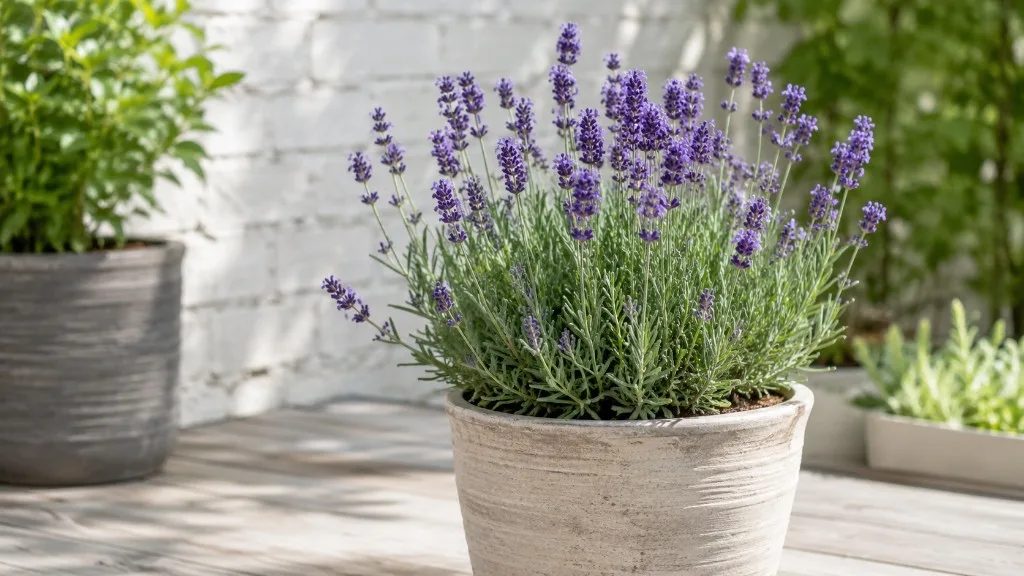
6. Lavender
Lavender is one of the clearest cases on this list: it is not merely a plant that flowers better in sun. It is a sun-and-drainage plant. The RHS describes lavender as thriving in full sun and free-draining soil, becoming vulnerable to root rot in heavy or waterlogged conditions. (RHS lavender growing guide)
Weak light produces sparse growth, long bare stems, and fewer fragrant flower spikes. Moving lavender into a brighter bed will not rescue it if the soil stays wet, so use a raised mound, gritty container mix, or a pot with large drainage holes when native soil is heavy. Water new plants regularly while they establish, then let established in-ground lavender dry more between waterings than a moisture-loving perennial.
Do not cut old lavender back into leafless woody stems in an attempt to make it bushier. Annual light pruning after flowering keeps young growth compact; a plant that has become mostly woody is often better replaced than repeatedly cut into bare wood.
7. Garden Phlox
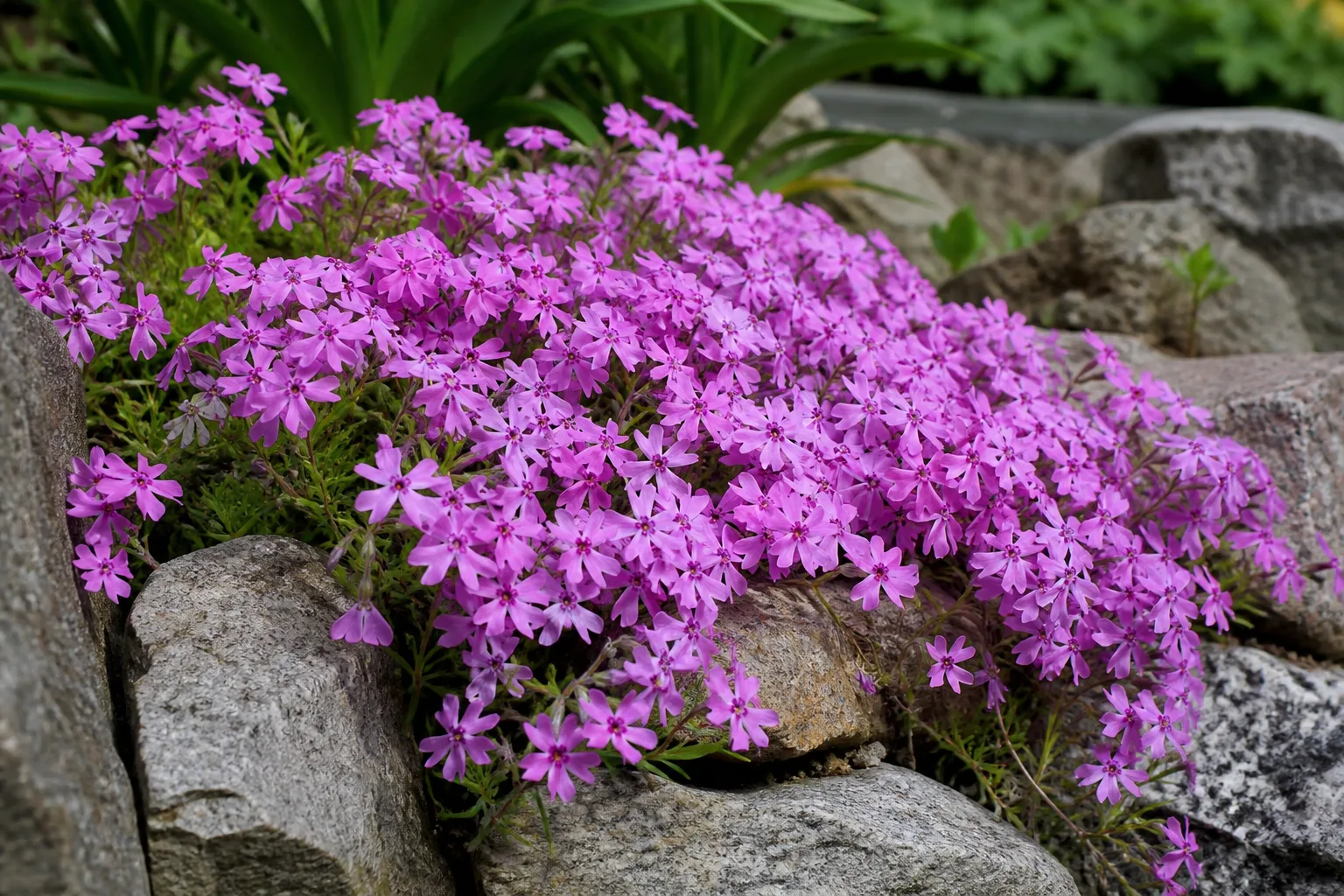
Garden phlox can grow in light shade, but it usually flowers more heavily and holds a sturdier shape in sun. North Carolina State Extension describes Phlox paniculata as preferring sun to partial shade and recommends moisture, spacing, and air circulation to reduce powdery mildew pressure. (NC State Extension: garden phlox)
The practical target is bright sun with dry foliage and evenly moist roots, not a baking, droughty bed. Deep shade creates thin stems and fewer flowers; crowded, humid foliage can then stay wet long enough for mildew. Thin excess stems in spring, water at soil level, mulch lightly, and move the plant toward morning or all-day light if it stretches.
More sun will not cure every spot on a phlox leaf. If disease persists after you improve light, airflow, and watering, remove infected debris and ask a local extension service to identify the problem rather than treating every discoloration as powdery mildew.
8. Clematis
Many clematis bloom best when their upper growth receives bright light, while their crown and roots stay cool and evenly moist. That is why gardeners are told to give clematis sun on the vine and shade at the base; the phrase describes two different plant parts, not a contradiction.
The details still depend on species and pruning group. RHS guidance recommends matching the site and pruning approach to the clematis type, and NC State’s profile of Texas clematis shows that some species prefer dappled sun to partial shade rather than exposed full sun. (RHS clematis growing guide; NC State Extension: Texas clematis)
If a clematis makes leaves but few flowers, check the light at the upper half of the trellis, not just at the pot. Add a thick, breathable mulch layer around—but not against—the crown, keep the soil from swinging between bone-dry and saturated, and use the label’s pruning group before cutting. A shaded root zone is helpful; a shaded vine is often not.
9. Herbaceous Peony
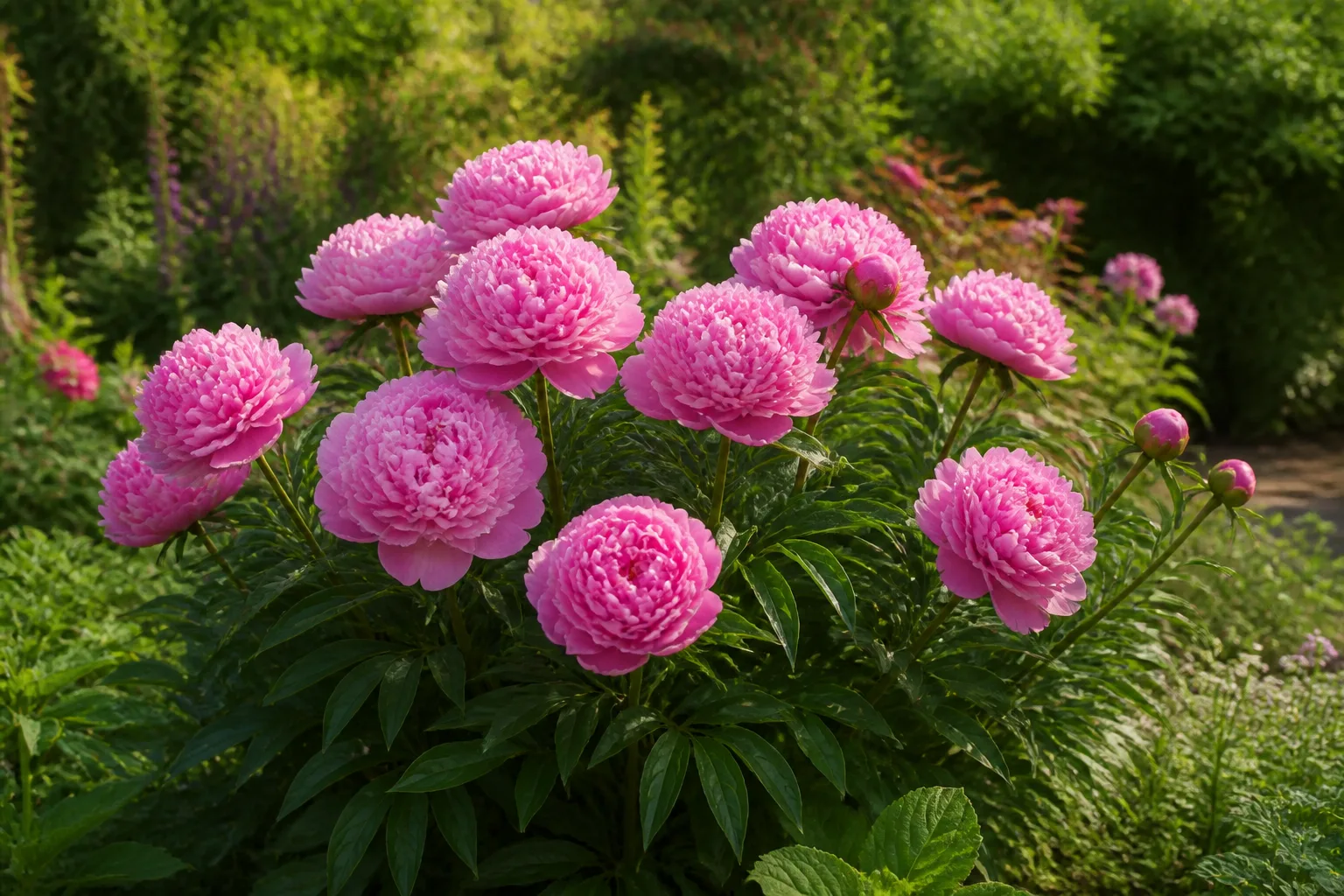
Herbaceous peonies need a bright site to build flower buds and strong stems, but they are not equally happy in every hot, exposed garden. North Carolina State Extension notes that overly shaded sites can inhibit flowering, while also explaining that peonies may appreciate some afternoon shade in warm areas and need time to establish. (NC State Extension: herbaceous peony)
Choose full sun to light shade in a cool or moderate climate, and morning sun with some afternoon protection where heat and drought are severe. A peony that produces leaves but no flowers may be too shaded, planted too deeply, competing with tree roots, or simply young; changing its location will not make a recently planted division bloom instantly.
Keep the crown near the soil surface, provide deep soil without standing water, and support double-flowered cultivars before heavy rain. Do not cover the plant with thick winter mulch in a climate where it needs winter chilling; excessive insulation can be counterproductive.
10. Wax Begonia
Wax begonias are more flexible than the shrubs and perennials above, and the cultivar matters enormously. Green-leafed types can scorch in intense full sun, while bronze- or dark-leafed bedding cultivars often stay fuller and flower more continuously with stronger light.
If a wax begonia is leggy, pale, and producing leaves instead of flowers, give it brighter exposure and pinch the growing tips to encourage branching. Introduce it gradually if it has been grown under nursery shade or indoors. In a very hot climate, bright morning sun with protection from the harshest afternoon rays can produce a better plant than all-day reflected heat.
Keep soil evenly moist but never leave the container standing in water. More sun increases the plant’s water use, so check the pot more often after moving it; do not use a fixed watering calendar that ignores the new exposure.
11. Bellflower
Bellflower is a broad group, so treat the common name as an invitation to check the species rather than a complete care instruction. Many campanulas flower best in sun or part sun, and too much shade can turn a compact plant into a thin mat or produce plenty of foliage with surprisingly few bells.
Give most garden bellflowers bright morning light and well-drained soil, then adjust for the cultivar’s preferred moisture and climate. If the plant wilts in afternoon heat, the problem may be a hot root zone or dry soil rather than a shortage of sunlight. Mulch the roots, water deeply during establishment, and reserve the darkest part of the garden for a species specifically sold for shade.
Match Sun to Soil and Water
More light raises the plant’s demand for water. That does not mean a full-sun plant should sit in wet soil; it means the root zone has to supply water fast enough during the hottest part of the day without removing the air roots need. Lavender and many drought-tolerant shrubs want rapid drainage, while phlox, azalea, and peony need more consistent moisture during establishment.
When planting into a sunnier spot, work with the soil you have rather than adding a thin layer of compost to the surface and calling the bed improved. Break up compaction, incorporate organic matter where appropriate, create a raised planting area for plants that hate wet feet, and use two to three inches of mulch while keeping it away from crowns and stems.
Water slowly at the root zone and check below the surface before watering again. A plant that wilts in bright sun may need a deeper soak, but a plant with yellow leaves in saturated soil needs drainage and air—not another drink. The summer planting guidance from Trees.com also emphasizes that new trees, shrubs, and perennials need establishment care even when they are ultimately chosen for a sunny site. (Trees.com summer planting guide)
Move a Shaded Plant Into More Sun Safely
Moving a plant is often the right answer, but the timing and sequence determine whether the new site helps or burns it. A plant raised in shade has leaves adapted to lower light; those leaves can scorch before the plant grows sun-adapted foliage.
Use this sequence:
- Map the destination first. Confirm the direct-sun hours at the plant’s actual height and note whether the hottest rays reflect from a wall, paving, or glass.
- Move during mild weather. Spring or early fall is usually gentler than a heat wave. Water the plant the day before if the soil is dry, but do not transplant into mud.
- Start with filtered or morning light. Give a deeply shaded plant a few days of bright shade, then one to two hours of direct morning sun. Extend exposure gradually over one to two weeks.
- Protect the root zone. Mulch the soil surface, keep the root ball evenly moist while it re-establishes, and avoid fertilizer until new growth shows.
- Use the leaves as the stop rule. A little temporary droop is common. Bleached patches, crispy margins, or damage on the sun-facing side mean the plant needs less intensity, more acclimation time, or afternoon protection.
For a large shrub that cannot be moved, prune or thin the competing canopy, relocate a nearby plant, or use temporary shade during the hottest weeks. For a plant whose cultivar is simply wrong for the exposure, replacing it is often kinder and cheaper than fighting the site indefinitely.
Avoid the Wrong Fix
The most common mistake is treating every weak plant as a fertilizer problem. A shaded plant cannot convert extra nitrogen into a stronger flower display if light is the limiting resource; it may instead make softer, longer stems that fall over.
The second mistake is assuming that “full sun” means “hot and dry.” Sunlight, temperature, wind, and soil moisture are separate variables. A sunny bed with compacted clay can drown roots after rain, while a sunny sandy bed can dry a new transplant in hours. Match the plant to the whole site, not to the light label alone.
Finally, do not move a struggling plant into the brightest possible spot without checking its cultivar and climate. Green-leaf wax begonias, woodland azaleas, some clematis, and heat-sensitive ninebarks may perform better with morning sun and afternoon relief. The goal is enough usable light for the plant’s desired growth, not the maximum amount of sun your yard can deliver.
If the plant still struggles after a season in the right exposure, reassess in this order: light hours, root-zone moisture, drainage, air movement, pruning timing, cultivar fit, and pests or disease. That sequence prevents you from spraying or feeding before fixing the condition that is actually limiting growth.
Conclusion
The 11 plants on this list are not interchangeable full-sun machines. Amsonia, lilac, phlox, peony, lavender, and many flowering shrubs usually reward more direct light with stronger flowers or sturdier growth, while azalea, ninebark, viburnum, clematis, wax begonia, and bellflower need a closer look at species, cultivar, heat, and moisture.
Start by measuring the light at leaf height, then match the plant’s exposure to its roots and climate. Increase light gradually, protect new transplants from sudden heat, and treat stretching, scorch, wet soil, and mildew as different clues. The best spot is not simply the sunniest spot—it is the place where the plant receives enough usable light to perform without asking its roots to survive an impossible water and temperature swing.



