12 Plants Not Worth Growing From Seed
Not every plant earns a seed tray. These 12 favorites are better from plugs, cloves, slips, or cuttings—with a decision table and smarter alternatives.
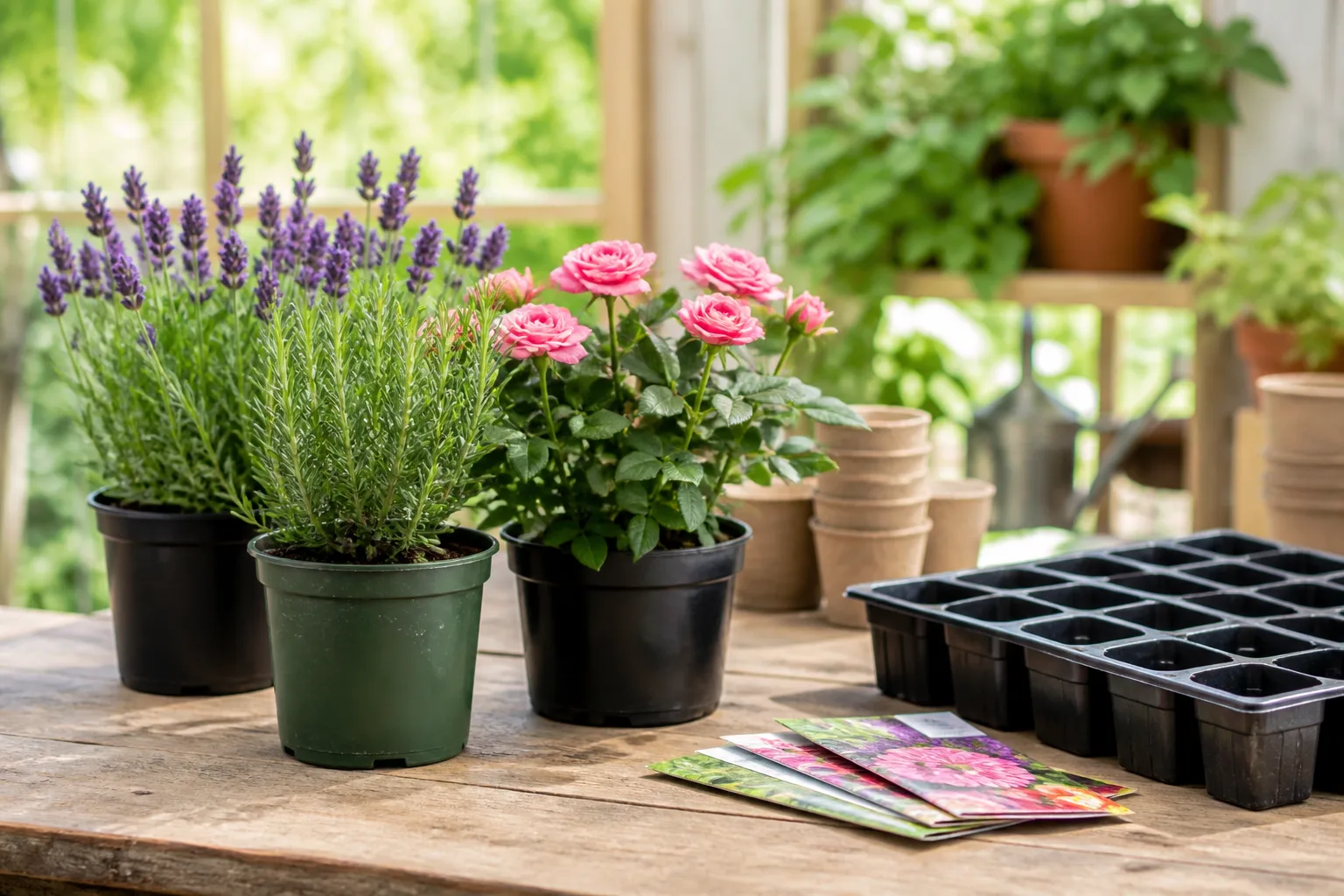
Starting plants from seed is one of the best feelings in gardening—until you realize you spent fourteen weeks nursing lisianthus under lights while the nursery down the road had blooming pots for twelve dollars. Not every crop belongs on a seed mat. Some plants are slow, finicky, or simply never grown that way in real gardens. Others reproduce vegetatively—through cuttings, slips, cloves, or tubers—because that is how farmers and florists have propagated them for centuries.
This guide is not anti-seed. Tomatoes, peppers, basil, and zinnias absolutely earn their tray space. For the twelve plants below, though, buying the right start—or propagating a clone yourself—usually saves months, dollars, and shelf space. If you want the flip side, see our guide to plants you should never buy as seedlings: crops that hate transplanting and belong in the ground as seed.
Why Seed Starting Is Not Always the Smartest Move
The debate is rarely “seeds versus starts.” It is time, reliability, and what you are trying to grow. A packet of rosemary seed costs little, but if harvestable plants take several years from sowing, you are not saving money—you are deferring dinner.
The Real Cost of Indoor Seed Starting
Indoor seed starting has a real equipment footprint: trays, domes, lights, timers, heat mats, and potting mix that you rebuy every spring. That setup shines when you need dozens of tomato plants or rare cultivars no nursery stocks. It hurts when you are babysitting dust-fine foxglove seed for a biennial that will not bloom until year two—or year one only if you bought a plug.
Sustainability cuts both ways. Reusing trays for a decade is greener than buying six plastic pots once. Starting twelve slow crops under lights all winter can burn more energy than driving to a local grower who already heated a greenhouse. Match the method to the plant, not to garden pride.
When Buying Starts Beats Sowing Seeds
Buy or propagate vegetatively when any of these are true:
- Years to payoff: Peonies, roses, and rosemary from seed measure success in seasons, not weeks.
- Tiny or tricky seed: Lisianthus, snapdragon, and foxglove need careful sowing and weeks of stable moisture.
- Standard vegetative crops: Sweet potatoes, potatoes, garlic, and most onions are grown from slips, tubers, cloves, or sets—not true seed—in home gardens.
- You need a known clone: Named rose, lavender, or succulent cultivars do not come true from seed.
Sow seeds when the crop germinates quickly, transplants well, and costs more as starts than as a packet. That is why tomatoes win the tray and garlic does not.
Quick Reference: Skip Seeds, Use This Instead
| Plant | Skip seed because… | Smarter start |
|---|---|---|
| Rose | Years to bloom; seedlings unlike parent | Bare-root plant, container rose, or cutting |
| Peony | 3–5+ years to first flower from seed | Division or potted plant |
| Lisianthus | 12–16 weeks to transplant size; finicky | Nursery plug or liner |
| Snapdragon | Dust-fine seed; cheap packs at garden centers | Cell packs in spring |
| Foxglove | Biennial; tiny seed outcompeted by weeds | Plug for first-year bloom |
| Lavender | Slow, uneven germination | Potted plant matched to your zone |
| Succulent | Months to germinate; seedlings variable | Leaf or offset propagation |
| Sweet potato | Home gardens use vegetative slips | Slips from sprouted roots |
| Potato | Tubers, not true seed, produce the crop | Certified seed potatoes |
| Garlic | Cloves are the practical planting unit | Fall-planted cloves |
| Rosemary | Very slow from seed | Cutting or small nursery pot |
| Onion | Sets mature faster than seedling onions | Sets or transplants for bulb onions |
Print this table before you order seeds in January. It will save you a shelf of domes you do not need.
Ornamental Flowers Better From Cuttings or Plugs
These ornamentals can be grown from seed in theory. In practice, home gardeners get better results—and faster flowers—by buying the right start or rooting a cutting.
Roses
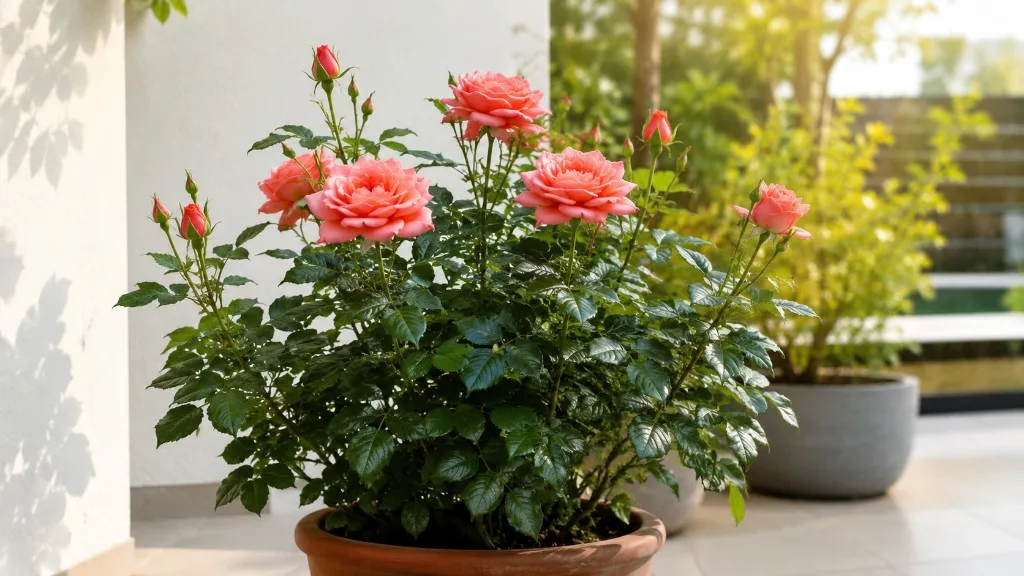
You can grow roses from seed harvested from hips. Breeders do it on purpose. For everyone else, seed-grown roses are a lottery: seedlings rarely match the parent, and flowering can take two to five years. The RHS growing guide for roses notes that softwood cuttings taken in spring can root in about two months, with flowers possible in two to three years—still slow, but you know exactly what you are growing.
For immediate garden impact, buy bare-root or container roses in known cultivars, or root cuttings from a healthy, non-grafted plant you already love. Grafted tea roses are not candidates for casual backyard seed saving anyway—the rootstock and scion are two different plants. Save seed projects for species roses and breeding experiments, not for filling a trellis this summer.
Peonies
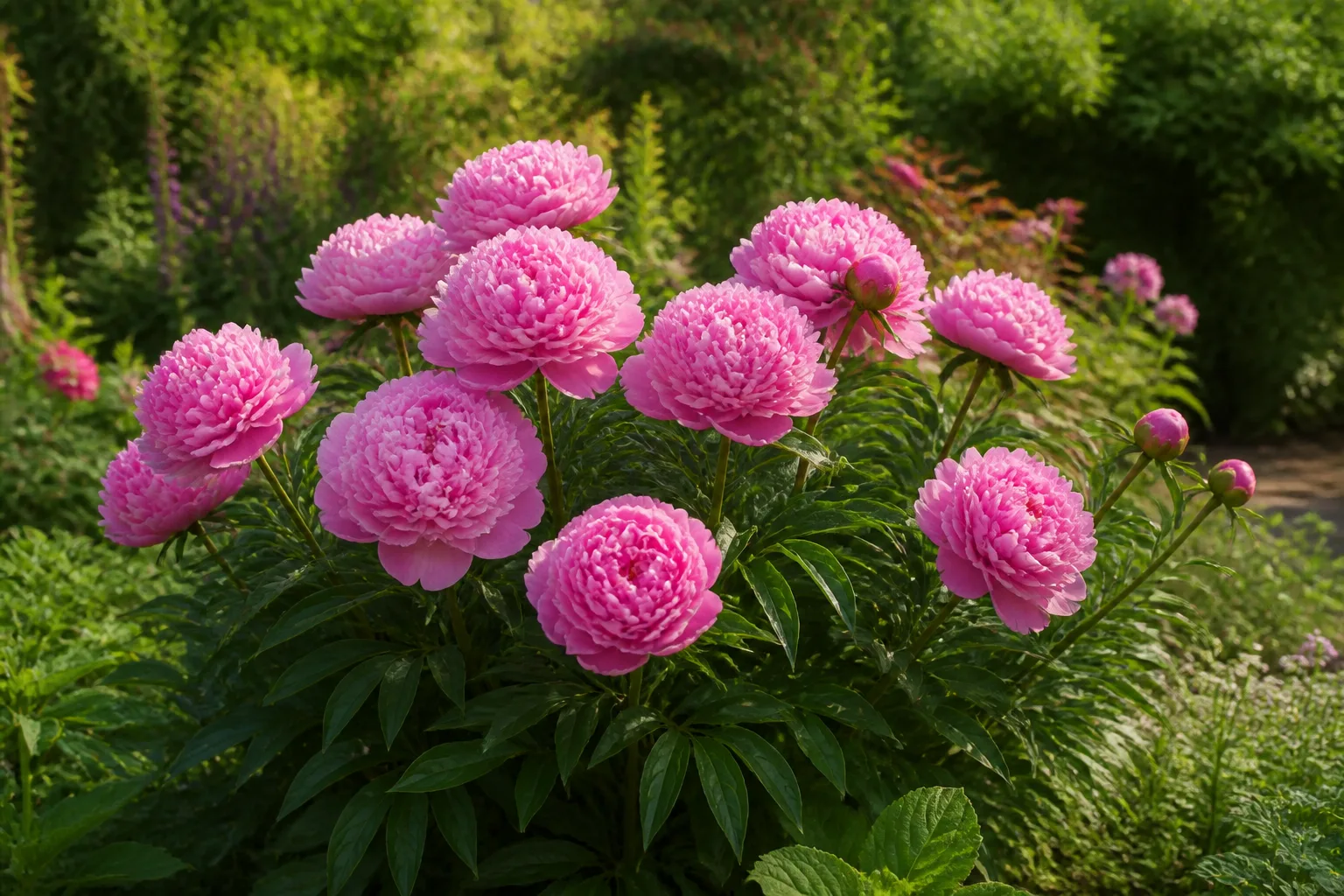
Peonies are the patience test of perennial borders. From seed, first bloom often waits three to five years—sometimes longer—and seedling flower color is unpredictable. Divisions from a friend’s established clump or a nursery-grown potted peony put you two to three years closer to the dinner-plate blooms you actually want.
Fall is the traditional planting window for roots and divisions in cold climates. If you already own a peony, division every five to ten years refreshes the plant and gives you free starts. Seed belongs in hybridizer kits, not in the only sunny bed behind your garage.
Lisianthus and Snapdragons
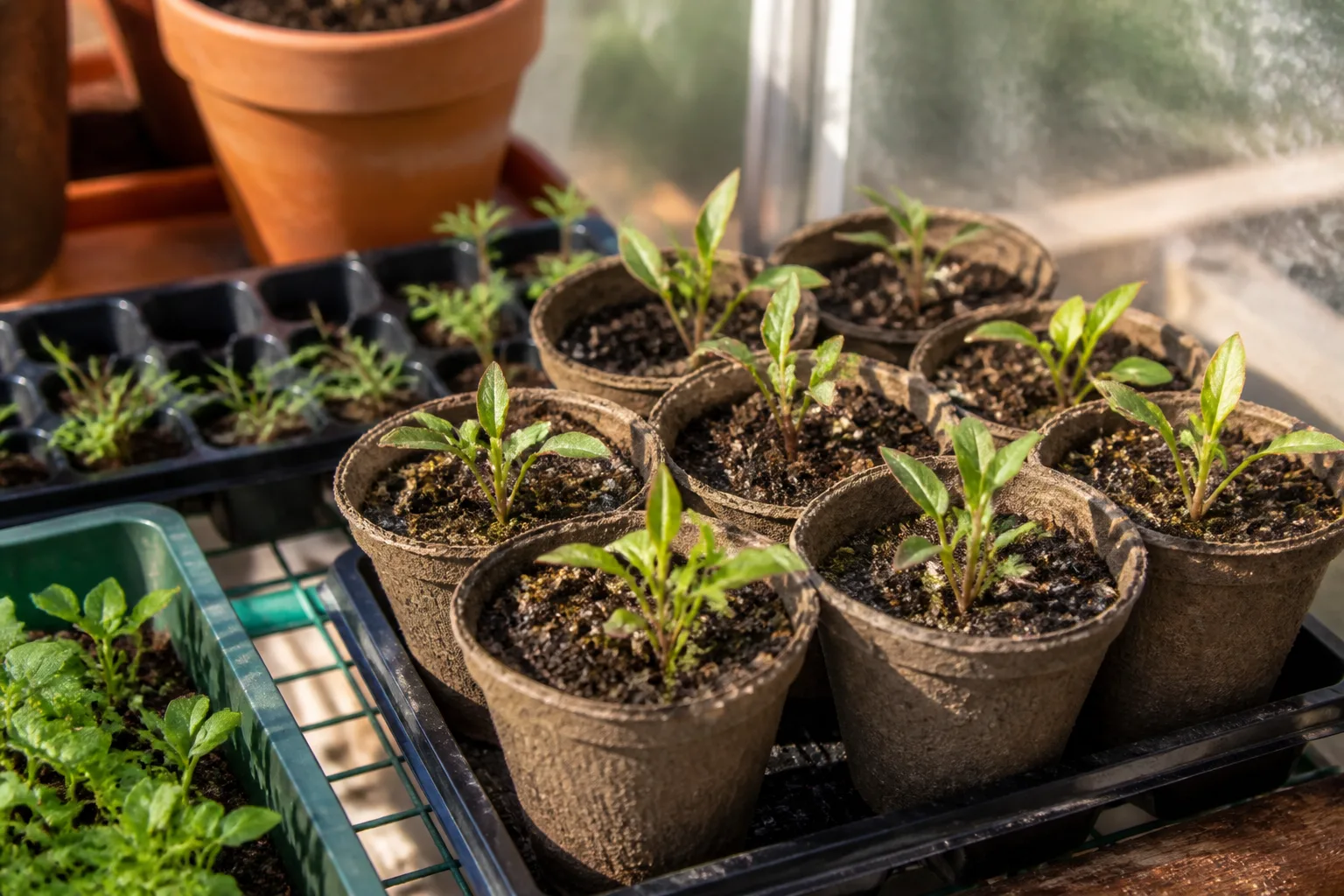
Professional growers start lisianthus in greenhouses for a reason. The crop commonly needs twelve to sixteen weeks from sowing to a transplantable plug—long enough for damping-off, leggy growth, and a blown heating bill. Snapdragons are easier culturally, but their pinhead-sized seed is miserable to sow evenly; one sneeze empties the packet into a single cell.
Unless you love the seed-starting hobby itself, buy spring cell packs of snapdragons when the weather warms. For lisianthus, spring for plugs from a specialty grower if you want those ruffled blooms without a second indoor season. Both are widely available at garden centers in May for less than the cost of a heat mat you bought “for lisianthus only.”
Foxglove
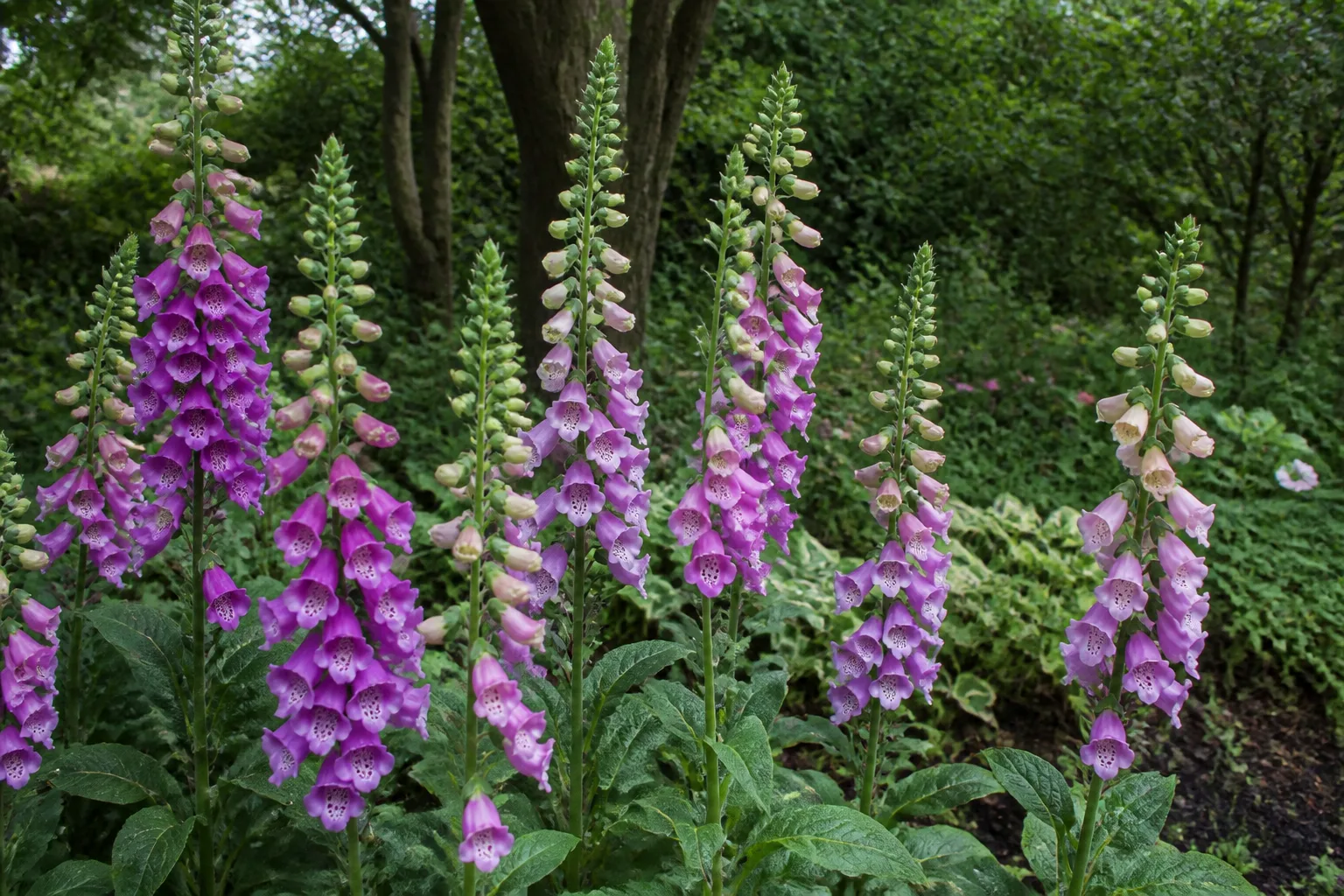
Foxglove is a biennial: foliage one year, flowers the next. Sow seed and you wait—and weed around dust-like seedlings that disappear if the soil surface dries for an afternoon. Nursery plugs or pint pots often flower the first year because growers already did the calendar math for you.
Foxglove is also toxic if ingested; keep kids and pets in mind when placing plants. If you do sow seed, press it on the surface and never bury it deeply. For most gardeners, though, a few purchased plants beat a tray of hopeful green dots.
Lavender
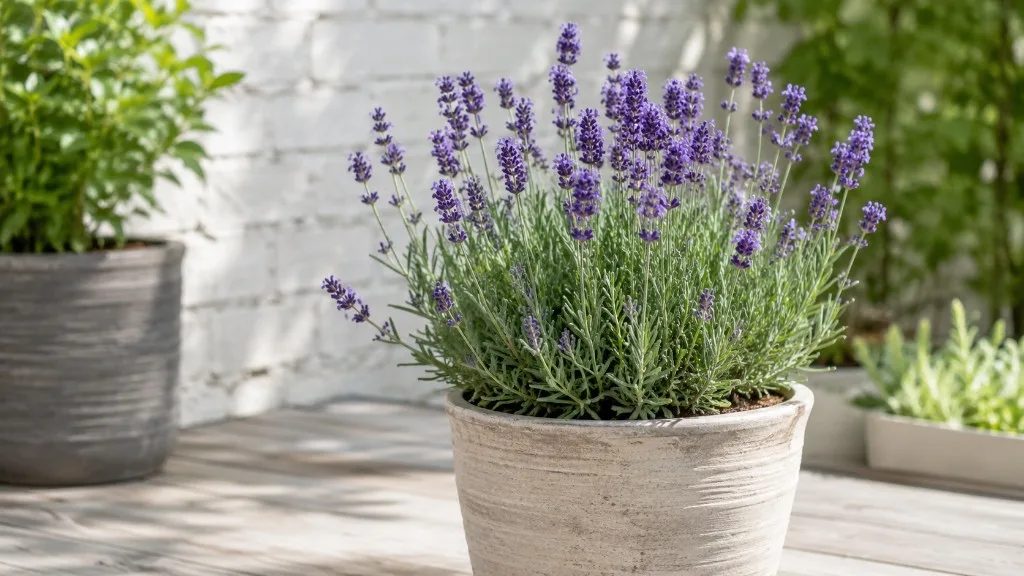
Lavender seed can take two to four weeks to germinate—when it germinates at all—and young plants are sensitive to wet soil and hard freezes. NC State Extension’s plant profile lists seed, division, and cuttings as propagation options, but also stresses sharp drainage and full sun. Buying a named cultivar in a pot lets you match English, Spanish, or lavandin types to your humidity and winter cold.
Stick cuttings in summer if you want more of a plant that already thrives for you. Seed only when you need dozens of plants for a hedge and have time to cull failures.
Succulents and Slow-Germinating Herbs
Succulents
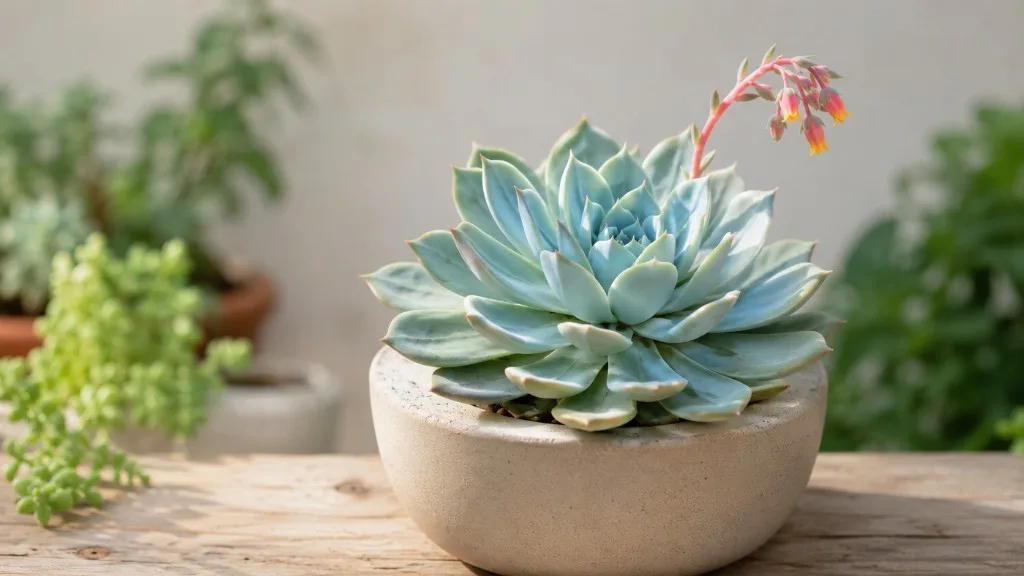
Succulent seed is a specialty trade for collectors. Germination can take weeks to months, seedlings are microscopic, and hybrid offspring may look nothing like the photo that sold you the packet. Meanwhile, a leaf pulled from an echeveria or a offset from a hen-and-chick often roots in days.
For indoor planters, propagate from leaves or pups on plants you already own, or buy one 4-inch pot and divide it over a season. Seed makes sense for rare species you cannot find locally—not for filling a windowsill before summer.
Rosemary
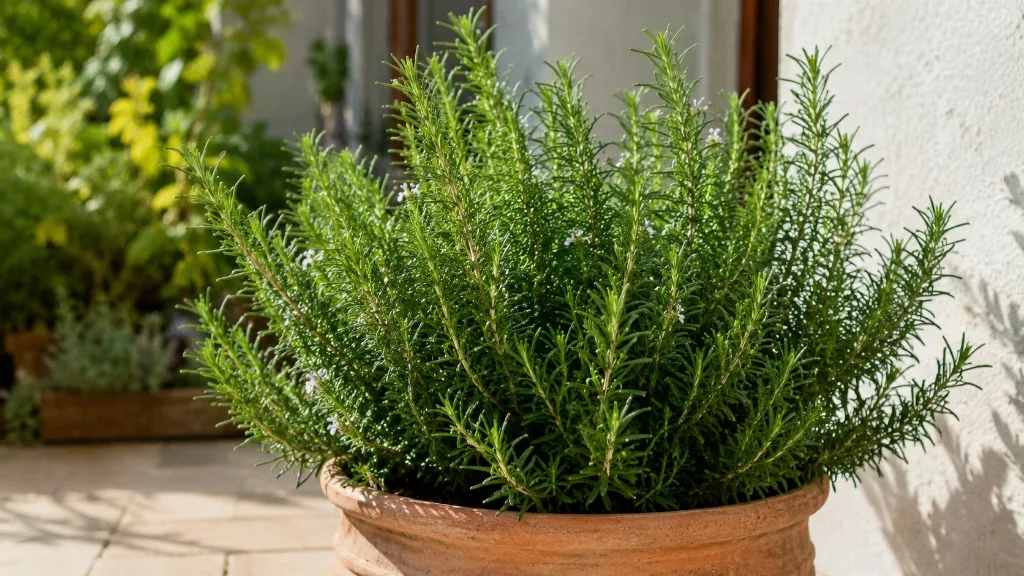
Rosemary from seed is the herb-garden trap. The RHS grow-your-own guide is blunt: plants from seed can take several years before they are large enough to harvest regularly. Semi-ripe cuttings in summer root reliably and give you a known cultivar on a faster clock.
Buy a small pot in spring if you do not have a donor plant. In marginal climates, choose a hardy variety and plant in spring after the soil warms. Rosemary earns its place in the kitchen; it does not earn four months under a grow light when a $4 start is sitting at the garden center.
Vegetables That Grow From Slips, Tubers, and Bulbs
These crops are botanically capable of producing seed. Home and market gardens nonetheless propagate them vegetatively because it is faster, truer to type, and how regional varieties are maintained.
Sweet Potatoes
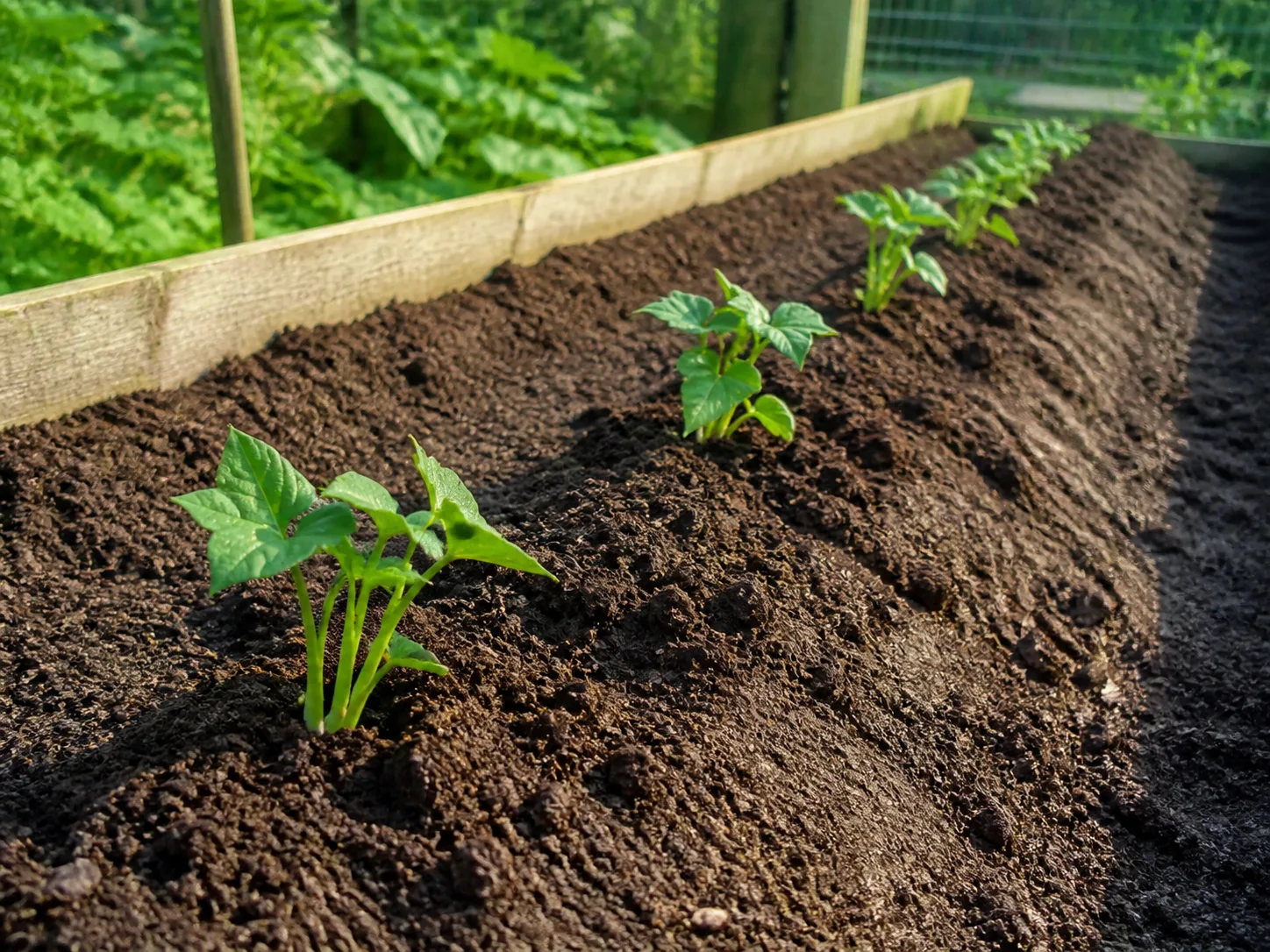
Sweet potatoes are not grown from seed in backyard beds. They are grown from slips—shoots sprouted from a stored root. True seed exists for breeding work, but it is rare and unreliable for food production. The Just Grow Something podcast notes that many growers still buy slips in quantity even when they know how to produce them, simply because commercial trays deliver uniform plants on schedule.
Start slips indoors six to eight weeks before planting, or buy bundles when the soil stays above 60°F. Our full walkthrough—water versus soil methods, separation, hardening off—is in how to grow sweet potato slips. Skip the seed catalog entirely for this crop.
Potatoes
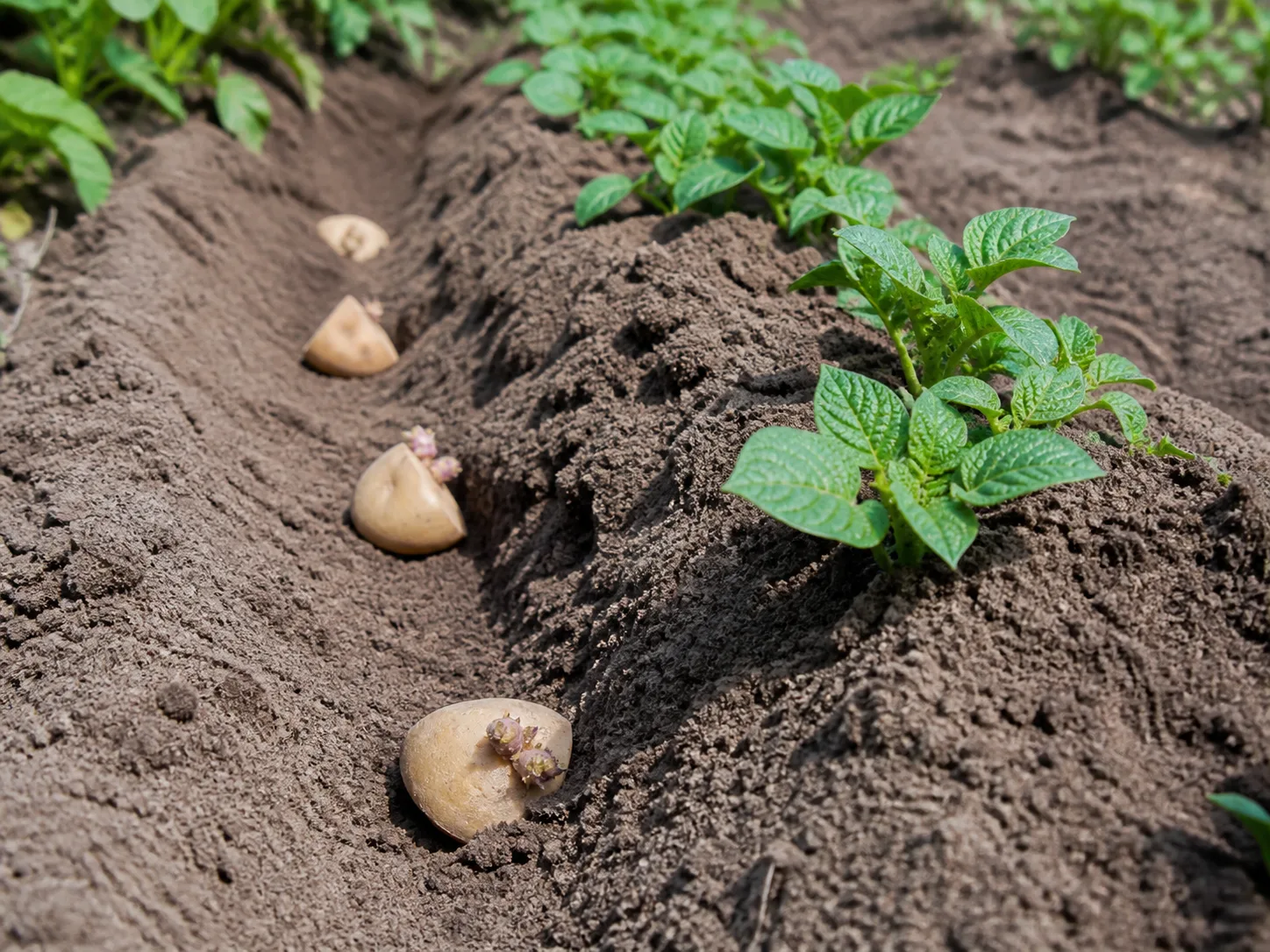
“Seed potato” is industry language for a tubercut with eyes, not a paper packet of true potato seed. Cut certified seed potatoes so each piece has one or two eyes, let the cut surface dry a day or two, and plant eye-up several inches deep. Grocery potatoes may carry sprout inhibitors or disease—certified stock is worth the price.
True potato seed (TPS) fascinates plant geeks and breeders because every seedling is genetically unique. For predictable harvests and familiar varieties, tubers remain the only sensible home-garden path.
Garlic and Onions
Garlic reproduces by planting individual cloves from a bulb. Each clove becomes a new head. Growing from true garlic seed is a multi-year breeding project, not a dinner shortcut. Old World Garden Farms plants its entire garlic crop in fall so cloves root before winter and size up faster in spring—flavor and bulb size beat spring-planted cloves in their trials.
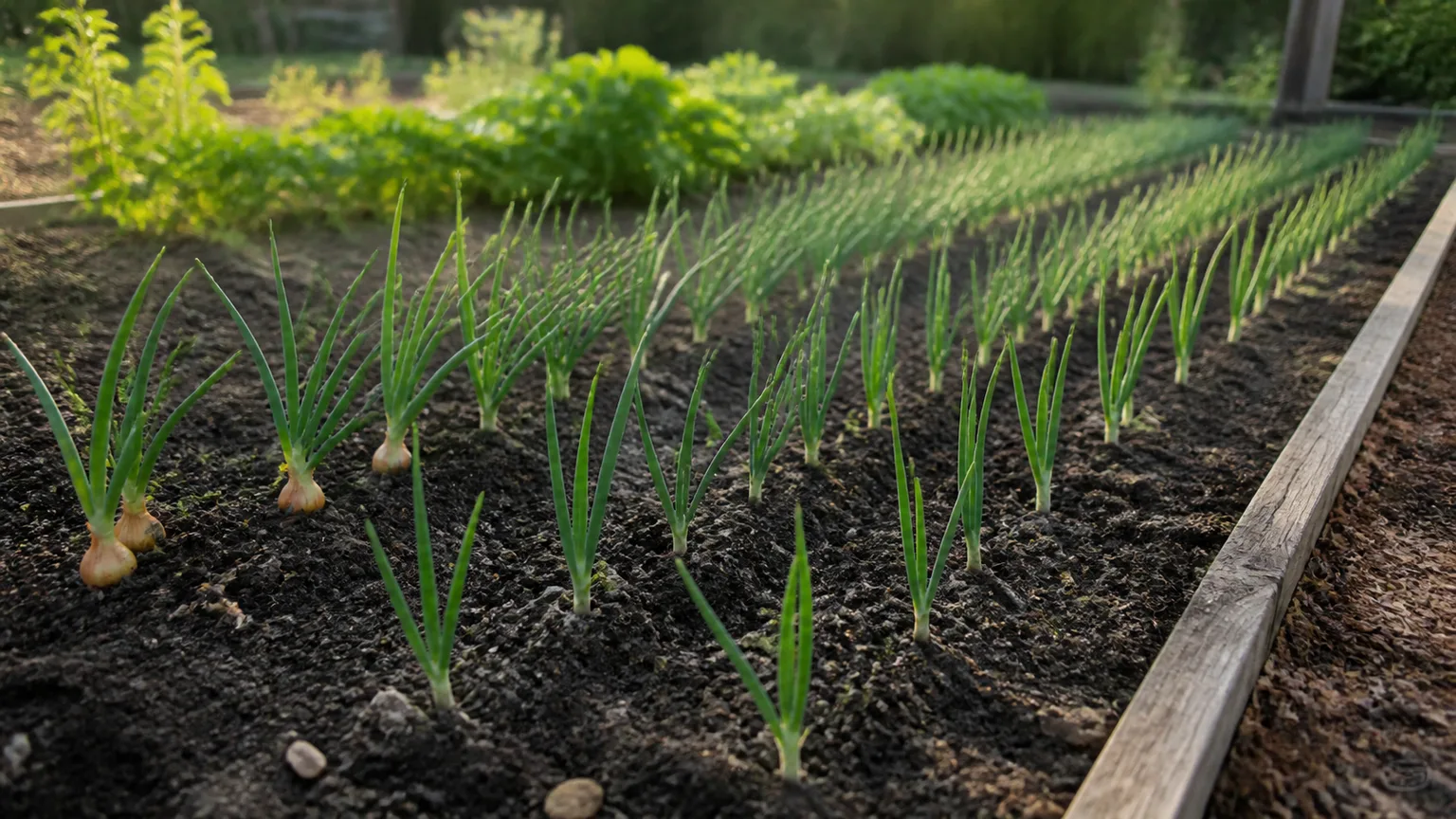
Onions sit on a spectrum. Sets (small dormant bulbs) and transplants give bulb onions a head start; seeds still make sense for scallions, overwintering bunches, or unusual cultivars you cannot find as sets. For big storage onions in short seasons, sets or bundles of bareroot plants beat ten weeks of indoor seedlings. Plant onion sets with the pointed end up, barely covered with soil, and keep beds weed-free—the young plants you did not have to raise are still easily smothered.
Cold Stratification: The Hidden Seed-Starting Tax
Many perennials—echinacea, milkweed, delphinium, rudbeckia, and more—need cold moist stratification: weeks of chilling that mimic winter before they sprout. Without it, seed sits idle and you blame your skills. With it, you are running a mini fridge program for eight to twelve weeks before ordinary indoor sowing even begins.
That is not impossible. It is simply another reason the slow perennials on this list lose to division, plugs, or nursery pots for most home gardeners. If you adore seed-starting science, stratify on purpose. If you want a monarch-ready milkweed patch this year, buy a locally adapted potted plant or root a cutting and start attracting caterpillars while your fridge experiment is still on week two.
Conclusion
Twelve plants, one pattern: match propagation to how the crop is actually grown. Roses, peonies, lavender, and rosemary reward cuttings and purchased plants with known performance. Lisianthus, snapdragons, and foxglove punish casual seed sowing with weeks of fuss. Sweet potatoes, potatoes, garlic, and onions are vegetative crops in real gardens—slips, tubers, cloves, and sets—not forgotten seed packets.
Keep your lights and heat mats for crops that need an indoor head start. For everything on this list, walk past the seed rack, buy the right start, and spend the season you saved on weeding, harvesting, and plants that actually belong in your zone. Your January self will thank you in July.



