Garlic Care Guide: Light, Water & Soil Basics
Allium sativum
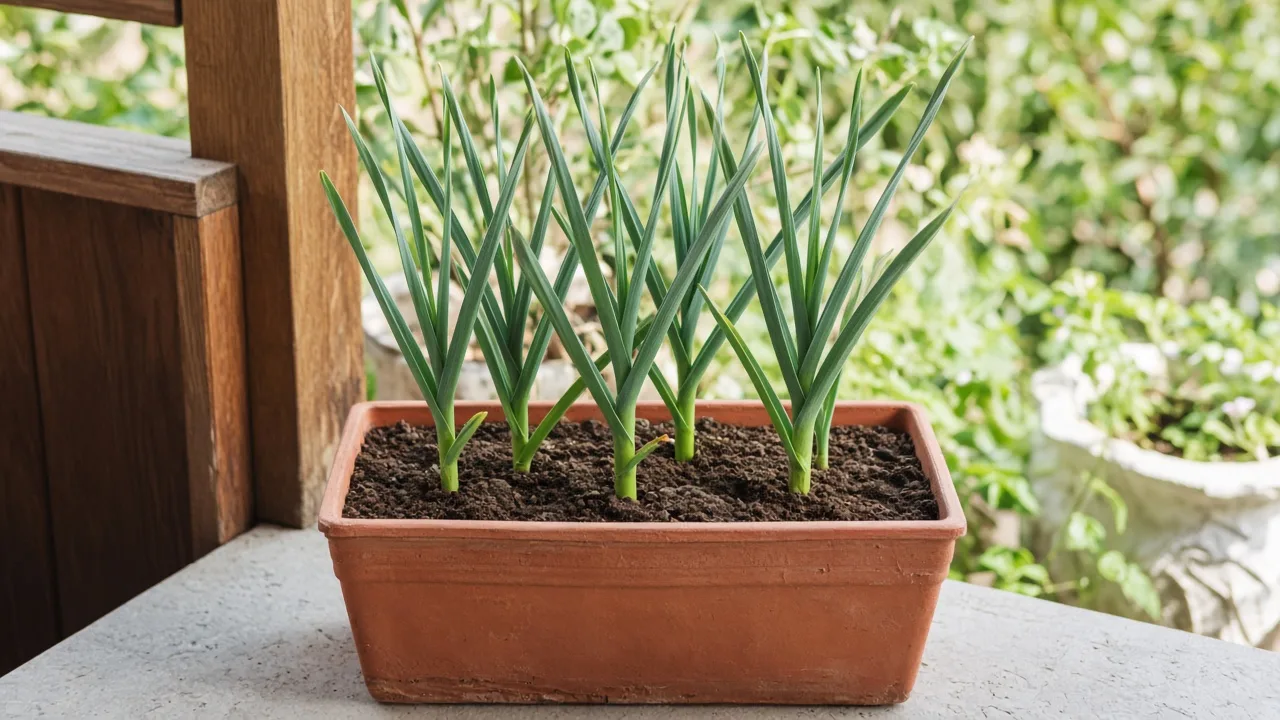
Grow garlic from cloves in deep containers with full sun, well-drained soil, seasonal cold for bulbing, scape removal on hardneck types, and harvest when lower leaves dry.
Garlic Care Guide: Light, Water & Soil Basics
Start with wateringThe most common care mistake for GarlicWatering guide → →Garlic care essentials
Light
Water
Allow the top 3–5 cm of mix to dry, then water deeply so moisture reaches the root zone. Keep evenly moist during active leaf growth; reduce once lower foliage yellows and stop irrigating 1–2 weeks before harvest to limit rot and splitting.
Soil
Loose, well-drained sandy or loamy mix enriched with moderate compost; pH about 6.0–7.0. Avoid heavy, compacted, or constantly saturated media.
Humidity
Temperature
Fertilizer
Feed lightly during active leaf growth if the mix was lean, then stop as bulbs mature. Extra fertilizer cannot replace missing winter chill, poor light, or overcrowding.
About Garlic
Garlic is native to Central or South Asia, typically reaches Flat leaves typically 30–60 cm tall; mature bulbs vary by cultivar and spacing indoors, with slow - often about 8–9 months from fall planting to summer bulb harvest growth. Garlic has a bulb forming perennial usually grown as an annual vegetable growth habit and part of the Amaryllidaceae family. It is also known as Lahsun, Stinking Rose, and Rocambole.
| Detail | Information |
|---|---|
| Also known as | Lahsun, Stinking Rose, Rocambole |
| Native region | Central or South Asia |
| Mature size | Flat leaves typically 30–60 cm tall; mature bulbs vary by cultivar and spacing |
| Growth rate | Slow - often about 8–9 months from fall planting to summer bulb harvest |
| Growth habit | Bulb Forming Perennial Usually Grown As An Annual Vegetable |
| Scientific name | Allium sativum |
| Family | Amaryllidaceae |
Garlic Care Guide: Light, Water & Soil Basics
Garlic care only clicks once you accept the calendar: Allium sativum is a bulb-forming allium usually grown as an annual vegetable, not a quick windowsill herb. Each planting starts from a single clove that slowly swells into a segmented head while flat, blue-green leaves feed the roots below. Success depends on variety choice, planting depth, winter exposure, drainage, and full sun—more than on frequent repotting or heavy feeding.
This overview maps identity, size, light/water/soil basics, planting and harvest timing, scapes, storage, pet safety, and common balcony mistakes. Use the Garlic plant hub for profile fields, then open sibling guides when one variable needs a deeper fix.
What Is Garlic (Allium sativum)?
Garlic—lahsun in much of India—is in the onion family (Amaryllidaceae) and is native to Central or South Asia. The crop is grown for its tunic-wrapped bulbs made of individual cloves, each capable of cloning the parent plant. Leaves are edible in small amounts, but most home growers focus on the underground head.
Botanical identity and kitchen names
The accepted name is Allium sativum. You may see rocambole, silverskin, or artichoke types on seed labels—marketing names that usually map to hardneck or softneck groups. Do not confuse garlic with onion (Allium cepa) or chives; garlic’s flat leaves, long season, and clove planting method are the giveaways.
Hardneck, softneck, and rocambole basics
Hardneck types (A. sativum var. ophioscorodon) send up a stiff central scape and often suit cold-winter gardens where cloves experience cool soil through winter. Softneck types (var. sativum) lack that rigid stalk, store longer, and are often chosen where winters are mild. Rocambole is a prized hardneck subgroup valued for flavor and easy-peel cloves in cool climates.
Match type to your winter pattern before buying seed garlic from a nursery or regional supplier. Grocery bulbs can sprout, but they may carry growth inhibitors, disease risk, or a cultivar bred for another climate—the RHS advises against relying on supermarket stock when predictable bulbs matter.
Growth habit and what to expect in one season
Garlic is a slow root crop. From fall or cool-season planting, expect roughly eight to nine months of growth before mature harvest in many cool-winter schedules—longer than leafy methi or salad greens on the same terrace.
Mature size and months from planting to lift
Flat leaves typically reach 30–60 cm while the bulb develops below. In ground or deep pots, plan for one clove in, one head out when chill, light, and spacing cooperate. Planting too late or skipping the cool establishment window can yield a single round “solo” bulb without normal cloves—a sign the clove never divided properly, as container growers note when planting after the cold window closes.
Garlic is not a houseplant you shuffle between rooms. It needs seasonal outdoor exposure (or a cool garage strategy) so roots establish before heat returns, then full sun through spring leaf growth.
Light, water, and soil at a glance
Treat these three as linked: weak light shrinks bulbs, wet cold mix rots cloves, and shallow pots cramp the root zone.
Full sun and the cool-season bulbing signal
Once spring growth is active, give garlic at least six hours of direct sun daily. NC State lists full sun (six or more hours of direct light) for healthy foliage and bulb sizing. In India, place containers on the brightest open terrace edge, not under deep eaves where monsoon shade lingers.
Most bulb garlic also needs a cool establishment period after planting so cloves divide. In cool-winter regions that means autumn planting; in mild or low-chill areas, choose locally adapted cultivars and supplier timing rather than copying a northern calendar blindly. See the Garlic light guide for winter pot placement, heat stress, and leggy-leaf fixes.
Watering through active growth and dry-down before harvest
Keep mix evenly moist during active leaf growth, checking when the top 3–5 cm dries. Container mix dries faster than in-ground beds on windy rooftops. When lower leaves yellow toward maturity, taper water and stop irrigating one to two weeks before harvest so bulbs finish in drier mix—NC State recommends cutting back on watering before harvest to limit rot.
Winter containers should stay barely moist, not waterlogged—saturated cold mix is a common clove-rot trigger. Details and finger-check rhythm live in the Garlic watering guide.
Soil, pH, and why depth matters in pots
Target loose, fertile, well-drained mix near pH 6.0–7.0. NC State advises loose, fertile, well-drained soil in full sun with mulch to limit weeds. GrowVeg classifies garlic as frost-tolerant and sun-loving in fertile, compost-enriched soil.
Because garlic is a root crop, depth beats width alone. Use planters at least 25–30 cm deep (about 20 cm / 8 inches minimum per many container guides) so roots spread and mix buffers temperature swings. Epic Gardening notes that shallow pots lead to cramped roots and poor yields when growing in containers. Blend quality vegetable mix, modest compost, and grit or perlite for drainage—the Garlic soil guide covers mixes, pH checks, and wet-soil warning signs.
Choosing garlic for your climate
Variety matters more than generic “plant a clove” advice.
Cool winters versus mild or tropical winters
Hardneck garlic often performs best where winters are cold enough for cloves to establish before freeze or sustained cool soil. Softneck types tolerate a broader range and are common where autumn planting still precedes a mild winter. Where hard freezes threaten exposed pots, insulate containers, use frost cloth on hard nights, or move pots to an unheated garage that stays cold but not frozen—strategies container growers use to protect pots through winter without removing the chill signal entirely.
Growing garlic in India and similar climates
On Indian plains and coastal belts, treat lahsun as a cool-season crop in the kitchen garden: sow/plant in the window when nights are moderate and days are bright but not scorching—often autumn through winter in many regions, with regional cultivar advice from local seed sellers. Summer monsoon heat and waterlogged saucers are harder on alliums than a dry, sunny winter terrace.
In Himalayan foothills and other cold pockets, fall-planted hardneck types mirror temperate extension calendars. In warm lowlands, prioritize low-chill softneck or locally sold strains and avoid refrigerating unknown grocery cloves without a deliberate vernalization plan. If persistent heat arrives right after planting, expect smaller heads unless the cultivar was bred for your heat pattern.
Planting cloves in their final container
Garlic resents transplanting mid-season. Plant cloves once in the pot or bed where they will finish.
Spacing, depth, and clove orientation
Separate bulbs gently, leave papery skins on, and set each clove pointed end up, flat basal plate down. NC State recommends planting 5–8 inches (13–20 cm) apart and 2–3 inches (5–8 cm) deep (NC State garlic profile) in loose soil—align with hub guidance of 10–15 cm spacing and 2.5–5 cm cover in containers. Water once after planting to settle mix, then mulch lightly on exposed terraces.
Fall versus spring planting windows
In cool-winter climates, late autumn planting lets cloves establish four to six weeks before the ground freezes, per NC State’s October–November planting window for North Carolina—adjust dates for your latitude. RHS notes garlic is generally planted in autumn to overwinter where a cold spell helps bulb formation.
Mild-winter growers may plant in cool months or follow supplier instructions for spring starts; spring-planted crops may need prior chilling or accept smaller heads. For clove sourcing and division steps, see the Garlic propagation guide and Garlic repotting guide (final container setup, not mid-season moves).
Hardneck scapes and where energy goes
Hardneck plants produce a curled flower stalk (scape) in late spring. Removing scapes while they curl—edible sautéed or pickled—helps redirect energy to the bulb, as NC State notes when advising growers to remove the scape to increase bulb size. Softneck types typically skip this step. Scape timing and cuts are expanded in the Garlic pruning guide.
Harvest, cure, and store sound bulbs
Do not wait until every leaf collapses. NC State suggests harvesting when about half the leaves have started turning brown; GrowVeg advises lifting when about one-third of leaves are dry and lost green color. Brush soil from one test bulb first—if wrappers are intact and cloves are plump, harvest the pot.
Cure lifted plants in a warm, airy shaded spot out of direct sun until wrappers papery, then trim roots and tops and store in a cool, dry, ventilated place—not the refrigerator for long-term storage. Feed lightly during active leaf growth only if mix was lean; see the Garlic fertilizer guide for nitrogen timing without pushing soft rot.
Pet safety and handling notes
Garlic is a kitchen crop, not pet-safe ornament. The ASPCA lists garlic (Allium sativum) as toxic to cats, dogs, and horses, with compounds that can damage red blood cells. Keep potted lahsun and stored bulbs away from pets; contact a veterinarian promptly if a meaningful amount is eaten. NC State also flags low-severity poison characteristics and possible contact dermatitis—wear gloves if skin reacts when handling many cloves.
Common garlic growing mistakes on balconies
Shallow decorative pots top the list—they starve roots and amplify temperature swings. Overwatering cold mix causes sour-smelling rot at the basal plate. Too little sun after spring emergence yields floppy leaves and small heads. Skipping variety match—planting hardneck types where winters never cool—or planting grocery cloves without a plan often produces disappointing bulbs. Harvesting too early or too late sacrifices size or splits wrappers; use the half-brown-leaf cue and a test dig.
When to use this page vs other Garlic guides
Stay on this overview for the full-season map: what garlic is, how long it takes, variety choice, planting depth, sun/water/soil summary, harvest cues, and pet safety. Open a sibling guide when one input is failing:
- Light — weak spring growth, winter pot placement, or sunburn on exposed terraces.
- Watering — rot smell, yellow leaves on wet mix, or dry-down timing before lift.
- Soil — heavy mix, poor drainage, or pH adjustment.
- Fertilizer — pale leaves in lean mix versus oversoft growth.
- Propagation — seed garlic sourcing and clove division.
- Repotting — choosing the final deep container (not mid-season transplanting).
- Pruning — hardneck scape removal and leaf trimming rules.
Related Garlic guides
Use the Garlic hub for watering frequency fields, soil mix ratios, and grower notes in one place. Pair this overview with watering and soil when setting up a new trough, light when spring growth looks pale, and pruning when hardneck scapes appear. Propagation and repotting cover clove prep and final pot depth before you commit cloves for the season.
Conclusion
Garlic rewards growers who respect its long cool-season rhythm: matched cultivar, deep drained container, autumn or locally correct cool planting, full spring sun, steady then tapering water, scape removal on hardnecks, and harvest when lower leaves brown—not when the crop looks like dried straw. Keep lahsun away from pets, buy seed stock suited to your winter, and use the cluster guides when a single care lever needs tuning.
How to care for Garlic?
When should you water Garlic?
Allow the top 3–5 cm of mix to dry, then water deeply so moisture reaches the root zone. Keep evenly moist during active leaf growth; reduce once lower foliage yellows and stop irrigating 1–2 weeks before harvest to limit rot and splitting.
- Feel the top inch of mix - Allow the top 3–5 cm of mix to dry, then water deeply so moisture reaches the root zone.
- water when it is dry and the pot feels lighter - Allow the top 3–5 cm of mix to dry, then water deeply so moisture reaches the root zone.
- then soak until excess drains - Allow the top 3–5 cm of mix to dry, then water deeply so moisture reaches the root zone.
- Drain excess water - Allow the top 3–5 cm of mix to dry, then water deeply so moisture reaches the root zone.
What soil works best for Garlic?
Loose, well-drained sandy or loamy mix enriched with moderate compost; pH about 6.0–7.0. Avoid heavy, compacted, or constantly saturated media.
- 70% quality vegetable potting mix - Loose, well-drained sandy or loamy mix enriched with moderate compost; pH about 6.0–7.0.
- 20% mature compost - Loose, well-drained sandy or loamy mix enriched with moderate compost; pH about 6.0–7.0.
- 10% perlite or fine horticultural grit - Loose, well-drained sandy or loamy mix enriched with moderate compost; pH about 6.0–7.0.
Grower notes for Garlic
Match the variety to your winter
Garlic is usually planted from cloves, not seed. Hardneck types suit many cold-winter gardens and send up edible scapes; softneck types often store longer and can perform better where winters are mild. Buy disease-free seed garlic from a regional supplier instead of guessing with random grocery bulbs when you want predictable bulbs.
Use a deep final container
Treat garlic as a root crop. Planters at least 25–30 cm deep give roots room and buffer temperature swings better than shallow decorative pots. Space bulb cloves about 10–15 cm apart, plant point-up with the flat basal plate down, and cover with about 2.5–5 cm of mix.
Plant for seasonal cold, not constant warmth
Most bulb garlic needs a cool period after planting so cloves can divide properly. In cool-winter regions, fall planting is standard. In hot or mild-winter climates, choose a locally adapted low-chill cultivar and follow supplier timing rather than refrigerating unknown cloves without a plan.
Full sun through the long season
Once shoots appear in spring, move containers to at least six hours of direct sun daily. Weak light produces floppy leaves and smaller heads. Protect pots from severe freeze-thaw exposure in winter without moving the crop into a heated room that removes its seasonal chill signal.
Harvest when lower leaves brown, not when every leaf collapses
Bulb size is set over many months. Cut hardneck scapes while they curl if you want energy directed to the underground head. When several lower leaves have dried but upper foliage is still partly green, brush soil from one test bulb; harvest the crop before wrappers split from waiting too long.
Pet-aware note for Garlic
Garlic is a kitchen crop, not a pet-safe ornamental. The ASPCA lists Allium sativum as toxic to cats, dogs, and horses because allium compounds can damage red blood cells. Keep planted pots and stored bulbs out of reach, and contact a veterinarian promptly if a pet eats a meaningful amount.
Toxic to cats and dogs
Garlic (Allium sativum) is toxic to cats and dogs per the ASPCA. Allium ingestion can cause vomiting and red-blood-cell damage. Keep plants and stored bulbs away from pets.
Culinary use does not make garlic safe for pets. Allium species contain compounds that can cause hemolytic anemia in cats, dogs, and horses. Prevent access to cloves, leaves, and stored bulbs.
Watering Garlic
For Garlic, feel the top inch of mix; water when it is dry and the pot feels lighter, then soak until excess drains and water check containers every few days in active growth; taper as foliage senesces near harvest. Keep winter containers barely moist, not waterlogged; increase checks in warm, windy spring growth; dry down before lifting bulbs.
| Detail | Information |
|---|---|
| How often | Check containers every few days in active growth; taper as foliage senesces near harvest |
| How to check | Feel the top inch of mix; water when it is dry and the pot feels lighter, then soak until excess drains |
| Seasonal changes | Keep winter containers barely moist, not waterlogged; increase checks in warm, windy spring growth; dry down before lifting bulbs |
Signs of overwatering
- soft or mushy cloves at the base
- yellowing leaves while mix stays wet
- sour smell from saturated container mix
Signs of underwatering
- thin, curling leaf tips
- stalled spring growth in an otherwise sunny pot
- very light pot weight between expected waterings
Soil & potting for Garlic
Use a mix of 70% quality vegetable potting mix, 20% mature compost, 10% perlite or fine horticultural grit for Garlic. Free drainage is essential; wet cold mix is a common cause of clove rot in containers. Target soil pH around 6.0–7.0. Repot no routine repotting - plant individual cloves in their final deep container or bed at the start of the season, ideally in fall in cool-winter regions; follow local timing for mild-winter or low-chill cultivars.
| Detail | Information |
|---|---|
| Recommended mix | 70% quality vegetable potting mix, 20% mature compost, 10% perlite or fine horticultural grit |
| Drainage | Free drainage is essential; wet cold mix is a common cause of clove rot in containers |
| Soil pH | 6.0–7.0 |
| Repotting frequency | No routine repotting - plant individual cloves in their final deep container or bed at the start of the season |
| Best season to repot | Fall in cool-winter regions; follow local timing for mild-winter or low-chill cultivars |
Signs it needs repotting
- cloves were planted in a pot shallower than about 25 cm
- drainage holes are blocked or the pot sits in standing water
- you need a larger trough to space cloves 10–15 cm apart
Humidity & temperature for Garlic
Fertilizer & pruning for Garlic
Use feed lightly during active leaf growth if the mix was lean, then stop as bulbs mature. Extra fertilizer cannot replace missing winter chill, poor light, or overcrowding. for Garlic.
| Detail | Information |
|---|---|
| Fertilizer type | Feed lightly during active leaf growth if the mix was lean, then stop as bulbs mature. Extra fertilizer cannot replace missing winter chill, poor light, or overcrowding. |