Garlic Soil Guide for Beds and Deep Containers
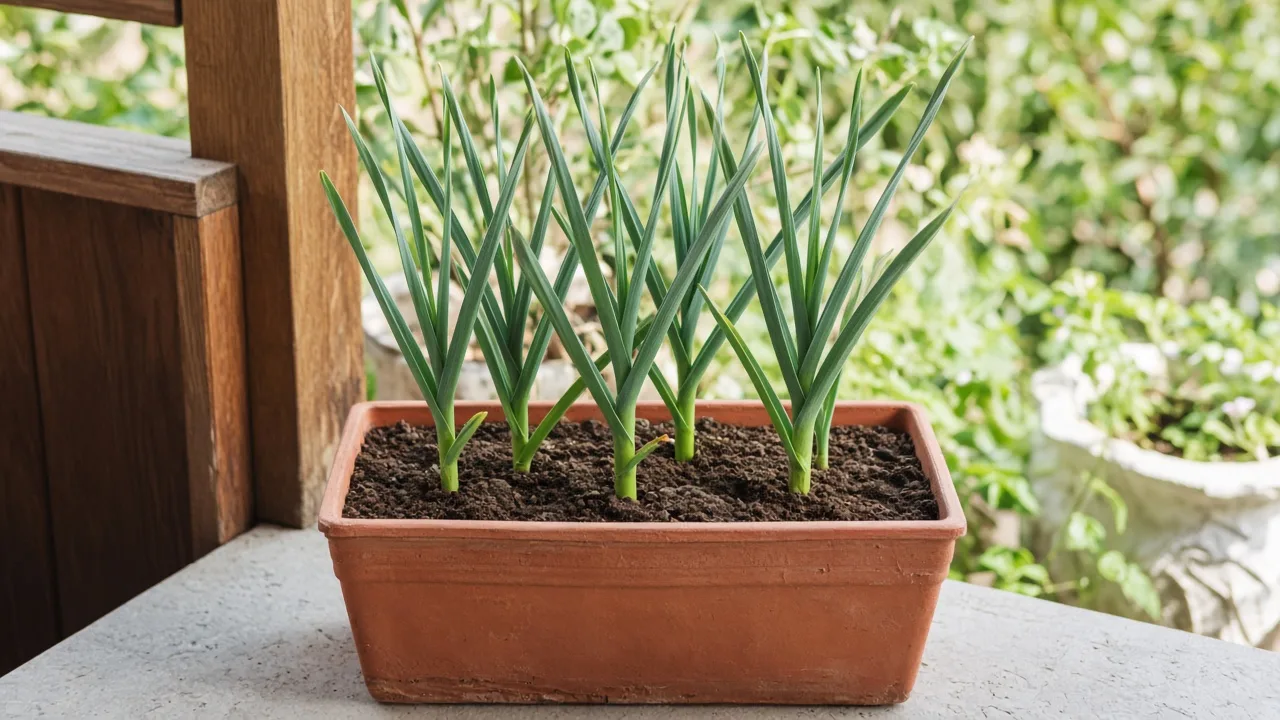
Garlic Soil Guide for Beds and Deep Containers
Garlic Soil Guide for Beds and Deep Containers
Garlic (Allium sativum) spends most of its life with a clove sitting in cool, moist soil while roots and a swelling bulb develop underground. Lahsun is not a tropical foliage plant you can park in moisture-retentive houseplant mix and “fix later” with repotting. You plant cloves once in their final bed or deep container, then live with that root zone for eight months or more. If the medium compacts, stays saturated through winter, or dries out unevenly in a shallow pot, you get rot, solo bulbs, or small heads—not a second chance to swap soil mid-season.
This page covers texture, organic matter, pH, containers, and drainage for garlic only. For how often to irrigate through leaf growth and dry-down before harvest, use the Garlic watering guide. For the full seasonal picture, start with the Garlic overview.
What garlic roots need from the soil
The RHS grow-your-own guidance describes garlic as suited to a warm sunny site with well-drained soil. Wet ground—especially after autumn planting—is a disease risk for cloves that must sit in place all winter. Wisconsin Extension puts the same idea in grower language: garlic does best in full sun in well-drained soil high in organic matter, with bulb expansion impeded in heavy clay that dries hard and in light sand that may need extra moisture early in the season.
Bulb expansion below, leaves above
Each clove sends roots from the flat basal plate while the pointed end produces leaves. The underground head needs loose, aerated mix so new cloves can push apart without fighting concrete-like clay or a waterlogged root ball. NC State’s Allium sativum profile lists loose, fertile, well-drained soil in full sun—fertility matters, but structure determines whether roots breathe between waterings.
Why drainage beats “rich” alone
Pure compost, fresh manure, or dense “moisture control” potting soil can hold too much water around a dormant clove in cool weather. That is when soft, mushy cloves and sour-smelling mix show up—often before you ever reach the Garlic fertilizer guide. Aim for moderate organic matter in a crumbly loam or sandy loam texture, not a wet sponge.
The practical pH window for Allium sativum
LeafyPixels hub data targets roughly pH 6.0–7.0 for home garlic, which sits comfortably in the neutral band most vegetables prefer. The RHS notes garlic does not like very acid soil (below about pH 6) and that lime can be applied in autumn or winter if a test shows acidity—only when a test justifies it, not by guesswork on every terrace pot.
When to test instead of guessing
Yellow leaf tips, stalled spring growth, or poor bulb size can come from water stress, compaction, or overcrowding—not pH alone. Wisconsin Extension observes that many varieties show yellow tips even when fertility is adequate, often tied to moisture swings. Fix drainage and depth first; sample the root zone if problems persist after a normal season with good sun and spacing.
Prepare soil before you plant cloves
Whether you garden in ground or in pots, preparation happens before cloves go in. The RHS recommends improving structure and nutrients by digging in about two bucketfuls of well-rotted manure or garden compost per square metre (or mulching ahead in no-dig setups). Use mature compost that smells earthy—not ammonia-hot unfinished kitchen waste that can heat and slump around cloves.
Bed prep and organic matter
Clear weeds and old allium debris, then work organic matter through the whole planting zone, not a single deep hole in unchanged clay. In raised beds on Indian terraces, confirm water exits the base after monsoon storms; a rich top layer over a sealed tray still drowns roots. Spacing and planting depth belong with Garlic propagation—this page stays on mix quality.
The empty-pot drainage test
Fill your planter with the proposed blend, water until it runs from the holes, and watch whether the surface ponds for hours. Squeeze a handful: it should hold together briefly, then fall apart. If water sheets off dry coir or runs down the pot wall while the core stays dry, pre-moisten components before mixing and add more grit or perlite.
Garden beds and raised plots
In-ground garlic benefits from the same principles as containers: sun, drainage, and moderate fertility. GrowVeg’s garlic profile classifies the crop as frost-tolerant and sun-loving in fertile, compost-enriched soil—enrichment should improve tilth, not create a wet blanket over winter-planted cloves.
Compost without waterlogging
Well-rotted manure and compost increase water-holding capacity in sand and open pore space in tired beds. Avoid piling fresh manure against clove depth; unfinished organic matter can burn tender roots and seal the surface. If you practice no-dig, the RHS allows planting into a prepared mulch layer—still choose material that drains and does not mat when wet.
Heavy clay and wet winters
The RHS advises that heavy, wet winter soil makes autumn-planted garlic more disease-prone; in those conditions, starting cloves in modules and planting out in spring may be safer. On a balcony, you rarely “fix” clay—you replace it with a engineered mix in a deep pot. Do not plant deeply into heavy soil in hope of larger bulbs; deep planting in dense clay can worsen rot risk.
Container soil for terrace and patio lahsun
Garlic in pots is common where in-ground space is limited, but pots amplify mistakes. Mix dries faster on windy railings yet can stay cold and saturated through winter if saucers hold runoff.
Why depth matters more than width
Epic Gardening’s container garlic guide stresses that shallow planters lead to cramped roots and poor yields because garlic is a root crop. Choose containers at least about 20 cm (8 inches) deep, with 25–30 cm preferable for full-season bulbs on a terrace—aligned with RHS container guidance of pots at least 25 cm (10 in) deep, using the same clove spacing and depth as in ground.
Drainage holes and saucers
Use open holes in the base, not a decorative layer of stones that short-circuits drainage. After watering or rain, empty saucers so the root ball does not sit in stagnant water—especially during humid spells when transpiration is low. Terracotta and ceramic breathe more than thin plastic that heats in summer; any material works if drainage and depth are right.
A garlic-friendly DIY blend
LeafyPixels hub data suggests a workable container starting point: about 70% quality vegetable potting mix, 20% mature compost, and 10% perlite or fine horticultural grit. Moisten components before blending; the finished medium should drain freely after a soak while still holding moisture in the middle of the pot.
Hub-aligned ratios for pots
Peat-free or coir-based vegetable mixes are fine if you lighten them. Straight bagged “multipurpose” alone often stays too wet for winter-planted cloves on a cool balcony. The RHS specifies peat-free multi-purpose compost for garlic containers when native soil drains poorly—treat that as the base, not the whole recipe, if your climate is humid or your pot is shallow.
Store mixes versus custom blends
Buying a labeled vegetable mix saves time; custom blending lets you tune grit for monsoon season. Either path works when the drainage test passes. You can rough-check proportions with the Soil Mix Calculator if you already use it for other kitchen-garden crops.
Mulch, moisture, and cool-season soil
Mulch moderates temperature swings and weeds but can also keep wet soil wet. Wisconsin Extension recommends clean straw mulch after planting to limit soil temperature fluctuations, then cautions against heavy mulches that prevent spring warming, block moisture entry, or seal in saturation—especially wet leaves, fine sawdust, or uncomposted manures that form a barrier over the mix.
Winter wet mix versus summer dry-down
Garlic roots develop in cool soil after planting; saturated cold mix is the classic clove-rot scenario noted in hub grower notes. Once spring leaves are active, the mix should stay evenly moist but never sodden—details in the Garlic watering guide. As lower foliage yellows toward harvest, dry-down in the root zone matters more than extra compost; stopping irrigation in soggy mix late season invites stained bulbs and disease.
Growing garlic in India and similar climates
On Indian plains and coastal belts, lahsun is often a cool-season terrace crop planted when nights are moderate and days are bright—not through peak summer heat. Soil prep should anticipate monsoon humidity: raised pots, cleared saucers, and grit-heavy blends reduce the chance that winter-planted cloves sit in stagnant water when clouds linger.
Monsoon humidity and saucer rot
After heavy rain, probe below the surface before assuming dryness from a dusty top crust. Coir-heavy mixes may stay wet at the bottom while the top looks pale and cracked. Pair soil aeration with the Garlic light guide so pots sit in full sun once spring growth starts, which helps the mix cycle moisture predictably.
Mild-winter cultivars and leaner mixes
Where winters are mild, softneck or locally sold low-chill types may follow different planting calendars than northern hardneck guides. Soil still must drain; mild winters do not forgive waterlogged cloves. Avoid refrigerating random grocery bulbs without a plan—variety and chill strategy sit in the Garlic overview—but texture and depth rules stay the same.
Wrong soil: warning signs to act on
Soft or mushy cloves at the base with persistently wet mix point to drainage failure or chronic overwatering in cool weather—not a fertilizer shortage. Yellowing leaves while the mix stays dark and wet often signals poor aeration. Sour smell from the container usually means saturated, airless organic matter. Stalled spring growth in an otherwise sunny pot can trace to a root ball that dried into a brick or never drained after winter rains.
Small or solo bulbs after a full season may reflect missed chill, weak light, or shallow pots—but compacted, exhausted mix in the same shallow container year after year is a common terrace mistake. Restart with fresh blend and proper depth rather than adding more compost on top.
When soggy mix meets watering and fertility
Garlic wants consistent moisture during active leaf growth and dryer conditions as bulbs mature. A mix that swings from dust-dry to waterlogged makes both goals impossible. Match your blend’s drainage to finger-check timing in the Garlic watering guide: water when the top 3–5 cm dries, not on a calendar alone.
Feeding cannot rescue cloves rotting in wet cold mix. Once drainage and depth are sound, modest nitrogen during leaf growth is covered in the Garlic fertilizer guide. If you must change containers because the pot was too shallow, that is a replant with new cloves situation—see Garlic repotting for why mid-season moves fail.
When to use this page vs other Garlic guides
Use this soil guide to choose bed versus container mix, interpret pH and organic matter, and fix drainage before cloves go in. Use the Garlic watering guide for irrigation rhythm, the Garlic light guide for sun and winter placement, and the Garlic fertilizer guide for feeding once roots are healthy.
For clove spacing, planting depth, and timing, use Garlic propagation. Hardneck scape removal ties to bulb energy in the Garlic pruning guide. Soil cannot replace variety choice or chill—if bulbs fail after a sound mix, revisit the Garlic overview before adding another compost layer.
Related Garlic guides
The Garlic overview ties together hardneck versus softneck choice, harvest timing, pet safety, and India-friendly planting windows. The Garlic watering guide translates your mix’s drainage into seasonal checks, while the Garlic light guide covers full sun and weak-light recovery.
Container growers should read Garlic repotting for why cloves stay in one deep home all season, and Garlic propagation for seed-garlic sourcing and planting depth. Feeding and scape decisions live in the Garlic fertilizer guide and Garlic pruning guide.
Conclusion
Good garlic soil is loose, fertile, and genuinely well drained—in raised beds, in-ground rows, and especially in deep containers. Aim for moderate organic matter in a sandy loam or improved potting blend, keep pH roughly 6.0–7.0 unless a soil test directs otherwise, and size pots so roots and bulbs have room through a long cool season.
Before you plant lahsun, run one simple check: soak the empty pot or a bed slice and confirm surplus water leaves in reasonable time. If it does not, add grit, fix outlets, raise the root zone, or lighten the mix—then plant cloves into conditions that can stay moist without drowning through winter and spring.