How to Prune Garlic (Allium sativum): Scapes, Leaves
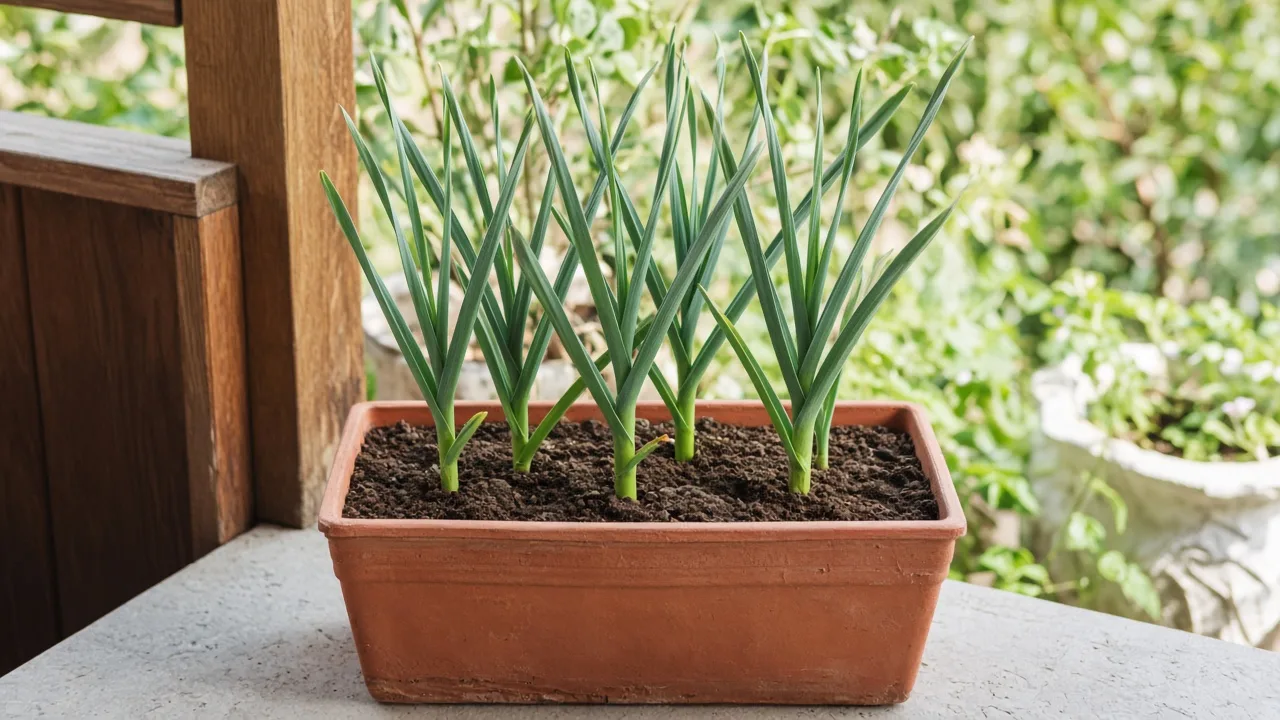
How to Prune Garlic (Allium sativum): Scapes, Leaves, and Safe Harvest Cuts
How to Prune Garlic (Allium sativum): Scapes, Leaves, and Safe Harvest Cuts
First, look at the base of each plant in good light and remove only dead, damaged, or mushy leaf tissue with clean snips. Garlic (Allium sativum) is a long-season bulb crop, not a bushy houseplant—so “pruning” means scape removal on hardneck types, selective leaf cleanup, optional green-garlic pulls, and timing the final bulb lift using foliage cues. Full growing context lives on the Garlic overview.
Quick answer
Garlic does not need shaping cuts on woody stems. For hardneck garlic grown for bulbs, the most important pruning-style task is cutting the curly flowering stalk (scape) while it is still tender so energy stays in the clove head underground. Penn State Extension recommends removing scapes when they are young—cut or snap them where they emerge from the top leaves—and harvesting bulbs when leaves begin to brown with at least four leaves still partly green. Gardening Know How notes scapes typically appear a few weeks before bulb harvest and are best taken when they have curled once or twice. Softneck garlic usually skips scapes entirely; your cuts are limited to damaged foliage and the eventual harvest. Match watering to the season—taper as lower leaves yellow—and give strong light so remaining leaves can finish feeding the bulb.
What pruning does for garlic
Garlic spends most of the year building a bulb below flat, strap-like leaves. Those leaves are the plant’s solar panels; removing too many at once shrinks the harvest you waited eight or nine months to grow.
Pruning-style tasks serve different goals:
| Goal | What you cut | What you leave | Main benefit |
|---|---|---|---|
| Larger hardneck bulbs | Curly scape stalk | All healthy leaves | Redirects energy from flowering to cloves |
| Disease or pest cleanup | Yellow, torn, or slimy leaf sections | Firm green foliage | Slows spread; keeps airflow around stems |
| Green garlic in spring | One or two whole young shoots from a clump | Most plants to continue bulbing | Early kitchen harvest without ending the whole crop |
| Final bulb harvest | Entire plant at lift (not mid-season topping) | — | Mature head with intact wrappers |
Penn State Extension explains that stiffneck (hardneck) types send up scapes in June in its climate; removing them improves bulb size while the scapes themselves are edible. The RHS notes you may also harvest a few green leaves as garnish while plants are still growing, but plants need foliage to form a good bulb—do not treat the pot like a salad bed if you want full heads.
Pruning cannot fix shallow containers, warm rooms without a bulbing strategy, or saturated mix around cloves. It can prevent hardneck scapes from stealing bulb size and keep diseased tissue from touching healthy neighbors in tight patio plantings.
Hardneck scapes vs softneck habits
Only hardneck garlic produces the round, curling scapes that rise above the leaves. Gardening Know How stresses that softneck and elephant garlic will not give you this bonus stalk—so if you planted softneck and see no curls, that is normal, not a care failure.
Left untrimmed, scapes straighten, form bulbils at the tip, and divert resources away from the underground head. Even if you do not cook scapes, snipping them still helps bulb size (Savvy Gardening).
When to prune garlic
Hardneck scape window
Watch for scapes from late spring into early summer, timing varies by climate and planting date. A practical rule from Gardening Know How: expect scapes about three to four weeks before bulb harvest. Cut when the stalk has made one or two loops and still feels crisp—not after it has stiffened and uncurled.
Morning cuts on cool plants reduce wilting if you are collecting scapes for the kitchen.
Leaf cleanup anytime
Remove individual leaves that are fully brown at the tip, frost-burned, or clearly diseased whenever you spot them. Hold off on mass leaf stripping during active spring growth unless you are deliberately harvesting green garlic from a dedicated clump.
Bulb harvest is a “final cut,” not a mid-season prune
Stop thinking in terms of topping the whole plant weeks early. UF/IFAS Gardening Solutions advises harvesting when about half the leaves have dried and bent toward the ground—similar in spirit to watching lower foliage die back while upper leaves still show green. Penn State Extension tightens that to lifting when browning has started but four leaves remain partly green, and warns that late harvest leads to split wrappers.
Reduce watering as this stage approaches so bulbs cure cleaner in the pot or bed.
When not to prune aggressively
- Immediately after planting — cloves need every leaf they can produce after emergence.
- During waterlogged cold spells — damaged leaves may be rot, not a cue to strip the plant bare; fix drainage first (soil guide).
- On plants you want for maximum seed-garlic size — avoid repeated green-leaf harvests on the same individuals.
- Right before a heat wave on newly trimmed plants — finish scape work earlier in the day and keep moisture steady, not flooded.
What to check before you cut
Walk the container or bed with these questions:
- Variety type — hardneck (expect scapes) vs softneck (no scapes). Label at planting.
- Crop goal — full bulbs, scape pesto, or a few green-garlic stems.
- Scape stage — curly and tender vs straight and woody.
- Leaf count and color — how many lower leaves are dry versus still green at the base.
- Stem firmness — soft, sunken bases suggest clove rot; pruning leaves will not save the bulb.
- Tool cleanliness — wipe blades with 70% isopropyl alcohol if you recently cut diseased alliums.
Plan one job per visit when possible: cleanup today, scapes tomorrow once you have confirmed hardneck plants.
Tools and handling
Use sharp scissors, snips, or hand pruners for scapes and leaf tips. Dull blades crush allium tissue and invite rot at the cut. For the final bulb lift, use a hand fork or trowel beside the stem—Epic Gardening warns against stabbing bulbs from above.
Garlic is a kitchen crop but toxic to cats and dogs (ASPCA garlic profile). Bag trimmings and scapes away from pets that chew plants, and wash hands after handling if animals share your patio space.
The first cut to make
After a quick health scan, snip only clearly dead, damaged, or diseased leaf sections at their base or along the blemished portion—leave every firm green leaf intact.
On hardneck plants grown for bulbs, the next cut is the scape: trace the round stalk down to where it emerges from the top leaves and cut or snap it cleanly without twisting or yanking the main stem (Gardening Know How). Pulling risks tearing the pseudostem and stressing the clove below.
Do not start by shaving all leaf tips for appearance, and do not cut the main foliage stalk off at soil level unless you are harvesting green garlic on purpose.
How to prune garlic step by step
1. Remove hardneck scapes (bulb crop)
- Identify the round, curling stalk—not a flat leaf.
- Follow it to the junction with the upper leaves.
- Cut just above the top leaf, using one clean snip (Penn State Extension).
- Collect scapes in the morning for best texture; refrigerate or cook within a few days.
Penn State Extension allows scapes to coil further for kitchen use, but still advises removal before they straighten and stiffen if bulb size is the priority.
2. Trim damaged leaves only
- Lift yellow or brown leaf tips; if damage is limited, trim back to green tissue.
- Remove entire leaves only when they are mostly dead or clearly infected.
- Bag suspect material instead of composting it near clean allium pots.
Stop when the plant still has a full crown of healthy leaves—think spot repair, not hedge trimming.
3. Green garlic harvest (optional)
From an overcrowded clump or a dedicated patch, loosen and lift one or two young shoots in spring, leaving neighbors in place (Savvy Gardening). Use a trowel from the side to avoid snapping the base. This sacrifices those plants’ bulbs but can be worthwhile when you sowed extra cloves for kitchen greens.
4. Final bulb lift (end-of-season cut)
When lower leaves have browned per your variety and climate cues, under-dig the bulb and lift the whole plant. Epic Gardening recommends waiting until lower leaves turn yellow, then checking one bulb before harvesting the rest. Cure in airy shade before trimming roots and tops for storage—details align with the overview harvest notes.
How much you can safely remove
- Scapes: one stalk per hardneck plant, once per season.
- Leaf cleanup: only the damaged portion, or a single fully spent leaf—never most of the foliage at once on bulb-bound plants.
- Green garlic: one or two shoots from a multi-plant clump, not the entire container.
- Bulb harvest: the whole plant at once at maturity—not repeated partial cuts through summer.
If you need more kitchen greens than this allows, plant a separate container at closer spacing rather than stripping bulb crops bare.
Where to cut
| Tissue | Cut location | Avoid |
|---|---|---|
| Scape | Where round stalk meets top leaves | Pulling, twisting, or cutting into the main pseudostem |
| Damaged leaf | Into healthy green tissue above the blemish | Shaving all tips to the same height |
| Green garlic | At soil level after loosening roots | Wrenching sideways and breaking the basal plate |
| Mature bulb | Lift from below with a fork | Pulling only the leaves—they break |
What not to cut
- Every leaf because lower ones yellow naturally near harvest — that senescence is a timing signal, not a call to strip the plant early.
- Softneck “scapes” — they will not appear; searching for curls wastes time.
- The only healthy leaves on a small plant — container garlic already runs on a thin leaf budget.
- Bulbs weeks early because scapes are gone — scape removal starts a countdown, but leaf color still rules lift timing (Penn State Extension).
Aftercare after pruning
After scapes or leaf cleanup:
- Resume even moisture while leaves are still green; follow the watering guide and taper only as harvest approaches.
- Keep six or more hours of direct sun on spring growth (light).
- Avoid heavy fertilizer pushes late in the season when bulbs should be maturing, not pushing soft new leaf.
- Mulch or shade pots lightly only against extreme heat—garlic still needs bright conditions.
After the final harvest, curing and storage matter more than any further pruning.
Recovery timeline and signs pruning worked
Scape removal: Within days, remaining leaves should look upright and healthy; bulbs continue swelling for several weeks. Savvy Gardening describes roughly a month between scape harvest and mature bulbs in a cold climate—your window may differ in warm regions.
Leaf cleanup: New growth should stay green at the center; spread of spots should stop once affected tissue is gone and drainage improves.
Signs you cut well: Firm bulbs at lift, plump cloves, intact wrappers, and scapes that were tender when picked.
Signs timing or severity was off: Split bulbs from late harvest (RHS), very small heads after heavy leaf harvest, woody bitter scapes from waiting too long, or torn stems from pulling scapes instead of cutting.
Mistakes to avoid
- Leaving hardneck scapes on “because they look pretty” when you want maximum bulb size.
- Harvesting bulbs as soon as scapes are gone — leaves still tell the clock.
- Pulling scapes and damaging the neck of the plant.
- Stripping leaves for green garlic from every plant in a small pot.
- Composting diseased allium trimmings beside clean containers.
- Ignoring pet safety — allium trimmings are not pet snacks.
Conclusion
Garlic rewards a narrow pruning mindset: protect leaves, remove scapes on hardneck bulb crops, and read senescence from the bottom up. Your first move is always triage—cut only damaged tissue—then take hardneck scapes at the curl. Softneck growers skip straight to careful cleanup and harvest timing. When lower leaves brown in the right pattern and test bulbs look plump, lift and cure rather than cutting again.