9 Plants You Should Never Buy as Seedlings
Carrots, beans, radishes, and six more crops grow better from seed than nursery packs. Learn why taproots and transplant shock matter—and when seedlings are still worth it.
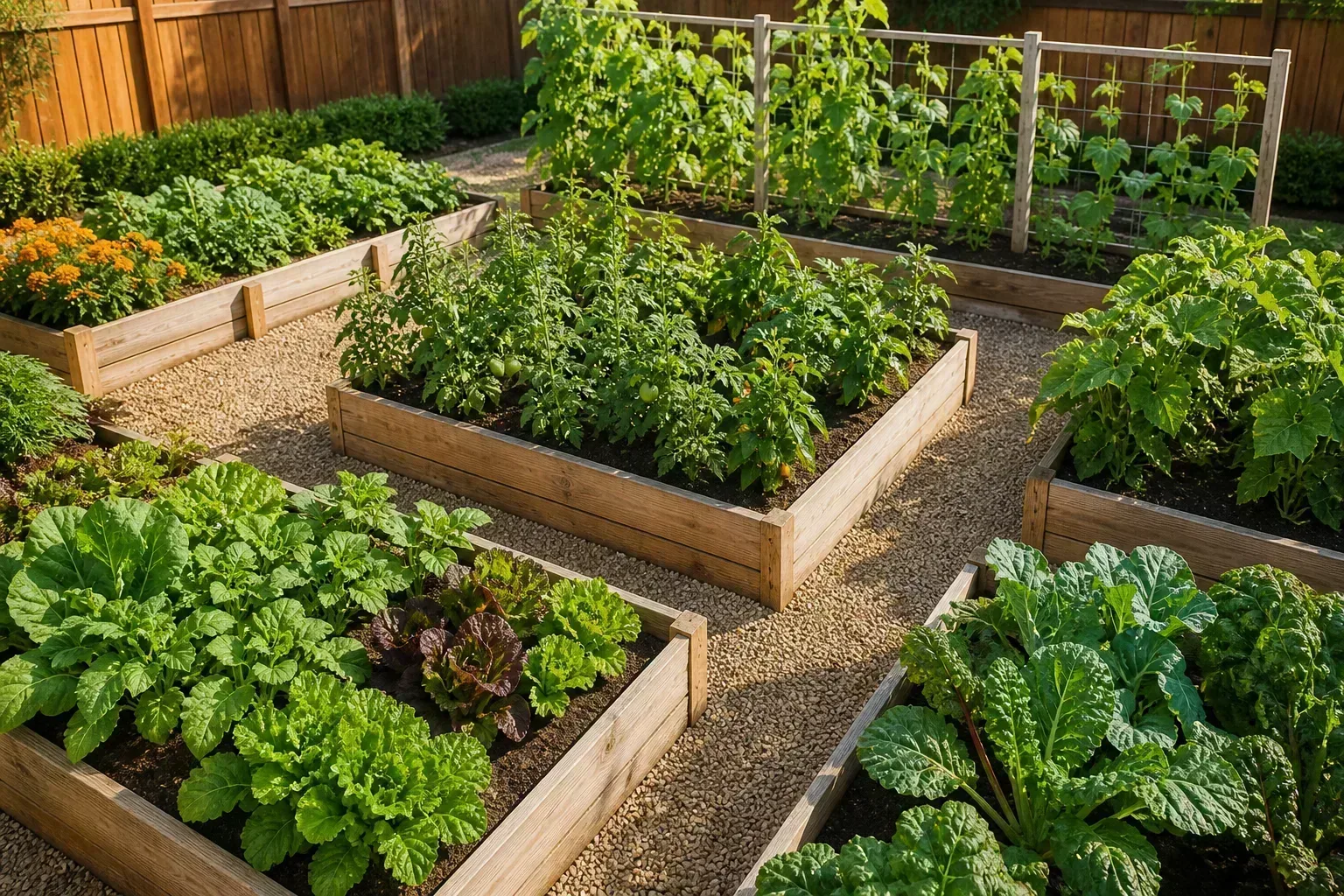
Walk into a spring garden center and the bench is full of tempting seedling packs—neat rows of green bean starts, baby carrot plugs, sunflower cups. The convenience is real. For nine common crops, though, experienced gardeners put those packs back. The plants are cheaper, healthier, and more productive when you direct sow seeds exactly where they will grow.
That is not snobbery about starting seeds indoors. Tomatoes, peppers, and broccoli absolutely earn their transplant trays. The nine crops below are different: they germinate quickly, resent root disturbance, or simply do not make economic sense as nursery starts. Understanding why saves you forked carrots, stunted beans, and grocery-store prices for six plants when a seed packet could give you sixty.
Why Some Plants Hate Nursery Starts
Transplant shock is the catch-all term for the stall that happens when roots are pulled from one environment and jammed into another. Warm-season crops like tomatoes recover because they have weeks of growth ahead and fibrous root systems that regrow. Crops on this list do not get that luxury—they need to hit the ground running.
Taproot Crops vs Transplant-Friendly Vegetables
Vegetables fall into two broad camps. Transplant-friendly crops—tomatoes, peppers, eggplant, most brassicas—benefit from an indoor head start because they germinate slowly and use the extra weeks to build leaf mass before summer heat or fall frost. Direct-sow crops germinate fast, grow from a single dominant taproot, or are harvested so quickly that indoor starting adds work without reward.
Root vegetables are the clearest example. Carrots, radishes, and okra develop long central roots that grow straight down. Disturb that root even once and you get forks, splits, or a plant that sits and sulks. Legumes—green beans, lima beans, and their relatives—have brittle roots that do not forgive being popped out of a cell pack. Leafy greens like arugula are harvested young; every day spent recovering from transplant is a day you are not picking salad.
The NC State Extension Gardener Plant Toolbox states plainly that for carrots, direct seeding is best—transplanting can easily damage the young taproots. That one sentence explains half this article.
Quick Reference: Direct-Sow vs Buy Seedlings
Use this table as a shopping filter. If a crop is in the left column, walk past the seedling bench and head for the seed rack.
| Crop | Buy seedlings? | Why seeds win |
|---|---|---|
| Carrots | No | Taproot forks when disturbed; hundreds of plants per packet |
| Green & lima beans | No | Fast germination; roots hate disturbance; packs hold too few plants |
| Radishes | No | Harvest in 3–5 weeks from seed; transplant wastes time |
| Okra | Almost never | Long taproot; direct sow once soil is warm |
| Arugula & loose lettuce | No | Shallow roots; best flavor when sown in place |
| Nasturtiums | Rarely | Large seeds, easy outdoors; more variety from seed |
| Wildflowers | No | Meadows need density seed packs provide |
| Sunflowers (most) | Rarely | Large seeds; taproot; squirrels love single plugs |
The right column is not theoretical. A typical six-pack gives you six plants. A $3 seed packet of bush beans can plant a 10-foot row. A carrot packet may contain 500–800 seeds. The math alone should change how you shop.
Carrots
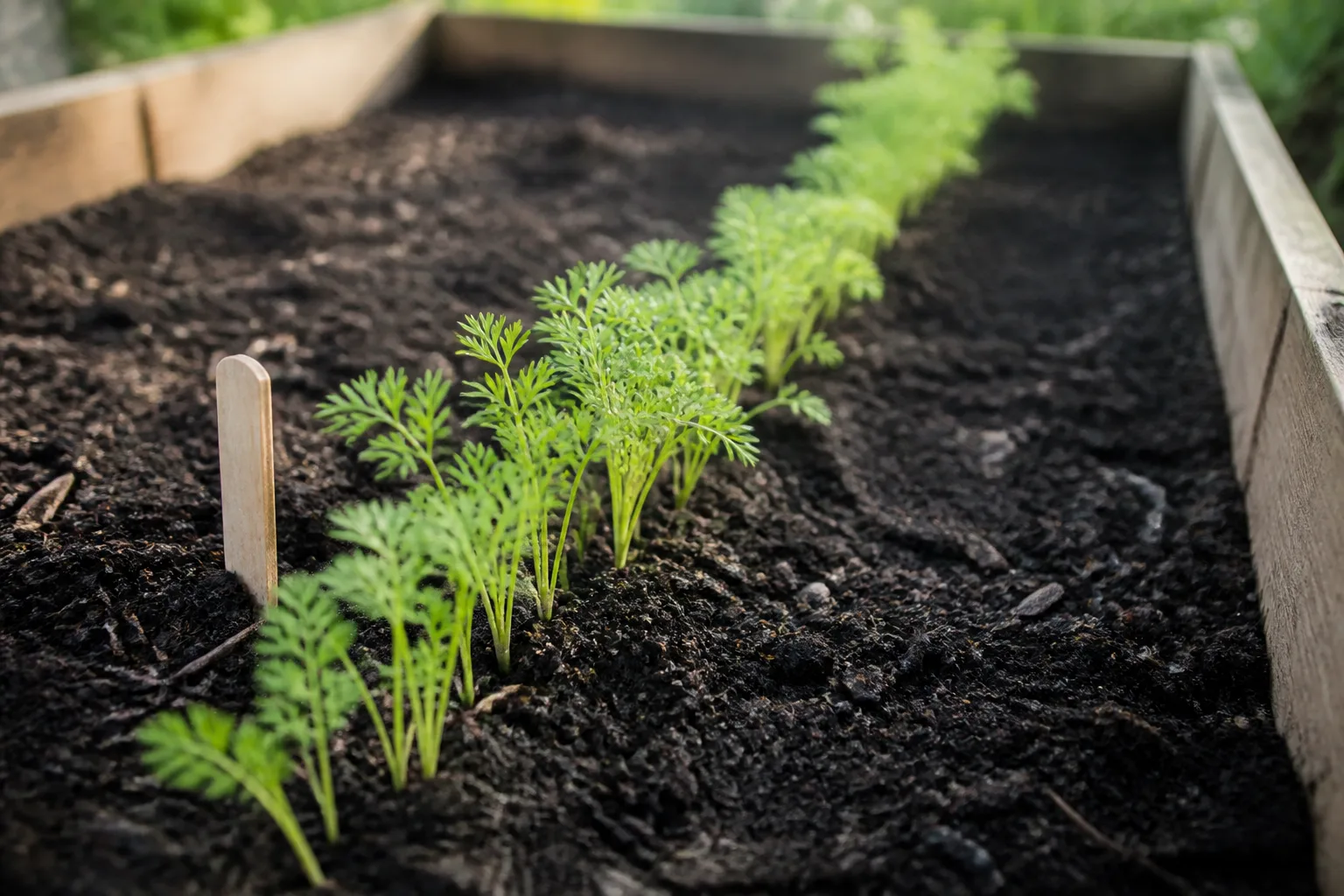
Carrots are the poster child for never buy seedlings. The edible root is the taproot. When that structure is bent, broken, or wrapped around the bottom of a plug, the carrot responds with branching, hairiness, or a stunted nub you will not bother to peel.
What Goes Wrong With Carrot Transplants
Even careful gardeners struggle. Carrot seedlings are feathery and fragile at the two-leaf stage—the exact size nurseries sell. Moving them almost always damages the central root tip that must grow straight. NC State Extension recommends burying seeds a quarter inch deep, thinning to 2–3 inches apart, and accepting up to three weeks for germination. That slow sprout scares beginners into buying starts, but patience beats forked roots every time.
Carrots also need loose, stone-free soil. Transplanting does not fix heavy clay; it just gives you six stressed plants in bad dirt. Prepare a fine seedbed, sow in early spring or late summer for fall harvest when soil is between roughly 40 and 60°F, and keep the surface moist until you see the first frilly leaves. Row cover helps in hot spells and excludes some pests during the vulnerable seedling stage.
If you want variety—purple, yellow, or short Nantes types for containers—seed catalogs beat any garden center shelf. USDA ARS carrot breeding work highlights how much diversity exists in modern seed lines compared with the single orange cultivar most nurseries would bother potting up.
Green Beans and Lima Beans
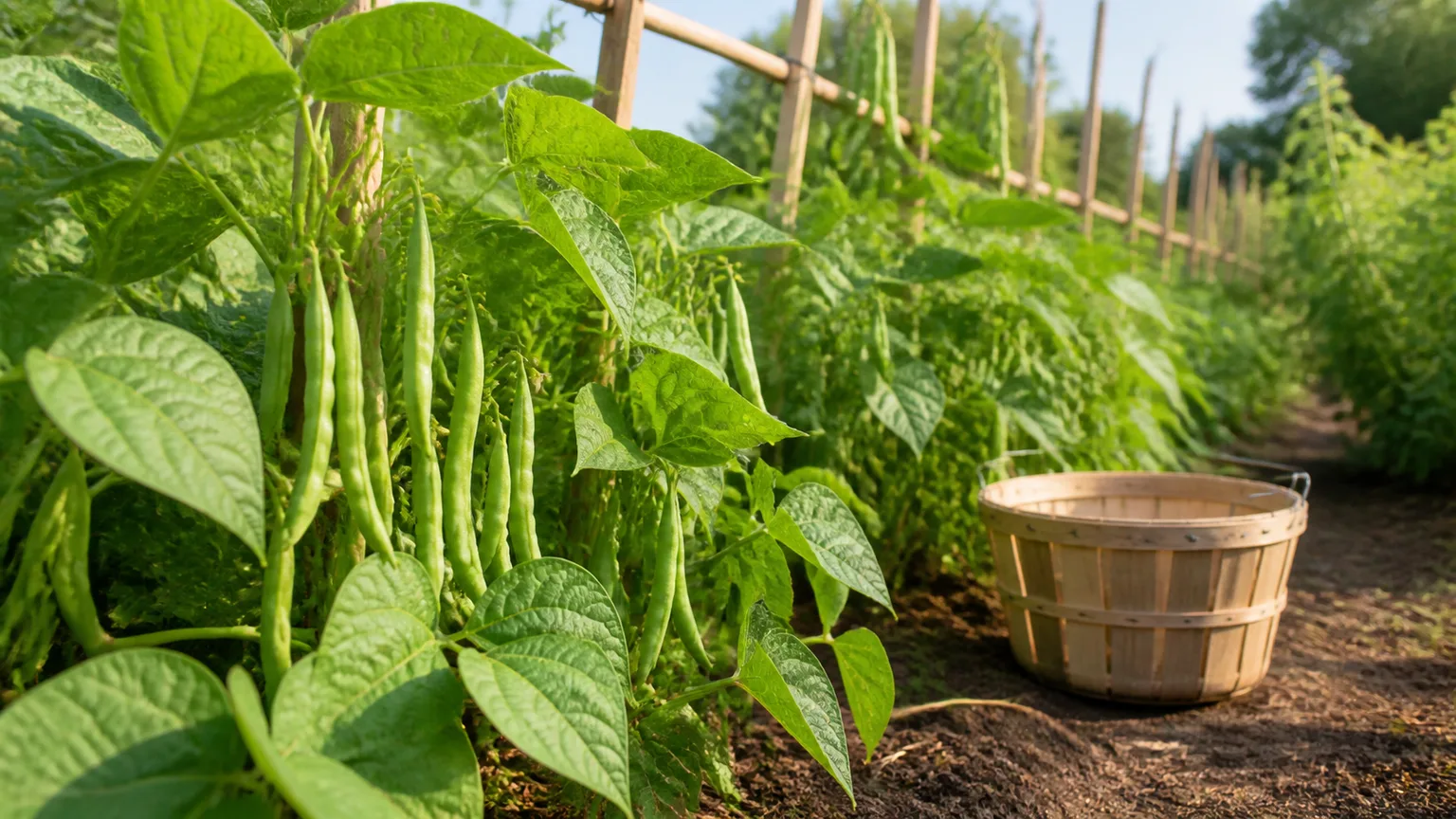
Beans are not shy about germinating. In warm soil, many cultivars pop in less than a week. That speed removes the main reason to start indoors. What remains is downside: bean roots are shallow, brittle, and famously cranky when disturbed.
Bush, Pole, and Shell Beans
This group covers snap beans (green beans), pole beans, lima beans, pinto beans, and most shell beans. They share a dislike of root handling that extension guides and experienced growers repeat every season. Fort Collins Nursery groups carrots and radishes with “speedy” direct-sow crops and notes that combining direct seeding with transplants is normal in short-season climates—but beans still belong in the ground, not in a six-pack.
A garden center may stock bean seedlings because customers ask for them, sometimes double-seeding packs to add value. That is a retail compromise, not a horticultural recommendation. If you do buy them, expect lower yield per dollar and possible stunting for a week after planting. Direct sow after the last frost when soil has warmed above about 60°F. Plant bush beans every 2–3 weeks for succession harvest through summer.
Space bush cultivars 3–4 inches apart in rows; give pole beans a trellis at sowing time so you do not spear roots later. Inoculant powder is optional but can help nitrogen fixation in new beds. Harvest snap beans young and often—the plants produce more when you keep picking.
Radishes
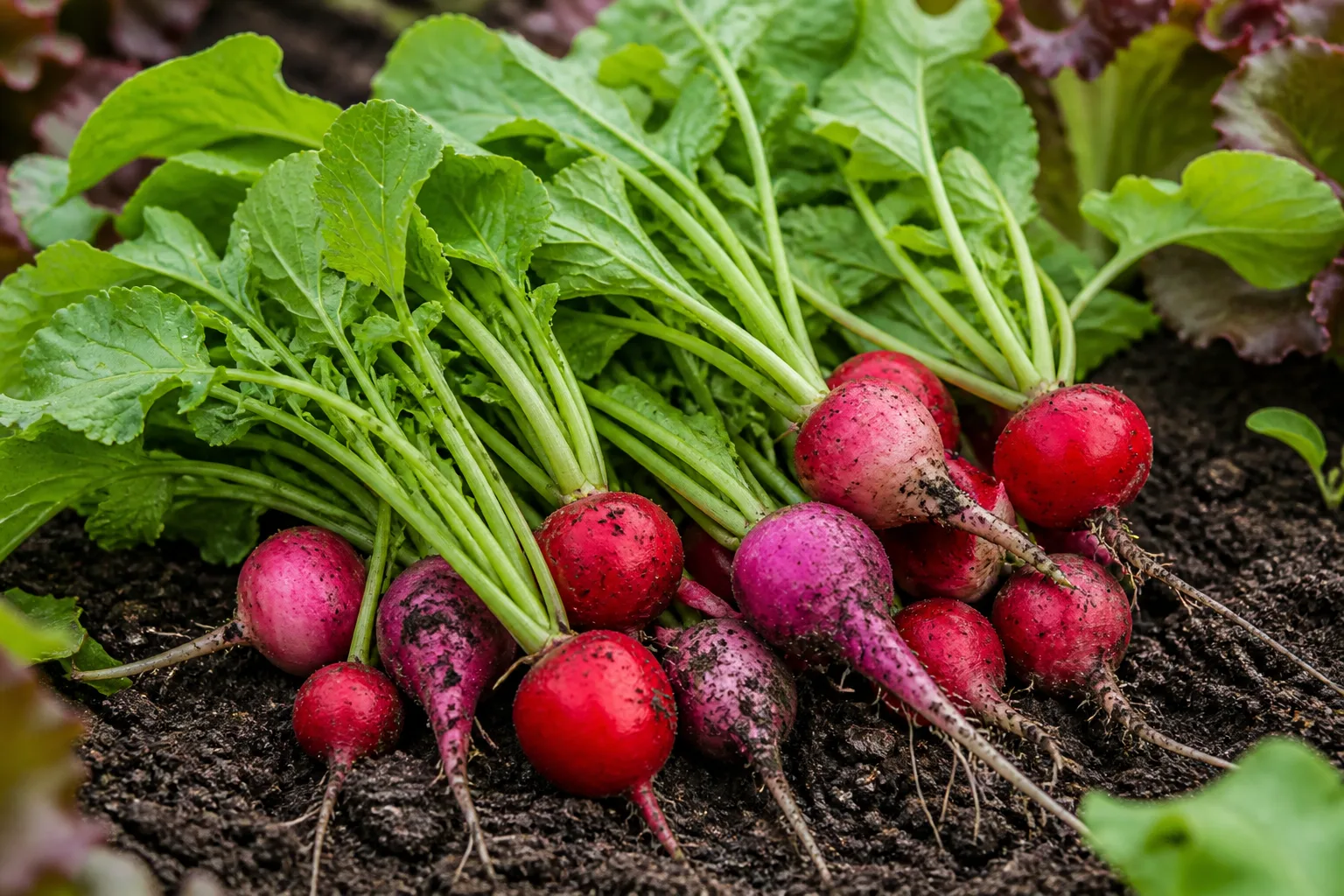
Radishes may be the fastest payoff in the entire vegetable garden. Many round red types mature in 21–30 days from sowing. Starting them indoors and transplanting adds at least that much time back, plus the risk of bolting or pithy roots if they sit in cells too long.
Like carrots, radishes are root crops whose quality depends on an undisturbed taproot. Southern Garden groups radishes with carrots and beets as crops that should never be transplanted because any root damage shows up on the plate. Sow seeds half an inch deep in cool spring or fall soil, thin to 1–2 inches, and water evenly. Hot weather makes radishes bolt and turn woody—another reason not to waste spring on transplant recovery.
Radishes also make excellent row markers for slow-germinating carrots. Sow a band of radish seed at the ends of carrot rows; you harvest the radishes right as carrots need thinning room.
Okra
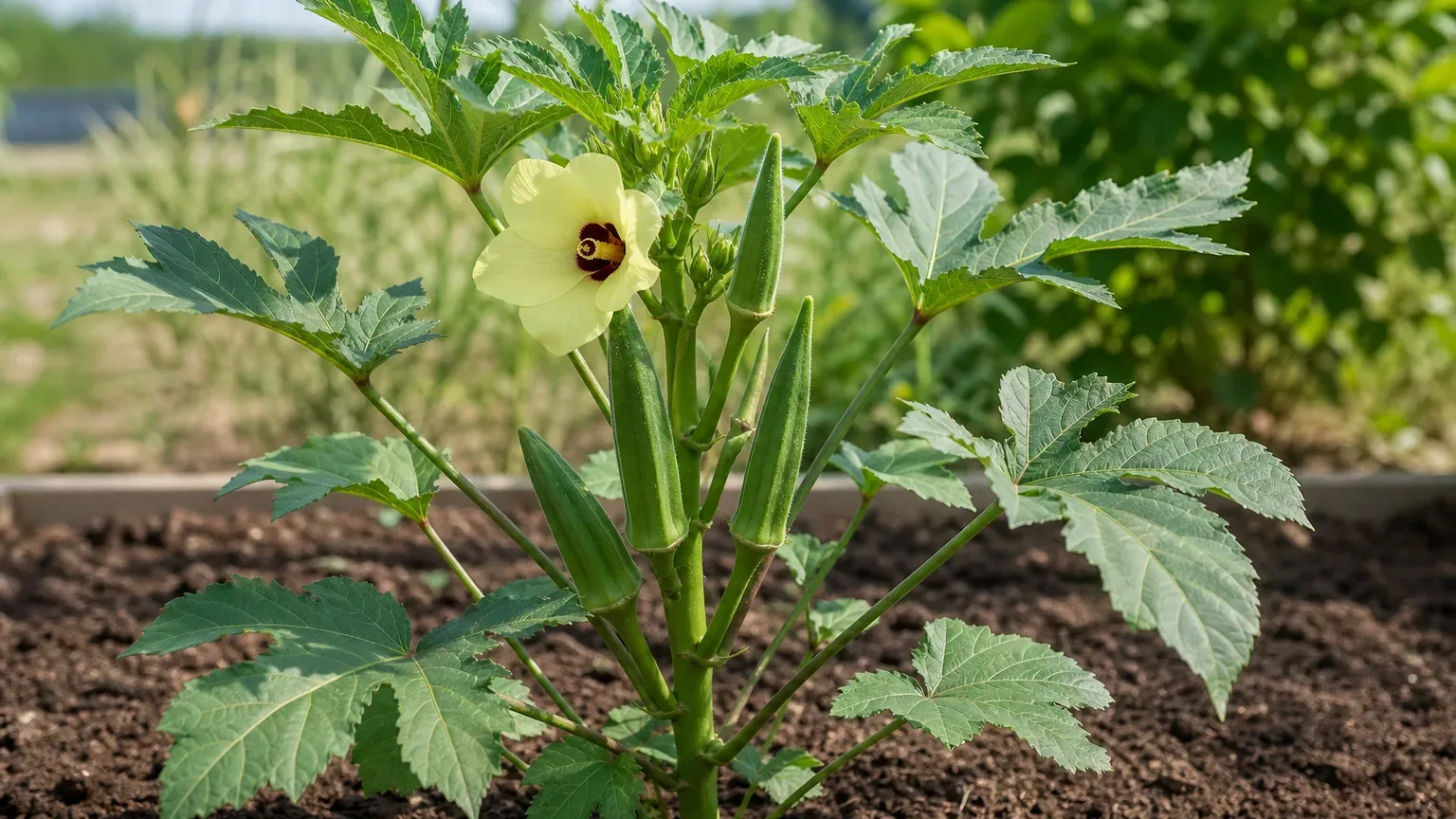
Okra loves heat the way lettuce loves cool air. It develops a long taproot early and grows into a 3–4 foot shrubby plant by midsummer. The NC State okra profile notes you can sow seeds or set transplants after frost—but also that seeds need soil above about 55°F and full sun in moist, rich soil.
Direct sowing wins on simplicity. Wait until nights stay consistently warm—often a week or two after the last frost in the South, later in northern gardens—then plant seeds an inch deep. Thin to 12–18 inches apart. Pods follow in roughly four months; pick at 3 inches before they turn fibrous.
Exception: If you are two weeks late on sowing and find a healthy start at the nursery, transplanting is acceptable. Choose a small plant, not a root-bound monster. Slide the root ball out intact, plant at the same depth, water deeply, and expect a brief pause while the taproot reorients. Gloves help—the leaf and pod hairs irritate skin.
Arugula and Leafy Salad Greens
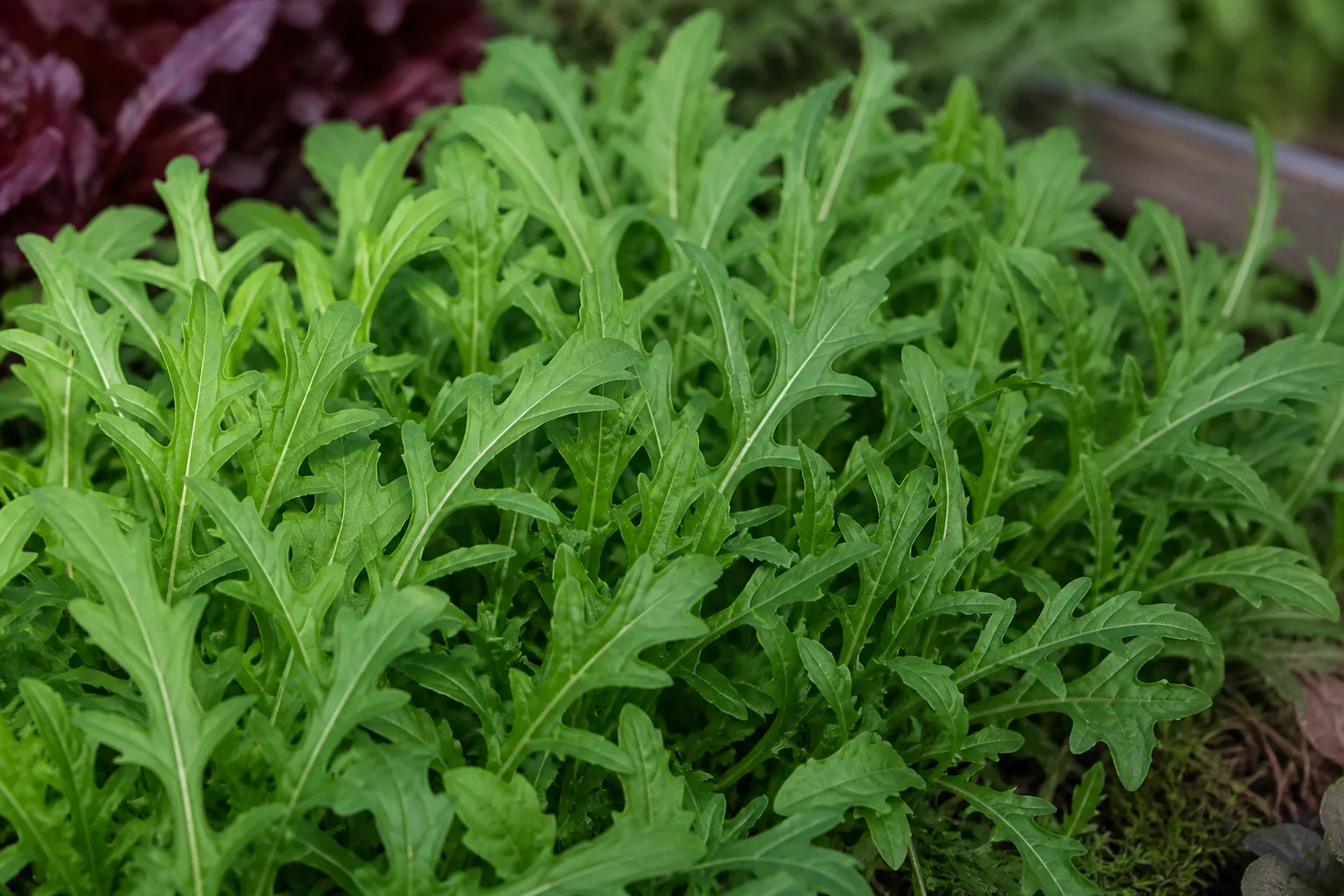
Arugula, loose-leaf lettuce, and mesclun mixes are grown for tender leaves, not head formation. Their roots are shallow and fragile. Transplanting buys you a week of wilted, yellowing leaves while the plant decides whether to live.
Direct sowing where plants will mature gives the freshest, most peppery arugula and the longest harvest window. Scatter seed lightly, barely cover, and keep moist until emergence. In cool weather you can cut outer leaves in as little as three weeks. When summer heat arrives, arugula bolts fast—succession sow every two weeks in spring and again in early fall.
Head lettuces like romaine can be transplanted for uniform spacing in market gardens. For home salad bowls, loose types from seed are simpler and cheaper. If flea beetles shred young leaves in your area, floating row cover over a direct-sown bed beats repeatedly replacing store-bought seedlings.
Nasturtiums
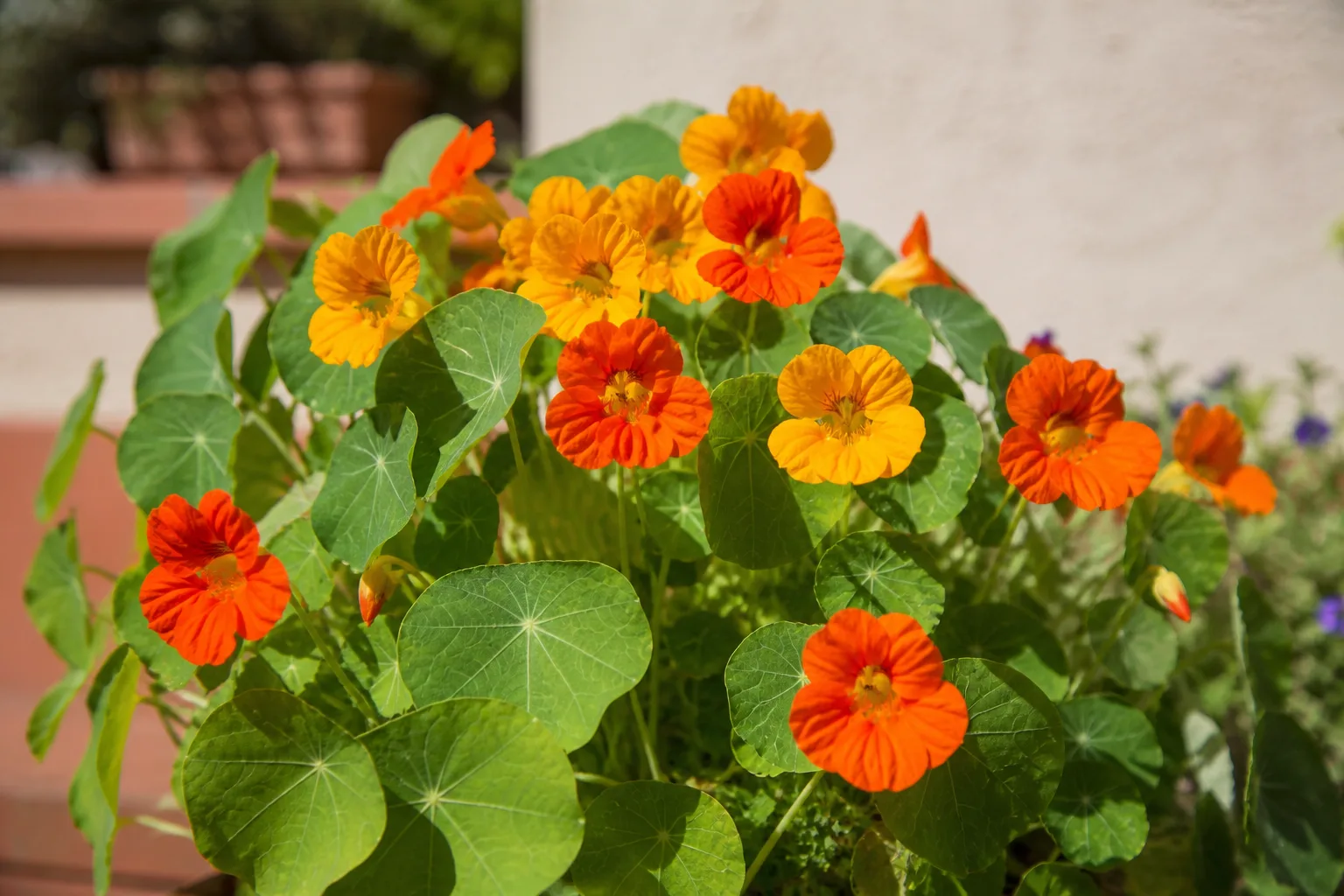
Nasturtiums are large-seeded, eager annuals that germinate outdoors in a wide range of climates. They tolerate poor soil, attract pollinators, and come in trailing or mounding forms seed catalogs describe better than any nursery tag.
Sow after the last frost when soil has warmed, about an inch deep. They sprout in 7–10 days. Buying seedlings limits you to one or two colors in a four-pack when a seed envelope offers mixes of cream, mahogany, and variegated leaves.
Short-season exception: In the Northeast and other areas with compressed summers, some gardeners start nasturtiums indoors four weeks before last frost to get blooms before fall frost. Use deep biodegradable pots and transplant without disturbing roots, or accept that direct sowing after frost still produces plenty of flowers before first freeze. For most gardeners in zones 5–8, outdoor sowing is the default.
Wildflowers

Wildflower plugs and pints look charming at the checkout, but meadows are a numbers game. A single seed packet may contain thousands of seeds blended for pollinators—coneflower, black-eyed Susan, larkspur, poppies, and regional natives you will never find as uniform nursery trays.
Direct sowing in a prepared bed—raked bare soil, good seed-to-soil contact, light mulch or press-in—produces the density pollinators need. Scatter in fall or early spring depending on species; follow the packet’s mix instructions for your region. Transplanting individual wildflower starts into lawn margins works for spot color, but it will not build the drifts bees and butterflies seek.
If you are converting turf to meadow, seed is the only practical path. Plugs make sense only for adding a specific perennial you cannot find in seed form, not for filling a yard.
Sunflowers
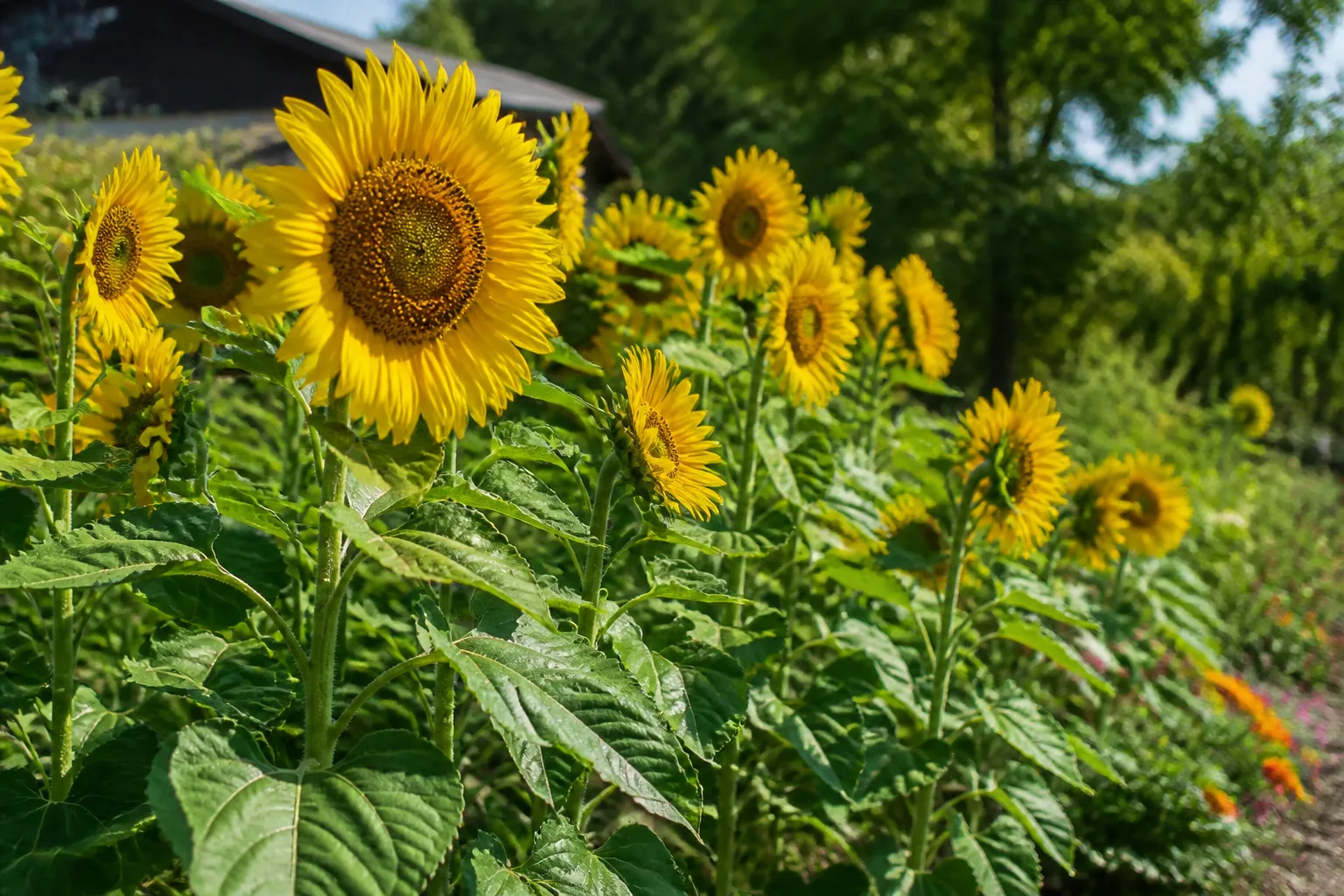
Sunflowers germinate from large seeds in warm soil within days. Their taproot dives deep early to anchor tall stems. Pulling that root through a pot wall and into garden soil invites stunting just when the plant should be racing skyward.
Annual Giants vs Perennial Patches
Most gardeners grow annual sunflowers (Helianthus annuus) for one-season height and seed heads. Sow after frost directly where they will stand—back of a border, along a fence, or in a vegetable plot to shade lower crops. Thin giants to 18–24 inches; leave multi-branching types a bit closer.
Perennial sunflower species exist and spread slowly by rhizome. Here the seedling argument flips: if you want a named perennial clump this year, a potted division can save a season. Annual types—the ones sold as six-foot yellow faces—should still come from seed. Cover freshly sown beds with netting if birds and squirrels treat your rows like a buffet; that pest pressure is another reason dense direct seeding beats a single exposed plug.
When Seedlings Might Still Make Sense
This article is deliberately firm, but gardening is not absolutist. Seedlings earn their place when time, not biology, is the bottleneck.
Short northern seasons: If frost arrives eight weeks after your last frost, a purchased nasturtium or sunflower start can buy bloom time you cannot get from a late direct sow. Choose young plants in deep pots.
Late discovery: You forgot okra until June. A healthy nursery start beats no okra at all—inspect roots, reject pot-bound stock, and plant immediately.
Physical limits: Raised beds on a balcony may use transplanted lettuce for instant spacing while you succession-sow arugula in gaps. That is a layout choice, not a yield choice.
Disability and energy: Direct sowing requires bending, fine seed handling, and daily moisture checks during germination. If seedlings let you garden at all, plant them—just pick crops from the transplant-friendly list elsewhere.
For the nine crops above, treat seedlings as rescue equipment, not the default.
How to Direct Sow Successfully
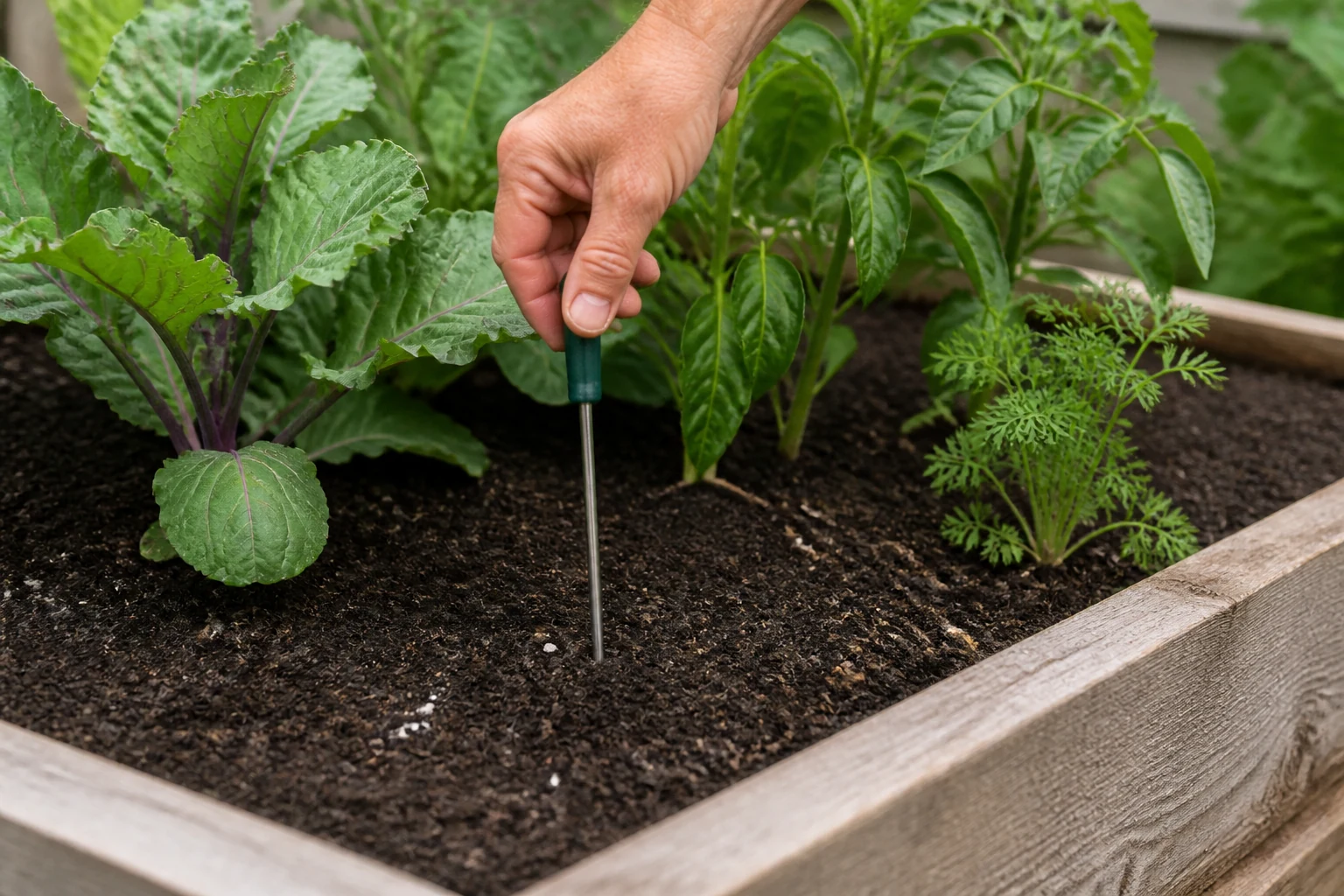
Good direct sowing is three decisions: soil, depth, and moisture.
Prepare a seedbed by removing rocks and clumps. Root crops need loose soil 8–12 inches deep. Rake smooth, then sow at the depth on the packet—roughly two to three times the seed’s diameter. Carrots and lettuce want a light dusting; beans and sunflowers go deeper.
Water gently so seeds do not wash away. Keep the top half-inch consistently moist until true leaves appear—that may mean light watering twice daily in spring wind. Mulch only after seedlings are up and sturdy.
Thin without mercy. Crowded carrots and radishes compete for water and produce unusable roots. Eat thinnings of lettuce and arugula as microgreens.
Track soil temperature, not just the calendar. Beans and okra want warm soil; carrots and arugula prefer cool. A soil thermometer costs less than one seedling pack and prevents weeks of wondering why nothing sprouted.
Finally, succession sow. Radishes and bush beans fade fast. Stagger plantings every two to three weeks for steady harvest instead of one glut and empty bed.
Conclusion
Garden centers sell seedlings because customers want instant gratification—not because every crop belongs in a cell pack. Carrots, beans, radishes, okra, arugula, nasturtiums, wildflowers, and most sunflowers are cheaper, straighter, and less stressful when grown from seed in place. Their roots, germination speed, or sheer plant count per packet make nursery starts a bad deal.
Keep your seedling budget for tomatoes, peppers, and brassicas that actually need the head start. For everything on this list, buy seeds, prepare the bed, and sow where the plants will live. You will harvest more, spend less, and finally understand why experienced gardeners smile and walk past those tempting six-packs.



