Bird-Friendly Plants to Leave in Your Garden This Fall
Leave the right garden plants standing this fall for seeds, berries, insects, and shelter. Get a seven-plant list and a disease-first cleanup plan.
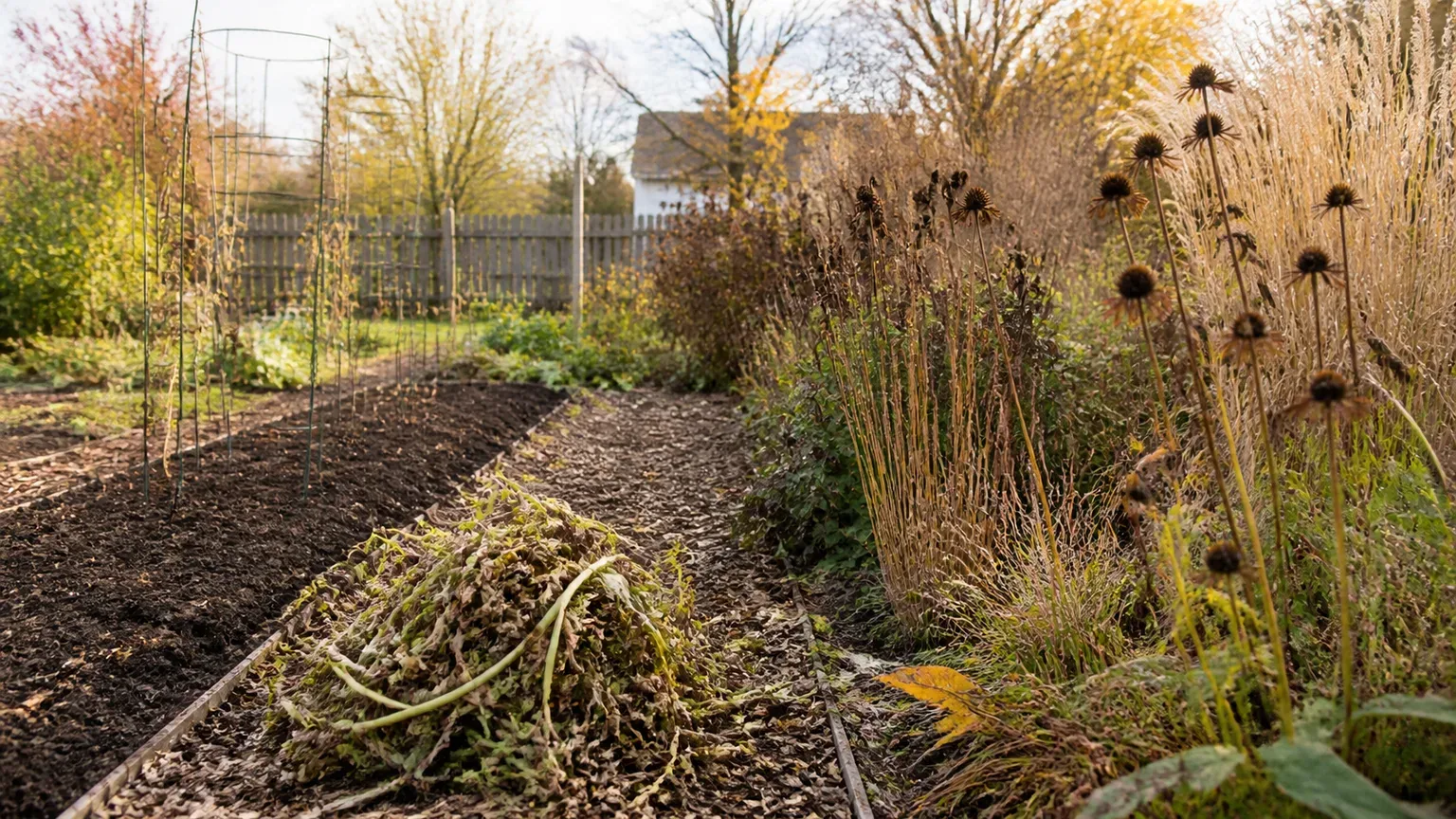
The fastest way to make a fall garden less useful to birds is to cut every stem to the ground while it is still holding food. A better cleanup keeps healthy seedheads, berries, and sturdy stems in place, while removing material that is diseased, pest-ridden, invasive, or likely to create a wet mat over the crown.
That is the practical middle ground recommended by bird-conservation and horticultural sources: leave the resources, not every problem. The seven plants below are especially useful because they offer seeds, fruit, insect habitat, shelter, or several of those resources at once.
The fall rule: leave healthy food and structure, remove hazards
Before you reach for pruners, look at what the plant is still doing. A dry flower head may be feeding finches, a hollow stem may be sheltering an insect, and a dense shrub may be giving a small bird cover from wind and predators. The National Park Service notes that standing seedheads and dead stalks can provide nourishment, shelter, structure, and cover for birds and insects, while the Royal Horticultural Society’s deadheading guidance specifically recommends leaving plants that produce bird-friendly seeds or fruit.
The exceptions are just as important. Remove foliage with active disease, stems heavily infested with pests, invasive plants, and material that has collapsed into a persistently wet crown. If a plant blocks a walkway, leans onto a heater vent, or creates a safety problem, shorten or relocate it. Wildlife gardening is not an all-or-nothing promise to leave the yard untouched.
What an uncut garden gives birds in winter
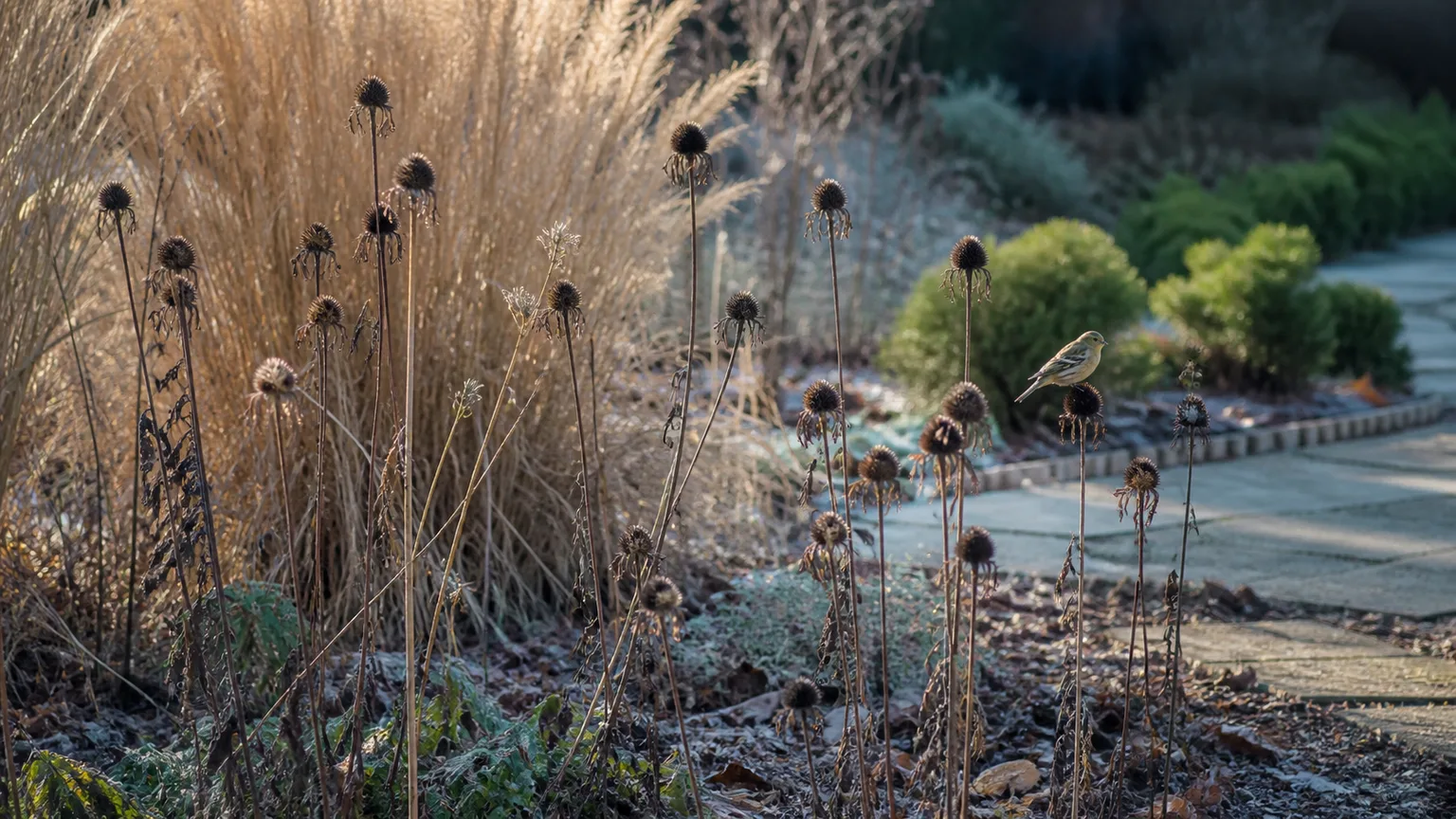
Seeds are only one part of the food web
Birds do eat the seeds in coneflower, black-eyed Susan, aster, goldenrod, and other late-season plants, but seed is not the whole story. The Cornell Lab of Ornithology’s bird-gardening course says that 96 percent of non-shore North American songbird species eat insects for at least part or all of their lives. Native plants support the insects that birds need, especially when adults are feeding nestlings.
Dead stems and leaf litter extend that food web through the cold months. Caterpillars, pupae, eggs, beetles, spiders, and other small invertebrates can shelter in leaves, stems, and debris; birds then search those places when berries or seeds are scarce. Some hollow stems also provide overwintering sites for solitary bees, so cutting and hauling away every brown stalk can remove habitat before spring arrives.
Fruit-bearing shrubs add a different resource. Native viburnums and dogwoods can hold berries into fall or winter, and their branching structure provides cover even after deciduous leaves drop. The Cornell Lab’s starter list for bird-friendly trees and shrubs treats dogwood and viburnum as food-and-cover plants rather than one-season decorations.
Native identity matters more than a “bird-friendly” label
The common name on a plant tag is not enough. “Aster,” “viburnum,” and “dogwood” each describe groups containing multiple species, hybrids, and cultivars with different native ranges, growth habits, and wildlife value. A plant that is native in one region may be introduced in another, and an ornamental cultivar may produce fewer usable seeds or berries than the straight species.
Use the Latin name to verify what you are growing, then compare it with your local ecoregion rather than relying only on a hardiness zone. Audubon’s Plants for Birds program recommends its Native Plant Database for finding plants suited to the birds in a specific area. The same approach helps you avoid invasive lookalikes and shrubs that outgrow the space.
The seven plants worth leaving up
No single plant attracts every bird, and bird activity varies by season, habitat, and region. Think of this list as seven useful plant groups to assess in your own garden, not a command to buy all seven or to leave every specimen untouched.
1. Native asters
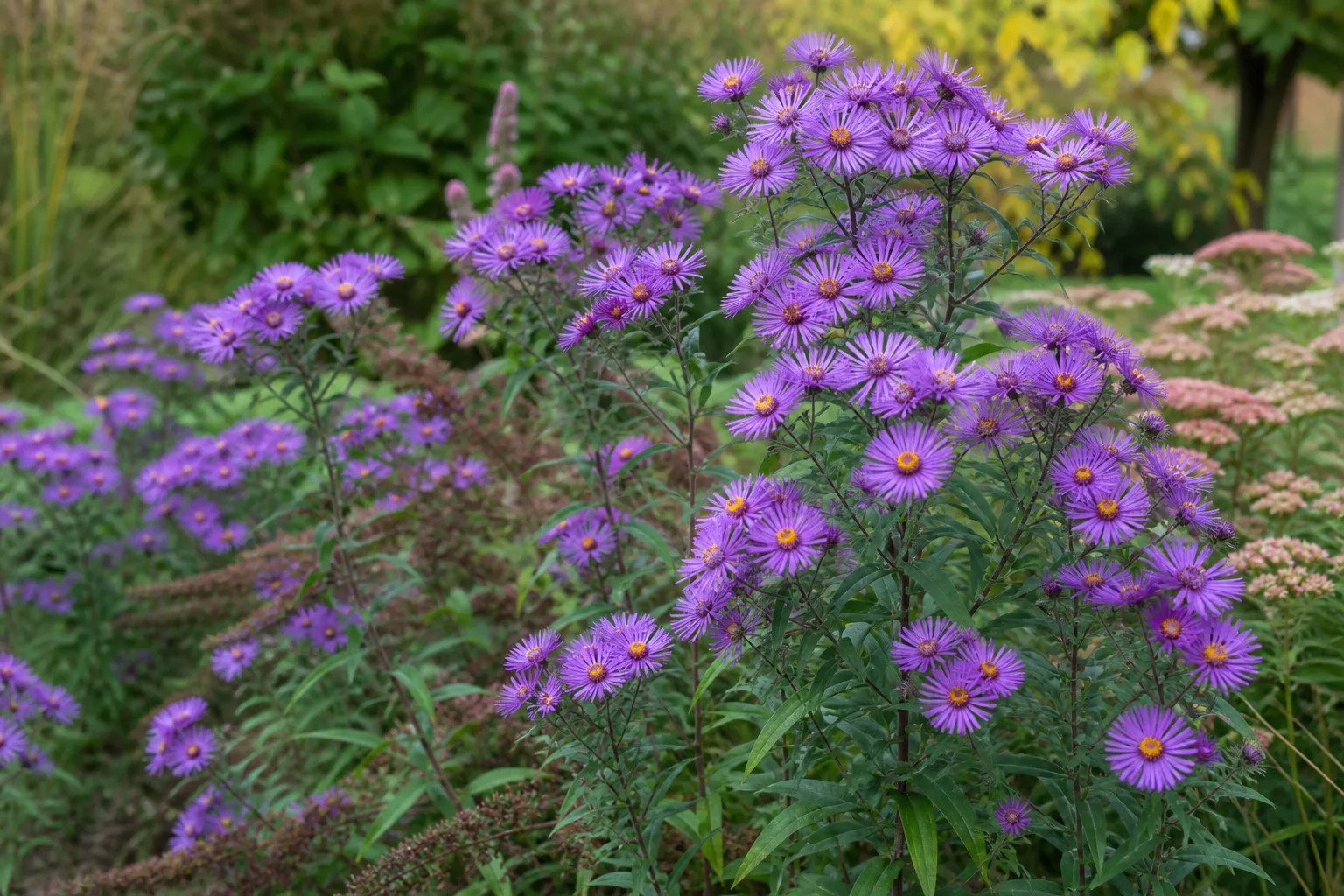
Native asters, many of which now carry Symphyotrichum names, are valuable late-season plants before they become seed plants. Their flowers support late insects, and the fading heads can feed small seed-eating birds after the petals disappear. The National Park Service uses New England aster as an example of a native plant tied to a wider insect food web, while RHS bird-garden guidance recommends allowing plants such as asters and other late flowers to go to seed.
Leave the flower heads and as much upright stem as the plant can carry through winter. You do not need to preserve every brown leaf if it has become a soggy mat, but avoid shearing the whole clump while the heads are still full. In a small bed, leave one group of asters standing and tidy the edge around it so birds retain a feeding patch without the border looking abandoned.
When choosing new plants, match the species to your moisture and light. Aster is not one universal care category: some thrive in average, well-drained soil while others prefer consistently moist ground. Local native-plant nurseries can usually tell you which species belongs in your county or ecoregion.
2. Native viburnums
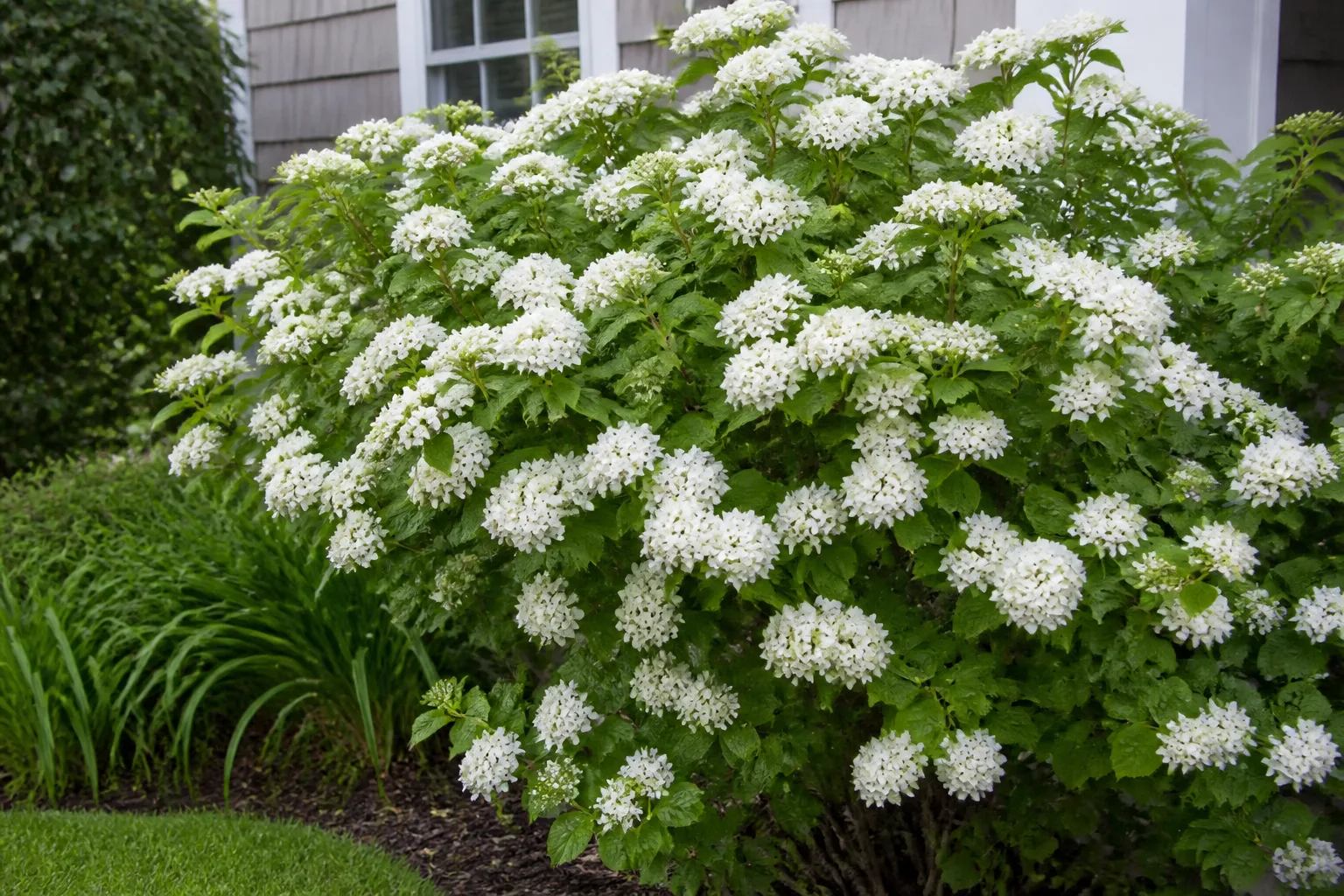
Viburnum is one of the strongest choices on this list for gardeners who want both winter food and woody shelter. Native arrowwood, nannyberry, and blackhaw viburnums can produce berries after flowering, and their branching habit gives birds a place to move through the garden out of the most exposed weather. The berries may be red, blue, black, or another color depending on the species.
The Cornell Lab lists native viburnums as fruiting shrubs that can also provide nest sites and cover. The RHS likewise highlights berry-rich viburnums as useful winter plants and suggests grouping berrying shrubs into a mixed hedge for a larger, more continuous habitat.
Do not prune a berrying viburnum into a tight ball in fall. Remove dead or broken branches, but leave healthy fruiting wood until birds have had a chance to use the crop. If your shrub never fruits, check the species and cultivar, whether it needs a pollination partner, its age, and whether late pruning removed flower buds. “Viburnum” alone does not guarantee a winter berry supply.
3. Joe-Pye weed
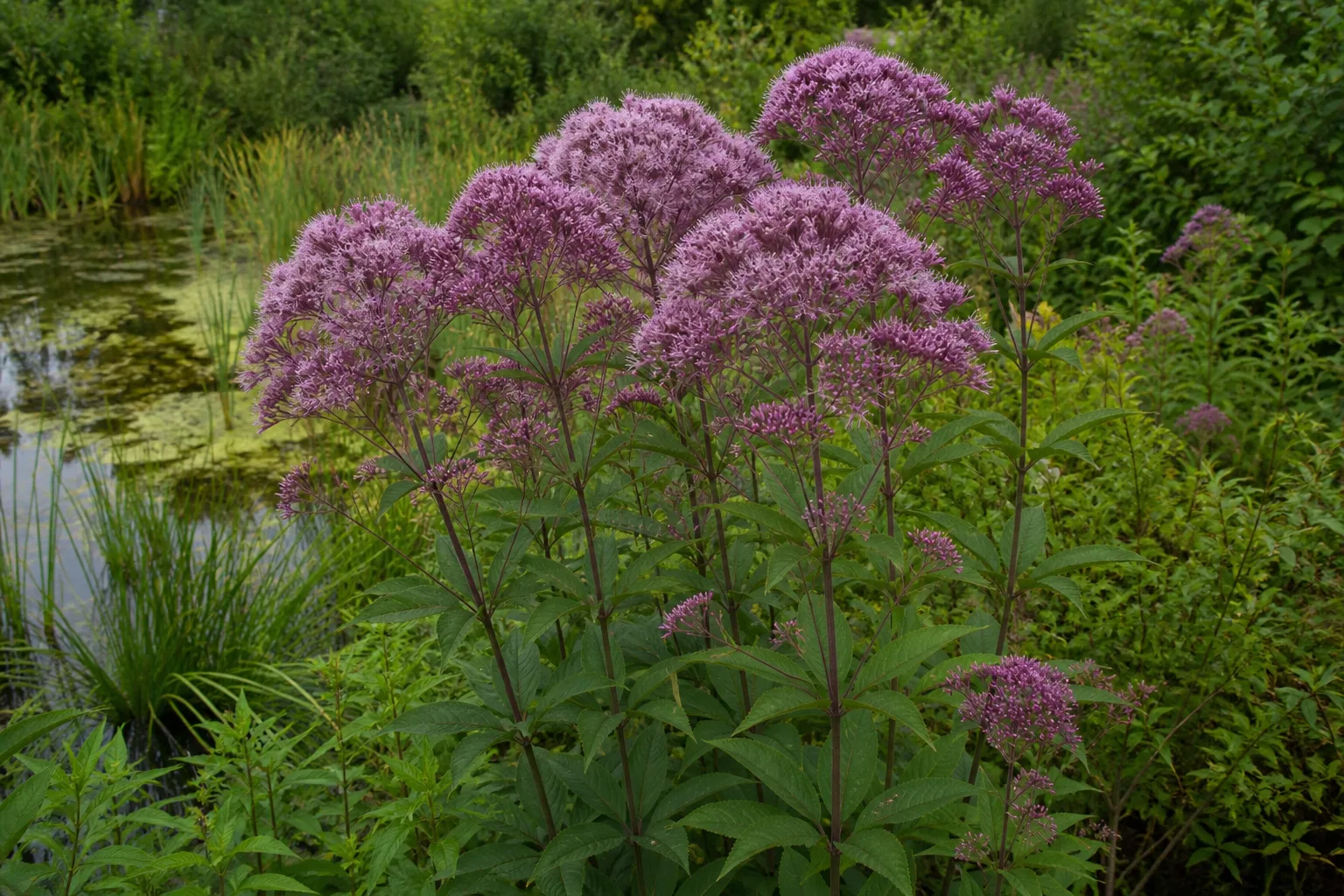
Joe-Pye weed (Eutrochium spp.) earns its place through a combination of late flowers, tall stems, seedheads, and insect habitat. Its height gives birds a perch above shorter plants, and the dried heads can retain seeds after the flowers fade. Fine Gardening’s practical fall-garden coverage specifically calls out Joe-Pye weed stems as places where insects can lay eggs or overwinter.
Leave the stems standing if they are healthy and not flopping across a path. The fluffy pappus attached to mature seeds helps the plant disperse seed, while the retained heads and stems preserve food and shelter. Much of Joe-Pye weed’s bird value is indirect: late flowers support insects, and the stems preserve habitat for the small creatures birds search for later.
Joe-Pye weed can become enormous in a rich, moist site. Give it room rather than repeatedly chopping it shorter, and select a species or cultivar that fits your bed. If the plant is in a narrow border, leave a strong clump standing and remove only the stems that are genuinely unsafe or in the way.
4. Black-eyed Susan
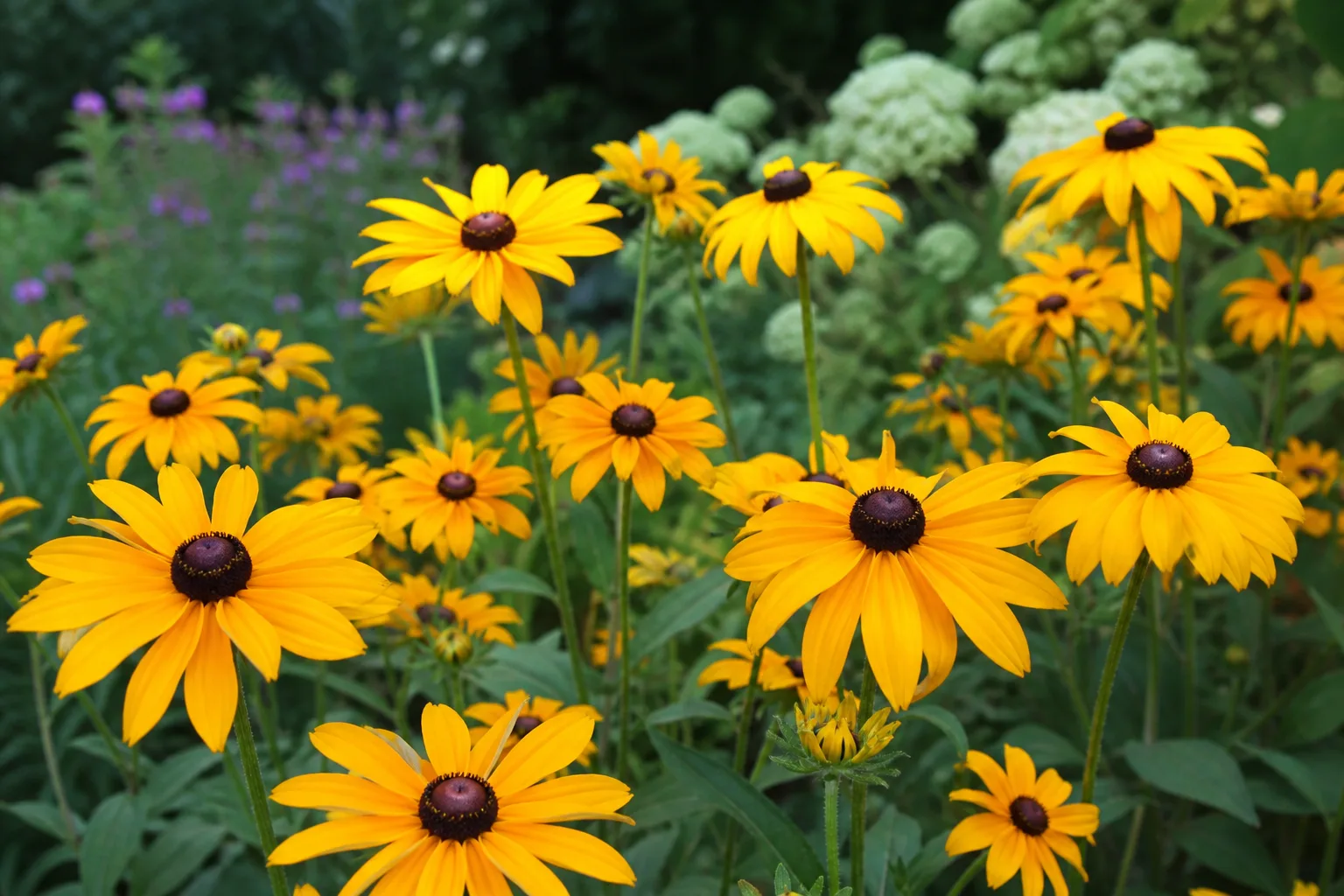
Black-eyed Susan usually refers to Rudbeckia species, including short-lived Rudbeckia hirta and longer-lived perennial types such as Rudbeckia fulgida. Their dark central cones mature into seedheads that goldfinches, chickadees, sparrows, and other birds may work through once the bright petals are gone. The cones also add upright structure to a winter bed.
Leave the cones attached instead of deadheading for a tidier second flush that will never arrive. The Southern Exposure Seed Exchange fall cleanup guide lists rudbeckia among its favorite seed-bearing flowerheads to leave standing and notes that birds may use the stems as perches while searching for leftover seed.
There is no need to let black-eyed Susan self-sow across every inch of the garden. If you want fewer seedlings, remove a portion of the heads after birds have had time to feed, or choose a contained section for the standing display. Hybrid double flowers can also differ from species plants in how accessible their centers and seeds are, so favor open, seed-producing forms when wildlife value is the priority.
5. Coneflower
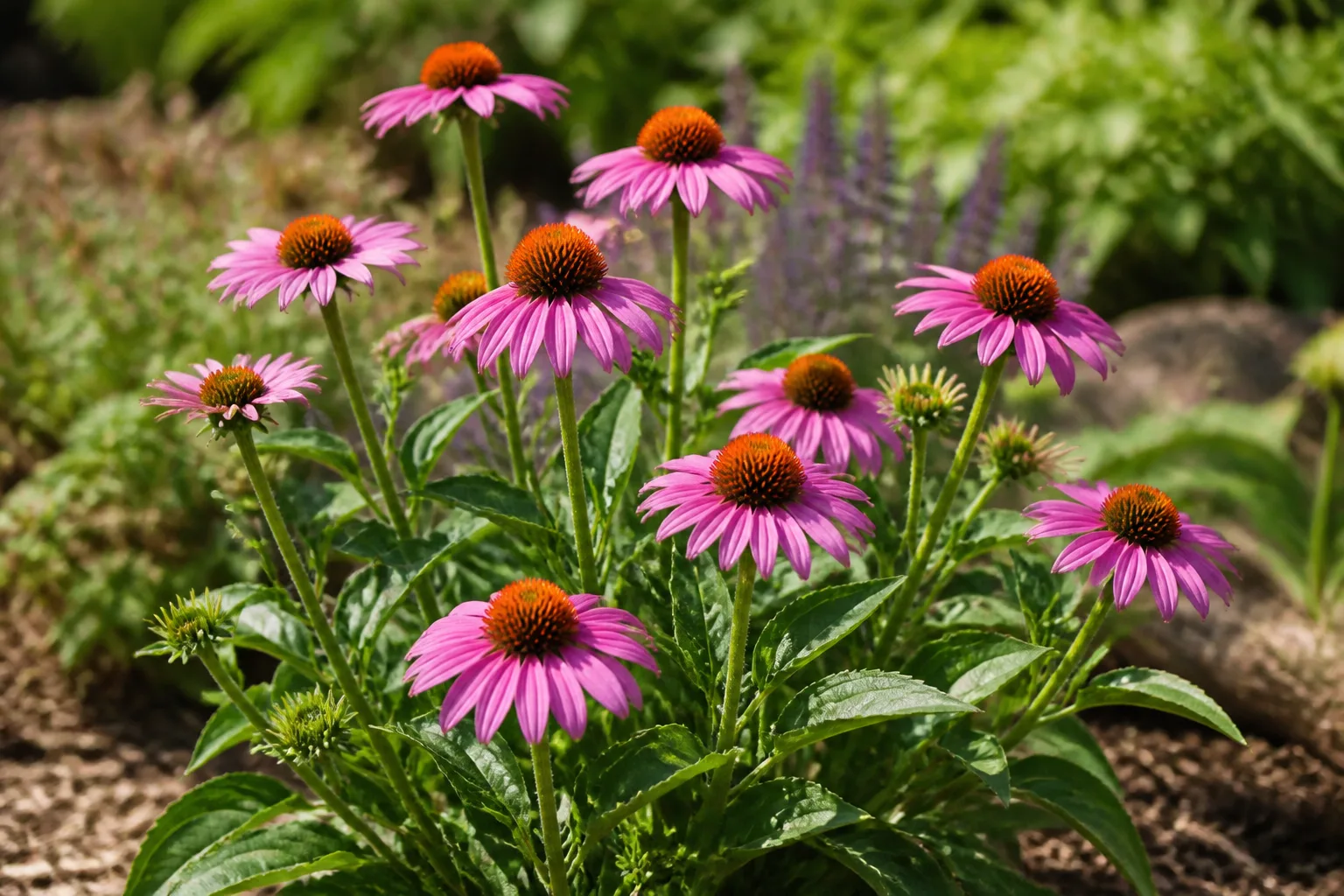
Purple coneflower (Echinacea purpurea) is a classic leave-it-up perennial because the raised central cone remains useful after the petals fall. Goldfinches and other small birds can cling to the stems and pick at the seeds. The Audubon bird-sanctuary guide groups native sunflowers, asters, and coneflowers among seed-producing plants that support songbirds.
Wait until the cones are dry before deciding whether a plant needs shaping. A hard frost is not a signal to cut immediately; it is simply the point when the display changes from flowers to winter structure. Keep several sturdy stems, remove broken ones if they create a tangle, and leave the rest until late winter or early spring.
Coneflower also illustrates why a wildlife garden should not be judged only by flowers. Its summer blooms support pollinators, its mature heads support birds, and its standing stems help preserve the layered structure of the bed. If you already grow coneflowers, leaving them up costs nothing and gives you more winter function than a clean cutback.
6. Dogwood
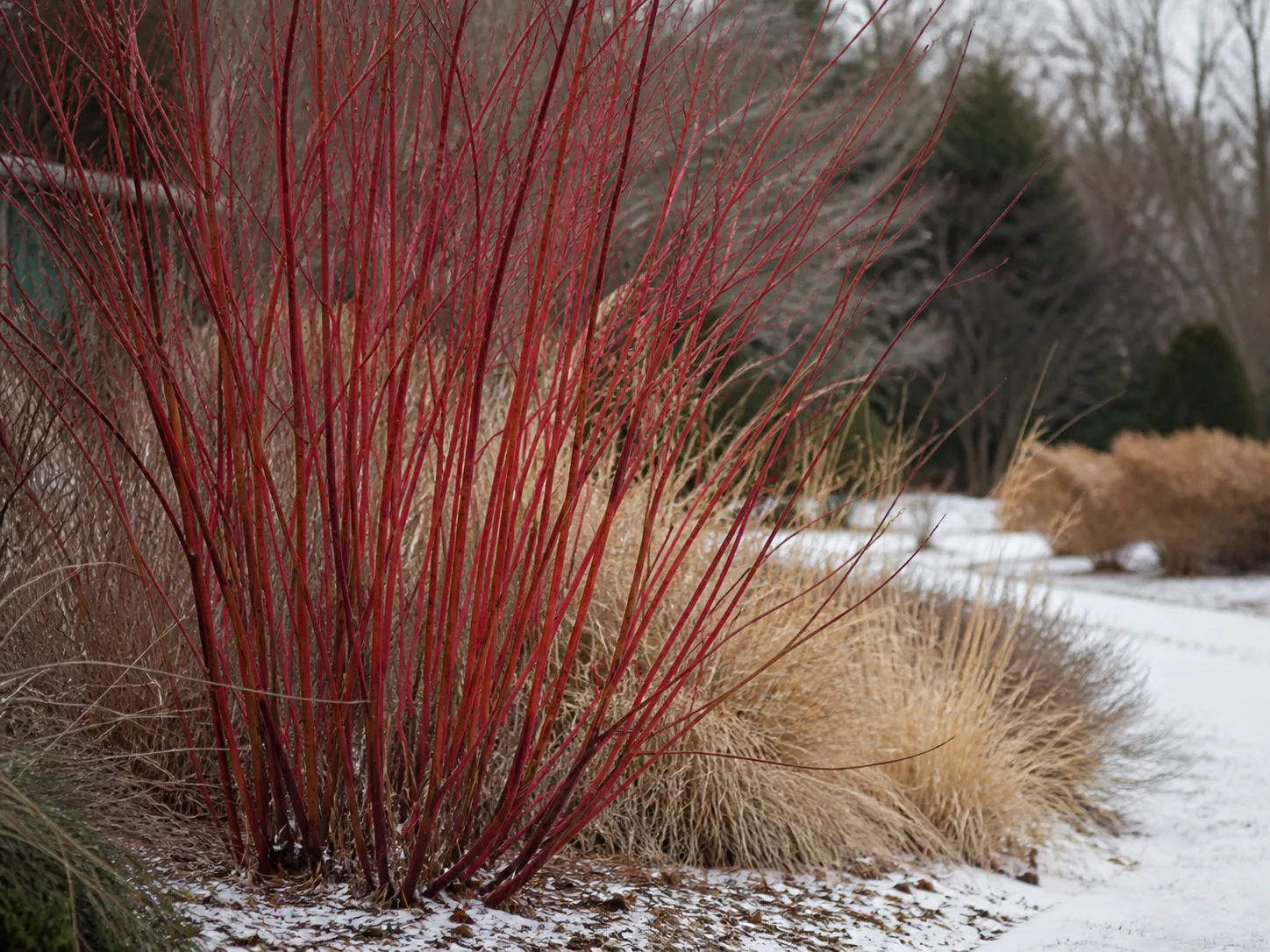
Dogwood is a broad group, so identify yours before you assume what it offers. Flowering dogwood (Cornus florida) produces bright red fruit in fall, while red-osier dogwood (Cornus sericea) and other shrub dogwoods can provide fruit, dense branching, and colorful winter stems. Native dogwoods are especially useful when they are allowed to keep their fruit rather than being pruned for a perfectly uniform outline.
Audubon’s guide to berry-bearing native plants explains that dogwood fruit can remain available into colder months, and the Cornell Lab’s plant list names flowering dogwood as a fall-fruiting tree that also offers nest sites. That does not mean every dogwood cultivar or every region will produce the same crop. Check the Latin name, mature size, and local native status before planting or replacing one.
In fall, remove only dead, damaged, or crossing wood unless a pruning goal requires more. Save major shaping for the window appropriate to your species and objective. If the dogwood is fruiting, let the berries disappear naturally; pruning away the fruiting branches is equivalent to taking down a bird feeder just as the weather turns difficult.
7. Goldenrod
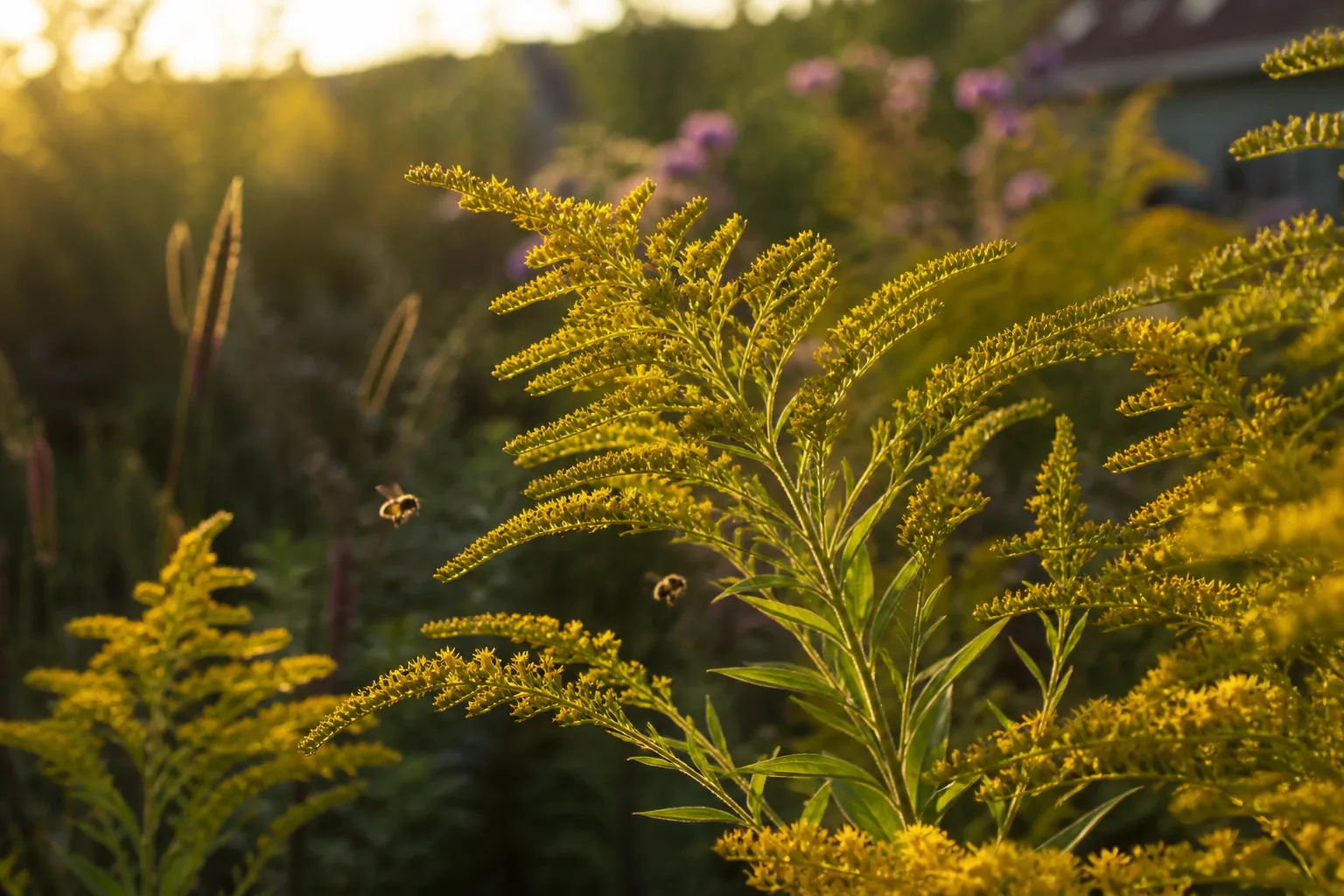
Goldenrod (Solidago spp.) bridges late summer and fall. Its yellow flowers provide a late source of nectar and pollen for insects, then the spent heads mature into seed-bearing structures that can feed finches and sparrows. Its stems and surrounding foliage also hold insect habitat through winter, which helps birds that forage for invertebrates rather than seeds.
Leave the stalks standing after bloom instead of cutting goldenrod as soon as the yellow color fades. The RHS describes dry perennial stems as winter homes for insects and their seeds as important food for birds and small mammals. That two-step benefit—flowers first, then structure and seed—is why goldenrod often looks more useful after peak bloom than it did at peak color.
Choose the right goldenrod for the site. Some species spread quickly or grow taller than expected, while compact cultivars may offer less seed than a straight species. A local native plant source can help you find a goldenrod that belongs in your region and will not crowd out neighboring plants.
A simple fall cleanup sequence for a bird-friendly garden
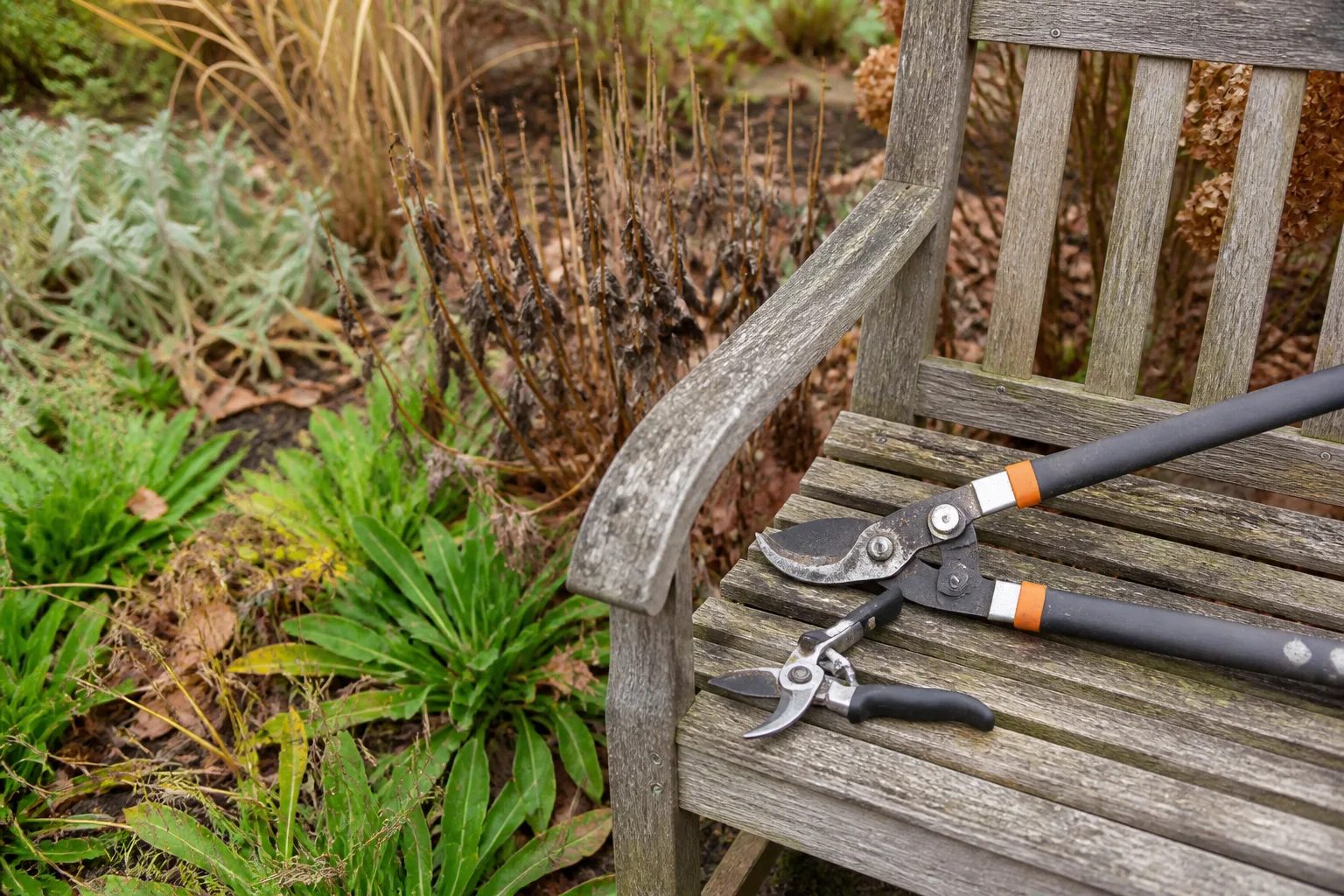
The useful version of “leave the leaves” is selective, not careless. Walk the garden once before cutting and sort each plant or section into three groups: leave, move, and remove.
Remove disease and serious pest damage first
Diseased foliage and pest-infested stems should not be preserved for wildlife. Southern Exposure recommends removing common vegetable disease material and pest-heavy debris because pathogens and insects can overwinter there; the same sanitation logic applies to ornamental beds. Bag or dispose of material according to local extension guidance rather than putting visibly diseased clippings into a cool home compost pile.
Do not diagnose every brown leaf as disease. Seasonal yellowing, frost-blackened foliage, and dry seedheads are normal. Look for spreading spots, fuzzy growth, repeated dieback, obvious insect colonies, or a problem you already recognized during the growing season. When in doubt, remove the clearly affected portion and leave the clean neighboring stems.
Leave, move, and shape the rest
Leave healthy seedheads and upright stems in groups rather than scattering isolated stalks across the yard. A cluster is easier for birds to use, easier for you to explain to a neighbor, and more visually intentional. Keep a lower, tidier edge along sidewalks and leave the taller interior of the bed standing.
Move fallen leaves from steps, drains, and lawn areas into perennial beds, beneath shrubs, or a designated leaf-mold area. The National Park Service recommends leaving leaves intact or moving them slightly instead of shredding them where overwintering insects may be hidden. Grow Native! also notes that leaf litter and standing stems support wildlife while returning organic matter to the soil.
If a bed must look formal, leave one-third to one-half of each compatible planting standing and cut the rest after seed has matured. That compromise still preserves food and shelter while opening sightlines and reducing the visual weight of a completely dormant border. Avoid tying stems into tight bundles, which can trap moisture and make spring inspection harder.
When to cut everything back in spring
There is no universal “bird-safe” date. In cold regions, the right moment may be late winter after most seed has been taken; in mild regions, new growth may begin earlier. Use plant cues: the old stems are hollow or flattened, birds have largely finished foraging, and fresh basal growth is starting. Then cut above the new growth without gouging the crown.
The RHS guidance on perennials supports leaving some stems over winter and trimming them in spring. Fine Gardening’s garden-practice coverage similarly suggests waiting until spring, then breaking down standing and fallen stems so the pieces can remain as a low mulch while new growth emerges.
Do not rush to remove every stem on the first warm afternoon. Some insects emerge later than others, and a few stalks can be left in a discreet corner even after the main bed is cut. If the old material was clean, chop it into shorter pieces and tuck it beneath shrubs or behind the bed rather than exporting every bit of habitat.
How to make birds actually use these plants
Plant choice helps, but birds judge the whole yard. A bed full of seedheads beside a bare, exposed lawn may still be less attractive than a smaller planting that offers food, cover, and water together. Audubon’s bird-sanctuary advice recommends planning a mix of plant shapes and heights and choosing native plants adapted to local conditions.
Use these finishing touches:
- Cluster plants by species. A patch of asters or coneflowers is easier for birds to find and gives them several perches close together.
- Layer the garden. Combine ground-level leaf litter, herbaceous stems, shrubs, and a small tree or canopy where space allows.
- Keep water shallow and clean. A birdbath or shallow dish near cover is more useful than a deep, exposed basin; refresh and clean it regularly.
- Reduce pesticide use. Insects are bird food, especially during nesting season. Treat only a confirmed problem and follow the product label.
- Protect the view. Native plants do not help much if birds are repeatedly striking nearby windows. Use exterior window markers or other collision-prevention methods where needed.
- Avoid invasive “bird plants.” Fruit is not automatically beneficial if the plant escapes and displaces native habitat.
You can also observe before you change the garden. A small notebook showing which plants lose seed first, which berries persist, and where birds forage will tell you more than a generic list of “bird magnets.” Add the next plant to fill a seasonal gap—late-summer insect food, fall seed, or winter fruit—rather than buying several plants that all peak at the same time.
For a useful first check, watch the garden on three different days: once soon after frost, once after a windy or wet spell, and once in midwinter. Note whether birds cling to the seedheads, work the ground beneath shrubs, or disappear when the bed is exposed. This helps you separate a plant that looks wildlife-friendly from one that is actually producing food in your conditions. It also reveals practical problems early, such as berries that vanish quickly, stems that flop onto a path, or leaf piles that wash into a drain. Adjust one feature at a time—move leaves, open a sightline, add water, or leave a larger seedhead cluster—so you can tell what improves the habitat instead of changing the entire yard at once.
That small record also keeps the garden honest: it turns a seasonal idea into a repeatable maintenance habit based on what your birds, plants, and weather actually do.
Conclusion
The best fall cleanup for birds is not a neglected garden and not a perfectly bare one. Leave healthy asters, viburnums, Joe-Pye weed, black-eyed Susans, coneflowers, dogwoods, and goldenrods standing when they still hold seed, berries, insects, or shelter; remove disease, pests, invasive growth, and genuine safety hazards.
Then finish the job in spring, when new growth and local conditions tell you it is time. A few intentional patches of standing plants, leaf litter under shrubs, clean water, and locally native species can turn an ordinary fall border into a winter food-and-cover network without giving up the parts of gardening that make the space livable.



