Aphids on Houseplants: Identification and Treatment
Houseplant pests are common indoors because conditions lack natural predators. Aphids often arrives on new plants, open windows, or stressed specimens. When you notice Clusters of tiny insects on new growth, sticky residue, act quickly: confirm the pest, isolate the plant, and treat before the population explodes. Track weekly progress after you change care, and note watering, light, and repotting dates so you can tell whether the symptom is improving or returning. Compare upper versus lower leaves, new versus old growth, and soil moisture at root depth before you treat, because the same visible symptom can come from watering, light, pests, or normal aging on different plants.
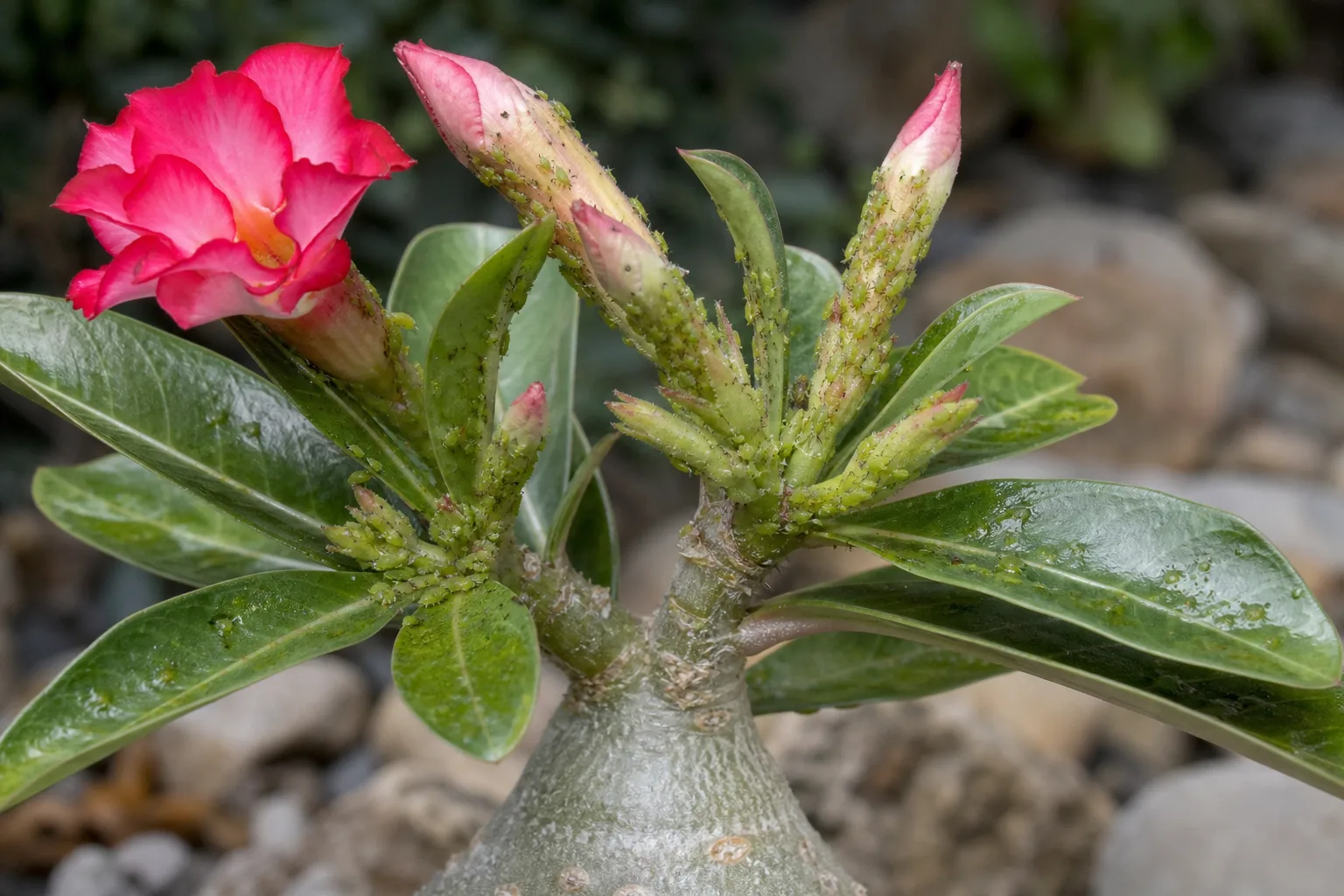
Aphids on Houseplants
Still unsure?Match your symptoms to the most likely problems in under a minute.Run diagnosis →Understand and fix aphids
Aphids are tiny soft-bodied insects clustered on new growth and flower buds - they cause curled leaves, sticky honeydew, and stunted shoots.
Overview
Aphids reproduce rapidly on tender new houseplant growth, especially in warm, brightly lit conditions. They pierce plant tissue to feed on sap, leaving leaves curled, distorted, or yellowed. Honeydew encourages sooty mold and ant activity.
Indoor control is manageable with isolation, water blasts, and repeated soap or oil treatments. Because aphids give birth to live young, populations can explode within days - early detection on new leaves is key. Check neighboring plants even when only one pot shows clusters, and repeat treatments on a seven-day cycle until new growth stays clean for two full weeks. Winged adults can appear suddenly in warm rooms, so isolate the affected plant before you treat and inspect every nearby shelf for sticky honeydew residue.
Aphids patterns: what you see vs. likely cause
Match your plant to the closest pattern, then start with the first step before trying other fixes.
| What you see | Likely cause | First step |
|---|---|---|
| Symptoms appear on new growth first while older leaves still look normal | Active pest feeding or early moisture stress on expanding tissue | Inspect stem tips and leaf undersides with good light before treating the whole plant |
| Multiple plants show similar damage within one to two weeks | Shared pest introduction, watering habit, or environmental stress | Isolate affected plants and compare recent care changes across the group |
How to identify it
- Clusters of small pear-shaped insects on new leaves and stems.
- Curled or twisted young leaves near growing tips.
- Sticky honeydew on leaves or pot surfaces.
- Stunted or deformed new shoots.
- Ants present on or around the plant.
- Cast skins and wax on leaf undersides in heavy infestations.
When to worry
Act fast if winged aphids appear, colonies cover growing tips, or multiple plants in one room are affected.
Common causes
Fresh new growth
Spring and summer flushes of growth provide ideal feeding sites for aphids.
Over-fertilizing
High nitrogen produces soft, succulent tissue that pests colonize quickly.
Outdoor exposure
Plants summered outdoors or near open windows can acquire aphids from the garden.
Weak plant health
Stressed plants with imbalanced watering or light are slower to outgrow damage.
Delayed treatment
Aphid populations double in days when warm conditions persist indoors.
Step-by-step fix
Isolate infested plants
Prevent crawlers from reaching the rest of your collection.
Blast with lukewarm water
Rinse growing tips and undersides to dislodge large colonies.
Apply insecticidal soap
Cover all surfaces including leaf undersides; repeat weekly until gone.
Prune heavily infested tips
Remove distorted shoots that harbor eggs and hidden colonies.
Control ants if present
Ants protect aphids; clean honeydew trails and block access to pots.
Monitor new growth for two weeks
Check tips every few days for returning colonies.
Prevention tips
- Inspect new growth weekly during active seasons.
- Avoid excess nitrogen fertilizer on indoor plants.
- Rinse plants after bringing them indoors from outside.
- Keep beneficial airflow and avoid overcrowding.
- Quarantine new purchases before shelf placement.
- Treat nearby plants when honeydew appears even if you do not yet see live aphids on every leaf surface.
Common mistakes
- Spraying only tops of leaves while colonies hide underneath.
- Using harsh household cleaners that damage foliage.
- Ignoring ants, which indicate an active honeydew source.
- Stopping treatment at the first sign of improvement.
Related care topics
These care guides help prevent repeat issues once you have treated the immediate problem.
Aphids are small, soft-bodied insects that gather where plant growth is tender. A few can be easy to remove. A crowded colony can leave new leaves curled, shoots stunted, and surfaces sticky with honeydew. The best results come from confirming the insect, reducing the population physically, and repeating inspections long enough to catch survivors.
What Aphids Look Like
Most houseplant aphids are roughly pear-shaped, with visible legs and antennae. They may be green, black, gray, yellow, pink, or reddish. Two short tube-like structures called cornicles project from the rear of most aphids, although a hand lens may be needed to see them.
Adults and nymphs often stand together in clusters. Nymphs resemble smaller adults. Winged forms can appear when a colony becomes crowded or conditions change, allowing dispersal to another plant. University of Minnesota Extension describes indoor aphids as small, pear-shaped, soft-bodied insects, typically found around buds, new leaves, flowers, and leaf undersides.
Where to Inspect First
Begin at the youngest growth: unopened buds, emerging leaves, soft stems, and flower clusters. Then turn leaves over and check veins. Aphids insert slender mouthparts into plant tissue and commonly concentrate where growth is succulent.
Look beyond live insects. White flakes close to a colony may be cast skins left after molting. Sticky clear droplets can be easier to notice than camouflaged aphids. Photograph the same shoot over several days to distinguish old damage from an expanding infestation.
Inspect flowers as separate structures. Aphids can hide between petals, behind sepals, and along flower stalks where a rinse may not reach. On a plant with many short-lived flowers, removing the most heavily infested blooms can reduce numbers without sacrificing much foliage. On a rare flowering specimen, use a hand lens and targeted removal instead.
Do not overlook the plant immediately above the sticky one. Honeydew falls, so residue on a lower plant may come from aphids or scale feeding overhead. Follow droplets upward before treating the wrong specimen. A white card placed beneath suspect foliage for a few hours can show fresh droplets and cast skins.
Aphid Damage and Secondary Clues
Light infestations may not visibly injure a vigorous plant. High populations can produce yellowing, wilting, reduced vigor, and distorted growth. Colorado State University’s houseplant guidance links high indoor aphid populations with wilting and distortion of new growth.
Damage alone is not proof. Curling can also result from water stress, broad mites, herbicide exposure, or normal leaf expansion. Confirm insects or strong secondary evidence.
Honeydew, Sooty Mold, and Ants
Aphids excrete sugar-rich honeydew. It makes leaves glossy or tacky and can drip onto furniture. Dark sooty mold may grow on the deposit. The mold is a surface growth, not the aphid itself; removing the insects stops new honeydew and allows cleanup.
Ants often feed on honeydew and may defend aphids outdoors. Numerous ants climbing the same stem should prompt a careful aphid and scale inspection. University of Maryland Extension documents honeydew, sooty mold, white shed skins, and ant attendance as useful aphid clues.
Curled or Distorted New Growth
Feeding on leaves that are still expanding can leave them crinkled or curled even after the insects are gone. Do not judge treatment solely by whether an old leaf straightens. The meaningful signs are live aphids, fresh honeydew, and the condition of growth produced after control.
Open a curled leaf gently rather than tearing it. Aphids may be protected inside. A severely distorted tip can sometimes be pruned, but removing every damaged leaf may deprive a small plant of too much photosynthetic area.
Confirm Aphids Before Treating
Use a white-paper tap test: hold paper under a shoot and tap the stem. Aphids fall as visible, slow-moving, pear-shaped specks. Inspect with magnification. Crush one only if necessary; aphids are soft, unlike firm scale covers.
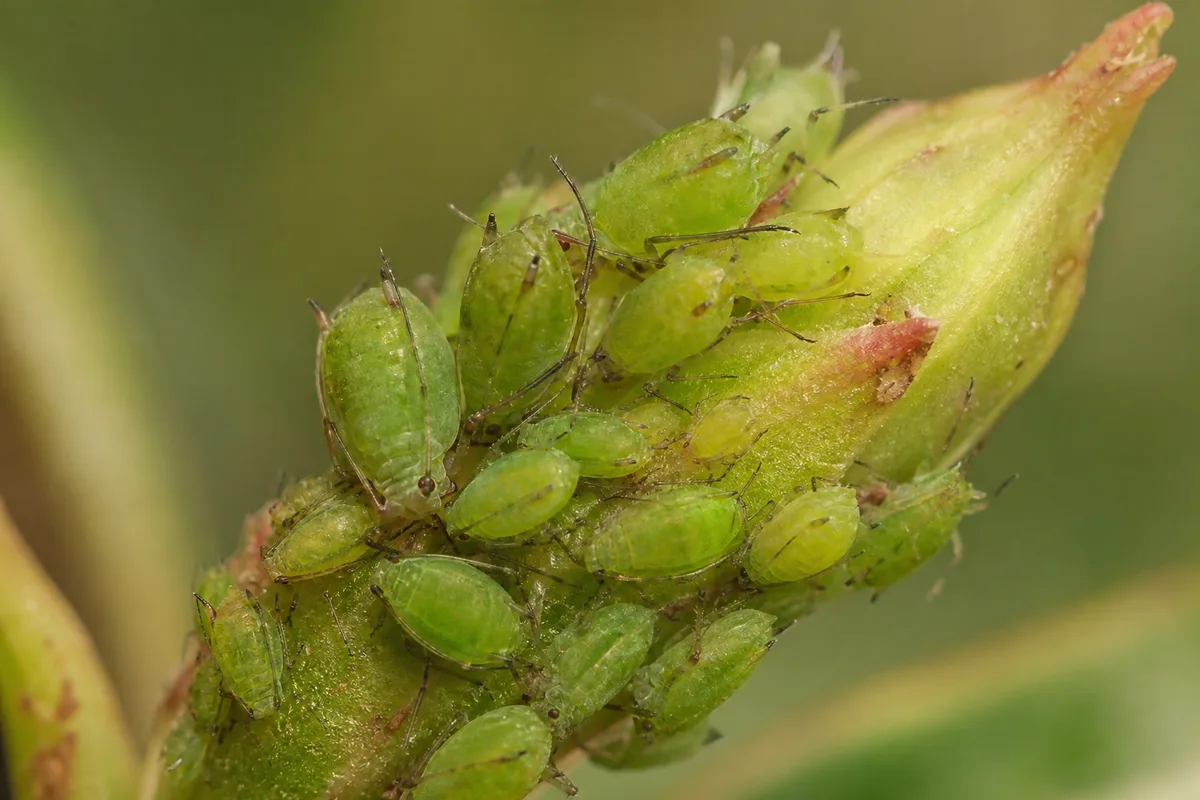
Check at least three parts of the plant and every nearby plant. A single colony on one growing tip can be handled differently from winged adults and colonies across a collection.
Make confirmation repeatable. Choose the newest three leaves, one stem junction, and any flower cluster; inspect those same points with the same light each time. Count approximate groups—none, 1–5, 6–20, or more than 20—rather than chasing an exact total across a branching plant. A declining category plus clean new growth is a useful sign of control.
If the insects are extremely small or the plant remains distorted after visible aphids disappear, preserve a sample before applying more pesticide. Place a clipped infested tip in a sealed container according to the diagnostic laboratory’s instructions. Clear close-up photographs should show the insect from the side and above, along with the whole affected shoot.
Aphids Versus Similar Houseplant Pests
| Pest | Body or evidence | Typical clue |
|---|---|---|
| Aphids | Pear-shaped, legs visible, clustered | Honeydew, cast skins, curled new growth |
| Mealybugs | White waxy filaments | Cottony masses in joints |
| Soft scale | Fixed brown or tan bumps | Honeydew; insects do not walk once settled |
| Thrips | Slender, fast-moving | Silvery scars and dark fecal spots |
| Spider mites | Tiny arachnids | Fine stippling and, when numerous, webbing |
Aphids should not be identified by color. Several pests and harmless insects are green, while aphids themselves occur in many colors.
Why Populations Increase Quickly
Many aphids reproduce without mating during favorable conditions, and females may produce live young. Multiple generations overlap, so adults and nymphs can appear together. Maryland Extension explains that parthenogenesis and live birth help populations rise rapidly.
Indoors, stable temperatures and tender fertilized growth can support continued reproduction. That does not mean fertilizer “caused” the infestation; aphids must arrive on a plant, cutting, flower, produce item, or through an opening. Excess nitrogen can make growth especially soft, so avoid pushing a stressed plant with fertilizer during treatment.
A Step-by-Step Aphid Treatment Plan
Choose the least disruptive method likely to work. The goal is not to sterilize the plant but to drive the population below a damaging level and verify that it stays there.
Isolate and Wash
Move the plant away from others without brushing foliage against them. Protect the potting mix with a temporary cover, support fragile stems, and rinse leaves and shoots with lukewarm water. A sink sprayer is suitable for small plants. A forceful stream can physically remove exposed aphids; both Minnesota Extension and Maryland Extension recommend water removal where practical.
Inspect again when leaves dry. Repeat washing if aphids remain and the plant tolerates it. Water pressure that shreds foliage is counterproductive.
Prune Only Where It Helps
Pinch or prune a heavily colonized soft tip when the plant has enough healthy growth to recover. Seal removed material in a bag. Clean cutting tools before using them on another plant.
Pruning is especially helpful where tightly curled leaves shield aphids from washing or contact spray. It is not a substitute for checking the rest of the plant.
Use Contact Products Correctly
If washing is insufficient, consider a commercial insecticidal soap or horticultural oil labeled for the plant and indoor use. These products need direct coverage of the aphids and have little residual activity, so repeat applications may be necessary. Minnesota Extension emphasizes that contact materials kill only aphids they contact.
Read the current label before purchase and again before use. Test a small section, avoid treating heat- or drought-stressed foliage, protect surfaces, ventilate as directed, and cover leaf undersides and growing points. Do not substitute household dish detergent; formulations vary and can injure leaves.
Neem-derived products differ in active ingredient and label. “Natural” does not mean harmless to plants, people, pets, or beneficial insects. Use only the labeled rate and site.
Contact treatment succeeds or fails on access. Spray directed only at the top of the canopy misses colonies beneath leaves and inside curled tips. Rotate the pot, support each shoot, and wet the pest rather than soaking the root zone. Stop before runoff becomes excessive, and never exceed the label because a colony remains visible.
Treatment choice should also reflect plant value and architecture. A washable pothos with exposed shoots is different from a dense fern, a terrarium planting, or a specimen with wax-sensitive leaves. For complex collections, staged physical removal may be safer than repeatedly coating every surface. Where labels, biological controls, or edible use create uncertainty, ask an extension specialist before applying.
Treat Delicate and Edible Plants Carefully
African violets, ferns, succulents, waxy foliage, and newly unfurled leaves may respond differently to water or sprays. Test first and allow time for injury to appear. For a plant with fuzzy leaves, use targeted removal rather than leaving foliage wet.
An ornamental-product label does not authorize use on basil, citrus fruit, or other edible crops. Check the crop and indoor site on the label, observe harvest intervals, and keep treated plants away from food preparation.
Monitor Until the Outbreak Is Over
Inspect every few days initially, focusing on new growth. Record counts on two or three tagged shoots. A decline across inspections is stronger evidence than one clean-looking afternoon.
Use the plant’s growth rate to interpret the record. On a fast-growing vine, several clean new leaves can appear within a short monitoring window. A slow-growing succulent or winter-resting plant may provide no new leaf to judge, so rely more heavily on repeated insect counts and absence of fresh honeydew. Do not force growth with fertilizer simply to create an indicator.
Distinguish treatment injury from pest persistence. Brown margins or translucent patches that appear soon after a soap or oil application may reflect phytotoxicity, especially on tender foliage. Aphid damage is concentrated around feeding sites and developing tissues. Stop applications, document the timing, and seek advice when symptoms worsen without live insects.
Continue until repeated checks find no live aphids or fresh honeydew. Old curled leaves and sooty residue can persist. Clean honeydew gently after control; Maryland Extension notes that sooty mold declines when honeydew production stops.
Separate “removed today” from “controlled.” Washing can make a plant look clean while a few nymphs remain inside a curled tip. Eggs are not the main issue for every indoor aphid population because many reproduce by giving birth to live young, but winged adults and hidden nymphs can restart a colony. Repeat checks are therefore based on biology and access, not punishment.
Choose consistent inspection points. Count aphids on the newest three leaves and one flower cluster, for example, and note whether any winged forms appear. Also place white paper below the shoot and tap gently. When the same points remain clear and new growth opens normally, confidence rises.
If a contact product was used, let its label set the earliest repeat interval. More frequent application is not automatically better; soap and oil can injure foliage, especially when layered, applied in heat, or used on a water-stressed plant. Never mix products unless both labels expressly allow the combination.
Watch neighboring plants even if they show no distortion. Aphids can be present before visible symptoms. Put the most attractive tender plants closest to the inspection routine, not hidden behind larger pots.
Prevent Aphids From Returning
Quarantine new plants and cut flowers, inspect produce stored near plants, repair window screens, and check plants brought indoors after summer. Give adequate light and water for the species without overfertilizing.
Outdoors, conserve lady beetles, lacewings, flower-fly larvae, and parasitoid wasps by avoiding unnecessary broad-spectrum pesticides. These natural enemies often reduce aphid populations, though indoor control cannot depend on them.
Quarantine works only when paired with inspection. A plant across the room for a fixed number of days can still carry aphids if nobody checks its new growth. Use bright light, turn leaves over, and repeat after new leaves begin to open. Keep packaging and dropped leaves away from the main collection.
Do not introduce purchased lady beetles casually into a home. They may disperse, collect at windows, or fail to remain on the plant, and their sourcing may carry ecological concerns outdoors. In a greenhouse or controlled collection, biological control requires matching a natural enemy to the aphid species and environmental conditions; it is a management program, not a decorative release.
Manage plant vigor without creating a flush of weak, overly succulent growth. Follow the normal fertilizer recommendation for the species and season rather than feeding heavily after pruning. Adequate light supports compact growth, while chronically low light can slow recovery.
Sanitation should be proportionate. Clean pruning tools, discard infested clippings in a sealed bag, and wash reusable cachepots. Replacing all potting mix is rarely necessary for an above-ground aphid colony and can add transplant stress. If insects are confirmed on roots, seek a more specific diagnosis before choosing a soil treatment.
For plants moved outdoors, check buds before bringing them back inside. Outdoor predators may hold a colony at a low level that becomes more obvious after the plant enters a predator-poor room.
Use a collection map when more than one plant is affected. Record which pot showed aphids first, which plants touched, and where winged forms were seen. Work from apparently clean plants toward infested ones, washing hands and tools between groups. This prevents the inspection itself from becoming a route of transfer.
Avoid preventive insecticide on every neighboring plant. It adds exposure and may injure sensitive foliage without confirming a target. Inspect first, wash a suspicious shoot if appropriate, and reserve a pesticide for plants with live aphids or strong evidence. Sticky cards can document winged insect activity, but they do not catch wingless colonies and cannot prove eradication.
Environmental correction supports recovery but does not replace pest removal. Improve chronically low light gradually, stabilize watering, and avoid strong fertilizer until clean growth resumes. Aphids did not arise from poor care, yet a stressed plant may replace lost tissue slowly and tolerate pruning poorly.
When to Discard or Seek Help
Discarding can be reasonable when aphids occupy most growing points, the plant has little healthy tissue, or repeated treatment threatens a valuable nearby collection. Bag the plant before moving it. For rare plants, contact an extension diagnostic service or experienced integrated-pest-management professional.
If symptoms continue but no aphids are found, stop applying insecticide and reconsider the diagnosis. Virus-like mosaic, persistent distortion, or decline may require professional identification; spraying cannot cure a plant virus.
Seek rapid advice when aphids occur on propagation stock, plants intended for sale, or crops subject to local pest rules. Some aphids transmit plant pathogens outdoors, but visual symptoms alone cannot identify a virus or prove transmission. Isolate the plant, retain a sample, and let a diagnostic laboratory determine the next step rather than discarding an entire collection based on a pattern.
Bring evidence to a diagnostic service: photographs of live insects, both leaf surfaces, the whole plant, and the care environment. A sample sealed according to the laboratory’s instructions is more useful than a blurry image of a yellow leaf. Include every product already applied because phytotoxicity can complicate symptoms.
For a mixed collection, include host names in the record. An aphid that thrives on one plant may only be an accidental visitor on another, and host information can speed identification. Keep infested cuttings and discarded flowers sealed during transport; loose material can spread wingless nymphs across shelves or vehicles.
When the plant is edible, do not assume washing cancels a pesticide restriction. The legal harvest interval and permitted crop are set by the label. If no clearly labeled option fits, use physical removal or seek local crop guidance.
Do not compost a badly infested indoor plant beside susceptible hosts unless your compost process reliably destroys the insects. Disposal rules vary locally. The decision to discard is not failure; it is risk management when treatment cost and collection exposure exceed the plant’s value.
Before disposal, take one final set of photographs and check whether nearby plants share the same symptoms. Bag the specimen where it stands instead of carrying it uncovered through the room. Clean the shelf and saucer, then continue monitoring adjacent new growth; removing one source does not prove that every dispersed aphid was removed.
Conclusion
Successful aphid control begins with proof: clustered pear-shaped insects, cast skins, honeydew, and damage concentrated on tender growth. Isolate the plant, wash off exposed colonies, prune only strategic tips, and use a labeled contact product when needed. Then monitor new growth rather than expecting old damage to disappear. A careful repeat-check cycle is safer and more reliable than one heavy treatment.
The finish line is not a perfect old leaf. It is repeated inspections with no live aphids, no fresh honeydew, and no spread to neighboring plants.
Plants commonly affected
These houseplants often struggle with aphids. Open a care guide or plant-specific troubleshooting page for tailored fixes.
 Medium
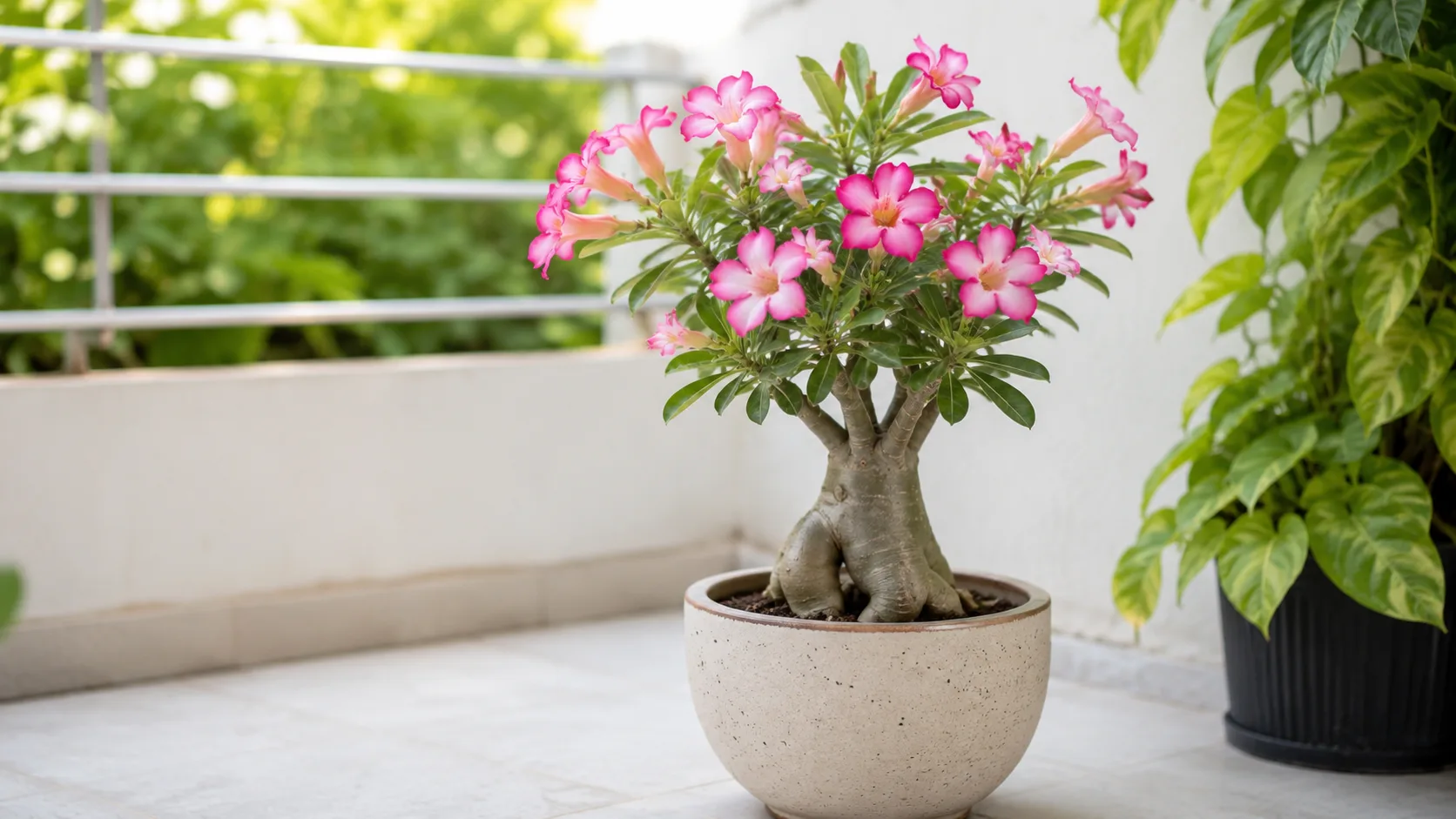
Adenium
Likely causeSoft-bodied aphids cluster on new Adenium growth and flower buds, weakening shoots.
Quick fixSpray stems and leaf undersides with insecticidal soap or neem oil; repeat weekly until clear.
 Medium
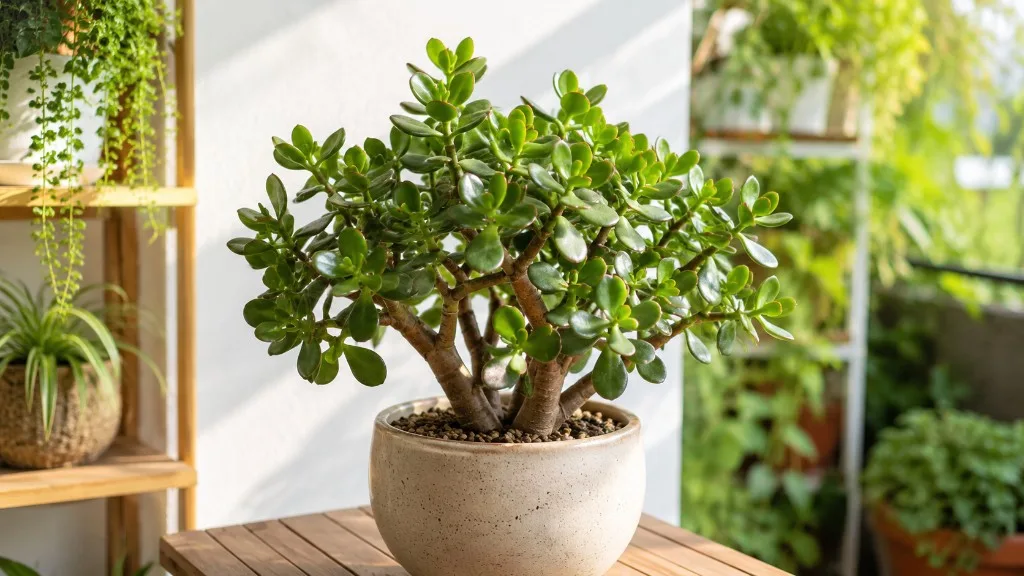
African Milk Tree
Likely causeCommon on this plant type; confirm with recent watering, light, and root checks.
Quick fixInspect the plant and correct the most likely care stressor before stacking treatments.
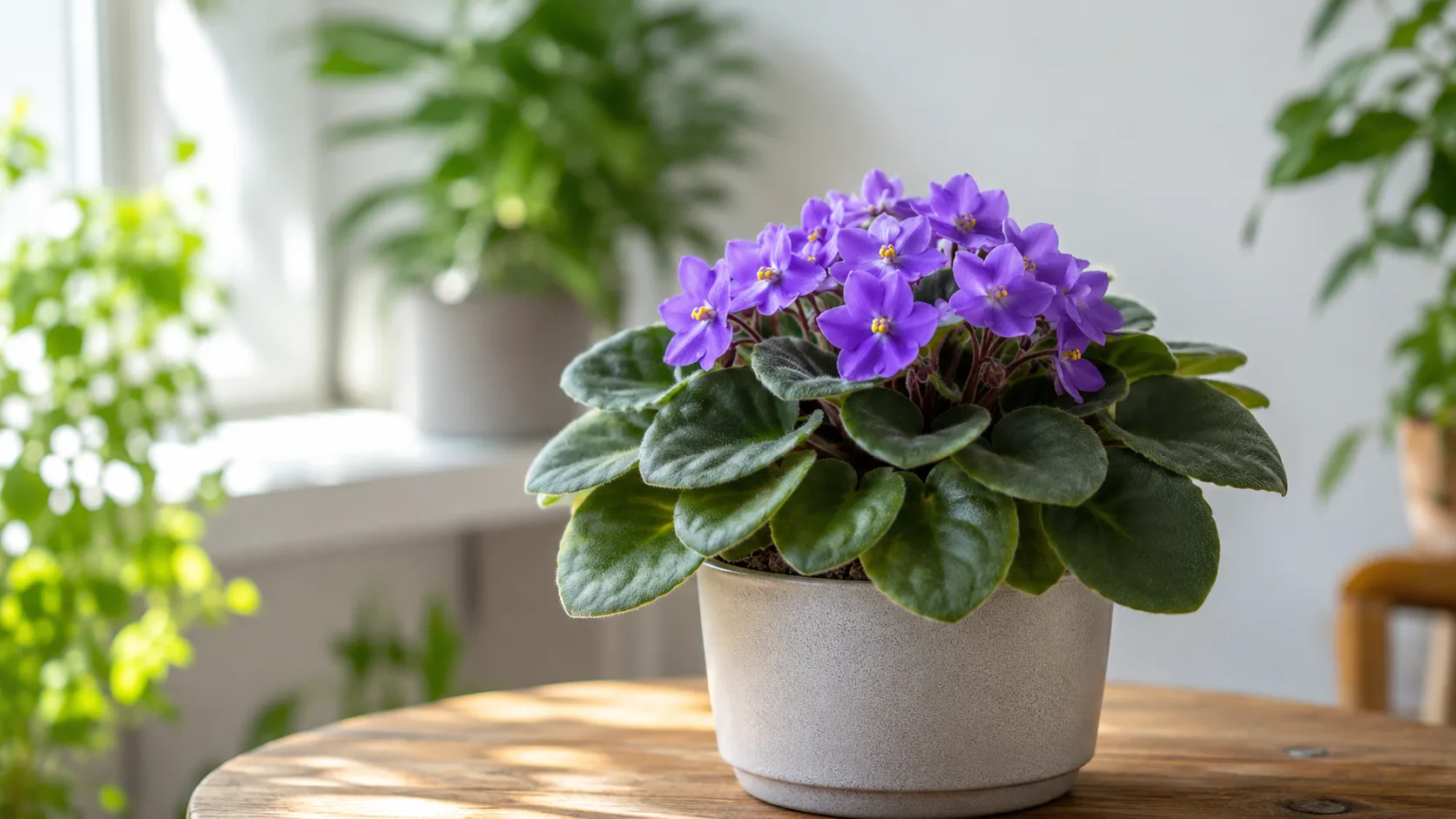 Medium
African Violet
Likely causeAphids on African Violet: When you find African violet pests attacking your favorite potted plants, you need to take appropriate action. For information on managing African violet insects, including tips for African violet aph
Quick fixInspect African Violet, confirm aphids matches your symptoms, then adjust care or treat per authoritative guides.
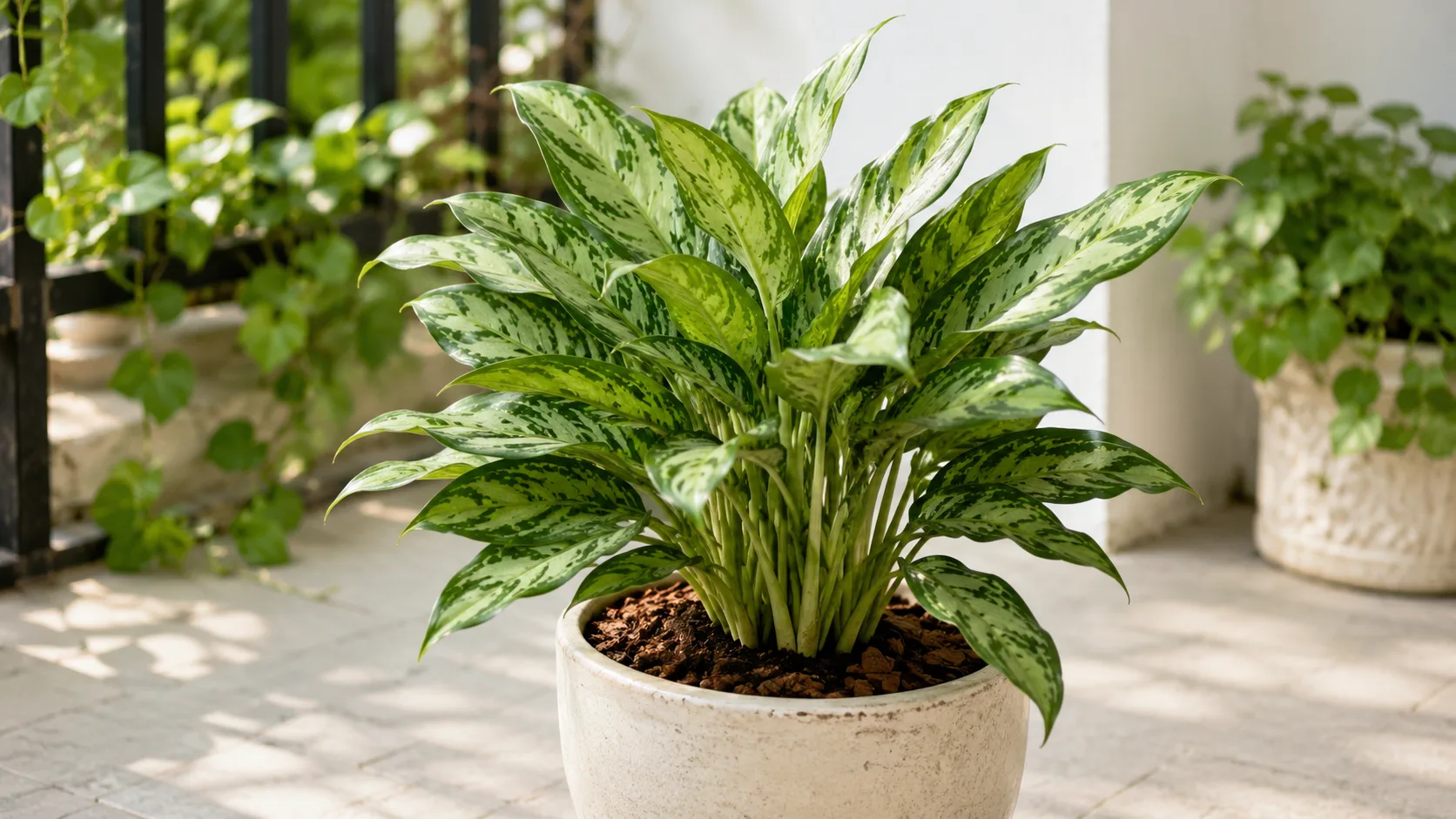 Medium
Aglaonema
Likely causeCommon on this plant type; confirm with recent watering, light, and root checks.
Quick fixInspect the plant and correct the most likely care stressor before stacking treatments.
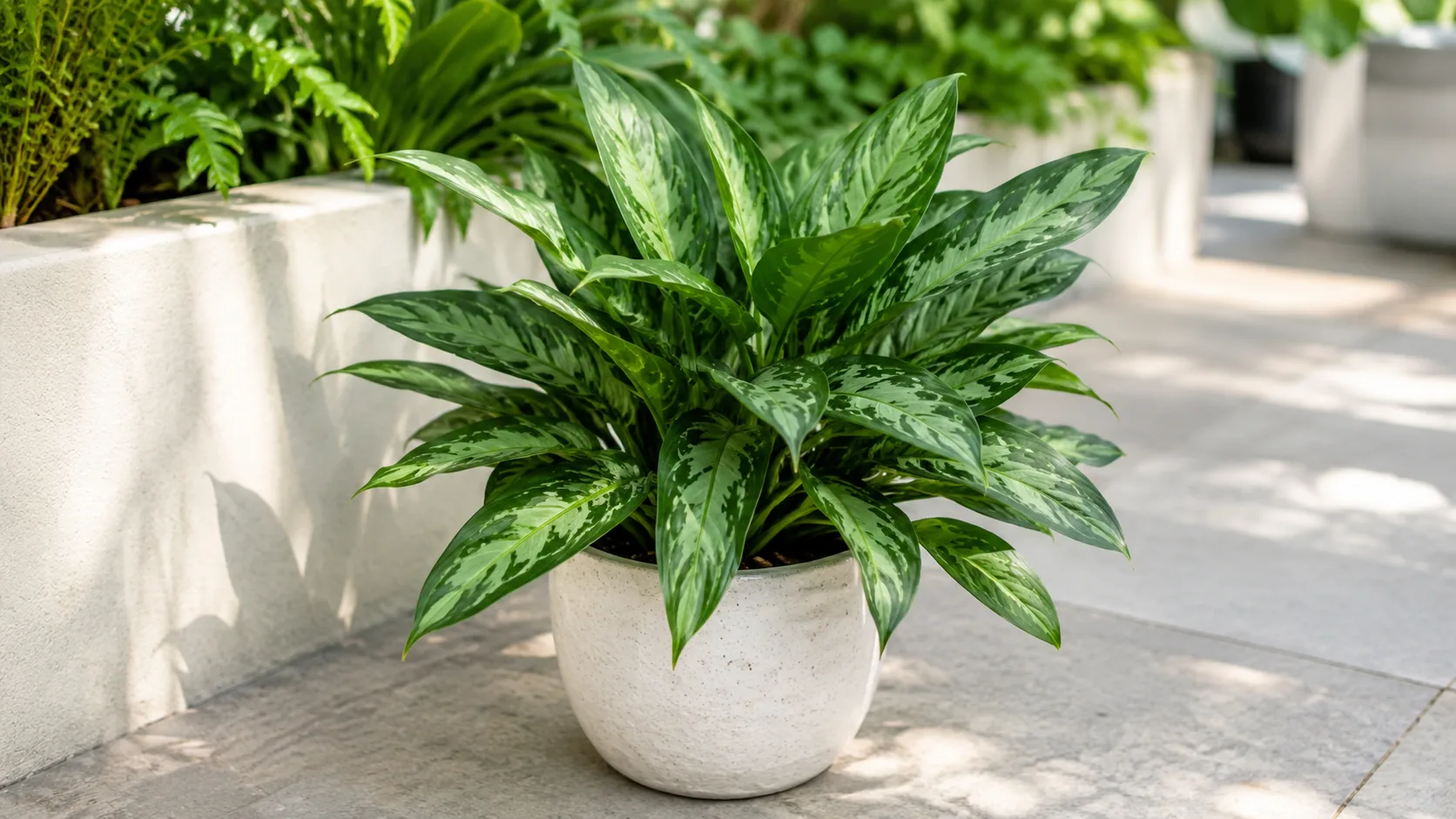 Medium
Aglaonema Cutlass
Likely causeCommon on this plant type; confirm with recent watering, light, and root checks.
Quick fixInspect the plant and correct the most likely care stressor before stacking treatments.
- Medium
Aglaonema Lady Valentine
Likely causeCommon on this plant type; confirm with recent watering, light, and root checks.
Quick fixInspect the plant and correct the most likely care stressor before stacking treatments.
- Medium
Aglaonema Maria
Likely causeCommon on this plant type; confirm with recent watering, light, and root checks.
Quick fixInspect the plant and correct the most likely care stressor before stacking treatments.
- Medium
Aglaonema Pictum Tricolor
Likely causeCommon on this plant type; confirm with recent watering, light, and root checks.
Quick fixInspect the plant and correct the most likely care stressor before stacking treatments.
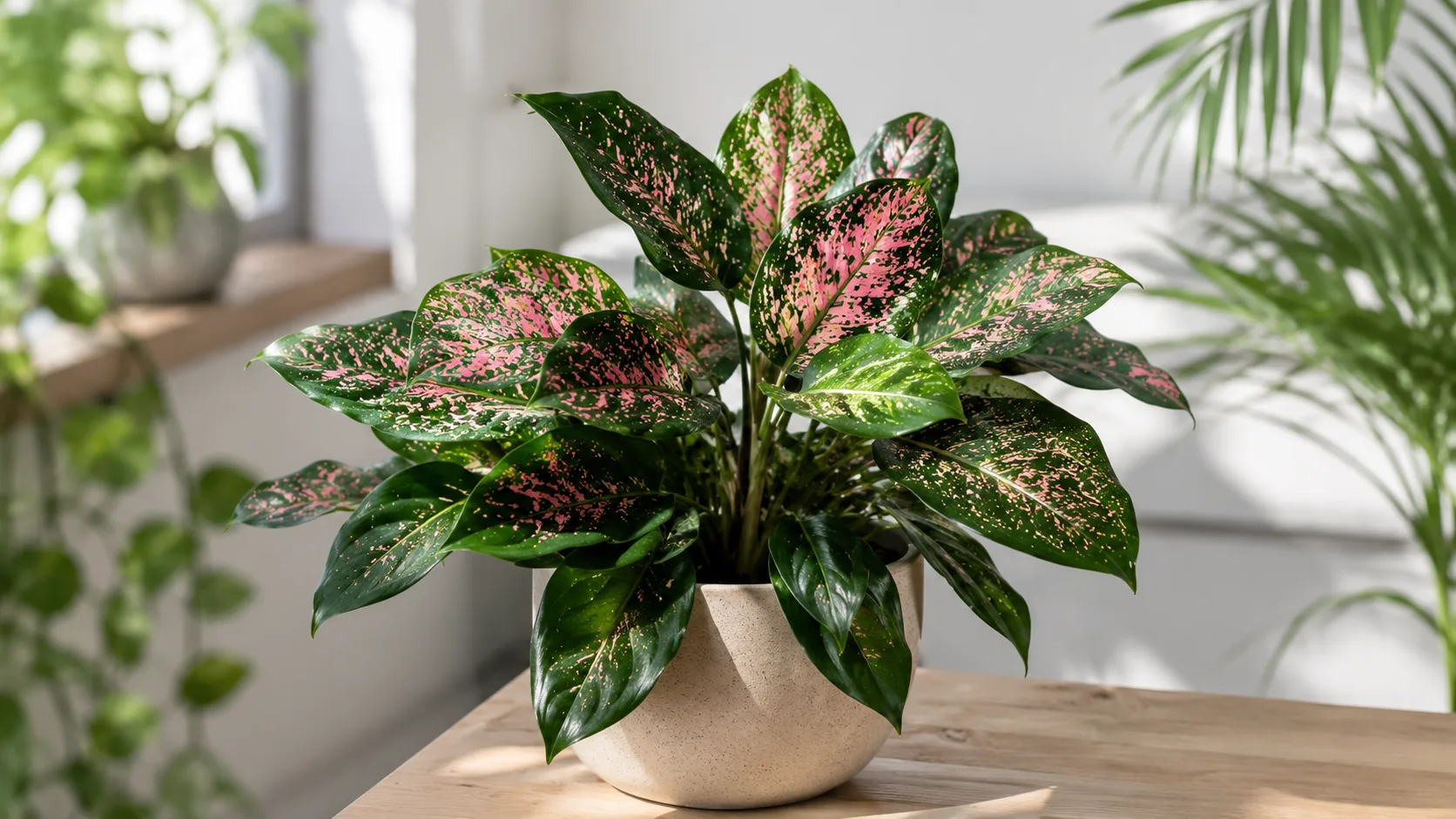 Medium
Aglaonema Pink Dalmatian
Likely causeCommon on this plant type; confirm with recent watering, light, and root checks.
Quick fixInspect the plant and correct the most likely care stressor before stacking treatments.
- Medium
Aglaonema Red Siam
Likely causeCommon on this plant type; confirm with recent watering, light, and root checks.
Quick fixInspect the plant and correct the most likely care stressor before stacking treatments.
 Medium
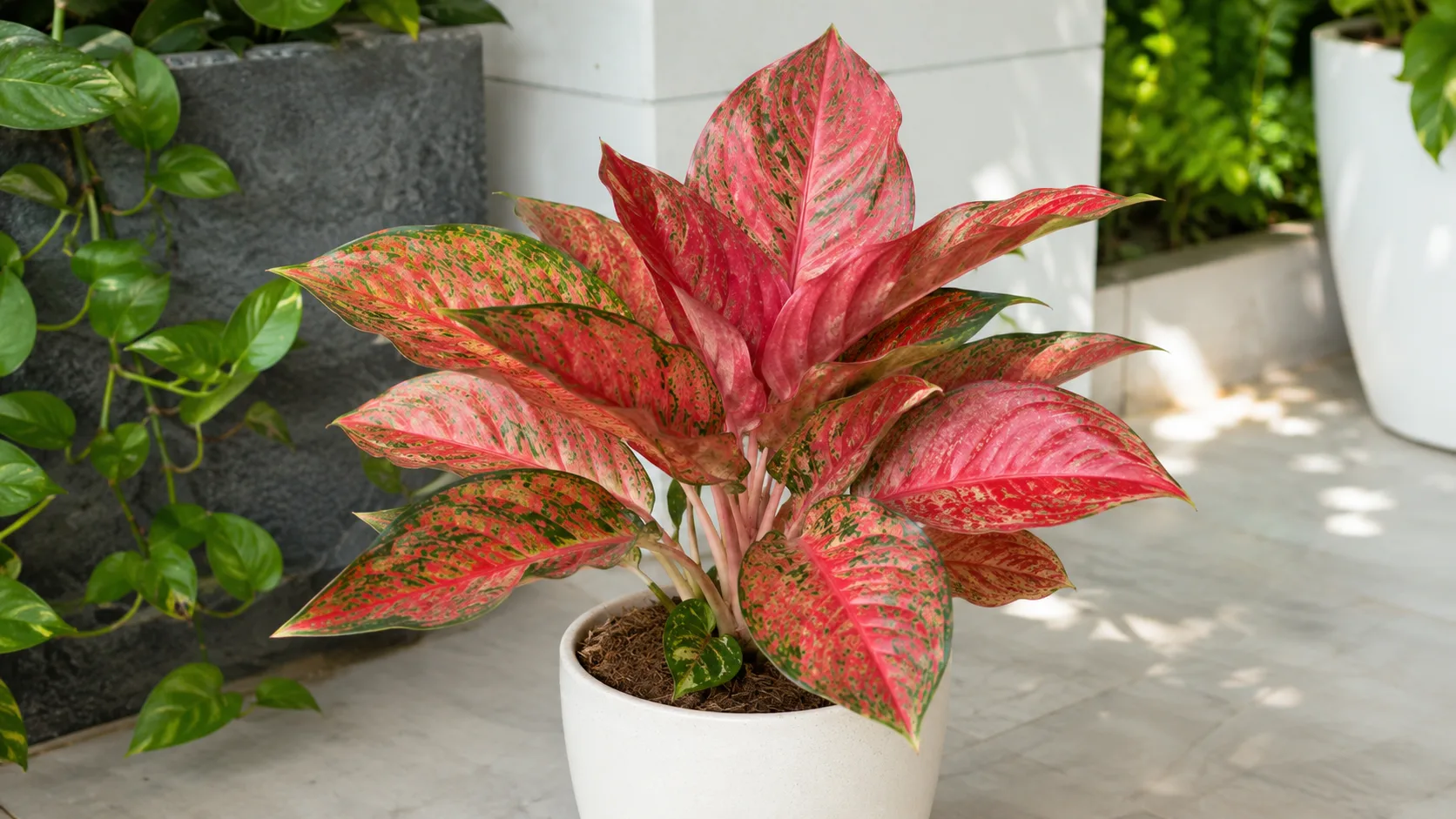
Aglaonema Red Valentine
Likely causeCommon on this plant type; confirm with recent watering, light, and root checks.
Quick fixInspect the plant and correct the most likely care stressor before stacking treatments.
 Medium
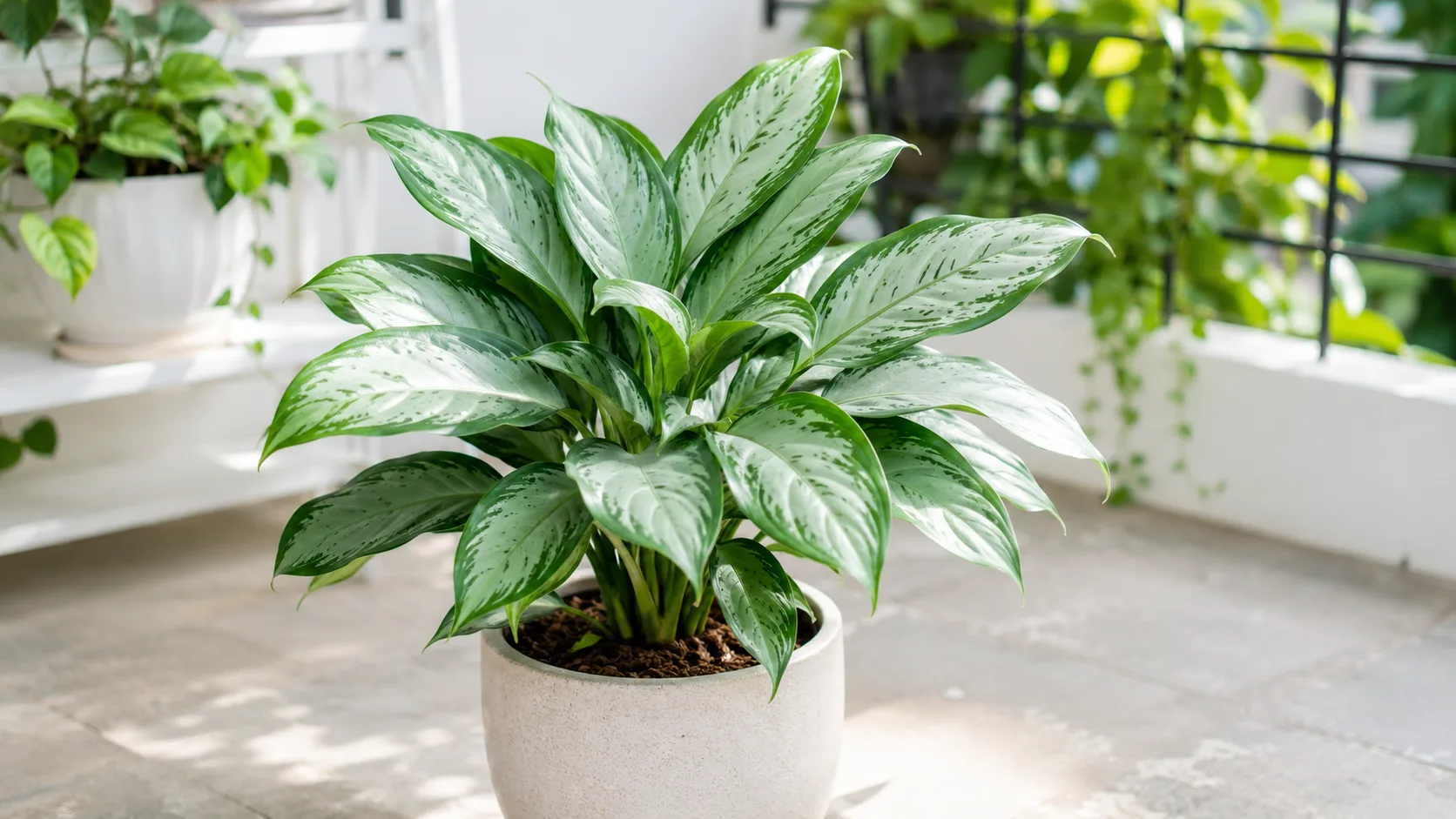
Aglaonema Silver Bay
Likely causeCommon on this plant type; confirm with recent watering, light, and root checks.
Quick fixInspect the plant and correct the most likely care stressor before stacking treatments.