Never Grow Mint in Your Garden: Why It Spreads
Should you grow mint in your garden? See why pros warn against open beds, how mint escapes, removal steps, and less-invasive alternatives like mountain mint.
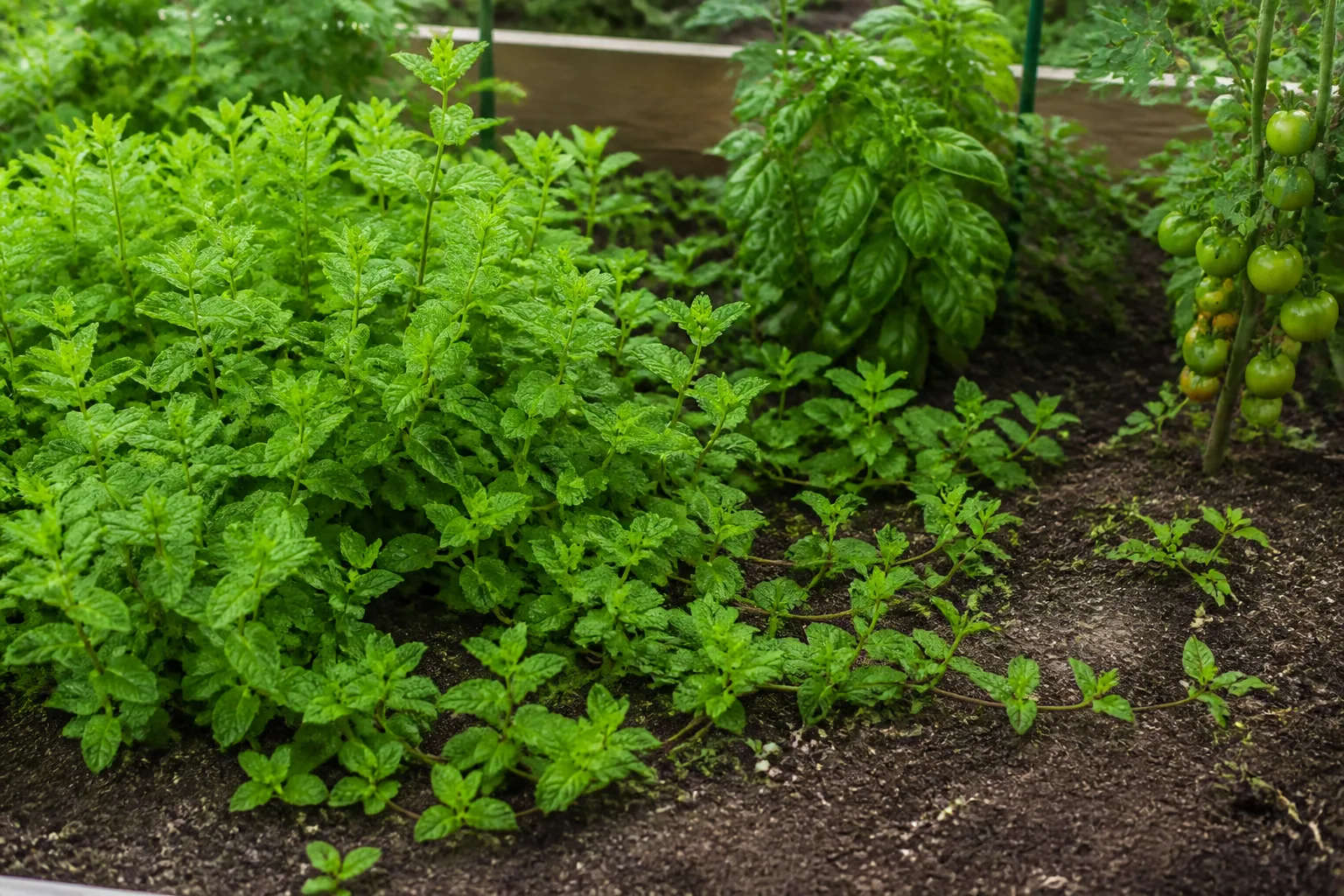
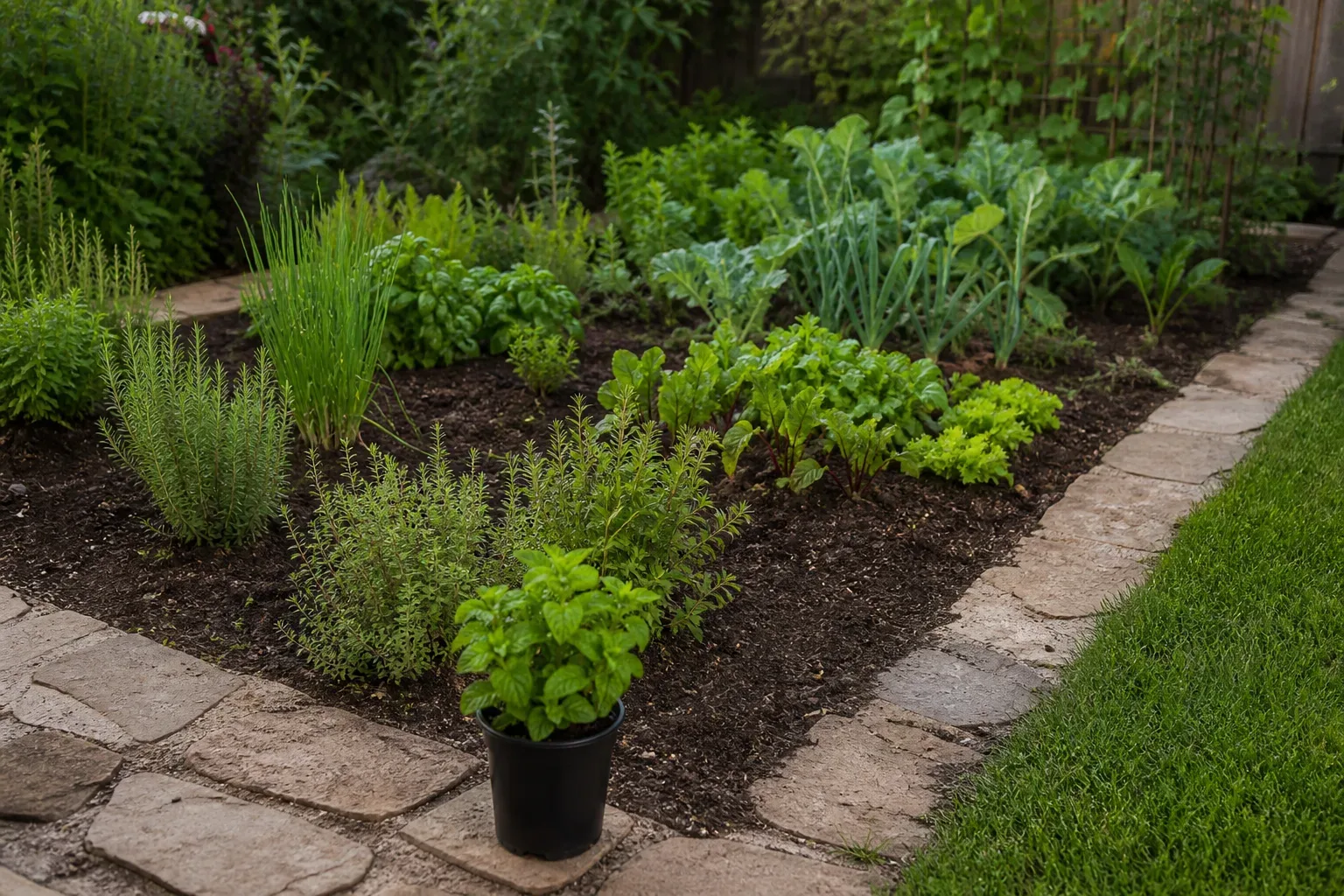
Fresh mint for tea, salads, and summer drinks is one of the best reasons to grow herbs at home. The warning experienced gardeners repeat is not about flavor or difficulty—it is about where you plant it. Mint in an open, mixed garden bed behaves less like a polite kitchen herb and more like a perennial that colonizes whatever soil it can reach. Once rhizomes and rooting stems establish beyond the spot you intended, reclaiming the bed takes seasons of digging and monitoring, not one afternoon with a shovel.
This page explains the biology behind mint’s spread, which garden setups fail most often, when a ground planting might still be reasonable, and what to grow or install instead. For full culture on light, water, and harvest timing, use the mint care hub and the dedicated pot vs. ground guide after you decide how you will contain the plant.
Mint Is Easy to Grow—and That Is Exactly the Problem
Mint’s reputation for being “hard to kill” is accurate. Spearmint (Mentha spicata) and peppermint (Mentha × piperita) tolerate a wide range of soils, recover from repeated harvest, and regrow from small root fragments. North Carolina State Extension notes that spearmint grows quickly to about 1–2 feet high and wide, tolerates partial shade, and spreads rampantly—listing containers as the best general growing method (NC State Extension). Delaware Cooperative Extension summarizes the same trait plainly: mint is a perennial that is wide spreading and can become invasive, while still noting it grows well in a container (University of Delaware Extension).
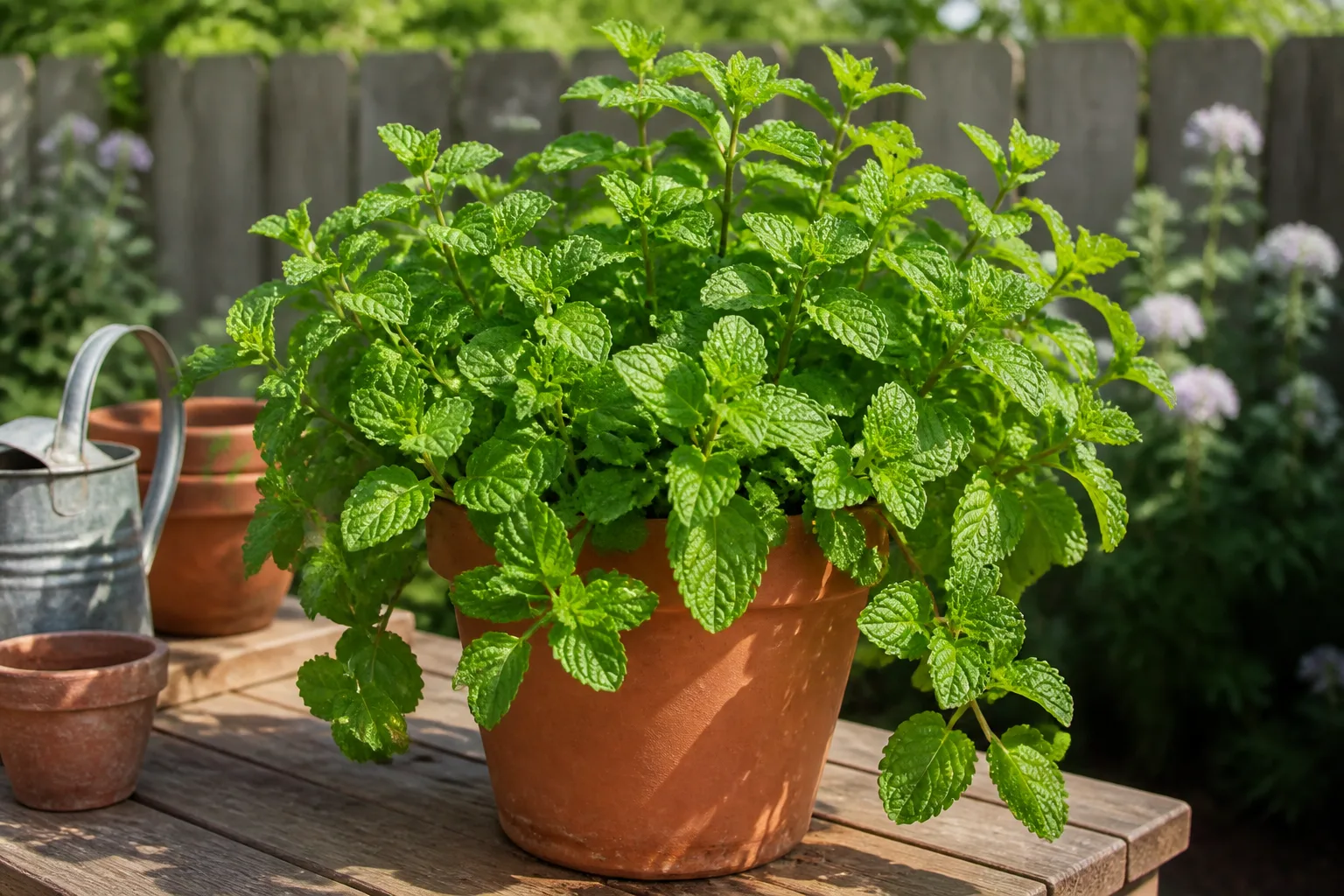
That vigor is an asset when you want frequent harvests from one well-managed pot. In a vegetable patch, herb border, or perennial bed shared with tomatoes, basil, or ornamentals, the same traits become a liability. Mint does not need your permission to expand. It uses underground stems and opportunistic stem rooting—two separate escape routes most gardeners only discover after the plant has already moved.
The practical takeaway is simple: mint is not a “plant it and forget it” herb in open soil. Treat it as a crop you manage for containment first and flavor second.
How Mint Spreads: Rhizomes, Runners, and Stem Rooting
Understanding mint’s two propagation strategies explains why so many containment shortcuts fail. Cutting the visible foliage does not reset the underground network, and a healthy stem draped over the pot rim can start a second colony without moving the original root ball.
What Rhizomes Do Underground
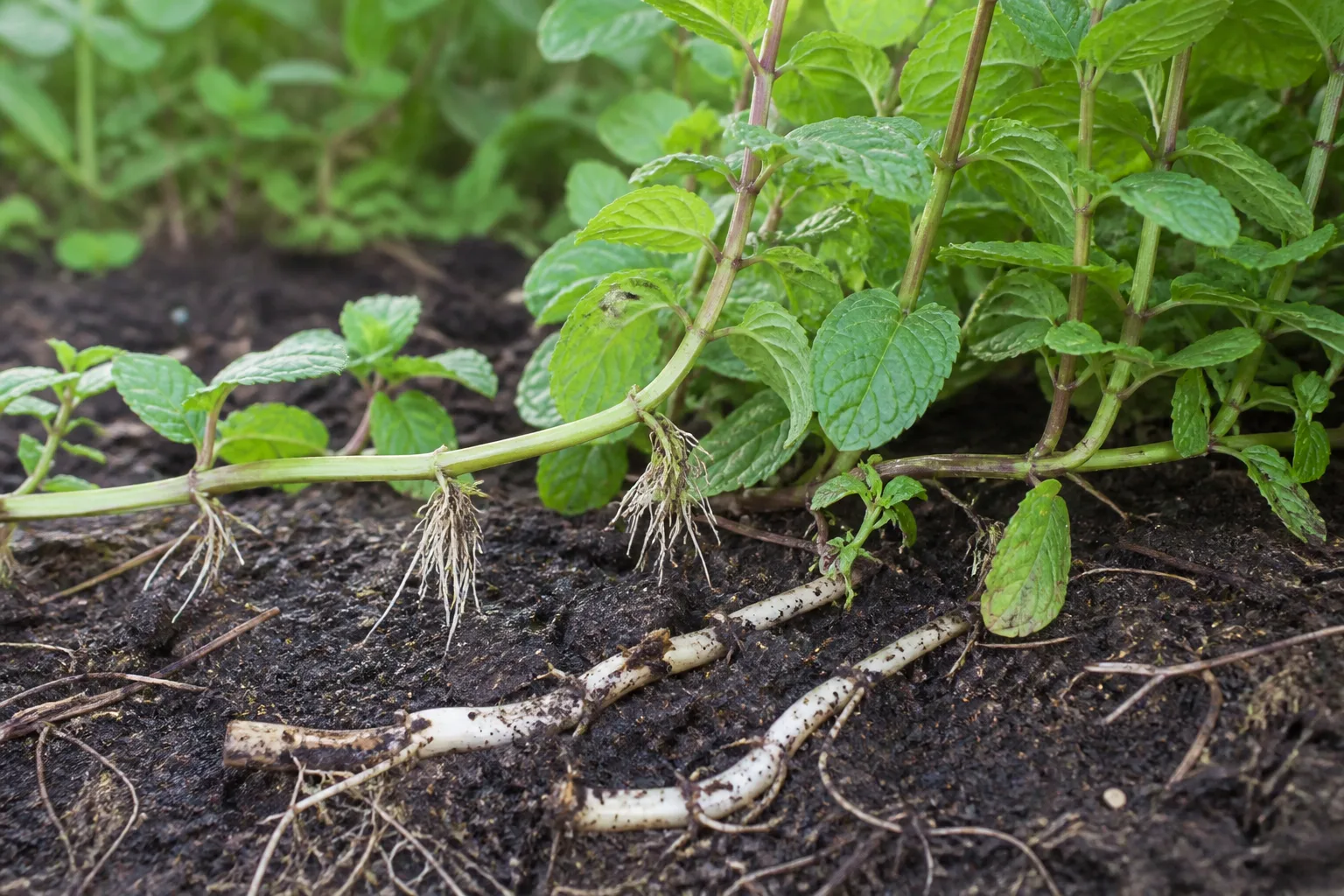
Rhizomes are modified underground stems, not thick primary roots. They grow horizontally, produce roots along their length, and send up new shoots at nodes. From the crown you see at planting time, rhizomes can travel outward through loose, moist soil and emerge as new mint patches several inches or feet away. NC State Extension describes spearmint spreading by rhizomes and notes that soil barriers can restrain rhizomatous spread when mint is grown in borders where spread is unwanted (NC State Extension).
Rhizomes also explain the “I dug it all up” surprise. A fragment left in the soil—sometimes no bigger than a fingernail—can regenerate a full plant. Gardening Know How, in its invasive-herbs overview, warns that even a small amount of mint root left behind can grow into a spreading plant (Gardening Know How). That is why removal is a process, not a single event.
How Above-Ground Stems Create New Plants
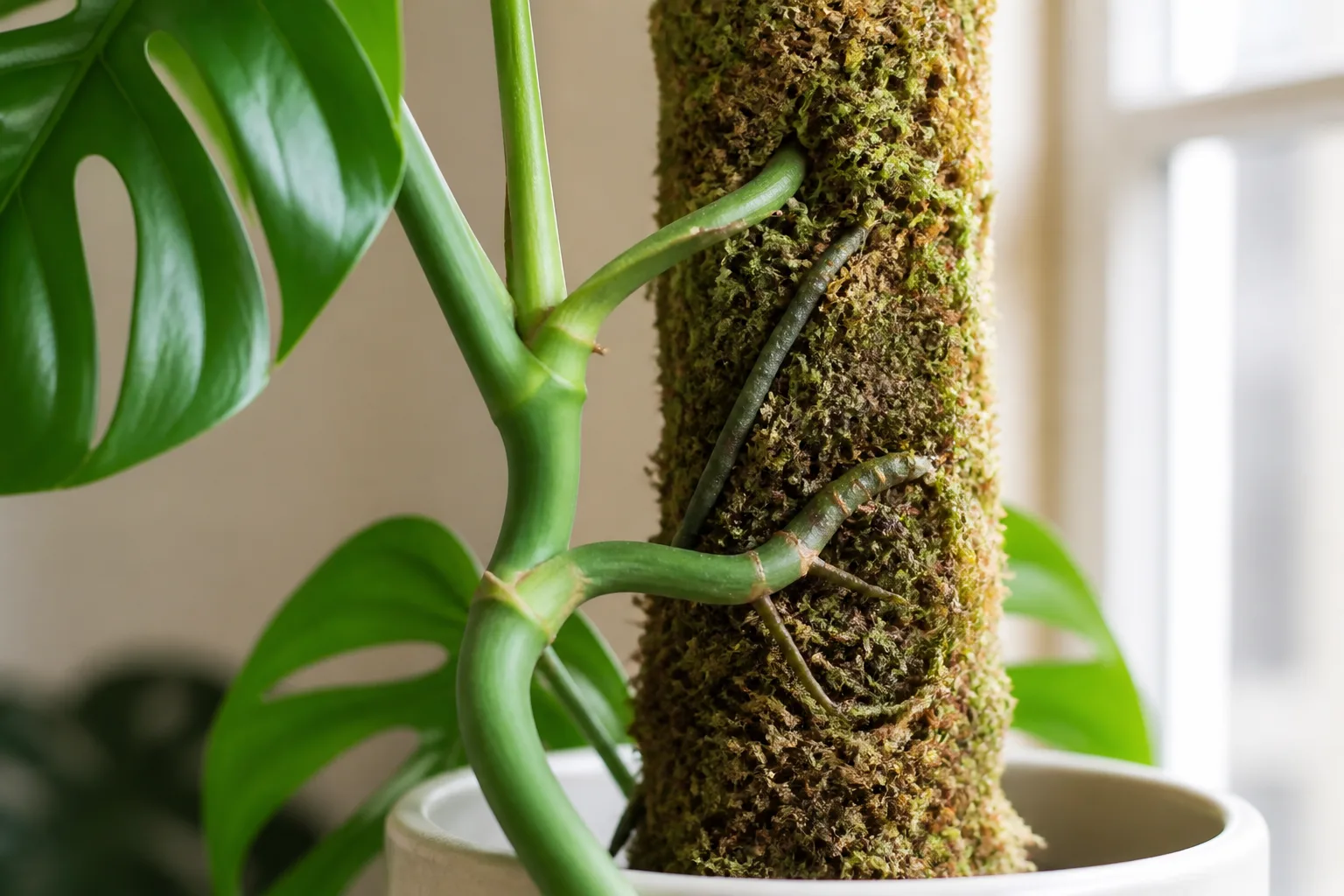
Mint’s square stems (a Lamiaceae family trait) often lean as they lengthen. Where a stem contacts damp soil, it can root at nodes and establish independently of the crown. NC State Extension states that spearmint’s square stems can root wherever they touch the ground (NC State Extension). UC IPM’s cultural guidance for mint similarly emphasizes container culture to limit unwanted spread (UC IPM).
This above-ground route is how mint escapes pots that sit directly on soil. Roots may exit drainage holes while stems root over the rim—two paths out of the same container. Pruning keeps the plant bushy and flavorful but does not stop rhizomes traveling sideways underground.
What Happens When Mint Invades a Mixed Garden Bed
Mint rarely announces its takeover with dramatic dieback in neighboring plants. Instead, it wins slowly through persistence and density.
Competition for Water, Light, and Root Space
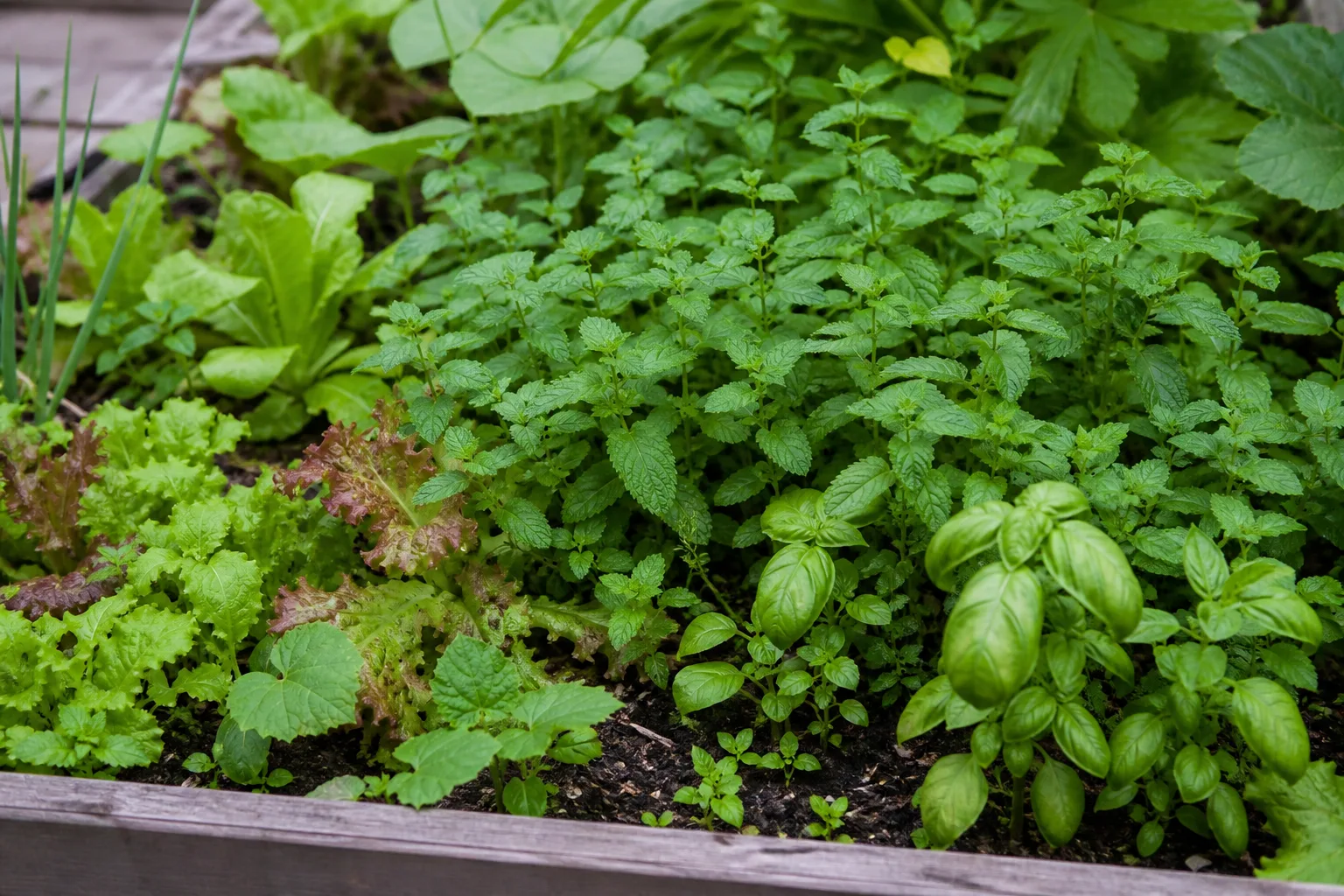
Established mint forms a thick mat of stems and shallow roots that intercept moisture before it reaches deeper-rooted neighbors. In a crowded herb border, mint stems can shade lower leaves on basil, thyme, or young vegetables. Because mint tolerates partial shade and moist soil, it often keeps growing in spots that stress sun-loving companions.
In a vegetable bed, mint’s shallow, aggressive root network competes with shallow-rooted crops like lettuce and bush beans while also sending rhizomes between rows you intended for rotation. Over several seasons, mint can become the default ground layer—hard to hoe, hard to weed around, and hard to remove without disturbing everything else you planted.
Why Digging Once Usually Is Not Enough
Removal projects fail when gardeners treat mint like a single-root annual. Cutting foliage and removing the central crown leaves rhizome pieces and stem fragments in the soil profile. New shoots appear weeks later along the old planting line and beyond it.
Extension and garden educators consistently recommend follow-up monitoring for at least one full growing season after the first dig. Shoots that sprout from missed rhizomes are easier to eliminate when they are small. Waiting until the patch looks “back to normal” usually means a larger second removal.
When an Open Garden Bed Is the Wrong Place for Mint
Use this quick audit before you tuck a mint seedling into any shared bed:
| Your garden setup | Risk level | Why |
|---|---|---|
| Mixed herb or vegetable bed | High | Rhizomes and stem rooting reach neighboring crops |
| Perennial flower border | High | Hard to dig without damaging valued roots |
| Lawn edge or path joint | High | Mint tolerates mowing but rhizomes persist |
| Raised bed with other edibles | High | Same soil volume; mint fills available space |
| Container on soil or mulch | Medium | Escape via holes and rim contact |
| Elevated pot on paving/deck | Low | With monthly inspection |
| Dedicated isolated bed with barrier | Medium–low | Depends on barrier depth and maintenance |
If your goal is one manageable kitchen herb—not a permanent groundcover—an open mixed bed is the wrong default. The safer question is not “can mint grow here?” (it can) but “can I tolerate mint everywhere this soil connects?”
Exceptions: When Ground Mint Can Still Make Sense
“Never grow mint in the garden” is shorthand for never grow it unconfined in a bed you care about. Ground planting can still fit a few deliberate use cases.
Dedicated Beds With Physical Separation
Some growers maintain mint-only beds separated from other plantings by paving, a dry strip that is not irrigated, or a deep root barrier. The separation matters more than the label on the bed. A mint patch beside a patio with a gravel buffer and no shared irrigation is a different proposition than mint tucked between kale and parsley.
Utah State University Extension recommends sinking a bottomless container or a pot with large drainage holes into the soil, leaving the rim above the soil line so stems cannot root over the edge (Utah State University Extension). The RHS gives similar guidance for restraining rhizomes while allowing downward root growth in a controlled footprint (RHS). These methods work when you treat the barrier as something to inspect every few weeks, not as a one-time install.
Isolated Moist Sites as Managed Groundcover
NC State Extension notes that spearmint’s spreading habit can be an advantage in moist areas when grown intentionally as groundcover (NC State Extension). That use case fits an unused bank, a shaded low spot by a downspout, or an area you can mow or cut back without harming ornamentals—provided you accept long-term occupation of that zone.
In dry climates, some growers report success with mint in isolated shade where surrounding soil stays dry and unirrigated, slowing outward rhizome travel (Growing in the Garden describes this pattern for low-desert gardens). That is not a universal rule: in consistently moist temperate gardens, unrestricted ground mint typically spreads regardless of shade.
Safe Ways to Grow Mint Without Losing Your Garden
You can keep excellent mint for cooking without surrendering bed space. Containment is a system—pot, placement, and inspection—not a single product.
Containers on Hard Surfaces
The default recommendation across extension sources is simple: grow mint in a container. UC IPM lists container culture among key cultural practices for home mint (UC IPM). Place the pot on paving, a deck, or a stand so drainage holes do not sit over garden soil. Use a pot with multiple drain holes and enough volume—often 12 inches or more for one vigorous plant—to hold moisture without constant wilting.
Check under the pot monthly. Trim any roots or rhizomes emerging from holes before they reach soil. Trim stems that lean over the rim so they cannot touch ground nearby. Divide or repot when the root ball fills the container—mint becomes root-bound quickly, which reduces leaf quality and pushes stems outward searching for space. The mint care guide covers watering, light, and division timing in more detail.
Sunk Bottomless Barriers and Root Barriers
When you want mint at ground level, a bottomless sunk container or vertical root barrier is the middle path. Cut the bottom from a sturdy nursery pot or use a dedicated root-barrier sleeve; bury it so the rim stays 1–2 inches above soil; plant mint inside. Roots can grow down while sidewalls limit lateral rhizome travel.
Growing in the Garden recommends a 10-inch nursery pot with the bottom removed, buried in the ground, as a practical DIY barrier (Growing in the Garden). Depth and material matter: shallow barriers slow mint; deep, continuous barriers work better in loose soils. Pair any sunk pot with rim clearance and stem trimming—the failure mode is almost always a stem rooting over a rim buried flush with soil.
For in-ground culture comparisons and sunk-pot pitfalls, see grow mint in pots or ground.
Less-Invasive Alternatives With Mint-Like Appeal
If you want mint aroma without mint’s colonizing habits, choose plants with a different spread mechanism and match the alternative to your job—tea, pollinators, or ground-level foliage.
Mountain Mint for Pollinators
Mountain mint (Pycnanthemum species) offers mint-family fragrance and strong pollinator appeal without the same Mentha rhizome network. NC State’s plant toolbox describes mountain mints as clump-forming natives with aromatic leaves—useful for teas and beneficial insects (NC State Extension — Agastache/Pycnanthemum relatives). Sizes vary by species and cultivar; some reach 3 feet or more, so read the label for height and width.
Mountain mint is a better fit when your priority is bees and borders rather than aggressive kitchen harvest volume. It still needs space—clump-forming is not zero maintenance—but it does not behave like spearmint in a vegetable row.
Lemon Balm and Other Mint-Family Herbs
Lemon balm (Melissa officinalis) delivers lemon-mint scent and tea-friendly leaves. It is often suggested as a gentler alternative, but Gardening Know How classifies it among invasive herbs because it self-seeds readily if flowers mature (Gardening Know How). Cut flower stems before seed set, or grow it in a pot like mint.
For indoor or patio culture without bed risk, a compact herb setup—see best herbs to grow indoors—keeps lemon balm, basil, and chives harvestable without open-bed exposure. Avoid pennyroyal as a casual mint substitute: it is toxic to pets and has different safety constraints than culinary spearmint.
| Plant | Spread mechanism | Relative risk in open beds | Best use |
|---|---|---|---|
| Spearmint / peppermint | Rhizomes + stem rooting | High | Container or barrier only |
| Lemon balm | Self-seeding + some spread | Medium | Pot, or deadhead flowers in ground |
| Mountain mint | Clumping | Lower | Pollinator border, tea |
| Catmint (Nepeta) | Clumping spread | Low–medium | Ornamental edging—not culinary mint |
Containment Mistakes That Still Let Mint Escape
Even gardeners who “know mint is invasive” often lose the bed to one of these patterns:
Buried intact pot flush with soil. A solid-bottom pot buried in the bed can trap water in heavy soil, encourage rot, and still fail at the rim where stems root outward. Bottomless or large-hole sunk pots with a raised rim work better.
Pot sitting on garden soil. Drainage holes over soil give rhizomes a direct path out. Elevate the pot or use a saucer you empty after watering—not a permanent water bridge into the ground.
Assuming harvest equals control. Frequent picking makes mint bushier and tastier but does not shrink the rhizome zone. Combine harvest with barrier inspection.
Planting multiple mint flavors in one open bed. Different Mentha varieties do not politely coexist; stronger spreaders crowd weaker ones. Separate pots or separated beds prevent flavor mixing and competition.
Ignoring mint rust and stress. Stressed, leggy mint sends more stems over pot edges. Rust (Puccinia menthae) weakens plants and is easier to manage in containers where you can isolate and replace soil (University of Delaware Extension lists mint rust among common issues). Rotate or refresh potting mix if rust recurs.
If Mint Has Already Taken Over: Removal Steps That Work
Reclaiming a bed is tedious but doable if you accept that mint rewards patience.
Start by cutting all visible growth to soil level so you can see where rhizomes run. Dig out the crown and follow rhizomes outward, working in moist soil when possible so fragments are less likely to snap and hide. Sift or hand-pull every white rhizome piece you can find; do not compost viable material unless your compost reaches temperatures that destroy rhizomes (most home piles do not).
Bag rhizomes for yard waste or burn where local rules allow. If the patch is large, consider smothering cleared areas with cardboard and mulch for a full season after the first dig, then monitor edges for shoots. Solarization in hot climates can weaken remaining fragments but rarely finishes the job alone.
Mark the calendar to walk the area every two weeks during the growing season. New shoots are rhizome remnants—dig again immediately. One season of vigilance beats five years of fighting a resurgent mat.
If mint invaded through a neighbor’s bed or lawn edge, address the shared boundary or the escape route will reopen. Physical separation—edging, paving strip, or barrier—after removal reduces reinvasion from outside your plot.
Conclusion
Gardeners warn against growing mint in open garden beds because mint’s success strategy is colonization, not coexistence. Rhizomes and rooting stems turn a single transplant into a network that competes with vegetables, perennials, and other herbs while resisting one-pass removal. That does not mean you should avoid mint—it means you should default to elevated containers, sunk barriers with raised rims, or isolated beds you actively patrol.
Choose spearmint or peppermint when you want maximum kitchen harvest and can commit to containment maintenance. Choose mountain mint or carefully managed lemon balm when you want aroma and pollinators with lower rhizome risk. If mint is already entrenched, plan on dig-plus-monitor rather than a single weekend project.
When you are ready to grow mint the safer way, start with grow mint in pots or ground for setup detail and the mint care hub for watering, light, rust checks, and pet placement. Fresh leaves are absolutely worth growing—just not as a surprise permanent ground layer in a bed you intended for something else.