7 Slug-Deterring Plants for Your Garden
Compare rosemary, thyme, lavender, geraniums, sedum, marigolds, and calendula for slug-prone gardens, with honest limits and practical placement tips.
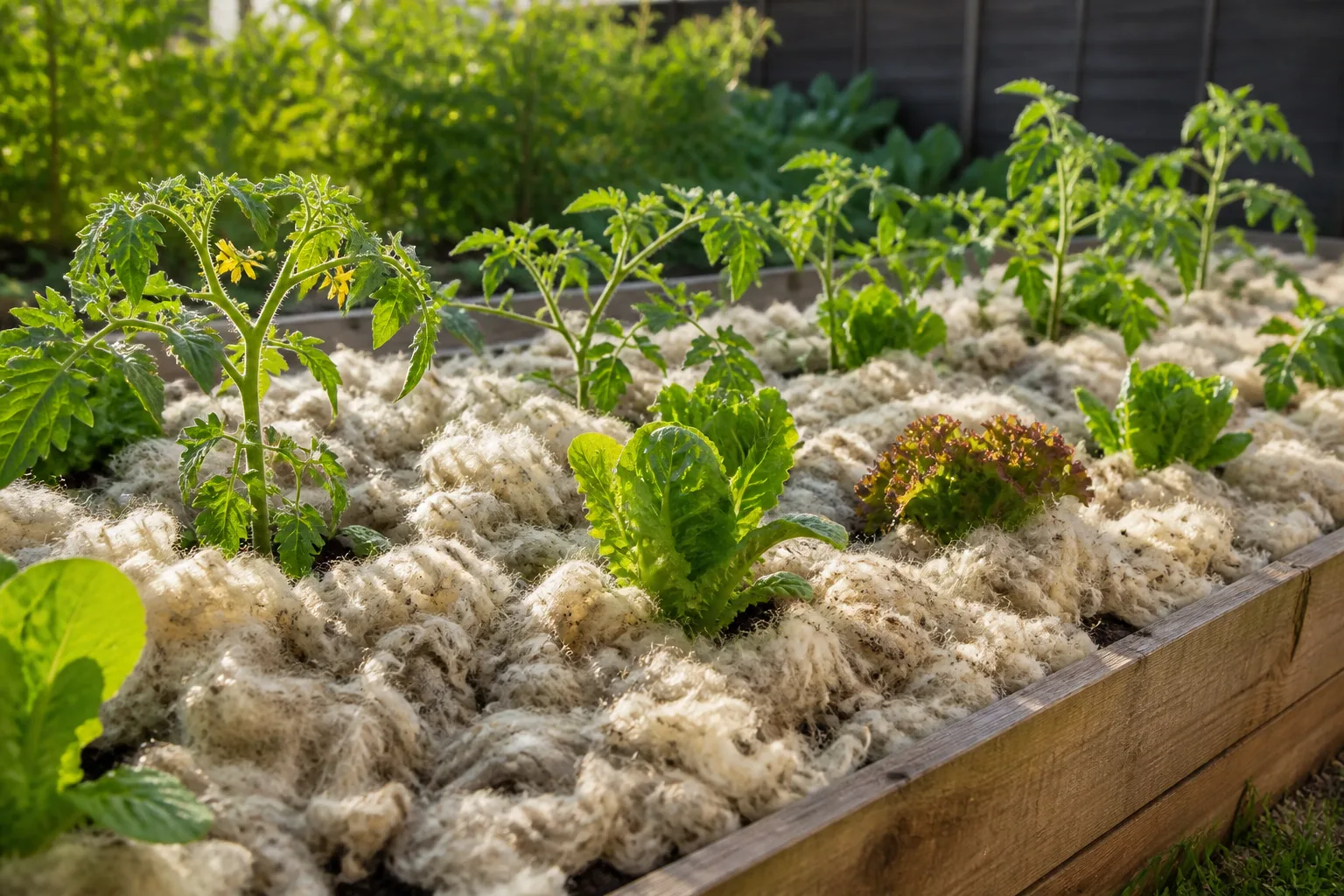
If slugs are shredding lettuce, seedlings, hostas, or low-growing flowers overnight, planting a few aromatic herbs may help—but it will not create an invisible slug fence. The most useful approach is to choose plants slugs tend to find less appealing, reserve attractive flowers for carefully monitored trap crops, and protect the plants that matter most with timing and targeted controls.
That distinction matters because “slug-deterring” covers several different jobs. Rosemary and thyme may be lower-risk plants in a damp bed; marigolds and calendula may draw feeding toward themselves; coffee, garlic, and hot pepper are treatments rather than companion plants. Here are seven choices, followed by a practical way to use them without making slug pressure worse.
What these plants can—and cannot—do
Plants do not repel every slug species, and a slug that is hungry, sheltered, and close to a tender seedling may ignore a strong scent. Plant choice is best treated as risk reduction: replace repeatedly damaged ornamentals with tougher options, put aromatic plants near—but not inside—the most vulnerable crop, and avoid building a cool, wet thicket where slugs can hide.
The Royal Horticultural Society notes that only some slug and snail species feed heavily on living plants. It recommends choosing plants that are less palatable, including woody plants and plants with thick or waxy leaves, while protecting seedlings and soft young growth more carefully. That is a more dependable principle than claiming that one scent will keep every gastropod out. (RHS advice on slugs and snails)
The list below deliberately includes two flowers that are better understood as trap crops. They can be useful if you are willing to inspect them and remove slugs; they are not good choices to plant unmonitored beside a row of lettuce and then call the bed protected.
The seven plants at a glance
| Plant | Best role | Why it can help | Important limitation |
|---|---|---|---|
| Rosemary | Lower-risk herb | Woody stems and strongly aromatic, narrow foliage | Needs sun and fast-draining soil; not a guaranteed repellent |
| Thyme | Lower-risk herb | Small, scented leaves and a dry, open habit | Can struggle in wet, compacted beds |
| Lavender | Lower-risk border plant | Woody structure and fragrant foliage | Crowded, damp planting can still shelter pests |
| Geraniums | Lower-risk flower | Many hardy geraniums have foliage slugs tend to pass over | Cultivar and local slug pressure vary |
| Sedum | Lower-risk perennial | Fleshy leaves and sturdy growth | New shoots and stressed plants can still be nibbled |
| Marigold | Monitored trap crop | Provides a sacrificial target and flowers for the garden | May attract slugs rather than repel them |
| Calendula | Monitored trap crop | Tender foliage and flowers can draw feeding away from a priority crop | It must be checked and managed, not ignored |
1. Rosemary
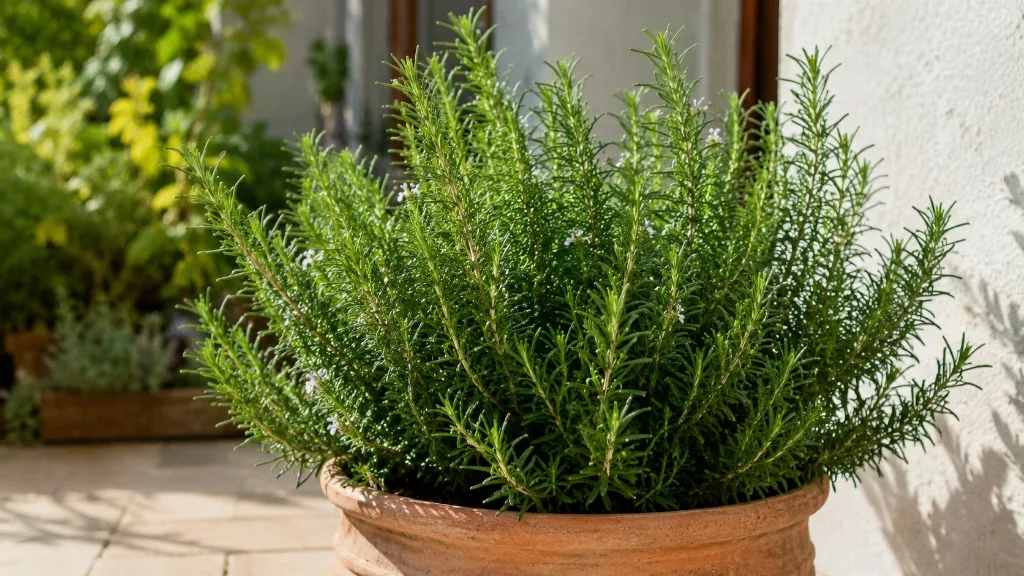
Rosemary is a sensible first choice for a sunny, well-drained edge because it is woody, aromatic, and not built like the soft lettuce and succulent seedlings slugs usually seek. Its upright shape also leaves less cool, damp cover at soil level than a dense mound of lush groundcover. Plant it at the edge of a vegetable bed, beside a path, or in a pot near a greenhouse door where you want an herb you will actually use.
Do not expect a rosemary border to turn away slugs already living under boards, pots, mulch, or dense foliage. The benefit is mostly that rosemary itself is a lower-risk plant and can help you devote prime bed space to crops slugs prefer. Give it full sun, sharp drainage, and enough room for airflow; a struggling rosemary with wet roots is not a useful pest-management tool.
2. Thyme
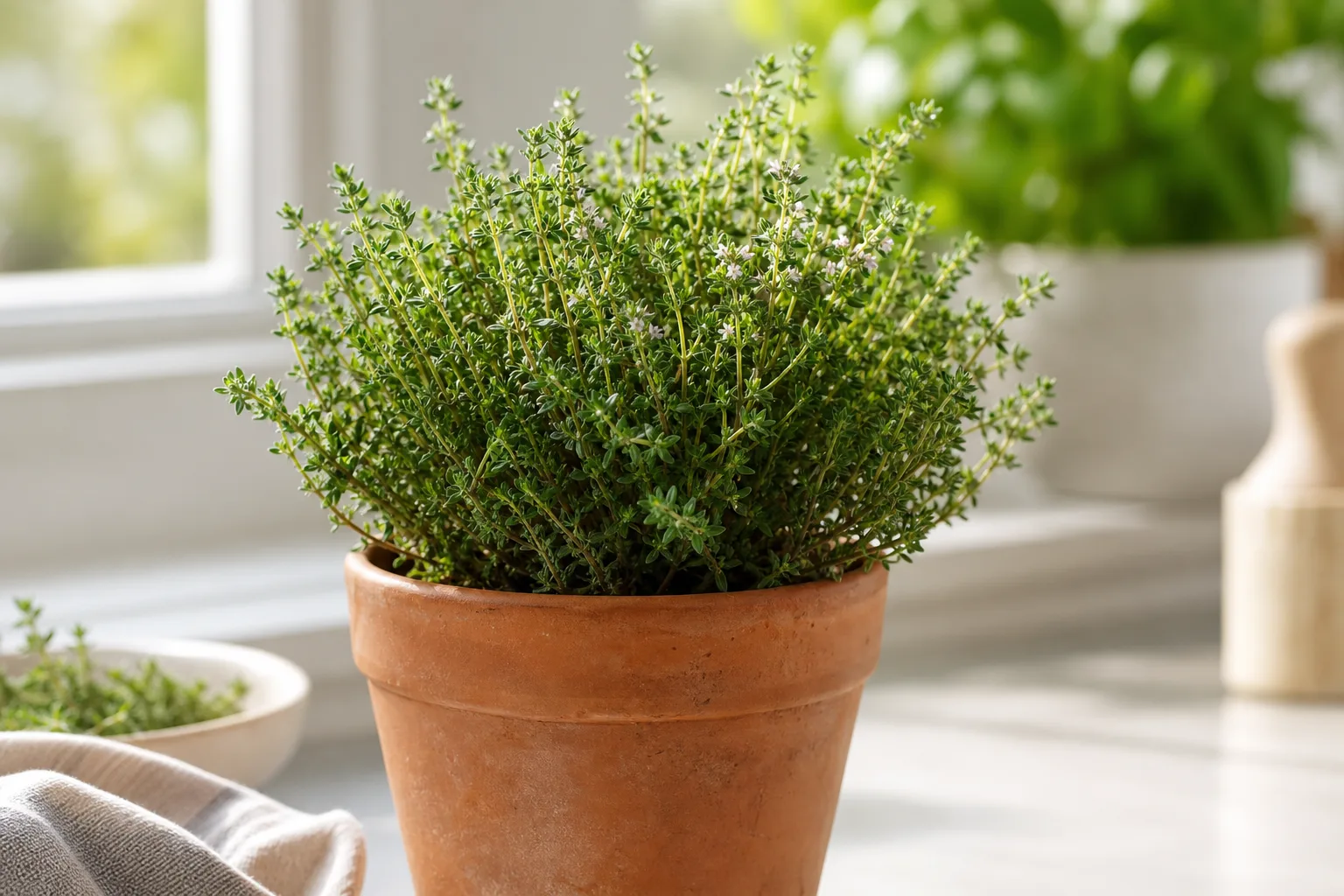
Thyme fits the same strategy in a smaller footprint. Its tiny, fragrant leaves and woody stems make it a useful edging plant around a raised bed or along a sunny path, where it can mark the boundary without creating a thick, wet canopy. It is especially practical for gardeners who want a slug-conscious planting that also supplies leaves for cooking and pollinator-friendly flowers.
Thyme is not a barrier. A slug can cross the soil between thyme plants, and a plant watered heavily at dusk may create a more favorable route than the herb’s scent can offset. Keep the crown out of standing water, avoid burying its stems under wet mulch, and use the open edge as one part of a broader plan.
3. Lavender
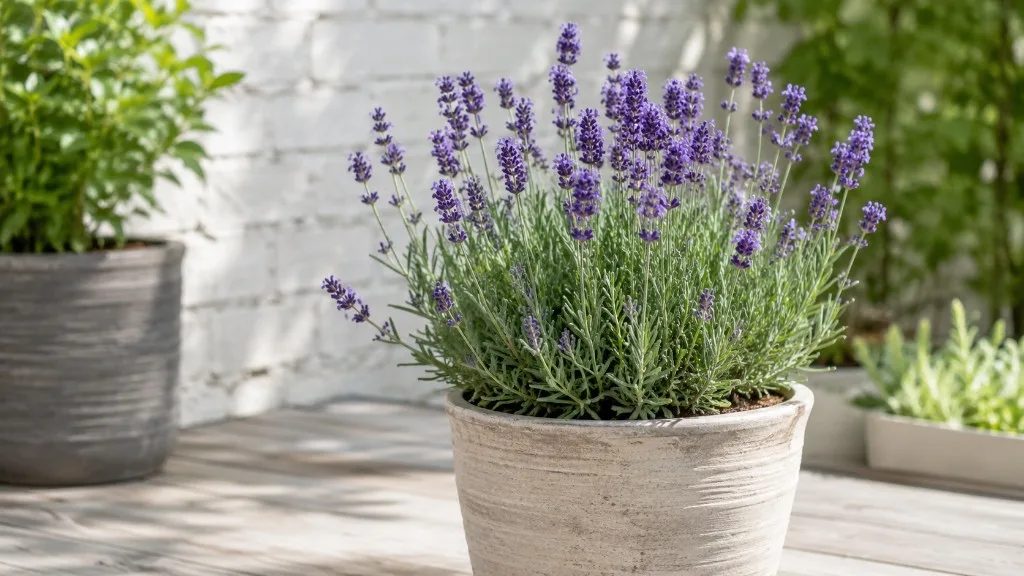
Lavender brings a woody framework and strongly scented foliage to a sunny border. It is a good swap for soft, slug-prone edging plants when your site is hot, bright, and well drained. The mature stems hold the foliage above the soil, which is useful in a bed where you are trying to reduce damp hiding places around a crop.
Lavender’s main limitation is cultural, not magical. It dislikes heavy wet soil, rich overwatering, and crowded conditions, so it cannot compensate for a poorly drained bed. Space plants so air can move through them and keep the most vulnerable seedlings in a separately protected zone rather than relying on a lavender perimeter.
4. Geraniums
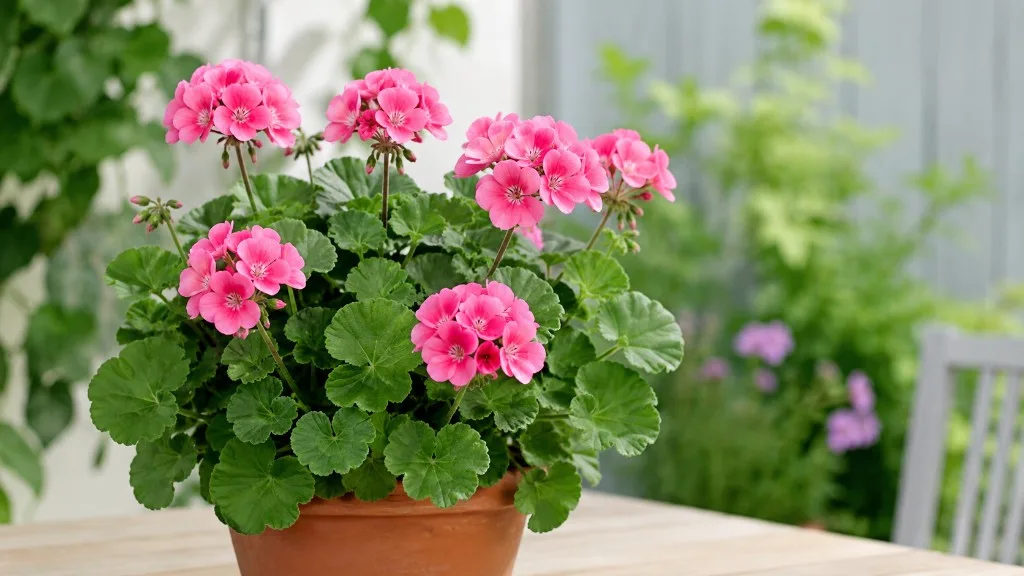
Hardy geraniums are useful when you want a flowering perennial that does not present the same soft, broad-leaved target as hostas or young salad greens. The Royal Horticultural Society includes geranium species among plants less likely to be eaten by slugs and snails. In a mixed border, they can provide color and ground-level structure without making the entire design depend on annual bait flowers.
Choose a cultivar that suits your climate and give it enough light and drainage to grow firmly. “Less likely to be eaten” is the right expectation—not “never eaten.” Fresh growth after planting, prolonged rain, and an unusually high slug population can change the result, so inspect new plants during the first few weeks.
5. Sedum
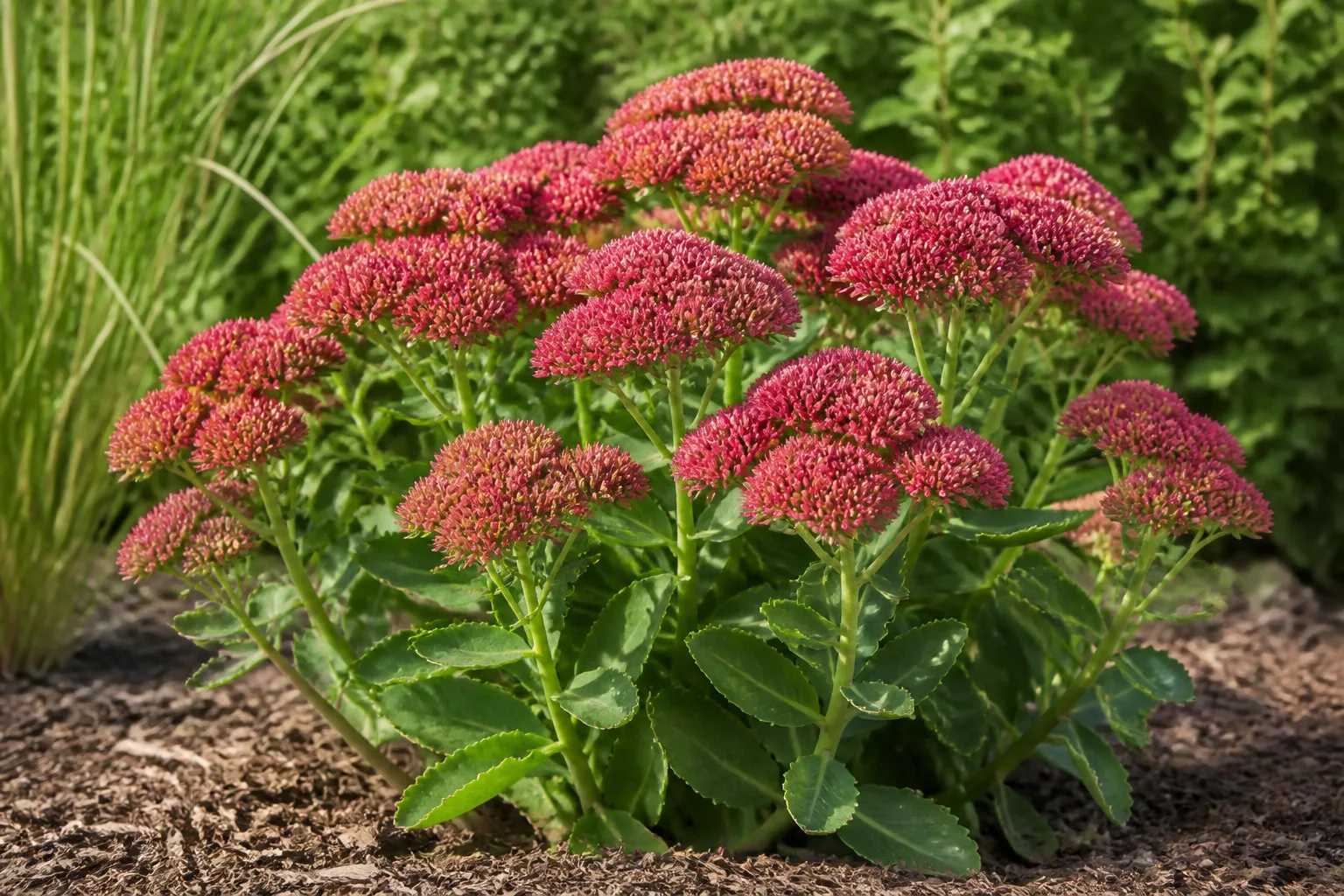
Sedum, especially the upright stonecrop types commonly grown in perennial borders, is another good choice for reducing the number of soft plants that need protection. Its fleshy leaves and sturdy stems are less attractive to many slugs than thin, tender foliage. It also tolerates a sunny, relatively dry position where slug activity is often lower than in a constantly damp shade bed.
Use sedum in the drier portions of the garden, not as a reason to let the soil become hydrophobic or neglect watering during establishment. New shoots can be more vulnerable than mature stems, and any plant can be grazed when food is scarce. Pair the perennial with a clean planting area and a protected nursery space for small transplants.
6. Marigolds
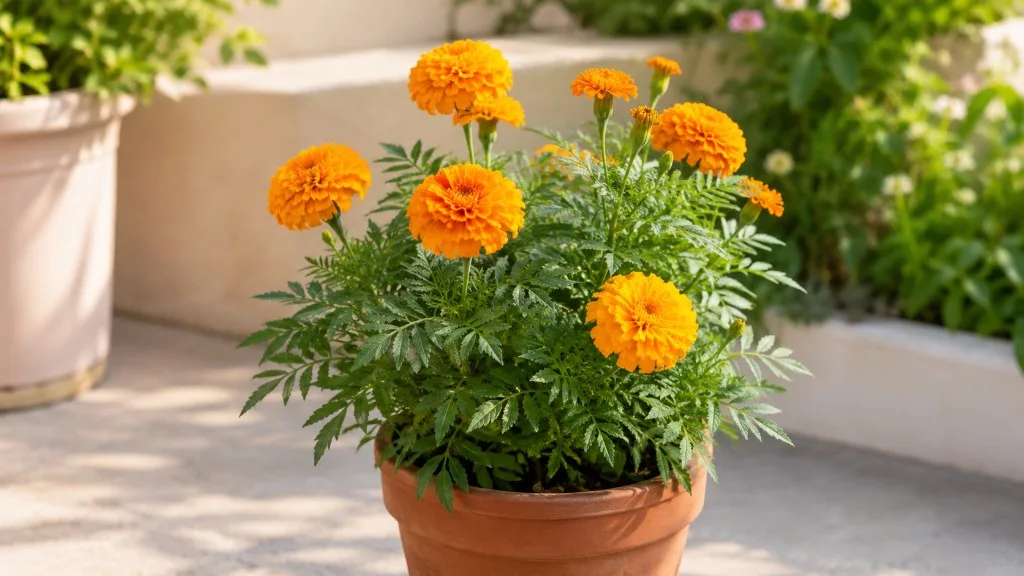
Marigolds belong on this list for a different reason. They can act as a trap crop: a plant you intentionally offer so feeding is concentrated somewhere you can monitor instead of spread across every vegetable. Their value is not that the flowers emit a force field. If slugs prefer the marigold in your garden, it can function as a visible early-warning plant and a collection point.
Place one or two marigolds near, but not inside, the crop you are trying to protect. Check beneath the leaves and around the soil line after dusk or early in the morning, then remove slugs before they move on. If the marigold is being destroyed and you are not managing it, take it out; an unmonitored trap crop can become a well-stocked feeding station.
7. Calendula
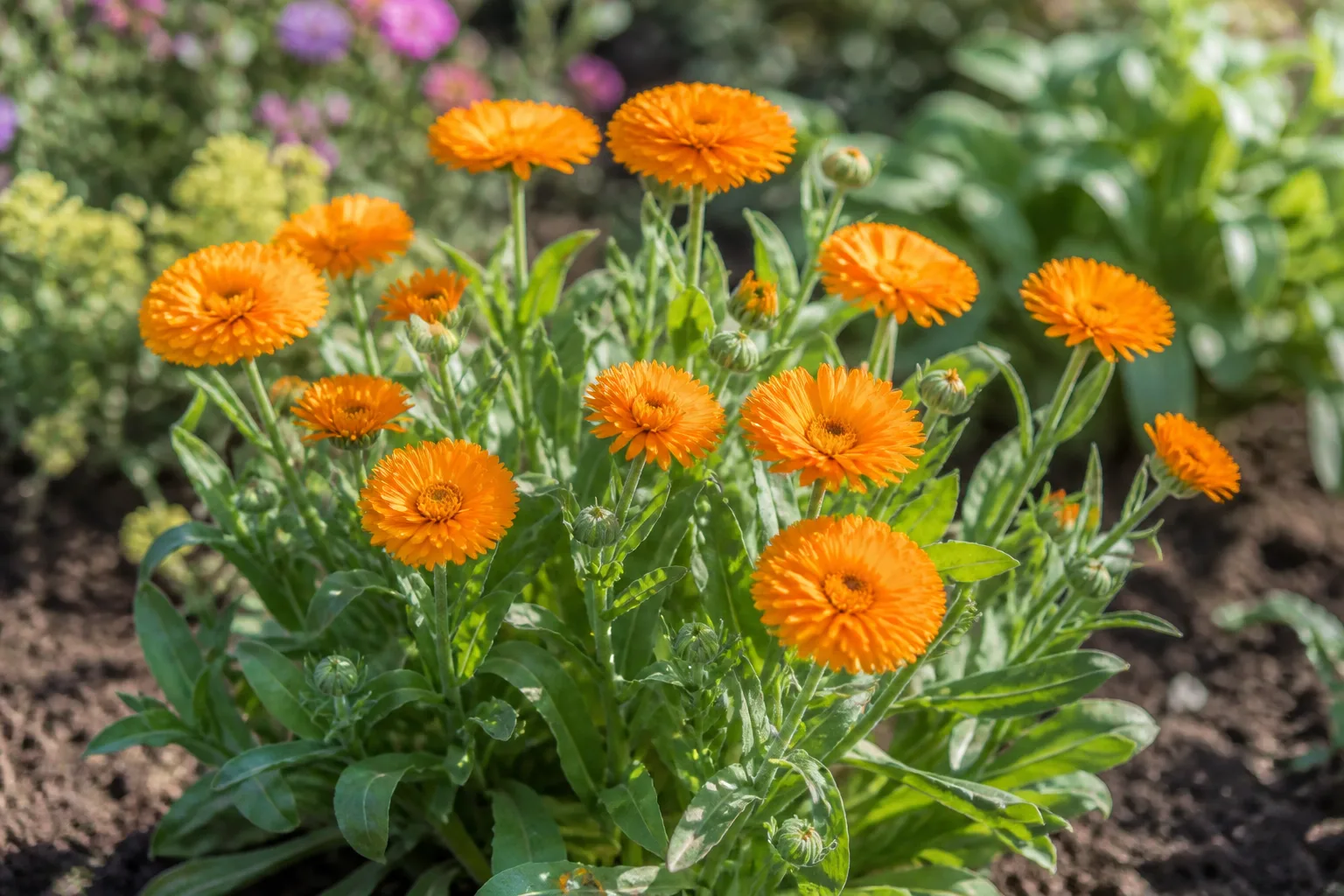
Calendula can serve the same sacrificial role. Its fleshy leaves and low flowers are easy for a slug to find, which makes the plant useful for learning where pressure is highest. Put it at the outer edge of a bed or in a nearby pot, observe whether it actually attracts feeding, and treat the result as local evidence rather than a universal rule.
Calendula works best when you are comfortable removing damaged leaves and collecting slugs. If your priority is an untouched edible crop and you do not have time to monitor a decoy, choose a less-palatable perennial instead. Pansies and dianthus can also be eaten and may work as sacrificial flowers in some gardens, but they should be treated as monitored bait, not as repellents.
How to use them in a real garden
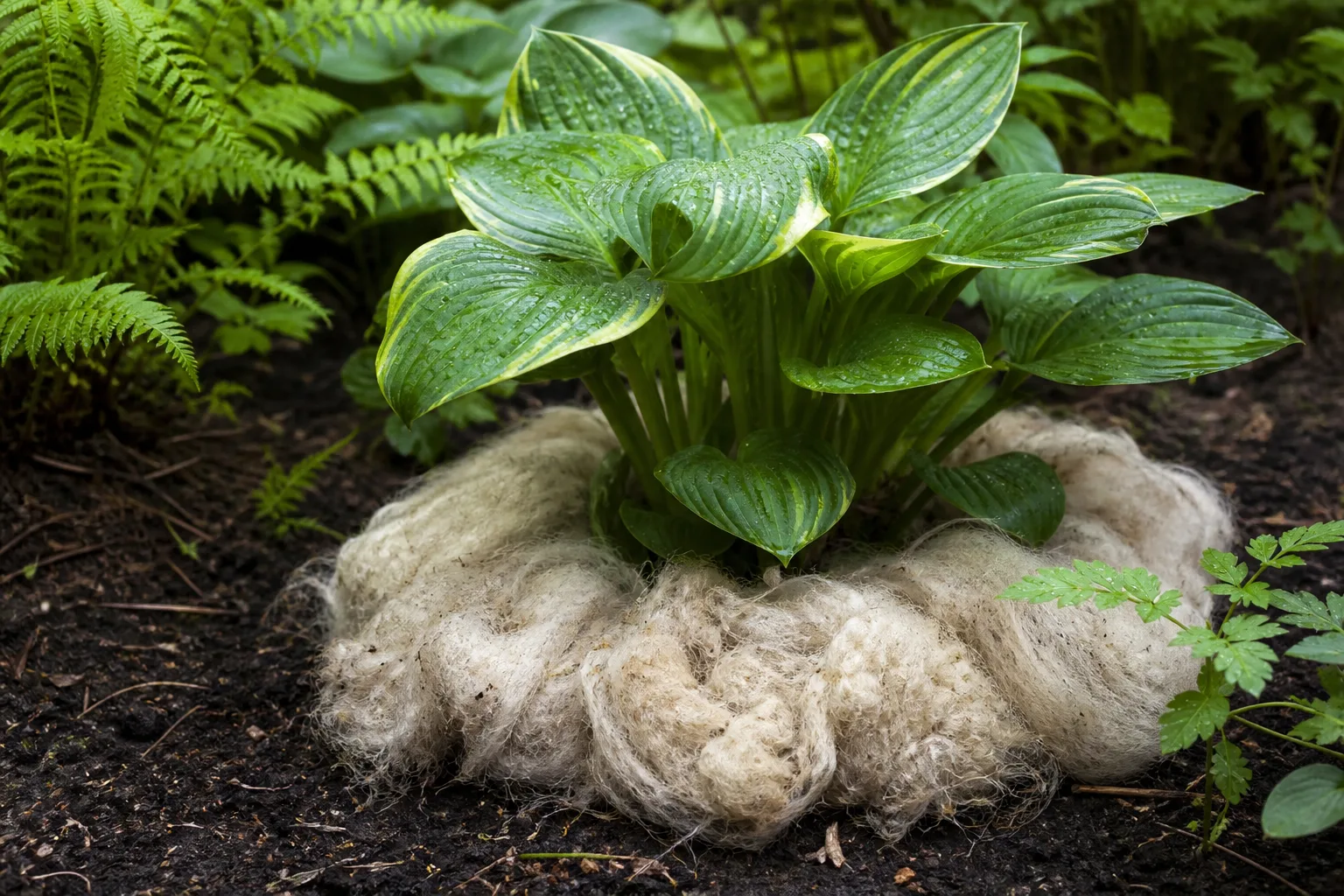
The most effective planting plan is usually a zoned one. Put rosemary, thyme, and lavender on sunny edges or in containers; use geraniums and sedum in the ornamental border; and reserve marigold or calendula for a visible observation spot. Keep soft seedlings and high-value salad crops in the most protectable area, such as one raised bed, a cold frame, or a small cloche-covered section.
Spacing matters. A dense ring of plants, mulch, boards, and pots can create the cool, damp shelter slugs need during the day. Leave enough space to see the soil surface, lift containers, and inspect the underside of leaves. The goal is not to make every square foot of the garden hostile; it is to make one important growing zone easier to protect.
Layout rule: protect the crop, not the whole yard
Start with the plant that is being damaged, then work outward. A ring of aromatic herbs may look attractive, but a slug can simply approach from below, from a neighboring bed, or from a pot touching the crop. A better arrangement is a less-palatable border plus one or two targeted protections around the vulnerable plants.
For a vegetable bed, place the trap crop at an outer corner rather than between rows, so feeding activity is visible and removal is practical. For containers, raise pots off the ground, keep foliage from touching adjacent pots, and check the drainage area. For perennial borders, replace a plant that is repeatedly destroyed instead of repeatedly treating it with homemade sprays.
Water, timing, and habitat matter more than scent
Slugs are most active in cool, damp conditions, often after dark. Watering in the morning gives the soil surface time to dry before the night feeding window, while late-evening watering can leave a wet route between plants. Both BBC Gardeners’ World Magazine and the RHS recommend combining timing, observation, cultural changes, and targeted controls rather than looking for one perfect remedy. (BBC Gardeners’ World guidance on stopping slugs)
Reduce the hiding places immediately around seedlings: lift unused pots, move boards and bricks, clear dead leaves from the crop crown, and keep grass or weeds from forming a damp tunnel into the bed. Do not strip the entire garden of wildlife habitat. Birds, frogs, toads, beetles, and other animals are part of the garden’s food web, and the RHS describes most slugs as decomposers or prey rather than pests that need total eradication.
The same principle applies to mulch. Compost can improve soil and plant vigor, but a thick, wet layer pressed against tender stems can give slugs shelter. Keep mulch slightly back from crowns, watch how quickly your site dries, and adjust the texture and depth rather than adding more material automatically.
When the holes are already there
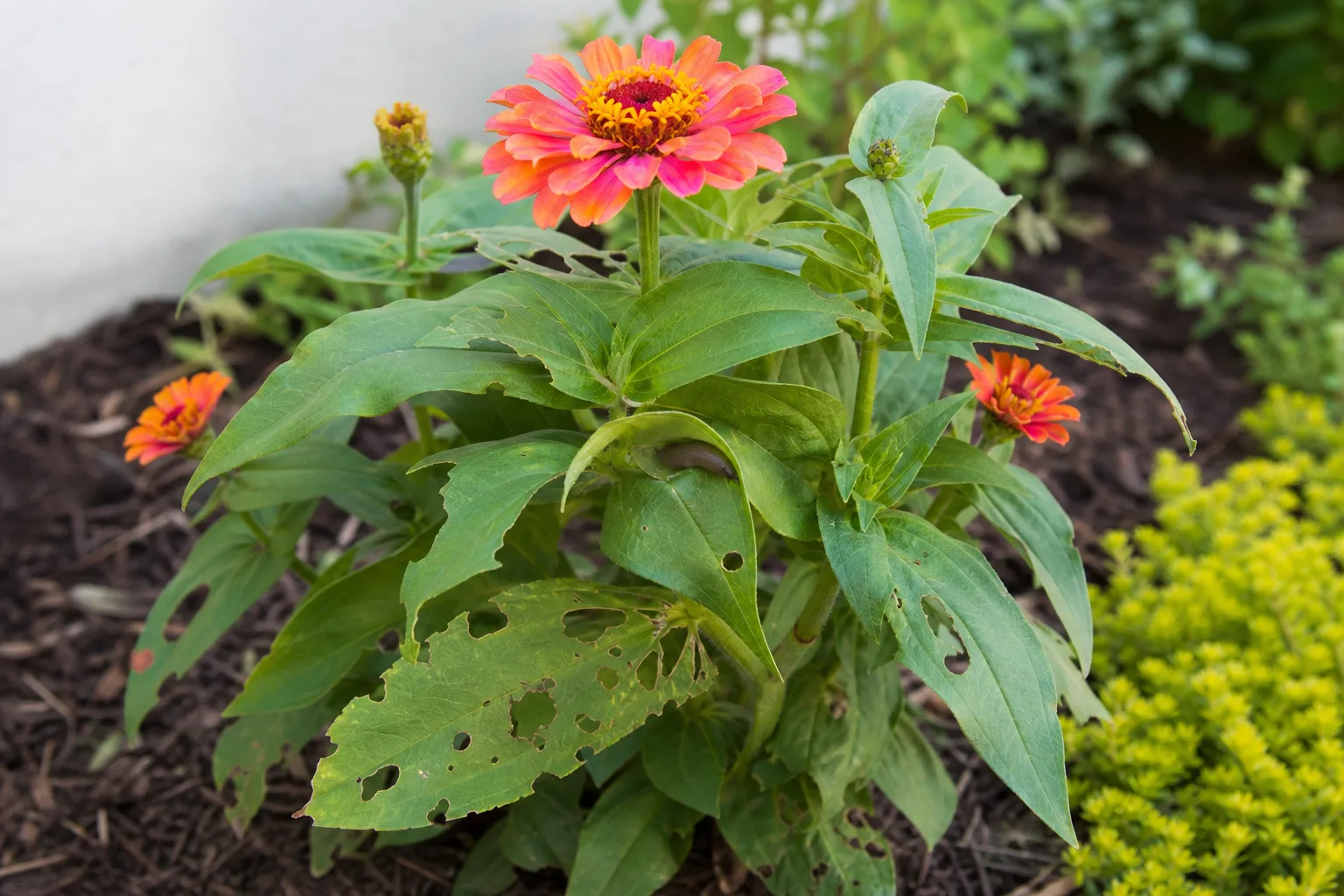
Confirm the culprit before changing your planting. Ragged holes, slime trails, and fresh damage that appears overnight point toward slugs or snails, while caterpillars may leave frass and hide in foliage during the day. Go out with a torch a couple of hours after dusk or inspect at first light; a single night check often tells you more than a week of guessing from the holes alone.
If you find slugs, remove them from the crop and place them in a covered container while you decide how to manage them. Move the immediate shelter—such as a pot saucer, board, or clump of dead leaves—away from the seedling zone. Then choose one targeted control for that zone: a cloche, a well-maintained trap at the bed edge, or a labeled biological control where it is legal and appropriate for your garden.
Do not scatter salt on soil or plants. Salt can kill a slug by drawing out water, but it also damages soil structure and plant roots. Avoid pouring untested ammonia, soap, or concentrated pepper mixtures over edible crops; a recipe that sounds “natural” is not automatically safe for foliage, beneficial organisms, people, or pets. Fine Gardening’s practical guidance also emphasizes minimizing damage rather than trying to remove every slug from the ecosystem. (Fine Gardening’s slug-control guide)
Coffee, garlic, peppermint, and hot pepper: what is worth trying?
Growing a plant and applying a concentrated extract are two different experiments. Garlic, peppermint, rosemary, thyme, tarragon, and hot-pepper compounds have shown promise in some laboratory, greenhouse, or field work, but the amount of active compound reaching a slug in a real garden is inconsistent. A plant growing beside lettuce should not be described as though it delivers a measured pesticide dose.
Garlic or peppermint products may be worth considering only when the product is labeled for the crop and pest, the application follows the label, and you spot-test sensitive foliage first. Hot pepper sprays deserve extra caution because capsaicin is an irritant and homemade mixtures can scorch leaves or leave residues where children, pets, or harvesters encounter them. A commercial label is the safety boundary; “plant-based” is not a substitute for one.
Coffee is more complicated than the usual advice suggests. A peer-reviewed study found that partially decomposed spent coffee grounds used as a top-dressing reduced slug herbivory in specific radish and tomato experiments, while fresher grounds could inhibit plant growth when mixed into soil. (The Agriculture study on spent coffee grounds and slug herbivory) Oregon State University has also reported on concentrated caffeine or coffee treatments, but a controlled drench is not the same as sprinkling an unknown amount of wet grounds around every seedling. (Oregon State University’s coffee-ground and slug research)
For ordinary home use, compost spent grounds rather than building a thick, unbroken ring around a plant. The RHS warns that heavy layers can restrict water and air at the roots and notes that composting reduces the potential for plant-toxic effects. (RHS guidance on using coffee grounds) If you try a small amount as a top-dressing, keep it away from stems, watch the plant for stress, and treat it as an experiment—not your main slug-control system.
Common mistakes to avoid
The most expensive mistake is buying a plant for a pest-control promise instead of its growing conditions. Rosemary in wet clay, lavender in shade, or sedum in a constantly damp bed will struggle; weak plants do not make reliable garden defenses. Match the plant to sun, drainage, winter temperatures, and available space first.
The next mistake is confusing “less likely to be eaten” with “slug-proof.” The RHS has tested common barriers including eggshells, bark, copper tape, grit, and wool pellets in a garden-realistic trial and found no difference in lettuce damage in that experiment. Barriers can perform differently in other conditions, but this result is a useful warning against spending heavily on a complete perimeter before testing one small area. (RHS research on slug barriers)
Finally, do not plant marigolds or calendula beside a prized crop and walk away. If the flower is attracting slugs, it needs to be checked and harvested as a control point. Do not water the entire bed at night because one seedling is wilting, and do not use broad-spectrum or unlabeled pesticides where they can harm the predators you want working in the garden.
A practical seven-day slug-control plan
Use plant selection as the long game and this sequence for the immediate problem:
- Day 1—Scout after dark. Confirm slugs or snails, note which plants are being eaten, and check under pots, boards, leaves, and dense mulch.
- Day 2—Clear the crop zone. Remove unused shelter touching the vulnerable bed, lift containers, and keep plant foliage off the soil where practical.
- Day 3—Change the watering window. Water deeply in the morning when the soil needs it, rather than wetting the surface every evening.
- Day 4—Choose the planting layer. Add a suitable rosemary, thyme, lavender, geranium, or sedum where its growing conditions fit. If using marigold or calendula, place it at the edge where it can be monitored.
- Day 5—Protect seedlings. Use a cloche, raised container, mesh or another physical method that closes gaps at soil level. Protect the few plants that are easiest to lose first.
- Day 6—Inspect and adjust. Check the trap crop and the protected plants. If the decoy is simply increasing slug activity, remove it and switch to a less-palatable plant or a targeted control.
- Day 7—Keep the useful parts. Repeat the morning watering and night check during wet weather, keep the bed visible, and use the damage pattern to decide whether more protection is needed.
This plan will not make a garden slug-free, and it should not. It is designed to keep feeding below the level that ruins the plants you care about while leaving room for predators, decomposition, and a healthy garden food web.
Conclusion
Rosemary, thyme, lavender, geraniums, and sedum are good choices when you want plants that are generally less appealing to slugs and suited to a well-planned border. Marigolds and calendula can help as monitored trap crops, but they may attract the very pests you are trying to manage. The winning combination is honest plant selection, morning watering, fewer hiding places around seedlings, and targeted protection where the damage is happening.



