Slugs and Snails on Plants: Control and Prevention
'Houseplant pests are common indoors because conditions lack natural predators. Slugs and Snails often arrives on new plants, open windows, or stressed specimens. When you notice Ragged holes in leaves, slime trails nearby, act quickly: confirm the pest, isolate the plant, and treat before the population explodes. Track weekly progress after you change care, and note watering, light, and repotting dates so you can tell whether the symptom is improving or returning.'. Compare upper versus lower leaves, new versus old growth, and soil moisture at root depth before you treat, because the same visible symptom can come from watering, light, pests, or normal aging on different plants.
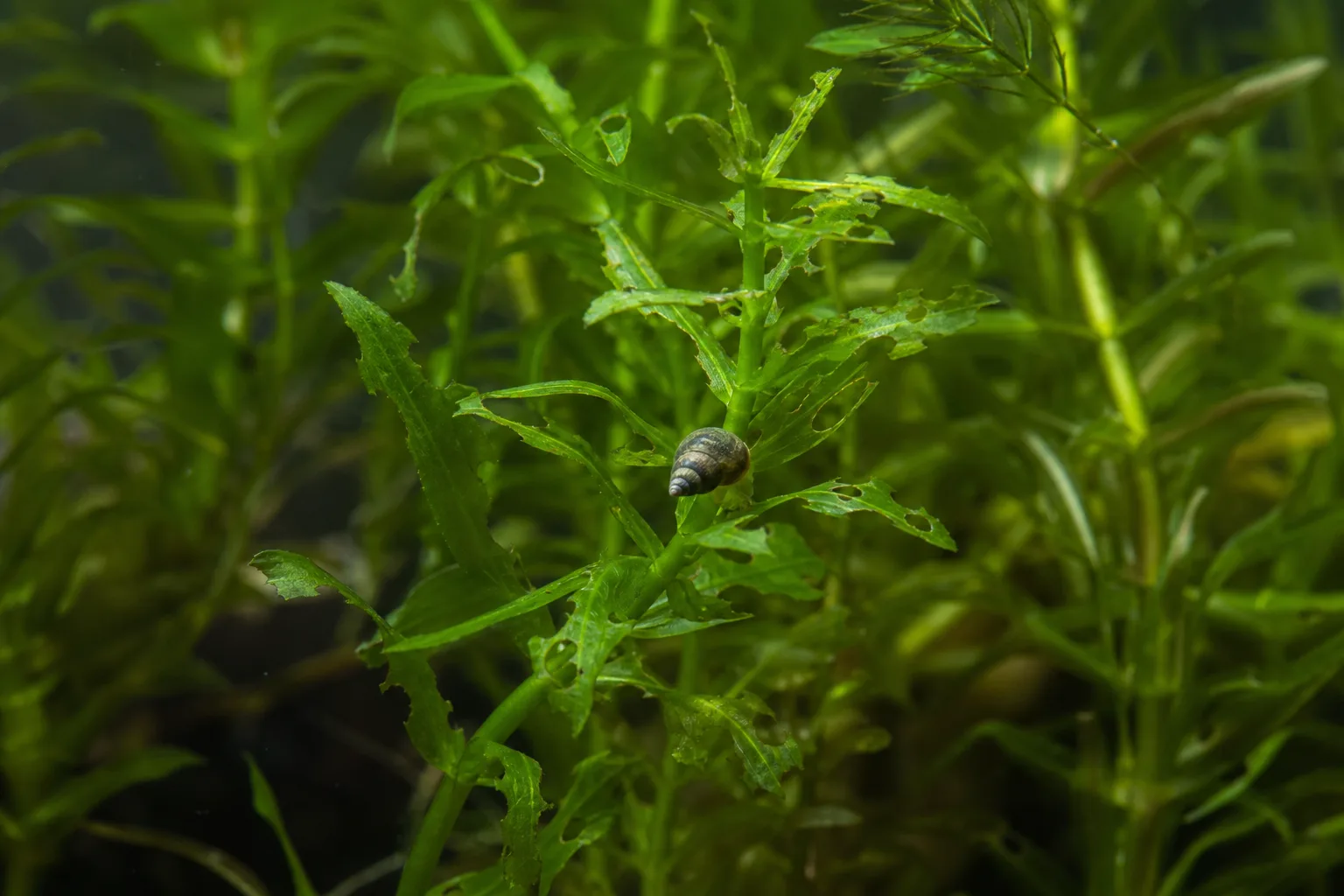
Slugs and Snails on Houseplants
Still unsure?Match your symptoms to the most likely problems in under a minute.Run diagnosis →Understand and fix slugs and snails
'Houseplant pests are common indoors because conditions lack natural predators. Slugs and Snails often arrives on new plants, open windows, or stressed specimens. When you notice Ragged holes in leaves, slime trails nearby, act quickly: confirm the pest, isolate the plant, and treat before the population explodes. Track weekly progress after you change care, and note watering, light, and repotting dates so you can tell whether the symptom is improving or returning.'. Compare upper versus lower leaves, new versus old growth, and soil moisture at root depth before you treat, because the same visible symptom can come from watering, light, pests, or normal aging on different plants.
Overview
'Houseplant pests are common indoors because conditions lack natural predators. Slugs and Snails often arrives on new plants, open windows, or stressed specimens. When you notice Ragged holes in leaves, slime trails nearby, act quickly: confirm the pest, isolate the plant, and treat before the population explodes. Track weekly progress after you change care, and note watering, light, and repotting dates so you can tell whether the symptom is improving or returning.'. Compare upper versus lower leaves, new versus old growth, and soil moisture at root depth before you treat, because the same visible symptom can come from watering, light, pests, or normal aging on different plants.
How to identify it
- Inspect leaf undersides, stem joints, and soil surface with a magnifying glass
- Look for movement, webbing, sticky honeydew, or cottony clusters
- Check nearby plants-even if only one looks bad initially
- Note whether symptoms match pest damage vs fungal or water issues
- Review recent plant purchases or outdoor time for introduction routes
When to worry
Heavy webbing, visible colonies on multiple plants, or larvae in soggy soil affecting seedlings need immediate treatment across your collection.
Common causes
New plant without quarantine
Pests hitchhike on nursery plants. Skipping a 2-week isolation period is the top way Slugs and Snails enters a collection.
Dry air and heat stress
Spider mites thrive when humidity is low and plants are stressed. Heat vents and winter heating make infestations worse.
Overwatered soil
Consistently moist organic soil breeds fungus gnat larvae that feed on fine roots and spread annoyance indoors.
Dusty leaves and poor airflow
Dust blocks light and weakens plants, making them easier targets for scale, mealybugs, and aphids.
Step-by-step fix
Isolate the affected plant
Move it away from others until you see no new pest activity for at least two weeks after treatment.
Identify the pest correctly
Compare symptoms to photos or use a pest identifier tool. Treatment differs for mites, gnats, scale, and mealybugs.
Remove what you can manually
Wipe leaves, shower the plant, pick off visible bugs, and scrape scale with a cotton swab dipped in alcohol.
Apply appropriate treatment
Use insecticidal soap or horticultural oil for most soft-bodied pests. Repeat every 5–7 days for two to three cycles to catch hatchlings.
Fix conditions pests love
Let soil dry for fungus gnats, raise humidity for mite-prone plants, and dust leaves regularly.
Prevention tips
- Quarantine new plants for 2 weeks before placing near others
- Inspect leaf undersides during weekly care
- Avoid overwatering and improve airflow between plants
- Keep plants healthy-stressed plants attract pests faster
Common mistakes
- Treating once and assuming pests are gone
- Using the wrong product for the pest type
- Returning an isolated plant too soon
Ragged holes discovered in the morning do not identify the culprit by themselves. Slugs, snails, caterpillars, beetles, and even hail can leave missing tissue. A silvery slime trail, nighttime activity, and soft-bodied mollusks hiding under the pot create a much stronger diagnosis.
Slugs and snails feed mostly in cool, damp conditions and shelter from daytime drying. Effective control combines direct removal with a less welcoming habitat. Reduce hiding places, water at a time that lets surfaces dry, protect vulnerable plants, and use a labelled bait only when monitoring shows that nonchemical measures are not enough.
How to Confirm Slug or Snail Damage
Slugs have soft bodies without external shells; land snails carry visible shells. Both rasp plant tissue, leaving irregular holes, scalloped edges, or scraped patches. University of Minnesota Extension notes that they feed on leaves, seedlings, ripening produce, and decaying plant matter, with severe feeding capable of weakening or killing young plants (UMN Extension).
Inspect the plant and its surroundings, not just the damaged leaf. Check beneath pots, boards, stones, dense mulch, fallen leaves, and low foliage. Damage beside a damp hiding place is more persuasive than a hole several feet from any sign of the pest.
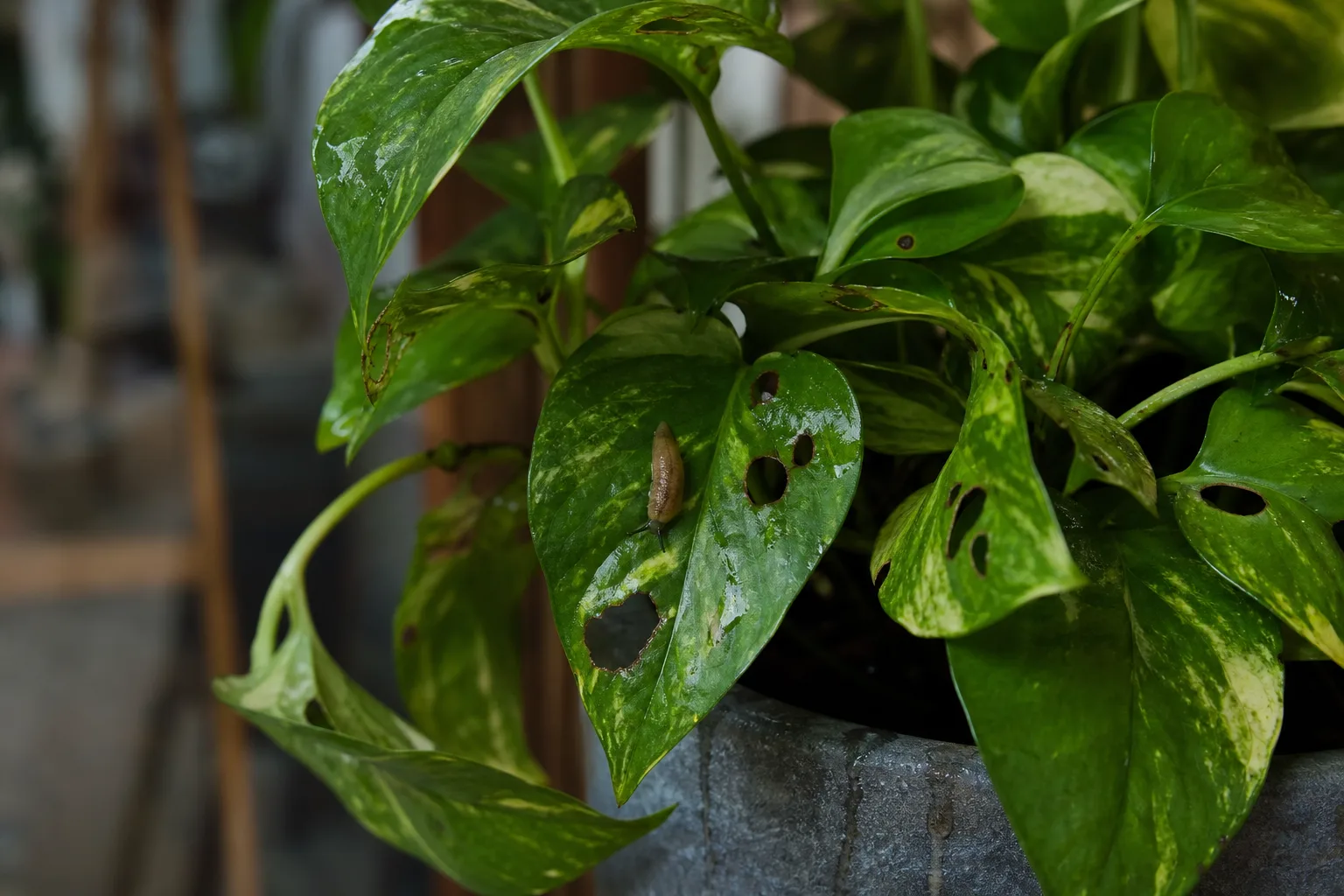
Slime Trails and Night Inspection
Dried mucus catches light as a silver or iridescent trail. UMN identifies a dried slime trail as evidence of slug activity (UMN Extension). Trails can persist after the animal has moved on, so pair them with fresh damage and direct inspection.
Go out after dark or just before sunrise with a flashlight, especially after rain or irrigation. Examine the underside of leaves and the rim and drainage holes of containers. Count what you remove for several nights; falling counts and no fresh holes indicate progress.
Slugs vs Caterpillars and Leaf Disease
Caterpillars often leave dry pellet-like frass and may rest along veins or stems. Slugs leave mucus and retreat to moist ground-level shelter. Leaf-spot diseases kill tissue in bounded lesions; dead centers can fall away, but the remaining margins often show discoloration rather than fresh rasping.
| Evidence | Slugs or snails | Caterpillars | Leaf spot |
|---|---|---|---|
| Hole shape | Irregular, ragged, sometimes scraped | Chewed edges or holes | Dead lesions that may drop out |
| Residue | Shiny slime | Frass pellets | No feeding residue |
| Best search time | Damp night or dawn | Varies by species | Any time |
| Likely hiding place | Under pots and debris | On plant or nearby | None; lesion is in tissue |
Why Damage Can Escalate
Moist shelter allows slugs and snails to avoid water loss between feeding periods. Dense groundcover, boards, weeds, deep organic debris, and frequently wet surfaces create protected routes. University of Maryland Extension explains that these mollusks have limited protection against water loss and depend on adequate moisture (University of Maryland Extension).
An established plant may tolerate cosmetic holes, while a seedling can lose its entire growing point overnight. Management intensity should match the plant’s vulnerability and the rate of fresh damage, not the emotional impact of seeing one large slug.
Seedlings and Tender Growth Are High Risk
Seedlings, newly transplanted plants, strawberries, basil, lettuce, hostas, and many tender ornamentals are common targets. Protect them before extensive damage begins. A few bites on a large hosta and a missing row of lettuce seedlings are not equivalent outcomes.
Containers brought indoors can carry slugs in drainage holes, beneath saucers, or within moist organic mix. Isolate the pot, inspect at night, and check beneath the rim. Do not broadcast garden bait inside a living area unless its label specifically allows that use.
Remove Shelter and Manage Moisture
Remove boards, overturned pots, weeds, and unnecessary debris near vulnerable plants. Thin dense low foliage where appropriate and raise containers so the undersides can be checked. Keep useful mulch, but avoid piling it against stems and monitor beneath it.
This is habitat modification, not an attempt to make the garden sterile. Ground beetles, toads, birds, and other predators use garden shelter too. Preserve diverse habitat away from the most vulnerable bed while reducing damp hiding places immediately beside seedlings.
Water in the Morning
Water at the root zone in the morning so foliage and the soil surface have time to dry before nocturnal feeding begins. UMN specifically recommends morning irrigation and directing water to the root area as part of slug management (UMN Extension). Do not withhold water from plants that genuinely need it.
Repair leaks and avoid routine evening overhead irrigation. In containers, empty standing water from saucers once drainage is complete. The goal is to remove unnecessary nighttime moisture, not to drought-stress the plant.
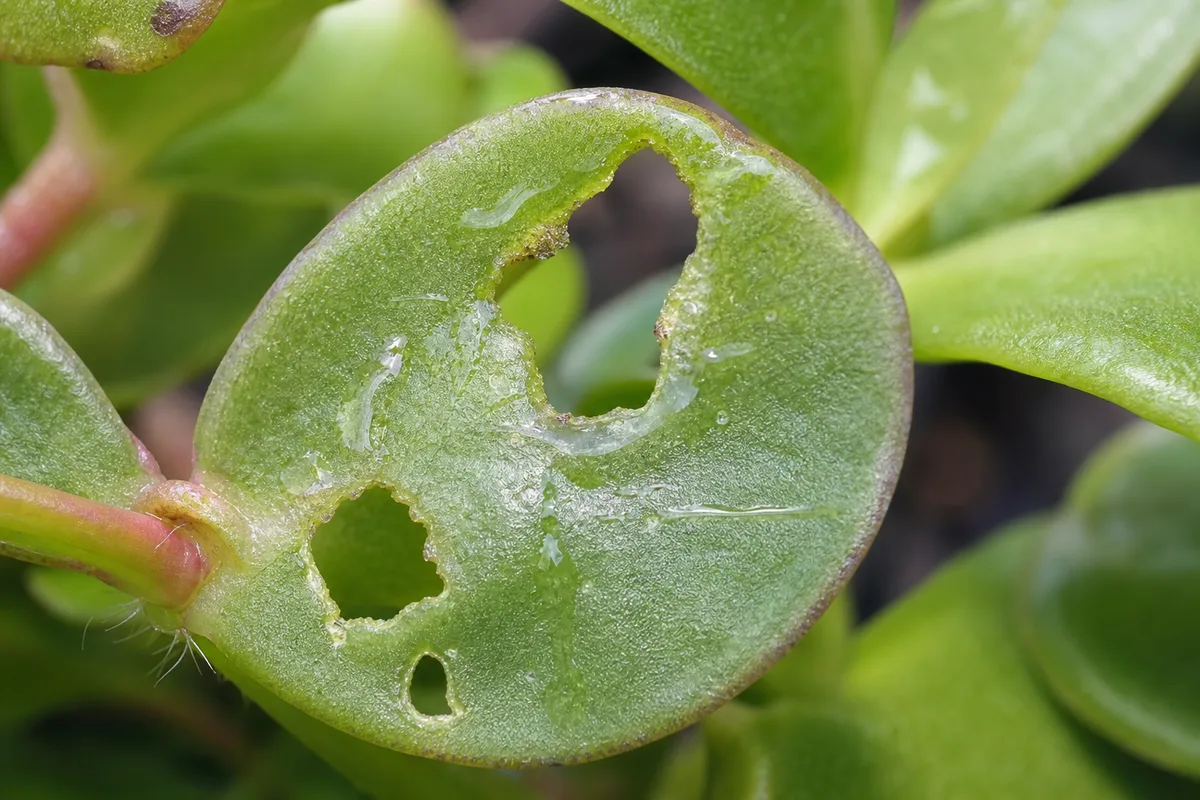
Mechanical Control That Works
Hand removal is direct, selective, and useful in small gardens and container collections. Wear gloves, use tongs, or carry a container of soapy water. Repeat after damp evenings until counts drop.
Mechanical control works best when the area is small enough to inspect. In a large landscape, focus on seedling rows, container groups, and damaged hotspots instead of searching every square meter.
Hand Picking and Board Traps
Lay flat boards, damp folded newspaper, or upturned pots near damaged plants in the evening. Slugs shelter beneath them by morning, allowing removal. UMN recommends checking these refuges daily while damage continues (UMN Extension).
These are monitoring shelters as much as traps. If you do not inspect them, they become protected habitat. Move them between hotspots as counts decline.
Beer Traps and Their Limits
Fermenting liquid attracts some slugs into a buried container, but a small trap protects only a limited area and must be emptied. Keep the rim near soil level and prevent children, pets, and wildlife from drinking the contents.
Beer traps are optional, not a complete strategy. They do not change shelter or moisture, and animals may feed before reaching the trap. Boards plus hand picking are often easier to monitor and maintain.
Barriers and Baits
Barriers protect defined spaces; baits reduce feeding populations. Both fail when poorly installed or used without sanitation. Inspect inside any barrier first so you do not enclose slugs with the plant.
Use pesticides only after confirming fresh damage and reading the entire label. Product names are less important than active ingredients, allowed sites, application rate, and risk to pets and wildlife.
Copper and Other Barriers
Wide copper strips can deter slugs and snails around raised beds or containers. Maryland Extension notes that barriers fail when they are too narrow or when leaves bridge across them (University of Maryland Extension). Keep the copper clean and close all gaps.
Diatomaceous earth loses much of its deterrent effect after absorbing moisture—the exact conditions in which slugs are active. Rough materials, eggshells, and coffee grounds are inconsistent barriers. Treat them as experiments, not reliable protection for valuable seedlings.
Iron Phosphate and Metaldehyde
Iron-phosphate baits are available for slug and snail management and are generally considered a lower-risk option when used exactly as labelled. UMN reports that slugs stop feeding after ingestion and may die several days later (UMN Extension). “Lower risk” does not mean edible or appropriate for careless piles.
Metaldehyde bait can be highly toxic to dogs and other animals. UMN advises avoiding it where pets can enter the treated garden (UMN Extension). Store every bait securely, scatter only at the labelled rate, and never assume an organic-use claim eliminates all risk.
The EPA requires pesticide labels to state permitted uses and safety directions (EPA). Follow crop-specific preharvest intervals for edible plants and local restrictions. If the label does not list your site, do not use the product there.
Common and Risky Mistakes
Do not pour salt on garden soil or plants. Salt can injure roots, foliage, soil life, and nearby surfaces. Maryland Extension also advises against salt, vinegar solutions, and boiling water because they can damage plants (University of Maryland Extension).
Other mistakes include leaving board traps unchecked, creating leaf bridges over copper, watering at night, piling bait where pets can eat it, and treating old holes as evidence of continuing damage. Photograph leaves and watch for fresh edges rather than expecting existing holes to close.
Recovery and Prevention
Healthy established plants often outgrow moderate cosmetic damage. Keep appropriate moisture and nutrition, remove only badly shredded or diseased leaves, and protect the growing point. Seedlings with a destroyed crown may need replacement.
Continue short nighttime inspections after feeding stops. Maintain morning watering, clean pot saucers, rotate trap boards, and inspect nursery pots before bringing them indoors. Encourage natural predators while avoiding broad-spectrum pesticides that can harm them.
Use a dated damage map to judge recovery. Photograph the newest leaf edges and mark affected seedlings on a simple plan. Existing holes remain for the life of a leaf, so comparing the same tissue prevents yesterday’s damage from being counted as a new failure. Fresh rasped edges are usually moist or pale before they dry.
Weather should shape monitoring. A dry week may push slugs into shelter without eliminating them, followed by obvious feeding after rain. Continue checks through at least one damp period. After irrigation or rainfall, examine trap boards and pot rims early the next morning; favorable slug weather becomes an efficient detection window.
Containers need their own prevention routine. Algae, spilled mix, stacked saucers, drainage holes, and pots sitting directly on damp ground provide protected sites. Raise pots where practical, separate them enough to inspect, and keep trailing stems from forming bridges to walls or neighboring containers. A slug can climb a bench leg, so elevation is not a complete barrier.
When moving outdoor pots inside, quarantine them on a clean light-colored tray. Check beneath the rim, in drainage holes, below the saucer, and under low foliage after dark. Water normally but remove standing drainage. Do not scatter an outdoor bait in a living room unless its current label explicitly permits that site.
Protect irreplaceable tissue first. Seedling crowns, new transplants, and fresh cuttings can be lost after a small amount of feeding, while a mature hosta can tolerate several cosmetic holes. An inspected physical barrier, raised bench, or temporary relocation can buy time while hand picking and habitat reduction lower the local population.
Board traps become useful data when they are numbered and checked on the same schedule. Record the count beneath each one, remove the animals, and shift empty boards toward fresh damage. A refuge that is never checked becomes shelter rather than control.
If you use a permitted bait, scatter it at the labelled rate instead of making attractive piles. Product formulations differ in moisture resistance, crop approval, and application interval. Keep pellets away from edible foliage unless directed, observe any harvest restrictions, and store the package where children, pets, and wildlife cannot reach it. More bait does not compensate for poor placement or uncorrected shelter.
Do not move captured slugs to another park or garden. Relocation transfers the problem, may move nonnative species, and may conflict with local guidance. Follow your Extension service’s recommended dispatch or disposal method.
At season’s end, clean empty pots and stored supports, remove heavily diseased or damaged debris, and inspect boards before stacking them. Preserve useful habitat for predators away from vulnerable beds rather than stripping the whole garden bare. A resilient garden can contain mollusks without accepting repeated loss of seedlings.
Recovery should be judged by intact new growth and declining nightly counts, not by the appearance of old leaves. Follow the plant’s normal nutrition schedule; heavy feeding intended to replace damaged tissue can create lush tender growth. Once fresh damage stays below your acceptable threshold through damp weather, reduce intervention but keep the habitat and watering improvements.
Small seedlings need a lower action threshold than established ornamentals. One mollusk can remove the growing point of several seedlings before morning, while the same amount of feeding may be cosmetic on a mature hosta. Protect germination trays, fresh transplants, and unrooted cuttings first. On established plants, count fresh holes and animals rather than treating every old scar as an emergency.
Weather changes the meaning of a quiet inspection. During a dry spell, slugs may remain deep beneath boards, pots, or soil cracks and reappear after irrigation or rain. Continue monitoring through at least one damp period before declaring control. A night with no animals in hot, dry weather is weak evidence; a sequence of low counts after rain is more convincing.
Map moisture instead of trying to dry the whole garden. Mark the beds, pot groups, taps, downspouts, and shaded edges where fresh damage occurs. Move unnecessary boards and stacked saucers from those hotspots, but retain habitat elsewhere for predators and soil life. Drip irrigation or hand watering at the root zone can keep plants supplied while leaving fewer wet travel routes across foliage and paving.
Mulch deserves a measured response. Organic mulch conserves water and protects soil, yet deep damp layers beside tender stems can also shelter mollusks. Pull excess material back from seedling crowns and inspect beneath it; do not strip every bed to bare soil. The correct depth and material depend on climate, crop, and irrigation, so local Extension advice should override a universal number.
Number several board refuges and check them at the same time each morning. Record the number beneath each, remove the animals, and shift an empty board toward the newest damage. This turns a simple refuge into a repeatable monitoring method. Counts will vary with temperature and moisture, so compare them with weather and fresh feeding rather than interpreting one morning in isolation.
Hand picking is selective, but disposal guidance varies. Do not move captured slugs to another garden or natural area; relocation can transfer nonnative species and simply move the damage. Follow local Extension or municipal advice for dispatch and waste handling. Wash hands and tools after contact, especially before working with edible crops.
If a liquid trap is used, treat it as an open container that requires frequent service. Position it so the rim does not become a trip hazard, protect it from children and animals, and remove drowned organisms promptly. A trap that fills with rain, dries out, or catches beneficial invertebrates without reducing fresh damage has failed its practical test and should be removed.
Inspect every barrier as a closed perimeter. Soil touching the strip, leaves draped across it, or a pot pressed against a wall creates a bridge. Remove any slugs already inside before closing gaps. Utah State University Extension frames copper as one option within a broader program that includes habitat reduction, trapping, and careful bait use rather than a stand-alone cure (Utah State University Extension).
Use a simple barrier test before trusting a valuable planting: protect a small defined group, inspect inside at night, and compare new damage with an unprotected but otherwise similar group. If both groups continue to be damaged, find bridges and hidden residents before buying more material. This is a practical garden comparison, not a controlled experiment, but it reveals installation failures quickly.
Read the bait’s active ingredient and use site, not only its front-label marketing. Formulations sold under similar names can differ, and “pet friendly” or “organic” language does not replace directions for placement, storage, reapplication, and edible crops. Sweep spilled granules immediately and keep the original package for poison-control or veterinary reference.
California’s IPM guidance recommends integrating sanitation, hand removal, barriers, and baits while recognizing that complete eradication is seldom practical (UC IPM). That is the useful target for a home garden too: protect high-value tissue and drive fresh damage below an acceptable threshold, rather than applying product until every mollusk in the landscape disappears.
Keep a one-page record for difficult sites: date, rainfall or irrigation, number found under each refuge, fresh damage, and action taken. This separates a genuine rebound from predictable weather-driven activity. It also shows whether one intervention earned its cost. If counts fall after shelter removal but do not change after a barrier is installed, improve or abandon the barrier instead of adding another unmeasured remedy.
For edible plants, distinguish pest management from food safety. Wash produce according to current food-safety guidance, discard tissue contaminated by bait, and observe every label interval. Slime and chewing are unpleasant, but they do not justify applying an unlabelled household substance to food crops. When a product direction or local rule is unclear, ask the manufacturer or local Extension office before use.
Conclusion
Reliable slug and snail control begins with proof: fresh ragged damage, slime, and direct nighttime observation. Then remove the animals you find and change the damp, sheltered conditions that let them return.
Use barriers for small defined areas and labelled bait only when monitoring shows it is needed. The best result is not a garden with no mollusks; it is one where vulnerable plants establish and fresh damage stays below an acceptable level.
Plants commonly affected
These houseplants often struggle with slugs and snails. Open a care guide or plant-specific troubleshooting page for tailored fixes.
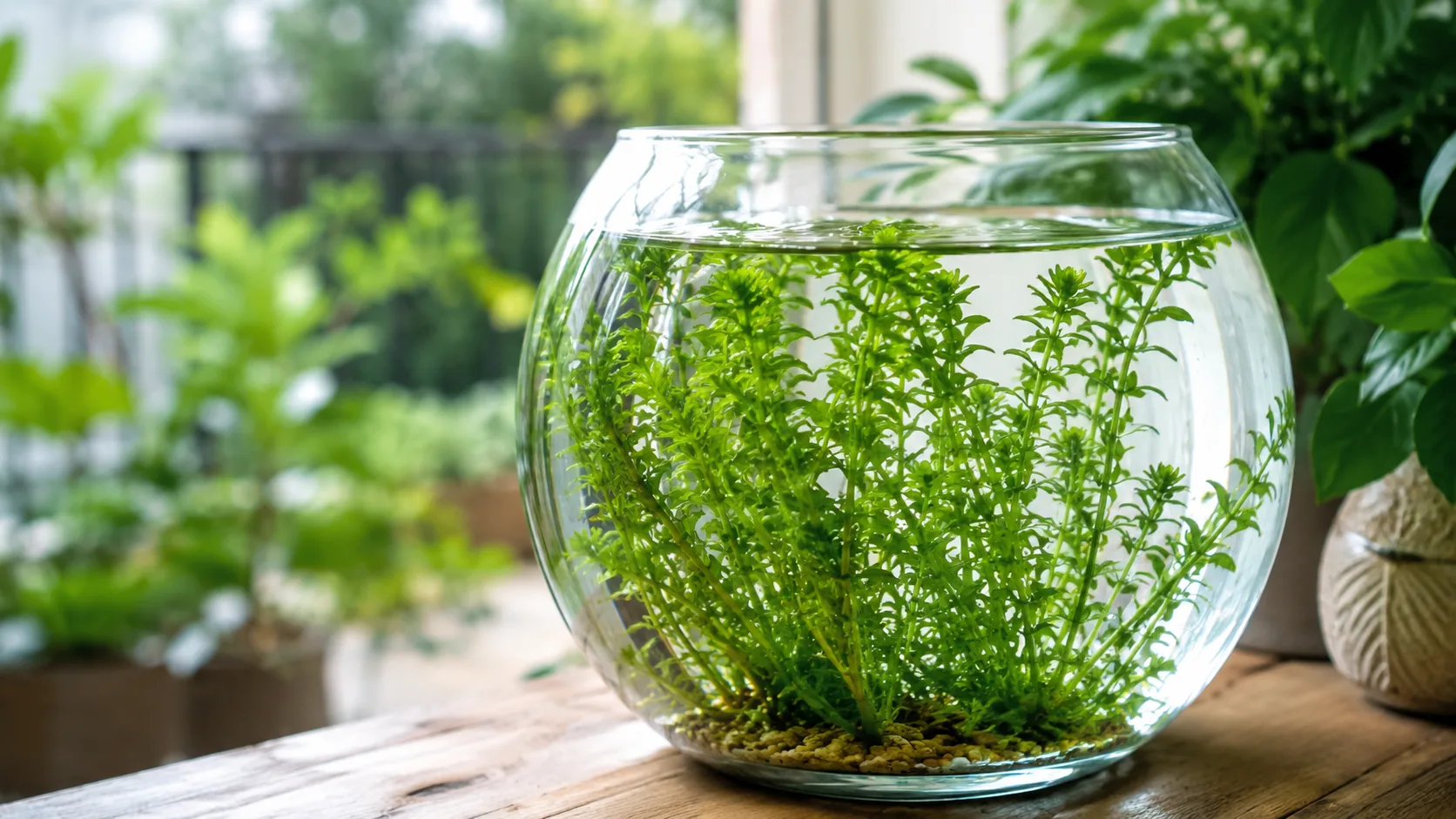 Easy
EasyAnacharis / Elodea
Likely causeSnails imported on store-bought stems grazing leaves and reproducing in the tank.
Quick fixQuarantine and rinse new plants, manually remove snails, or add controlled snail-eating helpers if appropriate for the tank.
 Medium
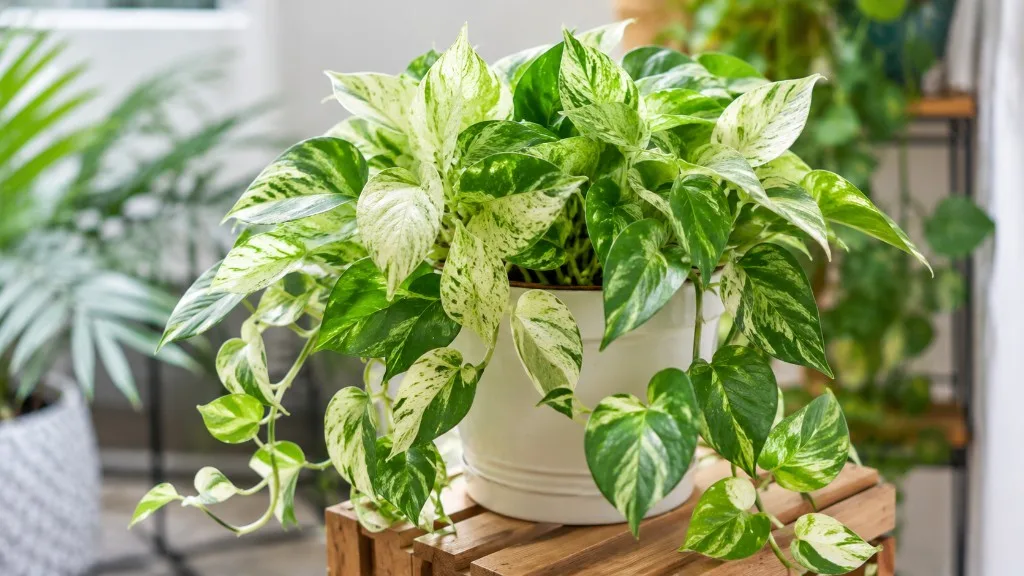
Marble Queen Pothos
Likely causeA Marble Queen pothosplant is a beautiful variegated form of the regular pothos plant. It has heart-shaped leaves that are variegated with yellow, white, and green colors. The Marble Queen is a trailing plant, meaning it will grow down or a
Quick fixConfirm diagnosis on your Marble Queen Pothos, then address the most likely care or pest factor described in current extension guidance.
 Medium
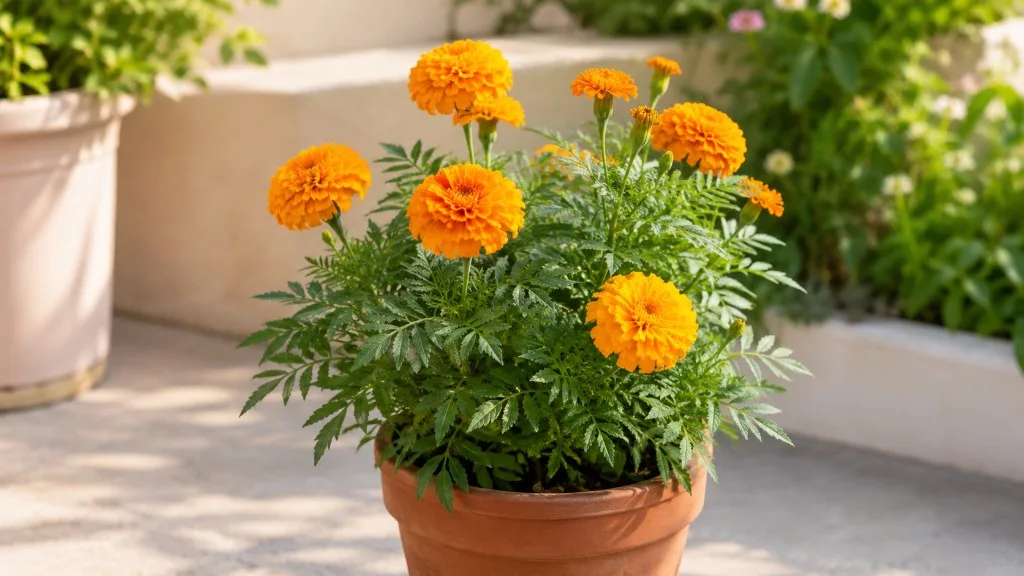
Marigold
Likely causeApr 29, 2026 · Dealing with slugs eating marigolds can be frustrating, but it is a manageable part of the gardening journey. By combining physical barriers like copper tape with smart watering habits and encouraging natural predators, you c
Quick fixConfirm diagnosis on your Marigold, then address the most likely care or pest factor described in current extension guidance.
 Medium
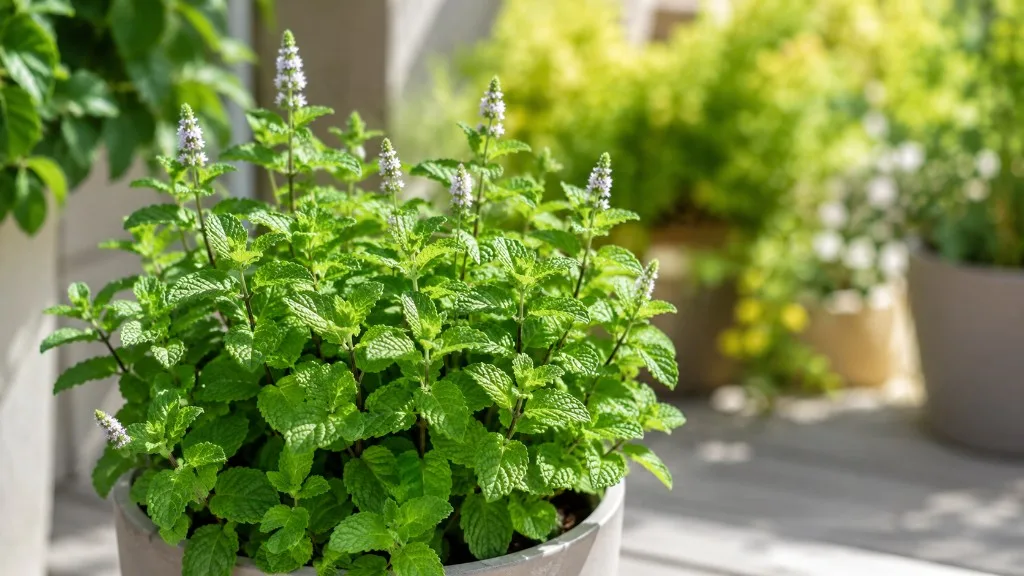
Mint
Likely causeSlugs and snails rasp irregular holes in mint leaves overnight, leaving slime trails on container herbs.
Quick fixHandpick at dusk; remove mulch and debris; use copper tape on pot rims in outdoor mint.
 Medium
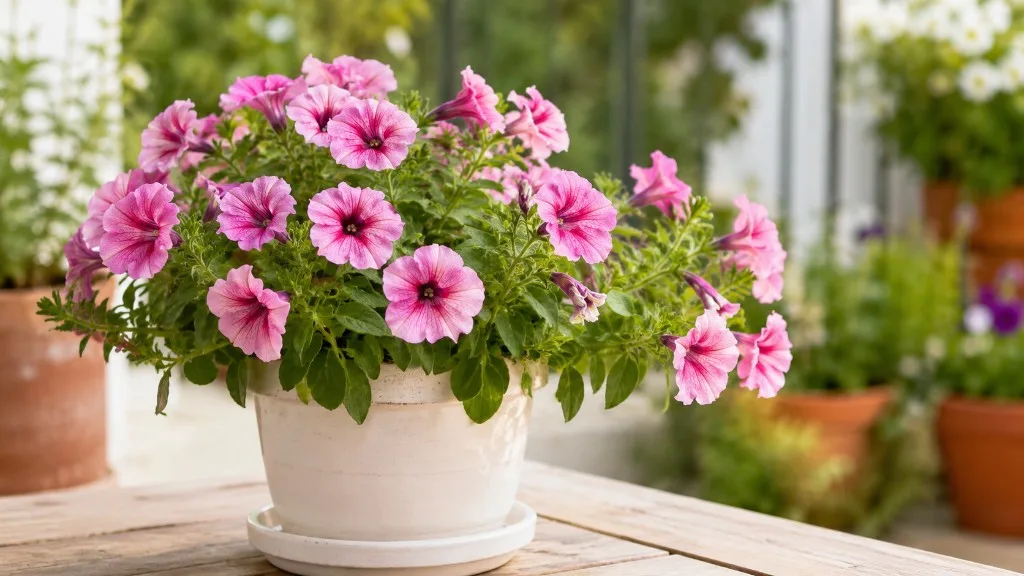
Petunia
Likely causeSlugs and snails chew petunia leaves and stems overnight, especially on ground-level plantings in spring.
Quick fixApply iron phosphate bait around container bases; hand-pick at dusk and remove hiding spots nearby.
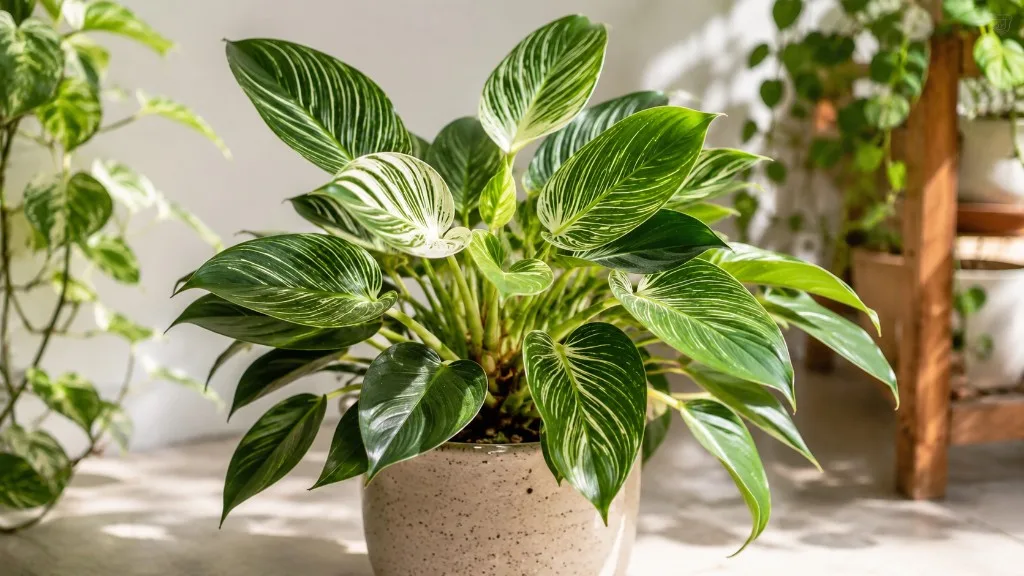 Medium
Philodendron Birkin
Likely causeJul 14, 2023 · If you notice snails on your Philodendron Birkin plant, it’s important to take immediate action to get rid of them. In this article, we will discuss some effective methods to eliminate snails from your beloved plant.
Quick fixConfirm diagnosis on your Philodendron Birkin, then address the most likely care or pest factor described in current extension guidance.
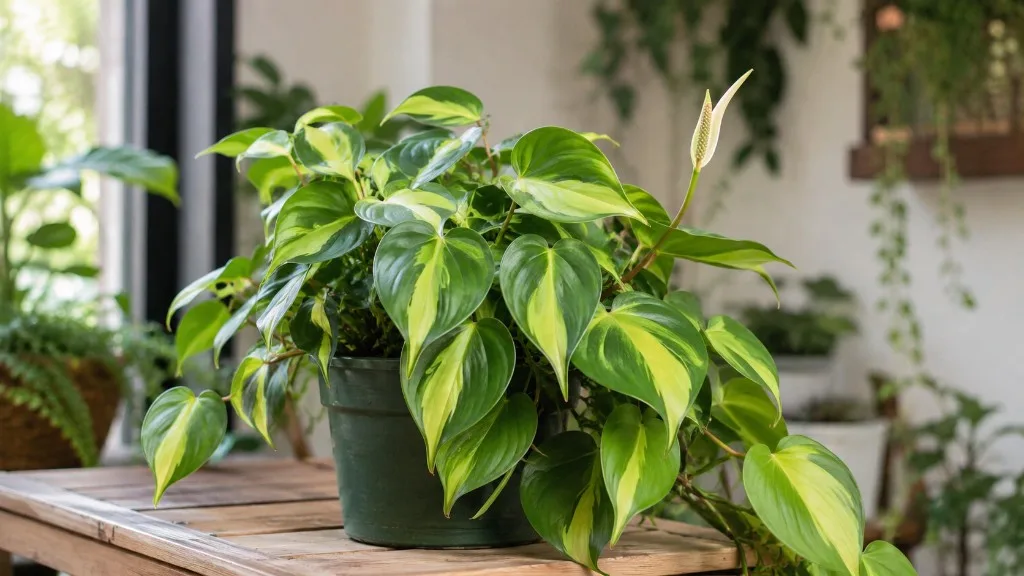 Medium
Philodendron Brasil
Likely causeJul 24, 2023 · By following these preventive measures and employing effective slug control methods, you can successfully protect your Philodendron Brasil from slug damage. Remember, early detection and immediate action are key to minimizing
Quick fixConfirm diagnosis on your Philodendron Brasil, then address the most likely care or pest factor described in current extension guidance.
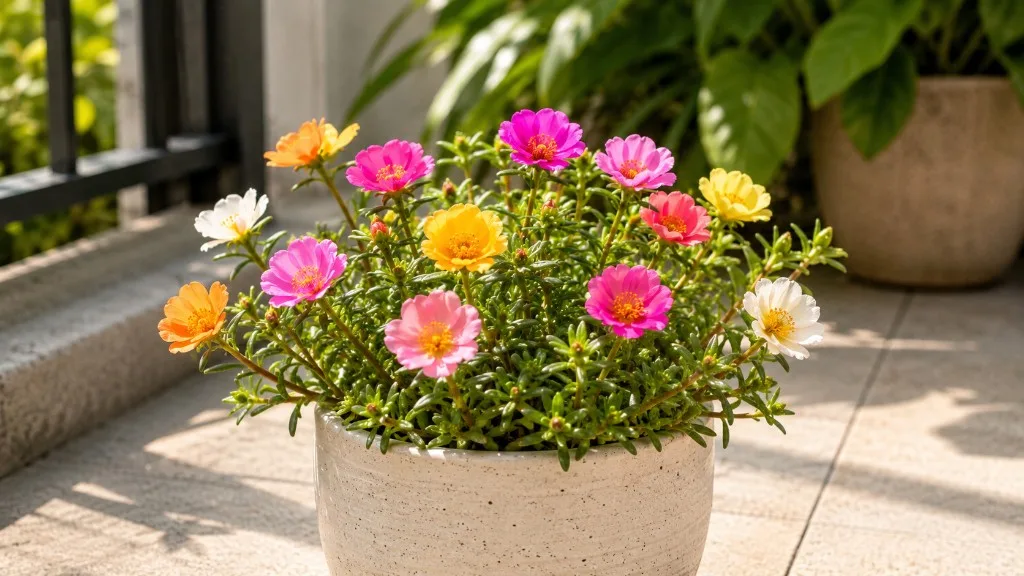 Medium
Portulaca
Likely causeSlugs originally had shells like snails , but abandoned them in favor of their ability to hide in crevices in the soil and under rocks (they burrow down into the soil when it gets too cold or hot). They also hide under boards, rocks, and le
Quick fixConfirm diagnosis on your Portulaca, then address the most likely care or pest factor described in current extension guidance.
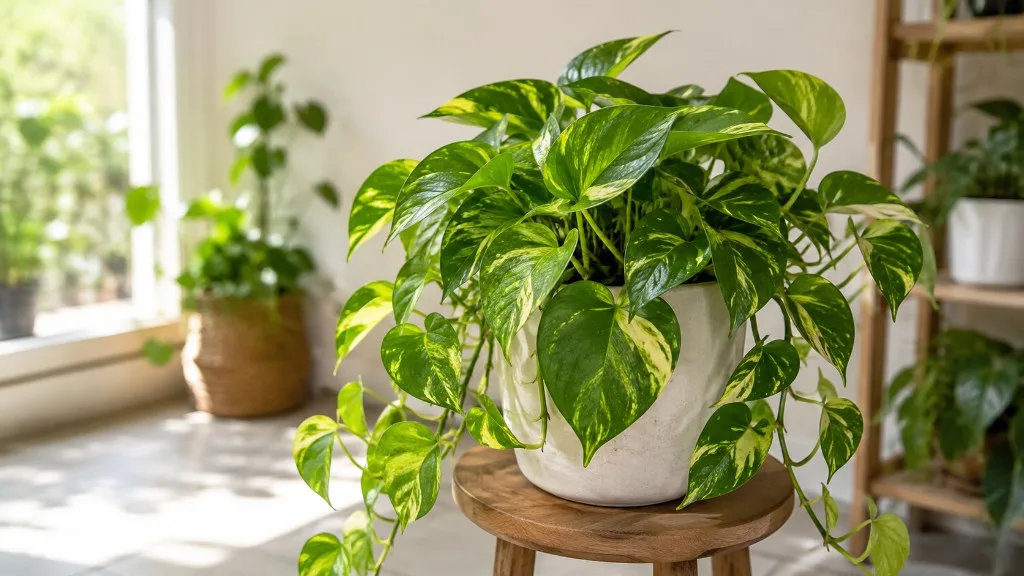 Medium
Pothos
Likely causeJul 20, 2023 · The Jade Pothos plant, also known as Epipremnum aureum , is a popular choice for indoor gardening due to its low maintenance and air-purifying properties. However, like any other houseplant, it is susceptible to pests, includ
Quick fixConfirm diagnosis on your Pothos, then address the most likely care or pest factor described in current extension guidance.
 Medium
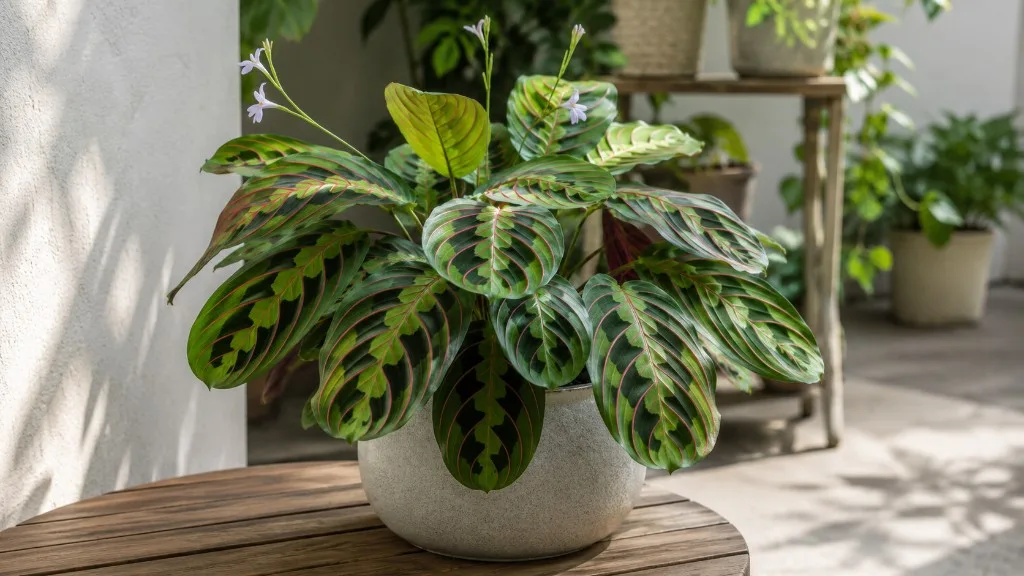
Prayer Plant
Likely causeSlugs live in the soil during the daytime when it's dry, so if you don't find a caterpillar: water your plant in the evening, put it somewhere dark, and after an hour or so turn on the light to check for slugs .
Quick fixConfirm diagnosis on your Prayer Plant, then address the most likely care or pest factor described in current extension guidance.
 Medium
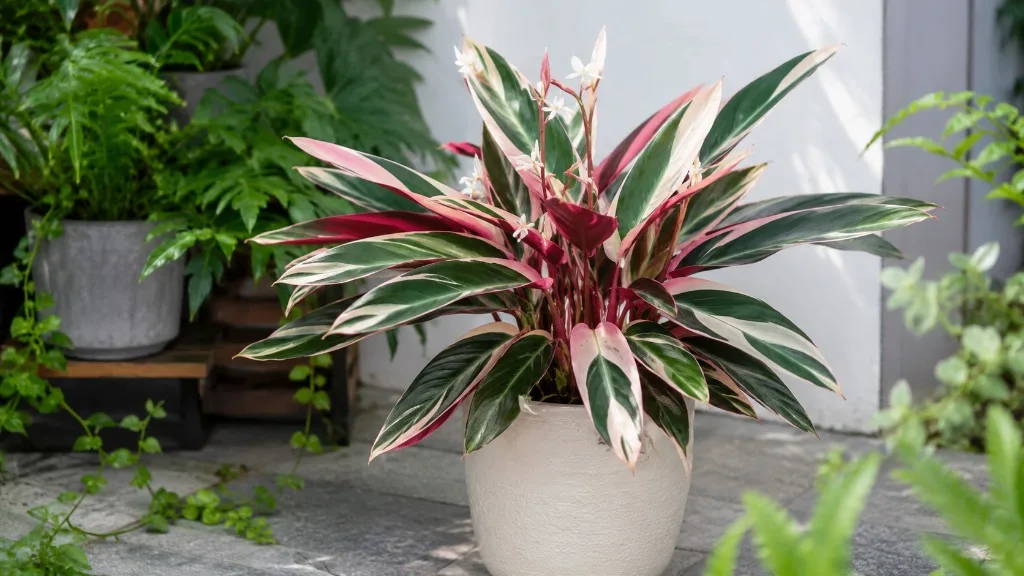
Stromanthe Triostar
Likely causeJul 5, 2023 · However, there are several effective methods to get rid of slugs without harming your Stromanthe Triostar plant. In this article, we will explore some natural and safe ways to control slugs and protect your beautiful plant.
Quick fixConfirm diagnosis on your Stromanthe Triostar, then address the most likely care or pest factor described in current extension guidance.
 Medium
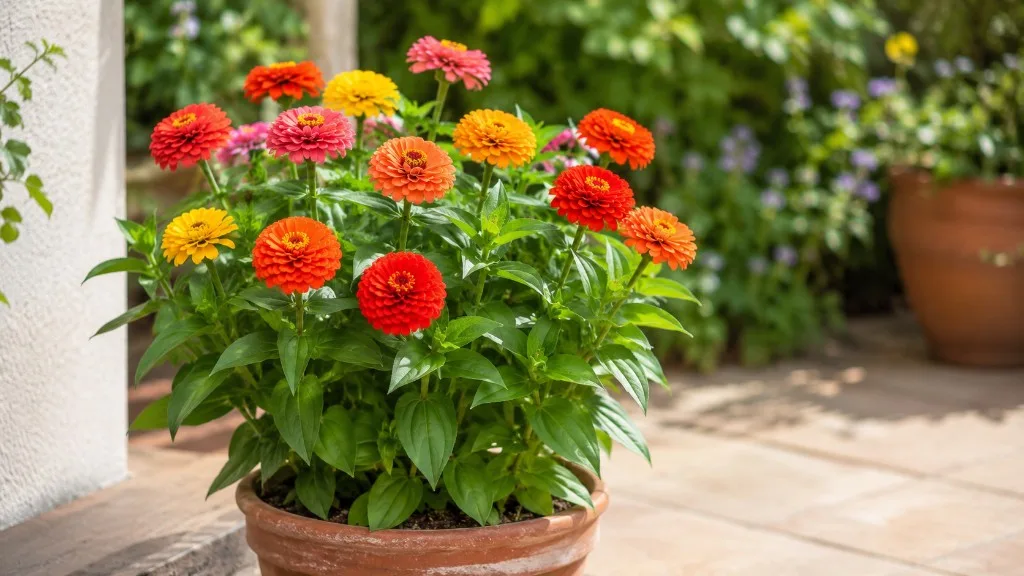
Zinnia
Likely causeSlugs chew ragged holes in zinnia leaves overnight, leaving slime trails.
Quick fixHand-pick at night; use iron phosphate bait or copper tape barriers.