Fewer Bugs After a Harsh Winter? What to Expect
Wondering if a brutal winter means fewer garden bugs? See what actually dies in the cold, what comes back hungry in spring, and how to keep pests in check.
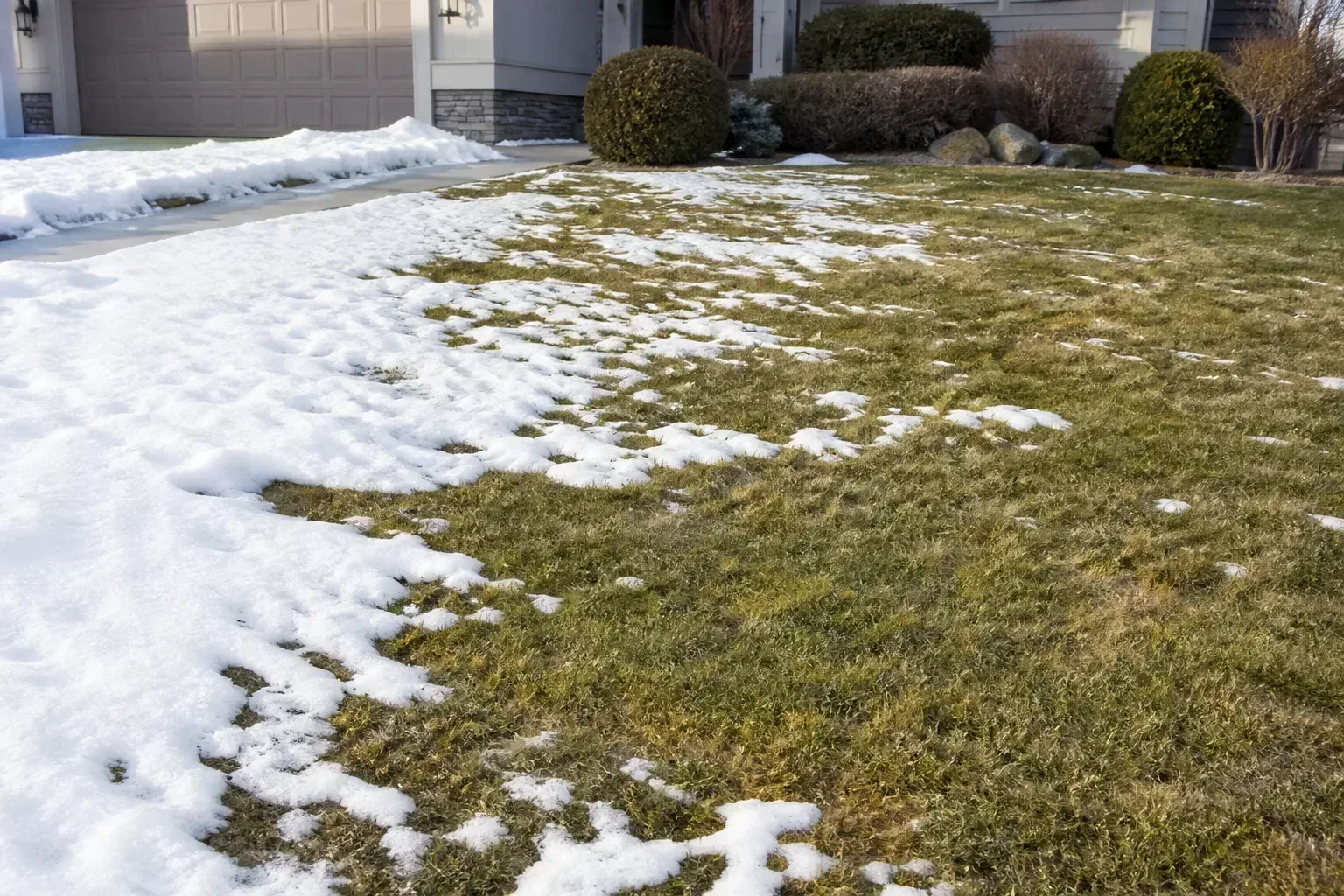
You finally made it through a punishing winter—weeks of deep freezes, ice, and snow—and you are ready for a cleaner, quieter spring in the garden. It is tempting to assume the cold did some of the pest control for you. A harsh winter can reduce some insect numbers, but you are unlikely to notice a meaningful drop in garden pests. Most bugs have been surviving northern winters for millennia, and the species that damage vegetables and ornamentals are especially good at it.
The better question is not whether winter killed everything. It is which pests rebound first, which survival strategies they used, and what you should do in early spring before small problems become full-season headaches.
The Short Answer: Some Die, Most Don’t
If you are searching because you heard that an extra-cold season means fewer chewed leaves and fewer aphid clusters, the honest answer is: kind of, but not enough to change your routine. Extended deep cold can kill exposed insects, especially those caught without shelter during sudden temperature swings. Yet the pests that routinely trouble home gardens—aphids, slugs, cutworms, flea beetles, and many caterpillars—overwinter as hardy eggs, larvae, or adults tucked into protected microclimates.
York County Master Gardener Rita Potter, writing for the York Daily Record, notes that insects survive freezing weather through migration, sheltered hiding places, chemical antifreeze, diapause, or by leaving only eggs behind (York Daily Record / Penn State Master Gardener program). Garden pests use the same toolkit. That is why a brutal February rarely translates into a pest-free May.
Why a brutal winter rarely clears your pest list
Three patterns explain the gap between how cold it felt and how many bugs you still see.
First, cold selects for cold tolerance. Species that already live in your climate have overwintering biology matched to local winters. Aphids lay frost-resistant eggs on bark and buds. Slugs and snails retreat into soil, compost, and protected crevices. Cutworms and many moth larvae sit in the soil or plant debris waiting for soil temperatures to rise.
Second, snow and mulch insulate. A deep, stable snowpack can keep soil and litter layers near 32°F even when air temperatures plunge far lower. Insects under snow, leaves, or bark experience a buffered environment. Exposed pests on bare stems suffer more—but many garden pests are not exposed.
Third, pests often rebound faster than predators. Lady beetles, parasitic wasps, ground beetles, and other beneficial insects also overwinter in leaf litter, hollow stems, and soil. If winter mortality hits both groups, pest populations can explode on tender spring growth before predator numbers recover. Colorado State University Extension notes that insect populations rise and fall yearly based on weather, host plants, and habitat—not a single cold season (Arapahoe County Extension).
How Garden Insects Survive Cold Winters
Understanding survival strategies helps you scout smarter in spring. Insects are not trying to “beat” winter in one universal way; they use a mix of tactics depending on species and life stage.
Eggs, bark, and leaf litter
Many garden pests spend winter as eggs glued to twigs, tucked under bark scales, or hidden in fallen leaves and the top inch of soil. Aphids are a classic example: colonies vanish from view in winter, but eggs remain on host plants and hatch as soon as new growth offers sap. Epic Gardening’s aphid guide explains that some cold-climate aphids mate and lay overwintering eggs in fall, producing eggs hardened to survive harsh conditions without soft leaf tissue available.
Slugs and snails slow metabolism in cold months, then emerge hungry when soil warms. Cutworms and armyworms often overwinter as larvae or pupae in soil and debris. Flea beetles and squash bugs also commonly wait out winter under plant litter. The litter layer that harbors pests also harbors beneficial insects—mantid egg cases, lacewing eggs, lady beetle clusters, and native bee larvae in hollow stems (Blue Thumb).
Diapause and antifreeze chemistry
Diapause is a dormant state that sharply lowers metabolism—sometimes to less than one-tenth of normal—until warmth and day length trigger development again. Invasive pests such as emerald ash borer use diapause under bark, sitting in suspended animation through winter before resuming feeding in spring (York Daily Record / Penn State Master Gardener program).
Some insects also produce cryoprotectants—antifreeze-like compounds such as glycerol and sorbitol—that prevent lethal ice crystals from forming in body tissues. This “supercooling” strategy lets them survive temperatures well below freezing. Woolly bear caterpillars are the famous example, but the principle applies across many cold-hardy species. Garden pests with these adaptations do not disappear just because your thermometer hit single digits a few nights.
Snow cover and the frost-line paradox
Gardeners often picture winter as uniformly deadly. In practice, insulation matters as much as air temperature. Snow piled on beds and borders reduces temperature swings in the soil surface where many insects overwinter. Bare, frozen ground without snow cover can be harsher for some soil-dwelling species—but it is not a reliable pest-control tool because depth, duration, and timing all vary.
The frost-line paradox cuts both ways: deep, persistent cold without insulating snow can kill some exposed pests, yet the same cold can also reduce beneficial insects that would otherwise help check spring outbreaks. That is one reason a “killer winter” sometimes still ends in a heavy aphid year.
When Harsh Winters Actually Change Pest Pressure
Cold is not meaningless. It can shift the odds in specific situations—just not as a garden-wide reset button.
Pests that may dip after extreme cold
You are more likely to see a temporary reduction when all of these align: sustained sub-zero temperatures, limited insulating snow early in winter, pests overwintering in exposed sites, and no nearby sheltered refugia (heated structures, compost piles, thick mulch against foundations). Examples where gardeners occasionally notice a lighter year include:
- Some above-ground exposed stages caught on unprotected plant parts during a hard freeze after a warm spell
- Certain marginally hardy species at the northern edge of their range
- Pest cycles already low entering winter—cold adds pressure to a small population rather than wiping a large one
Even then, survivors reproduce quickly on spring flush growth. UC IPM notes that many aphid species reproduce rapidly in warm weather, with generations turning over in roughly a week under favorable conditions—so a modest winter kill can vanish within a few warm afternoons.
Beneficial insects and predators take a hit too
This is the trade-off gardeners underestimate. If winter knocks back insects indiscriminately, pest species often recover first because they specialize on fast-growing spring plants and reproduce in huge numbers. Lady beetles, parasitic wasps, predatory beetles, and spiders also overwinter in the same leaf litter and top soil layers you might be tempted to strip bare in fall.
SDSU Extension entomology field specialist Patrick Wagner, quoted in regional coverage of spring garden cleanup, emphasizes that overwintering habitat in standing stems, leaves, and ground cover is crucial for beneficial insects surviving winter and early spring cold snaps (NewsCenter1 / SDSU Extension). A spotless fall yard can mean fewer allies when aphids and caterpillars arrive. Integrated pest management—monitor first, intervene only when damage crosses your threshold—remains the steady approach (NC State Extension IPM handbook).
Early Spring Pests Worth Scouting First
Spring pest pressure is predictable if you know what to look for and when. Start scouting when perennials break dormancy and when you set out seedlings; many problems are easiest to stop while populations are still local.
| Pest | First signs | Where to look | Early action |
|---|---|---|---|
| Aphids | Curled new leaves, sticky honeydew, ant trails | Tender shoot tips, undersides of leaves | Rinse sturdy plants; check for lady beetle larvae before spraying |
| Slugs and snails | Slime trails, irregular holes in low foliage | Shaded beds, mulch edges, new transplants | Hand-pick at dusk; reduce wet mulch against stems |
| Cutworms | Seedlings severed at soil line overnight | Newly planted rows, collar of stems | Cardboard collars; inspect soil surface at dusk |
| Cabbage worms | Holes in brassica leaves, green caterpillars | Kale, cabbage, broccoli, radish tops | Hand-pick; floating row cover on seedlings |
| Box tree moth | Webbing in boxwood, green caterpillars with stripes | Boxwood hedges in infested regions | Confirm ID; prune and bag infested material per local guidance |
Aphids on tender new growth
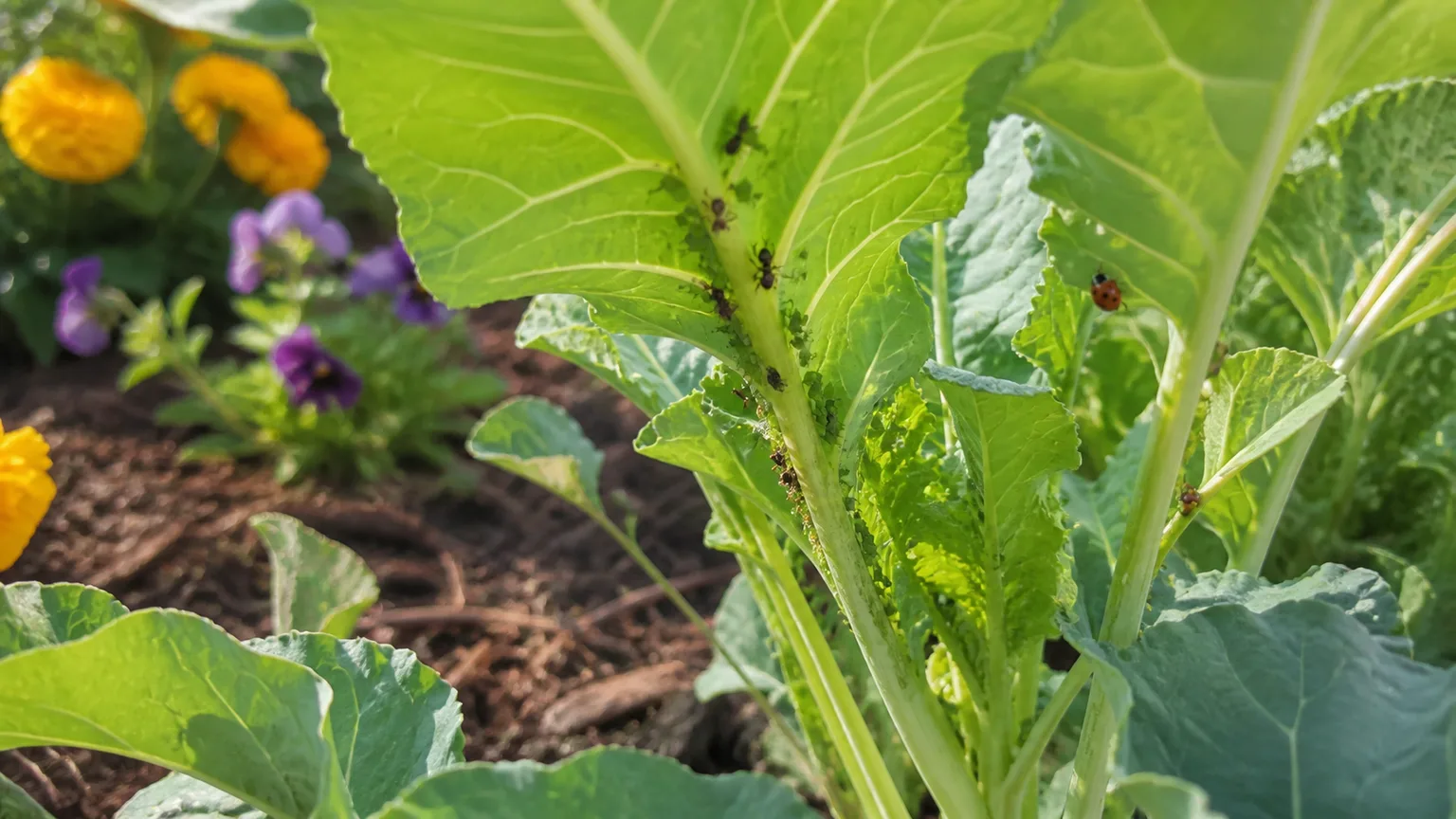
Aphids are often the first sap-feeders to build noticeable colonies because they target the exact tissue plants push out earliest: soft shoots and flower buds. Look for clustered green, black, or pink insects, leaf curling, shiny honeydew, and ants farming the colony. Ants protect aphids from predators; if you see ant highways on stems, you are not dealing with aphids alone.
Before reaching for spray, check whether predators are already working. Parasitized aphids look like swollen, tan “mummies.” Lady beetle larvae and syrphid fly larvae can clear light infestations on established plants. For more aphid-specific tactics, see our guides on what gardeners use to get rid of aphids and plants that repel aphids.
Slugs and snails after thaw
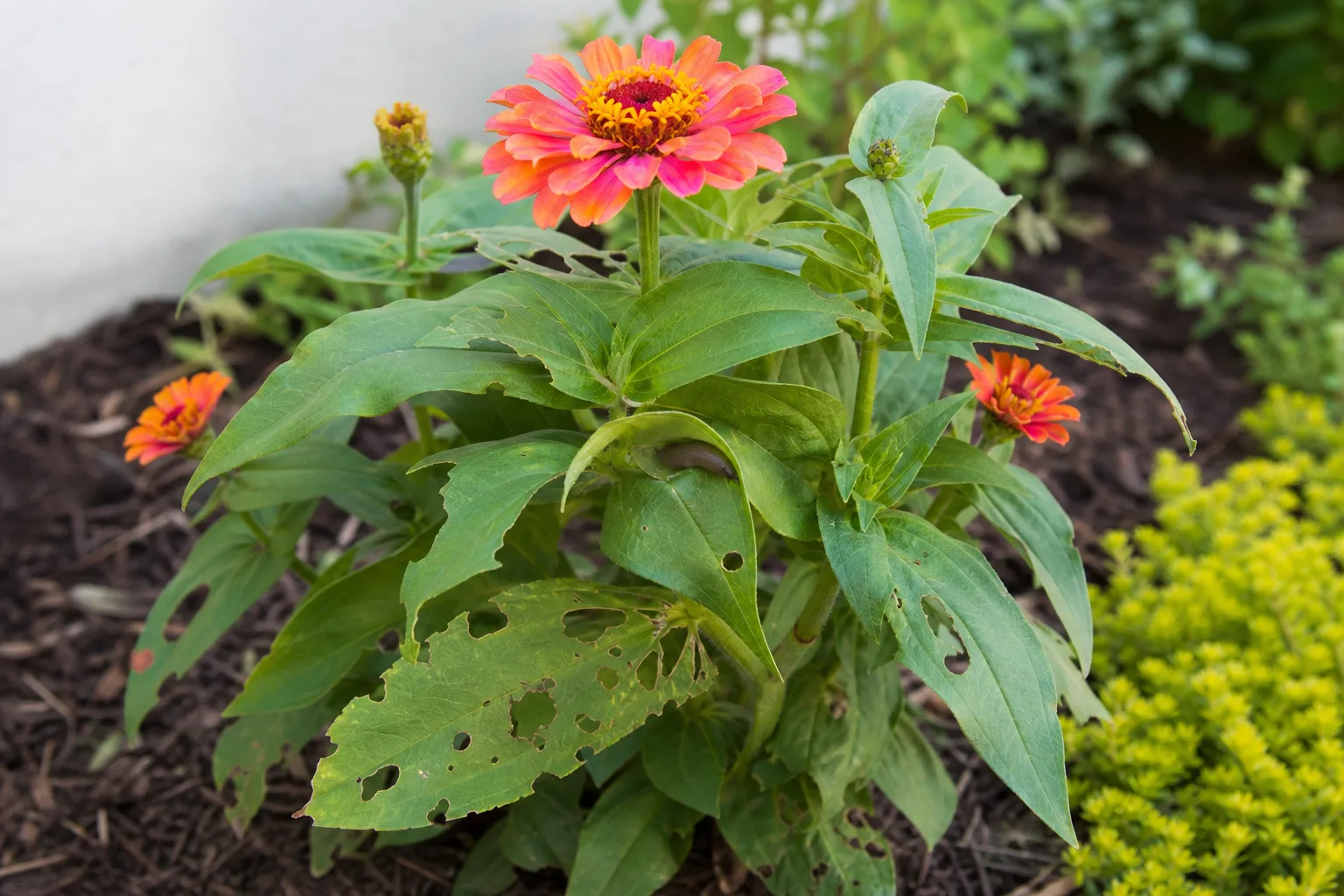
Slugs and snails do not vanish in winter—they pause, then feed aggressively when nights stay cool and moisture returns. Spring transplants and low-growing salad greens are prime targets. Slime trails on mulch, silvery feeding scars, and ragged holes on leaf edges are telltale signs.
Focus on moisture management and physical removal rather than hoping winter reduced their numbers. Traps, evening hand-picking, and clearing wet debris from plant crowns help more than a cold season ever will. Our plants that deter slugs guide covers placement strategies that complement—not replace—active control.
Cutworms and cabbage worms on seedlings

Cutworms are soil-dwelling caterpillars that clip seedlings at ground level, often overnight. They are not worms—they are moth larvae. Imported cabbageworms and other brassica-feeding caterpillars chew holes in leaves by day. Both overwinter in soil or debris and become active as temperatures rise.
Walk rows at dusk with a flashlight during the first two weeks after transplanting. A cardboard collar pressed an inch into soil around each stem blocks many cutworm attacks cheaply. For brassicas, floating row cover excludes egg-laying butterflies if installed before pests arrive. Confirm the caterpillar species before spraying; Bacillus thuringiensis (Btk) helps many leaf feeders but only when larvae eat treated foliage.
Box tree moth in boxwood-heavy regions
Box tree moth (Cydalima perspectalis) is an invasive pest that has spread through parts of the Northeast, Midwest, and other regions where boxwood is common. Unlike many pests that only damage plants as larvae, this species can defoliate boxwood quickly when populations build. USDA APHIS lists webbing between leaves, green caterpillars with black stripes, and rapid leaf loss as key signs.
A harsh winter is not a dependable control for this moth; do not wait for cold to solve an established infestation. If you maintain boxwood hedges, learn your state’s reporting and management guidance early in spring. Prune out infested branches, bag material, and avoid moving clippings to uninfected areas. Cold may reduce some individuals, but introduced pests with few native predators rarely disappear after one winter.
A Practical Spring Pest-Prevention Plan
Think in layers: observe, exclude, support beneficials, then treat narrowly if damage justifies it. That sequence prevents the common mistake of spraying broad pesticides in April and wondering why pest problems look worse by June.
Week-by-week priorities:
- Late winter to early spring: Walk beds before cleanup. Note egg masses on twigs, rodent tunnels, and boxwood webbing. Photograph unknown damage for extension ID.
- At bud break: Inspect shoot tips for aphids and ant activity. Rinse or prune localized colonies on sturdy plants.
- At transplant: Install cutworm collars and row covers on high-value seedlings. Check soil surface at dusk for clipped stems.
- After first warm rains: Scout slug damage on lettuce, hostas, and new annuals. Reduce mulch contact with stems in constantly wet spots.
- Through May: Record what you found. Next year’s rotation, cover timing, and cleanup decisions improve when you track patterns instead of guessing.
Sanitation without destroying overwintering allies
Sanitation matters—but timing and selectivity matter more than total sterilization. Removing diseased plant material, fallen fruit, and weed hosts of specific pests is smart. Stripping every leaf and chopping every hollow stem in fall removes mantis egg cases, native bee nurseries, and predator habitat along with pest eggs.
A practical compromise: delay major bed cleanup until temperatures are consistently above 50°F for several days, then cut standing perennials in stages, leaving some stems for cavity-nesting bees if you can. Rake thick, matted leaves away from crowns of plants prone to rot, but avoid bare-soil scraping across entire beds. Compost piles and unkempt corners are pest refugia—manage them, do not pretend they do not exist.
If last year’s pest pressure was severe on a specific crop, rotate planting sites, remove that crop’s debris, and consider cover crops to interrupt soil-dwelling larvae. Sanitation targets the pest cycle; it should not erase the entire overwintering insect community.
Companion Plants That Lower Early Pest Pressure
Aromatic herbs and pollen-rich perennials can reduce local pest pressure and support predators, but they are not force fields. A living lavender plant releases far less volatile oil than a concentrated repellent product. Used well, though, these plants buy you time and attract the insects that eat aphids.
Lavender, rosemary, thyme, bee balm, and yarrow
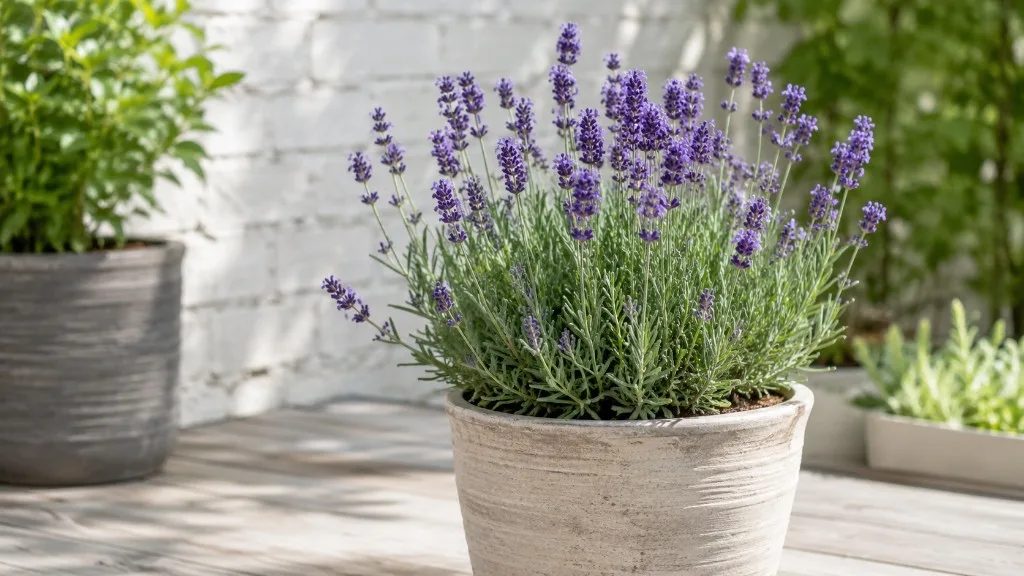
These five plants show up often in spring pest discussions for good reason—they combine scent, flowers, and garden utility.
Lavender thrives in full sun and sharp drainage. Its fragrance can make a small area less attractive to some flying insects, and the flowers support pollinators. Plant it along paths or near seating areas where you want fewer flying nuisances, not as a single specimen in a large vegetable plot. See our lavender growing hub for siting basics.
Rosemary is a woody Mediterranean herb whose oils include limonene and other compounds associated with repellent effects in lab studies. In the garden, use it as a border plant near brassicas or paths where slugs and cabbage butterflies are common. Strong sun and drainage are non-negotiable.
Thyme forms low mats that can edge vegetable beds, releasing scent when brushed. Low-growing thyme at bed borders may discourage some crawling pests from crossing open ground—especially when combined with bare-soil collars around seedlings.
Bee balm (Monarda) offers strong scent and nectar for pollinators. It can help mask target crops visually and chemically while drawing beneficial insects into the garden. It spreads; give it space or contain it.
Yarrow is the predator-support star. Its flat flower clusters attract lady beetles, parasitic wasps, and syrphid flies. Epic Gardening notes that parasitic wasps such as Aphidius colemani lay eggs inside aphids, producing the tan mummies that signal declining aphid populations. Plant yarrow near vegetable rows—not because it repels every pest outright, but because it helps recruit the insects that do.
For a wider list and realistic expectations about “repellent” plant claims, read our pest-repelling garden guide. Pair companion plants with scouting and physical controls from our common garden pests and protection overview.
Conclusion
A harsh winter might trim the edges off some insect populations, but it will not deliver the easy pest-free spring gardeners hope for. Most garden bugs survive through eggs, sheltered litter, diapause, and chemical cold tolerance—and they meet tender new growth ready to eat. Cold can also set back beneficial insects, which sometimes lets pest outbreaks look worse, not better, in early season.
Treat winter as background weather, not pest control. Scout aphids, slugs, cutworms, and regional threats like box tree moth as soon as plants wake up. Clean up thoughtfully, protect seedlings with collars and row covers, and plant aromatic herbs and yarrow to support predators. When damage crosses your threshold, identify the pest and choose a narrow, labeled response. That disciplined spring routine will protect your garden far more reliably than any single brutal winter ever could.