How to Get Rid of Aphids Safely
Identify aphids, choose the least disruptive treatment, avoid plant-burning soap mistakes, and stop ants from rebuilding colonies on your plants.
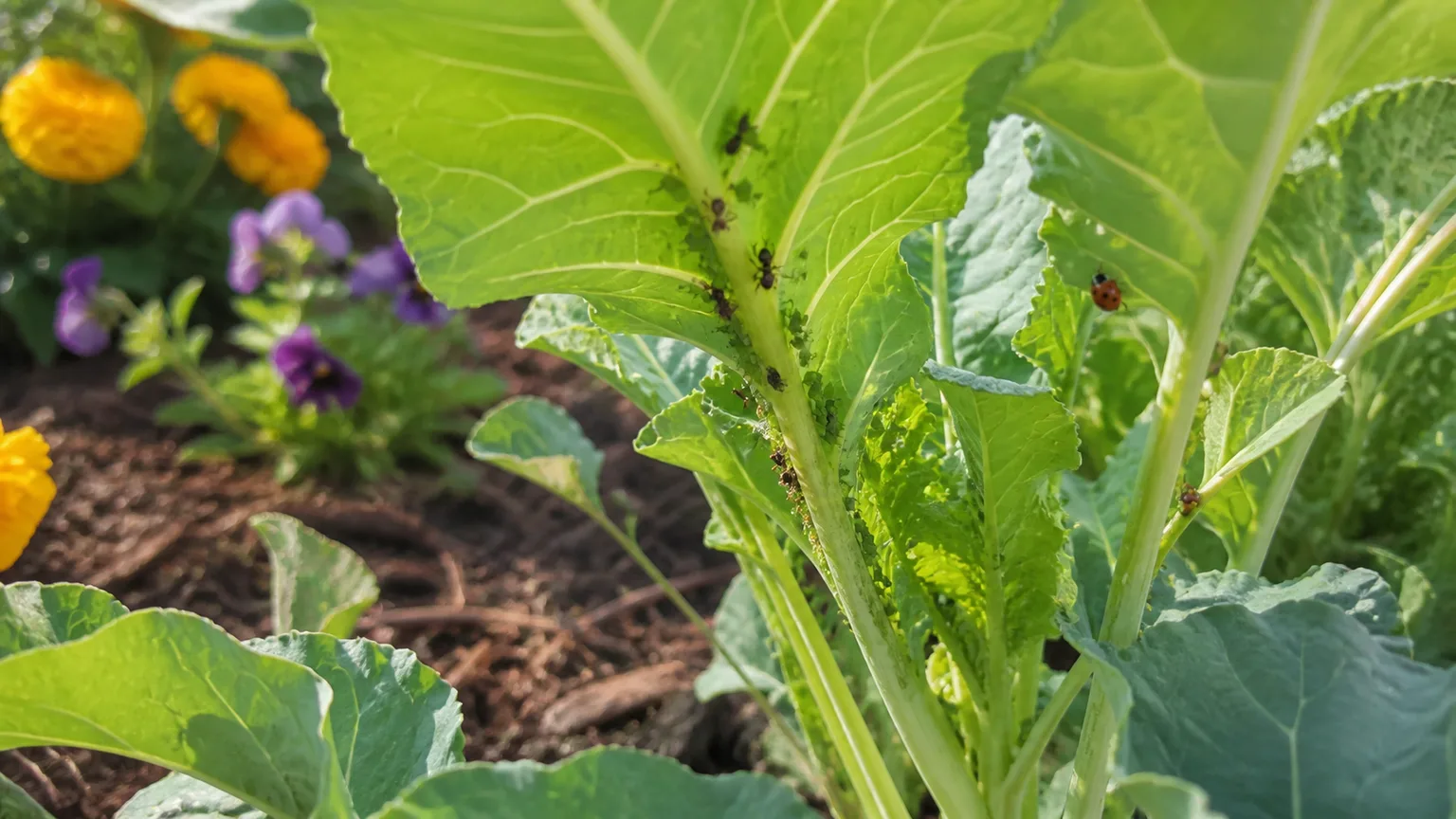
Start with water, not a broad-spectrum pesticide. In most home gardens, the safest aphid plan is a sequence: confirm the pest, knock down the first colony, protect the insects that eat aphids, and escalate only when the plant is actually being damaged.
Aphids are common enough that a few do not automatically mean your garden is failing. They become a problem when colonies keep expanding on tender shoots, distort new growth, cover edible leaves with honeydew, or spread plant viruses. The goal is a healthy balance—not sterile foliage at any cost.
Start with the least disruptive control
Before you mix anything, look at the plant and ask three questions: Are the aphids increasing? Is new growth curling or failing? Can I reach the colony with my fingers or a hose? If the answer to those questions is mostly no, leave the colony alone for a few days and watch for predators.
That pause matters because aphids are food for lady beetles, lacewing larvae, hoverfly larvae, parasitoid wasps, predatory bugs, and other wildlife. The Royal Horticultural Society’s aphid guidance notes that aphids rarely kill plants and that natural enemies often reduce early-season colonies as the garden’s predator population catches up.
If the plant is a prized seedling, a crop you are about to harvest, or a young shoot visibly curling around a dense colony, act today. Use the smallest treatment area that solves the problem rather than spraying every plant in the bed.
Confirm the pest before you treat
Aphids are tiny, soft-bodied true bugs. They may be green, black, yellow, pink, brown, gray, or covered with a white waxy coating, so color alone is not a reliable identification test. Look for pear-shaped insects packed along new stems, flower buds, leaf veins, and the undersides of young leaves.
Their feeding pattern is more useful than their color. Aphids remove sap, so the newest leaves may curl, pucker, yellow, or remain small. They also excrete sticky honeydew; ants may climb the plant to collect it, and black sooty mold can grow on the residue. White shed skins on a leaf are another clue.
Signs that point to aphids
The RHS identifies aphids by the combination of visible colonies, distorted growth, honeydew, sooty mold, and occasional virus transmission. That last risk is especially relevant in a vegetable garden: a plant can survive the feeding but still lose value if a virus has been introduced.
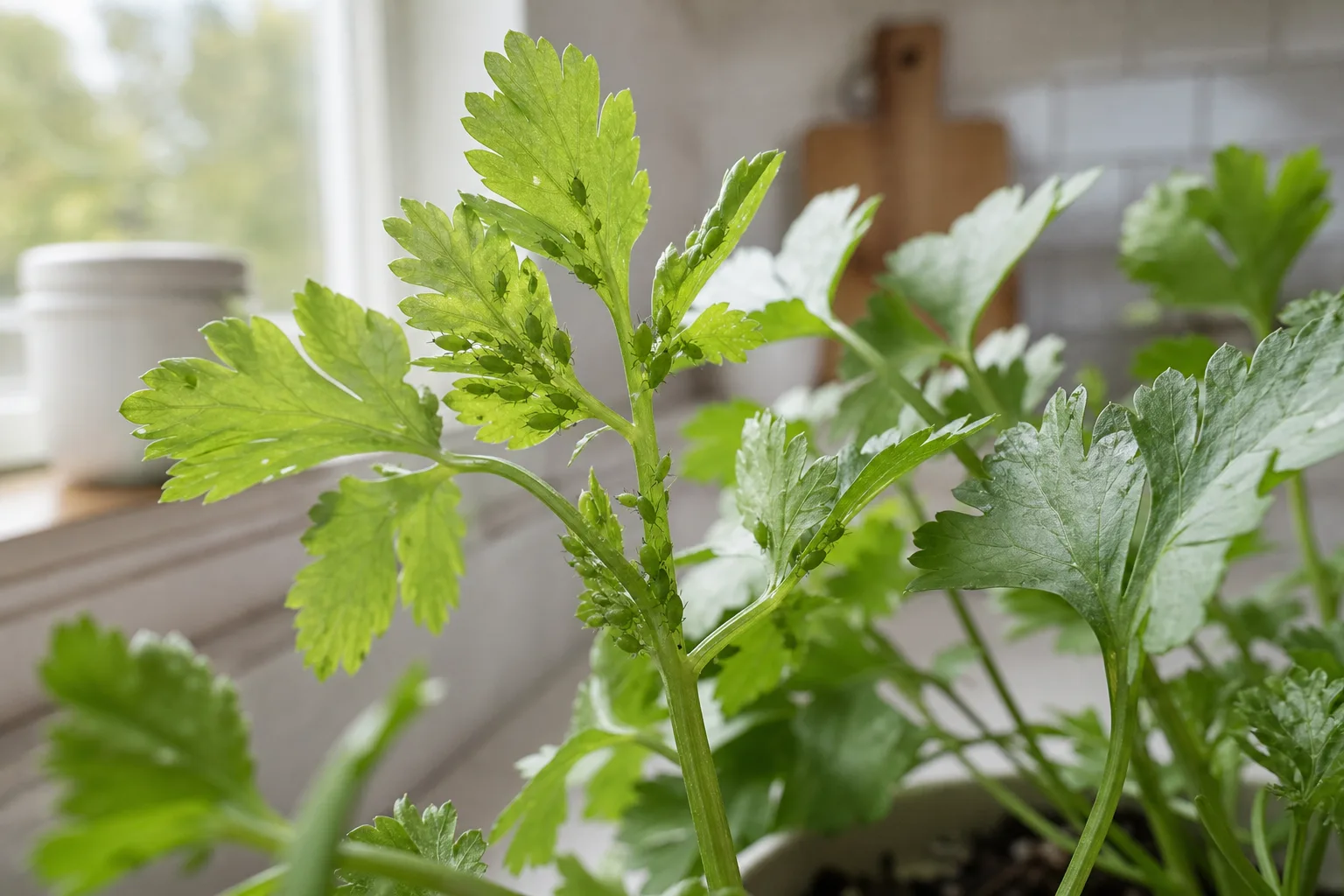
Do not confuse aphids with whitefly, thrips, spider mites, or mealybugs. If the insects jump or fly when disturbed, leave fine webbing, or appear as cottony clumps, use a pest-specific diagnosis before spraying. A misidentified pest leads to repeated treatments that can damage the plant while missing the real cause.
Why aphids keep returning
Aphids do not need a neglected garden. Many species spend part of the year on a woody host and move to soft annuals, vegetables, or flowers as the season changes. The RHS explains that winged forms can develop when colonies become crowded, the host plant deteriorates, or seasonal conditions shift.
The repeat offenders are predictable: tender nitrogen-rich growth, drought or inconsistent watering, tightly packed plants, untreated nearby hosts, and ants that defend aphids for their honeydew. A spray can remove today’s colony without changing any of those conditions, which is why the same plant may be covered again a week later.
Choose your treatment by colony size
Think in thresholds, not panic. A few aphids on an established plant are a different problem from a colony that has curled the growing tip, spread to neighboring plants, or appeared on a crop with suspected virus symptoms.
A few clusters on otherwise healthy growth
Squish a small colony between gloved fingers, wipe it from the stem, or cut off one badly infested leaf. Then rinse the area so honeydew and loose insects are gone. This is often enough for a rose shoot, herb stem, or flower bud that has only a handful of aphids.
A spreading or repeatedly infested plant
Rinse the whole plant first, paying attention to leaf undersides and protected new growth. If live aphids return and the plant is still being damaged, use a product labelled for aphids and for that specific crop or ornamental. If the plant is flowering, stressed by heat or drought, or difficult to wet without soaking open blooms, physical removal and monitoring are safer first choices.
For vegetables, “organic” on the front of a package is not a substitute for a crop label. Confirm that the product is allowed on the crop, follow the rate and preharvest interval, and never assume that a product safe for roses is safe for lettuce or herbs.
Rinse aphids off before reaching for a spray
A firm stream of water is the best first treatment for most outdoor plants. Use a hose nozzle that gives you control, support a fragile stem with your free hand, and spray from below the leaves upward so the water reaches the colony. The aim is to dislodge the insects, not shred the foliage or break a tender shoot.
Work from the newest growth outward. Rinse the stem joints, leaf undersides, flower stalks, and curled leaves that hide aphids. The Gardenary field guide recommends this physical-removal step because aphids are poor at returning to the same plant after they are knocked off; the spray also removes sticky honeydew.
Repeat the inspection in two or three days. Water has no residual effect, so it will not stop a new winged aphid from arriving, but it can reduce a colony enough for predators to finish the job. On a plant that wilts easily, rinse in the morning so foliage dries quickly and the plant has time to recover.
Use insecticidal soap carefully
If water and pruning are not enough, a labelled insecticidal soap can be a reasonable next step. These products are generally made from potassium salts of fatty acids and work by direct contact on small, soft-bodied pests. They do not create a lasting barrier: the spray must thoroughly wet the aphids, including those hidden on leaf undersides, and dried residue does not keep killing new arrivals.
The Colorado State University Extension guidance on insecticidal soap highlights both the benefit and the limitation: soap is selective for small soft-bodied pests, but it can injure sensitive plants and has no residual control. Use this checklist:
- Choose a product whose label names aphids and the plant or crop you are treating.
- Test the diluted spray on a small, inconspicuous section and wait for the label’s test period before treating the whole plant.
- Spray only when the plant is well hydrated and temperatures are moderate; avoid hot sun, drought stress, and newly transplanted growth.
- Cover the insects directly, especially on stems and leaf undersides. A light mist over the top of the canopy is usually not enough.
- Keep the spray off open flowers and visible beneficial insects whenever possible.
- Follow the label for repeat timing, harvest restrictions, protective equipment, storage, and disposal.
Do not apply more often just because a few insects remain. Leaf damage can accumulate after repeated exposure, and a healthy plant with a few surviving aphids may recover better than a plant repeatedly coated in soap.
Why kitchen dish soap is not the same thing
Household dish detergent is formulated to cut grease on dishes, not to control insects on living leaves. Its concentration and additives vary, and the wrong mixture can strip leaf surfaces or cause burn. Colorado State University Extension specifically warns that household soaps and cleaning products are not tested as pesticides and are not a dependable substitute for labelled insecticidal soap.
University of Georgia Extension also cautions that dish soaps can burn foliage, particularly when temperatures are above 90°F, humidity is high, or the plant is already stressed. Its insecticidal-soap explanation distinguishes the more plant-conscious formulation of commercial insecticidal soap from improvised hard-soap mixtures.
That is why I do not recommend a fixed internet recipe for every vegetable and flower. If you decide to use a household product anyway, you are accepting an untested, crop-specific plant-injury risk; a labelled product is the more controlled choice.
Where neem, horticultural oil, and other remedies fit
Neem and horticultural oils are not automatically safer because they are plant-derived. They can be useful in a carefully chosen program, but they also require complete coverage, correct dilution, and attention to temperature, plant sensitivity, blooms, and pollinators. Never combine products unless the labels allow it, and do not treat a drought-stressed plant because a social-media recipe calls the spray “natural.”
Oils are a poor response to a colony hidden in tightly curled leaves if you cannot reach the insects. They also do not fix ants, excess nitrogen, or a new winged migration. Start with a rinse, then choose one labelled product only if the remaining damage justifies it.
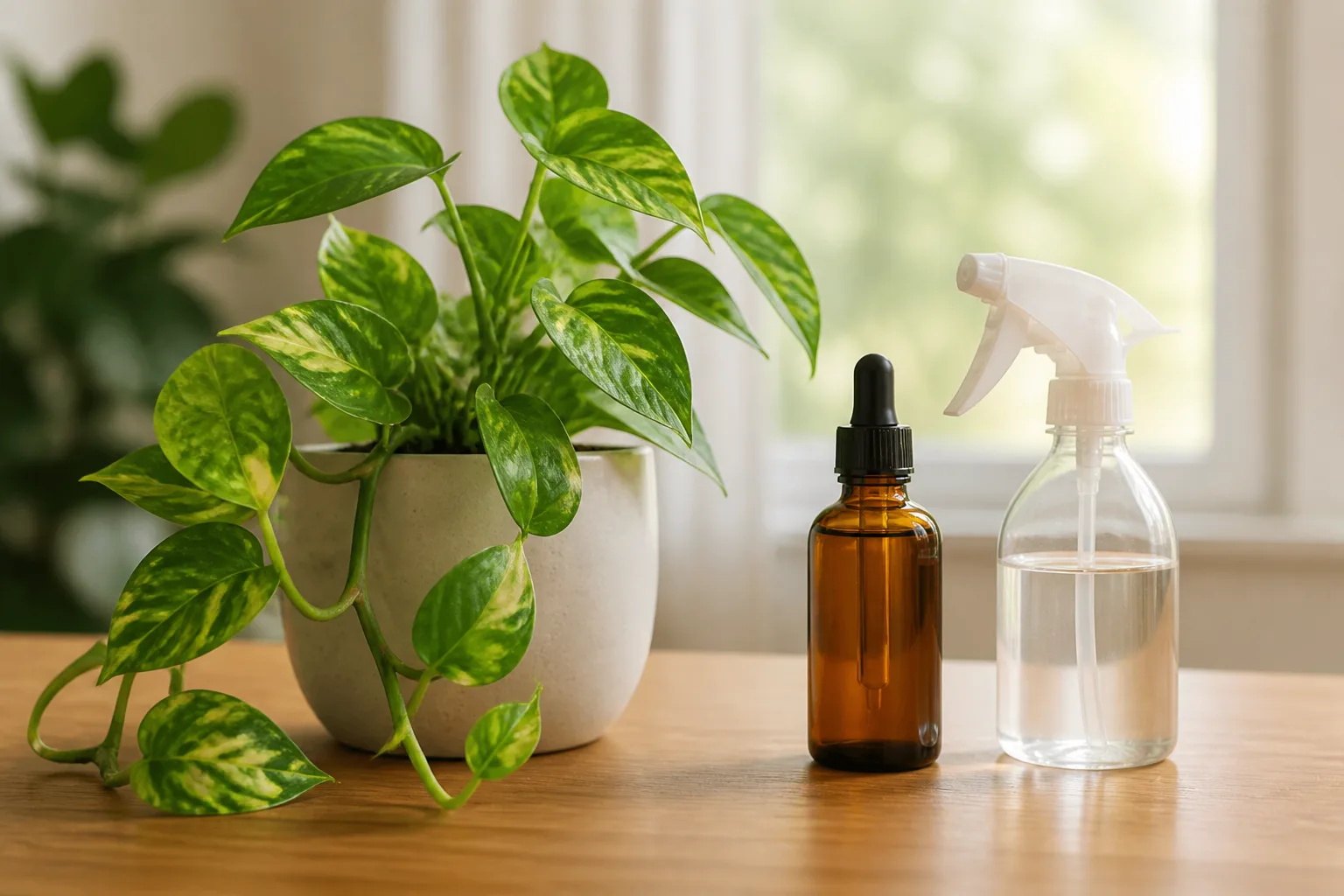
Diatomaceous earth is another frequently suggested remedy, but dry dust is a poor fit for aphids living on stems and leaf tissue. It is more relevant to certain crawling insects on dry surfaces than to a sap-feeding colony tucked beneath a leaf. Avoid coating flowering plants or the soil surface simply to make the garden look treated.
Protect beneficial insects and healthy soil
The safest aphid program is narrow. Spot-treat the infested plant, avoid broad-spectrum insecticides, and leave untreated flowers and predator habitat nearby. The RHS cautions that even organic pesticides can reduce biodiversity and harm natural enemies, so “organic” is not a permission slip to spray everything.
Soap and oils work by contact, which means a direct hit can harm a beneficial insect that is on the plant. Spray only the colony, never open flowers, and wait until pollinators are inactive if a label permits treatment. Do not pour leftover spray onto the soil or use soil drenches to solve a foliar aphid problem; the insects are on the plant, and unnecessary runoff adds risk without improving coverage.
Recognize the predators you want to keep
Lady beetle adults are familiar, but their larvae look like small dark, spiny alligators. Lacewing larvae are narrow and active with curved jaws. Hoverfly larvae look like legless maggots, while parasitized aphids become swollen, pale “mummies.” Those are signs of biological control, not pests to squish.
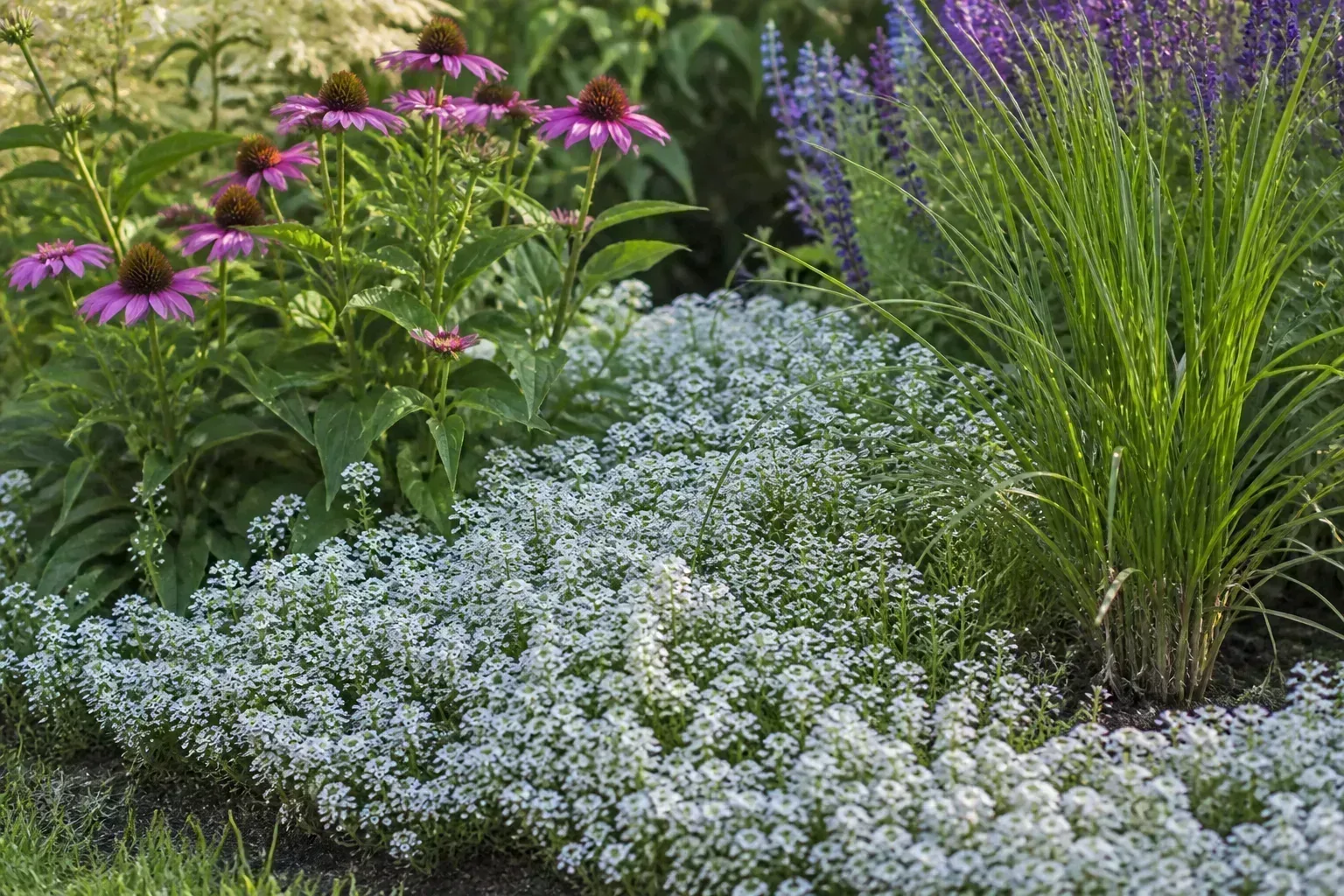
The RHS aphid-predator guide lists ladybirds, hoverfly and lacewing larvae, predatory midges, parasitoid wasps, earwigs, predatory beetles, and birds among aphid enemies. Planting nectar-rich flowers and allowing a little aphid activity can feed this community.
Buying and releasing lady beetles is not a guaranteed shortcut. The USDA Agricultural Research Service review of ladybird control in greenhouses notes that success depends on the ladybird life stage, aphid population, crop defenses, and the presence of ants. In a home garden, habitat and reduced pesticide use are usually more durable than repeatedly purchasing insects that may disperse.
Break the ant–aphid cycle and correct plant stress
Ants do not create aphids, but they may protect them in exchange for honeydew. If you see ants traveling up a plant, inspect the newest growth for aphids and trace the ant route. Removing the aphid colony may reduce the ant traffic; if it does not, block bridges from nearby plants, keep mulch and branches from touching trunks, and use only a labelled ant-control product placed according to its instructions.
Do not drench the bed with a home remedy to kill every ant. Ants are part of the soil food web, and the useful goal is to stop the trail that protects the aphids near the crop. The USDA review above also identifies ant presence as a factor that can interfere with ladybird performance.
At the same time, correct the plant conditions that produce vulnerable growth. Water consistently at the root zone, improve soil with finished compost rather than repeatedly pushing high-nitrogen fertilizer, and give plants enough space for you to inspect them. These steps do not repel every aphid, but they reduce the tender, crowded canopy in which colonies are hardest to find.
Prevent new outbreaks in vegetables and flowers
Prevention is a weekly habit, not a promise that a certain flower will “repel” aphids. Walk the garden while harvesting and check the undersides of new leaves, shoot tips, flower buds, and the tight center of leafy crops. Catching ten aphids is a different job from finding a curled terminal shoot full of hundreds.
Mixing crops and flowers can make predator habitat more useful and keep one pest from moving through a solid block of one host. Dill, cilantro, alyssum, yarrow, and other nectar plants can support hoverflies and parasitoid wasps. Calendula and nasturtium may act as trap crops in some gardens, but a trap crop is only helpful if you inspect it and remove or rinse colonies before they spill into the vegetables.
Do not rely on marigolds, chives, or any companion plant as a chemical shield. Treat companion planting as a way to diversify the bed and attract predators, not as a substitute for checking the crop.
Monitor new growth and use barriers or trap crops strategically
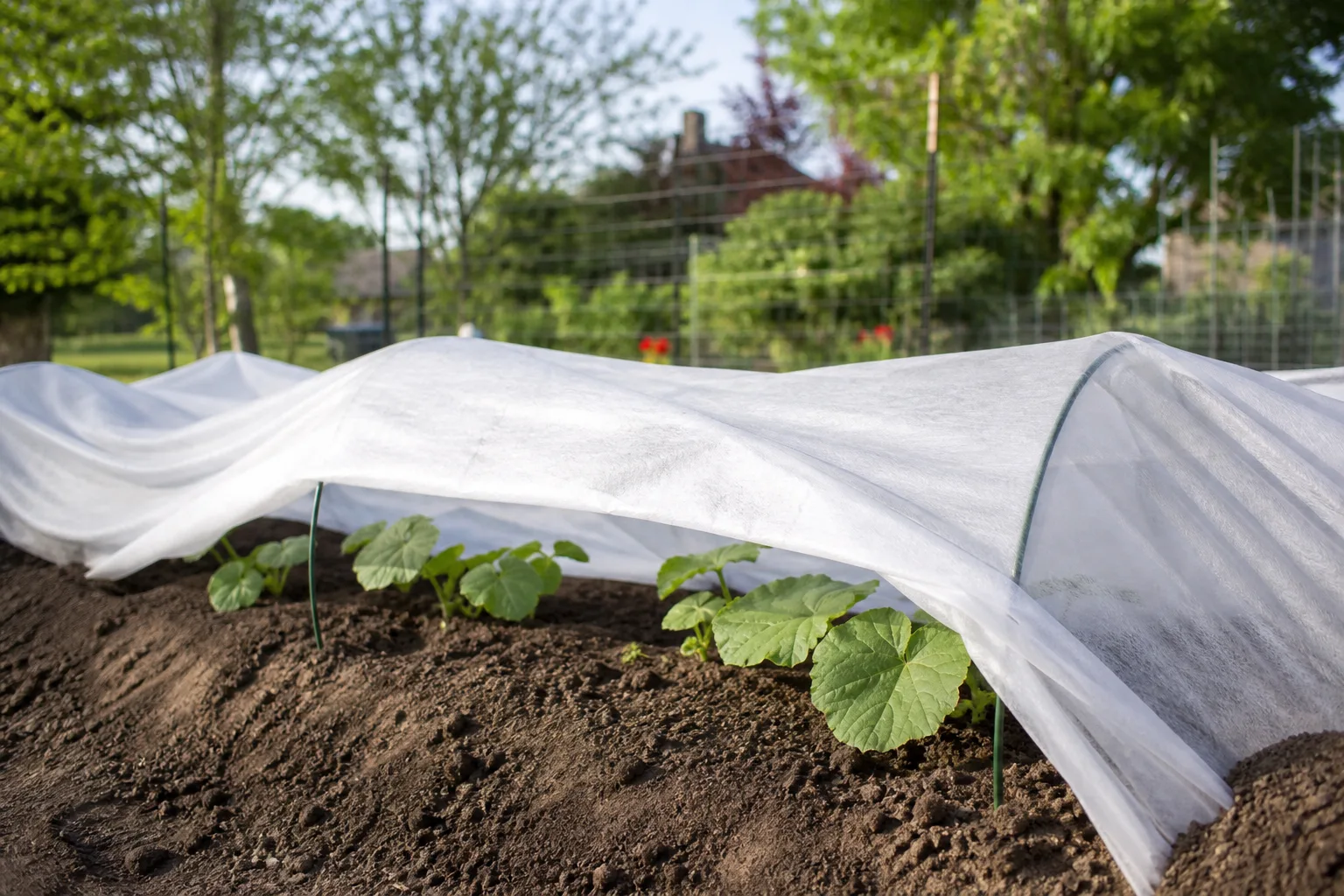
Fine-mesh row cover can protect young vegetables if it is installed before aphids arrive and sealed around the edges. Check the seedlings before covering them, remove the cover when pollination is needed, and inspect for heat buildup or trapped pests. The material must be fine enough for aphids, not just large caterpillars.
Use a simple log: note the date, plant, number of infested shoots, treatment, weather, and whether live aphids remain after two days. This prevents a common mistake—reapplying a spray because old cast skins or dried honeydew look like a live infestation.
When to prune, isolate, or remove a plant
Prune a leaf, bud, or shoot when it is heavily colonized and removing it will not destroy the plant’s main growing point. Bag the cuttings or move them away from the bed; do not leave them on the soil beside a neighboring host. For vegetables such as kale or tomatoes, avoid cutting the central terminal bud unless you are intentionally ending that stem’s growth.
Isolate a potted plant when aphids appear indoors or on a plant that will soon return inside. Rinse it, inspect nearby plants, and keep it separate while you watch for winged aphids and new colonies. Outdoor plants usually do not need isolation, but a severely infested annual can be removed rather than repeatedly sprayed if it is spreading pests to a valuable crop.
Remove the plant when most of the growing tips are curled, the plant has suspected virus symptoms, or recovery would require repeated high-risk treatments. This is not failure; it is a way to protect neighboring plants and preserve soil life.
How to tell whether treatment is working
Look for fewer live aphids, not perfectly clean leaves. A successful rinse or contact spray leaves some old damage behind, but new leaves should emerge normally, colonies should stop expanding, and ants should decline. Black sooty mold may remain until the honeydew source is gone; wash the residue only after the pest is under control.
Check the plant again in two or three days and then at least weekly while conditions favor aphids. If live colonies persist, repeat the labelled treatment only at its permitted interval and improve coverage rather than automatically increasing the dose. If damage continues despite clean leaves, reconsider the diagnosis: virus, nutrient imbalance, heat stress, mites, or another sap-feeding insect may be responsible.
The best end point is a plant that is growing normally with occasional aphids and visible predators—not a garden stripped of every insect. That balance protects vegetables, flowers, pollinators, and the living soil that makes the next season easier.
Conclusion
To get rid of aphids without damaging your garden, begin with a targeted rinse or hand removal, then escalate to a labelled insecticidal soap only when live colonies are causing meaningful damage. Reach the leaf undersides, test sensitive plants, avoid hot or drought-stressed foliage and open flowers, and follow crop and harvest directions exactly.
The long-term fix is the combination of early inspection, sensible nitrogen and watering, ant management, predator habitat, and selective pruning. Aphids may return, but a garden that can absorb a small colony—and respond before it spreads—does not need to sacrifice healthy plants or healthy soil to stay productive.