How to Get Mildew Smell Out of Clothes Quickly
Rewash musty clothes without damaging them. Learn what to add, when to skip home remedies, how to dry fabric fully, and how to stop the smell returning.
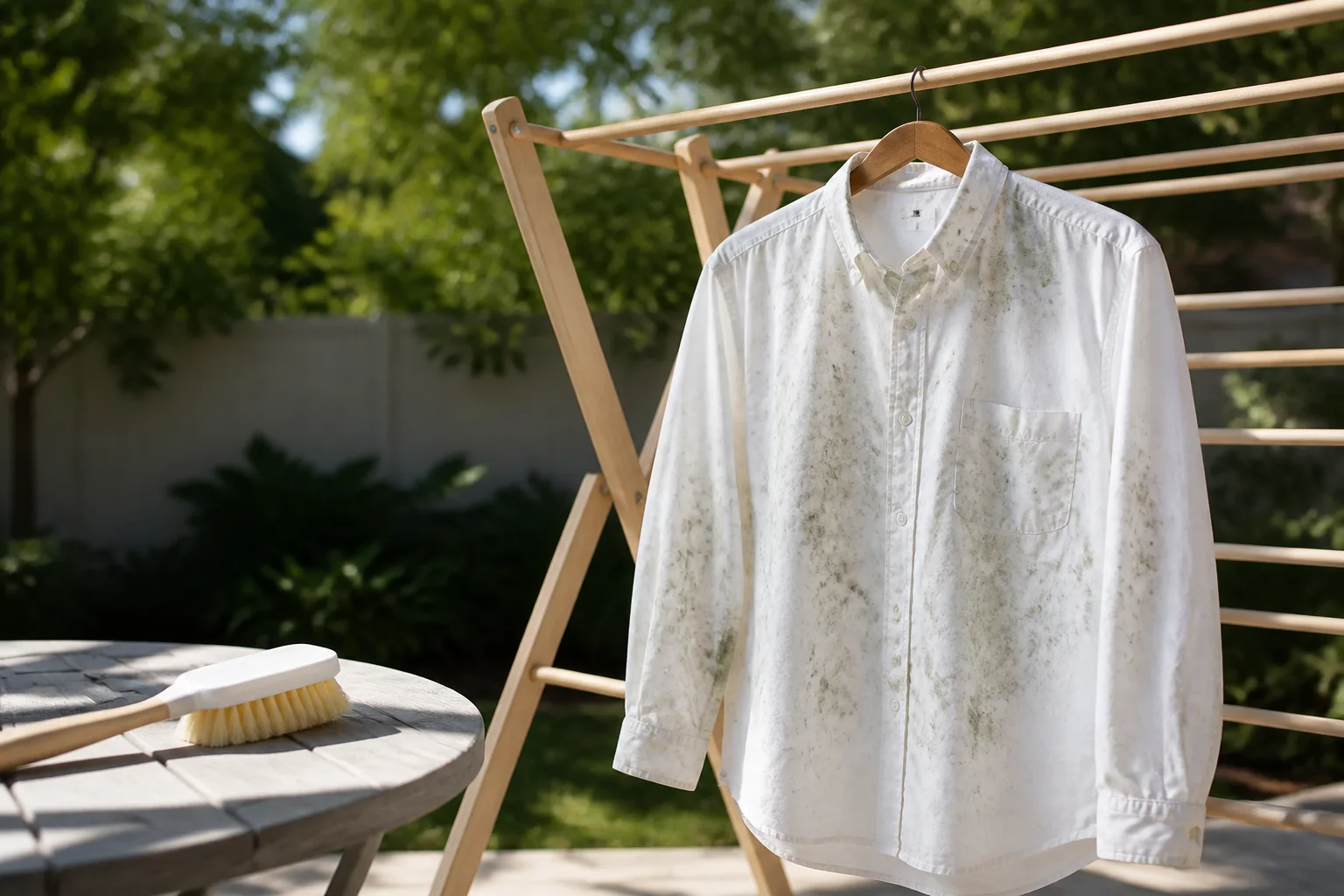
For most washable clothes with a musty smell but no visible mold, the quickest dependable fix is a fresh wash with the right amount of detergent, followed by complete drying. Check the care label, use the warmest water it allows, avoid packing the washer full, and move the clothes to a dryer or drying rack as soon as the cycle ends. A scented spray may cover the smell for an hour; washing and drying address the damp fabric and residue that let it linger.
If the clothes still smell after they are fully dry, pause before adding a stronger chemical. The odor may be coming from a washer gasket, detergent buildup, a damp closet, or a garment that has absorbed mildew for a long time. The next step is to find that source and choose one treatment suited to the item, not combine every household remedy in the laundry room.
The Fastest Reliable Method
Take musty clothes out of a closed hamper, gym bag, or washer and spread them out while you get the load ready. If they are still damp, do not leave them balled up while you shop for a special additive; moisture held inside folds and thick seams keeps the problem going. Wash them as soon as practical, using a normal or heavy-soil cycle appropriate to the fabric, the correct dose of regular laundry detergent, and the warmest water permitted by the label.
When the washer finishes, smell the garment before putting it in the dryer and check that no visible spots or weak patches remain. Dry it all the way through, including pockets, waistbands, cuffs, and thick hems. If the item smells clean when dry, you can put it away; if the odor persists, diagnose the washer and storage conditions before repeating the same cycle or escalating to a soak.
That sequence matters because odor removal is not the same as masking, and airing is not the same as washing. Textile conservation guidance explains that musty odors can come from volatile compounds associated with fungi or bacteria and that warm, dry airing can help dissipate odor. Airing may freshen a garment, but it does not remove soil or prove that growth has been cleaned away. (Smithsonian Museum Conservation Institute: Mold and Mildew on Textiles)
Check Whether the Smell Is on the Clothes, Washer, or Closet
Before you rewash the whole laundry basket, smell one dry item in a well-ventilated place and compare it with another garment washed in the same load. If several unrelated items share the same smell, the washer or drying area deserves attention. If only one coat or sweater smells, the issue may be trapped moisture in that thick item, a damp pocket, or an odor absorbed during storage.
Also notice when the smell appears. Odor that is present as soon as the washer opens may point to a load left wet too long or a washer that needs cleaning. Clothes that smell neutral out of the dryer but become musty after sitting in a wardrobe suggest a storage or room-humidity problem. A smell that returns only after a garment warms up on your body can indicate residue or body soil still in the fabric; use a proper wash routine instead of more perfume.
Odor Only or Visible Growth?
A musty smell does not tell you exactly what is growing—or even prove that visible mildew is present. If you see small spots, fuzzy growth, or a garment that feels weakened, separate that piece from clean laundry and handle it as a visible mold or mildew problem. Do not shake it indoors; for a washable item, follow fabric-specific stain guidance such as the University of Georgia Cooperative Extension’s mildew and mold instructions, which starts with reading the care label and testing treatments for colorfastness.
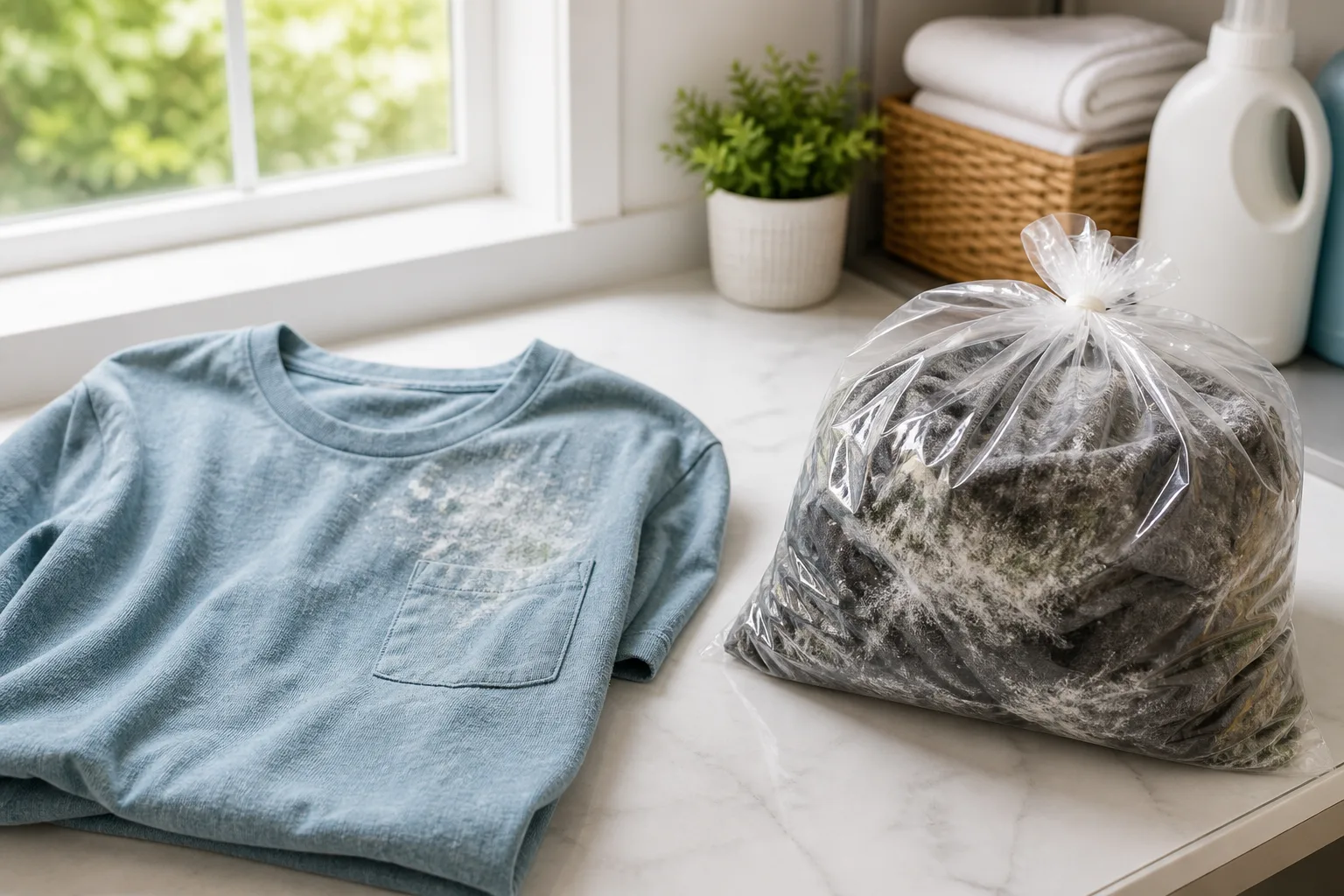
For odor-only clothing, you usually do not need to “sterilize” the garment. A routine detergent wash and full dry are a sensible first attempt. If visible growth covers a large area, the fabric is deteriorating, or the garment is valuable or dry-clean-only, avoid improvised soaking and ask a professional cleaner whether it can be treated safely. The CDC’s mold-cleaning advice is written for cleanup rather than ordinary laundry, but its general safety rule still applies: use one product at a time, follow the label, and never mix bleach with ammonia or other cleaners. (CDC: 8 Tips to Clean Mold)
The One-Wash Reset
A simple wash is often faster and gentler than a series of pantry experiments. Think of the load as a cleaning task: detergent lifts soil and odor-bearing residues, the wash action carries them away, and drying prevents damp fabric from picking up the same sour smell again. Additives are optional follow-up tools, not a substitute for correct loading, dosing, rinsing, and drying.
Read the Care Label and Sort the Load
Check the garment’s wash temperature, bleach symbol, and drying instructions. Use the warmest water the label permits, but do not assume the hottest cycle is always best: heat can shrink wool, damage elastic, fade dyes, and stress technical fabrics. If labels differ, separate items into loads that can share a safe temperature and drying method. Turn bulky garments inside out if that gives detergent better contact with the lining and underarms, and zip zippers or close hook-and-loop tabs so they do not snag other pieces.
Do not overload the washer. Clothes need room to move through water and rinse; a tightly packed drum can leave detergent and loosened soil trapped in thick fabric. For a single sweater, jacket, or towel, washing it alone may be more effective than adding it to a large mixed load. For several items, sort by color and fabric weight so a quick-drying shirt does not come out dry while a sweatshirt remains damp inside its hood.
Use Enough Detergent, Not Extra
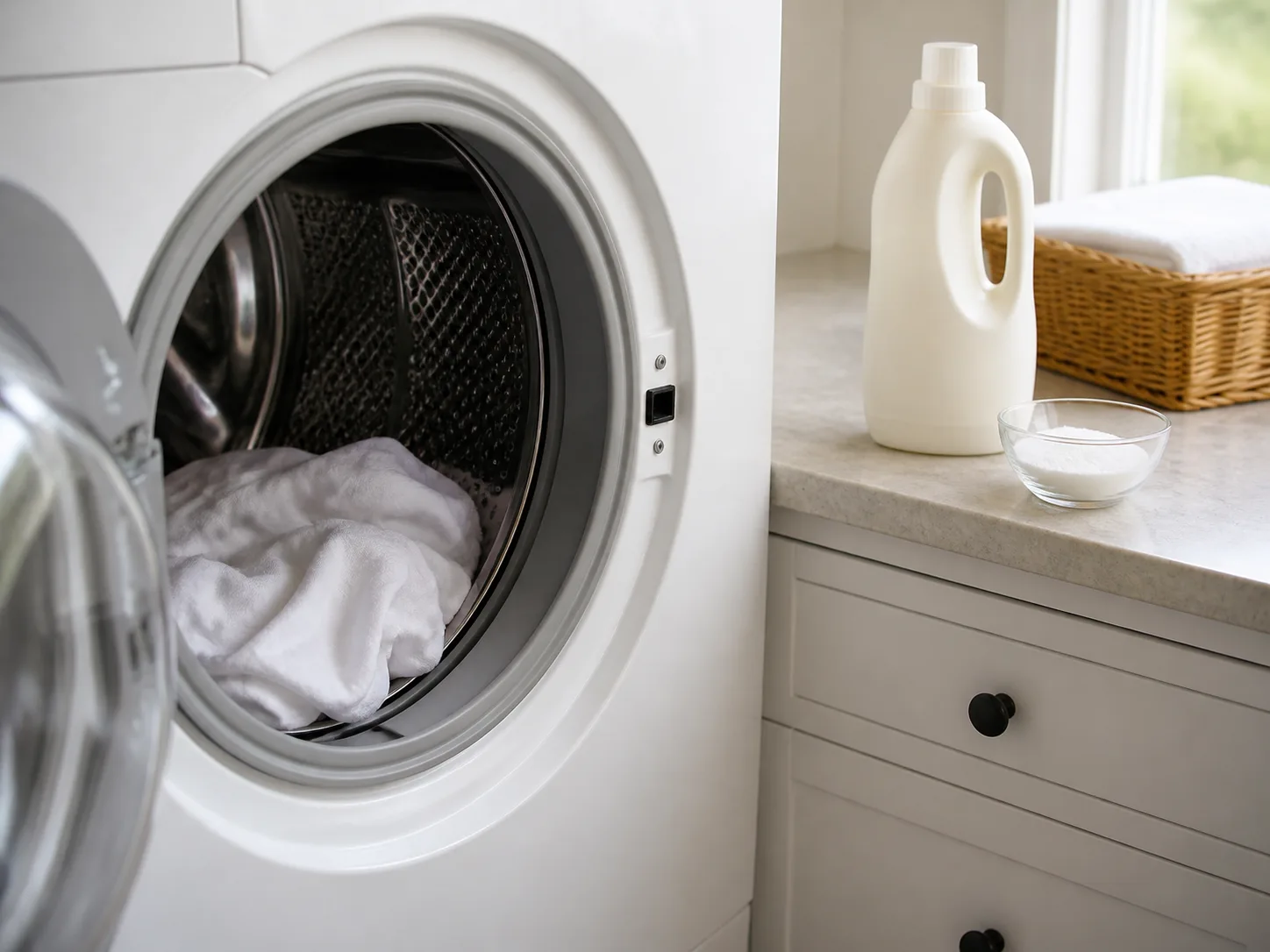
Use a quality laundry detergent at the dose listed for the load size and soil level. Follow the washer manual as well as the detergent cap or measuring scoop, especially in a high-efficiency (HE) washer. More detergent does not necessarily clean better: excess suds and product can remain on the fabric or inside the machine, where residue contributes to recurring odor. Whirlpool’s appliance guidance lists improper detergent type or amount, dirty dispensers, and clothes left in the washer among common reasons a washer and its laundry develop a mildew smell. (Whirlpool: Why Does My Washing Machine Smell Like Mildew?)
Skip fabric softener and scent beads for this reset. They may leave fragrance or conditioning residue without removing the source of a damp smell. If detergent buildup is likely, use the washer’s extra-rinse option once, then reduce the detergent dose to the manual’s recommendation on future loads. Do not add dish soap or an unmeasured scoop of detergent to “boost” a machine wash; excess suds make rinsing harder and can cause washer problems.
Dry Completely Before Judging the Result
Move the load promptly when the cycle ends. Shake each item open, then tumble dry on the label-safe setting or hang it with space around it so air can circulate. Thick seams, pockets, cuffs, waistbands, fleece linings, and towel hems often stay damp longer than the surface feels. Check those areas with your hand before folding; cool, clammy fabric is not ready for a drawer.
If you line-dry indoors, place garments where air moves and moisture can escape. A fan can speed drying, but do not crowd clothes tightly on a rack or leave them in a humid bathroom. Outdoor air can help a garment dry and smell fresher, but direct sun can fade some dyes and weaken sensitive textiles over time. The goal is a fully dry garment, not a sun exposure time or a particular number of dryer minutes.
If the Smell Remains After Washing
Let the garment cool and dry completely before deciding the treatment failed. A warm item can give off trapped odor more strongly, while a damp fold can smell even when the outer surface seems fresh. If the odor is faint and continues to improve with drying, additional chemicals may do more harm than good; if it is still clearly musty when dry, inspect the washer and storage area and choose one follow-up method.
Choose One Follow-Up Treatment
For a washable garment with persistent odor, rewash it once with the correct detergent dose and an extra rinse. If that fails, use a laundry product labeled for odor removal or sanitizing on the fabric and cycle you have; follow its directions exactly. “Laundry sanitizer” products differ in active ingredients and directions, so do not invent a soak concentration or assume a product can be used on wool, silk, or every color. A specialized sports detergent can be useful for polyester workout clothes with embedded body oils, but it is not automatically better for every fabric.
Some people use a small amount of distilled white vinegar in a rinse or presoak. Treat that as an optional, fabric-tested remedy rather than a guaranteed mildew treatment. The University of Georgia’s textile guidance says vinegar can affect some dyes and recommends testing cleaning agents on an inconspicuous area; appliance makers may also warn that frequent vinegar use can damage washer components. If you choose to try it, check both care instructions, use a dilute amount in a separate wash step, and never combine it with chlorine bleach. (University of Georgia Cooperative Extension: Textile Products; Whirlpool: Washer Mildew Odors)
Baking soda may help with some laundry odors, but do not expect a vinegar-and-baking-soda mixture to become a stronger cleaner. The two react with each other and largely neutralize; the fizz is not evidence that mildew has been disinfected or removed. Avoid adding baking soda and vinegar together, and do not stack detergent, bleach, vinegar, sanitizer, and a scented spray in one load. Never mix chlorine bleach with vinegar, ammonia, acids, or other cleaners; rinse thoroughly and follow one product label at a time.
Know When to Stop Treating a Garment
If an odor remains after two careful wash-and-dry cycles, repeated hot water and chemical soaks are unlikely to be a smart next step. A textile can retain odor after the original dampness is gone, and mildew can weaken fibers; the Smithsonian Museum Conservation Institute cautions that affected textile areas may be weaker and that aggressive treatment can increase tearing or abrasion. If a garment is thinning, brittle, stained through, or valuable, consult a cleaner experienced with textiles rather than scrubbing or bleaching it repeatedly.
Discard a low-cost item if it is structurally damaged, the odor is overwhelming and persistent, or cleaning would expose you to extensive visible growth you cannot handle safely. A professional cleaner cannot promise to restore a garment whose fibers or dye have already been damaged, but can assess delicate materials before you risk them with an unsuitable home soak.
Special Cases: Towels, Gym Clothes, and Delicates
Towels and heavy cotton items hold water in their loops and seams, so they need room in the drum and enough drying time. Wash a smaller load if necessary, use the detergent dose for that load, and separate very bulky towels from lightweight shirts. Do not use fabric softener as the routine fix for sour towels; it can leave a coating that reduces absorbency and does not correct an under-dried load. Make sure the towel is fully dry before stacking it in a linen closet.
Polyester jerseys, leggings, and other performance fabrics can retain oils and detergent residue, especially when they are worn hard and washed in crowded, cool cycles. Turn them inside out, wash promptly, use the product and temperature the label allows, and avoid fabric softener if the manufacturer warns against it. If one synthetic item continues to smell while cotton items come out clean, use a detergent made for activewear according to its label or pretreat the affected area with a compatible laundry product. Do not boil or bleach elastic garments unless the label explicitly permits it.
Wool, silk, rayon, leather, structured jackets, embellished clothing, vintage pieces, and anything marked dry-clean-only need a different approach. Do not soak them in vinegar, vodka, borax, or bleach based on a generic clothing tip. Hang the item in a dry, ventilated place away from direct sun while you arrange the labeled cleaning method; for a costly piece, call the cleaner first and describe the odor and any visible spots. Pressing, steaming, or spraying fragrance over a musty garment may temporarily change the smell but will not clean the fibers.
Clean the Washer if Odor Keeps Returning
If more than one load smells musty, pause garment treatments and clean the machine. Follow the washer manufacturer’s cleaning instructions and use its designated Clean Washer or Tub Clean cycle with the recommended machine cleaner. Do not pour vinegar into the drum as a universal washer-cleaning method: some manufacturers caution that repeated vinegar use can harm machine components. Whirlpool recommends cleaning the tub and dispenser, using the right detergent type and amount, removing wet clothes promptly, and allowing the washer to air between cycles. (Whirlpool Product Help: Removing Odor or Smell from a Washer)
Check a Front-Load Gasket, Dispenser, and Drum
On a front-loader, wipe the folds of the door gasket with a clean cloth and check for water, lint, residue, or visible growth. Remove and wash the dispenser drawer if the manual allows it, and leave the door open between loads when that is safe for children and pets. On a top-loader, clean the lid area, dispenser, and any removable agitator cap according to the manual. Run the recommended maintenance cycle with the washer empty; do not substitute a homemade chemical cocktail.
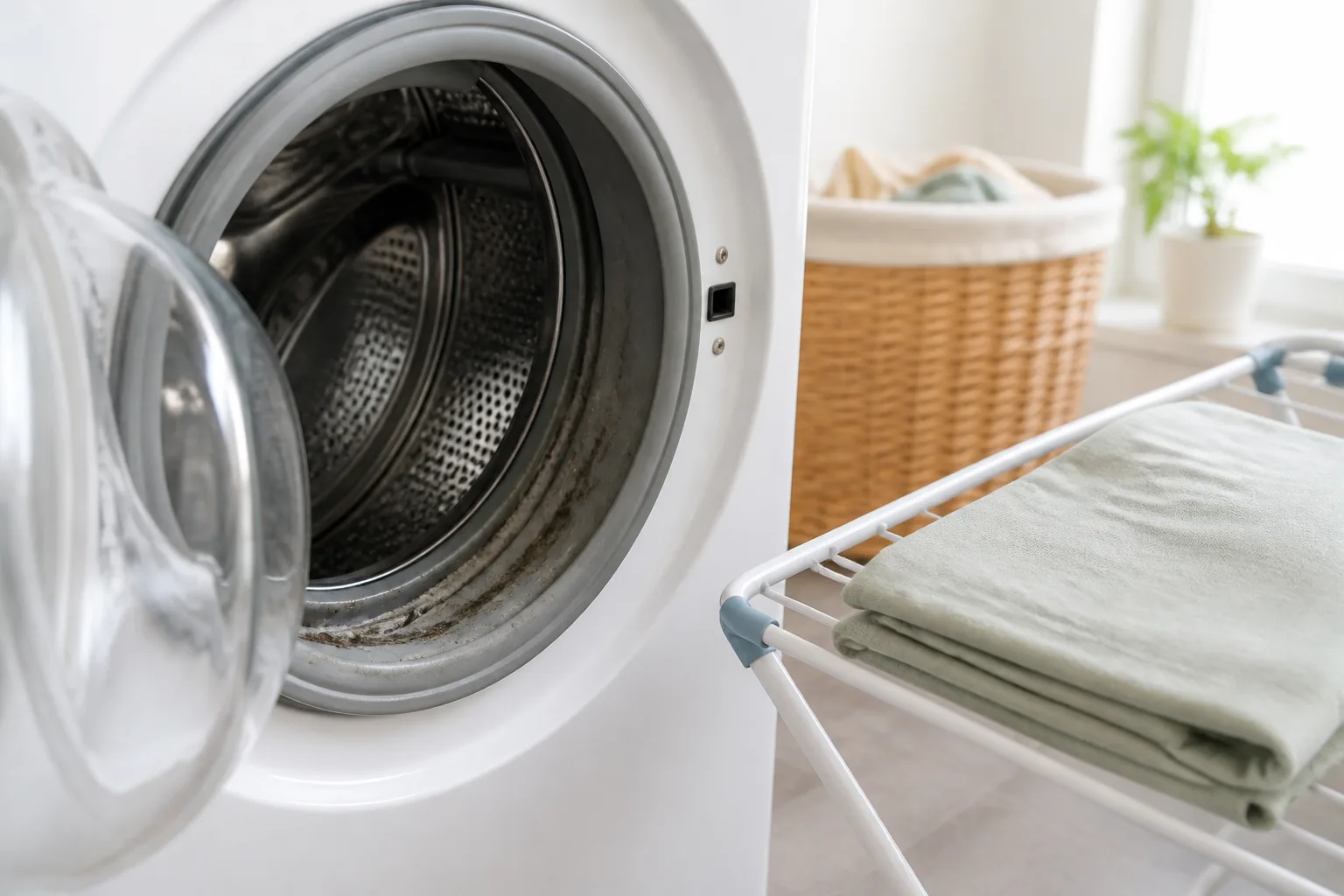
Also check whether clothes are being left in the machine after the cycle ends, whether the washer is draining completely, and whether you are using HE detergent in an HE machine. If the machine still smells after a proper cleaning cycle, consult the manual or a qualified appliance technician. A sour load that repeatedly returns from the same washer is a machine problem until proven otherwise.
Air, Sun, and Odor Sprays: What Helps and What Does Not
Fresh air is useful after washing because it helps moisture leave the fibers. For a garment that is clean but has absorbed a light closet odor, hanging it in a dry, breezy, shaded place may help dissipate the smell. It is not a replacement for a wash when the garment is soiled, damp, or visibly affected by mold. Smithsonian textile-conservation guidance recommends warm, dry airing for musty textiles but also warns that odor products can affect dyes or finishes, which is a good reason to test products and protect valuable clothing.
Sunlight can help a washable garment dry outdoors, and direct sun can gradually bleach some fabrics. That is a trade-off, not a dependable disinfecting treatment. Use shade for dark colors and delicate fibers, and do not leave wool, silk, or a bright garment baking on a line. A few hours of air circulation may be useful; there is no universal sunlight duration that guarantees mildew is gone.
Fabric refresher sprays and scented laundry products can reduce or cover odor temporarily, but fragrance does not remove damp residue from the weave. Use only sprays labeled for the fabric, allow the garment to dry fully, and avoid applying scent to a garment that still smells strongly of mildew. If an odor returns after wearing or storing the item, go back to cleaning and moisture control instead of layering on more fragrance.
Prevent the Musty Smell From Coming Back
Keep wet and sweaty clothes from sitting compressed in a hamper, gym bag, or washer. Hang a damp towel over a rack to dry before it goes into the hamper; leave sweaty workout gear open to air until wash day. After a wash, move clothes promptly and give thick items enough drying time. These small timing changes reduce the hours fabric spends warm and damp—the conditions that allow stale odors to develop.
Store only completely dry clothes. Check cuffs, hems, pockets, and the inside of lined jackets before putting them away, and avoid packing a closet so tightly that air cannot move between garments. If a group of clothes smells musty only after being stored, clean the closet or storage container and look for a leak, condensation, or a persistently humid room. The EPA’s mold guidance emphasizes moisture control and drying wet materials; removing the source of dampness is more durable than repeatedly laundering items that become musty again. (U.S. EPA: A Brief Guide to Mold, Moisture and Your Home)
For routine prevention, use the right detergent dose, keep washer seals and dispensers clean, and leave the drum able to dry between cycles. Do not use a scented product to disguise a damp closet or a machine that needs maintenance. When persistent mustiness affects multiple stored items or rooms, investigate the room’s humidity or water intrusion instead of treating each garment separately.
Conclusion
To get mildew smell out of clothes quickly, start with a label-safe wash using correctly measured detergent, leave room for the clothes to move, and dry every item completely. If the smell survives a full dry, check whether it is isolated to one garment or appears across the load, then clean the washer or storage area and use one fabric-compatible follow-up treatment if needed.
Skip remedy cocktails and fragrance as a substitute for cleaning. Use professional care for delicate or valuable items, stop if the fabric is weakening, and fix the moisture source so clean clothes do not pick up the same musty smell again.



