Beer for Pest Control: What It Can and Can't Catch
Beer for pest control works best as a slug and snail lure, not a leaf spray. Learn how to set a small trap, check it safely, and reduce repeat damage.
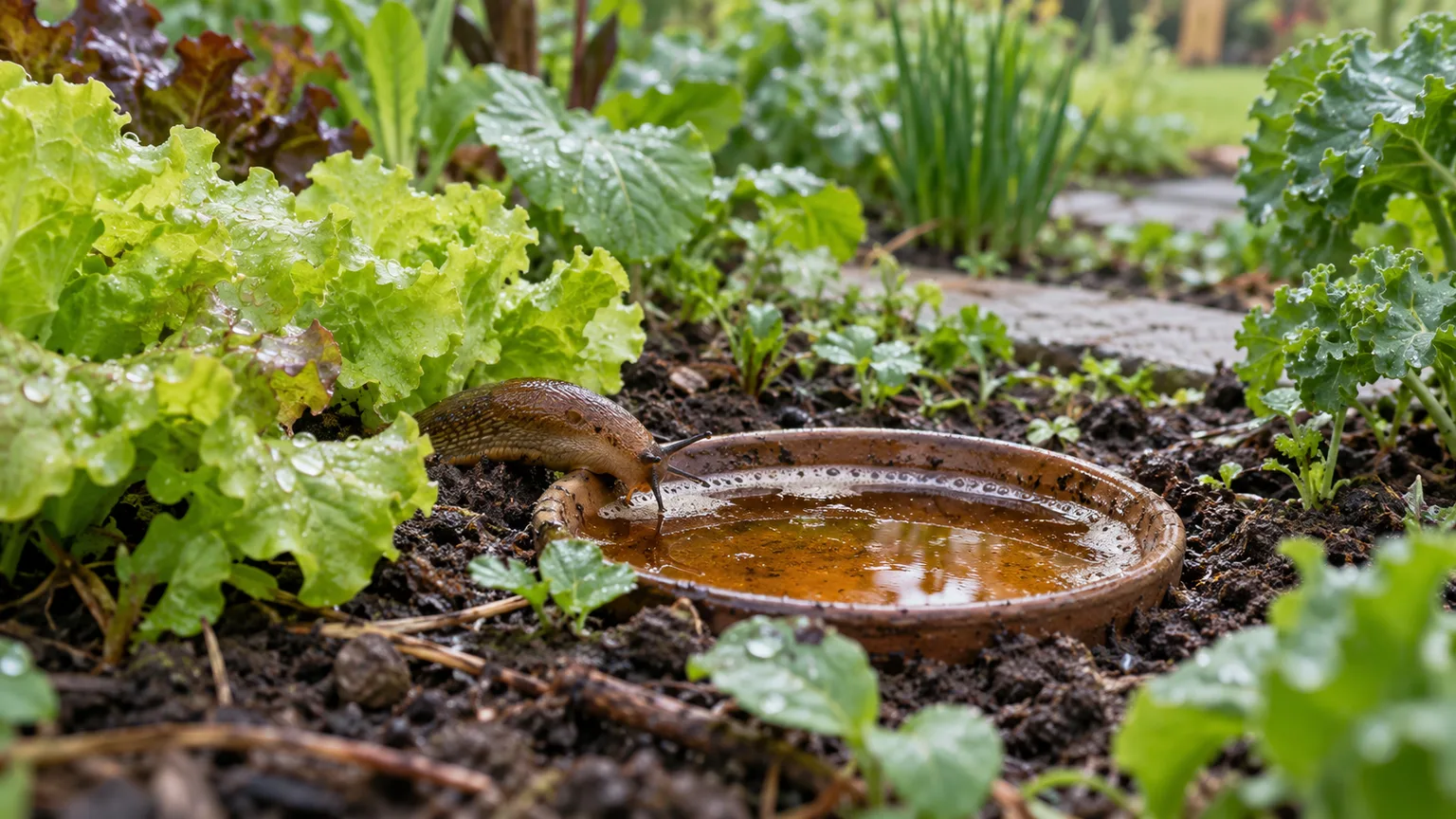
Beer can help catch slugs and snails when you use it as bait in a small trap. It is not a dependable spray for aphids, spider mites, fruit flies, or other unrelated garden pests, and spraying beer over leaves is not a proven way to protect a plant. The useful distinction is simple: a beer trap attracts certain mollusks to a container so you can remove them; it does not make the plants around it pest-proof.
That matters because the same word—“deter”—can describe opposite jobs. A repellent makes a pest avoid a plant; a bait draws it toward a specific spot. For slugs and snails, fermented odors can act as a lure.
UC IPM lists ground-level beer traps among management options and recommends checking them daily, while a peer-reviewed study found that fermenting bread dough attracted six pest gastropod species in field and laboratory trials. That study did not test a diluted beer spray or show that a trap alone prevents garden damage, so keep the claim narrow. (UC IPM; Veasey et al., Insects)
The practical answer: bait slugs, don’t spray plants
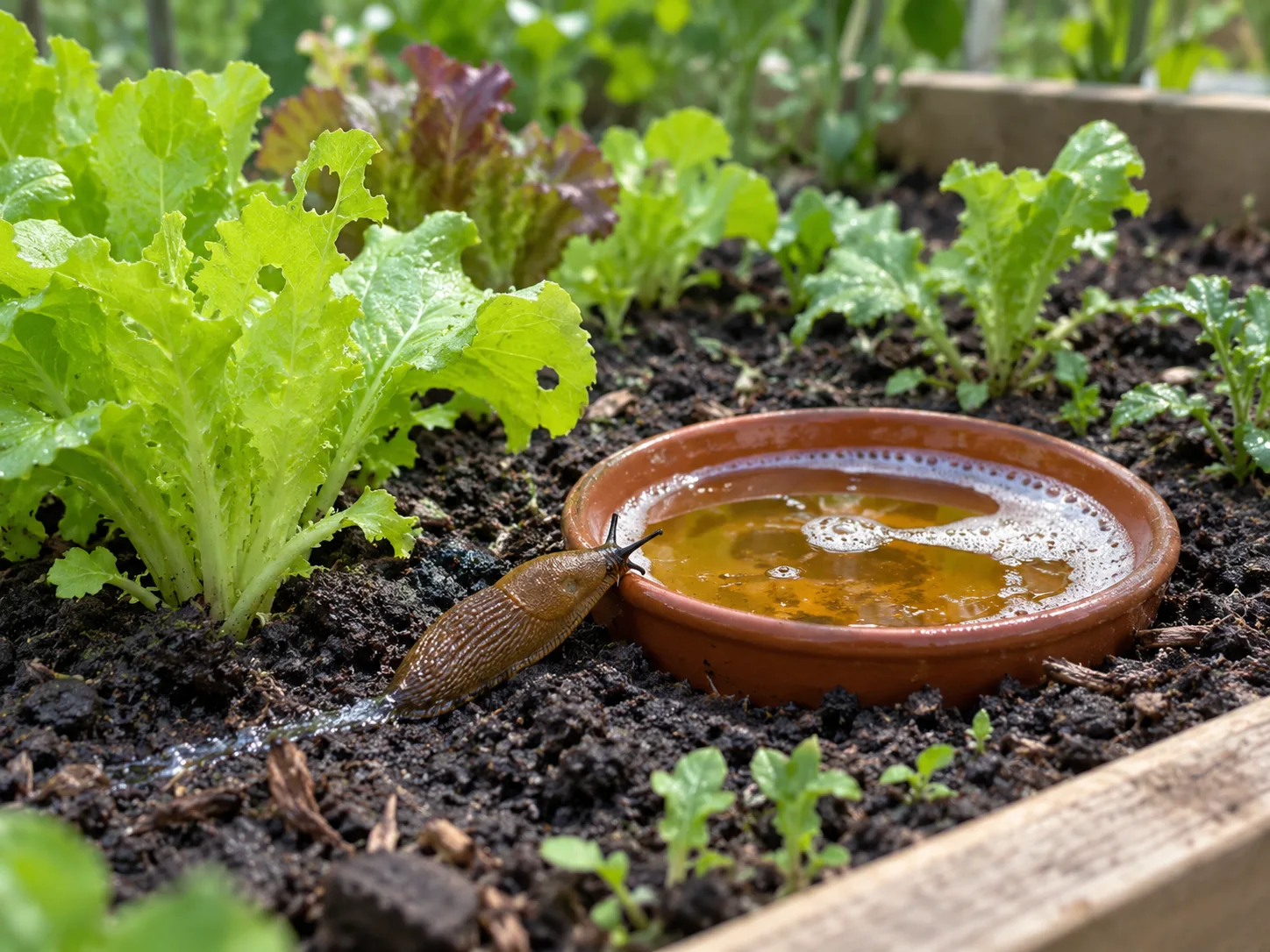
A beer trap is worth trying when you see fresh, irregular feeding holes and shiny slime trails, especially on tender seedlings, lettuce, strawberries, or hostas. The trap gives slugs and snails an alternative destination and lets you remove the ones it catches. Think of it as a local capture and monitoring tool, not a fence around the bed or a treatment for every leaf-chewing pest.
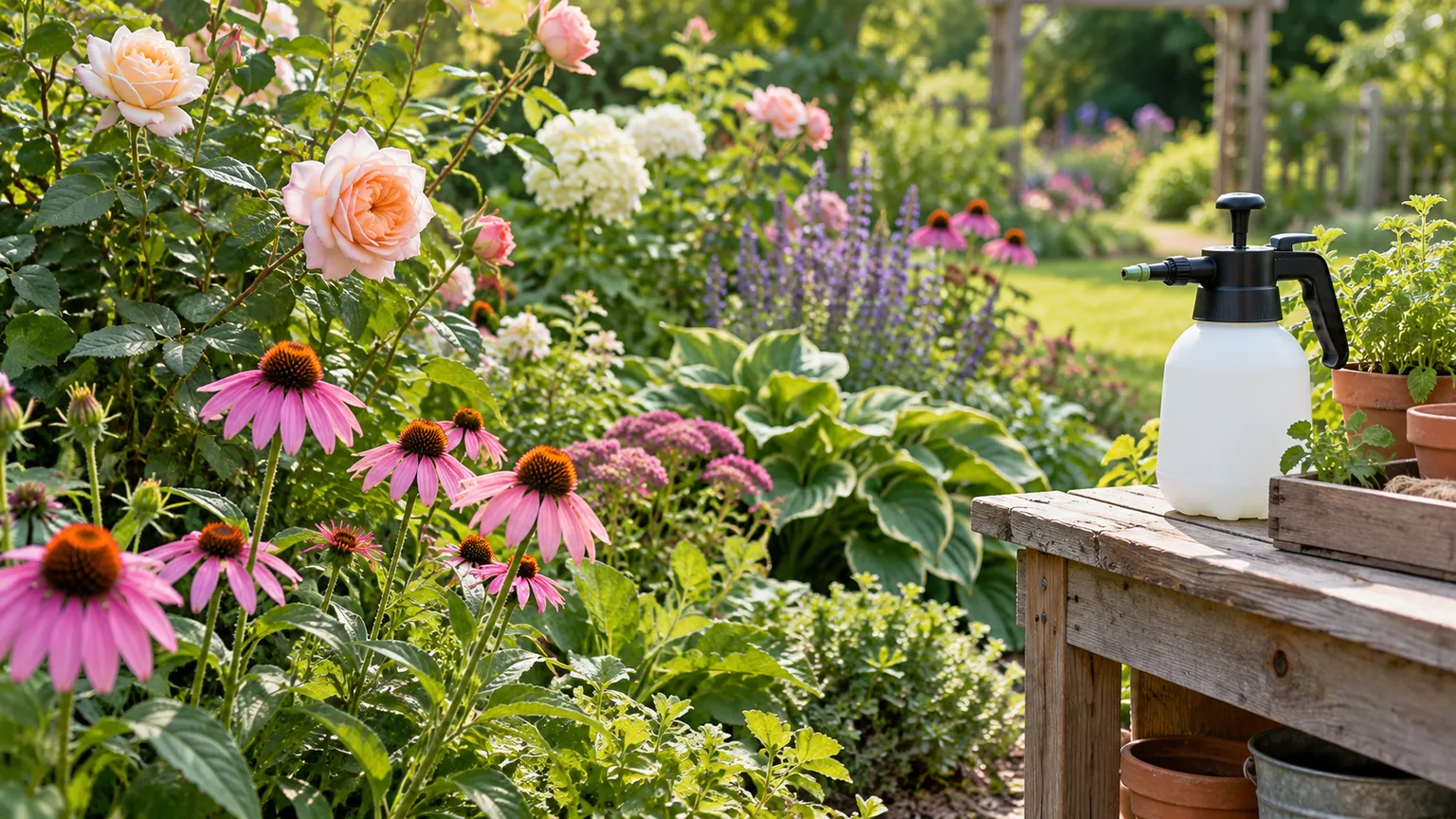
Skip the spray-bottle recipe. Diluting beer and coating foliage does not recreate a trap: it leaves bait-like odor and liquid on the plant rather than putting the lure in a container where you can inspect it.
The sources that support beer use discuss slug and snail traps, not a tested beer-and-water foliar repellent for aphids, spider mites, or fruit flies. Those pests have different biology and need identification-specific control; for example, spider mites are arachnids, aphids are insects, and slugs are soft-bodied mollusks.
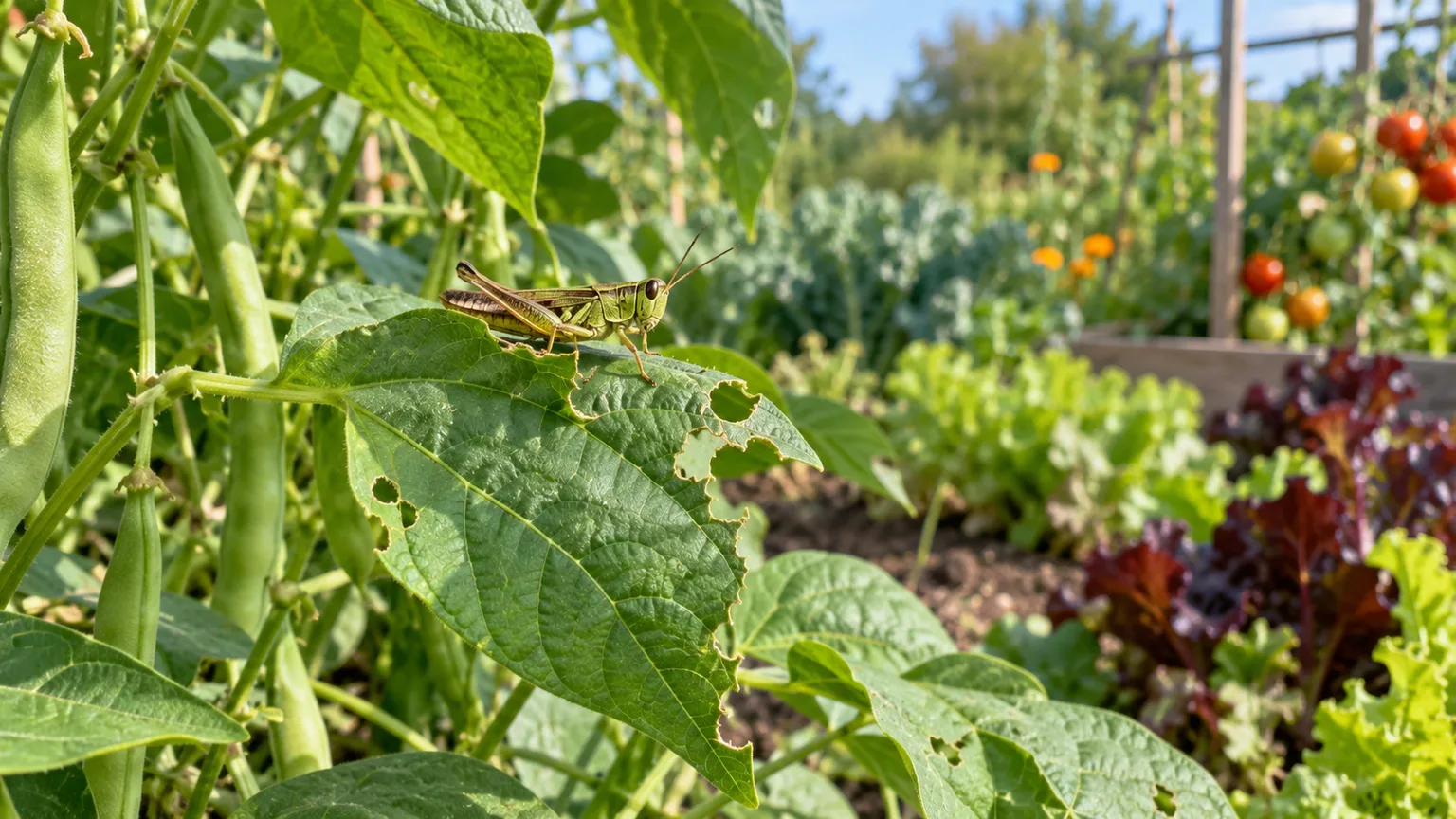
A practical rule helps prevent wasted effort: if you cannot find a slug, snail, slime trail, or characteristic feeding pattern, do not treat beer as a general-purpose garden remedy. First identify what is eating the plant. Holes alone are not a diagnosis, since caterpillars, beetles, earwigs, and mechanical injury can also leave damaged leaves.
Why a beer trap attracts slugs and snails
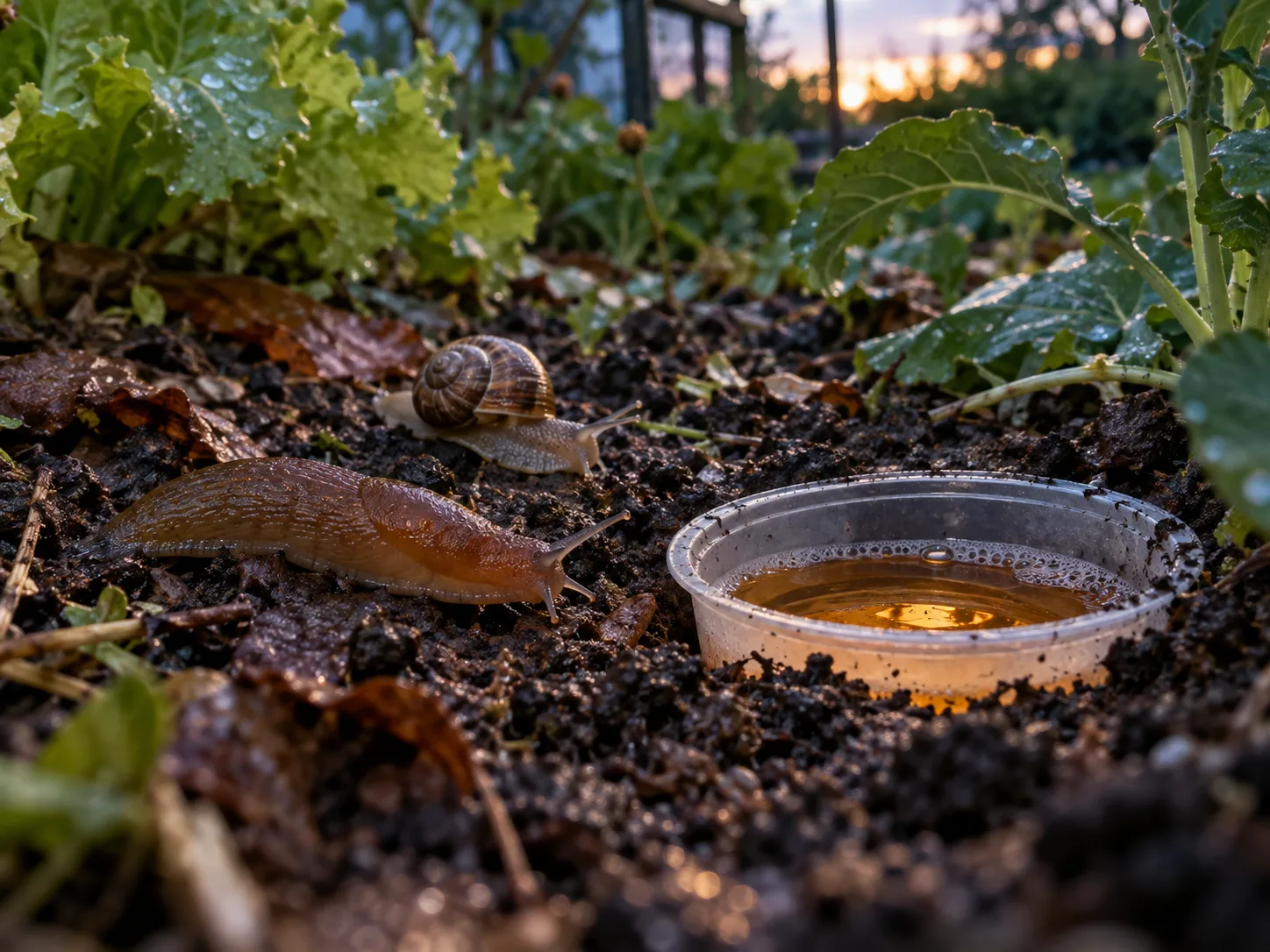
Slugs and snails are terrestrial gastropods, not insects. They forage in damp conditions and often feed at night, then shelter by day beneath boards, pots, leaf litter, dense growth, or other cool cover. A fermenting scent can draw them toward a bait source; the container then holds the liquid where they may fall in and drown.
The attraction is linked to fermentation cues, but no single beer style is a guaranteed winner. Epic Gardening describes yeast odor as the draw, and Fine Gardening likewise recommends a container with beer as a simple trap. A 2021 field study by researchers from Oregon State University and collaborators examined flour, water, and yeast dough rather than beer; the dough attracted six invasive pest gastropod species across trials in Hawaii, Oregon, and Montana.
The authors also discuss prior research indicating that alcohol itself is not what makes beer attractive to slugs. That supports the baiting idea, but it does not establish a universal trap catch rate for every home garden. (Epic Gardening; Fine Gardening; Veasey et al.)
You do not need a costly craft beer or a precise alcohol percentage. The purpose is to provide an accessible fermented lure, not to poison a slug with alcohol. If you are testing a trap, begin with a small amount of ordinary beer; if the catch is poor after several damp evenings, move the trap nearer fresh damage or switch to a shelter trap rather than pouring more liquid across the bed.
Confirm slugs or snails are causing the damage
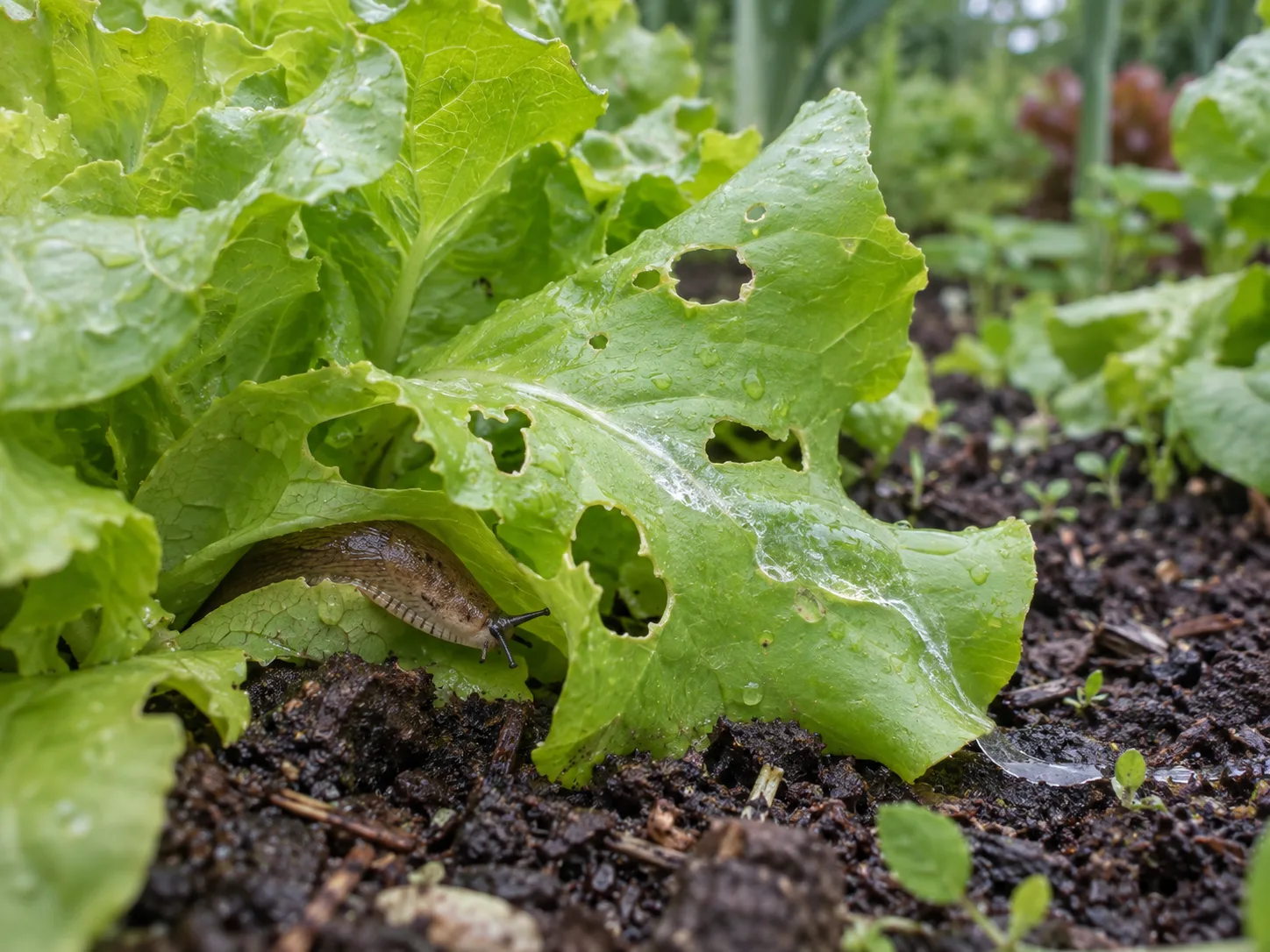
Before making a trap, look for the combination of feeding clues that points to mollusks. UC IPM notes that slugs and snails often leave irregular holes with smooth edges, along with silvery slime trails; because they feed at night and hide during sunny periods, the pests themselves may be absent when you first inspect the leaves. Those details are more useful than the size of a hole alone. (UC IPM)
Inspect at the right time and place
Check the bed after dusk, early in the morning, or after a cloudy, rainy period. Look under the lowest leaves, pots, boards, dense mulch, and the edges of raised beds. A flashlight is enough; the goal is to find where the pests are active or resting, not to search every inch of the yard.
If you find holes but no slime and no mollusks, pause before setting a beer trap. Examine both sides of leaves and nearby stems for caterpillars or beetles, and note whether damage appears overnight or grows gradually. Beer cannot correct a wrong diagnosis, and a catch in the trap does not automatically prove that slugs caused every mark on the plant.
How to set up a beer trap
Choose a reusable, stable container with a lid and a small entry opening. A clean food tub or purpose-made slug trap can work; the opening should allow a slug to enter while shielding the liquid from rain, leaf litter, and accidental contact. The design is a practical compromise: a wide-open saucer is easy to reach but also easy for non-target ground-dwellers, pets, or children to encounter.
Add enough beer to create a pool inside the container, but keep the entrance above the liquid. Set the trap beside a confirmed slug route or close to freshly damaged plants, with the entry at soil level or just above it. Do not put it in the middle of a bed where you might splash it while watering, and do not set it so deep that soil, mulch, and rain quickly fill the container.
Choose a container that limits bycatch
An open cup buried flush with the ground is a common method, but a covered container gives you more control over access and debris. Fine Gardening advises keeping the lip of an open trap at least an inch above ground to reduce accidental captures of beneficial beetles; UC IPM describes burying beer traps at ground level and checking them daily. These approaches show the trade-off: easy slug access can also give other ground-active organisms access.
If you use an open design, check it every day and stop if it is catching organisms you want to protect. A narrow entry beneath a secured lid can reduce exposure, though it cannot make a trap perfectly selective. (Fine Gardening; UC IPM)
Avoid a glass bottle laid on its side as your main setup. It can tip, collect water, or be difficult to inspect, and its opening is not easy to make selective.
A low plastic tub with a secure lid is easier to anchor and clean. If the container has sharp edges after cutting an opening, sand them or use a ready-made trap instead.
Set, place, and maintain the trap
Place one trap near an active hotspot first. UC IPM recommends daily checks; remove caught slugs and snails, discard the used liquid, rinse the container, and refill with fresh beer when rain has diluted it, debris has collected, it is full, or the smell has faded.
Fine Gardening recommends checking at least every day or two and changing the beer regularly. Daily inspection is the simpler schedule when temperatures are warm or the weather is wet. (UC IPM; Fine Gardening)
Set traps in the evening before a damp night, when slugs are more likely to be moving. During a hot, dry stretch, they may stay hidden and a trap can remain empty even when the garden has a history of damage. An empty container on a dry afternoon does not tell you much; check the soil and hiding places and retest when conditions are favorable.
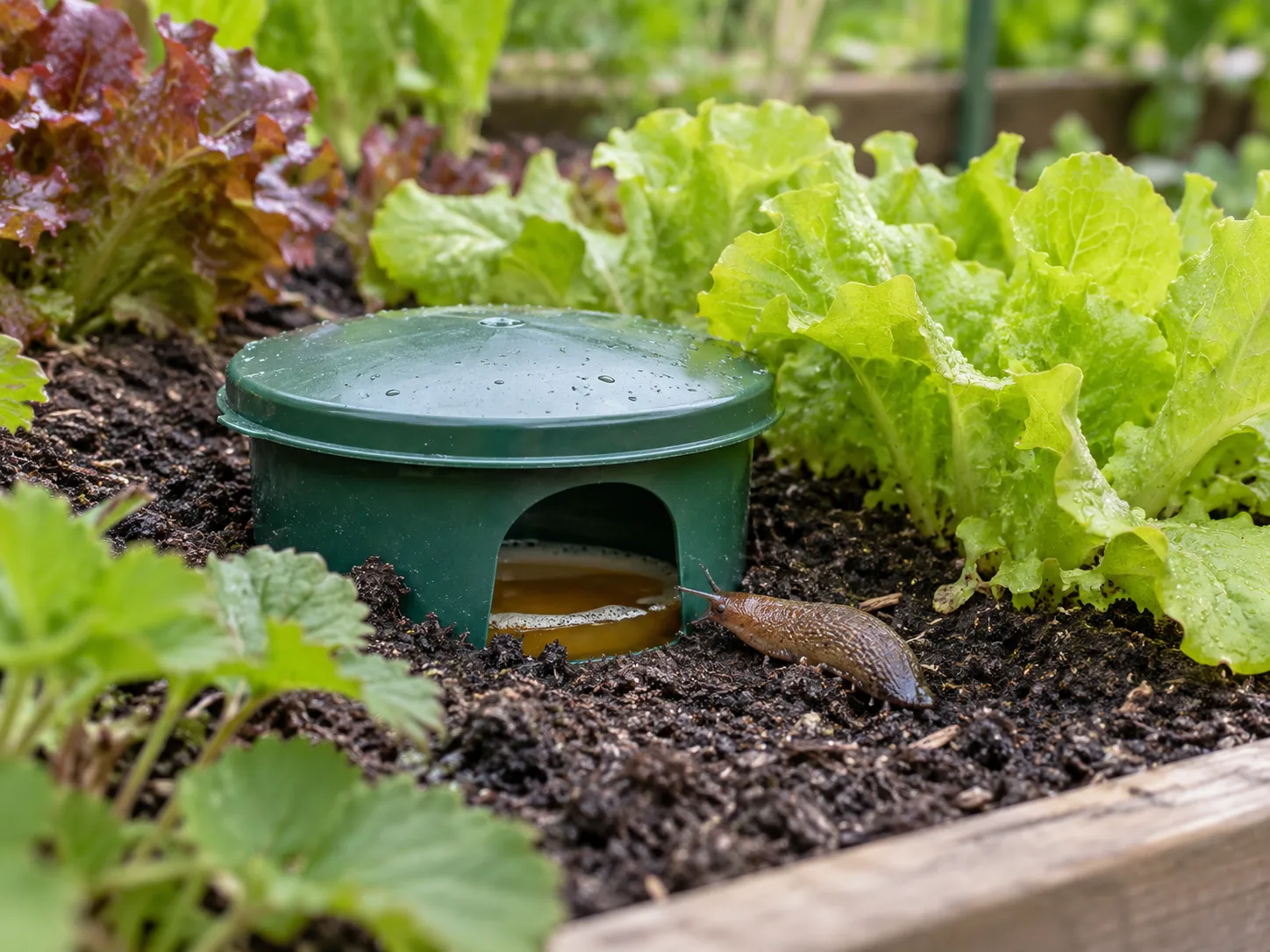
Set a small, stable trap beside confirmed feeding activity, then inspect it each day.
What beer traps can and cannot control
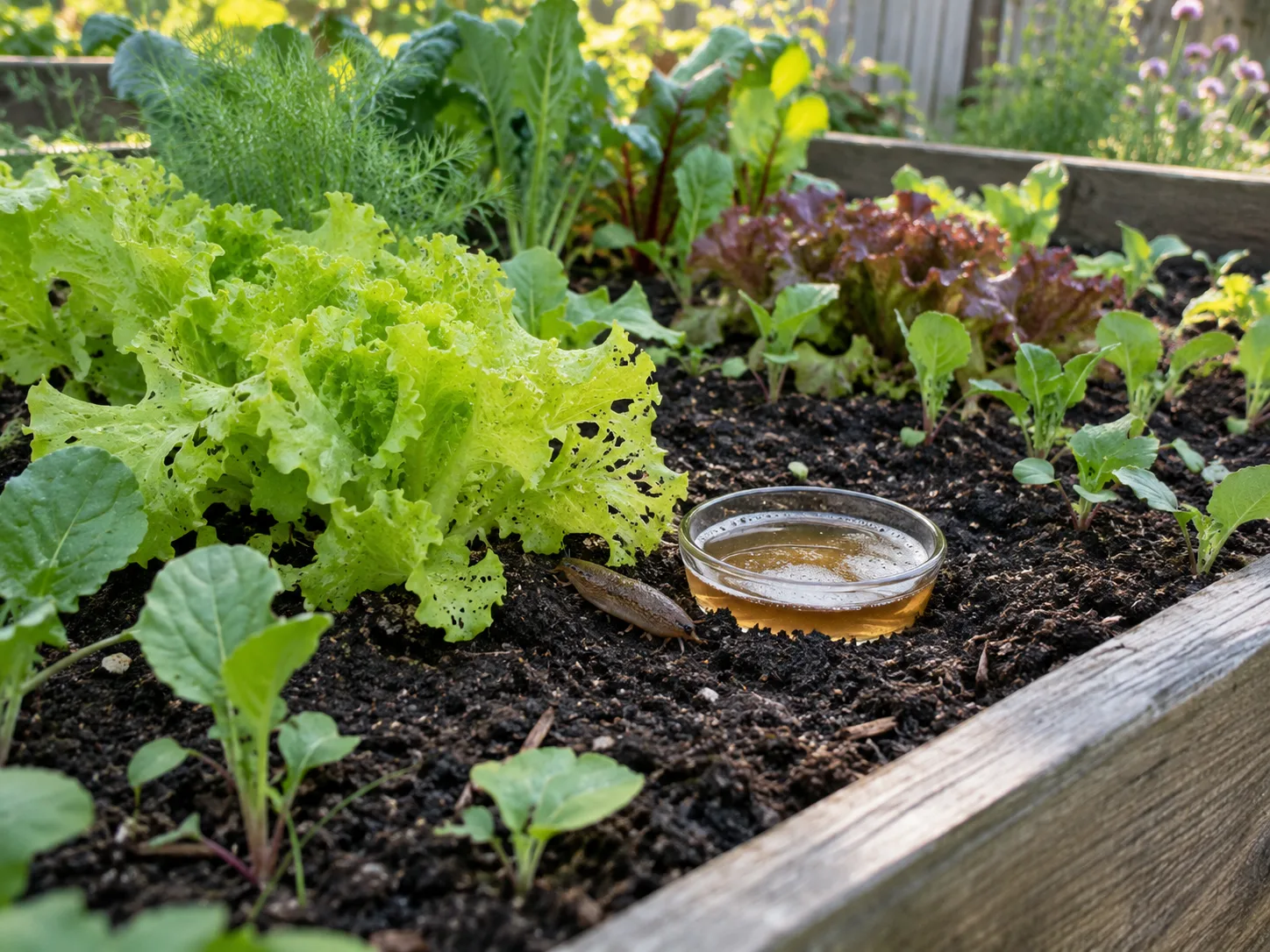
A beer trap is aimed at slugs and snails that encounter its odor and can reach the opening. It can remove individual pests and reveal whether gastropod activity continues near a bed. Catching several does not show that the whole garden has been cleared, and one trap should not be expected to protect a large property or stop eggs from hatching later.
It is not a repellent for pests that do not respond to the bait, and it is not a fungicide, fertilizer, or safe all-purpose “natural pesticide.” A beer-and-water spray has no established application rate, re-treatment interval, or reliable efficacy against aphids or spider mites in the sources reviewed here. Avoid treating edible leaves with an untested mixture; use pest-specific guidance for the actual insect or mite you find.
Nor should you judge success only by the number of slugs in the cup. A trap can attract slugs that would otherwise feed elsewhere in the same bed, and it cannot capture every individual. The useful question is whether fresh damage declines around the vulnerable plants after you combine trapping with habitat changes and regular scouting.
Limits, risks, and common mistakes
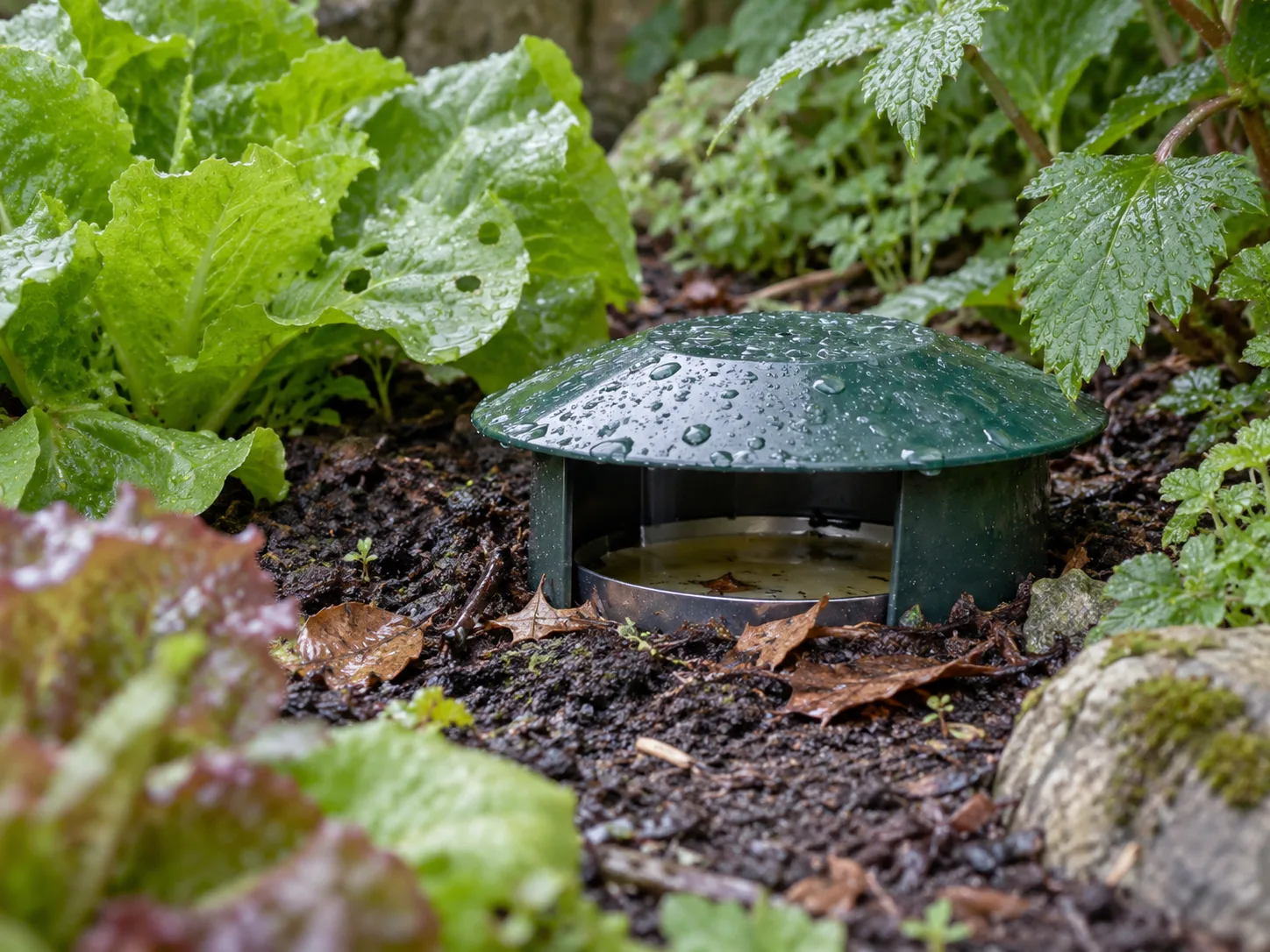
Beer traps require upkeep. Rain can dilute the bait, heat can make it smell unpleasant, and trapped slugs can fill a small container.
Fine Gardening cautions that an overcrowded, fouled trap may stop working well; Epic Gardening also recommends checking and refreshing traps regularly. If daily maintenance is unrealistic, choose hand-picking or a covered shelter trap instead. (Fine Gardening; Epic Gardening)
The largest practical mistake is treating the trap as a repellant. It does not form a protective ring around a plant; it offers a lure in one spot.
Another mistake is setting too many traps before confirming the pest. Begin with one near the damage, track what it catches, and add another only if activity appears in a separate bed or hotspot.
Keep liquid away from pets, children, and beneficial insects
Do not leave open beer where a child, dog, or other animal can drink it, and do not rely on “natural” as a safety label. Use a covered container, secure it so it cannot overturn, and place it outside paths and play areas. The National Pesticide Information Center notes that commercial slug and snail baits can harm people, pets, and the environment if misused; that is a reminder to treat all control products—including homemade setups—with care and to follow label instructions for any pesticide you choose. (NPIC)
Open traps can also catch beneficial ground beetles and other small organisms. UC IPM emphasizes that slugs and snails are only part of a garden ecosystem and recommends an integrated set of practices; Fine Gardening specifically warns about accidentally trapping beneficial beetles. Use the smallest number of traps needed, prefer covered entry designs, and remove them when monitoring shows the slug pressure has passed. (UC IPM; Fine Gardening)
Use the trap as one part of garden IPM
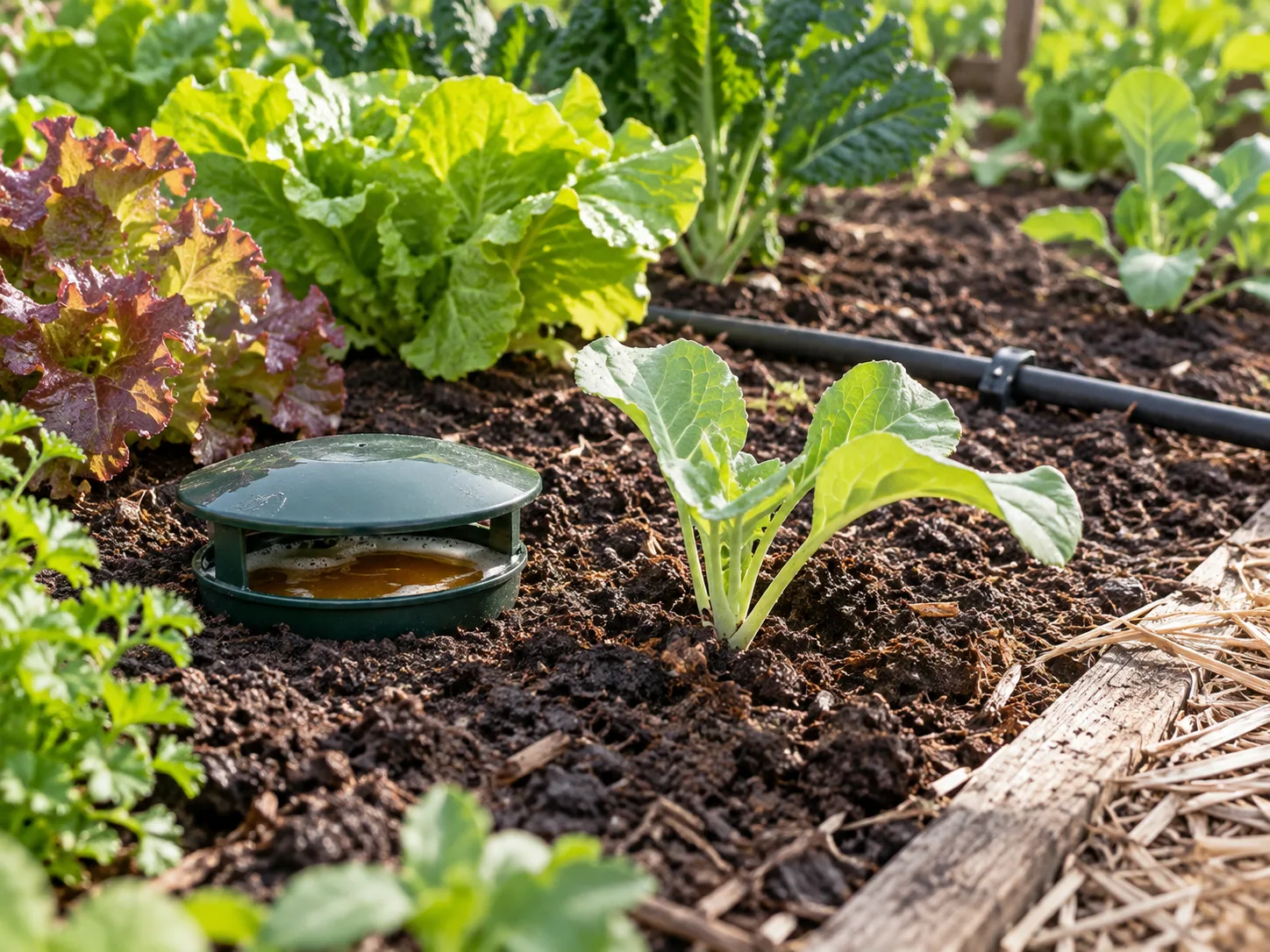
Integrated pest management starts with identification and prevention, then uses targeted control when damage warrants it. A beer trap can be one small tool within that plan, but it will usually work better when the bed is less welcoming as daytime shelter and you remove pests by hand when they are visible. UC IPM says baits alone do not provide adequate long-term control where food, moisture, and shelter remain abundant. (UC IPM)
Reduce shelter and surface moisture
Pull weeds, clear loose boards and unused pots, and thin dense foliage touching the soil. These steps do not sterilize the garden; they reduce the cool, damp hiding places immediately beside vulnerable seedlings. Keep mulch where it benefits the soil, but avoid piling it tightly around tender starts and inspect beneath it if damage continues.
Water in the morning when practical, or use drip irrigation so the soil surface and leaves have more time to dry before nighttime slug activity. UC IPM recommends morning irrigation and removing cool, shady hiding places as part of mollusk management. Do not let the bed become so dry that crops suffer; the goal is to avoid unnecessary evening wetness, not to withhold needed water. (UC IPM)
Handpick or use a dry shelter trap
On damp evenings, hand-pick visible slugs with gloves or use a tool, then remove them from the bed. If you would rather avoid beer, lay a board or turn a pot on its side near the damage as a daytime refuge; check underneath in the morning and remove any slugs you find. A shelter trap does not use a liquid lure and can be easier to maintain, though it still requires regular checks.
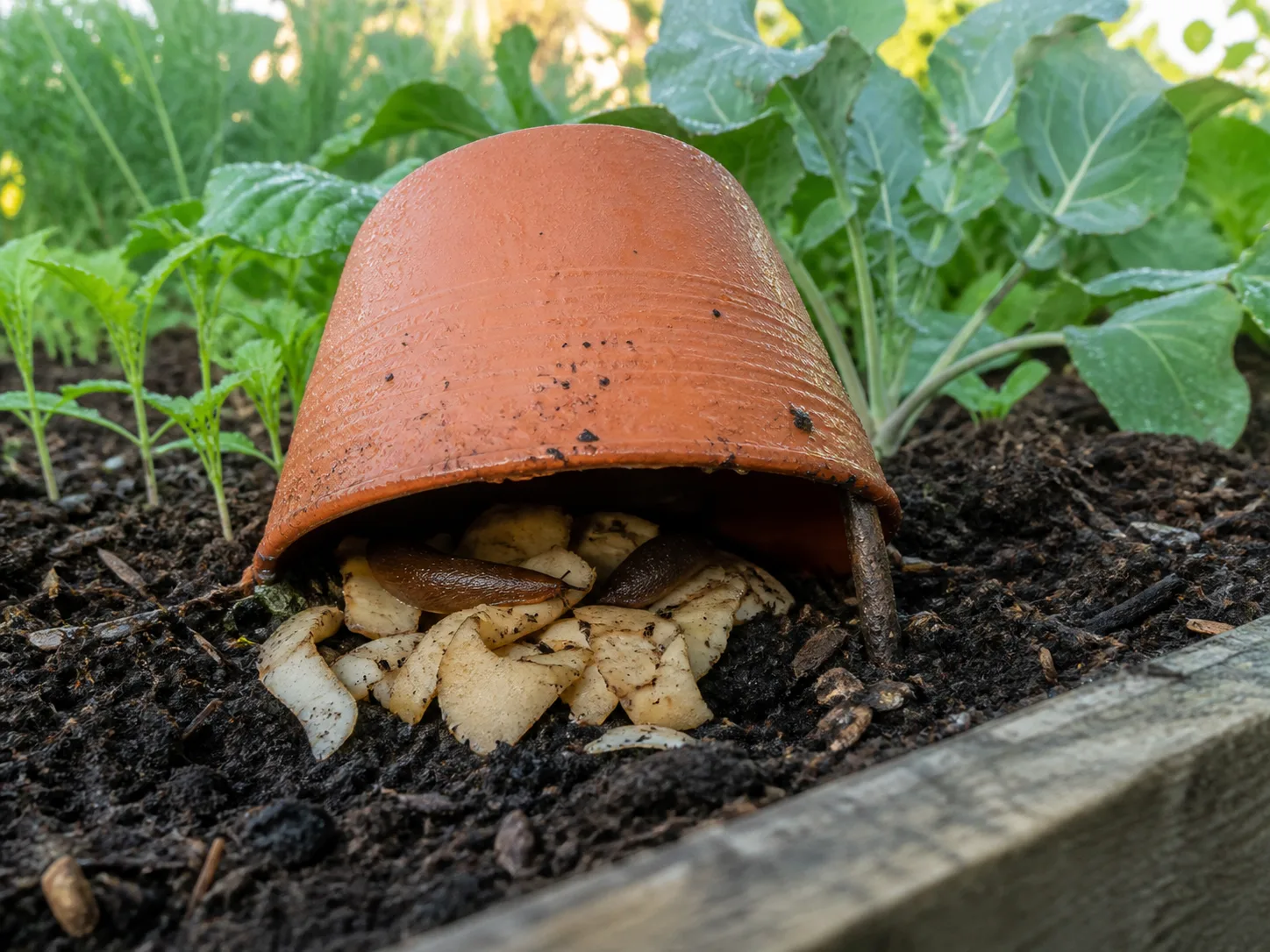
An overturned pot and food scraps can serve as a non-beer shelter trap that you inspect in the morning.
Consider barriers and labeled baits carefully
Physical barriers can help protect an individual raised bed or container, especially when you can maintain the edge and make sure slugs are not already inside. UC IPM discusses copper barriers and notes that crushed eggshells and coffee grounds have not been shown to work as reliable deterrents. That distinction matters: a familiar kitchen remedy can sound plausible without performing consistently in a wet garden. (UC IPM)
If damage remains serious after sanitation, scouting, trapping, and exclusion, a labeled slug bait may be appropriate for your site. Read the product label before purchase and use; active ingredients and risk precautions differ.
UC IPM describes iron phosphate formulations as safer around children, domestic animals, birds, fish, and other wildlife than some alternatives, while NPIC cautions that slug and snail baits can still pose risks if used improperly. “Safer” is not the same as risk-free, so keep any pesticide away from pets and children and never exceed label directions. (UC IPM; NPIC)
Measure the result before adding more traps
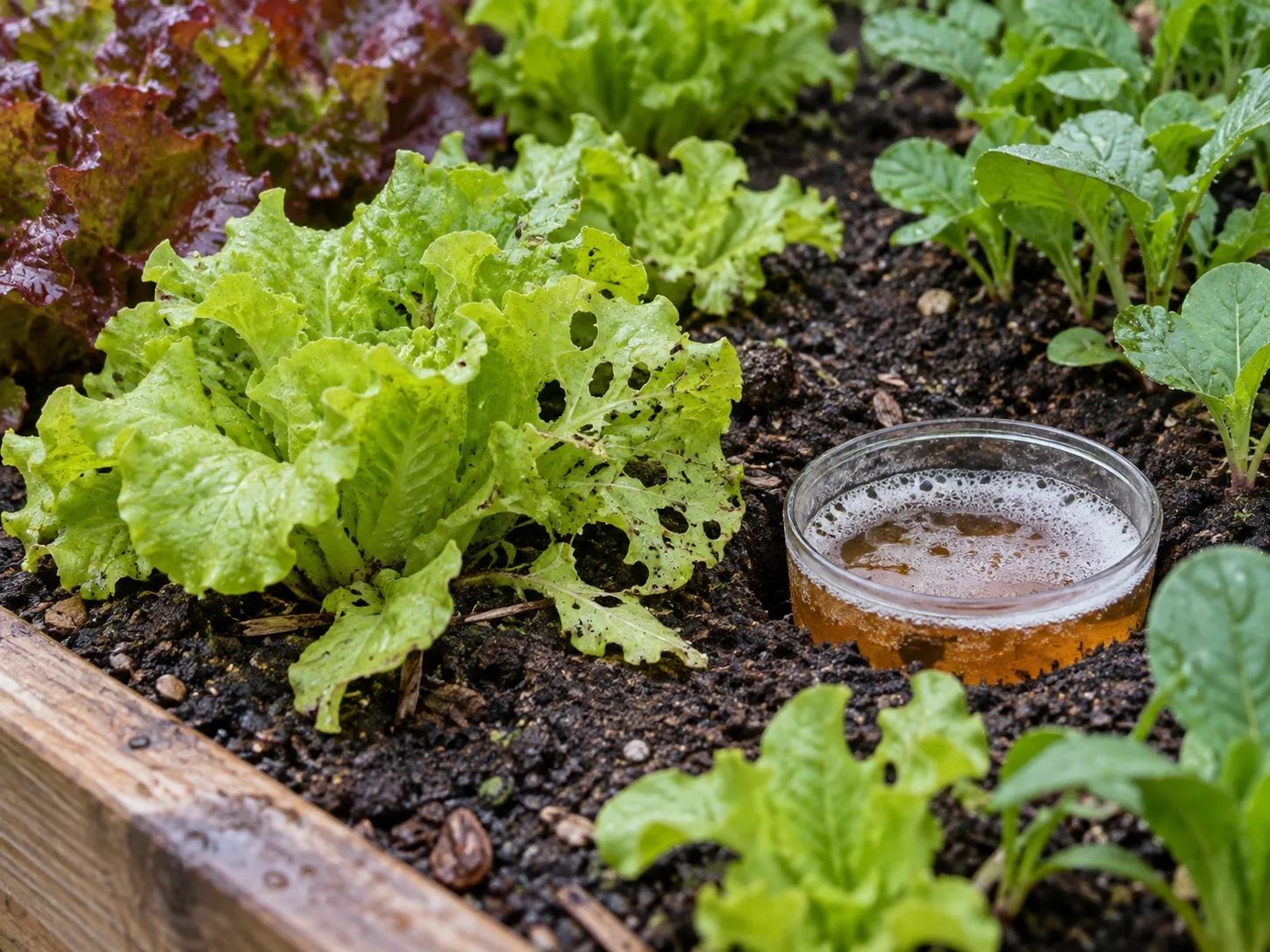
Treat the first setup as a small garden trial. Before placing it, note which plants have fresh damage and take a quick photo or count the newest holes.
Put one trap beside the active feeding area, check it each morning, and record the catch and any new damage for several damp evenings. This gives you more useful feedback than simply seeing a slug in the cup.
If you catch slugs and fresh damage eases, keep the trap nearby during periods of activity and continue clearing nearby shelter. If you catch slugs but the leaves keep worsening, inspect for another pest or add a different control step; beer may be removing some mollusks without reaching the animals feeding on the plant. If the trap stays empty, move it closer to a slime trail or try a shelter trap under a board, then reassess during wetter weather.
Stop using the trap when it no longer catches pests and the vulnerable plants are no longer receiving new damage. Leaving an unattended lure out indefinitely adds maintenance and non-target exposure without a clear benefit. A trap is useful when it tells you something or removes a pest; it does not need to stay in the garden year-round.
When to skip beer
Skip a beer trap if the plant damage does not match slug or snail feeding, if the bed is dry and no mollusks are active, or if you cannot keep the container away from pets and children. Do not spray beer on leaves to control aphids, mites, or fruit flies; choose a treatment built for the pest you have identified. Avoid open containers near beneficial ground insects, ponds, play areas, or paths where people can spill them.
If slugs are present but damage is minor, simply monitor the plant and protect the most vulnerable seedlings rather than trying to remove every mollusk. Slugs and snails feed on decaying matter and serve as food for wildlife, so a targeted response is more balanced than trying to erase them from the entire yard. Beer is worth a short trial only when you can place it near real activity, inspect it regularly, and compare the result with what the plant is experiencing.
Conclusion
Beer can help catch slugs and snails, but it works as a localized bait in a trap—not as a dependable spray or a general pest repellent. Confirm mollusk activity, set a small covered container near fresh damage, inspect it daily, and remove it when catches or plant injury stop.
Pair that trial with morning watering, fewer damp hiding places, and hand-picking or barriers where they fit. If you are dealing with aphids, spider mites, or another pest, identify that pest first and use guidance designed for it.