4 Plants That Struggle in Terracotta Pots
Learn which plants struggle in terracotta pots, why porous clay dries soil fast, and when glazed ceramic, plastic, or double-potting is a better fit.
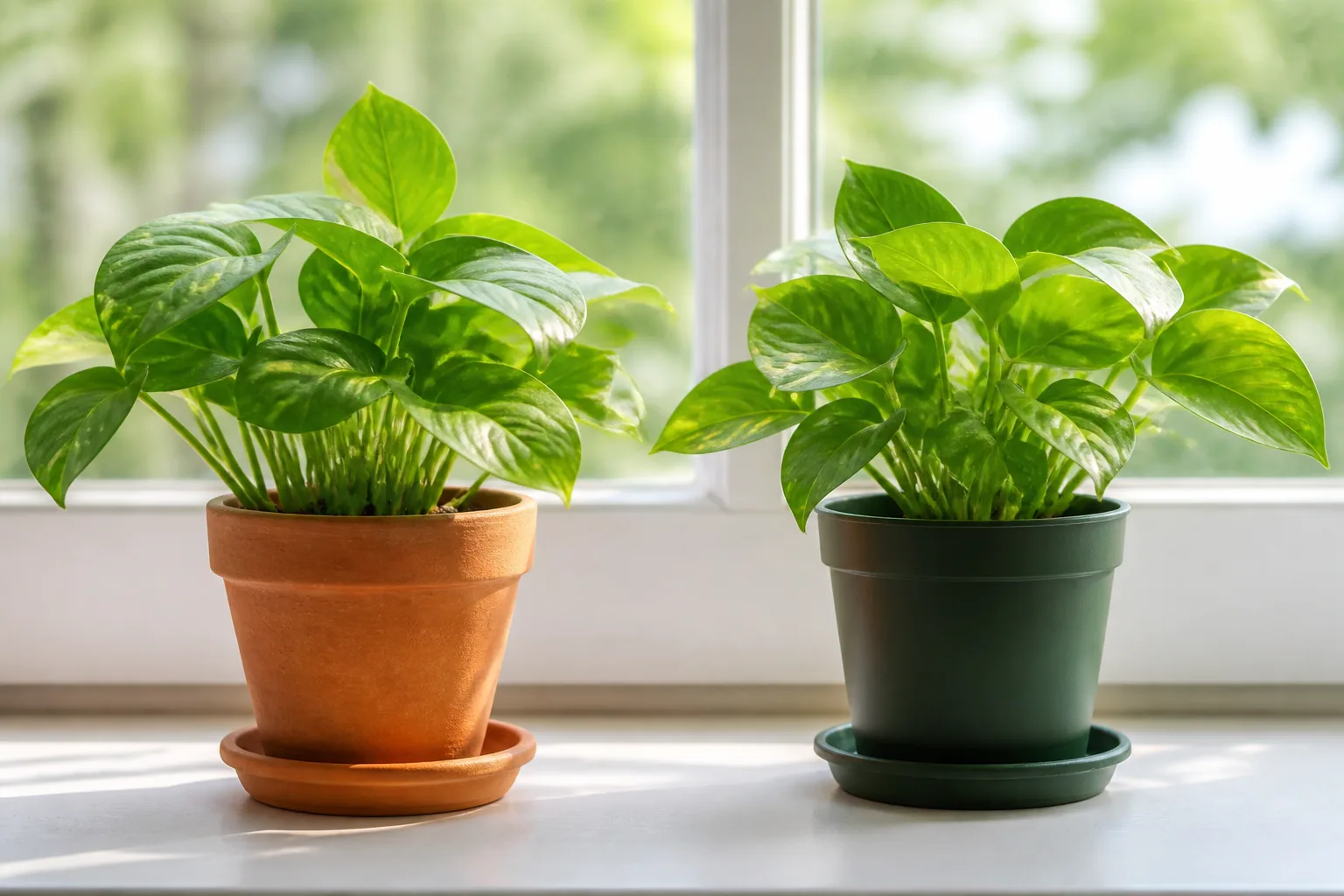
Terracotta is not a bad pot material. It is a fast-drying pot material, and that distinction explains why it is excellent for some plants and frustrating for others. Unglazed clay lets air and water move through its walls, so the root ball loses moisture from the sides as well as from the soil surface.
That extra evaporation is helpful for cacti, many succulents, and Mediterranean herbs that resent wet roots. It is a poor match for plants that need a reliably moist root zone, plants that are sensitive to dissolved minerals, or outdoor plants whose containers will stay wet during freezing weather.
The four entries below are best understood as high-risk pairings, not universal bans. A fern can grow inside a plastic nursery pot placed in a terracotta cache pot; a peace lily can survive in clay if you are willing to monitor it closely. The question is whether the pot helps the plant’s normal care routine or makes you fight the container every day.
What terracotta changes at the root zone
Standard terracotta is porous, unglazed fired clay. After watering, some moisture evaporates through the walls, and the clay can also wick water away from the mix at the edges. The result is a root zone that generally dries faster than the same plant would in plastic or glazed ceramic.
That is not the same as “better drainage.” Drainage is how quickly excess water leaves through the bottom hole; porosity is how much air and moisture can move through the pot walls. A terracotta pot still needs an unobstructed drainage hole, and a dense mix can still stay soggy at the bottom even while the outer edge dries.
The material also changes how often you must inspect the plant. A small clay pot in a sunny window may need checking every day, while a large glazed pot in shade may stay damp for several days. Pot size, light, air movement, soil mix, humidity, and the plant’s root mass all matter more than the label on the pot.
1. Ferns
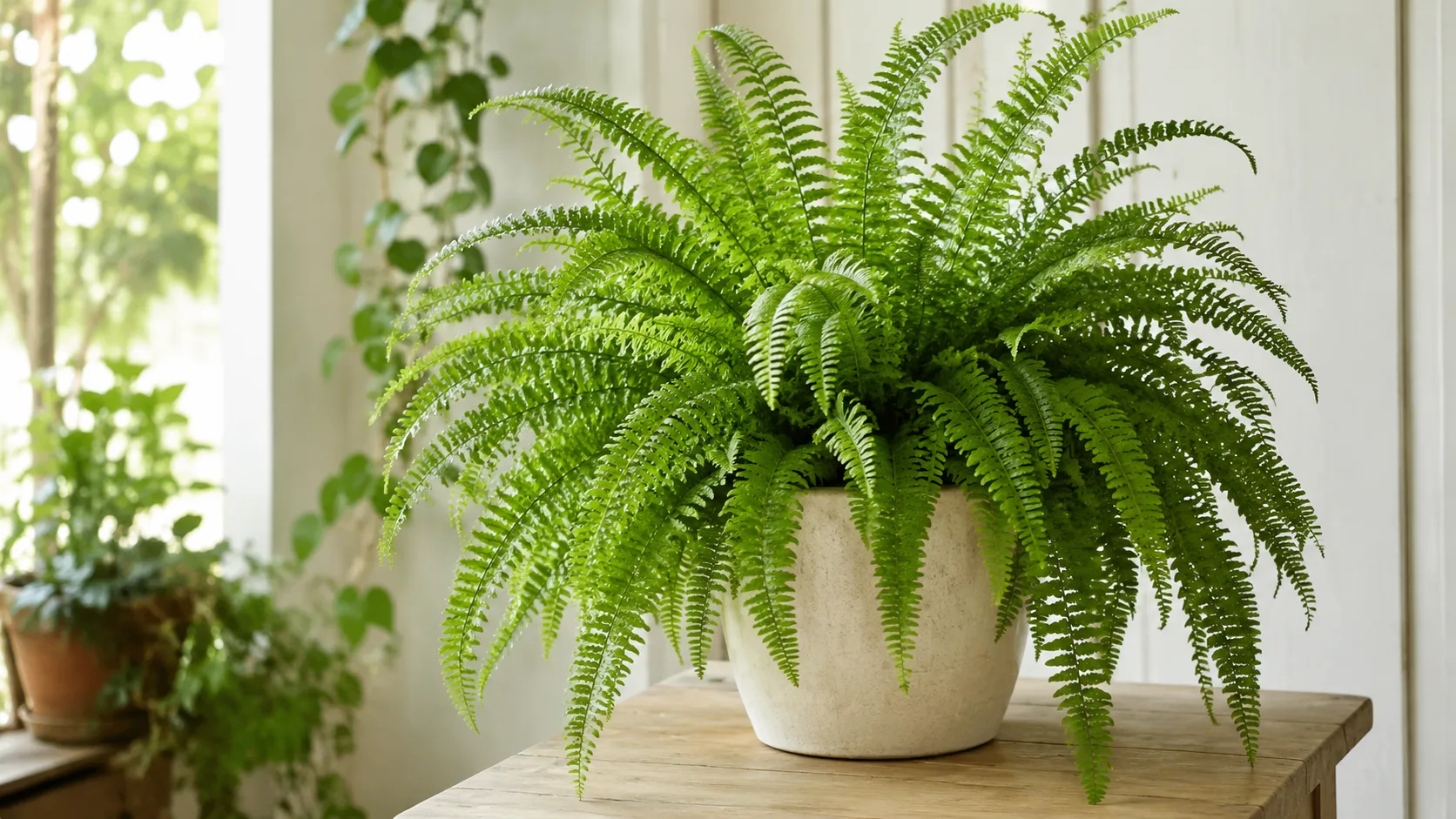
Ferns are the clearest example of a plant that can look healthy in a new terracotta pot and then decline as the watering rhythm becomes inconsistent. Many commonly sold ferns are woodland plants that prefer shade and steady moisture without waterlogging. The RHS notes that ferns can grow in large containers, but container-grown ferns need regular watering during the growing season and especially during hot weather (RHS fern growing guide).
Why ferns struggle with fast drying
A fern’s fronds lose water quickly, especially in dry indoor air or on a warm patio. If the clay wall is also pulling moisture from the root ball, the plant can move from “adequately moist” to “too dry” before you notice. The first clues are often brown frond tips, limp foliage, or new fronds that stop expanding.
Maidenhair fern is particularly unforgiving, but the same pattern can affect Boston fern, bird’s nest fern, and other moisture-demanding types. A shaded position does not completely solve the problem: shade reduces leaf stress, but the pot can still dry from its exposed walls and a small container can still run out of water.
Do not respond to crispy fronds by keeping the pot permanently submerged. RHS guidance describes the useful middle ground: keep container ferns moist during active growth while avoiding waterlogged conditions, because saturated mix displaces air around the roots and can encourage rot. Test the mix below the surface before watering again.
The better pot is a plastic nursery pot with generous drainage holes, a glazed ceramic pot, or a self-watering container designed for moisture-loving plants. These materials slow moisture loss so you can water deeply and then allow excess water to drain instead of chasing a dry root ball with frequent sips.
If you already like the look of terracotta, double-pot the fern. Keep the plant in a plastic grow pot and set that pot inside a slightly larger terracotta outer pot. The inner pot controls moisture; the outer pot provides the color, weight, and appearance you wanted. Lift the inner pot after watering so water is not trapped in the cache pot.
2. Venus flytraps
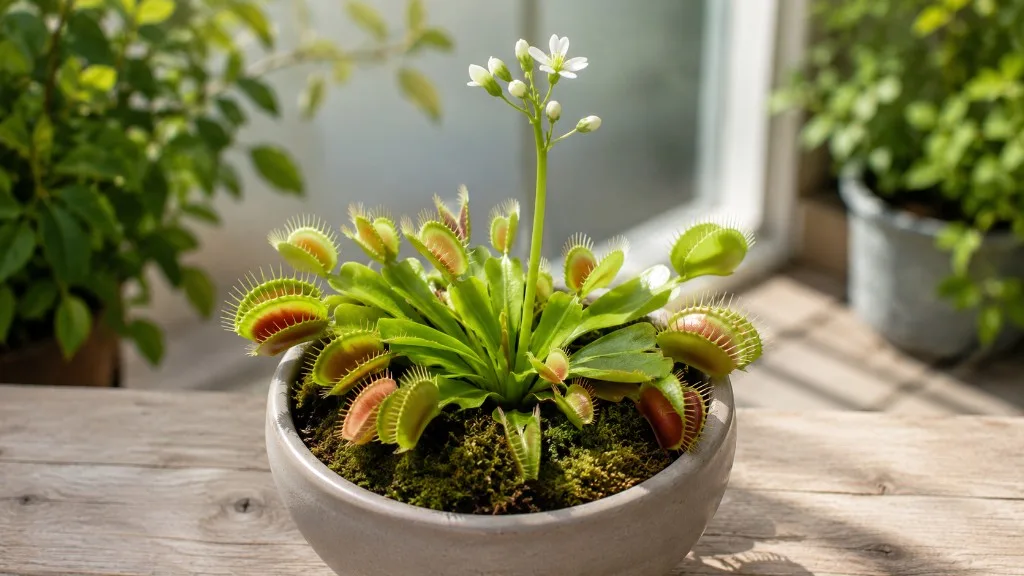
Venus flytraps are not ordinary thirsty houseplants. They are bog-edge carnivores adapted to wet, acidic, nutrient-poor conditions, and a terracotta pot can complicate several of those requirements at once.
Why salts and drying are serious problems
NC State Extension lists Venus flytrap requirements as high humidity, wet sandy soil, and soil that should not be allowed to dry. It also recommends rainwater or distilled water because hard or treated water can harm the plant (NC State Extension Plant Toolbox: Venus flytrap).
Unglazed clay can absorb water and dissolved minerals. Over time, salts from tap water or fertilizer may appear as a pale crust on the pot, while the root-zone mix becomes less predictable. For a plant that already requires very low-mineral water and a specialized acidic growing medium, adding a porous container is an unnecessary variable.
The deeper problem is not that terracotta instantly poisons every Venus flytrap. It is that the pot makes it harder to maintain constant moisture without mineral exposure. If the mix dries around the roots, the plant can wilt; if you compensate with hard water or fertilizer, you may create a second problem.
The pot setup that works better
Choose a plastic pot with drainage holes, a glazed container, or a purpose-made carnivorous-plant pot. Use the plant’s recommended sphagnum-based or peat-and-sand medium rather than standard potting soil, compost, or a fertilizer-rich houseplant mix.
Water from below or keep the pot standing in a shallow reservoir of suitable water when that matches your care system, but do not assume a reservoir fixes every issue. The pot must still drain, the growing medium must be appropriate, and the plant needs strong light and seasonal care. A plastic inner pot inside a decorative terracotta vessel can work, but the flytrap should not be planted directly into the clay.
3. Peace lilies
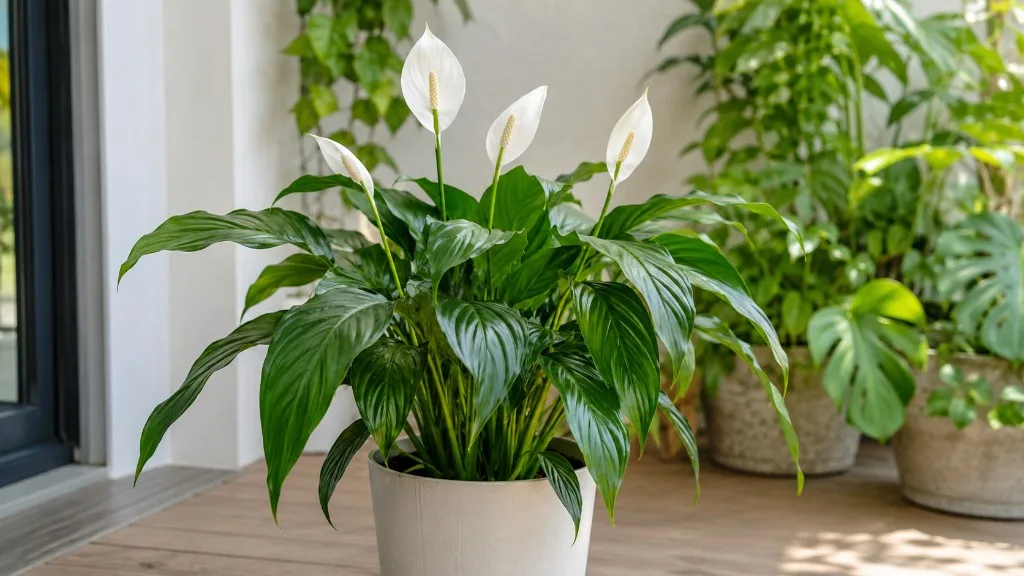
Peace lilies are more flexible than Venus flytraps, but they are still a poor choice for a porous pot if you do not want a high-frequency watering routine. NC State Extension recommends keeping the soil moist but not soggy, allowing it to dry between waterings, and notes that brown tips can result from underwatering or low humidity (NC State Extension Plant Toolbox: peace lily).
When a peace lily can stay in terracotta
A healthy peace lily can live in terracotta if the pot is large enough for its root ball, the mix holds some moisture while draining freely, and you check it often. The trouble starts when the clay turns a reasonable “dry between waterings” interval into a repeated cycle of severe wilt, emergency soaking, and another dry-down before the plant has recovered.
Peace lilies often announce thirst by drooping dramatically. That signal is useful, but it is not a care plan. Repeated wilting can cause torn leaves, brown edges, flower loss, and unnecessary stress, especially when the plant is also exposed to low humidity, direct sun, air-conditioning, or a hot window.
If the pot develops a white mineral crust, do not assume that the crust alone proves the plant is being poisoned. It shows that water or fertilizer minerals are moving through the porous clay. For peace lilies, the more immediate question is whether the mix is staying evenly moist and whether fertilizer salts are being flushed periodically. NC State specifically warns that salt buildup can burn leaf tips and roots.
The better alternative is usually glazed ceramic or plastic. A plastic nursery pot inside a decorative ceramic or terracotta cover gives you a removable root ball, a saucer-friendly setup, and more consistent moisture. Keep a small air gap under the inner pot so its drainage holes are not sitting in collected water.
If your peace lily is already in terracotta and looks well, you do not have to repot just because of the material. Move it when the plant dries out unusually fast, droops repeatedly between normal waterings, or has roots circling densely through the drainage hole. A stable plant in a manageable pot is better left alone than disturbed on a whim.
4. Outdoor evergreens
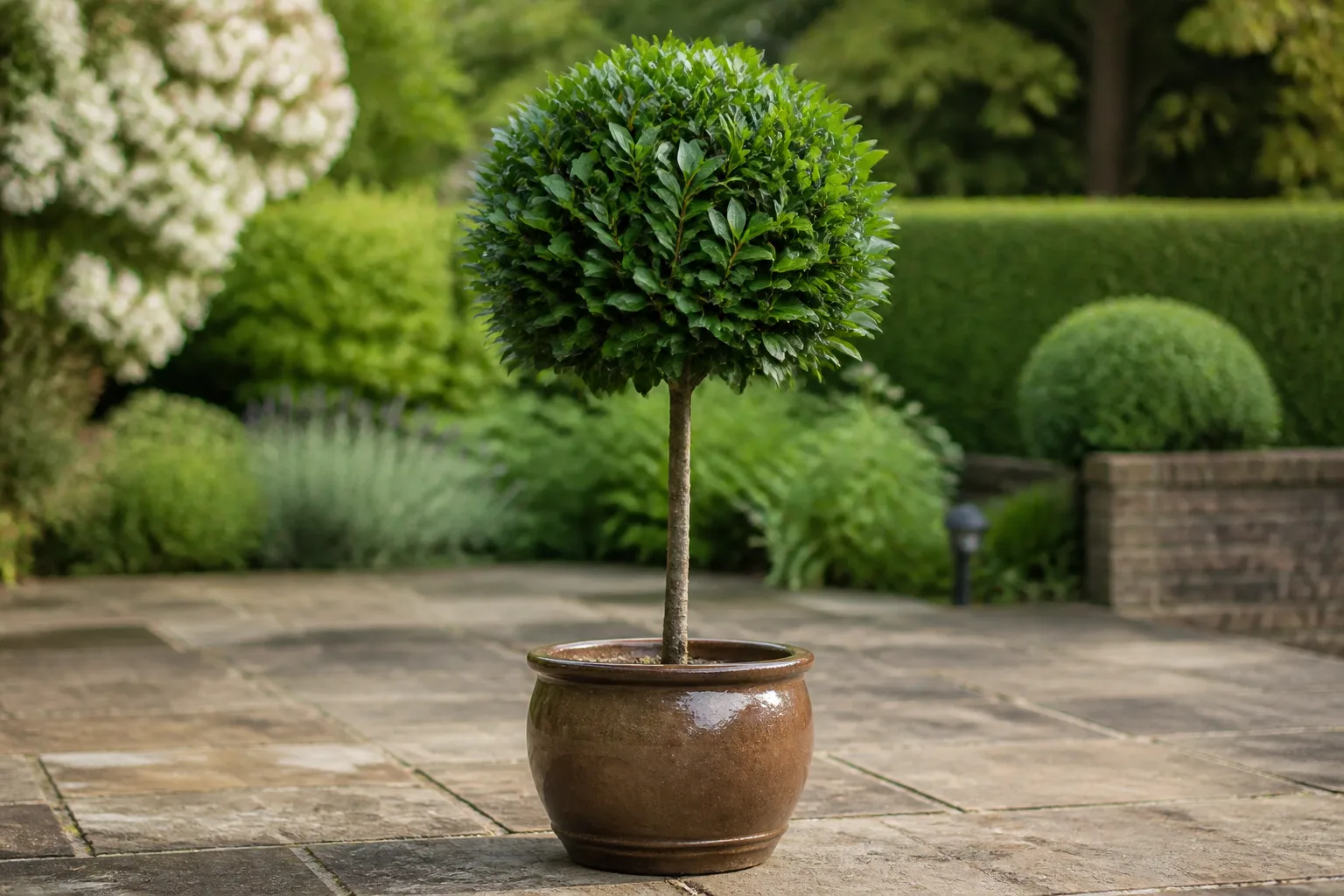
“Evergreens” are not one plant family or one care category. The concern here is a woody evergreen kept outdoors in a terracotta container through freezing weather, such as a small conifer, juniper, bay laurel, or broadleaf evergreen that is hardy only with protection.
How freeze-thaw cycles damage clay
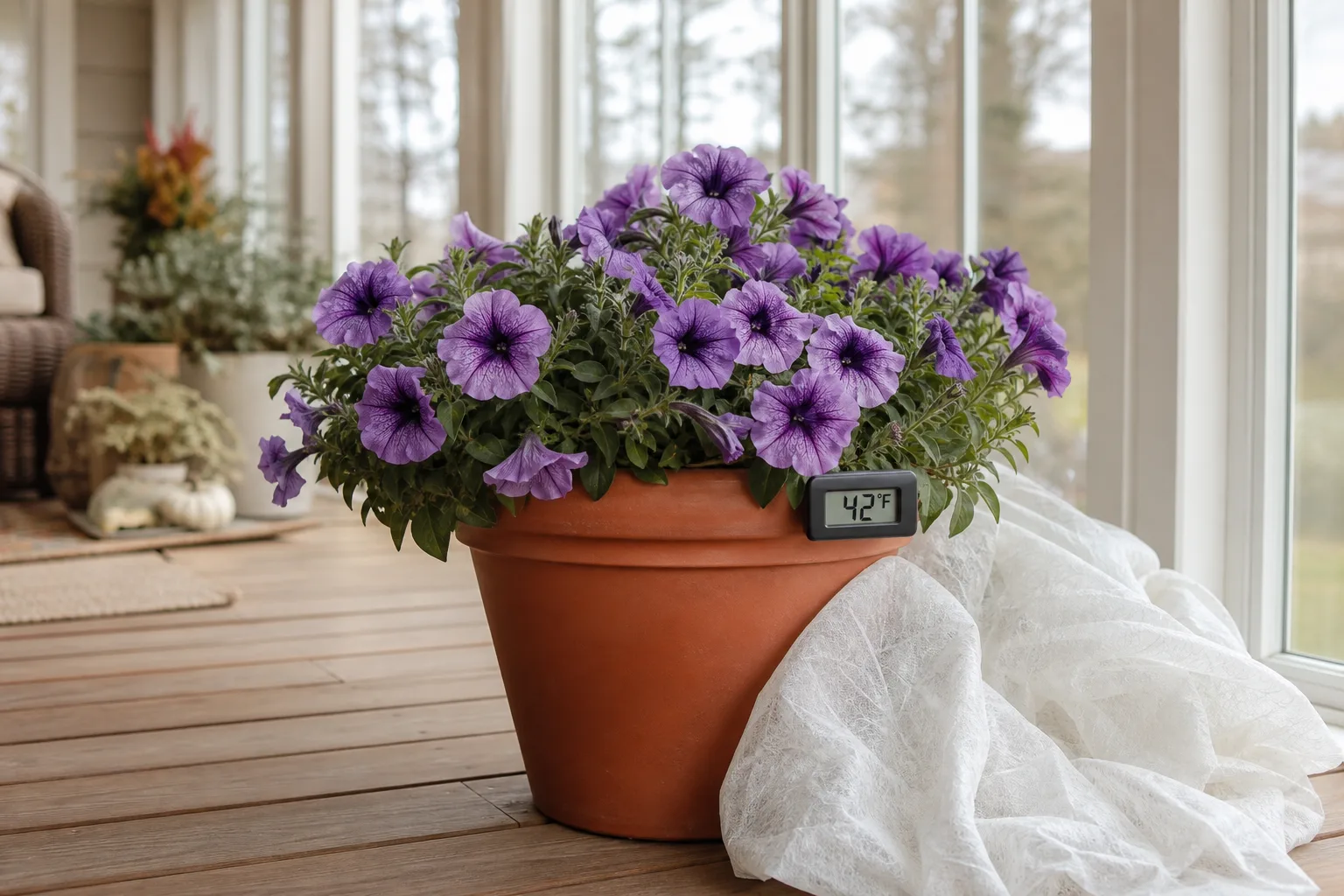
Unglazed terracotta absorbs water. When temperatures fall below freezing, water inside the clay or in wet potting mix expands and can split the container. Country Living explains that water can enter unglazed clay just above freezing and then expand as ice, cracking or breaking the pot (Country Living: protecting terra-cotta pots in winter).
This is a container problem as well as a plant problem. A woody evergreen may be hardy in the ground in your USDA zone, but its roots are much more exposed above ground. A small pot also freezes more quickly than surrounding soil. The species can survive while the container fails, or the pot can remain intact while the root ball suffers lethal cold.
Choosing a safer winter container
For a permanent outdoor evergreen, choose a frost-rated glazed container, a thick-walled frost-resistant pot, or a lightweight weatherproof material. “Frost-proof” is a useful specification, but it is not a guarantee in every climate; inspect the manufacturer’s rating and plan for drainage and protection anyway.
Gardening Know How recommends moving terracotta indoors when possible, raising pots so they drain fully, using an inner plastic pot, or choosing a higher-fired frost-proof container. Its expert-backed guidance is practical because each step reduces either the amount of water stored in the clay or the amount of freeze exposure (Gardening Know How: stopping terracotta pots from cracking).
If the evergreen must stay outside, place it under cover, keep the drainage hole open, lift it onto pot feet, and remove any saucer that can freeze against the base. Grouping and insulating containers can moderate temperature swings, but no wrap turns a fragile decorative pot into a true frost-proof vessel. In severe cold, move the plant and pot to a sheltered unheated space if the plant’s winter needs allow it.
Choose the pot by the plant’s watering behavior
Instead of asking whether terracotta is “good” or “bad,” ask what the plant’s root zone should feel like between waterings. This quick guide is more useful than a generic material rule:
| Plant preference or situation | Usually easiest container | Why |
|---|---|---|
| Soil dries substantially between waterings | Unglazed terracotta | Faster drying helps prevent a constantly wet root ball. |
| Moist but not soggy soil | Plastic or glazed ceramic | Holds a more stable moisture level with normal drainage. |
| Wet, acidic, low-mineral medium | Plastic or glazed container | Reduces rapid drying and avoids adding porous clay to a sensitive system. |
| Outdoor plant exposed to freeze-thaw | Frost-rated glazed or weatherproof pot | Limits water absorption and cracking risk. |
| You want terracotta’s appearance for a thirsty plant | Plastic inner pot plus terracotta cache pot | Separates function from decoration. |
Read the plant’s care information for phrases such as “keep evenly moist,” “do not allow to dry out,” or “allow the mix to dry between waterings.” The pot should make that instruction easier to follow. If it makes you water three times as often or leaves the root ball bone dry at the edges and wet at the center, change the setup rather than blaming yourself.
Terracotta vs. plastic, glazed ceramic, and self-watering pots
Plastic is lightweight, inexpensive, and moisture-retentive. It is often the simplest choice for ferns, peace lilies, seedlings, and plants that need a dependable watering interval. Its weakness is that a large plastic pot in low light can hold too much water if the mix is dense or the drainage hole is inadequate.
Glazed ceramic offers a decorative finish while sealing most of the clay surface. It behaves more like plastic than raw terracotta, although the pot can be heavy and the glaze does not excuse poor drainage. Choose a vessel with a real drainage hole, not a sealed decorative bowl, unless the plant is kept in a removable inner pot.
Self-watering containers can help gardeners who need a steady supply of moisture, but they are not automatically right for every moisture-loving plant. Use the reservoir as designed and let the plant’s roots, mix, and light determine how long the reservoir stays active. A self-watering setup for a Venus flytrap also needs the correct low-mineral water and growing medium.
Double-potting is the most flexible compromise. It lets you use terracotta as a cover while the inner pot controls the root-zone conditions. Make sure the inner pot fits without being wedged, lift it out to water, and empty the outer pot after drainage. A cache pot that quietly holds runoff can recreate the waterlogging problem you were trying to avoid.
How to move a plant out of terracotta safely
Repot because the plant’s care needs and the container conflict, not because clay is inherently harmful. Choose a new pot only one size larger unless roots are severely crowded, and use a mix suited to the plant rather than a universal moisture formula.
Water the plant lightly the day before if the mix is extremely dry, but do not repot a saturated root ball. Slide the root ball out by supporting the soil and stems from below; do not pull the plant by its leaves. Inspect for circling roots, mushy roots, compacted mix, salt crust, and roots that have grown through the drainage hole.
Set the plant at the same depth in the new container. Fill around it without packing the mix into a dense brick, then water thoroughly until it drains. Do not add a layer of gravel to “improve drainage” inside the pot; a properly textured mix and open drainage hole matter more than a false drainage layer.
Aftercare for the first two weeks matters. Keep the repotted plant in the same general light but protect it from harsh midday sun and strong drafts while it settles. Check the mix by touch rather than watering on the old terracotta schedule: the new container may hold moisture longer.
Do not fertilize immediately unless the plant’s specific care instructions require it. Watch for persistent wilt, foul-smelling mix, or water that remains pooled in the outer pot. A little transplant droop can be normal; a root ball that stays wet for days is a container or mix problem that needs correction.
Signs the pot is the problem
Container symptoms overlap, so use a short sequence before repotting. First, push a finger below the surface and check the center of the root ball, not just the dry clay-colored edge. Second, lift the pot if it is small enough; an unexpectedly light pot supports an underwatering diagnosis, while a heavy pot with wilted leaves suggests root stress, cold, or poor drainage.
Third, look at the pattern. A fern that crisps after sunny days in clay likely needs more stable moisture; a peace lily that recovers after a deep soak but collapses again quickly may need a less porous inner pot. A Venus flytrap with declining traps needs its water quality and growing medium checked before you simply add more water.
White crust on the outside of terracotta is mineral efflorescence, not a reliable diagnosis by itself. Rinse fertilizer salts from the soil as appropriate for the plant, avoid overfeeding, and clean a used pot before reusing it. If roots are brown and mushy, changing materials without removing rotted roots or correcting the mix will not solve the underlying problem.
Plants that usually do well in terracotta
Terracotta earns its place when the plant benefits from a quicker dry-down. Cacti, many succulents, jade plants, snake plants, ZZ plants, rosemary, thyme, oregano, and lavender are common candidates, provided the pot has drainage and the mix matches the species.
Even these plants can fail in clay if the pot is too small, the light is too weak, the mix is too water-retentive, or the gardener waters on a fixed calendar. A terracotta pot is a moisture-control tool, not a substitute for checking the root zone.
If you are unsure, compare the plant’s natural habitat with the container’s behavior. Plants from dry, rocky regions often tolerate terracotta’s fast drying. Plants from bogs, wet woodlands, or humid tropical understories usually benefit from a moisture-retentive inner pot or glazed container.
Conclusion: match the pot to the plant
Ferns, Venus flytraps, peace lilies, and outdoor evergreens are the four pairings that deserve the most caution—not because terracotta is universally unsafe, but because its strengths work against these plants’ most important constraints. Fast evaporation can stress ferns and peace lilies; mineral exposure and drying can complicate Venus flytrap care; winter water and freeze-thaw cycles can destroy an outdoor clay container.
Before you repot, decide which problem you are solving. Use a plastic or glazed inner pot for consistent moisture, choose low-mineral water and the correct medium for a carnivorous plant, or move a vulnerable outdoor container under cover before freezing weather. The best pot is the one that makes the plant’s normal care easier to repeat.



