Cut These 7 Plants in November for a Healthier Spring Garden
Cut bee balm, daylilies, hostas, iris, grasses, peonies, and phlox in November the right way. Timing, height, and debris rules for a stronger spring garden.
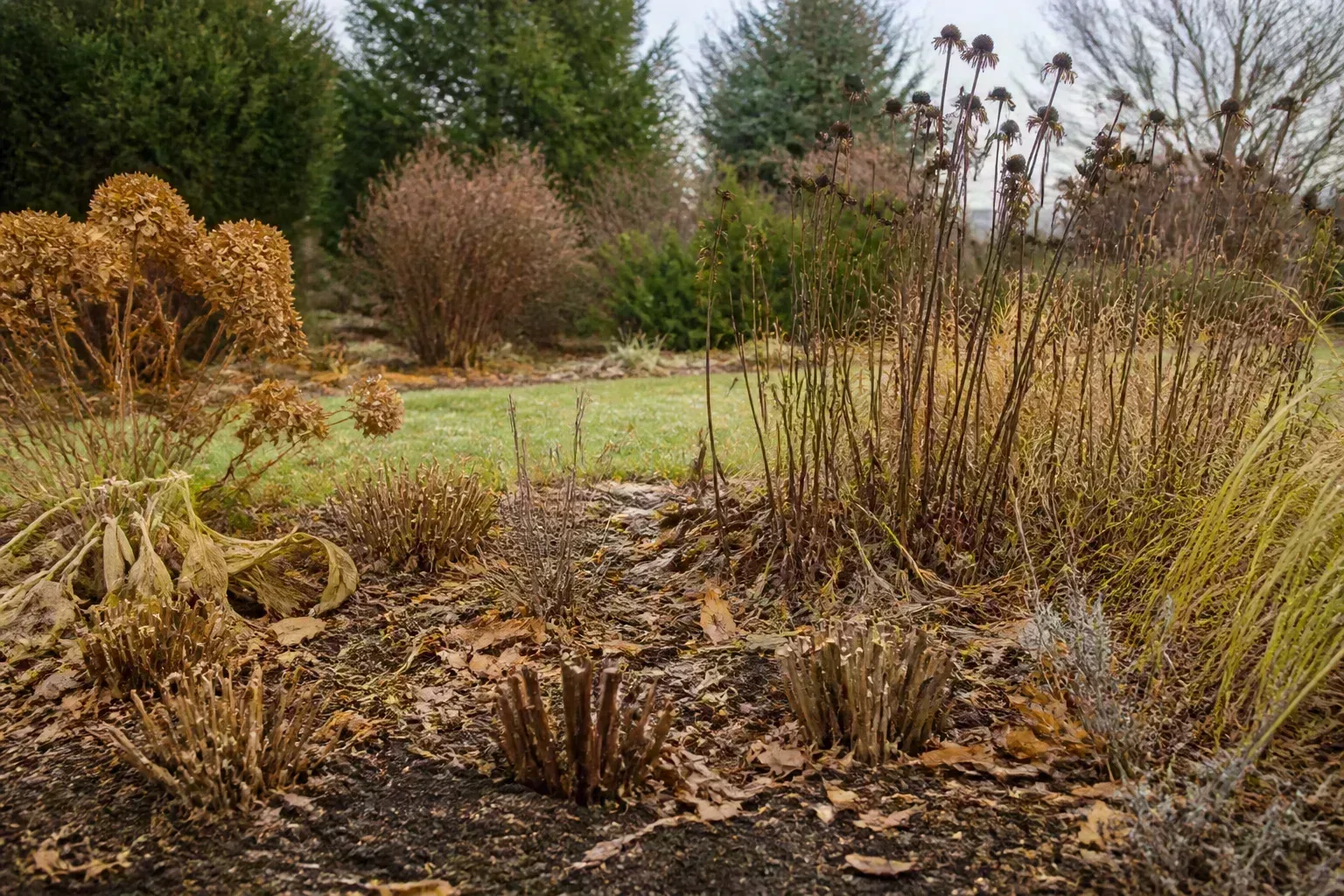
By the time November arrives in most U.S. gardens, the showy part of the season is over. Leaves have collapsed, seed heads rattle in the wind, and the perennials that carried your border through summer are either standing brown or melting into a wet mat at soil level. That is not a failure — it is the natural wind-down of herbaceous plants. The question is which ones deserve a November cutback now, and which are better left until spring.
Bee balm, daylilies, hostas, bearded iris, many ornamental grasses, peonies, and tall garden phlox are the seven perennials gardeners most often trim in November. They share a pattern: spent foliage that either carries disease, shelters pests, self-sows aggressively, or turns to mush over the crown. Cut them at the right height after frost, and you remove problems that would greet you in April. Cut them wrong — or on the wrong plant — and you trade a tidy bed for weaker spring growth.
This guide is built around those seven. For a wider fall cleanup list and plants you should not shear now, see our guides to perennials to cut back in fall and plants to cut back before winter.
Why November Is the Sweet Spot for Fall Cutback
November sits between two bad extremes. Cut too early in October while leaves are still green, and you interrupt the photosynthesis that fuels next year’s roots and flowers. Wait until deep winter when soil is frozen and snow covers crowns, and you cannot see what you are cutting or rake debris away cleanly.
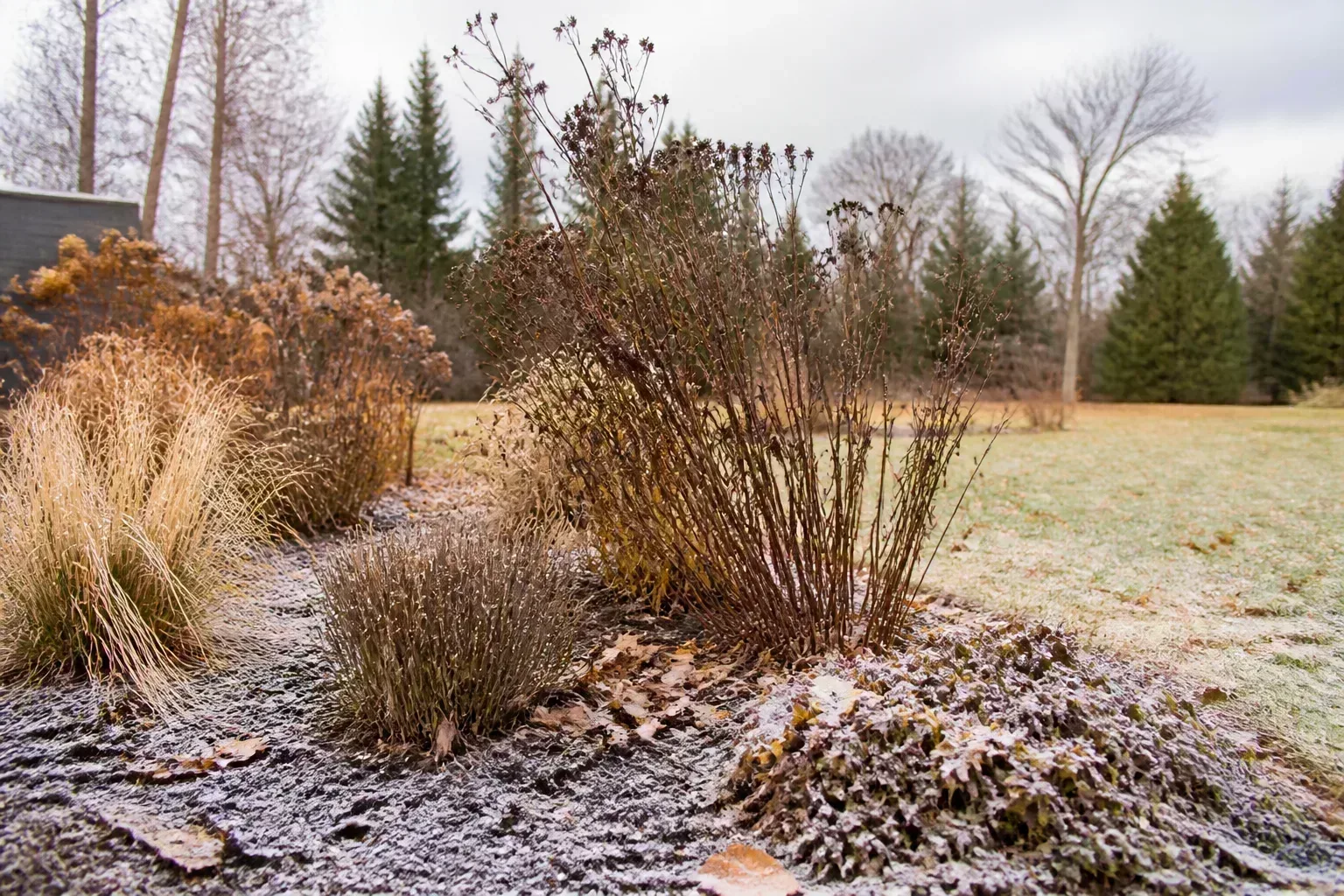
The useful window opens after a hard frost — roughly 28°F (-2°C) for several hours — browns or wilts top growth, and it closes before the ground freezes solid. In that gap, plants have largely finished storing energy underground, and you can still access crowns, rhizomes, and the soil surface around them.
The Three Reasons to Cut Now
Disease sanitation is the strongest reason. Powdery mildew on bee balm, phlox, and peonies; leaf spot on iris; botrytis on peony stems — fungal problems do not die with the first freeze. Spores sit on dead foliage all winter and reinfect tender spring shoots inches away. The RHS advises separating and disposing of any diseased material rather than composting it at home.
Pest interruption matters just as much. Iris borer eggs overwinter on iris leaves. Slugs and snails lay eggs in collapsed hosta foliage. Removing that debris in November breaks the life cycle before larvae hatch in spring. Coastal Maine Botanical Gardens treats fall iris cleanup as the most critical step in borer management — more important than any summer spray.
Crown protection is the third driver. Mushy daylily and hosta leaves hold moisture against the crown through freeze-thaw cycles. A clean stub above the crown dries faster, sheds snow melt, and makes it obvious where new growth will emerge — which matters when you spread winter mulch.
When November Is Too Early—or Too Late
November is too early if foliage is still mostly green and upright. Daylilies and hostas in mild zones may stay semi-green into late fall; let them finish unless disease forces your hand. Remove mildewed bee balm or phlox the day you spot it, even if other leaves are green.
November is too late once repeated freezes have heaved soil and snow blankets the bed. You can still trim seed heads above the snow line on grasses, but ground-level cleanup on iris and hostas is harder and riskier when you cannot see rhizomes or crowns. If your ground freezes in early November, shift cleanup to the week immediately after your first killing frost rather than waiting for Thanksgiving.
In the Deep South and other mild climates, “November” may mean December or January — follow plant signals (fully brown foliage, no active growth) rather than the calendar.
How to Cut Back Safely: Tools, Height, and Debris Rules
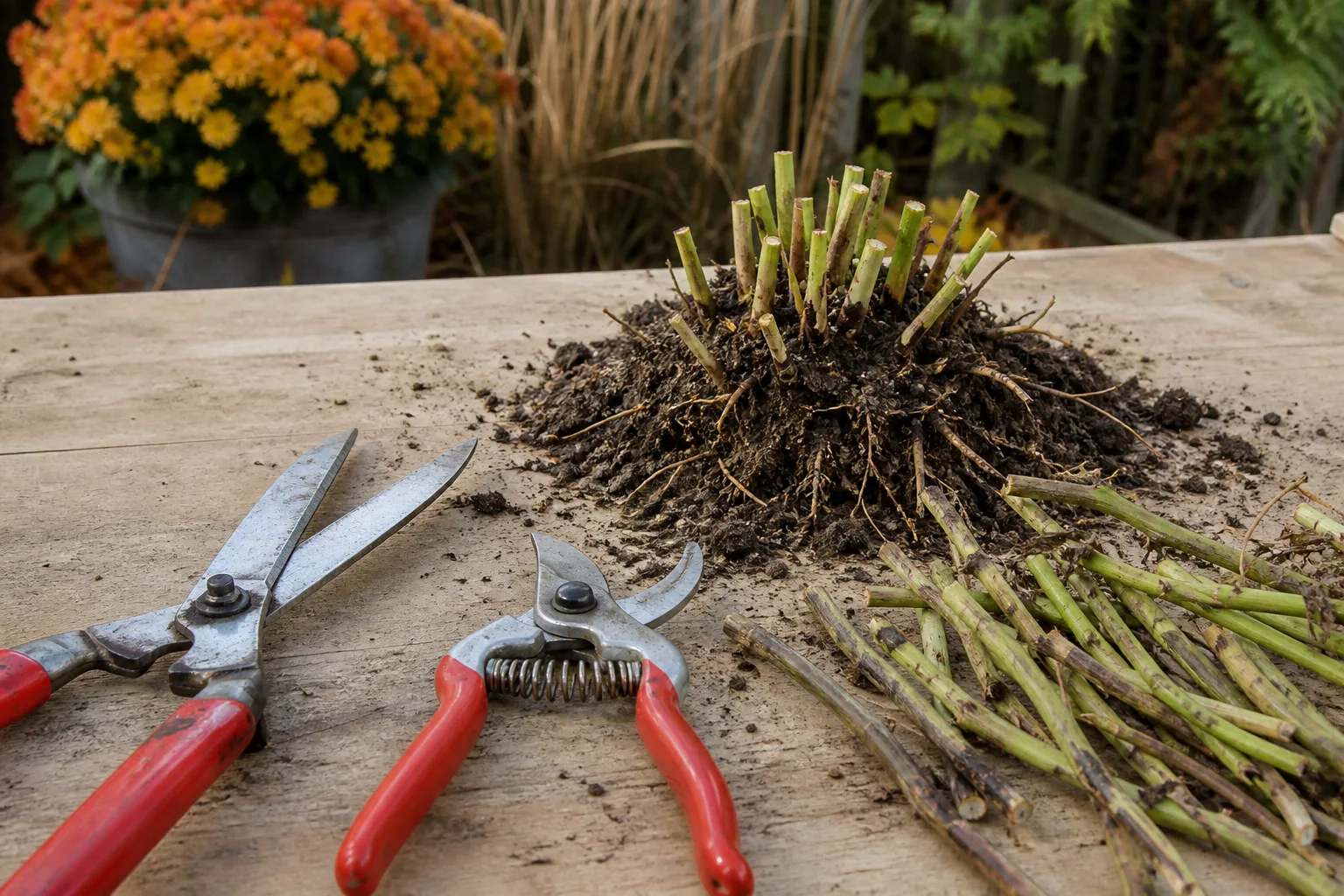
Different perennials want different cut heights. Ground-level cutters — peonies, phlox, bee balm, daylilies, hostas — get trimmed to a short stub 2 to 3 inches above the crown. Never cut through the crown itself; that is the dormant growing point where next spring’s shoots emerge.
Bearded iris is the exception on this list. Trim leaves into a short upright fan 3 to 4 inches tall, tallest in the center, so no leaf tips rest on wet soil. Iris rhizomes should remain partly exposed — they rot when buried.
Use sharp bypass pruners or shears. Dull blades crush stems and leave ragged edges that hold moisture. Make clean cuts slightly angled so water runs off.
Disinfect Between Plants
Fungal spores travel on tools. Wipe blades with 70% isopropyl alcohol or a 10% bleach solution between peonies, phlox, bee balm, and iris — especially when you know mildew or leaf spot was present. The National Gardening Association recommends disinfecting pruners as standard fall cleanup practice, not an optional extra for fussy gardeners.
Pull away any dead leaves that separate with a gentle tug. Do not yank iris leaves that resist; cutting is safer for rhizomes.
Compost or Trash?
Compost only healthy, pest-free clippings. Peony, phlox, bee balm, and iris foliage with mildew, leaf spot, or borer damage belongs in the trash or municipal green-waste bin — not your compost pile. Home compost rarely reaches temperatures that kill fungal spores or insect eggs. The RHS directs gardeners to dispose of diseased material via council green-waste programs for exactly this reason.
Healthy hosta and daylily leaves without slug eggs can go on the compost. When in doubt, especially after a wet slug-heavy year, bag hosta debris too.
Bee Balm (Monarda): Stop Mildew Before It Overwinters
By November, most bee balm (Monarda) stands bare-stemmed or draped in gray-white powdery mildew — a cosmetic problem in summer that becomes a storage problem in winter. Mildew spores survive on dead stems regardless of how cold it gets. Cut infected plants to 2 to 3 inches above the crown and bag every stem and fallen leaf.
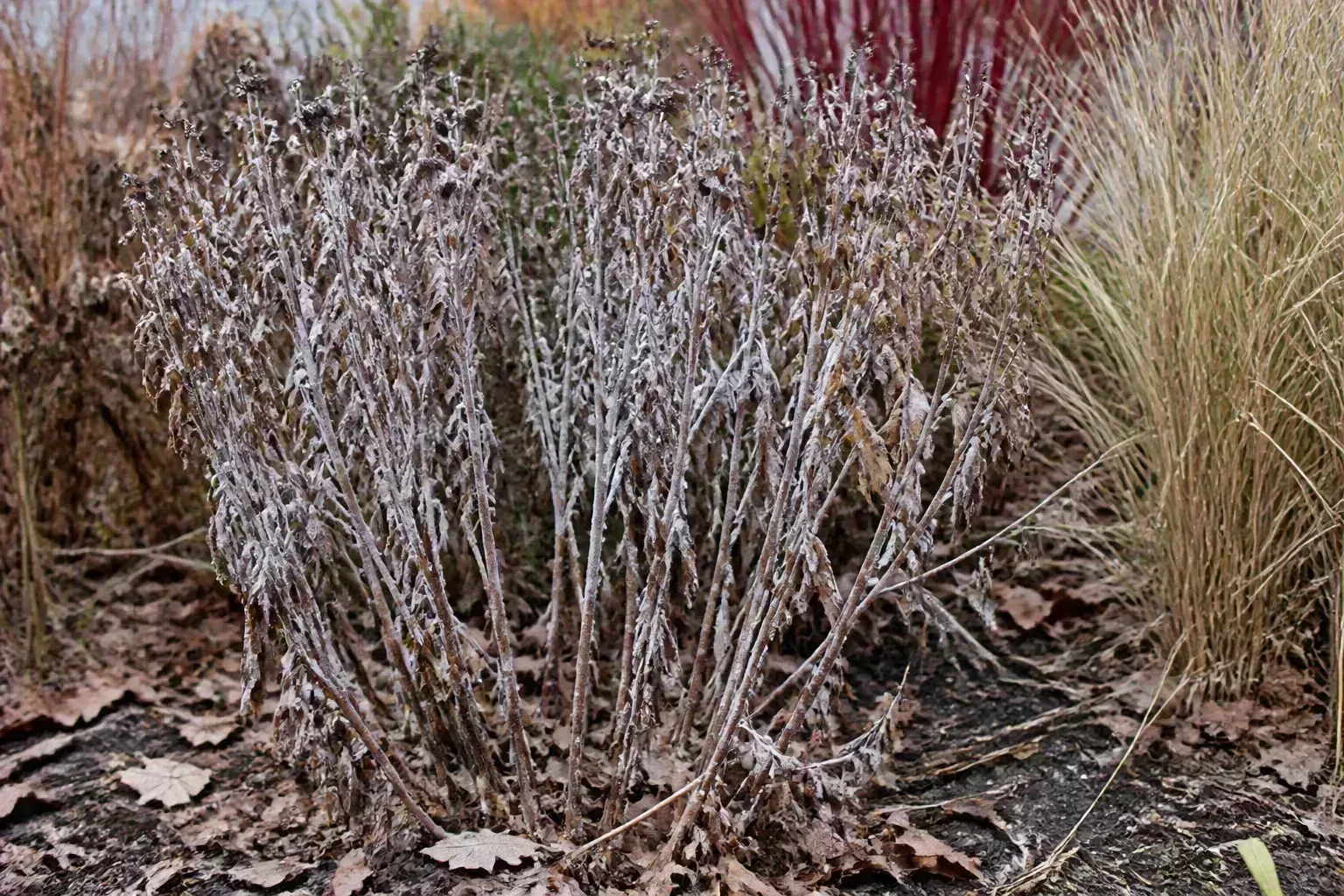
Resistant cultivars like ‘Jacob Cline’ may stay cleaner, but Siebenthaler’s perennial pruning guide still recommends cutting monarda back when mildew appears — waiting until spring just gives spores more surface area. If your plants stayed clean and you want finches on seed heads, you can leave spent flower heads until late November, then cut before seeds scatter across the bed.
Do not compost mildewed monarda. Next year’s shoots emerge inches from where those spores sat all winter.
Daylilies: Clear Mushy Foliage Before Mulch Goes Down
Daylilies (Hemerocallis) are tough plants, which is why gardeners sometimes ignore them in fall. That works until leaves turn yellow, then brown, then mushy — a wet blanket that holds moisture against the crown through winter.
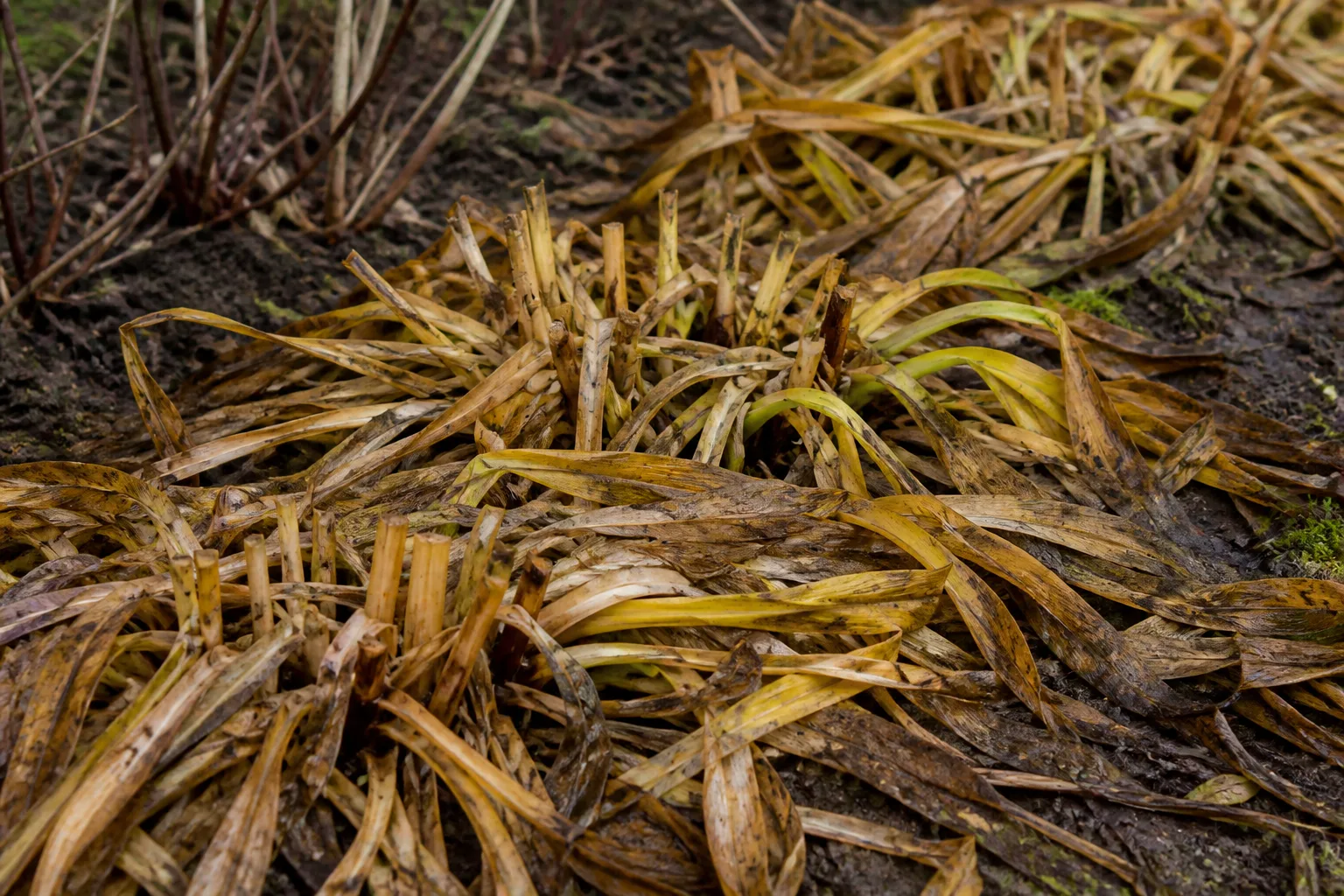
After frost finishes the foliage, cut daylily leaves to about 1 to 2 inches above ground level. You can often pull mushy outer leaves by hand; use pruners on anything fibrous. The National Gardening Association notes that fall cutback also makes spring division easier, since you can see crown clumps without fighting last year’s straw.
Daylilies do not need November cutting for bloom performance the way iris needs it for borers. This is a sanitation and aesthetics job. If your bed drains well and leaves dry quickly, waiting until late November or even a dry week in December is fine. Just finish before you spread winter mulch so you are not burying rotting foliage.
Hostas: Cut Back Slug-Prone Leaves at the Crown
Hostas melt into yellow, spongy leaves that slugs and snails love. Those pests lay eggs in the debris, and next spring’s hosta spears push up through a nursery of hatchlings. November cutback is one of the most effective non-chemical slug controls in shade gardens.
Wait until frost browns the foliage or a hard freeze wilts it completely. Cut all leaves to 2 to 3 inches above the crown. Rake fallen leaves from around the plant — slugs hide underneath too.
Healthy hosta leaves without visible slug egg clusters can be composted. If leaves are hole-ridden and slimy, bag them. Unlike some advice that mulches cut hosta foliage back around the plant, skip that practice when slugs were a problem; you are returning eggs to the crown.
New gardeners sometimes worry that cutting hostas exposes them to winter cold. In USDA zones 3 through 9, hosta crowns survive freezing just fine without a foliage blanket. The crown is below soil level; the leaves were not insulating it meaningfully.
Bearded Iris: Trim to a Short Fan, Not Ground Level
Bearded iris (Iris × germanica) is the most technique-sensitive plant on this list. Cut too low or pull leaves instead of cutting, and you damage rhizomes that need air and light on their upper surface.
After your first hard frost, remove dead leaves that pull away easily. Trim remaining green leaves into an upright triangular fan 3 to 4 inches tall, removing any spotted or yellowed tips. Coastal Maine Botanical Gardens emphasizes that no trimmed leaf should touch the ground — wet leaf tips against soil invite rot and harbor iris borer eggs.
Never cut iris to ground level. Rhizomes should sit with their tops at or just above the soil surface. In heavy clay or wet-winter regions, a thin layer of sand or coarse mulch over rhizomes after trimming reduces heaving — but do not bury them.
Bag all iris trimmings if leaf spot or borer damage was present during the growing season. This single November task prevents more iris loss than any spring fertilizer.
Ornamental Grasses: A Haircut vs. a Hard Cutback
Ornamental grasses split into two November camps. Seed-heavy or potentially invasive grasses — miscanthus, some fountain grasses (Pennisetum), non-native switchgrass seedlings — benefit from removing seed heads in November so they do not self-sow across the neighborhood. That is a haircut: trim flower plumes and the top third of stems, not a ground-level shave.
Native grasses and winter-interest varieties — little bluestem, prairie dropseed, northern sea oats — can stand all winter for structure and bird cover. Cut those in late winter or early spring before new shoots emerge.
Which Grasses Get Cut in November—and Which Wait
If a grass spread beyond its planting hole this year, or you saw seedlings in the lawn, November seed-head removal is worth doing. The RHS notes that many gardeners delay full grass cutback until spring specifically to preserve wildlife value — so match the cut to the problem.
For a full ground-level cutback of deciduous grasses, late winter is usually better than November. Cutting miscanthus to the ground in November exposes the crown to extra freeze-thaw cycles in borderline-hardy zones. If you must tidy in fall, take seed heads only and leave the architectural stems until February or March.
Cool-season evergreen grasses like blue fescue and sedges are not on this November list — tidy them in spring by combing out dead blades.
Peonies: Remove Mildew-Prone Foliage After Frost
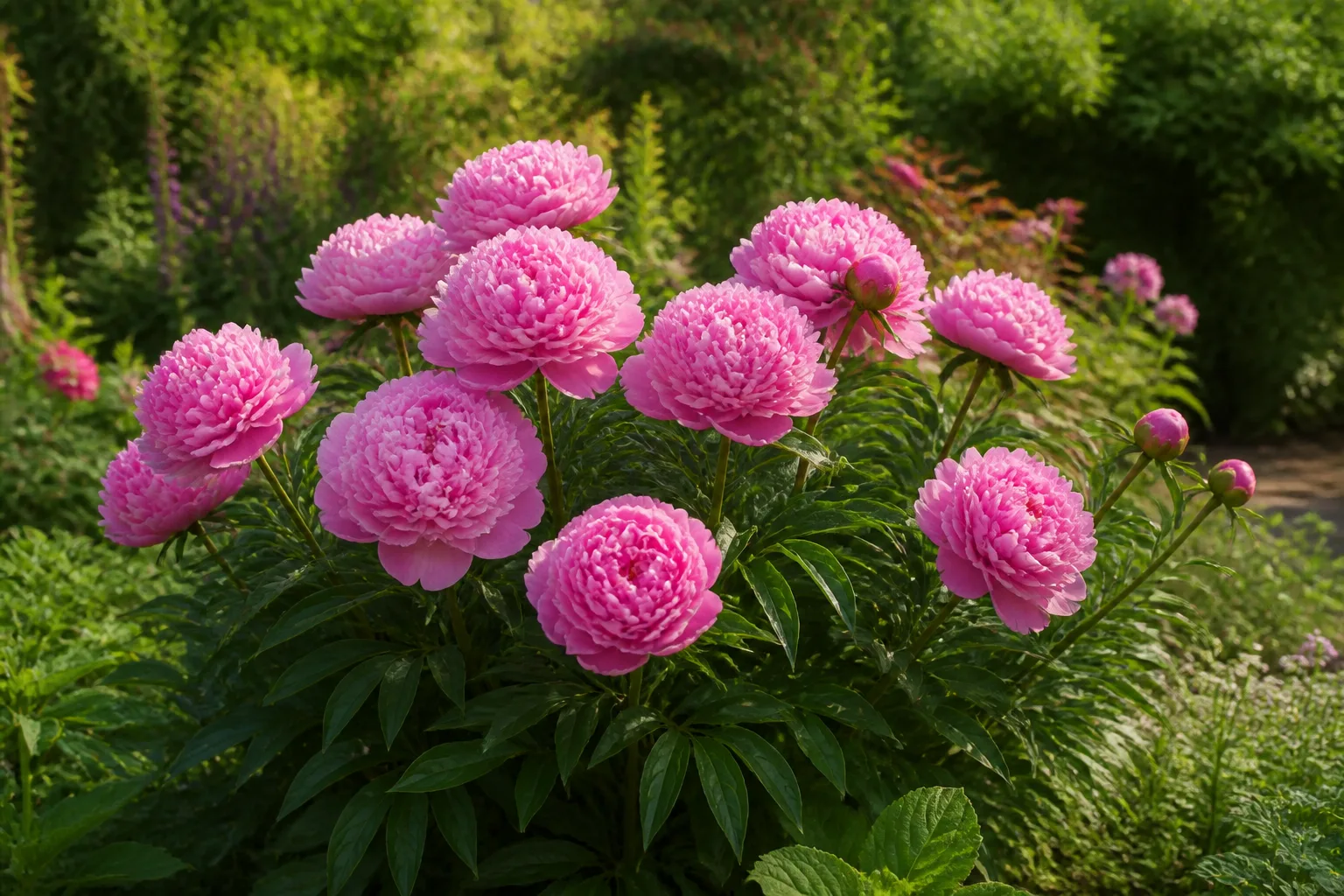
Peonies (Paeonia) finish the season with some of the most disease-prone foliage in the garden. Powdery mildew and botrytis blight both overwinter on dead stems and leaves pressed against the soil.
Wait until frost kills the foliage, then cut all stems to 2 to 3 inches above the crown. Remove every fallen leaf from the soil surface — peony botrytis spores hide in debris, not just on standing stems.
If mildew appeared in September, cut affected foliage immediately rather than waiting for November. Bag and trash all infected material. Healthy peony stems without disease signs can be composted, though many gardeners trash all peony debris as a simple insurance policy.
Peonies are long-lived and resent deep planting or crown disturbance. Your November job is sanitation only — no division, no heavy mulch piled on the crown. A thin layer of shredded leaves around (not on) the crown after the ground freezes is enough in cold zones.
Tall Garden Phlox: Bag Diseased Stems, Do Not Compost
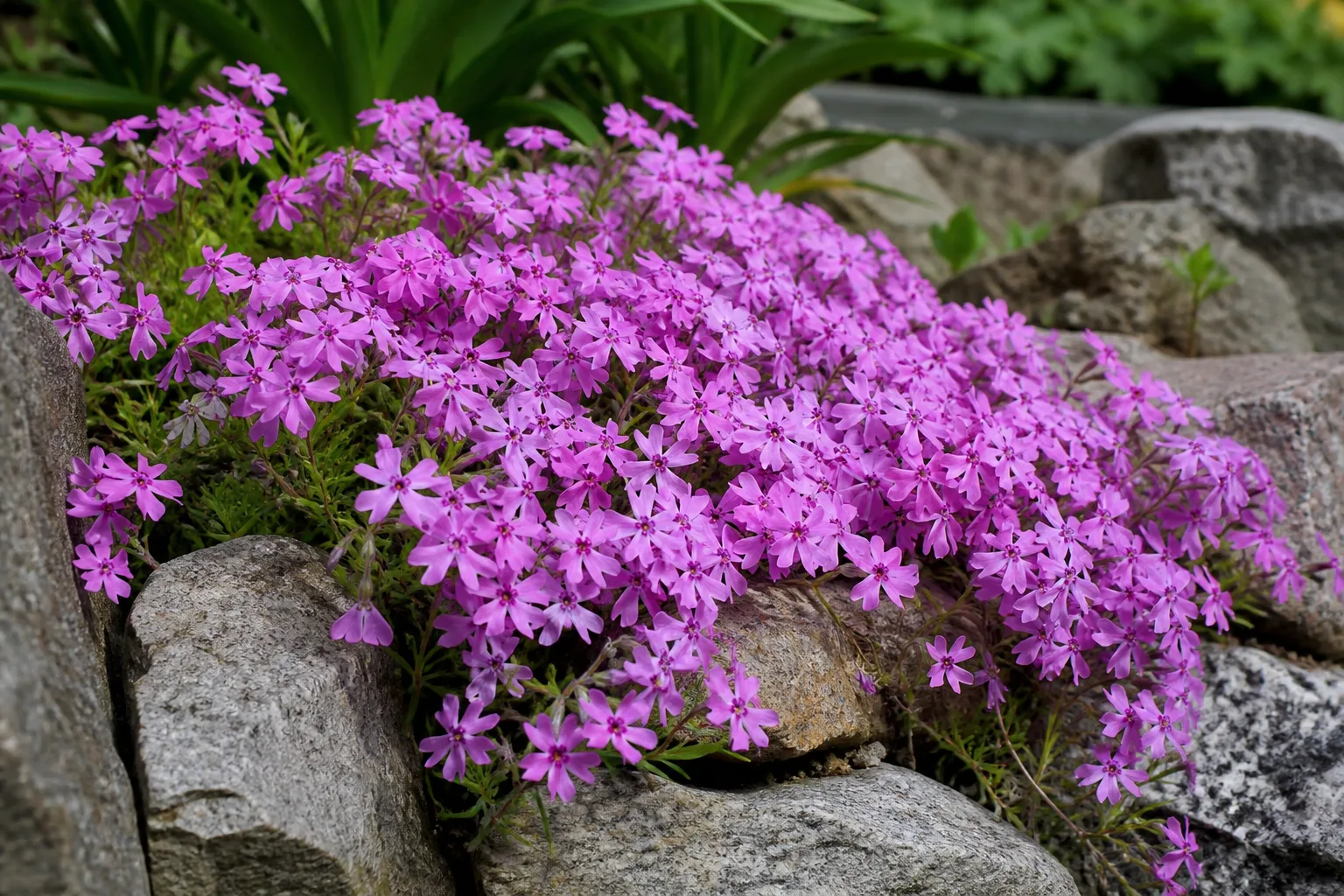
Tall garden phlox (Phlox paniculata) and bee balm share the same November enemy: powdery mildew. By late fall, stems may be bare or coated in white fungal growth. Cut the entire plant to 2 to 3 inches above the soil and remove all debris from the bed.
Iowa State University Extension recommends cutting back and discarding infected phlox stems as a core cultural control — fungicides work poorly if infected debris stays in the garden. Do not compost mildewed phlox under any circumstances.
Creeping phlox (Phlox subulata) and woodland phlox (P. divaricata) are different plants with different timing; this November guidance applies to tall summer-blooming paniculata types only.
Summer deadheading keeps phlox blooming longer but does not replace fall sanitation. If mildew was severe, consider spacing plants more widely or choosing resistant cultivars like ‘David’ next time you shop — but still cut back in November this year.
Seven Familiar Plants That Can Wait Until Spring
Not every perennial in your border belongs on the November list. Cutting the wrong plant now trades a clean bed for winter damage or lost flowers.
Russian sage, coneflowers, black-eyed Susans, and sedum often provide winter seed for birds and protect crowns with standing stems. Trim those in late winter or early spring. Lavender should not get a hard fall prune within six weeks of frost — that opens woody stems to rot. Hellebores need their leaves through winter to protect flower buds forming at the base.
Asters and chrysanthemums may still carry green basal growth in November; cut only dead upper stems, not the rosette at soil level. If you are unsure about a plant not on either list, default to waiting until spring unless you see active disease.
That selective approach — cut the seven on this page, leave the rest — is what separates a healthier spring garden from a bed that looks clean in November and struggles in April.
November Cleanup Checklist After You Cut
Once the seven plants are trimmed, three follow-up steps lock in the benefit.
Rake the bed surface. Fungal spores and slug eggs hide in debris between plants, not only on the stems you cut. A clean soil surface dries faster and makes spring weeding easier.
Mulch after the ground starts to freeze, not before. A 2- to 3-inch layer of shredded leaves or bark insulates crowns without holding early-fall warmth that prevents dormancy. Keep mulch a few inches away from iris rhizomes and peony crowns.
Note problem plants for next year. Heavy mildew on phlox, borer damage on iris, or slug-ravaged hostas are signals to adjust spacing, cultivar choice, or summer monitoring — not just to cut harder next November.
Conclusion
November perennial cutback is not about shearing the whole garden to the ground. It is about knowing which plants carry next year’s problems in this year’s dead foliage — bee balm, daylilies, hostas, bearded iris, seed-heavy ornamental grasses, peonies, and tall garden phlox — and removing that material at the right height after frost.
Cut most of these to a 2- to 3-inch stub above the crown. Shape iris into a short fan. Bag anything with mildew, borers, or slugs; compost only clean debris. Leave seedheads and structural stems on plants that still have a winter job to do.
Do that once, before the ground freezes, and spring starts with clean crowns, fewer fungal outbreaks, and less digging through last year’s mush to find new growth. That is the payoff worth an afternoon in November.