Calendula Care Guide: Grow Pot Marigold in Sun
Calendula officinalis
Learn how to grow Calendula officinalis, the cool-season pot marigold, with practical light, watering, soil, and flowering advice.
Calendula Care Guide (Pot Marigold)
Start with wateringThe most common care mistake for CalendulaWatering guide →Calendula care essentials
Light
Full sun for the most flowers
Water
Keep seedlings and newly planted calendula evenly moist while they establish. For established plants, water when the upper inch of soil begins to dry, then let excess drain away. The plant prefers moderate moisture and well-drained soil; do not leave a container standing in water.
Soil
Calendula grows in many garden soils when drainage is good. A light, moderately fertile bed or container mix is suitable; avoid heavy, waterlogged soil and excessive feeding, which can favor foliage over flowers.
Humidity
Temperature
Fertilizer
About Calendula
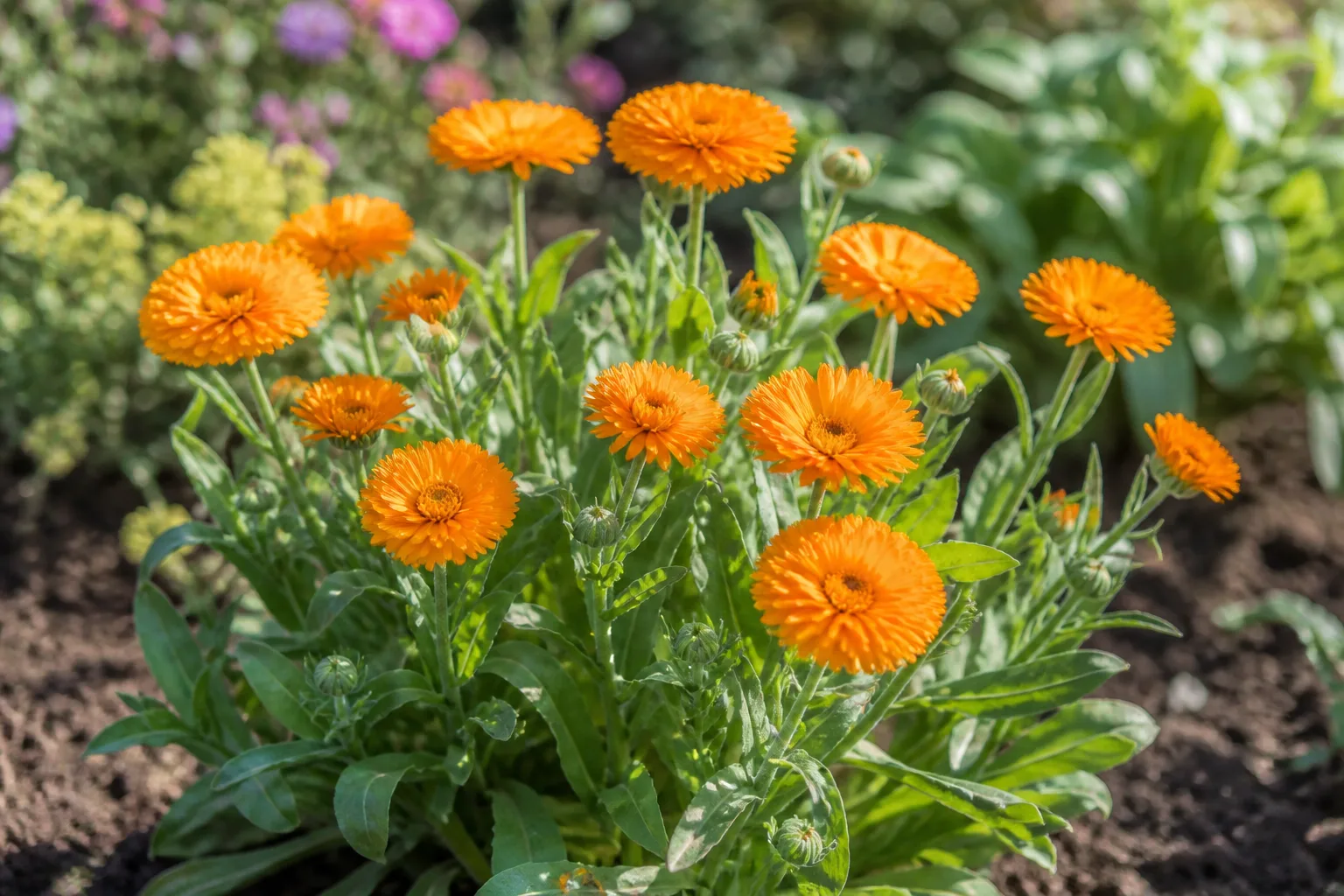
Calendula is native to Southern Europe and the eastern Mediterranean, typically reaches Usually 1–2 ft (30–60 cm) tall and wide; compact and taller cultivars vary indoors, with fast-growing from seed in cool weather growth. Calendula has a bushy, mounding cool season annual; may behave as a short lived biennial in mild climates growth habit and part of the Asteraceae family. It is also known as Pot Marigold, Common Marigold, English Marigold, and Scotch Marigold.
| Detail | Information |
|---|---|
| Also known as | Pot Marigold, Common Marigold, English Marigold, Scotch Marigold |
| Native region | Southern Europe and the eastern Mediterranean |
| Mature size | Usually 1–2 ft (30–60 cm) tall and wide; compact and taller cultivars vary |
| Growth rate | Fast-growing from seed in cool weather |
| Growth habit | Bushy, Mounding Cool Season Annual; May Behave As A Short Lived Biennial In Mild Climates |
| Scientific name | Calendula officinalis |
| Family | Asteraceae |
How to care for Calendula?
How much light does Calendula need?
Full sun for the most flowers. Partial shade. Bright afternoon shade in hot-summer climates. direct sun
- Full sun for the most flowers - Full sun for the most flowers.
- Partial shade - Partial shade.
- Bright afternoon shade in hot-summer climates - Bright afternoon shade in hot-summer climates.
- direct sun - direct sun.
When should you water Calendula?
Keep seedlings and newly planted calendula evenly moist while they establish. For established plants, water when the upper inch of soil begins to dry, then let excess drain away. The plant prefers moderate moisture and well-drained soil; do not leave a container standing in water.
- Feel the top inch of soil. If it is still damp - For established plants, water when the upper inch of soil begins to dry, then let excess drain away.
- wait and check again - Keep seedlings and newly planted calendula evenly moist while they establish.
- if it has begun to dry - For established plants, water when the upper inch of soil begins to dry, then let excess drain away.
- water thoroughly and allow the pot or bed to drain - For established plants, water when the upper inch of soil begins to dry, then let excess drain away.
- Drain excess water - For established plants, water when the upper inch of soil begins to dry, then let excess drain away.
What soil works best for Calendula?
Calendula grows in many garden soils when drainage is good. A light, moderately fertile bed or container mix is suitable; avoid heavy, waterlogged soil and excessive feeding, which can favor foliage over flowers.
- For containers - A light, moderately fertile bed or container mix is suitable; avoid heavy, waterlogged soil and excessive feeding, which can favor foliage over flowers.
- use a general-purpose potting mix in a pot with open drainage holes - Calendula grows in many garden soils when drainage is good.
- If the mix stays wet for a long time - A light, moderately fertile bed or container mix is suitable; avoid heavy, waterlogged soil and excessive feeding, which can favor foliage over flowers.
- improve drainage rather than adding water on a schedule - Calendula grows in many garden soils when drainage is good.
Grower notes for Calendula
Check the botanical name on the seed packet
This hub covers Calendula officinalis, the pot marigold. It is not the same plant as the summer bedding marigolds in the genus Tagetes. Their shared common name can lead to different growing and edible-use advice, so check the botanical name before sowing or harvesting.
Plan for a cool-season flowering window
Calendula starts readily from seed and flowers over a long stretch of cool weather. Wisconsin Extension reports that plants may languish during prolonged summer heat and recover as temperatures cool. In hot climates, schedule the crop for the cooler season and do not judge it by a brief summer pause.
Balance sun with local heat
Full sun supports flowering, while partial shade is also suitable. In regions with intense afternoon heat, morning sun with light afternoon shade can help extend the display. Choose a site where rain and irrigation drain freely rather than a low spot that stays soggy.
Keep feeding modest and deadhead for more flowers
Calendula is not a heavy feeder. Wisconsin Extension notes that plants flower best without heavy fertilizing and recommends removing faded flowers to prolong bloom. Leave a few heads to mature if you want the annual to self-sow for another season.
Expect variation between cultivars
Many plants reach about 1–2 feet, while compact series can stay near a foot and taller selections may grow more. Check the seed packet for mature size.
Harvest only correctly identified, untreated flowers
Wisconsin Extension describes calendula leaves and petals as edible, and UF/IFAS notes that flowers should not have been sprayed with pesticides. NC State Extension tags Calendula officinalis as non-toxic to cats and dogs. That does not establish a horse classification or make large amounts of plant material appropriate food. Keep treated plants and garden chemicals away from pets and ask a veterinarian about an exposure.
Is Calendula Safe for Pets?
NC State Extension tags Calendula officinalis as non-toxic to cats and dogs. The ASPCA Calendula lookup returned no species entry in the research crawl, so I could not verify horse safety or treat that absence as a classification. Discourage pets from eating large amounts of any plant and keep them away from pesticide-treated foliage.
NC State Extension's species profile tags Calendula officinalis as non-toxic for cats and dogs. No horse-specific classification was verified in the sources used. Do not extend the cat-and-dog result to other animals, or treat edible petals as permission for pets to graze freely.
Watering Calendula
For Calendula, feel the top inch of soil. If it is still damp, wait and check again; if it has begun to dry, water thoroughly and allow the pot or bed to drain. and water check the soil instead of following a fixed calendar. Containers and plants growing in windy, dry weather may need more frequent checks than an in-ground bed. Water the root zone when the surface layer has started to dry. Calendula is a cool-season flower. Check containers more often during dry spells, but do not try to compensate for hot-weather stress by keeping the roots constantly wet. In warm climates, grow it in the cooler season and give it light afternoon shade when summer heat arrives.
| Detail | Information |
|---|---|
| How often | Check the soil instead of following a fixed calendar. Containers and plants growing in windy, dry weather may need more frequent checks than an in-ground bed. Water the root zone when the surface layer has started to dry. |
| How to check | Feel the top inch of soil. If it is still damp, wait and check again; if it has begun to dry, water thoroughly and allow the pot or bed to drain. |
| Seasonal changes | Calendula is a cool-season flower. Check containers more often during dry spells, but do not try to compensate for hot-weather stress by keeping the roots constantly wet. In warm climates, grow it in the cooler season and give it light afternoon shade when summer heat arrives. |
Signs of overwatering
- Soil remains saturated between waterings or a pot stands in runoff.
- Leaves yellow or the plant wilts while the root zone is still wet.
Signs of underwatering
- The upper soil is dry and the plant droops during a dry spell.
- A container dries much faster than it did during cooler weather.
Soil & potting for Calendula
Use a mix of For containers, use a general-purpose potting mix in a pot with open drainage holes., If the mix stays wet for a long time, improve drainage rather than adding water on a schedule. for Calendula. Good drainage is important; keep the root zone moist but never waterlogged. Target soil pH around Tolerates acidic, neutral, and alkaline soils; adjust pH only if a soil test identifies a problem. Repot calendula is usually grown as a seasonal annual and does not need routine repotting. Sow or plant it in its final container when practical; replace it after the flowering season rather than carrying an exhausted plant through unsuitable heat., ideally in sow or transplant during the cool growing season, before sustained hot weather. In mild-winter climates this is often autumn or winter; in cooler climates, plant in early spring.
| Detail | Information |
|---|---|
| Recommended mix | For containers, use a general-purpose potting mix in a pot with open drainage holes., If the mix stays wet for a long time, improve drainage rather than adding water on a schedule. |
| Drainage | Good drainage is important; keep the root zone moist but never waterlogged |
| Soil pH | Tolerates acidic, neutral, and alkaline soils; adjust pH only if a soil test identifies a problem |
| Repotting frequency | Calendula is usually grown as a seasonal annual and does not need routine repotting. Sow or plant it in its final container when practical; replace it after the flowering season rather than carrying an exhausted plant through unsuitable heat. |
| Best season to repot | Sow or transplant during the cool growing season, before sustained hot weather. In mild-winter climates this is often autumn or winter; in cooler climates, plant in early spring. |
Signs it needs repotting
- Roots fill a small starter cell and the seedling is ready for its final pot.
- A container plant dries unusually quickly because its roots have filled the pot.