How to Grow and Care for Calendula (Pot Marigold)
Learn how to grow calendula from seed, choose sun and soil, water through heat, harvest edible petals, save seed, and fix common problems.
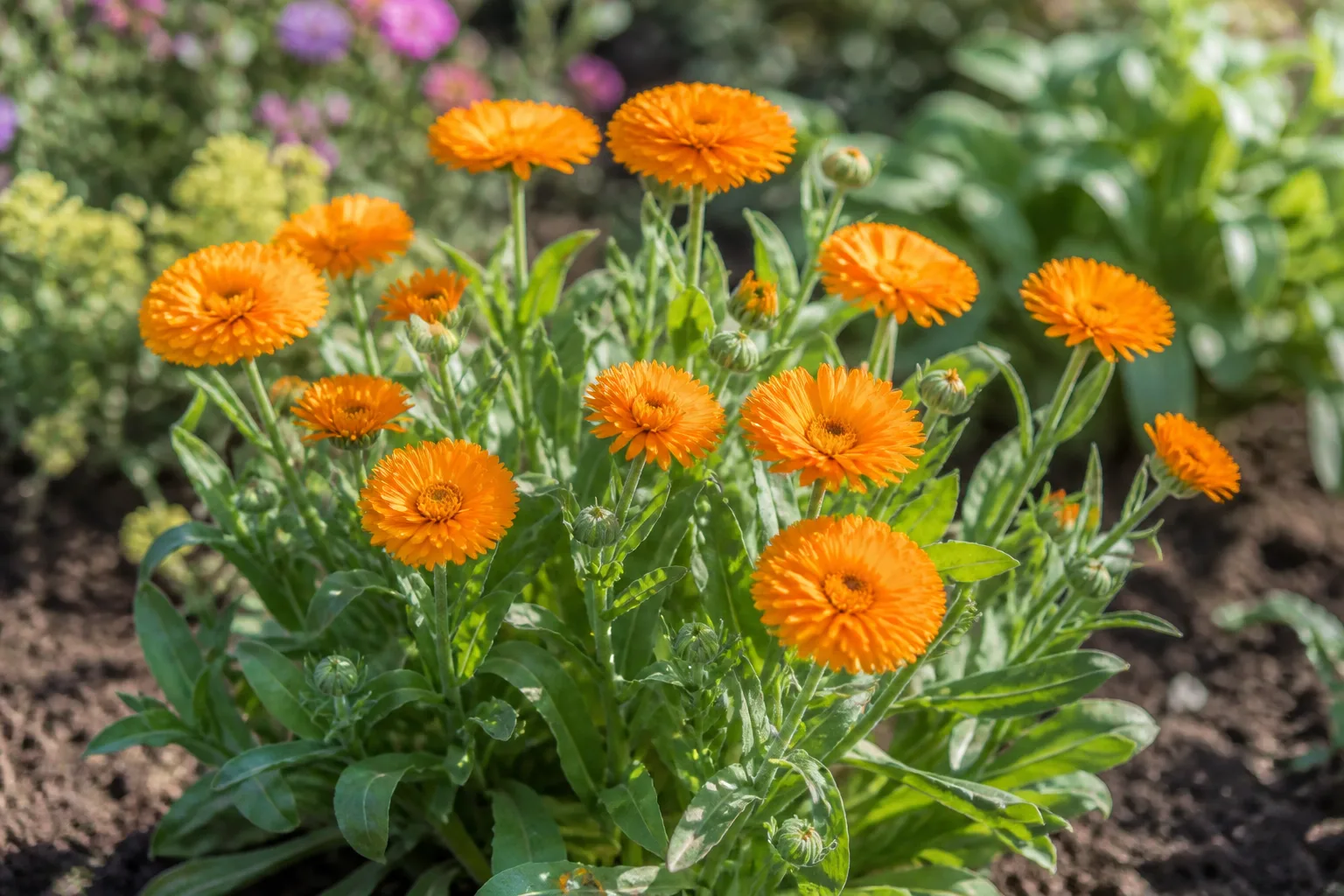
Calendula (Calendula officinalis), often called pot marigold, is one of the most forgiving flowers you can start from seed. Its daisy-like blooms arrive quickly, brighten vegetable beds and containers, feed pollinators, and can be used as an edible garnish when grown without sprays. The trick is understanding that calendula is a cool-season flower, not a plant that wants the hottest part of summer.
In a cool climate, it may bloom from spring into fall. In a mild winter climate, it can grow through winter and flower heavily in spring. In a hot, humid summer, it may pause, wilt in afternoon heat, or die back even when the soil is moist. Give it sun, drainage, moderate fertility, and regular picking, and it will usually reward you with more flowers than a single plant seems capable of making.
Know the Plant Before You Plant It
Calendula belongs to the daisy family, Asteraceae. It is not the same plant as the bedding marigolds in the genus Tagetes, although the common names are often confused. Calendula flowers are usually yellow, orange, apricot, cream, or reddish, and the plants form branching mounds roughly 1 to 2 feet tall and wide. NC State Extension lists it as a cool-season annual that can reseed readily in suitable conditions.
It is best treated as an annual in cold-winter gardens. In USDA Zones 9–11 it can behave as a short-lived perennial, but even there heat, humidity, and disease may shorten its productive life. The practical question is not only “What zone am I in?” but “When are my mildest growing months?” Calendula often performs better in a hot region when sown for fall, winter, and spring bloom than when planted just before summer.
Quick Calendula Care Profile
| Need | Best starting point |
|---|---|
| Botanical name | Calendula officinalis |
| Common names | Calendula, pot marigold |
| Habit | Short-lived perennial or annual |
| Mature size | About 1–2 ft. tall and wide |
| Light | Full sun; afternoon shade in hot climates |
| Soil | Loose, fertile, well-drained soil |
| Preferred pH | Slightly acidic to neutral, about 6.0–7.0 |
| Water | Even moisture while establishing; moderate after that |
| Bloom timing | Cool-season dependent; often spring through fall |
| Spacing | About 8–12 in. between plants |
Use these numbers as a starting point, not a rigid recipe. A compact container cultivar may need less room, while a rich bed with heavy rain may need wider spacing for air movement.
Choose the Right Season and Site
Plant calendula when the weather is cool enough for seedlings to establish. In cold-winter areas, sow outdoors in early spring as the soil becomes workable, or start seed indoors six to eight weeks before the last frost. In mild climates, sow in early fall for winter and spring flowers. Avoid making a fresh transplant endure its first weeks during the hottest stretch of the year.
Choose a site with morning sun, good airflow, and soil that drains within a day after heavy rain. Calendula works well at the edge of a vegetable garden, in a pollinator bed, or in a container near a kitchen door. It is a useful companion flower because its open blooms provide access to bees and other beneficial insects, but it is not a guaranteed pest-control plant. Plant it because it fits the conditions and because you enjoy the flowers; treat any insect benefit as a bonus.
Light, Temperature, and Placement
Calendula produces the most flowers in full sun, generally six or more hours of direct light. In a cool spring, give it as much sun as possible. In a hot climate, bright morning sun with light afternoon shade can keep plants from collapsing and may extend the flowering window.
High heat often causes temporary wilting even when the roots are adequately moist. Check the soil before watering again. If the top inch is damp and the plant recovers in the evening, shade and heat are more likely than thirst. If the soil is dry several inches down and the leaves remain limp overnight, water deeply and reassess drainage.
Calendula tolerates light frost better than a hard freeze. A layer of mulch around, but not against, the crown can buffer cold soil. Do not expect mulch to save a plant from prolonged freezing or waterlogged winter soil.
Soil and Drainage That Prevent Root Trouble
The ideal calendula bed is loose, crumbly, and rich in organic matter without being saturated with compost or fertilizer. Work finished compost into poor soil before planting, then leave the structure open enough for water to move through. Heavy clay can be improved over time with organic matter and careful bed shaping; simply filling a small hole with fluffy compost can create a wet pocket around the roots. The Missouri Botanical Garden plant profile also emphasizes average, well-drained soil rather than a constantly wet planting site.
Drainage matters more than perfect pH. Calendula can tolerate a reasonable range, but consistently soggy soil encourages root decline and makes foliage diseases harder to manage. Raised beds and containers are useful when the ground stays wet. Never place a pot inside a cachepot where drained water collects around the root ball.
Start Calendula From Seed
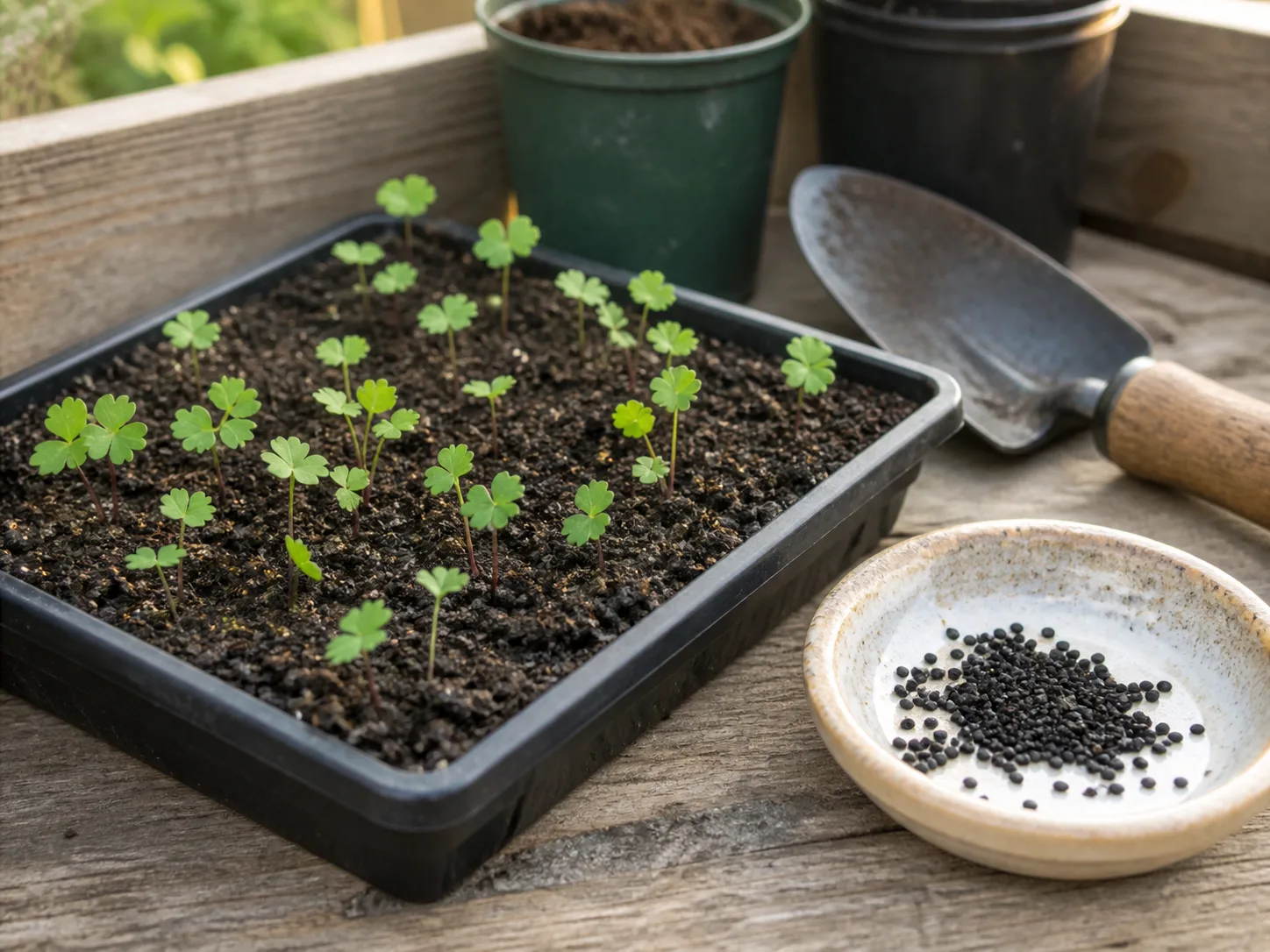
Calendula is unusually satisfying from seed because the large, curved seeds are easy to handle and seedlings develop quickly.
Direct sowing outdoors
- Loosen the top 4 to 6 inches of soil and remove clods and weeds.
- Sow seeds about 1/4 to 1/2 inch deep, following the packet’s depth if it differs.
- Space seeds a few inches apart, then thin young plants to roughly 8–12 inches once true leaves appear.
- Water gently and keep the seedbed evenly moist until germination.
- Expect seedlings in about 7–14 days under favorable conditions, with first flowers often arriving in six to eight weeks.
Do not bury seed deeply or let the surface crust harden. A thin cover of fine mix or soil is enough. Mark the row so you do not mistake emerging calendula for weeds, especially if the bed contains mulch.
Starting indoors and transplanting
Sow one seed per cell in a clean seed-starting mix six to eight weeks before your last frost. Provide bright light as soon as seedlings emerge. A small fan and careful watering help prevent weak stems and damping-off. Harden plants gradually over about a week, placing them outdoors for longer periods each day before planting them permanently.
Transplant when seedlings have several true leaves and the garden soil is workable. Handle the root ball gently, set the crown at the same depth it grew in its cell, and water the planting hole. Do not keep seedlings in tiny cells for so long that roots circle densely; calendula grows quickly when conditions are right.
Grow Calendula in Containers
Most calendula varieties grow well in pots, especially dwarf and compact selections. Choose a container at least 8–12 inches wide for one plant, with a drainage hole and a potting mix that holds moisture without becoming muddy. A larger container can support several plants if you leave enough space between crowns for airflow.
Containers dry faster than garden beds, particularly on sunny patios. Check moisture with a finger rather than following a calendar. Water until excess drains from the bottom, then empty the saucer. If plants wilt every afternoon while the pot is full of wet soil, the issue is heat or poor drainage, not a need for more water.
Container plants may need diluted balanced fertilizer about once a month during active growth, but start with less rather than more. Excess nitrogen produces soft, leafy growth and fewer flowers. Refresh the pot with new mix or move plants to a larger container if roots fill the drainage holes and water runs straight through.
Watering and Feeding Without Leggy Growth
Water newly sown beds and transplants often enough to keep the root zone evenly moist. Once plants are established, allow the surface to dry slightly between deep waterings. Mature calendula usually needs supplemental irrigation during dry weather, but it does not need a constantly wet bed.
Water at the soil line in the morning when possible. Wetting dense foliage late in the day, crowding plants, or watering shallowly every day creates a better environment for mildew than a thorough soak followed by a pause. Mulch can reduce evaporation, but keep it away from the stems so the crown stays dry.
Feed only when the soil is poor or container plants show a clear need. Calendula grown in fertile soil generally does not need routine fertilizer. If growth is pale and slow across the whole bed, test the soil before adding nutrients. If plants are tall, floppy, and all leaves, stop feeding and increase light and airflow.
Pinching, Deadheading, and Bloom Management
Pinch the growing tips of young plants once they are established if you want compact, branched plants. Remove the top set of leaves with clean fingers or snips. This delays the first flower slightly but creates more side shoots and reduces a single tall stem.
Deadhead by cutting spent flower heads back to a leaf junction. Regular picking encourages the plant to keep producing flowers instead of directing all its energy into seed. Leave a few late-season heads if you want to collect seed or encourage self-sowing. If a plant stops blooming during a heat wave, do not keep cutting it back aggressively; give it afternoon protection and wait for cooler weather.
Calendula Types Worth Growing
Choose varieties by use rather than flower color alone. Compact ‘Dwarf Gem’ types suit pots and edging. ‘Citrus Cocktail’ brings orange and yellow flowers to containers. ‘Pink Surprise’ and ‘Touch of Red’ offer warmer, more unusual tones. ‘Greenheart Orange’ has orange petals around a green center, while taller ‘Prince’ types can stand out in a mixed bed.
Seed-grown calendula may vary slightly in color and flower form. If you want a reliable display, buy a named cultivar from a reputable seed supplier. If you enjoy surprises and want to save seed, grow several plants and label the colors you like before collecting from the best flowers.
Harvest Flowers and Use Petals Carefully
Harvest fully open flowers in late morning, after dew has dried and before the day’s heat wilts them. Snip the flower head with a short stem, then remove damaged petals and insects. For repeated bloom, harvest rather than leaving every flower to mature into seed.
Calendula petals can be scattered over salads, rice, soups, or baked goods for color. The flavor is mildly bitter or peppery, so use them as a small garnish. Only eat flowers that have been positively identified as calendula and grown without pesticides, systemic products, or contaminated water. Wash them gently and use fresh petals soon after harvest. For household safety, consult the ASPCA calendula listing if a pet has eaten a large quantity or is showing symptoms; plant safety depends on the animal and amount involved.
For dried petals, spread clean flower heads in a single layer on a screen or tray in a dry, shaded, well-ventilated place. They are ready when papery and completely dry. Store them in a labeled airtight jar away from heat and light. Do not treat culinary calendula as a substitute for medical care or assume that a traditional use is safe for everyone; people with allergies to daisy-family plants should be cautious.
Save Calendula Seeds and Let Plants Self-Sow
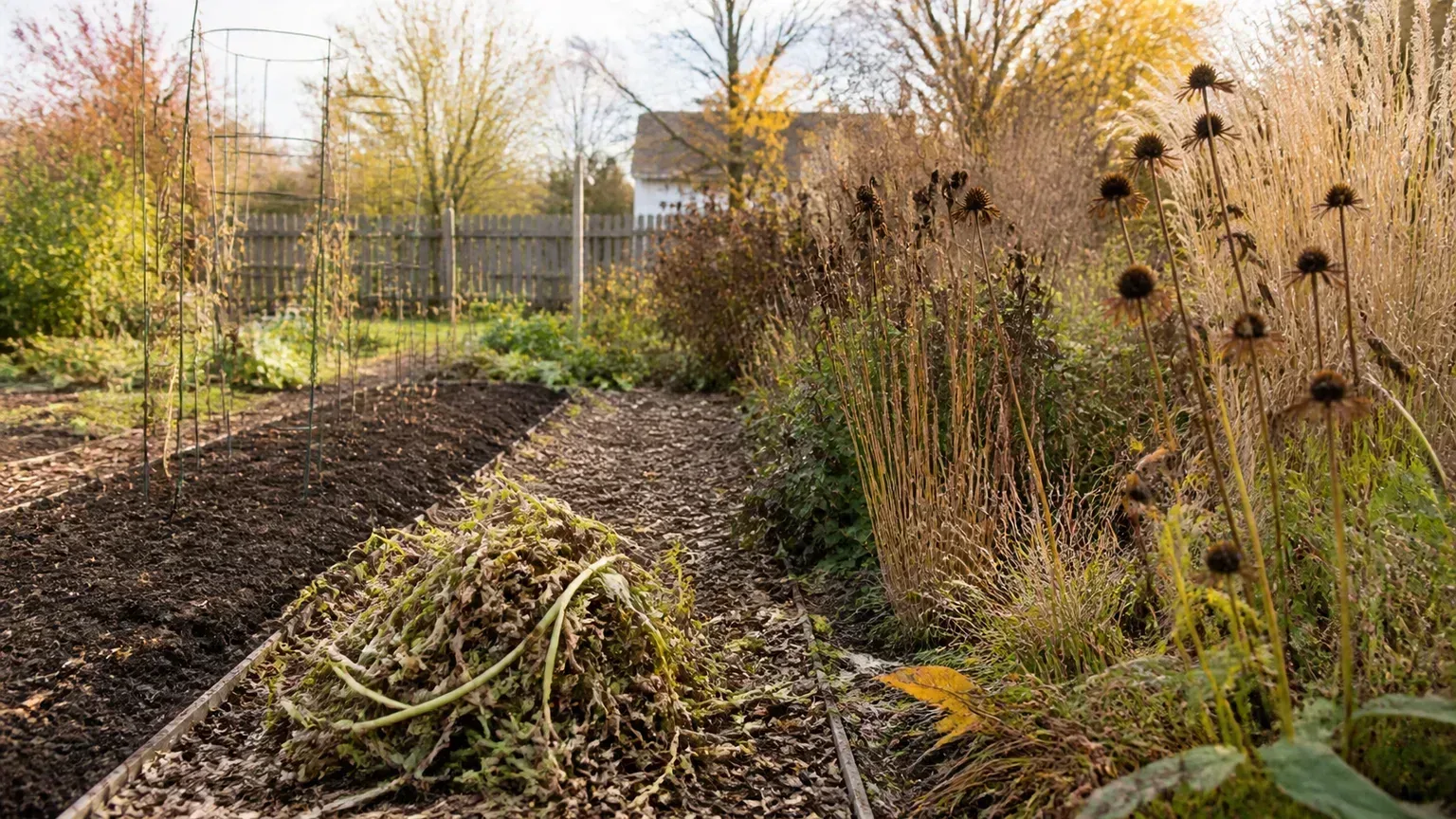
To save seed, leave a few flowers on the plant after peak bloom. The petals fade and the seed head dries from green to tan. Wait until the seeds feel dry and loosen easily, then snip the heads into a paper bag. Spread them out for another few days indoors before storing.
Label the envelope with the plant name, flower color, and year. Store seed cool, dry, and dark. Calendula seed can remain useful for a couple of years, but germination declines with age and poor storage. If the plant was a named hybrid, seedlings may not look exactly like the parent.
Self-sowing is convenient in an informal bed but can become untidy in a small container. Pull unwanted seedlings while they are young. Leave the strongest plants and thin them early so the bed does not become a humid tangle.
Pests, Diseases, and Common Failure Modes
Calendula is generally trouble-free, but stress changes the odds. Start by examining light, spacing, roots, and soil moisture before reaching for a treatment. The Royal Horticultural Society notes that good cultivation and deadheading support a long flowering season, while crowded, stressed growth is more vulnerable to common garden problems.
Heat, wilting, and afternoon shade
A plant that wilts only during the hottest hours but recovers at dusk may be heat-stressed. Check soil moisture and move a container to morning sun with afternoon shade. In a bed, use temporary shade cloth during an exceptional heat spell. A plant that stays wilted overnight in wet soil may have damaged roots; more water will make that worse.
Powdery mildew and wet foliage
Powdery mildew appears as a white, flour-like coating, often when nights are cool, air is still, and foliage stays crowded. Remove badly affected leaves, increase spacing and airflow, and water the soil rather than the leaves. Avoid overhead irrigation late in the day. If disease is widespread, remove the plant after the season and do not compost diseased material unless your compost reaches temperatures known to destroy pathogens.
Aphids and whiteflies may cluster on soft new growth. Knock small populations off with a firm water spray and inspect again in a few days. Slugs and snails target young plants in damp beds; remove hiding debris and protect seedlings physically. If you use insecticidal soap, follow the product label and test a small area first—“natural” does not mean harmless to flowers, pollinators, or people.
Yellow lower leaves can be normal aging, but widespread yellowing with sour, wet soil points to overwatering or poor drainage. Brown crispy leaves usually indicate heat, drought, root damage, or salt buildup rather than a single calendula disease. Correct the growing condition before pruning away symptoms.
Conclusion: Keep Calendula Cool, Drained, and Picked
Calendula succeeds when you match its season to your climate. Sow it as cool weather begins, give it bright light and fast-draining soil, water deeply while roots establish, and avoid pushing it with excess fertilizer. Pinch young plants for branching, pick flowers often, and let a few heads mature if you want seed.
The most useful calendula habit is observation: afternoon wilt is not automatically thirst, mildew is not automatically a spray problem, and a summer pause is not always a failure. Read the soil and weather first. When the next cool spell arrives, a well-sited calendula plant often resumes flowering with very little help.