14 Easiest Flowers to Grow From Seed
Grow 14 easy flowers from seed with a direct-sow or indoor-start plan, frost-date timing, watering guidance, and practical tips for longer bloom.
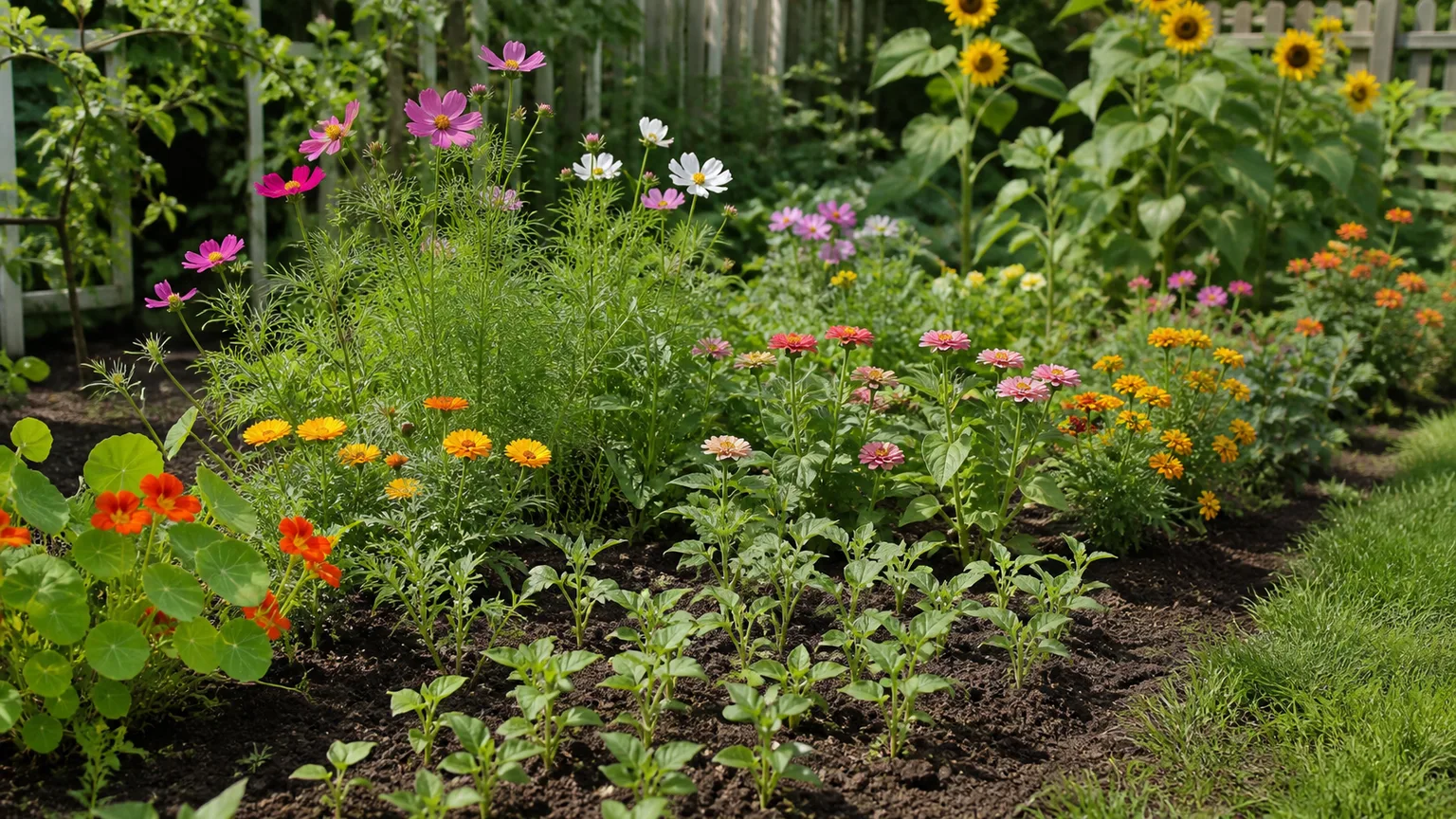
The easiest flowers to grow from seed are not necessarily the rarest or most spectacular varieties. They are the ones that match your season, light, and patience: zinnias and marigolds for quick warm-weather color, calendula and bachelor’s buttons for cool-season sowing, and a few perennials that reward you more generously in their second year.
The practical shortcut is to decide where the seed will grow, when the soil will be suitable, and how soon you need flowers before choosing a packet. The 14 flowers below cover direct-sown annuals, flowers worth starting indoors, self-sowers, and perennials that need a longer runway.
Pick the right flowers by your space and patience
Start with light. A bed that receives at least six hours of direct sun gives you the widest choice, including zinnias, cosmos, marigolds, sunflowers, nasturtiums, and moss rose. If your space gets bright morning sun and afternoon shade, calendula, columbine, sweet alyssum, and four o’clocks are more forgiving choices than a tall sunflower or a heat-loving zinnia.
Next, choose your bloom deadline. Annuals such as zinnias, cosmos, marigolds, sunflowers, nasturtiums, sweet peas, and morning glories usually grow, flower, and finish in one season. Perennials such as columbine and Shasta daisies may be just as easy to germinate, but they often spend the first season building roots and leaves rather than producing a full display.
Finally, consider the shape of the space. A cutting patch benefits from long-stemmed zinnias, cosmos, sunflowers, and sweet peas. A front edge suits sweet alyssum, calendula, or moss rose. Trellises make morning glories and sweet peas useful in small gardens, while four o’clocks can fill a warm corner with late-day fragrance.
Direct sowing vs. starting indoors
Direct sowing means placing seed where the plant will live. It is usually the least complicated option: no grow light, no transplant shock, and no need to harden off a tray. Colorado State University Extension describes direct planting in beds or outdoor containers as a standard way to grow annuals, while Penn State Extension notes that indoor starting is most useful when you want earlier flowers or need to give slow-growing varieties a head start.
Choose direct sowing for large seeds, quick annuals, plants that dislike root disturbance, and any situation where you lack bright indoor space. Sunflowers, nasturtiums, zinnias, cosmos, marigolds, and moss rose are strong candidates; Planet Natural’s direct-sowing guide likewise highlights quick annuals such as cosmos, zinnias, and marigolds for borders. Choose indoor starting when your growing season is short, your spring soil warms slowly, or you want flowers ready earlier than direct sowing can provide.
Indoor starting is not automatically faster. Seedlings started too early can become tall, pale, and weak before outdoor conditions are safe. A small, stocky plant sown at the right time will usually catch up to an overgrown seedling that spent six weeks reaching toward a dim window.
Use frost dates, not a calendar shortcut
Use your local average last frost date as the anchor for spring sowing. The date is an average, not a guarantee, so read the seed packet for whether a flower prefers cool soil, warm soil, or a start indoors. Penn State Extension recommends counting backward from the planting date for indoor sowing, while Colorado State Extension lists roughly four to eight weeks before the local frost-free date for many annuals.
As a simple rule, sow cool-tolerant flowers such as calendula, bachelor’s buttons, and sweet alyssum a few weeks before or around the last frost when the packet allows it. Wait until the danger of frost has passed and the soil is warming for tender flowers such as zinnias, marigolds, cosmos, sunflowers, nasturtiums, morning glories, four o’clocks, and moss rose. In a hot climate, the opposite problem matters: spring flowers may fade when summer nights stay warm, so sow in fall or late winter when your local climate permits.
The seed-starting method that prevents most failures
Most disappointing seed trays fail for a small number of reasons: the seed was buried too deeply, the surface dried out, the mix stayed waterlogged, or the seedlings did not receive enough light after emergence. Fix those four variables before buying another packet.
For outdoor beds, remove weeds, break up large clods, and rake a fine, level surface. Moisten the bed before sowing so you do not have to blast dry soil with a hose afterward. Place seeds at the depth on the packet; as a general rule, cover them no more than about two to four times their diameter. Some tiny seeds need light and should be pressed onto the surface or covered only with a dusting of mix.
Firm the soil gently over the seed so it makes contact with moisture, then water with a fine rose or mist. Keep the top layer consistently damp until germination, but do not turn the seedbed into mud. A light fabric cover can slow evaporation and prevent rain from moving seeds, but remove it as soon as seedlings appear so they receive light and do not stretch. Penn State Extension describes the same balance: protect the seedbed from drying or crusting, then uncover promptly after emergence.
For indoor sowing, use a clean container with drainage holes and a fine seed-starting mix. Cover a tray with a clear dome or loose plastic only until germination; once green shoots appear, uncover it and move the seedlings into bright light. Colorado State University Extension warns that even a sunny window may not provide enough light for vigorous growth, so a simple timer-controlled grow light can be more reliable than a warm, dim windowsill.
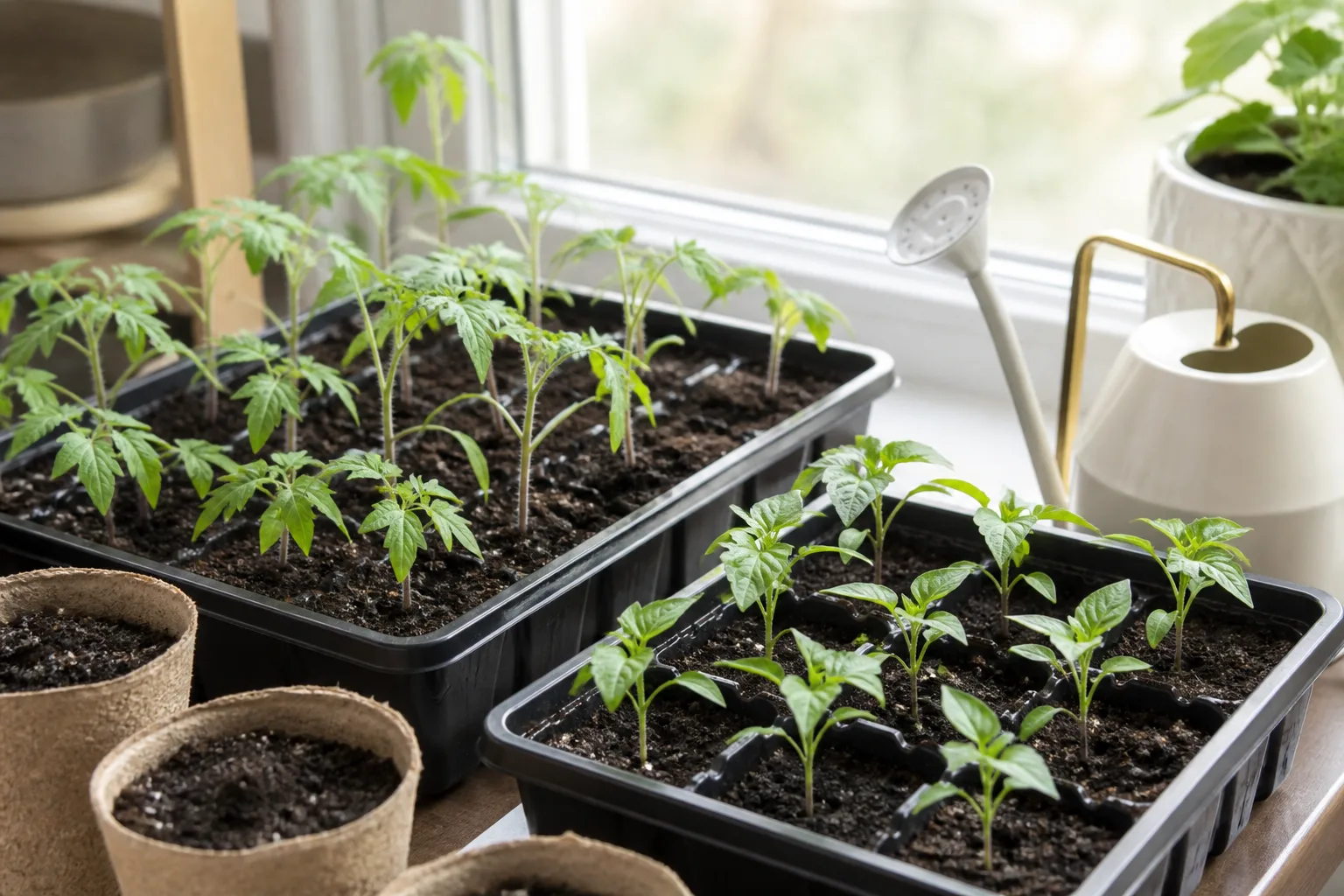
When the first true leaves appear above the rounded seed leaves, thin crowded seedlings. Snip unwanted sprouts at the soil line rather than pulling them and disturbing the roots of the seedling you are keeping. Montana State University Extension recommends moving seedlings outdoors gradually over one to two weeks, a useful buffer when your indoor light and outdoor sun are very different. Before planting indoor seedlings outside, harden them off by increasing outdoor exposure gradually for about a week or two, protecting them from harsh sun, strong wind, and cold nights at first.
14 flowers at a glance
| Flower | Best sowing route | Light | What makes it easy | Watch-out |
|---|---|---|---|---|
| Zinnia | Direct sow after frost; indoor start optional | Full sun | Fast, colorful, long-blooming annual | Crowding can reduce airflow |
| Cosmos | Direct sow after frost; indoor start optional | Full sun | Handles average or lean soil | Tall stems may need shelter |
| Marigold | Direct sow after frost or start indoors | Full sun | Forgiving and prolific | Heavy shade reduces flowers |
| Sunflower | Direct sow after frost | Full sun | Large seed and clear growth habit | Wind and birds can damage plants |
| Nasturtium | Direct sow after frost | Sun to light shade | Large seed; poor soil is acceptable | Rich soil favors leaves over flowers |
| Calendula | Direct sow in cool weather | Sun to part shade | Cool-season color and easy reseeding | Heat can stop flowering |
| Sweet alyssum | Direct sow or start indoors | Sun to part shade | Small, fragrant edging plant | May decline in intense heat |
| Bachelor’s button | Direct sow in cool weather | Full sun | Tough annual and good cut flower | Can self-sow heavily |
| Columbine | Direct sow or start after a cold period | Sun to part shade | Perennial that can naturalize | Often blooms better in year two |
| Morning glory | Direct sow after frost or start indoors | Full sun | Vigorous climber from large seed | Needs support and can spread |
| Moss rose | Direct sow after frost | Full sun | Drought-tolerant ground cover | Needs sharp drainage |
| Four o’clock | Direct sow after frost | Sun to part shade | Large seed and fragrant late blooms | Tender in cold climates |
| Sweet pea | Direct sow in cool weather or start indoors | Full sun | Fragrant cut flowers and easy germination | Heat shortens its season |
| Shasta daisy | Start indoors or direct sow with patience | Full sun | Reliable perennial once established | First-year flowering is not guaranteed |
Sun-loving annuals that reward direct sowing
These are the best first choices for a sunny bed, cutting garden, or large container. They generally prefer warmth, and most are happier when their roots grow undisturbed in the place where they will flower.
Zinnias
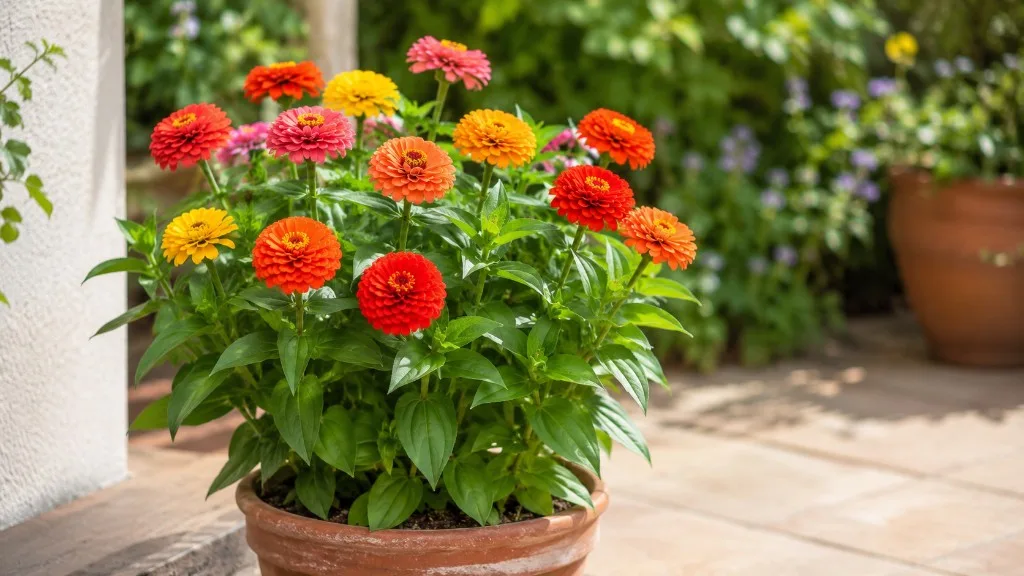
Zinnias (Zinnia elegans and related hybrids) are the classic beginner flower because they combine fast growth, bold color, and a long cutting season. Sow them directly after the last frost when the soil is warm, or start them indoors about four to six weeks early if you have strong light and want the first flowers sooner.
Give zinnias full sun, good drainage, and enough space for air to move through the foliage. The seed packet’s mature width matters more than the seedling’s tiny size; crowded zinnias can become floppy and are more likely to develop foliar problems. Once the first flush begins, cut flowers often to encourage branching, and sow a second short row a few weeks after the first for a steadier supply.
Cosmos and marigolds
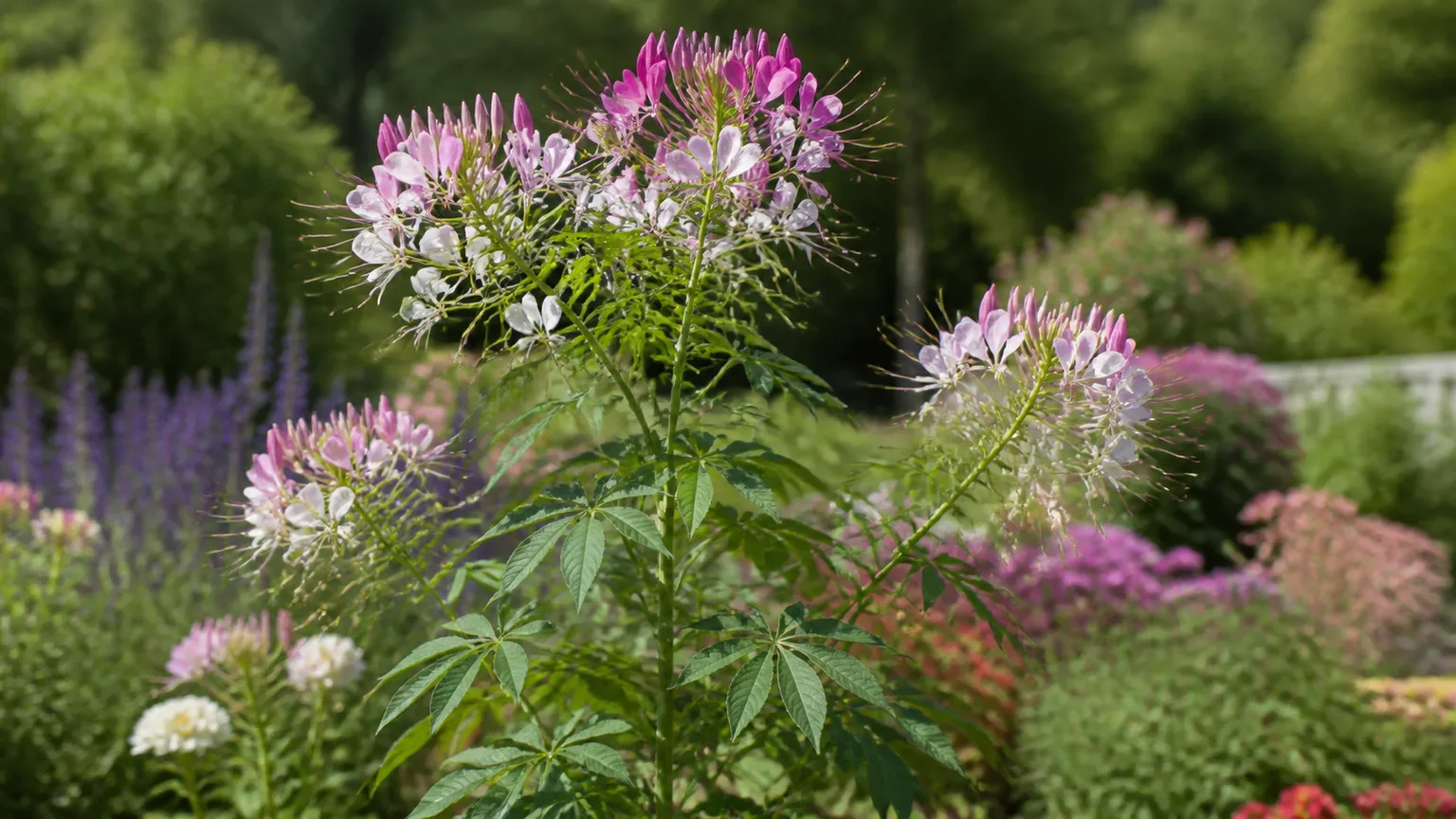
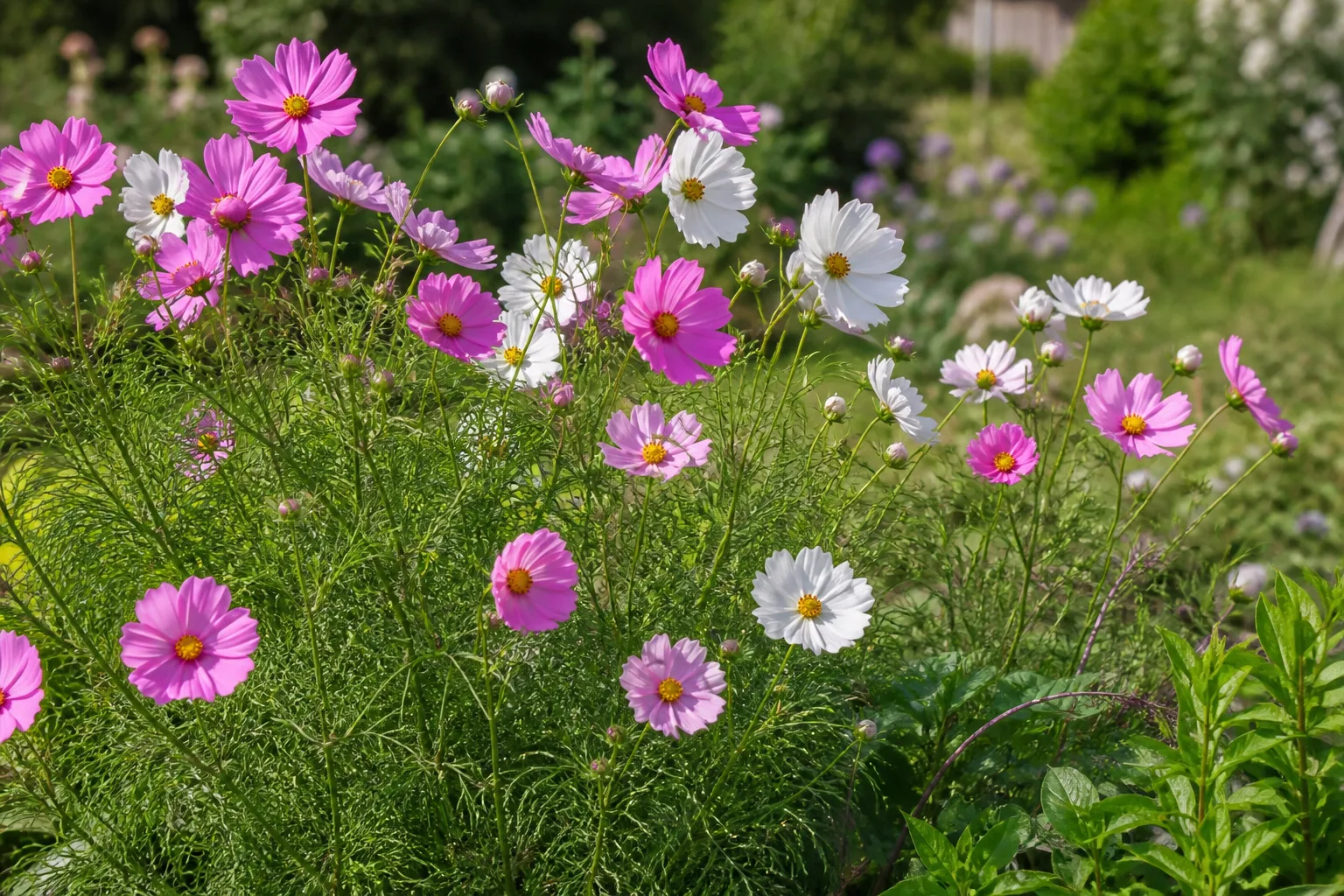
Cosmos (Cosmos bipinnatus and C. sulphureus) are airy, tall, and unusually tolerant of average soil. Direct sow after frost, covering the seed lightly, or start indoors only four to five weeks before planting out. Savvy Gardening’s practical cosmos guide also cautions against starting too early and against heavy feeding: excess nitrogen can produce tall foliage at the expense of flowers.
Cosmos are useful at the back of a bed or in a cutting patch, but choose a sheltered position if your garden is windy. Water the seedbed reliably until plants are established, then let the soil dry slightly between deep waterings. Leave a few spent heads if you want volunteer seedlings next year; remove them if you want a tidier, more predictable bed.
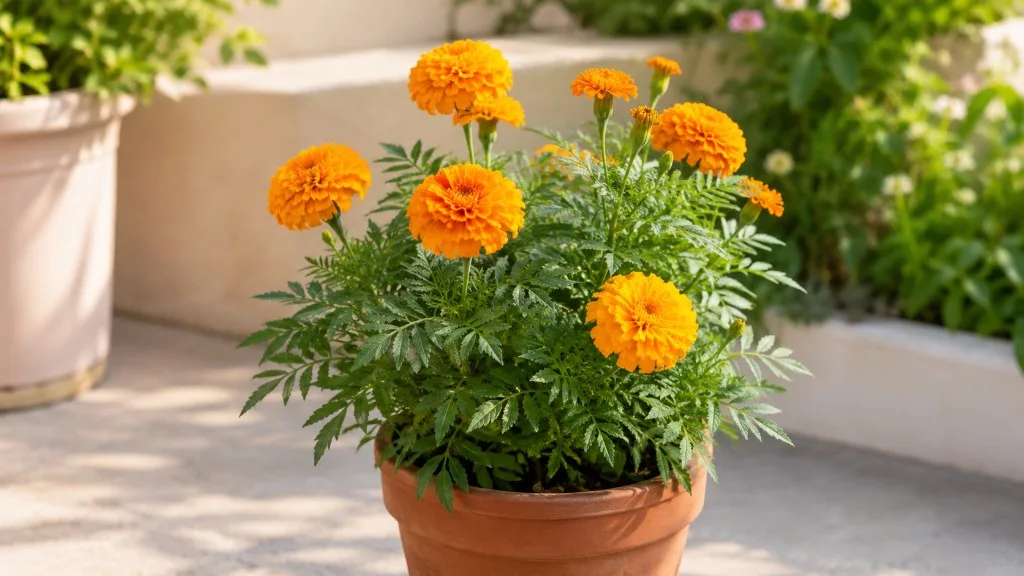
Marigolds (Tagetes spp.) are compact, sunny workhorses that flower from summer toward frost. French marigolds are useful for edging and containers, while African types may become tall enough for the middle or back of a bed. Sow after frost or start indoors four to six weeks earlier, and transplant only after the seedlings have been acclimated to outdoor light.
Marigolds tolerate ordinary soil but still need drainage and regular moisture while young. Remove faded flower heads if you want a tidier plant and more continuous color. If a hot spell pauses flowering, keep the root zone evenly moist and wait rather than adding a heavy dose of fertilizer.
Sunflowers and nasturtiums
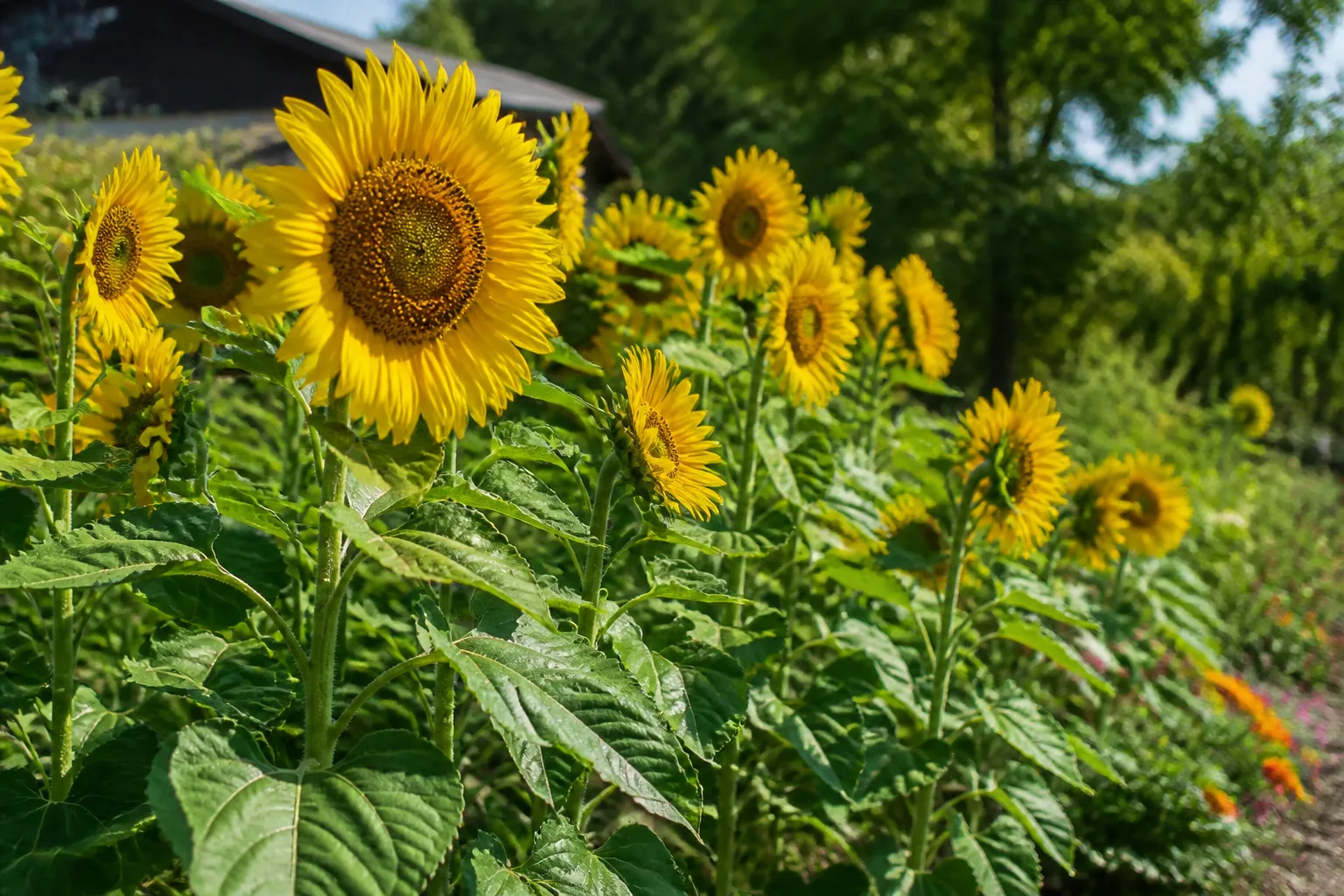
Sunflowers (Helianthus annuus) are satisfying because the seed is easy to handle and the growth is obvious from the first week. Direct sow after frost, placing the seed at the packet depth in a site with full sun. Indoor starting rarely buys much time for standard sunflowers and can produce root-bound seedlings, so direct sowing is usually the simpler route.
Choose a dwarf variety for a pot or exposed balcony, and give tall varieties a place where they will not shade smaller flowers. Protect young seedlings from birds, and shelter tall plants from strong winds with a fence or sturdy support. Leave selected flower heads to mature if you want seed for birds or next year’s sowing, but cover them when the seeds begin to fill if birds beat you to the harvest.
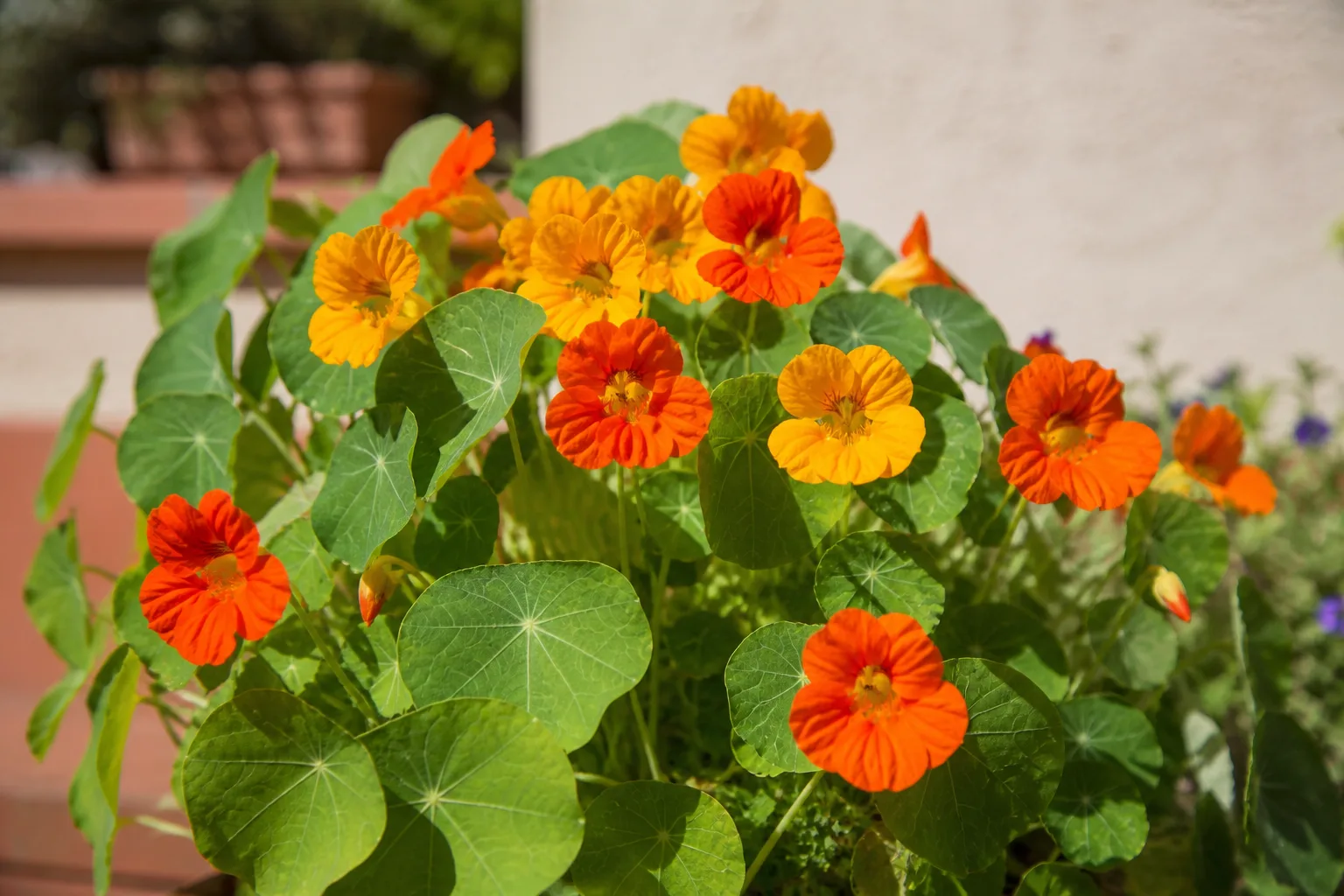
Nasturtiums (Tropaeolum majus) are among the easiest large seeds to sow. Put them directly where they will grow after frost, because their roots dislike unnecessary disturbance. They flower in full sun or light shade and tolerate lean soil; a rich, heavily fertilized bed often produces a mass of leaves with fewer flowers.
Use trailing nasturtiums over a wall or container edge and bush forms at the front of a bed. Water during prolonged dry weather, but let excess water drain freely. The leaves and flowers are edible in some culinary uses, but only eat plants grown without ornamental pesticides and identified correctly.
Cool-season flowers and easy self-sowers
These choices help a garden bridge the cool edges of the season. Some flower in spring or early summer, while others come back because they drop seed rather than because the original plant survives winter.
Calendula and sweet alyssum
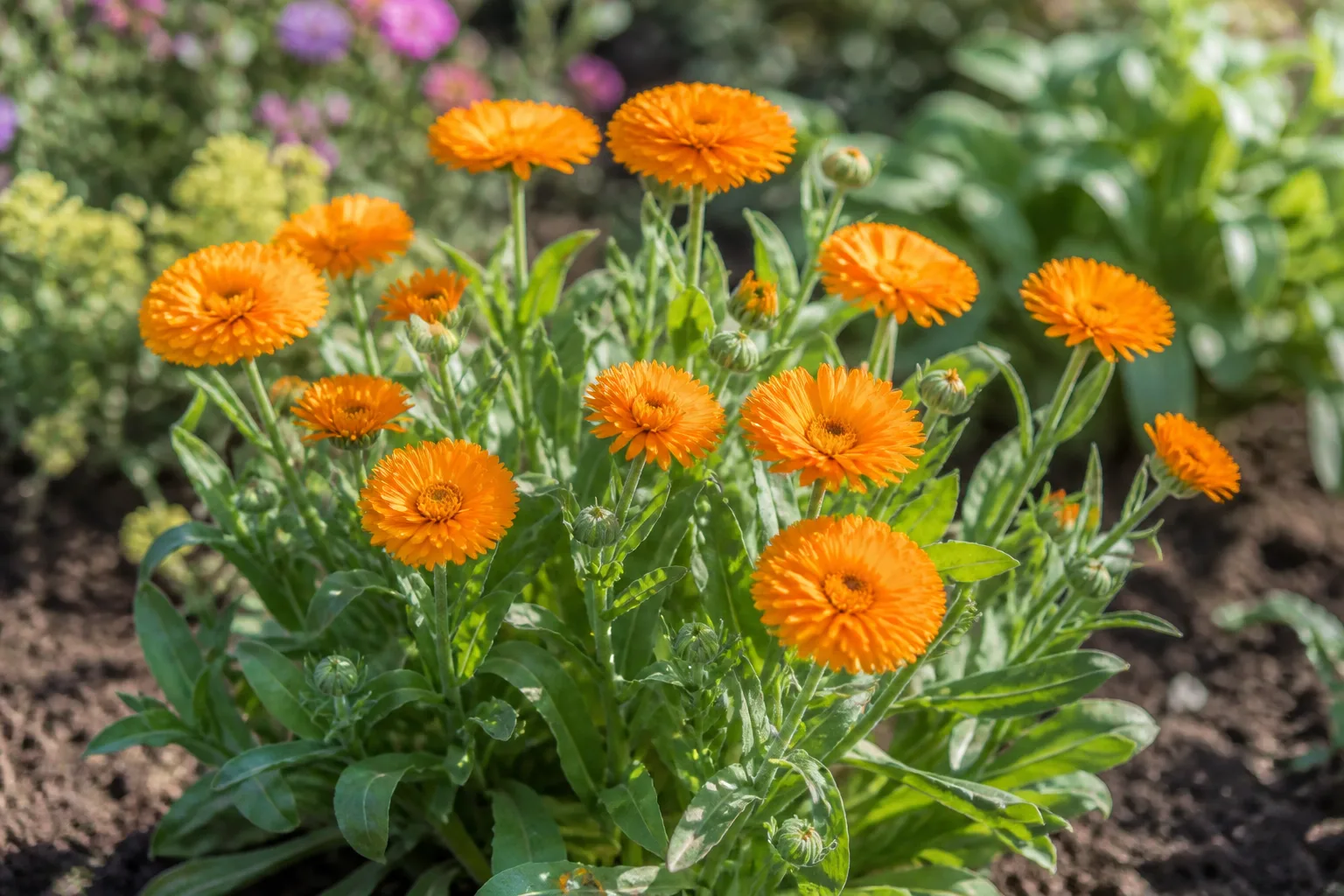
Calendula (Calendula officinalis) is a forgiving cool-season annual with yellow-to-orange flowers and a useful habit of reseeding in many gardens. Direct sow in early spring when the soil is workable, or sow in late summer or fall where your winters allow it. Cover the seed lightly and keep the surface damp until it emerges.
Calendula prefers sun to part shade and average, well-drained soil. It can slow down during hot weather, then resume when temperatures moderate. Deadhead for a tidier display, but leave a few seed heads if you want free volunteers; pull excess seedlings early while they are easy to identify and move.
Sweet alyssum (Lobularia maritima) makes a low edging plant with small, fragrant flowers. Sow it shallowly in cool weather, either directly in the garden or indoors where you can give the seedlings bright light. It is especially useful in containers, along paths, and around the base of taller flowers.
Do not judge alyssum by a midsummer pause. In hot regions it may decline, but cutting it back by about half and watering during dry weather can produce a fresh flush when temperatures ease. A late-summer sowing can also provide fall flowers in climates with a long autumn.
Bachelor’s buttons and columbine
Bachelor’s buttons, or cornflowers (Centaurea cyanus), are cool-tolerant annuals that are well suited to direct sowing. Place them in full sun and average, well-drained soil in early spring, or sow in fall in regions where young plants can overwinter safely. Their blue flowers are valuable in a cutting patch, and the plants need little beyond thinning and water during prolonged dry spells.
They can self-sow more readily than you expect. Let a few heads mature if you want that relaxed effect, but remove most of the seed heads before they scatter if the bed is small or formal. Thinning is important: a crowded stand may produce weak stems instead of the sturdy flower stalks you wanted.
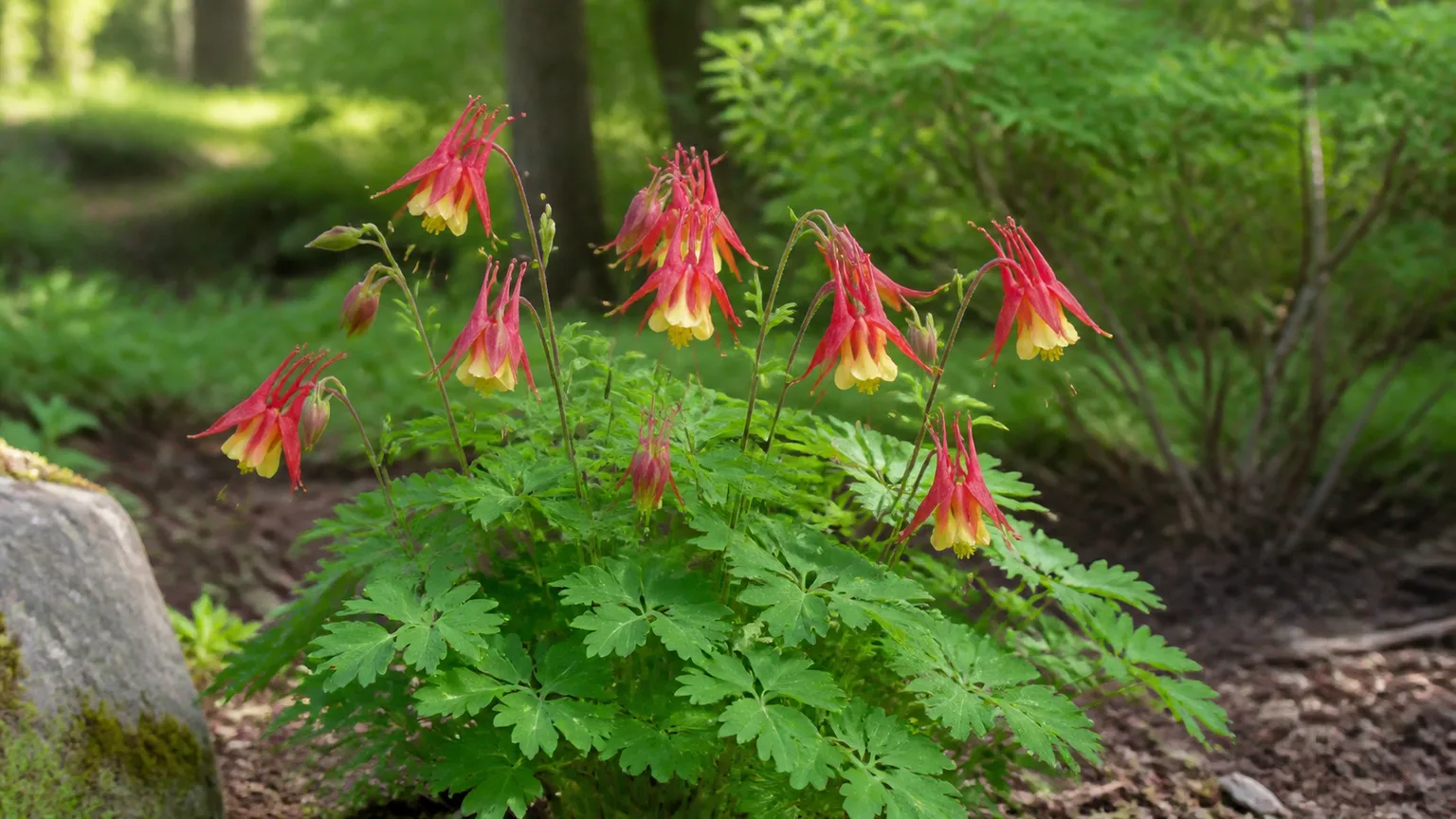
Columbine (Aquilegia spp.) is a perennial rather than a quick annual. It is still easy to grow if you accept a slower timetable. Many columbines germinate more reliably after a cold, moist period, so follow the packet’s stratification instructions or sow outdoors in fall and let winter provide the temperature change.
Press the seed into the surface or cover it only lightly, then keep the area marked so you do not weed out the seedlings. Columbine handles sun to part shade but dislikes a soggy planting site. Expect the strongest flowering display after the plants have had time to establish, and allow a few seed capsules to mature if you want new color combinations from volunteer seedlings.
Climbers, ground covers, and afternoon bloomers
The remaining flowers solve specific garden jobs rather than simply filling a sunny bed. They climb, trail, cover hot soil, open late in the day, or provide perennial structure.
Morning glories and sweet peas
Morning glories (Ipomoea purpurea) are vigorous annual vines that can take a while to flower when direct sown in cool soil. Plant after frost in a warm, sunny spot, and put the trellis, arbor, or strings in place before the vines start searching for support. If you want earlier flowers, start them indoors about four to six weeks before the last frost, but transplant gently and do not let the roots become badly tangled.
Give morning glories room to climb and keep an eye on volunteer seedlings in warm climates. Their speed is the appeal, but it is also the reason they can cover a small support faster than expected. Water consistently while they establish, then avoid keeping the bed constantly wet.
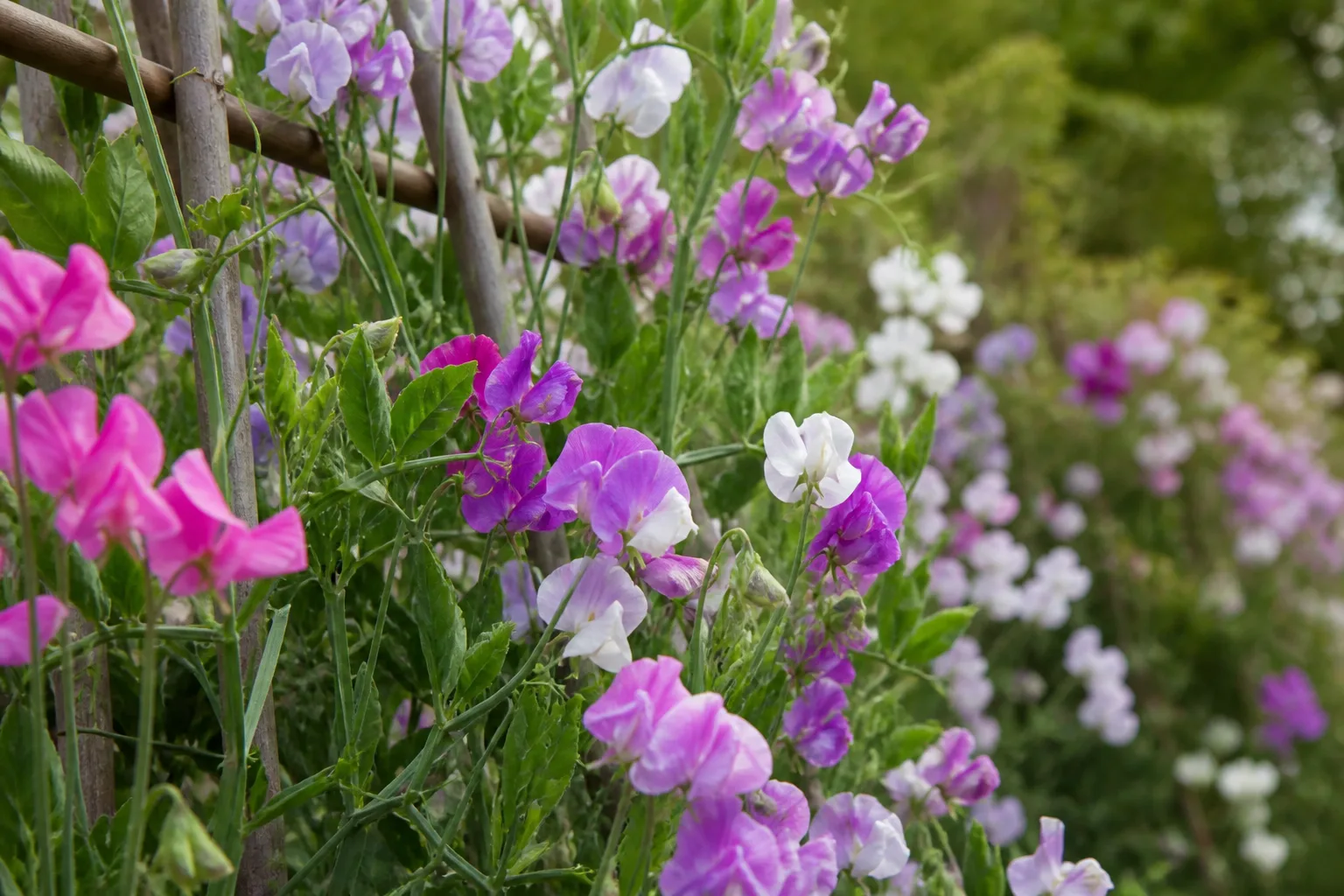
Sweet peas (Lathyrus odoratus) prefer the opposite seasonal strategy: sow them while the weather and soil are cool. Direct sow as soon as the ground can be worked in spring, or start them indoors in individual containers where the roots will not be disturbed. Give them a support from the start, keep the soil evenly moist, and harvest flowers frequently.
Sweet peas often fade when summer heat and humidity arrive. In a hot climate, treat them as a short, fragrant spring display rather than trying to force a midsummer crop. In mild climates, fall sowing can produce an earlier spring harvest if the seed packet and local conditions support it.
Moss rose, four o’clocks, and Shasta daisies
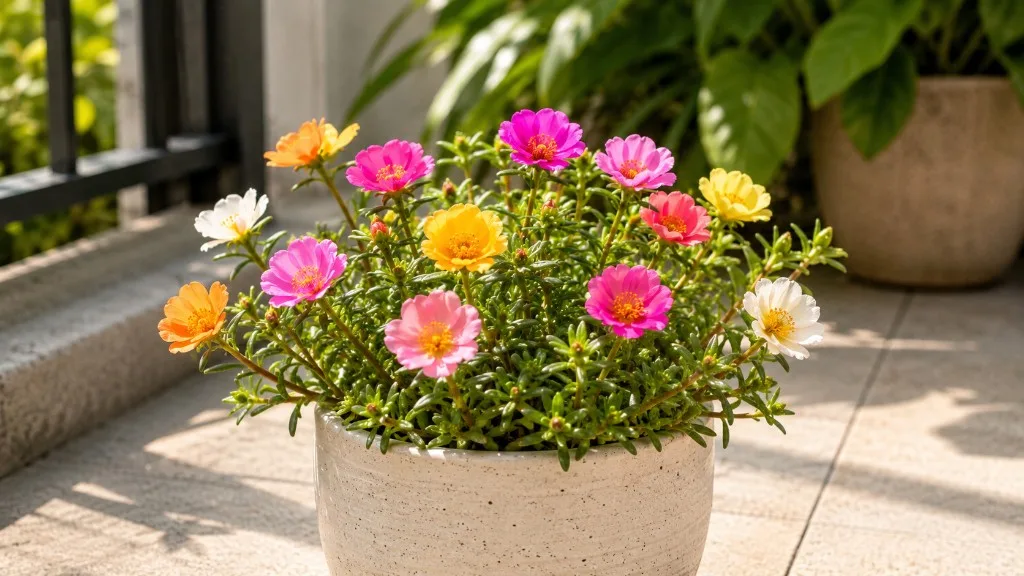
Moss rose (Portulaca grandiflora) is a strong choice for hot, dry, sunny spots. Direct sow after frost in sharply drained soil, and cover the tiny seed only lightly because it needs a shallow placement. Once established, it tolerates dry spells better than most flowers on this list, but it will not forgive a low spot that stays wet after rain.
Use moss rose in rock gardens, edging, window boxes, or shallow containers with drainage holes. Its flowers open most fully in bright light and may close on cloudy days. Avoid overwatering in the name of care; letting the surface dry between waterings is part of what keeps this plant compact and floriferous.
Four o’clocks (Mirabilis jalapa) are tender perennials in warm climates and annuals elsewhere. Their large seeds are simple to handle, and you can direct sow them after frost in sun to part shade. The trumpet-shaped flowers open in the afternoon and often carry a noticeable fragrance, making them useful near a patio or evening seating area.
Keep the soil evenly moist while four o’clocks establish, especially during a dry stretch. In warm regions they may self-sow or return from underground storage roots, so choose a location where that vigor is welcome. In cold regions, do not mistake a frost-killed top for a care failure; the plant is simply being grown as a tender annual.
Shasta daisies (Leucanthemum × superbum) are perennial flowers for gardeners who can wait. Sow indoors or outdoors according to the packet, give them full sun and well-drained soil, and expect the first year to focus more on roots and foliage than on a large flower show.
Once established, Shasta daisies make dependable border and cutting plants. Remove faded flowers to encourage more buds, and divide mature clumps later if they become crowded. They are “easy” because they settle into a long-term spot, not because a spring seed packet guarantees instant summer flowers.
Keep a seed-grown bed blooming
Thin seedlings early enough that each plant has room for its mature width. Montana State University Extension links adequate spacing with sturdier, fuller annuals, while Penn State Extension emphasizes that crowding can increase disease pressure and competition. If you cannot identify the seedlings yet, mark the rows when you sow and use the packet’s mature height and width as your spacing guide.
Water by the stage of growth. Until germination, keep the surface consistently damp with a gentle spray. After seedlings have true leaves, water more deeply and less frequently, allowing the upper surface to dry slightly between waterings for plants that prefer drier soil. Infrequent, deep watering is especially useful once roots are established, but containers and hot, windy sites may need checking every day.
Deadhead annuals that flower continuously, especially zinnias, marigolds, cosmos, calendula, and sweet alyssum. For a longer season, sow short rows in succession rather than planting every seed on one day. For a self-sowing garden, leave selected flowers such as cosmos, calendula, bachelor’s buttons, four o’clocks, or columbine to make seed while removing the rest; Montana State University Extension lists several of these as annuals that can reseed in a garden, sometimes more freely than intended.
Feed lightly unless a soil test or visible deficiency gives you a reason to do more. Many easy annuals flower well in ordinary soil, and excessive nitrogen can favor leaves over buds. If plants are pale, stalled, or unusually small, check light, root competition, drainage, and moisture before reaching for fertilizer.
Troubleshoot seedlings before you start over
When a row fails, inspect the pattern. If nothing emerges and the soil stayed wet, suspect rot or seed planted too deeply. If the surface dried soon after sowing, the seeds may have started and died before you noticed. If seedlings appear in patches, uneven seed depth, crusted soil, or water runoff may be the cause.
Tall, thin seedlings usually point to insufficient light, excessive warmth, crowding, or an indoor start that began too early. Move the light closer according to the fixture’s instructions, increase airflow, thin the tray, and reduce heat if the species is cool-season. Do not bury a stretched stem deeply unless the packet or species guidance supports it; correcting the light is the durable fix.
If seedlings topple at the soil line, improve drainage and airflow and avoid keeping the mix constantly saturated. If only the outer seedlings scorch after transplanting, the problem is usually abrupt exposure rather than bad seed. Shade them lightly for the first few days, keep the root zone evenly moist, and harden future trays off more gradually.
Finally, distinguish a slow perennial from a failed annual. Columbine and Shasta daisy may be healthy while producing little or no first-year bloom, whereas a warm-season annual that has made only leaves after the expected window may be too shaded, overfed, crowded, or sown outside its temperature range. Compare the plant’s stage with the packet before you decide to re-sow.
Conclusion
For the quickest, lowest-equipment success, direct sow zinnias, cosmos, marigolds, sunflowers, nasturtiums, or moss rose after the soil warms. For cool-season color, choose calendula, sweet alyssum, or bachelor’s buttons. Add columbine and Shasta daisies when you want perennials and can accept a longer wait, and use morning glories, sweet peas, four o’clocks, or trailing nasturtiums to solve a specific space or timing problem.
The reliable sequence is simple: match the flower to the light, use the frost date as your timing anchor, sow at the packet depth, keep the seedbed gently moist, thin as soon as seedlings crowd, and harden off anything raised indoors. Once you stop treating every seed packet the same way, growing flowers from seed becomes less of a gamble and more of a repeatable garden routine.