How Long Does It Take for Seeds to Sprout?
Waiting on sprouts? See typical germination times by crop, soil-temperature targets, moisture rules, dormancy tricks, and when old seed—not patience—is the problem.
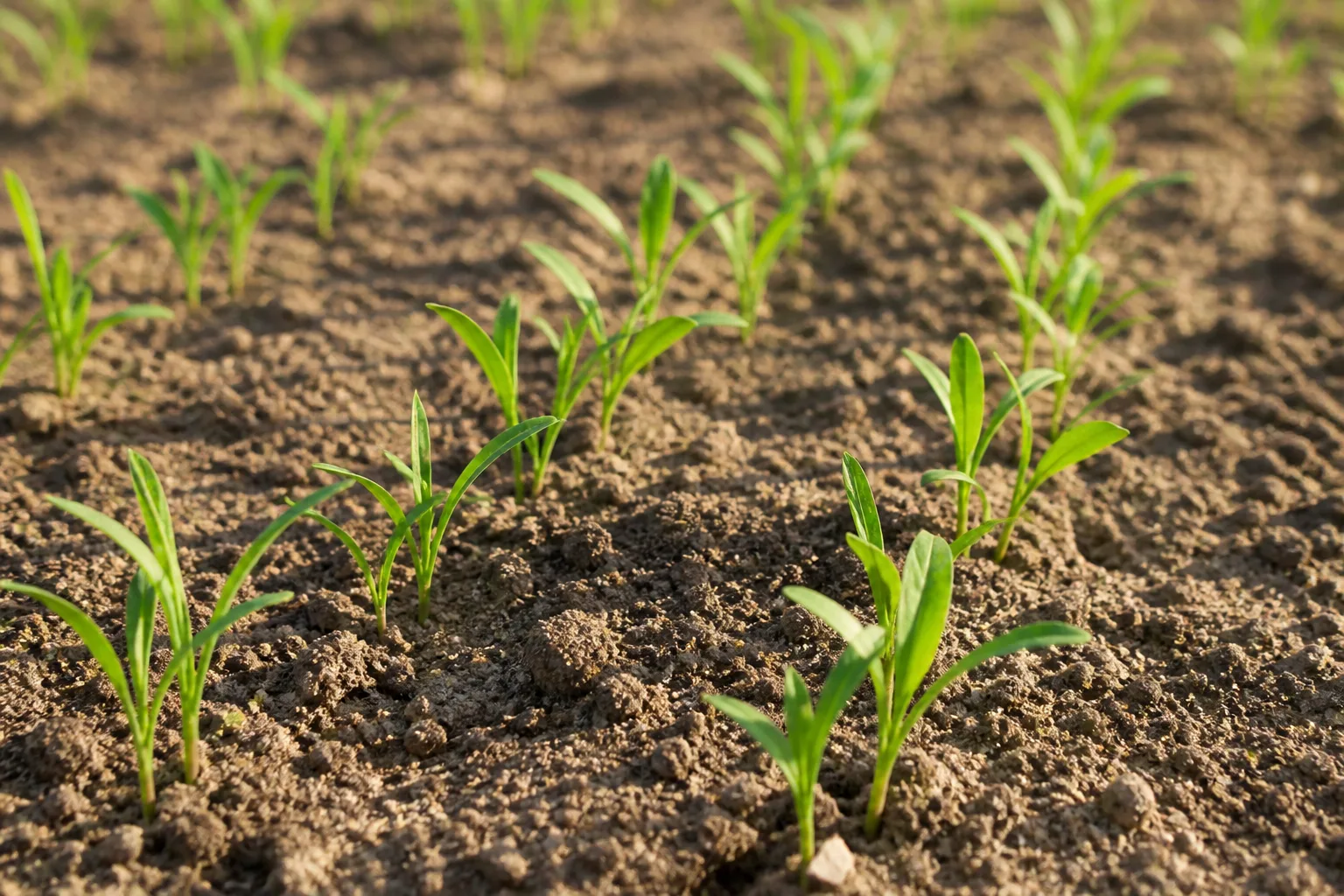
You planted on schedule. You kept the tray moist. You checked every morning—and still see bare soil. That gap between sowing and the first green loop is where most seed-starting anxiety lives. Most garden vegetable and flower seeds sprout within 3 to 14 days when soil temperature, moisture, oxygen, and planting depth are right. A handful pop in 48 hours; peppers, parsley, rosemary, and many native perennials can honestly need three weeks or longer even when you did nothing wrong.
The goal here is not a single magic number. It is a realistic timeline for your crop plus the variables that stretch or shrink it—so you know when to keep waiting and when to fix temperature, moisture, depth, dormancy, or seed age before you toss a good packet.
What “Normal” Germination Timelines Look Like
Seed packets list days to germination for a reason: species differ more than beginners expect. Under ideal conditions—warm soil, even moisture, correct depth—many common crops emerge quickly. Outside that window, germination slows dramatically or stops until conditions improve.
| Category | Typical emergence (ideal conditions) | Examples |
|---|---|---|
| Very fast | 2–5 days | Radish, turnip, lettuce, bean, pea |
| Fast | 5–10 days | Tomato, cucumber, basil, marigold, zinnia, cosmos |
| Moderate | 10–14 days | Pepper, eggplant, carrot, beet, parsley |
| Slow | 14–30+ days | Celery, leek, parsnip, rosemary, thyme, lavender, many natives |
Those ranges come from field and lab germination work summarized in extension references such as the Iowa State germination requirements chart for annuals and vegetables. Treat them as starting points. Cool soil, old seed, or a variety bred for patience can push you to the long end—or past it.
If you are choosing crops for a short season or a child’s first garden project, our guide to the easiest flowers to grow from seed highlights varieties that reward quick emergence when sown in the right window.
Fast Sprouts You Should See Within a Week
Fast germinators usually have thin or soft seed coats and warm-season or cool-season preferences that match typical spring soil. In soil near 70–75°F (21–24°C), expect roughly:
- Radish and turnip: often 3–6 days
- Lettuce: about 2–8 days in cool soil; faster when warm
- Beans and peas: roughly 6–10 days depending on type and soil warmth
- Cucumber and squash: about 4–10 days when soil is adequately warm
- Basil, cilantro, and dill: commonly 5–10 days indoors
- Marigolds, zinnias, cosmos, and sunflowers: often 5–14 days
These crops are forgiving teachers. If a radish row shows nothing after two weeks in warm, moist soil, the problem is almost never “radishes are slow.” Look at temperature, crusted soil surface, or seed depth first.
Direct-sown vs indoor starts change how the clock feels. Outdoor rows in still-cool April soil may take twice as long as the same lettuce sown in a 65°F tray under lights. That is normal—not a bad packet. When you transplant later, you skip the visible germination wait but inherit hardening-off time instead. Neither path is faster overall; they shift where the delay shows up.
Slow Seeds That Can Take Three Weeks or Longer
Slow germinators often carry hard coats, chemical dormancy, or a built-in wait for winter-like conditions. Plan extra patience for:
- Peppers and eggplant: commonly 8–21 days; cool trays can stretch toward three weeks
- Celery and celeriac: often 14–21 days even in good conditions
- Parsley and parsnips: frequently 14–28 days
- Rosemary, thyme, sage, and lavender: often 14–30 days or more
- Native perennials such as coneflower, milkweed, and many wildflowers: may need cold stratification before they sprout at all
Starting heat-lovers too early in winter is a separate mistake—see seeds you should not start in winter for calendar math on tomatoes, peppers, and cucurbits. Slow germination and wrong sowing month get confused easily; both produce empty cells, but the fix differs.
When a slow crop finally sprouts, resist the urge to celebrate with heavy feeding. Seedlings live on stored reserves until true leaves expand. Water and light come first; dilute fertilizer waits until the second set of true leaves in most cases.
What Happens Underground Before Anything Turns Green
Germination is not instant green. It is a sequence. Imbibition comes first: the dry seed absorbs water, swells, and activates enzymes that were shut down in storage. The radicle (first root) anchors and pulls in more moisture. Only then does the hypocotyl push the shoot upward. You see nothing until that shoot nears the surface—so a seed can be alive and busy for days before you get visual proof.
If the seed dries out mid-process, the partially hydrated embryo often dies. That is why “I watered once at planting” fails more often than overwatering fails in indoor trays. Consistency matters more than volume on day one.
Cotyledons—the first pair of seed leaves—are not true leaves. They unpack stored energy while the plant builds its first photosynthetic foliage. If cotyledons emerge but stay pale and stretched, the seed technically germinated; the seedling stage is now failing for lack of light or stable moisture. That distinction matters when you are deciding whether to re-sow or adjust care.
Why Some Seeds Need Light at Sowing Time
Most seeds germinate best in dark, warm, moist mix. A minority are light-dependent (photoblastic): they need exposure to activate germination. University of New Hampshire Extension lists examples including lettuce, celery, dill, petunia, snapdragon, and ageratum. For these, press seed onto the surface or cover with only a dusting of fine mix or vermiculite—never bury them like bean seed.
After emergence, light becomes non-negotiable for strong seedlings. Leggy, pale stems mean insufficient light or too much heat without photons. Indoors, that usually means a grow-light setup inches above the canopy, not a distant windowsill alone.
Soil Temperature Is the Biggest Speed Control
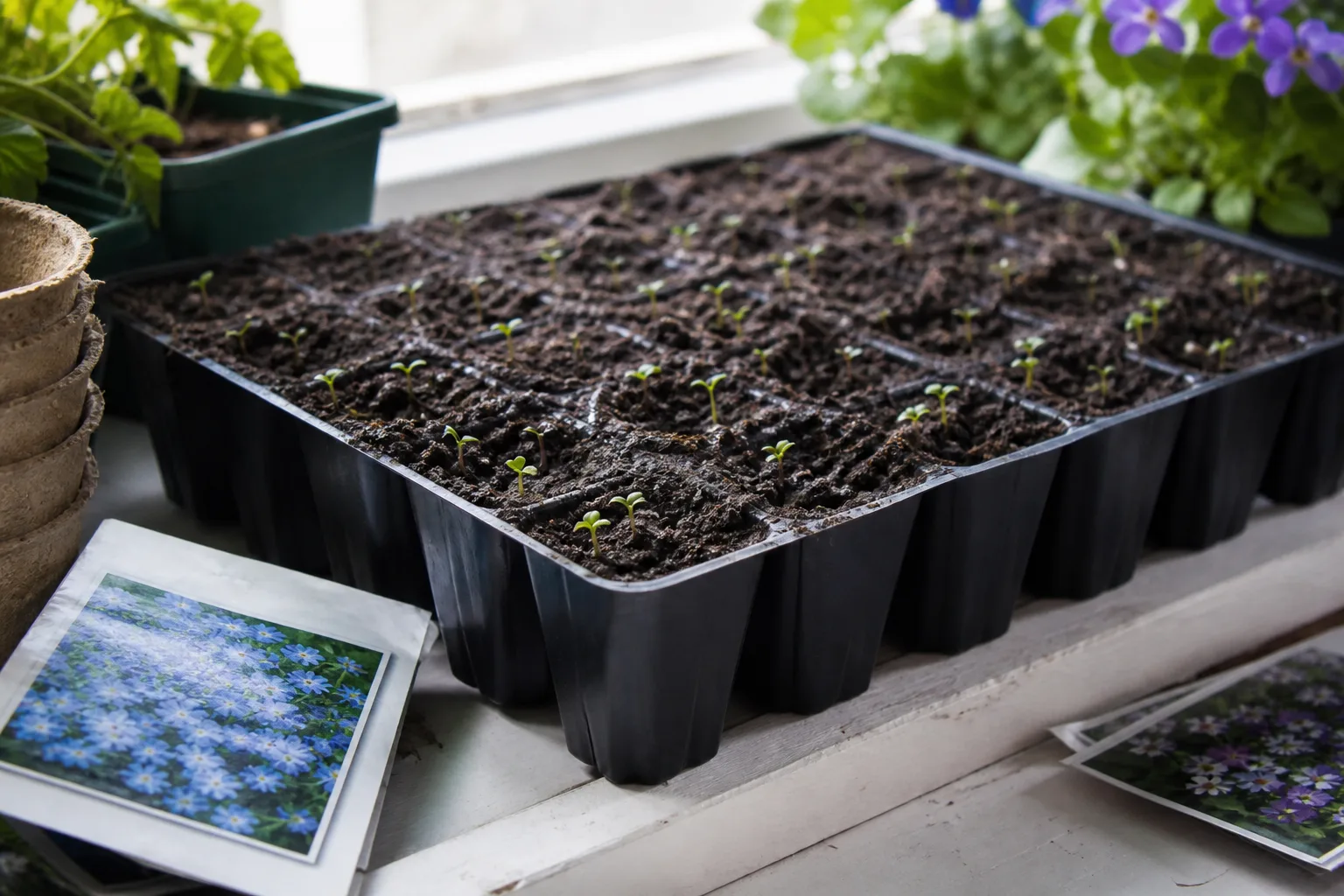
Air temperature on your thermostat lies to you. Soil temperature at seed depth controls speed. Every species has a minimum below which germination stalls, an optimum range where emergence is fastest, and a maximum above which seeds cook or go dormant.
Cool-season crops tolerate colder soil. Lettuce, spinach, peas, and onions can begin germinating in soil in the 40–50°F (4–10°C) range, though they emerge faster as soil warms. Warm-season crops—beans, corn, cucumbers, melons, peppers, and eggplant—generally want 60°F (16°C) minimum at planting depth, with 70–85°F (21–29°C) for best speed.
The contrast is stark. Tomato seed in 70°F soil may emerge in about a week; at 50°F, the same seed can take up to six weeks—or rot first. Peppers planted in a cool basement tray routinely sit three weeks before sprouting even with viable seed. A soil thermometer pushed 1–2 inches into the mix beats guessing from room air.
Cool-Season vs Warm-Season Germination Ranges
Use this quick decision aid when direct-sowing outdoors:
| Group | Examples | Practical soil temp at sowing |
|---|---|---|
| Cool-tolerant | Lettuce, spinach, kale, peas, radish | 45–65°F workable; faster toward 65°F |
| Moderate | Beet, carrot, onion, broccoli | Often 50–75°F; carrots slow in cold |
| Warm-required | Bean, corn, cucumber, squash | 60°F+ minimum; 70–85°F ideal |
| Heat-loving slow | Pepper, eggplant, basil | 70–85°F for reasonable speed |
Colorado State University Extension stresses matching crop to season: starting indoors too early without adequate light produces weak seedlings even if germination eventually occurs. Temperature and light work as a pair.
Practical Ways to Warm Soil Before You Sow
Outdoors: Wait until soil at 2-inch depth holds your crop’s minimum for several days—not one warm afternoon. Black plastic mulch, raised beds, and south-facing slopes warm faster than flat, shaded clay. For spring greens, see when to plant vegetables for frost-date alignment.
Indoors: Pre-moisten mix with lukewarm water. Set trays on a heat mat set to the packet range (often 70–75°F for tomatoes, slightly cooler for lettuce). The top of a refrigerator is a weak substitute—fine in a pinch, not reliable for finicky seed. Remove heat mats after most seedlings emerge to reduce damping-off risk in overheated, stagnant air.
Record the date you sowed and the soil temperature you measured. Next season that log beats memory when you wonder whether peppers were slow or the basement was cold.
Moisture and Oxygen: When Damping Off Wins the Race
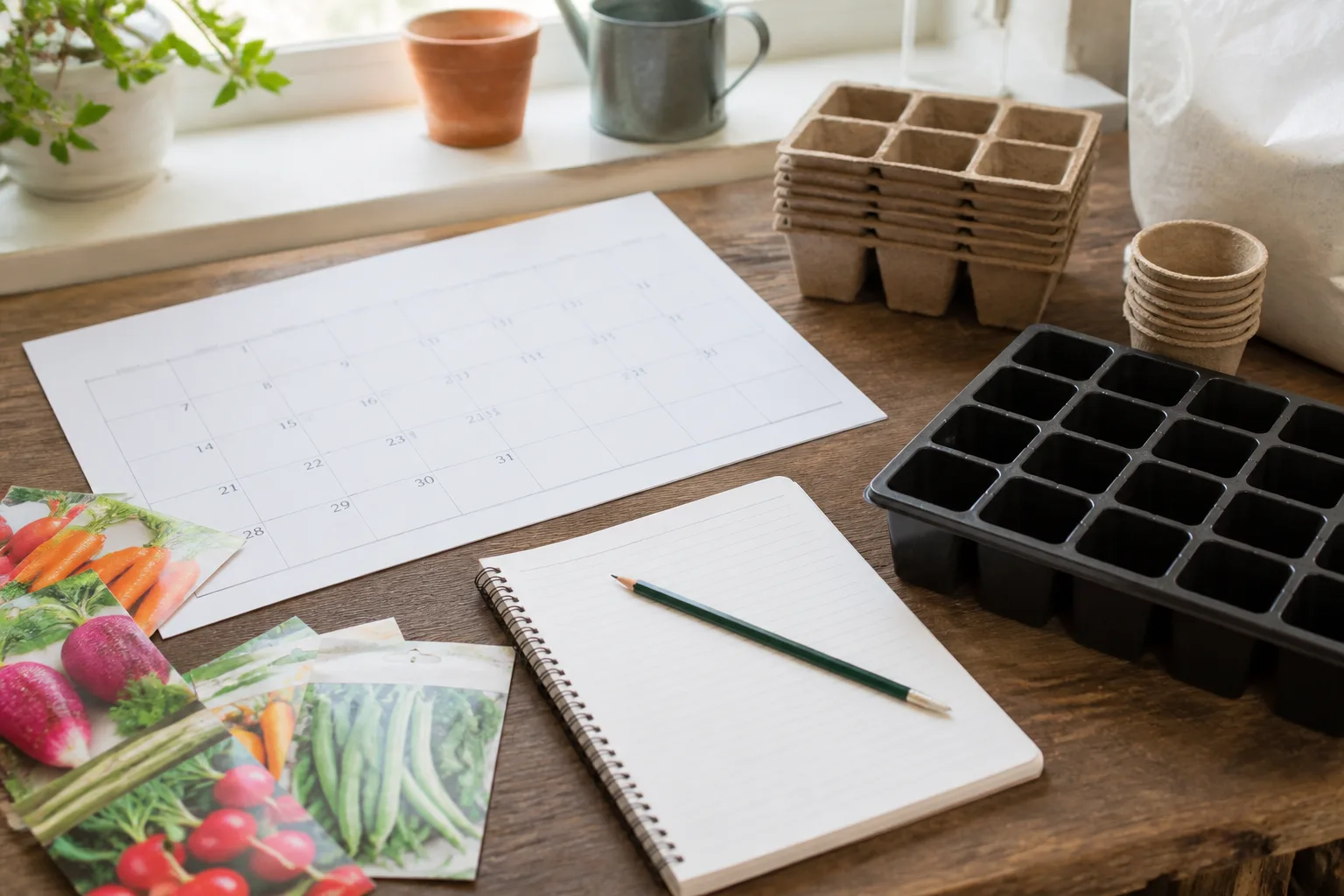
Seeds need continuous moisture from imbibition through emergence. They also need oxygen in the pore spaces around them. Waterlogged mix drives out air; fungi in overly wet, cool soil cause damping off—seedlings collapse at the soil line or fail before they break the surface.
The target feel is a wrung-out sponge: damp throughout, not dripping. Crusted dry surface on a seed-starting mix can strand a seedling that germinated but cannot push through a hard cap—common when trays dry out overnight beside a heating vent.
Humidity Domes, Bottom Watering, and Daily Checks
Humidity domes help hold moisture in dry indoor air. Vent them daily for an hour so mold does not build. Lift the dome once seedlings appear.
Bottom watering—setting a perforated tray inside a reservoir of water until the surface glistens—reduces dislodged seed and surface algae. Misting works for tiny surface-sown seed if you mist often enough without saturating.
Peat pellets and small cells dry faster than you expect. Check daily. One missed dry-down on day four can erase a perfect day-one soak.
Algae on the mix surface usually signals too much water and too little air movement—not necessarily dead seed. Scrape the green film lightly if needed, vent the dome longer, and let the top quarter-inch dry slightly before the next bottom-water session. Seeds below can still be viable.
Seed Age, Storage, and Viability
Variety sets baseline germination time; seed age sets success rate. All seed declines in viability, but rates differ by crop. Onion, parsnip, and many herb packets are often one-year seed in practice. Tomato, cucumber, and many brassicas commonly stay useful three to four years when stored cool and dry.
Old seed does not always sprout slower—it often sprouts less. Planting two or three seeds per cell compensates. If nothing emerges after double the packet’s days-to-germination at correct temperature and moisture, suspect age before you blame yourself.
Store opened packets in a cool, dark, dry place. A sealed jar in the refrigerator with silica gel beats a humid shed. Write the purchase year on the packet when you open it.
Hybrid vs open-pollinated labels do not change how long seed lasts, but pelleted or coated seed can dry differently—store those sealed as well. Leftover pelleted lettuce from last spring may germinate patchily even when raw seed from the same brand still performs.
Dormancy Treatments for Seeds That Refuse to Wake Up
Some viable seed will not germinate in warm moist mix because evolution built in dormancy. Two common types matter in home gardens.
Physical dormancy: waterproof coats (many legumes, some wildflowers). Water cannot enter until the coat is nicked, abraded, or softened.
Physiological dormancy: internal inhibitors that break down after cold, moist conditions mimicking winter—cold stratification—or after dry storage (afterripening).
Skipping required treatment produces the maddening result: “perfect” conditions, zero sprouts, year after year.
Cold Stratification and Winter Sowing
For seed that needs cold stratification—many native perennials, trees, and some herbs—mix seed with slightly moist sand, vermiculite, or paper towel in a labeled bag. Refrigerate (not freeze) for the weeks listed on the packet, often 4–12 weeks. Sow afterward at room temperature.
Winter sowing in ventilated milk jugs or cold frames outdoors achieves the same cycle naturally in cold climates: freeze-thaw and moist chill break dormancy before spring warmth. It is slower than a heat mat on tomatoes, but ideal for milkweed, coneflower, and many prairie species.
Label every bag with species, start date, and required weeks of chill. Mixing up stratification lengths is a common reason gardeners conclude a native packet is “dead” when it simply has not finished its cold cycle.
Scarification and Soaking for Tough Seed Coats
Scarification lightly damages hard coats so water enters. Methods include rubbing between sandpaper, nicking with a file, or a brief hot-water soak for species that specify it. Go gently—crush the embryo and nothing germinates.
Overnight soaking in room-temperature water helps beans, peas, and some large seeds. Do not soak small seed that drifts in clumps. Parsley and carrots generally do not benefit from long soaks; they need consistent moisture in place instead.
Planting Depth and Why Small Seed Hates Deep Soil
A workable rule: plant at roughly two to three times the seed’s diameter. Large beans and peas go deeper; dust-like petunia and lobelia stay on or just under the surface. UNH Extension notes that too-deep planting is a leading cause of failed emergence—the shoot exhausts stored energy before reaching light.
Heavy clay that crusts after watering punishes shallow seed. Cover fine seed with vermiculite or sifted mix instead of raw garden soil. Loose, sterile seed-starting mix—not garden dirt in indoor trays—reduces pathogens that kill seed before you see green.
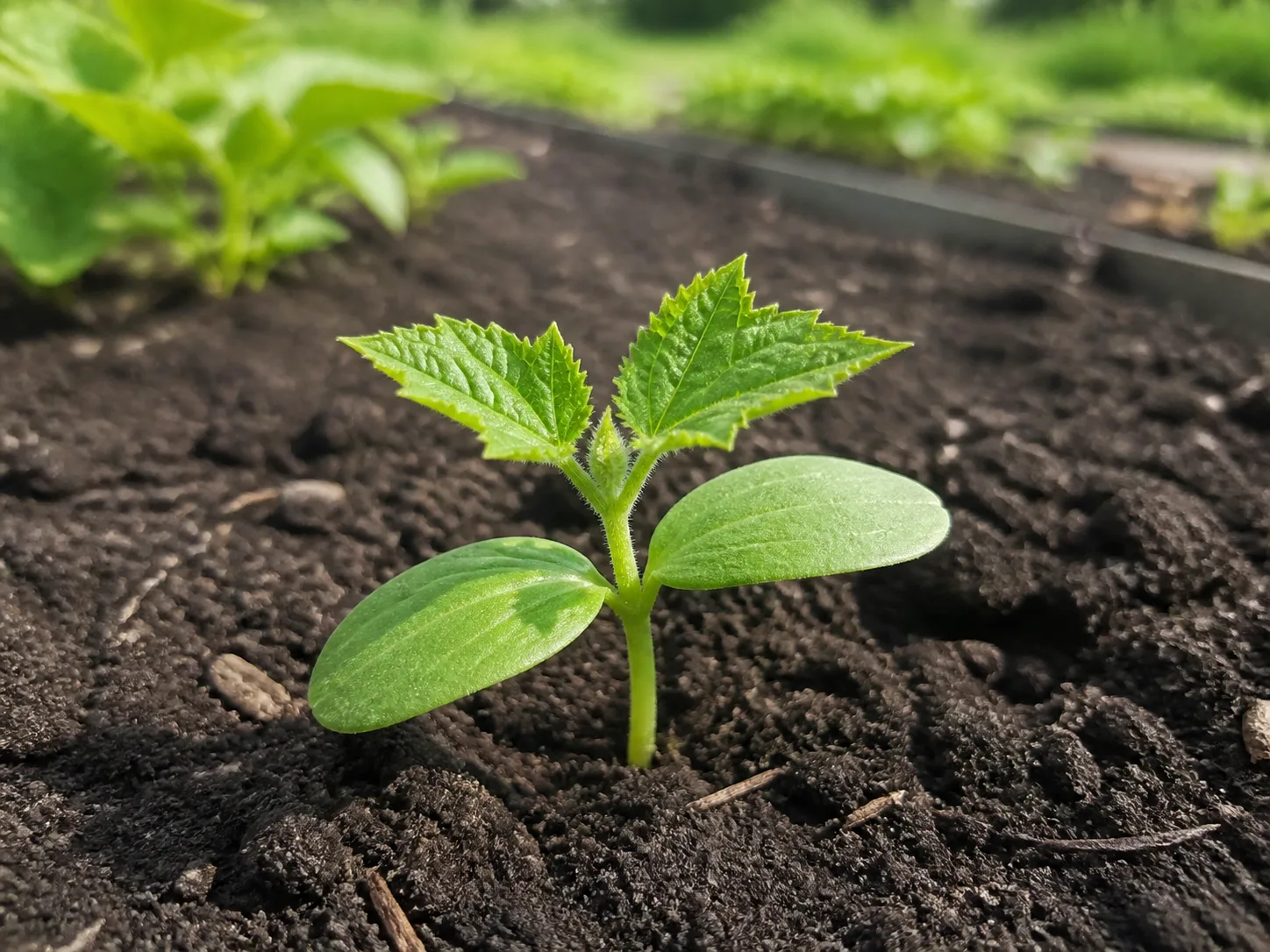
Our cucumber growing stages guide walks through what healthy emergence looks like once cotyledons unfold; the same cotyledon check applies across vegetables.
Is Something Wrong—or Are You Just Early?
Use packet days to germination as your clock. Add 50–100% more time for cool soil, marginal moisture, or older seed. Past that extended window at verified temperature, investigate.
Keep waiting when soil was borderline cool but is warming, moisture has been mostly steady, and the crop is known slow (pepper, parsley, perennial flower). Troubleshoot now when mix was soggy and smells sour, seed was buried too deep, light-lovers were covered, or the tray sat below 60°F for warm crops.
Birds and crust explain many outdoor “failures” where indoor duplicates sprouted fine. A light row cover held above soil until seedlings anchor can save a direct-sown row without cooking the seed in plastic laid directly on the bed.
| Symptom | Likely cause | First fix |
|---|---|---|
| No sprouts, cool tray | Temperature low | Heat mat; move to warmer room |
| No sprouts, wet algae on surface | Overwatering | Vent dome; bottom water less; fresh dry mix top layer |
| Sprouts then collapse | Damping off | Reduce water; improve air flow; thinner sowing |
| Patchy row outdoors | Crust or birds | Light mulch; shade until up; re-sow blanks |
| Nothing after months | Missing stratification | Cold-treat per packet; winter sow next year |
The Paper-Towel Viability Test
Before you blame conditions, test questionable seed. Moisten a paper towel, arrange 10–20 seeds from the packet (random, not only the plumpest), fold, seal in a bag, and hold at warm room temperature out of direct sun. Check at the packet’s germination window plus a few days.
Count sprouts with a root at least 1 inch long. Ten of twenty is 50% viability—sow thicker. Zero of twenty after double the normal time means buy fresh seed or try a different lot. Swollen seeds with no root yet deserve another 3–5 days before you call it.
Conclusion
How long seeds take to sprout is really two questions: what is normal for this species, and are you actually providing the temperature, moisture, oxygen, depth, and dormancy break it needs? Most vegetables and flowers show themselves within two weeks in warm, even conditions; slow herbs and peppers earn their reputation at three weeks; untreated native seed can look dead until stratification finishes the job.
Read the packet clock, measure soil temperature, keep mix consistently damp—not wet—and separate patience from problems. When the extended window passes, run a paper-towel test before you declare the batch a failure. Correct one variable at a time and the same packet often performs on the second try.