6 Seeds You Should Never Start in Winter
Six heat-loving seeds you should not start in winter—and the frost-date math that tells you exactly when to sow tomatoes, beans, cucurbits, and annual flowers instead.
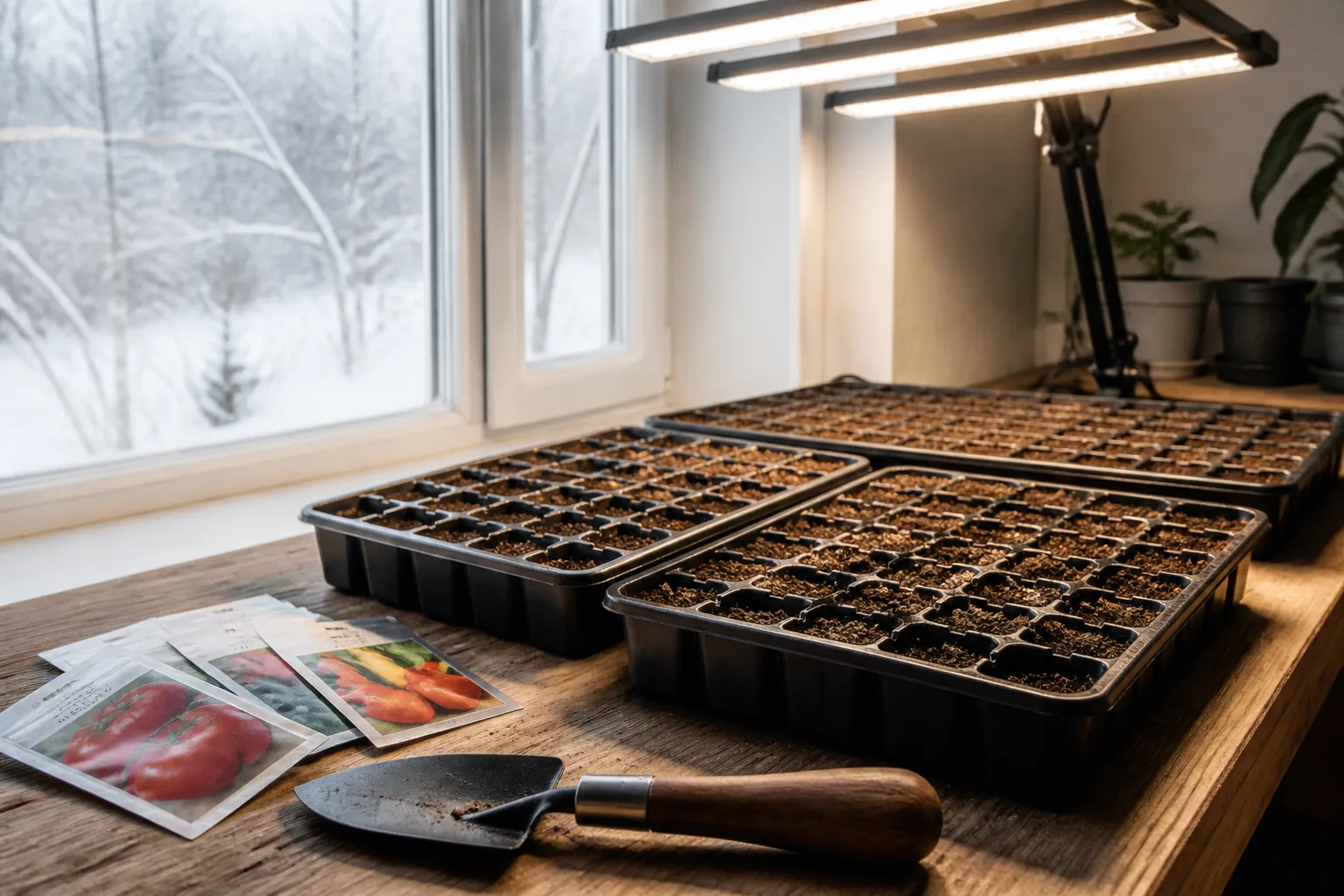
When seed catalogs land in January, the temptation is real: fill every cell tray, turn on the grow lights, and pretend spring is closer than it is. That enthusiasm costs harvests. Six major crop groups—nightshades, cucurbits, basil, beans, sweet potatoes, and heat-loving annual flowers—should not be started in the dead of winter in most North American gardens because they need warm transplant weather, fast post-germination growth, or direct outdoor sowing that winter cannot provide.
The fix is not willpower. It is a backward calendar from your average last frost date, plus honesty about how long seedlings can live indoors before they outgrow your setup. Get that math right and you trade pale, root-bound plants for stocky transplants that actually produce. Get it wrong and you either restart in March or limp through summer with stunted crops.
Why Winter Seed-Starting Mistakes Cost You a Full Season
Indoor seed starting has two jobs: germination and seedling growth. Winter is excellent for the first and terrible for the second when the crop in question wants summer heat. Colorado State University Extension warns that starting seeds indoors too early “usually results in spindly plants due to crowding and lack of sufficient light.” That is not a cosmetic problem. Leggy stems snap in wind, stressed roots recover slowly, and plants that flower indoors often stall after transplant.
The hidden cost is opportunity. Every square inch of tray space devoted to a tomato started in mid-January is space you cannot use for onions, snapdragons, or native perennials that genuinely benefit from an early start. Winter sowing should be strategic, not sentimental.
How Last Frost Dates Change Your Indoor Calendar
Your average last frost date is the anchor—not a guarantee, but a planning number extension services use nationwide. Penn State Extension notes that most summer annuals can be sown indoors six to eight weeks before the last frost so they bloom on time outdoors. Warm-season vegetables follow the same logic, with crop-specific tweaks on the packet.
Work backward in four steps:
- Find your average last frost date (local extension office or regional almanac).
- Read each packet for “start indoors X weeks before last frost.”
- Subtract that many weeks to get your sowing date.
- Add seven to fourteen days for hardening off before you expect to plant out.
If that calculated date still falls in deep winter for a heat-loving crop, you are starting too early—full stop. For a deeper walkthrough of trays, lights, and hardening off, see our how to start seeds indoors guide.
Southern gardeners face a mirror-image trap: mild January days tempt you to start summer crops while day length and indoor light are still winter-short. Even in USDA Zones 8–9, tomatoes started in December often stall in cool February nights on a patio or become unmanageably large before March transplant windows. Use soil temperature and consistent night lows—not calendar optimism—as your guardrails.
The Five-Minute Test: Is It Too Early to Sow?
Before you open a packet, run this checklist:
- Does the packet say “start indoors” or “direct sow after frost”? Direct-sow crops like beans should not be in trays at all.
- Will the seedling outgrow its container before transplant week? Fast growers (cucurbits) need a short indoor runway—often three to four weeks, not twelve.
- Can outdoor soil and air stay above the crop’s minimum at transplant? Tomatoes want frost-free nights; beans want 70–80°F soil to germinate outdoors.
- Do you have enough light for the entire indoor period? A sunny window rarely sustains stocky growth from January through May; weak light guarantees leggy seedlings.
If you answer “no” or “not sure” to any line for a warm-season crop, wait. Catalogs reward early orders; they do not reward early sowing.
Microgreens and sprouts are the exception. Those are harvested at cotyledon stage in days, not grown to transplant size over months. Confusing microgreen trays with tomato timelines is a common January mistake—great for salad, useless as a head start on summer harvest.
Nightshades: Tomatoes, Peppers, and Eggplant
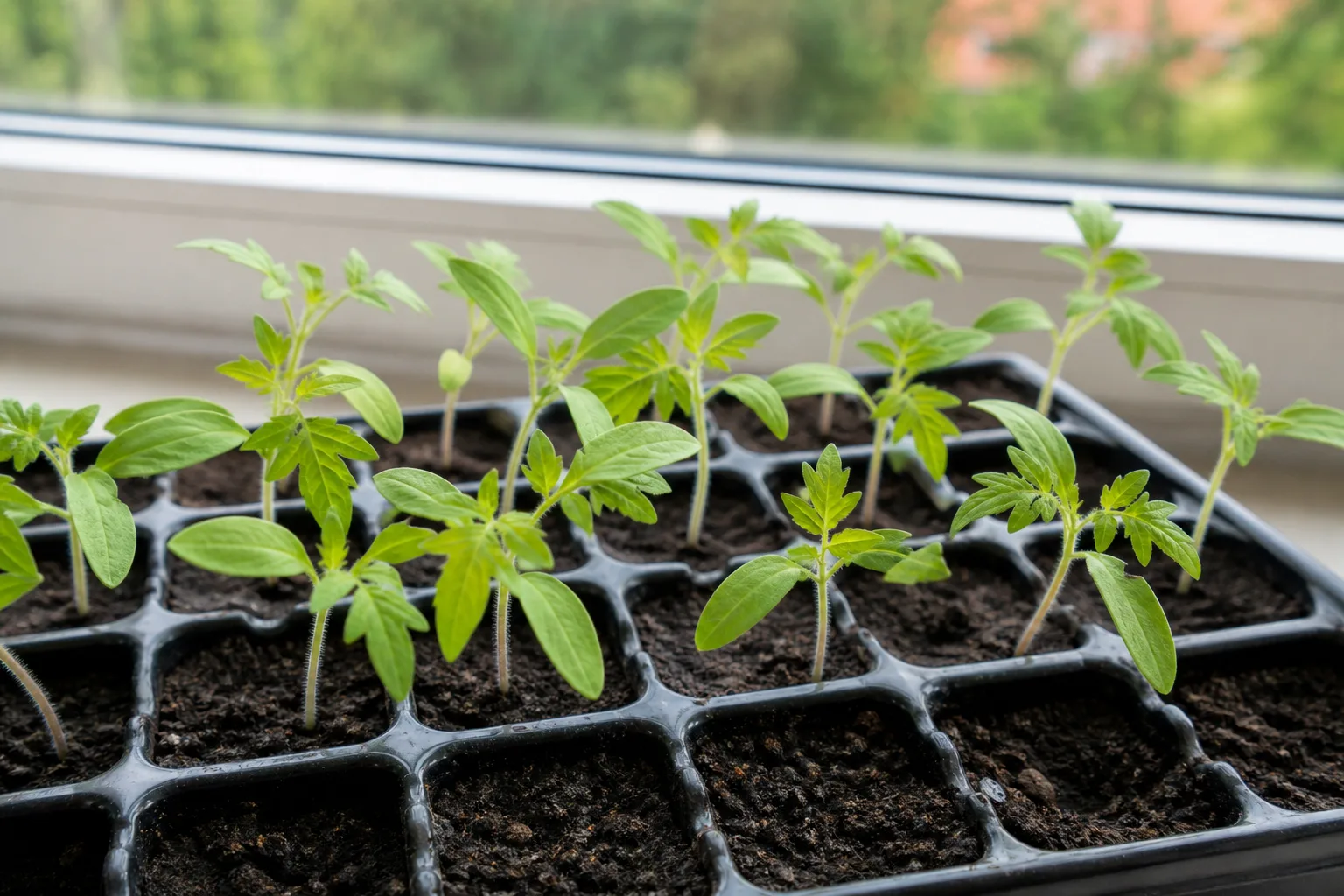
Tomatoes, peppers, and eggplants are the seeds most gardeners reach for first—and the ones most often started months too soon. All three are frost-tender, heat-loving, and sized for a six- to ten-week indoor head start, not a four-month houseplant internship.
How Many Weeks Indoors These Crops Actually Need
Colorado State University Extension lists typical indoor lead times of six weeks for tomatoes and peppers before the average frost-free date. Real-world packets often stretch that to six to eight weeks for tomatoes and eight to ten weeks for peppers and eggplants, because peppers germinate slower and grow more slowly after emergence.
Count backward from transplant week—the week you plan to set plants out after your last frost, not the frost date itself. In USDA Zone 6 with a May 1 last frost, that puts tomato sowing around mid-March, not mid-January. Peppers belong one to two weeks earlier than tomatoes in the same zone because they need more runway.
Eggplants follow pepper timing. Hot peppers at the long end of the range may need even more weeks indoors, but starting in December still overshoots the goal: stocky transplants, not small trees in quart pots.
What Goes Wrong When You Start Nightshades in December
January-started tomatoes often look impressive by March—tall, leafy, maybe flowering. That is a stress signal. Plants blooming indoors divert energy from root and stem development, and the first outdoor nights below 50°F can set them back anyway.
Other common failures:
- Leggy stems from insufficient light intensity across long winter days.
- Root-bound cells when seedlings circle the container waiting for May warmth.
- Purple or yellow lower leaves from cool room temperatures and overwatering in oversized pots.
- Disease pressure in crowded trays held indoors for sixteen weeks instead of eight.
If you already started too early, pot up once into larger containers, pinch early flowers, and run grow lights two to three inches above the canopy for fourteen to sixteen hours daily. Better yet, note the sowing date that produced problems and adjust next year. Our how deep to plant tomato seedlings guide covers transplant depth when you finally reach planting week.
Peppers deserve extra caution because they germinate slowly—often fourteen to twenty-one days at 70°F without a heat mat—and grow slowly afterward. That slow pace tempts gardeners to sow in December “to give them time,” but the bottleneck is usually post-germination light and pot volume, not seed-coat speed. A heat mat under the tray until sprouts emerge, then strong overhead light, beats an extra month in the same 72-cell flat.
Cucurbits: Cucumbers, Squash, Melons, and Zucchini
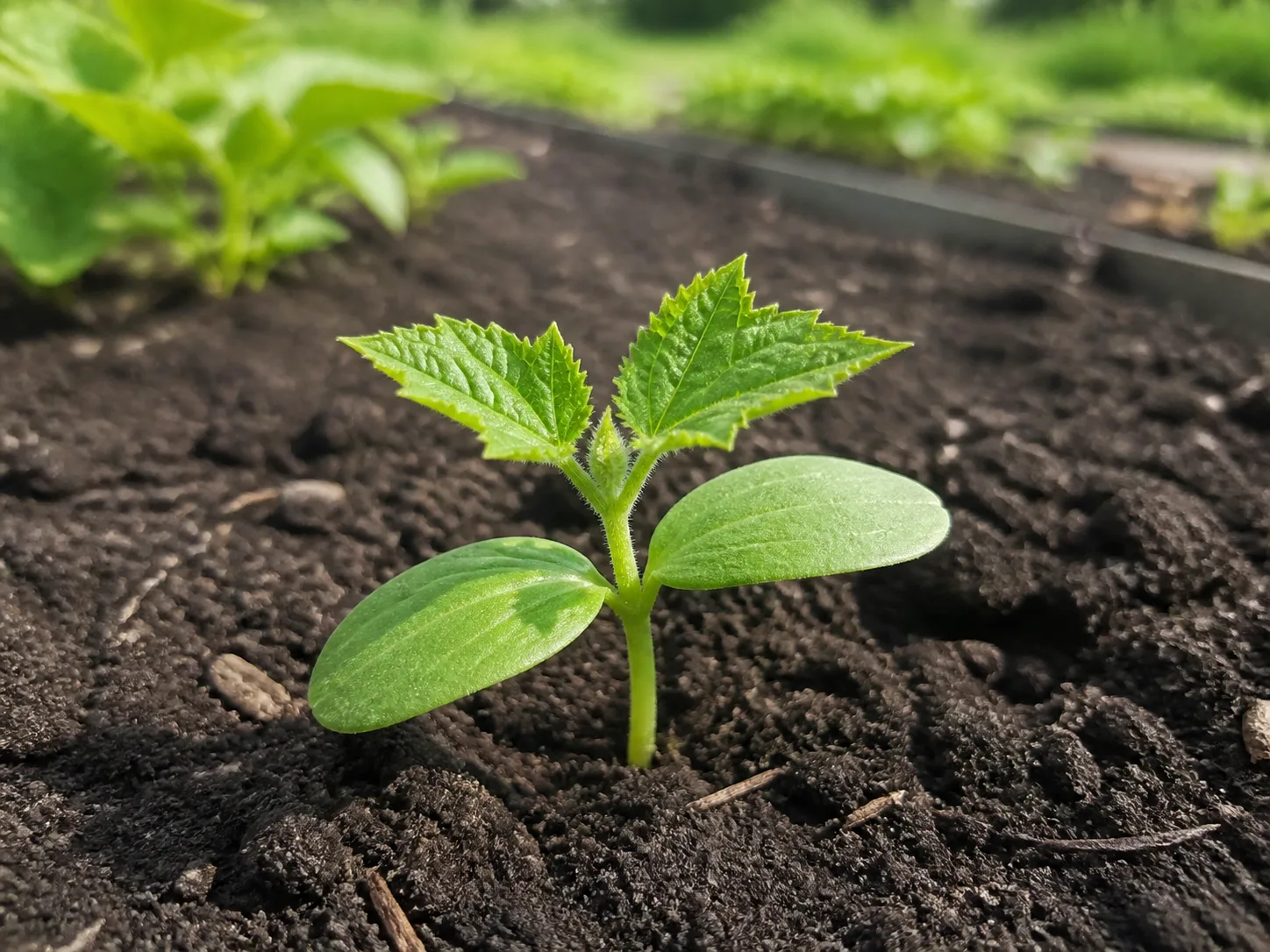
Cucumbers, summer squash, zucchini, melons, and watermelons share a deceptive trait: they germinate fast and grow faster. That speed is why winter starts backfire.
Fast Growth Is the Problem, Not Slow Germination
Most cucurbits sprout in days under warmth, then add leaves weekly. If you sow in January for a May transplant, you are asking a vine to live in a three-inch cell for four months. The roots coil, stems weaken, and transplant shock rises—right when the plant should be powering into its first flush of fruit.
The practical rule: start cucurbits indoors only three to four weeks before you intend to plant out, once soil has warmed and frost danger has passed. For many northern gardens that means April sowing for mid-May transplant, not New Year’s weekend.
Many experienced gardeners direct-sow cucumbers and squash instead because the plants resent root disturbance. If you do start indoors, use deep pots, transplant young before the first true leaf hardens off, and avoid letting vines touch cold windowsills. For spacing and companions in the garden bed, our companion plants for cucumbers page pairs well with timing decisions here.
Basil and Other Heat-Loving Herbs
Basil looks innocent in a seed catalog—small leaves, quick harvest—but it is cold-sensitive in ways lettuce is not. Seedlings stall when nights drop below 50°F and mature plants want daytime temperatures above 70°F for vigorous growth.
Starting basil in mid-winter without strong supplemental light produces thin, pale seedlings that bolt or rot before outdoor basil weather arrives. Sow basil indoors six to eight weeks before your last frost, same band as tomatoes, and plan to plant out only after nights stay consistently mild.
The main exception: you are growing basil as an indoor crop under dedicated grow lights for winter kitchen harvest. That is a different project—succession sowing in small pots every few weeks—not the spring transplant pipeline this article addresses. Cilantro, dill, and other cool-tolerant herbs can start earlier; basil should wait with the tomatoes.
When you do sow basil for spring transplant, use the same discipline as tomatoes: bottom heat for germination, then bright light immediately after emergence. Basil seedlings that lean toward a window at a 45-degree angle are telling you the sowing date was fine but the light was not—a problem that intensifies when trays sit from January through April.
Beans and Peas: Direct-Sow Crops That Hate Winter Starts
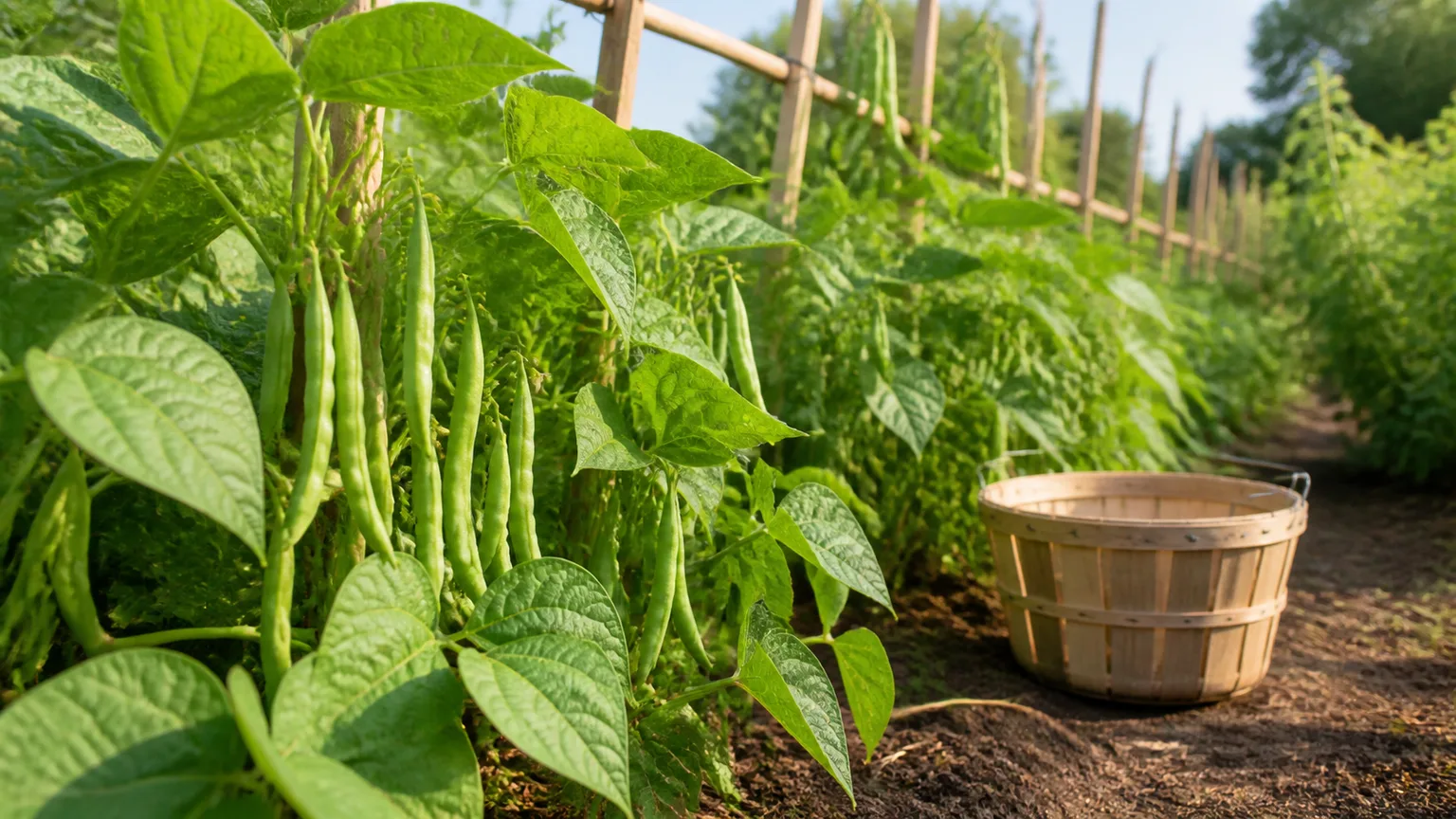
Beans are where winter enthusiasm collides with plant biology. Beans do not transplant well. Their large seeds and delicate root systems perform best when sown directly in warm garden soil, not thinned from cell trays.
Beans also demand warm soil—typically 70 to 80°F—for reliable germination. Sow into cold April ground and seeds rot or sit dormant for weeks. In northern climates, mid- to late May direct sowing after soil warms is standard. Southern gardeners follow the same soil-temperature rule even when winter is mild; beans are not a cool-season crop anywhere.
Peas are the opposite: they are a cool-season direct sow, planted four to six weeks before the last frost. Do not lump peas with beans in your winter planning. If your packet says “direct sow after danger of frost” for snap beans, file it with summer crops—not January trays.
For harvest timing once pods form, see our how to harvest green beans guide.
Sweet Potatoes: Slips, Not Seeds—and Not in January
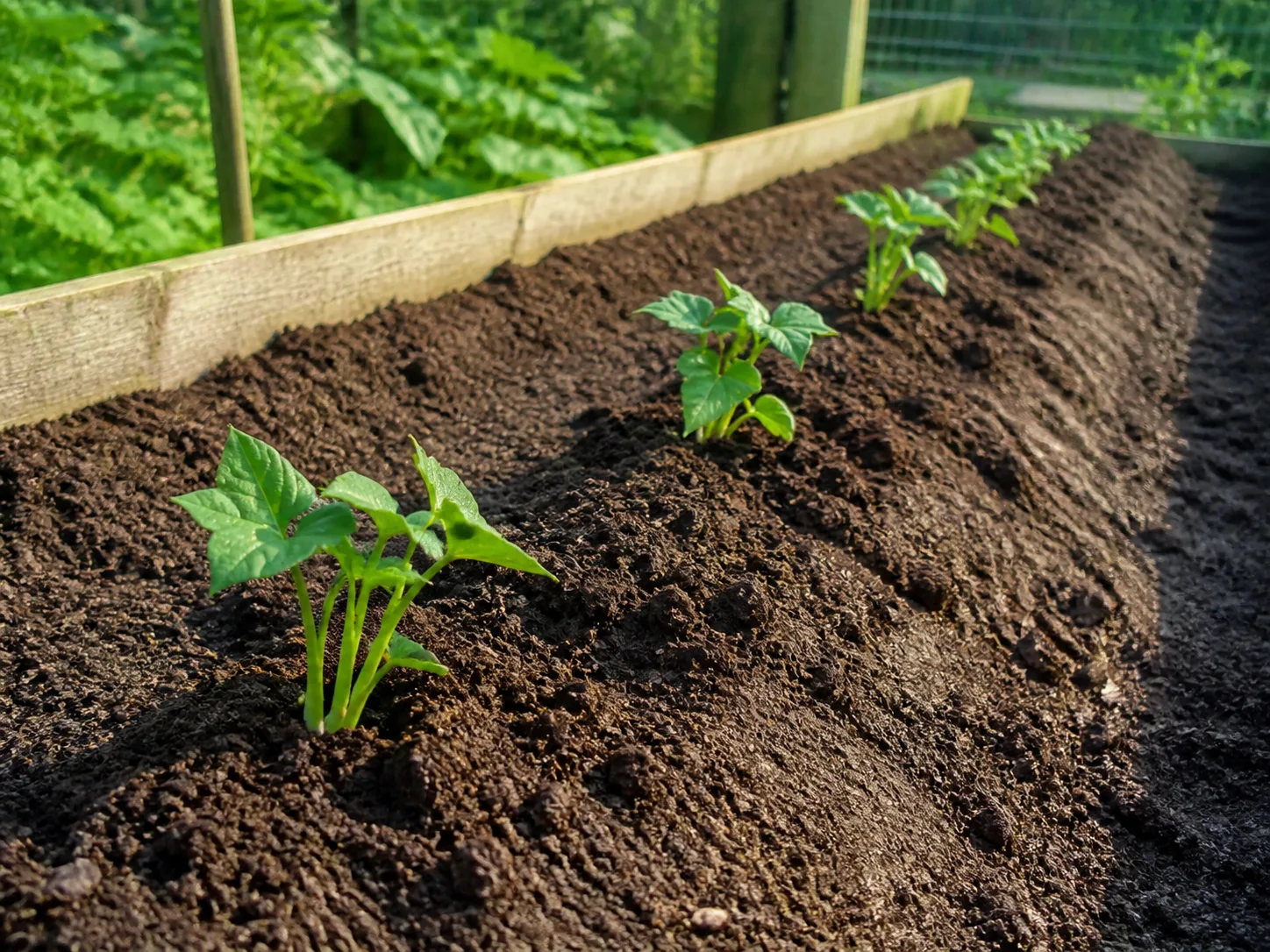
Sweet potatoes confuse the calendar because most gardeners plant slips—rooted vine cuttings—not true seeds. Slips need warm soil and warm air to establish. Oklahoma State University Extension notes that sweet potatoes thrive on summer’s warm days and nights and that pre-sprouting seed roots for slip production requires 75 to 85°F with high humidity.
Starting slip production in January without a heated propagation chamber fights the crop’s tropical origins. Instead:
- Store purchased or saved seed roots in a cool, dry place through winter.
- Begin pre-sprouting roughly four to six weeks before you expect to plant slips outdoors—often late March or April in warm regions, later in the north.
- Plant slips only after soil has warmed, typically when you would set out peppers.
If you want the full slip-to-harvest timeline, our how long do sweet potatoes take to grow guide walks through planting, curing, and storage.
Heat-Loving Annual Flowers (Zinnias, Marigolds, Cosmos)
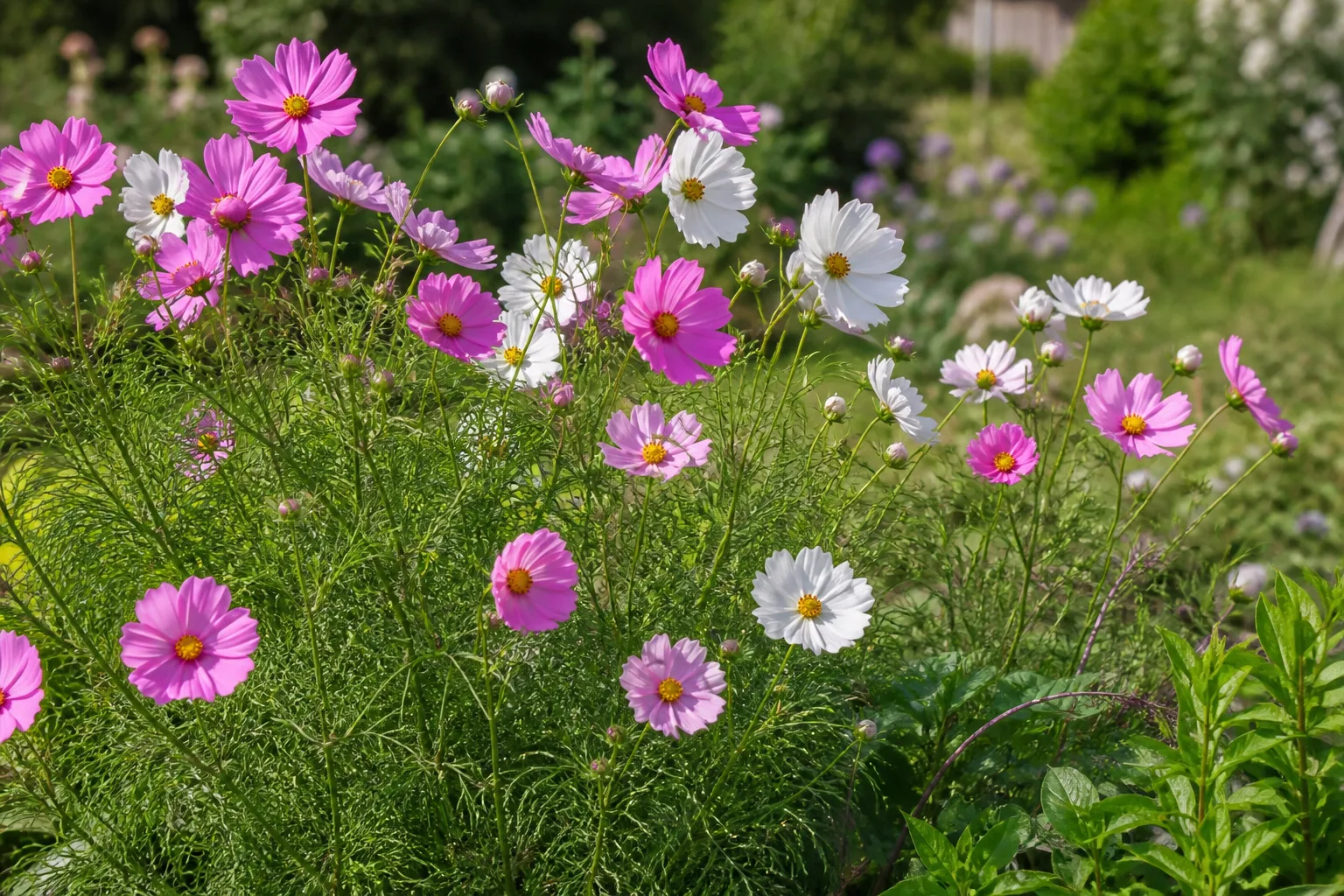
Zinnias, marigolds, cosmos, sunflowers, and similar frost-tender annuals follow vegetable logic: short indoor lead, warm transplant. Colorado State University Extension lists four weeks indoors for zinnias, marigolds, and cosmos before the frost-free date—shorter than tomatoes, not longer.
Starting zinnias in January produces tall, floppy seedlings long before garden soil is workable. Many of these flowers also succeed from direct sowing once soil warms, often with less fuss than transplants. Penn State Extension points out that gardeners can schedule separate sowing dates when days-to-germination differs but bloom timing should align—another reason to read each packet instead of batch-sowing every annual on the same winter weekend.
For forgiving varieties while you learn timing, browse our easiest flowers to grow from seed list—then apply the frost-date math here so seedlings are ready, not ragged.
What You Should Start in Winter Instead
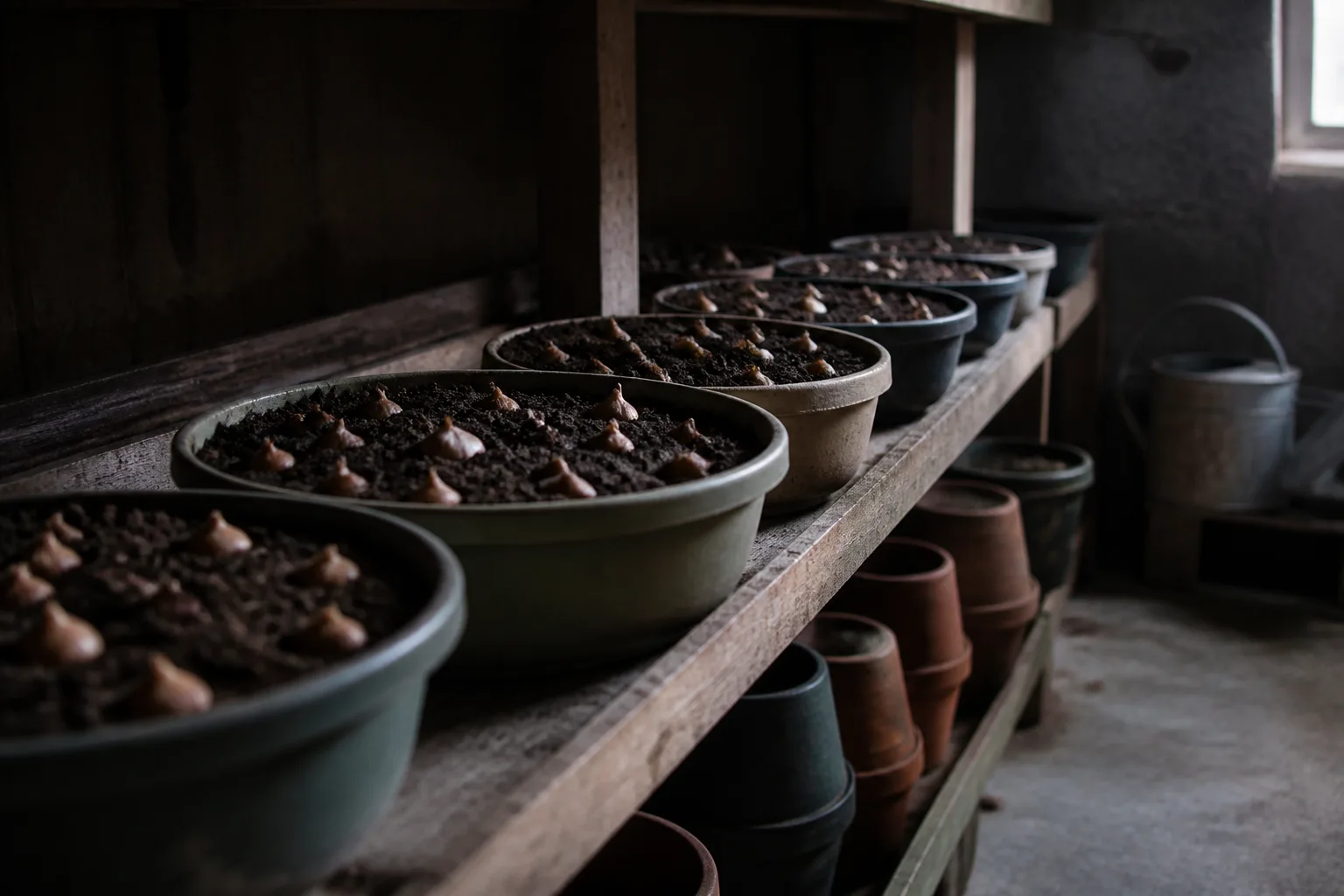
Winter is not dead time. It is for crops that need cold, tolerate cool growth, or require a long indoor runway measured in months of slow development—not for tomatoes.
Cold Stratification Crops
Native perennials and some wildflowers need cold stratification: a moist chilling period that breaks seed dormancy. Milkweed, purple coneflower, black-eyed Susan, and many prairie species can be sown in December or January in moist medium, refrigerated six to ten weeks, then moved to warmth to germinate. That is genuine winter work—just not for zinnias.
Cool-Season Transplants and Perennial Herbs
Start in late winter (February) for slow cool-season flowers and herbs: snapdragons, lobelia, petunias (eight weeks indoors per CSU), onions, leeks, celery, and perennial herbs such as lavender, thyme, rosemary, and oregano that benefit from extra weeks but grow cool. Brassicas—broccoli, cabbage, cauliflower, kale—often want four to six weeks indoors before early spring transplant and prefer 55 to 60°F after germination to stay stocky.
In mild southern winters, cool-season vegetables like kale, arugula, spinach, and fava beans go direct in the garden while northerners still browse catalogs. Match the crop to your climate, not to a generic “start everything in January” social media chart.
If spring bulbs are your January project instead of vegetables, our spring-blooming bulbs to start indoors in January guide covers forcing timelines that actually belong on a winter calendar.
Build Your Personal Seed Calendar
Grab a calendar and your seed box. For each crop:
- Write your average last frost date.
- Add transplant target (usually one to two weeks after that date for tender crops).
- Subtract packet weeks indoors.
- Subtract seven to ten days hardening off—that is your sow-indoors date.
Zone 5–6 Example Timeline
Illustrative dates for a May 1 average last frost (adjust for your ZIP):
| Crop | Sow indoors | Transplant outdoors |
|---|---|---|
| Onions / leeks | Early February | Late April (tolerate light frost) |
| Peppers / eggplant | Late February | Mid-May |
| Tomatoes / basil | Mid-March | Mid-May |
| Broccoli / kale | Late March | Late April |
| Cucumbers / squash | Late April | Mid-May |
| Zinnias / marigolds | Early April | Mid-May |
| Beans (direct sow) | — | Late May when soil ≥70°F |
| Sweet potato slips | Pre-sprout roots late March | Mid-May |
Cross-check vegetable timing with our broader when to plant vegetables reference when you build the full garden plan.
Zone 4 (last frost late May to mid-June): Shift every row in the table two to three weeks later. Peppers may not go out until early June; resist February sowing unless you have greenhouse space.
Zone 7–8 (last frost mid-March to mid-April): Tomatoes can sow in late January to early February, but only with supplemental light and larger pots ready for an eight-week indoor stay. Beans still wait for warm May soil, not mild March air.
Tape the finished calendar inside your seed box lid. When a January snowstorm makes spring feel imaginary, the dates—not the weather outside your window—decide what gets opened.
Conclusion
Winter seed starting rewards patience, not early volume. Do not start tomatoes, peppers, eggplant, cucurbits, basil, beans, sweet potato slips, or heat-loving annual flowers in the dead of winter unless you have a specific indoor-growing setup and understand you are managing a long, high-light commitment—not heading off spring.
Anchor every decision to your last frost date, the packet’s week count, and a hardening-off buffer. Sow natives and cool-season crops while you wait. When March arrives, you will have tray space, light capacity, and seedlings that hit the garden at the right size—instead of exhausted plants that already lived half their life on a windowsill.



