17 Cucumber Companion Plants: Good, Bad, and Best
Learn which flowers, herbs, and vegetables grow well beside cucumbers—and which neighbors steal water, spread disease, or stunt vines.
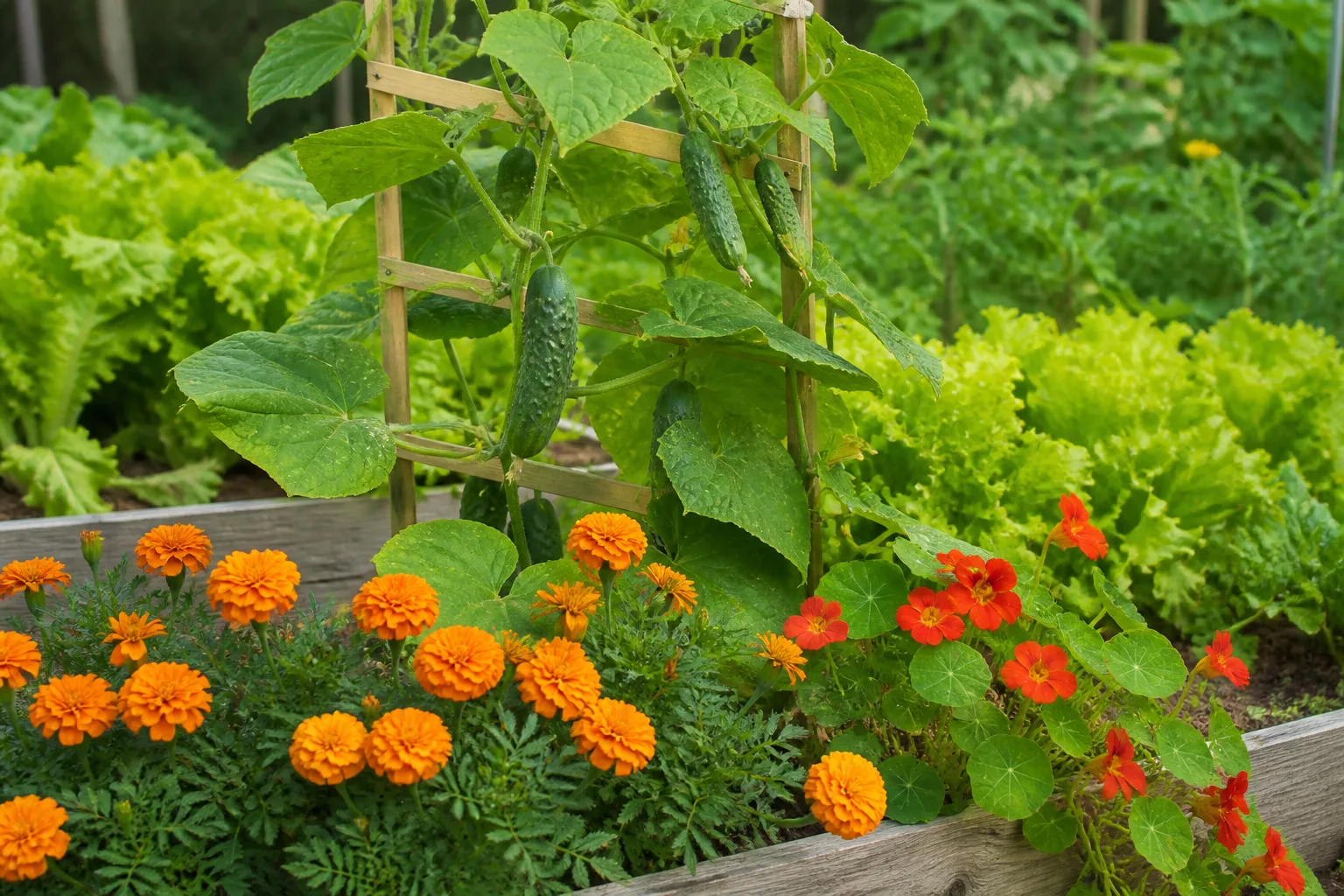
Cucumbers (Cucumis sativus) are hungry, shallow-rooted vines that want warm soil, steady moisture, and room to climb or sprawl. The right neighbors can improve pollination, use vertical space, and break up a monoculture bed. The wrong ones steal fertility, shade young vines, or share the same beetles and viruses that wreck a cucurbit patch by midsummer.
This guide lists 17 companions worth planting, explains what to keep at a distance, and gives spacing and timing you can actually use in a raised bed or row—not a generic chart with no context.
What companion planting can—and cannot—do for cucumbers
Companion planting means growing two or more crops together because they support each other in some way: fixing nitrogen, filling empty soil layers, attracting pollinators, or making a bed harder for one pest to dominate. Penn State Master Gardener material on good-neighbors companion planting frames it as polyculture that mimics natural diversity—not magic.
How cucumbers actually use neighboring plants
Cucumbers benefit most from companions that (1) fix or unlock nutrients without competing for the same root zone, (2) bloom early enough to feed bees before heavy fruit set, or (3) fit beneath or beside a trellis without blocking sun. Most slicing and pickling varieties set fruit only after pollinated female flowers appear; if your patch is slow to fruit, low bee activity is often the bottleneck—not missing fertilizer.
A marigold border may make beetles less likely to land, but Wisconsin Extension’s cucumber beetle guide is clear that beetles still transmit bacterial wilt and squash mosaic virus when populations climb. Extension treatment thresholds start as low as one beetle per plant on young cucumbers in some vine crops. Treat flowers and herbs as one layer in a plan that also includes rotation, row cover at planting, and removing infected plants before wilt spreads through the row.
Set up the bed before you pick companions
Spacing, trellising, and rotation rules
Give each cucumber plant 24–36 inches between neighbors if vines run on the ground, or 12–18 inches along a trellis with 5–6 feet of vertical support. Shallow cucumber roots dry out fast; deep-rooted companions (tomatoes, potatoes, mature herbs) belong at the bed edge, not packed against the crown.
Trellising keeps fruit clean, improves airflow, and frees the soil surface for low companions like lettuce or radishes. If you are deciding when to sow, soil temperature matters more than the calendar alone—see our when to plant vegetables guide for warm-season timing in your zone.
Rotation: Do not plant cucumbers where melons, squash, or pumpkins grew last year. Shared pests and cucumber mosaic virus overwinter in weeds and crop residue; moving the cucurbit block breaks the cycle. A three-year gap is a practical minimum for home gardens with limited space.
Fertility: Cucumbers are moderate-to-heavy feeders. Companions that also demand rich soil—corn, sunflowers, celery—need compost or balanced organic fertilizer at planting and again at first vine run. Legumes reduce nitrogen purchases but do not eliminate them entirely once fruit load begins.
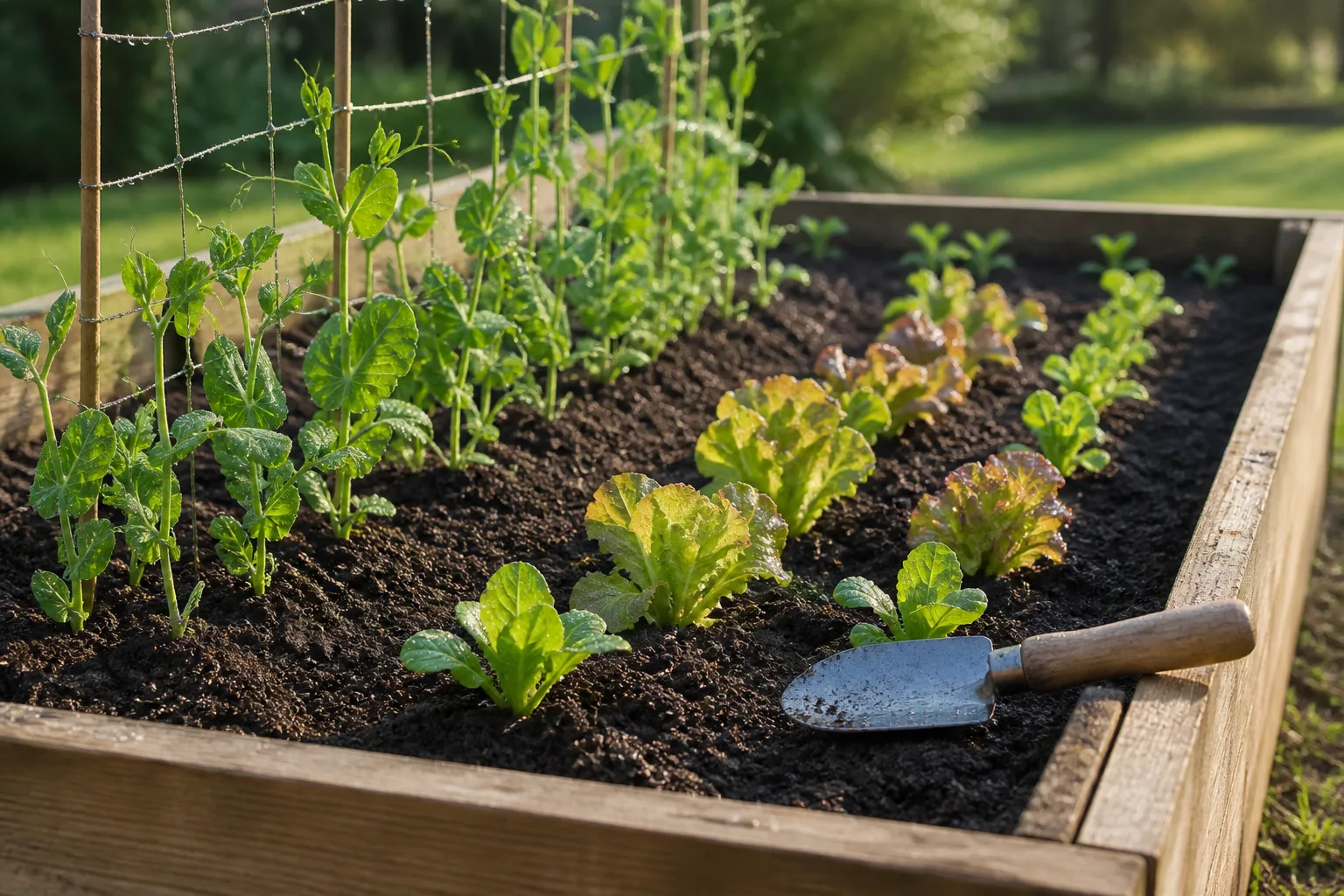
17 cucumber companions worth planting (grouped by job)
The list below matches what experienced growers pair with cucumbers, with spacing and realistic expectations. Numbers follow no ranking—pick by the job your bed needs.
Before you mix seventeen species in one bed, choose three roles for your space: one nitrogen or root crop, one flower strip, and one trellis strategy. That keeps the plan readable and leaves room to scout for beetles without wading through a jungle. Add a fourth companion only after the first trio is established and watered on its own schedule.
Legumes that feed the soil: peas, beans, and lentils
1. Peas. Cool-season peas finish before cucumbers peak, fixing nitrogen through rhizobia in the root zone. Sow peas 4–6 weeks before your last frost where allowed, harvest pods, then transplant cucumber starts into the same trellis row without tearing pea roots if you can. Snap peas on the north side of a trellis leave the south face open for cucumber leaves that need full sun.
2. Pole beans. Beans share a trellis with cucumbers when sown after cucumber starts are established and nights stay above 55°F. Keep bean clusters at least 6 inches from each cucumber stem so neither vine throttles the other. Alternate sections—two cucumber hills, one bean cluster—so you can still walk the row for harvest.
3. Lentils. Like peas and beans, lentils are legumes that leave nitrogen behind. They work best as a shoulder-season crop on the north side of a bed where they will not shade low cucumber foliage. Lentils are less common in backyard plots but fit well in polyculture experiments where you want a quick ground cover before summer vines explode.
Corn and the Three Sisters twist for vining cucumbers
4. Corn. Tall corn stalks can act as a living trellis if you choose a lightweight slicing cucumber and sow corn first. Direct-seed corn in blocks—not single rows—for pollination, wait until stalks are 2–3 feet tall, then plant cucumber seeds 12 inches from the row and gently train tendrils upward. The classic Three Sisters stack (corn, beans, squash) is a polyculture model described by the National Park Service; swapping squash for cucumbers reduces shared squash-bug pressure but still demands extra fertility for two heavy feeders. Stake corn in windy sites before cucumbers attach; a snapped stalk mid-season drops an entire vine.
Root crops that stay out of the way: radishes, beets, carrots, and onions
5. Radishes. Fast radishes mature in the gaps between young cucumber hills, loosening the top few inches of soil. Sow every 10 days in a 6-inch band while cucumber cotyledons expand; pull radishes before their shoulders push against cucumber stems. Gardeners often sow them as a beetle-distraction crop; Wisconsin Extension recommends trap crops only when you control beetles on the trap plant, otherwise pests move to cucumbers anyway.
6. Beets. Beets occupy a different soil layer than cucumbers and can fill edges of a raised bed while vines climb the center trellis. Golden and Chioggia types make it easy to see where you have already harvested, which keeps you from slicing beet roots when weeding cucumber runners.
7. Carrots. Carrots and cucumbers share a love of loose, well-tilled soil. Keep carrots on the outer 6 inches of the bed so you are not stabbing roots when hilling cucumbers. Short ‘Parisian’ types finish before vines shade the row; longer types need the north edge exclusively.
8. Onions. Onions stay compact above ground and may confuse some insects with their scent. Leave 8–10 inches between onion sets and cucumber stems so irrigation for cukes does not rot onion bulbs. Scallions fit tighter gaps if you harvest young before cucumber vines overlap.
Flowers that pull in pollinators and confuse pests
9. Marigolds. French marigolds (Tagetes patula) are the usual recommendation for cucurbit beds because their resinous scent may deter cucumber beetles and aphids. Plant stout French types 8–10 inches from stems—not giant African marigolds that shade vines. A ring on the south and east bed edges catches morning sun without blocking midday light on cucumber leaves.
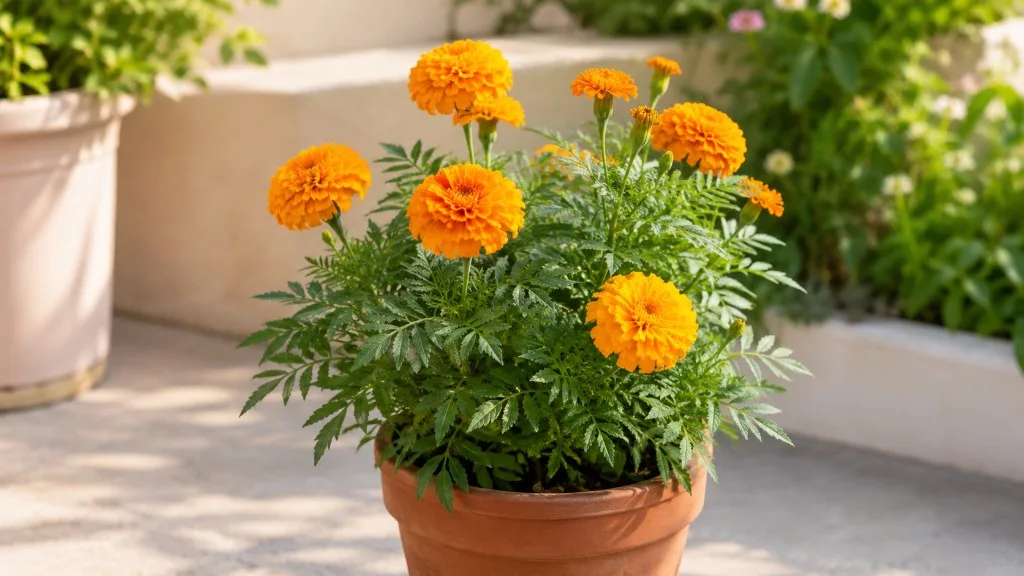 Epic Gardening’s companion overview notes marigolds also attract lady beetles; still scout daily in May and June when striped cucumber beetles emerge in northern gardens.
10. Nasturtiums. Nasturtiums repel some pests and can act as a trap crop for aphids, drawing insects away from cucumbers. Trailing types need a separate low trellis or basket so they do not climb your cucumber strings. Check trap plants weekly; remove heavily infested leaves so pests do not reproduce and spread.
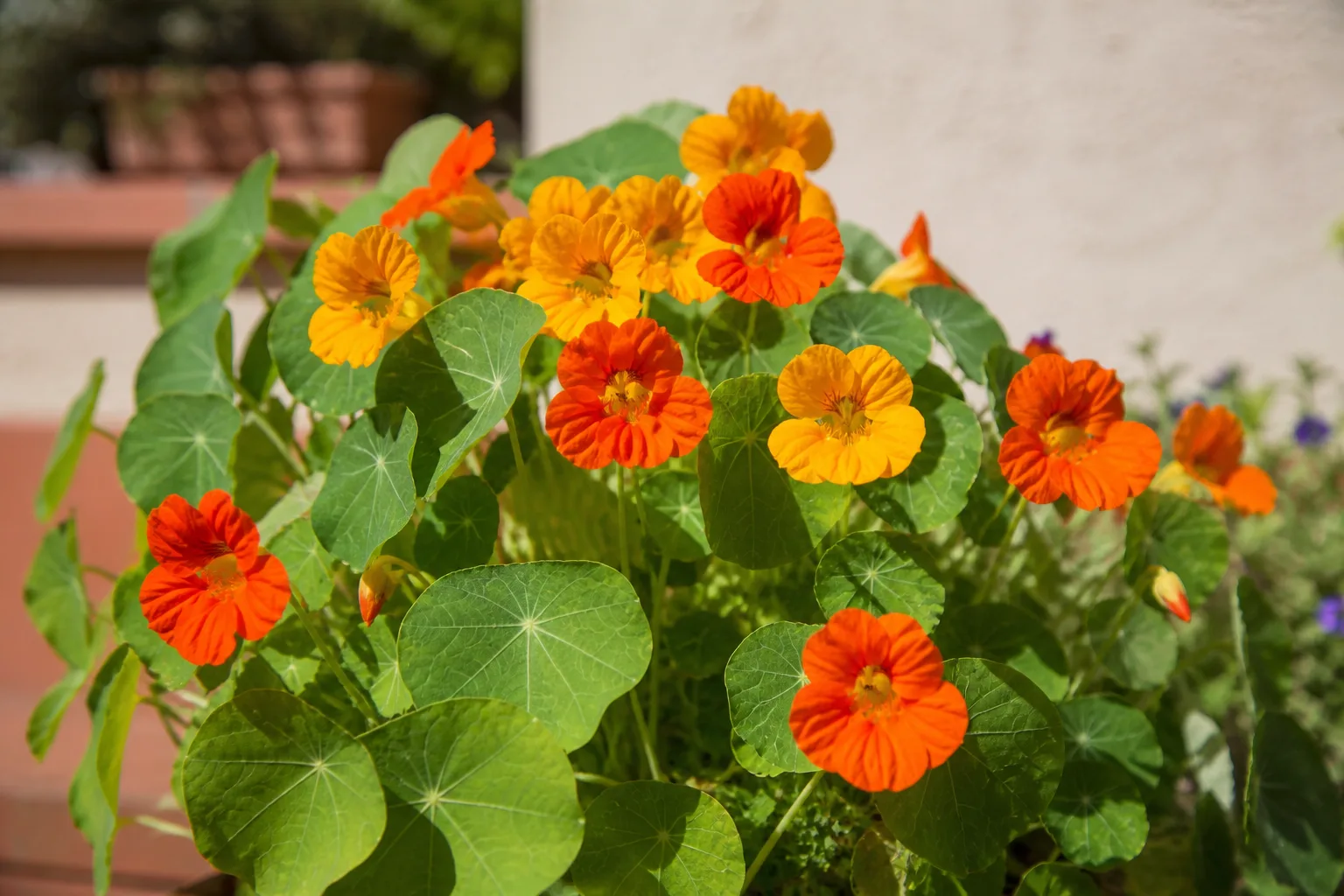 Edible flowers are a bonus for salads if you treat trap crops with water sprays rather than broad insecticides.
Herbs that belong at the edge: dill, oregano, garlic, and chives
11. Dill. Allow dill to bolt so umbel flowers feed parasitic wasps, hoverflies, and bees. Keep mature dill 12–16 inches from cucumber stems; it reseeds aggressively if you let every flower go to seed. Harvest leaves for pickles while leaving one flowering stalk per bed section so beneficial insects keep visiting through July.
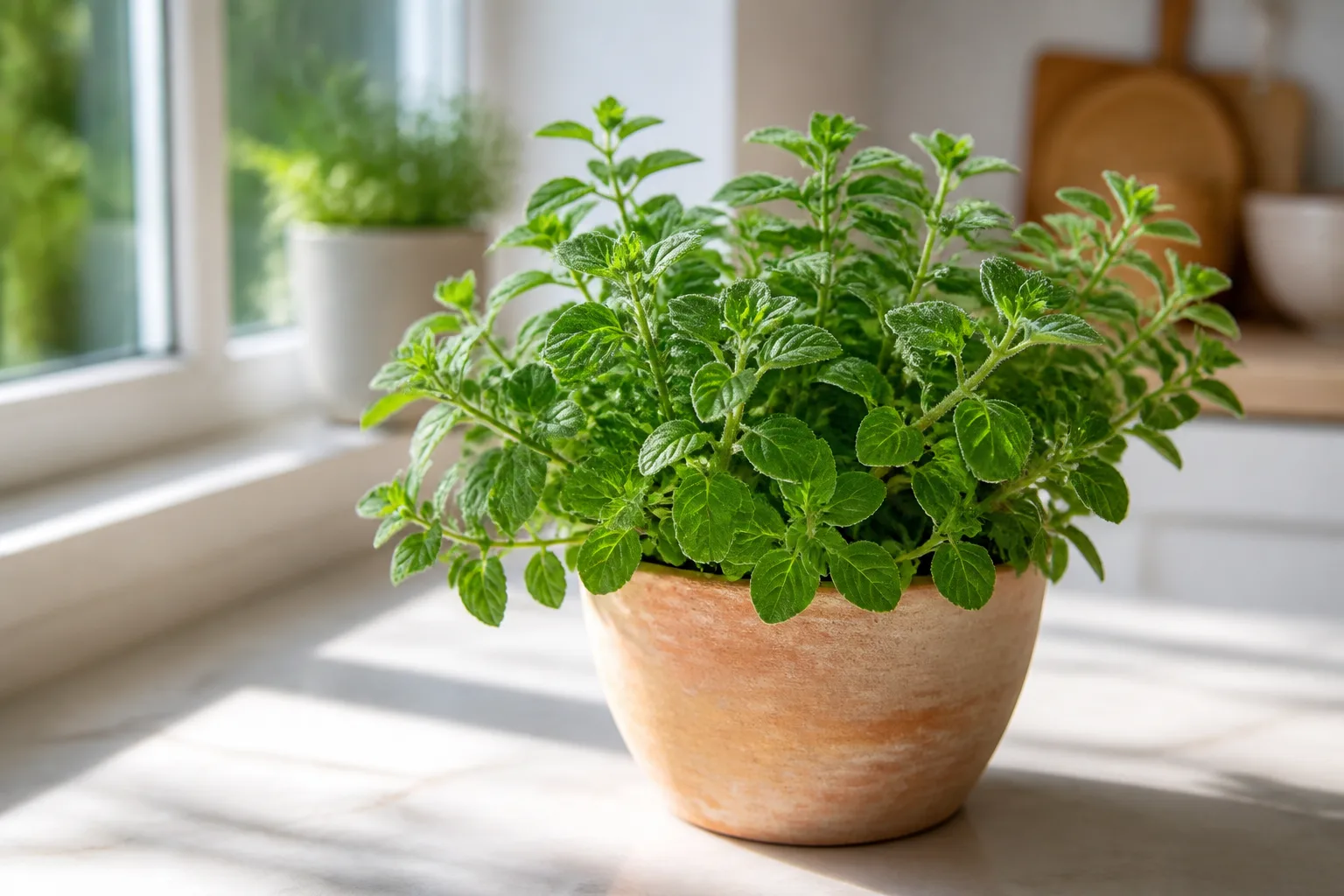
12. Oregano. Low, sun-loving oregano fits bed corners beside trellised cucumbers. Its aromatic leaves may repel aphids; do not let it spread into the root zone where you water cucumbers heavily. Greek oregano stays lower than aggressive mint relatives—still divide clumps every few years so it does not swallow path space.
13. Garlic. Research in replanted greenhouse soil found that garlic substrate shifted microbial communities and reduced fusarium wilt severity in cucumbers (International Journal of Molecular Sciences). In home gardens, plant garlic cloves along the north or west bed edge in fall for a summer cucumber follow-up, or interplant sparingly—garlic wants drier soil than cukes prefer at the root zone.
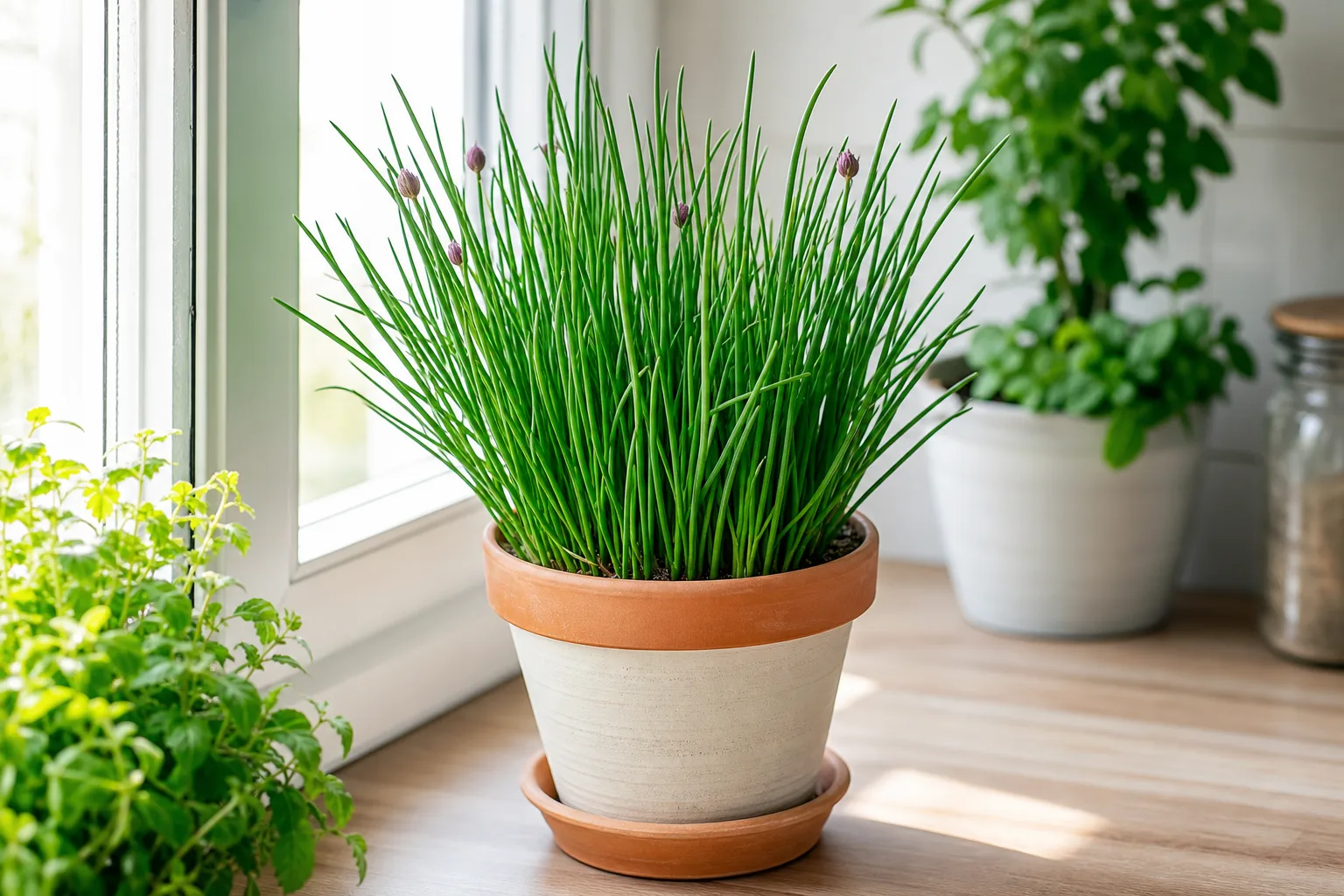
14. Chives. Chives are compact alliums with a strong scent that may mask cucumber foliage from some insects. Clip flowers if self-seeding becomes a problem. A clump at the corner of a raised bed gives you garnish and a low insectary without competing for trellis height.
Quick greens and celery for same-season filling
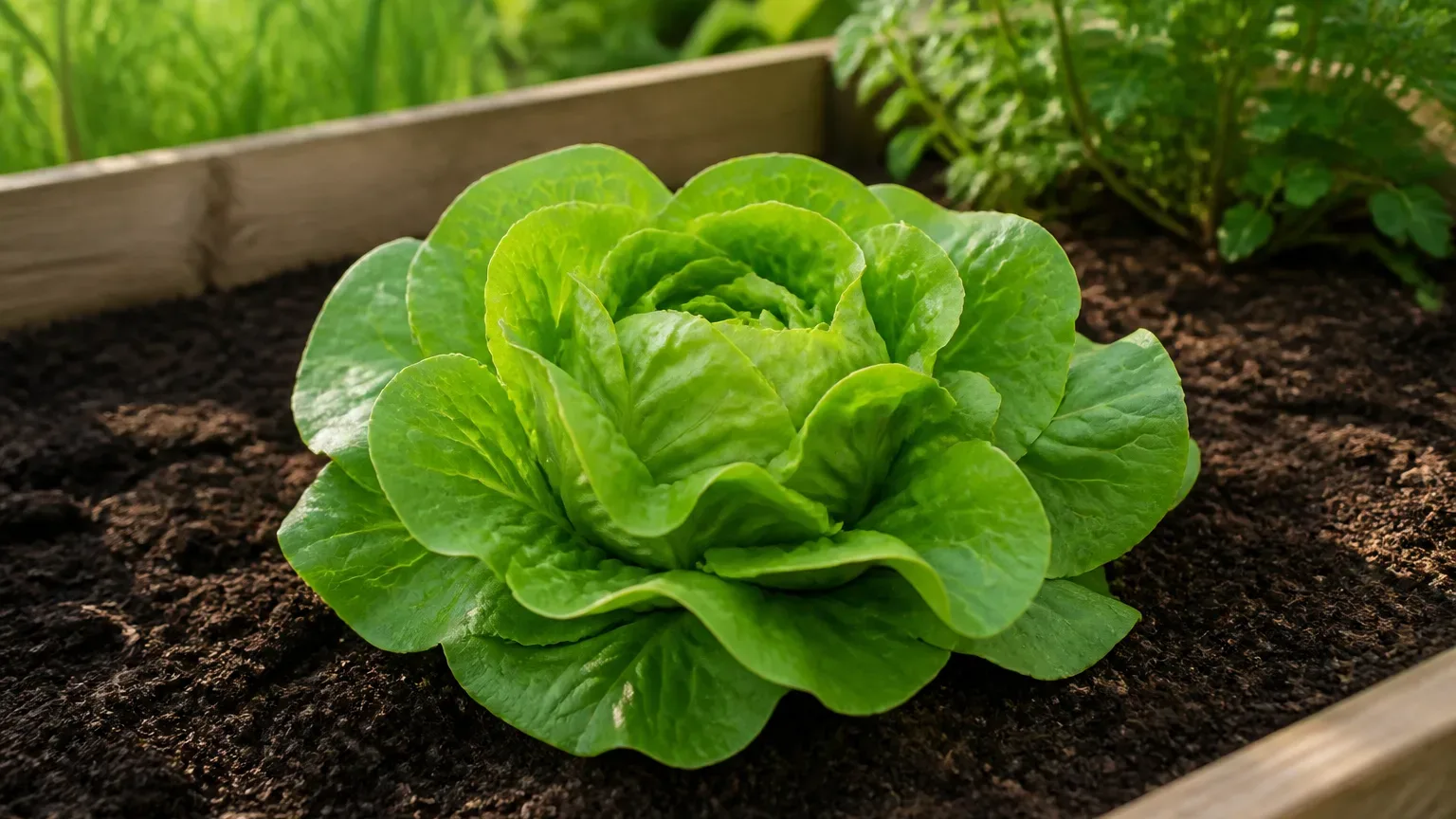
15. Lettuce. Lettuce tolerates light shade from trellised cucumbers and matures before vines fully cover the bed. Sow every two weeks on the shady side of a north–south trellis for a cut-and-come-again strip. Butterhead types bolt fast in heat—switch to oakleaf or romaine if your cucumber season runs into August.
16. Celery. Celery needs consistent moisture—similar to cucumbers—and may repel whiteflies in some gardens. Give each celery plant 10–12 inches and keep mulch shared so neither crop dries out on hot afternoons. Self-blanching varieties reduce the trench work that would disturb shallow cucumber roots mid-season.
17. Sunflowers. Sturdy sunflowers support pickling or small slicer varieties if you avoid overloading stalks. A HortScience study on pollinator-attracting companions reported higher cucumber yields when sunflowers or other nectar plants drew bees into the plot (HortScience, 2020). Choose single-stem, strong varieties and tie vines lightly as fruit sets. Plant sunflowers behind the cucumber row on the north side so they do not cast afternoon shade on fruiting vines.
Sunflowers as living trellises (with weight limits)
See companion 17 above. If wind is a concern, stake sunflowers when they reach 3 feet and keep fruit loads to one cucumber per stalk until you know the variety holds weight in your climate.
Plants to keep away from cucumber vines
Companion charts fail when they only list “bad” plants without explaining why. Distance and rotation matter as much as the name on the label.
Potatoes and other heavy feeders that invite blight
Potatoes compete for nitrogen and water and share blight pressure with other nightshades—not cucumbers directly, but they turn a bed into a famine zone for shallow cucumber roots. Keep potatoes in a separate rotation block at least one bed away. If space is tight, grow potatoes in containers on the patio and reserve in-ground rows for trellised cucumbers with flower edges.
Sage, rosemary, basil, and other strong-scented herbs
Sage, rosemary, and basil are often flagged because aromatic oils and drought-loving roots clash with cucumber culture. Sage in particular wants dry, lean soil—opposite of cucumber needs. Our sage companion plants guide covers how sage pairs with brassicas and roots; keep that sage strip separate from the cucumber trellis rather than mixing moisture regimes in one raised bed.
Rosemary and basil can still live in the same garden as cucumbers when each crop has its own drip zone. Basil for pesto belongs in a moist tomato row; rosemary stays on a gravel edge. Trying to satisfy all three with one watering schedule usually means wilted basil and soggy sage.
Mint, fennel, and allelopathic troublemakers
Mint spreads by runners and will outcompete cucumber seedlings within a season. Fennel secretes allelopathic compounds from its roots that inhibit many vegetables; give it an isolated corner or a pot. Eucalyptus is not a typical garden-bed neighbor, but its leaf litter can suppress nearby growth—keep ornamental eucalyptus away from edible beds.
Melons, squash, and the shared-pest problem
Melons and summer squash attract cucumber beetles, squash bugs, and aphids on the same timetable as cucumbers. Wisconsin Extension notes beetles feed on all vine crops and vector bacterial wilt. Planting melons beside cucumbers doubles the host surface for pests and makes rotation harder. Generic companion charts often say “avoid squash” while still recommending corn-and-cucumber stacks; the useful distinction is avoid large cucurbit monocultures, not every distant cousin in the family.
If you must grow both, separate them by at least 20 feet, use row cover on young plants, and consider a Hubbard squash trap crop at the patch edge—with beetle control on the trap. Cantaloupe cultivars such as ‘Makdimon’ and ‘Rocky Sweet’ are less attractive to beetles in Wisconsin trials, which matters if melons are non-negotiable in your menu plan.
When tomatoes and peppers still make sense nearby
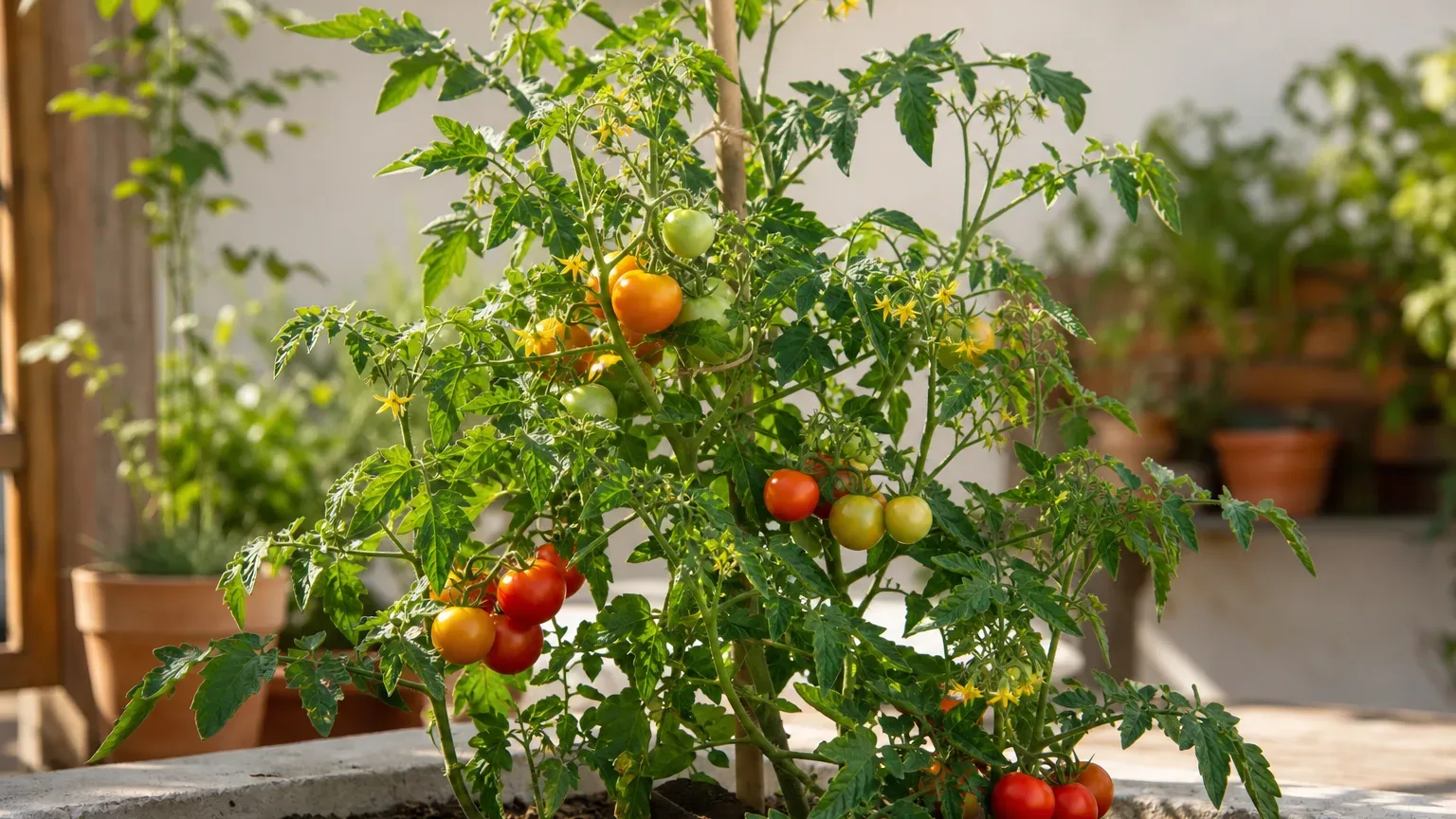
Tomatoes share warm-season culture and pollinators with cucumbers but also share cucumber mosaic virus risk when aphids move between plants (Wisconsin Extension CMV factsheet). Many gardeners still pair them in large plots with trellises on opposite sides of a wide bed and three-year rotation.
 Remove CMV-infected plants immediately—there is no cure—and do not compost diseased vines if your pile does not reach high enough temperatures to break down virus particles reliably.
Peppers bush below while cucumbers climb; the pairing works if peppers get their own drip line and are not shaded by horizontal cucumber vines. Hot peppers tolerate slightly drier soil than bell types; place bells closer to the cucumber moisture zone only if you mulch both heavily.
For tomato timing and growth stages that help you plan the same bed, see our tomato plant growth timeline guide. If you are squeezing fast summer crops into the same calendar, our fast-growing crops to plant in August roundup helps you choose what follows cucumbers without replanting into exhausted soil.
Two sample bed plans you can copy this season
Small raised bed (4×8 feet)
Run a north–south trellis along the long center. Plant two cucumber plants at the base, French marigolds every 18 inches on the south lip, and a radish + lettuce band on the north side where vines cast afternoon shade. Tuck dill and chives at the northeast corner. Do not add corn or sunflowers here—too crowded. Drip lines should split: one emitter ring per cucumber, a separate lighter line for herbs so oregano stays drier than cukes.
Larger in-ground row with trellis
Direct-seed corn in a block; two weeks later sow pole beans and cucumbers between rows. Edge the block with nasturtiums and garlic from last fall. Keep potatoes, squash, and melons in another field or bed entirely. Mulch the whole patch to hold moisture for shallow cucumber roots. If you are also starting fall crops after cucumbers finish, see our fall vegetables to plant in August guide for what can follow cucurbits in the same calendar year without overlapping disease pressure.
Common companion planting mistakes with cucumbers
Overcrowding is the fastest way to lose a companion plan. Mature oregano, borage, or bush nasturtiums can shade cukes and trap humidity against leaves that already struggle with powdery mildew in dense canopies. Trusting scent alone leaves seedlings naked when beetles arrive before flowers open—use floating row cover until female flowers need bees, then remove covers during pollination windows as Wisconsin Extension describes for cucurbits.
Ignoring trap-crop maintenance turns nasturtiums or radishes into pest nurseries. Planting all cucurbits together invites double damage from beetles and mosaic virus. Skipping rotation because “companions fix everything” repeats the same soil-borne problems year after year. Over-fertilizing with coffee grounds—a common social-media tip—can tie up nitrogen while seedlings need steady, balanced feeding; scratch finished compost into the bed instead of dumping thick coffee layers against stems.
Watering every companion on the same schedule drowns garlic and oregano while leaving cucumbers thirsty on hot afternoons. Group plants by moisture need even when they share a bed visually.
Conclusion
The best cucumber companion plants are the ones that match your bed layout: legumes and roots for soil and space, marigolds and dill for pollinators and possible pest confusion, corn or sunflowers only when you trellis lightly and feed heavily. Keep potatoes, aggressive mint, fennel, and heavy cucurbit blocks away, and treat tomatoes and peppers as conditional neighbors with rotation and virus awareness.
Start with one trellised row, two flower types, and one root crop strip. Scout for beetles early—check leaf undersides and blossoms two to three times per week when seedlings are small, as Wisconsin Extension recommends—and adjust spacing before vines touch. Add row cover where extension thresholds say damage starts, not after leaves are skeletonized.
When fruit sets, harvest on a steady schedule so vines keep flowering; overloaded plants attract fewer new female blooms and hide beetle damage in dense foliage. Companions help you build a resilient patch, but your notebook matters as much as the chart: write down which pairings worked in your soil, your wind, and your beetle year so next season’s bed plan gets smarter—not longer—for its own sake.



