10 Fast-Growing Vegetables to Plant in August for Fall
Find the best vegetables to plant in August for a fall harvest, with days to maturity, direct-sow versus transplant advice, and frost-timing tips.
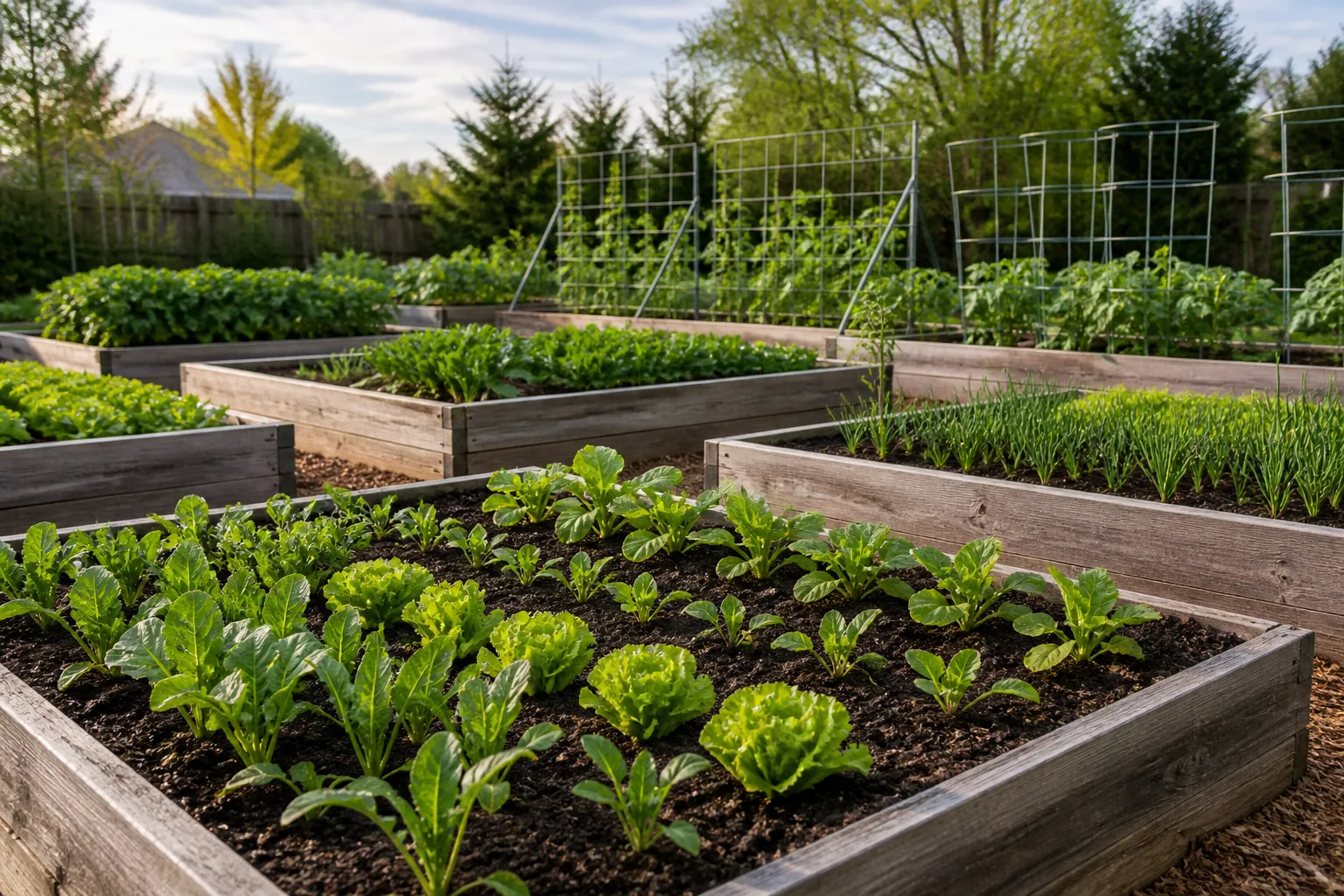
August is not a universal planting deadline. It is a countdown: compare each crop’s days to maturity with your local average first frost, then allow extra time for hot soil at sowing and shorter days later in the season.
For most temperate North American gardens, the best August choices are cool-season crops that can be harvested young, tolerate a light frost, or both. The list below includes ten useful options, but the right one for you depends on whether you want salad in three weeks, roots in October, or a crop that can keep producing after frost.
The August rule: plant by frost, not the calendar
The same August 15 planting can be early in Minnesota, marginal in Pennsylvania, and perfectly reasonable in coastal North Carolina. Even within one city, a shaded garden, a high raised bed, and a frost pocket can have different growing conditions, so “plant in August” should always be treated as a starting point rather than a guarantee.
Cornell Cooperative Extension recommends counting backward from the frost date using the seed packet’s days to maturity and adding germination time. University of Minnesota Extension makes the same calculation while separating crops that keep growing in cold weather from crops that are killed by a light frost.
A simple planting-date calculation
Use this four-part check before buying seed or clearing a summer crop:
- Find your area’s average first frost date from a local extension service, weather office, or a current freeze-date map.
- Count backward by the seed packet’s days to maturity. For a fall crop, count from sowing for direct-seeded vegetables and from transplanting for nursery starts.
- Add roughly 7–14 days for slow germination, heat stress, cloudy weather, or the shorter daylight of late fall.
- Subtract another week if the crop is tender and cannot tolerate even a light frost.
That buffer is not wasted time. Fall crops often grow more slowly as daylight shortens, and the number printed on a packet usually assumes favorable conditions. A crop that misses its full-size harvest may still give you baby leaves, edible thinnings, or small roots, but it is better to plan for that outcome than to expect a perfect mature head after the frost has arrived.
Match each crop to the kind of harvest you want
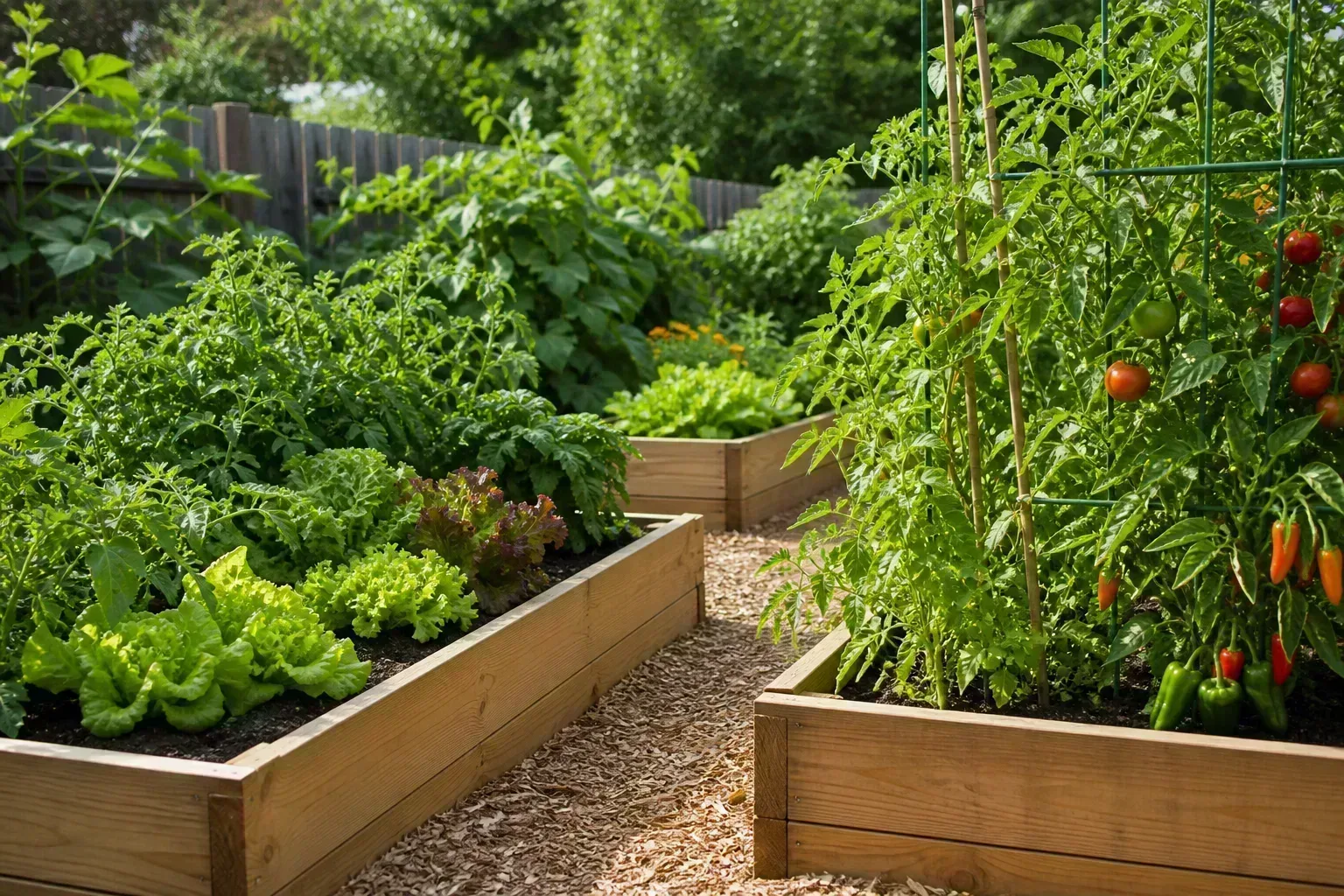
The quickest August crops are usually leaves and small roots. They do not need to build a large plant before harvest, so you can start picking while the weather is still mild and keep sowing short rows for a longer harvest window.
Quick wins in 30–45 days
Radishes, spinach, baby kale, and young Swiss chard can begin paying you back before slower roots and brassicas are ready. The “days to maturity” numbers in the table are working ranges, not promises; harvest young when the weather turns or growth slows.
| Crop | Typical days to first useful harvest | Best August method | Frost outlook |
|---|---|---|---|
| Radish | 25–45 days | Direct sow in short rows | Light frost is usually manageable |
| Spinach | 35–45 days | Direct sow; shade the seedbed during heat | Light frost tolerant; may overwinter |
| Baby kale | 30–45 days | Direct sow or transplant | Very cold tolerant once established |
| Swiss chard | 40–60 days | Direct sow or transplant | Handles light frost |
| Turnip greens | 30–40 days | Direct sow | Light frost tolerant |
These crops are also the best insurance against a late start. If you are already near the end of August, choose one or two quick rows first, then use any remaining space for longer crops only if the frost calculation works.
Crops that need a head start
Beets, kohlrabi, carrots, peas, and broccoli reward earlier August planting or a faster starting method. Broccoli is the clearest example: in many regions, a healthy transplant is more realistic than sowing seed directly into hot ground and hoping it catches up.
The K-State Research and Extension fall-garden calendar suggests starting brassicas ahead of time and transplanting cabbage, broccoli, and cauliflower in August. It also recommends watering fall seed rows frequently and protecting the surface from crusting, two details that matter more than simply choosing the right vegetable.
10 vegetables worth planting in August
1. Radishes
Radishes are the fastest way to make an August planting feel worthwhile. Many salad varieties are ready in about a month, and the roots prefer the cooler conditions that arrive as summer fades.
Direct-sow them in a loose, stone-free row about 1/2 inch deep, then thin seedlings so the roots can size up. Keep the top layer of soil evenly moist until emergence; a dry crust can make a quick crop surprisingly patchy. For a continuous supply, sow a short row every 10–14 days rather than planting the whole packet at once. Farmers’ Almanac also recommends repeat sowings through the fall window.
Choose salad radishes for speed, Asian radishes for a larger but slower root, or winter radishes if your first frost is late. Pull them promptly when they reach eating size. Leaving a fast variety in hot, crowded soil can produce a hollow, pithy root instead of a crisp one.
2. Spinach
Spinach is one of the best late-August choices when you want leaves rather than a full head. UMN Extension lists spinach at roughly 35–45 days to maturity, with light-frost tolerance and possible overwintering, and young leaves can be harvested well before the plant reaches its maximum size.
Direct-sow into fertile soil and keep the seedbed moist through germination. If the surface is hot, use temporary shade or sow just before a stretch of cooler weather; once seedlings are established, give them as much sun as your fall garden allows. BBC Gardeners’ World Magazine notes that late-August spinach can produce young leaves in fall and resume growth in early spring in suitable climates.
The common mistake is waiting for large leaves before harvesting. Pick outer leaves while the plant is young, or cut baby leaves above the crown so the plant can continue producing.
3. Swiss chard
Swiss chard bridges the gap between a quick salad crop and a long-lasting leafy plant. It can give you tender baby leaves in about a month, then continue producing as the weather cools; UMN’s fall-crop table places it in the 40–60-day range and lists it as tolerant of light frost.
Direct-sow it where you want it to grow, or transplant small starts if the August heat makes germination unreliable. Water consistently because drought-stressed chard is tougher and more bitter, especially when the leaves are harvested large.
Give chard room for airflow, but do not wait for a perfect mature plant before eating it. A few leaves harvested from each plant is usually a better late-season strategy than cutting every leaf at once and leaving no active foliage to rebuild the plant.
4. Kale
Kale is the safest long-game crop on this list. It grows quickly enough for a fall harvest, tolerates cool weather, and can keep producing after a light freeze when tender crops have stopped.
You can direct-sow kale early in August, but young transplants are useful if you are planting late or if cabbage-family pests are active. UMN lists kale among the hardiest midsummer crops, with a 40–65-day maturity range and survival down to about 20°F under its conditions; treat that as a useful benchmark, not a promise for every cultivar or exposed site.
Harvest the lower leaves first and leave the growing point intact. For the mildest flavor, pick leaves after cool nights, but do not wait for a hard freeze to begin harvesting. Cover young plants with insect mesh while they establish if flea beetles or caterpillars are a recurring problem in your garden.
5. Turnips
Turnips are a two-for-one August crop: the greens are ready well before the roots, and the roots can mature in roughly 50–60 days in good conditions. They are especially useful when you want something dependable but do not have the loose, deep bed carrots require.
Direct-sow into crumbly soil and thin the seedlings early. Crowded turnips make lots of leaves but small, misshapen roots. Harvest a few greens while the plants are young, then let the remaining roots size up.
Turnips prefer cool weather, so do not assume a late-August heat wave means the crop has failed. Keep the bed moist and shaded during the hottest part of the day if necessary, then resume full sun as temperatures moderate. If the roots are still small when a hard freeze is approaching, harvest them rather than waiting for ideal size.
6. Beets
Beets fit the August-to-fall window because both the roots and greens are useful. UMN gives beets a typical 50–60-day maturity range and notes that they can survive temperatures in the high 20s°F, which makes them more forgiving than frost-tender summer vegetables.
Sow beet seed about 1/2 inch deep in moist soil and thin the seedlings after emergence. Each rough-looking beet “seed” is usually a cluster, so thinning is not optional if you want round roots. Eat the thinnings as baby greens instead of throwing them away.
The biggest August challenge is emergence. Illinois Extension’s mid-August root-crop guidance emphasizes checking the days-to-maturity label and keeping the seedbed moist; that matters because a week lost to dry soil can be the difference between a full root and a small one before frost.
7. Kohlrabi
Kohlrabi is a good choice when you want a brassica harvest without waiting for a large broccoli head. The swollen stem can be ready in about 50–60 days, and the plant handles the cool temperatures of fall.
Direct-sow it in early August or transplant young plants if you already have them growing. Set plants deeply enough to anchor them but keep the swollen stem at the soil surface. Harvest when the bulb is still small and firm; oversized kohlrabi can become woody, especially if the plant experienced heat or inconsistent watering.
Use row cover if cabbage worms and flea beetles are common. The cover is most useful while plants are small, but it must be secured so pests cannot crawl underneath and the leaves do not overheat on sunny afternoons.
8. Carrots
Carrots can be planted in August, but they are not an automatic late-season crop. They are worth trying when your first frost is late enough for the variety you chose, your soil is loose, and you can keep the seed row moist until germination.
Maturity varies by cultivar and conditions. Iowa State University Extension reports that some carrots are ready in 50–60 days and identifies early August as the last practical planting point in Iowa; North Carolina Extension’s Plant Toolbox gives a broader 70–120-day range. That spread is exactly why the seed packet, local frost date, and cultivar matter more than a generic “plant carrots in August” rule.
Choose a short or baby-root variety for a late crop, direct-sow rather than transplant, and prepare a fine, stone-free bed. Carrot seeds are small and shallow, so cover them lightly and water gently but often enough to prevent the surface from drying. Once they emerge, thin carefully and weed early; young carrot seedlings lose quickly to competition.
9. Snap or snow peas
Peas are a conditional August crop, not a universal recommendation. They may work in a cool region with a late first frost, but high soil temperatures can delay germination and fall plants need enough time to flower and fill pods before cold weather slows them.
Choose a quick, compact snap or snow pea, and plant only after checking that you have roughly 10–12 weeks before the first frost. UMN Extension lists fall peas at about 70–80 days and notes that they mature more slowly in fall than in spring. If your calendar is tighter, pea shoots may be a more realistic harvest than pods.
Give vines a small trellis from the start. Keep the seedbed evenly moist, but avoid planting into waterlogged soil. If the weather stays hot, wait for a cooler spell rather than burying seed in a bed that will bake dry between waterings.
10. Broccoli
Broccoli belongs on an August list because it performs well in cool fall weather, but it is fastest and most reliable as a transplant. A nursery plant or a seedling started several weeks earlier has already completed the slowest part of its life, while a seed sown directly in August may spend too long fighting heat before it establishes.
UMN lists broccoli at about 50–70 days and tolerant of light frost. K-State’s fall-garden calendar places broccoli seedlings in a protected starting area before transplanting them to the garden in August, a useful sequence when the soil outside is still hot.
Choose a healthy, compact transplant with a sturdy stem and several true leaves. Harden it off if it was raised indoors, water the planting hole, and use a light mulch to stabilize moisture. Harvest the central head while the buds are tight, then leave the plant in place for side shoots if the weather remains cool.
How to get August seeds to germinate
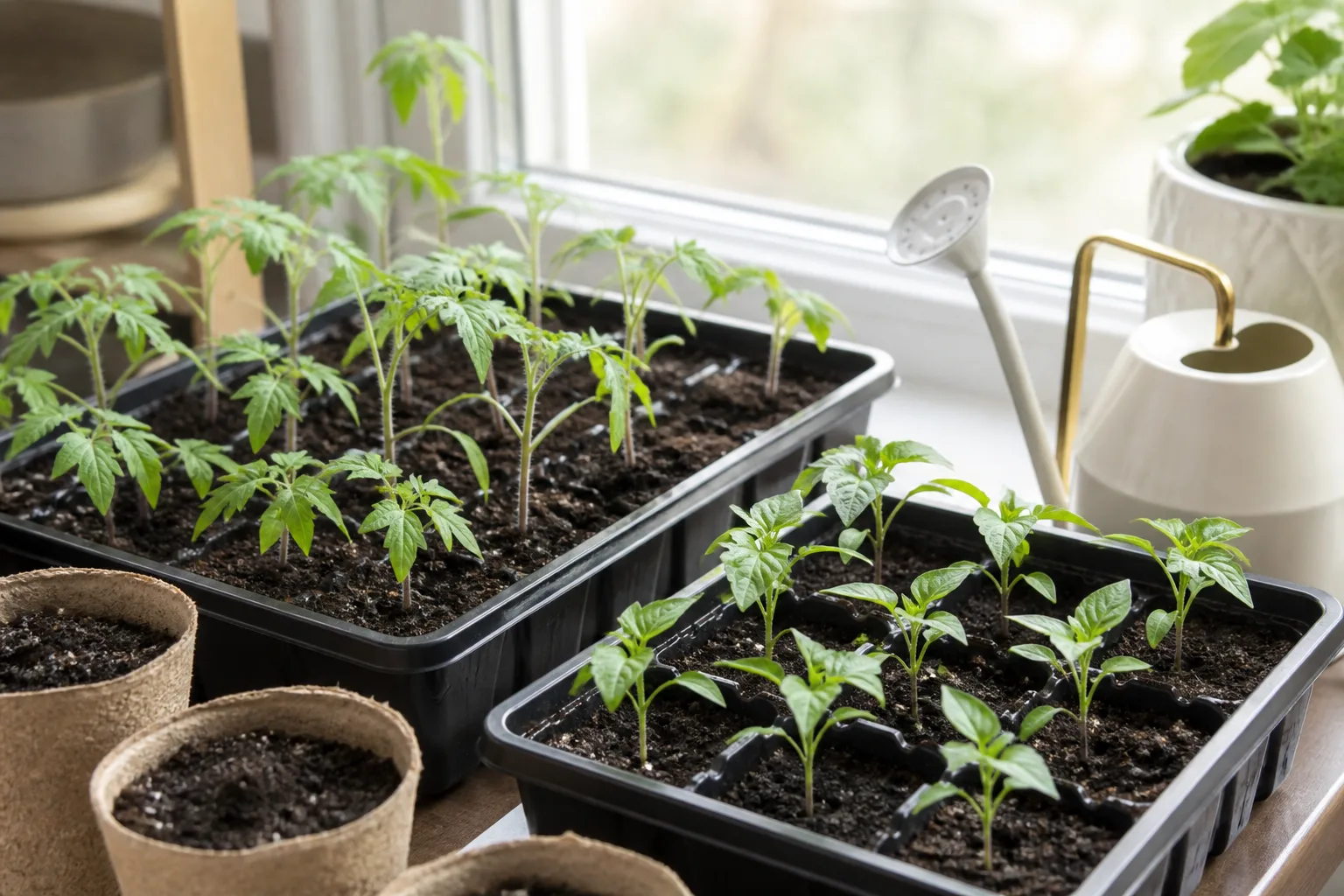
Late-summer seed failure usually comes from the seedbed, not the packet. Hot soil, a crusted surface, and one missed watering can stop a crop before it appears; Iowa State Extension specifically warns that heat and dry soil often reduce late-summer germination.
Prepare the bed as soon as a summer crop is removed. Pull exhausted plants, clear weeds, loosen the top few inches without turning up a mass of dry subsoil, and add a thin layer of mature compost. UMN Extension recommends replacing nutrients used by the first crop before sowing a second one, but avoid pushing leafy crops with a heavy nitrogen dose that creates soft, pest-prone growth.
Water the row before sowing when the soil is very dry, then cover seed to the packet’s depth and water lightly. A thin layer of compost, vermiculite, or fine mulch can reduce crusting and evaporation; remove bulky mulch from tiny seedlings once they emerge so light and airflow reach the row.
Use a temporary shade cloth or the shadow of a taller crop for heat-sensitive seeds such as spinach and lettuce. Check the row every day during a hot, dry spell, because “watered the garden” is not the same as “kept the seed zone moist.” Once plants have emerged, shift from frequent light watering to deeper watering that encourages roots to move down.
Succession-sow quick crops rather than making one large planting. Two short radish or spinach rows planted 10–14 days apart usually produce a more manageable harvest and reduce the chance that a single hot week ruins the entire crop.
What to do when heat or frost arrives
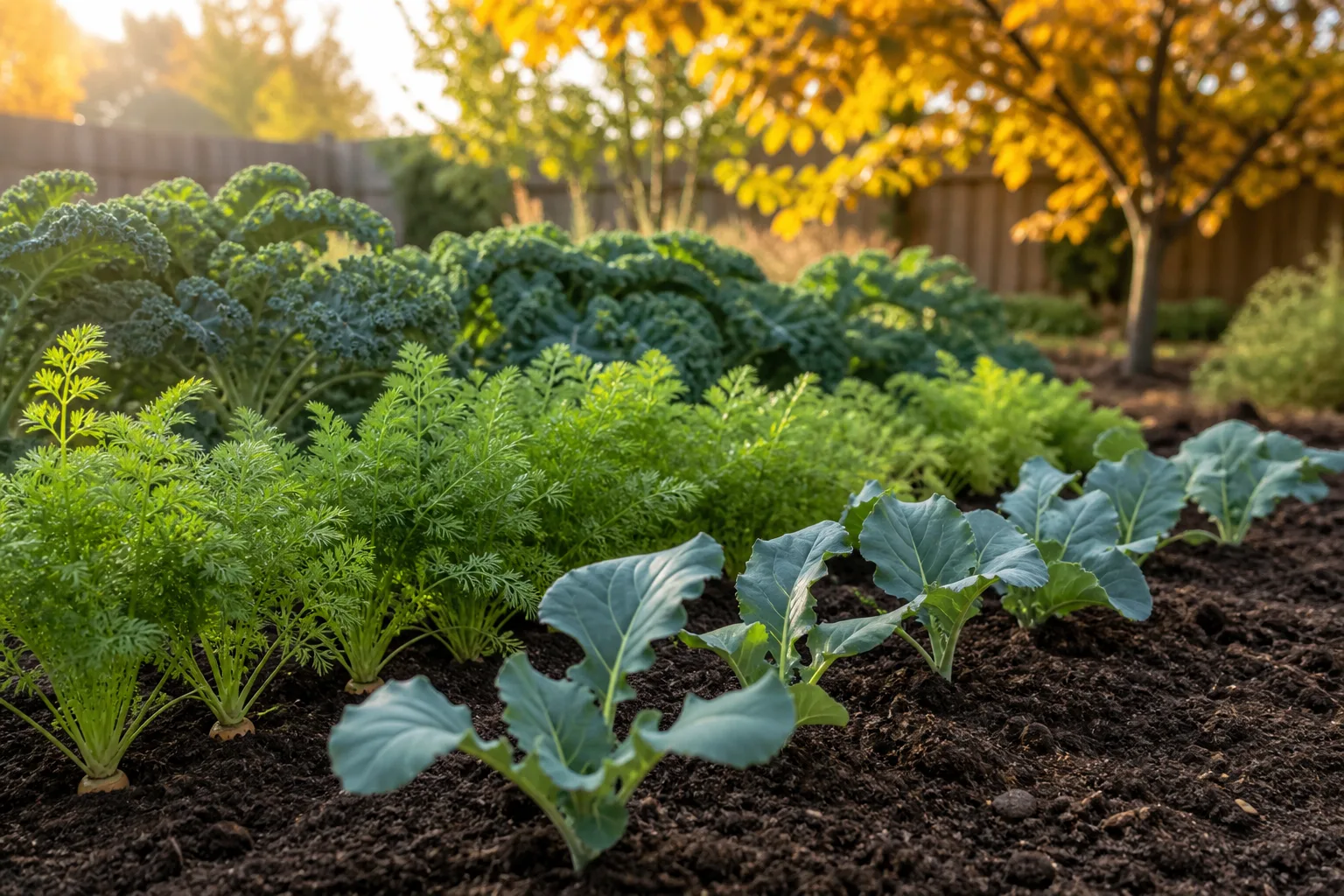
Heat and frost are not equal threats. Heat mostly delays germination, causes bolting, or makes roots and leaves less tender; frost can stop tender crops outright, but it may improve the flavor and quality of hardy vegetables.
Group your plants by tolerance. Kale and established brassicas can usually stay outside through light frosts, while beets, carrots, chard, radishes, spinach, and turnips are more likely to tolerate a light freeze but may need protection as temperatures drop. Snap beans and other warm-season crops are frost-tender; do not spend your last August planting window on them unless your frost-free period is long.
When a light frost is forecast, cover small crops with a supported row cover or a low cloche before sunset and uncover them after the morning warms. Keep the fabric off the foliage when possible, secure the edges against wind, and do not use airtight plastic directly on leaves. A cover is a short-term buffer, not a substitute for choosing a crop that fits the season.
If frost arrives earlier than expected, harvest by category. Pick baby leaves immediately, pull mature radishes and turnips, cover kale and chard for continued picking, and leave carrots or beets in the ground only if the soil will not freeze solid and you can protect the shoulders. A small, earlier harvest is still a successful fall garden when it was planned around uncertainty.
Conclusion
The best vegetables to plant in August are the ones whose timing matches your first frost and whose harvest you can use before the weather turns. Start with radishes, spinach, baby kale, chard, or turnip greens when you need quick results; add beets, kohlrabi, carrots, peas, or broccoli only when the maturity window and starting method give them a fair chance.
Prepare the bed, keep the seed zone moist, sow short rows in succession, and use transplants for crops that cannot afford a slow start. A fall harvest does not require perfect timing—just a crop choice that respects the calendar you actually garden in.



