Forgotten Gardening Tips From Grandparents: What Works
Old garden wisdom from grandparents still solves real problems—soil health, mulch, hand-picking pests, and rose feeding. Learn which tips work, which fail, and how to use them.
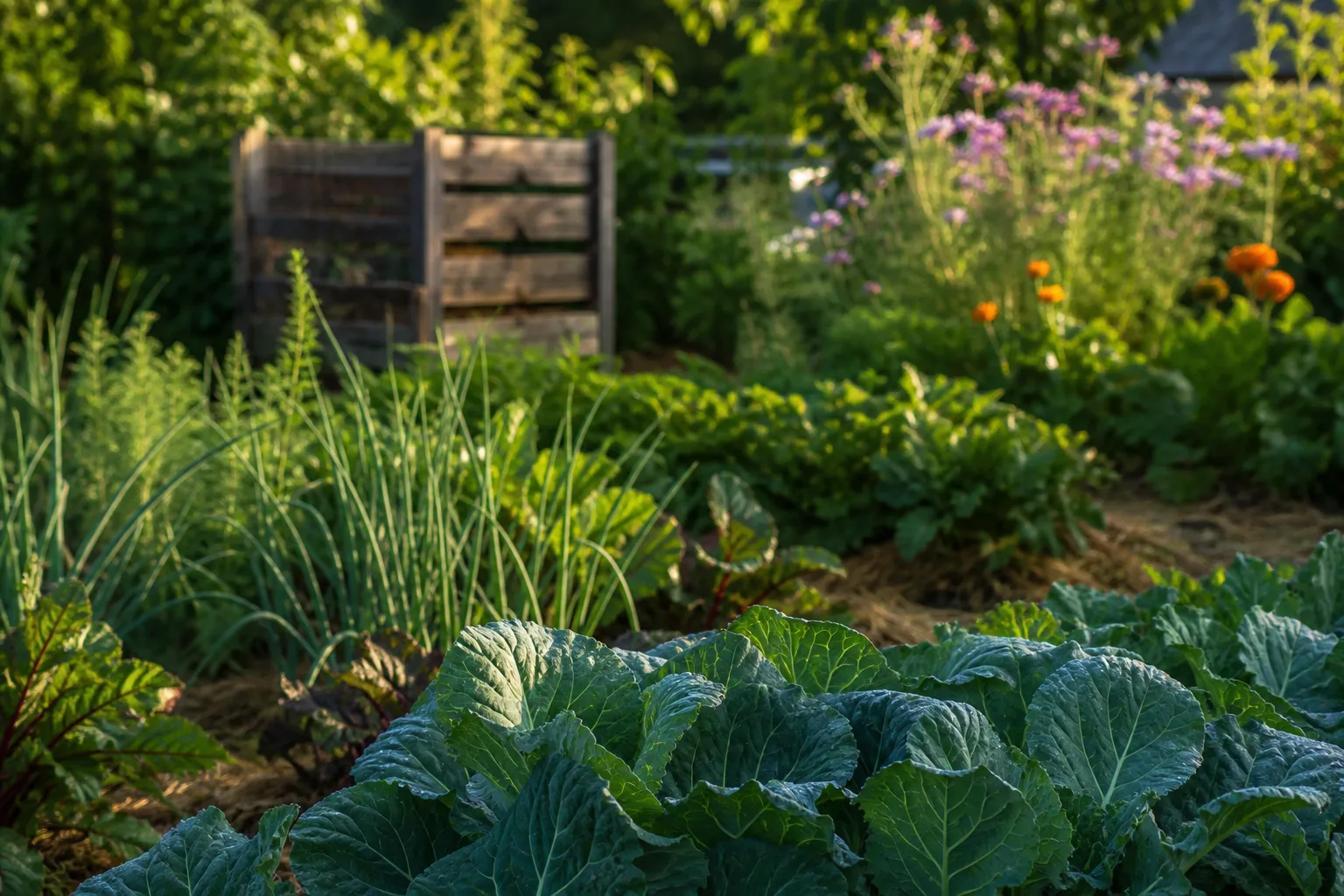
Six grandparent gardening tips still outperform a cart full of quick fixes when you know which ones to keep, which to adapt, and which folklore to retire. The best heirloom advice targets soil biology, bare-soil coverage, daily observation, targeted feeding, honest pest control, and the mental habit of showing up—even when the weather or the rabbits disagree.
Why Heirloom Garden Advice Still Beats Trendy Shortcuts
Older gardeners did not have infinite products. They had compost piles, mulch piles, sharp eyes, and routines. That constraint forced practices that build soil structure, conserve moisture, and catch pests before damage spreads—exactly what extension guides still recommend for home beds today.
The mistake is treating every story from the porch swing as science. Some tips survived because they work. Others survived because they were cheap, memorable, or harmless enough to repeat. Your job is not nostalgia—it is sorting keep, adapt, or skip before you spend a season on the wrong habit.
How to Tell a Time-Tested Tip From Garden Folklore
A tip worth keeping usually checks three boxes. It changes soil or plant conditions measurably (more organic matter, less evaporation, fewer seedlings chewed). It scales to a home garden without secret ingredients or perfect weather. And when research exists, cooperative extension or university horticulture pages describe the same principle in different words.
Folklore often fails one of those tests. It may rely on a smell pests ignore, a single nutrient for a complex deficiency, or a one-time trick where a season-long habit is what actually works. When a tip sounds magical, test it small—or skip it and use a method with a track record.
Feed the Soil Before You Feed the Plant
“Feed the soil, not just the plant” is the strongest tip on this list, and it is the one most modern gardeners still underapply. Chemical fertilizers deliver soluble nutrients to roots today. Compost, aged manure, and leaf mold feed microbes, earthworms, and soil structure that release nutrients slowly and improve water retention for years.
Grandparents who gardened through lean decades leaned on finished compost, well-rotted manure, and shredded leaves worked into the top few inches each season—not a blue crystal shaken on dry ground every two weeks. That rhythm matches what extension services describe as building organic matter rather than chasing symptom fixes on hungry plants.
What to Add Each Season—and What to Leave Out
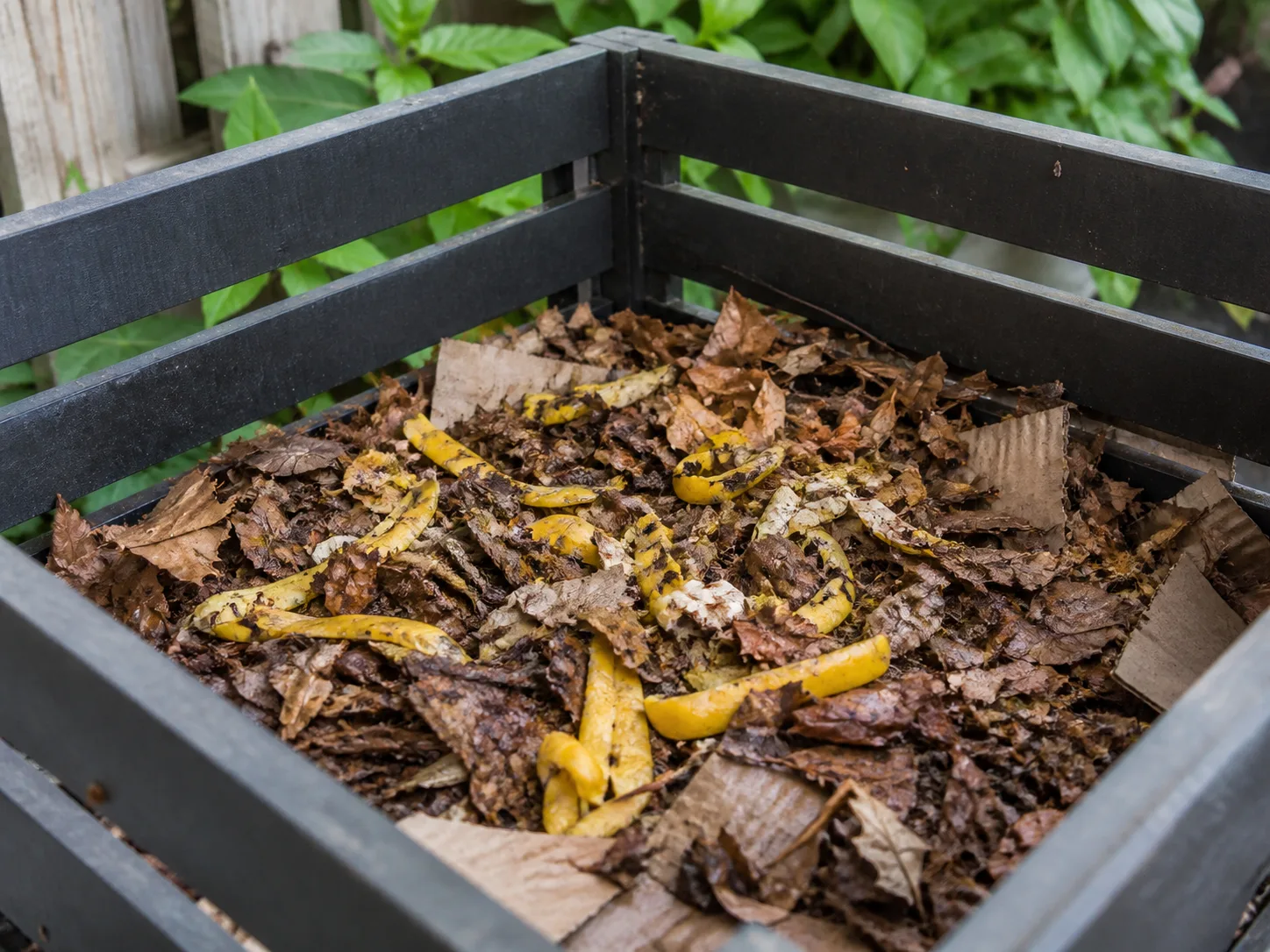
Finished compost is the safest all-purpose amendment: spread one to two inches on beds in spring and fall, or side-dress vegetables midseason. Aged manure adds nitrogen and organic matter but must be composted first; fresh manure can burn roots and carry pathogens—never apply it where root crops will be harvested within 120 days unless your extension office confirms local safety windows.
Leaf mold (partially decomposed leaves) is underrated: it holds moisture like a sponge and suits shade beds and woodland edges. Wood chips belong on the surface as mulch, not mixed into vegetable soil where microbes can temporarily tie up nitrogen during decomposition (CSU Extension).
Skip these common “soil food” mistakes: unfinished kitchen scraps buried in rows (attracts rodents, smells, uneven breakdown), synthetic fertilizer alone on depleted clay (green flash, then collapse), and heavy lime or sulfur without a soil test (you can lock nutrients for years).
The Spring-and-Fall Soil-Building Rhythm
Think in two passes. Early spring, after soil drains but before heavy planting, spread compost and lightly incorporate it in vegetable beds; in perennial borders, top-dress and let worms pull it down. Late fall, after cleanup, add another compost layer plus shredded leaves—this is when grandparent gardeners “put the garden to bed” and why spring soil feels easier to work.
If you only do one thing, start a compost pile or bin and redirect mowable leaves into it instead of the curb. For kitchen-scrap ideas beyond the pile, see how other garden waste cycles back in our guide on reusing garlic skins in the garden—same principle: organic matter in, landfill out.
Never Leave Bare Soil in a Working Bed
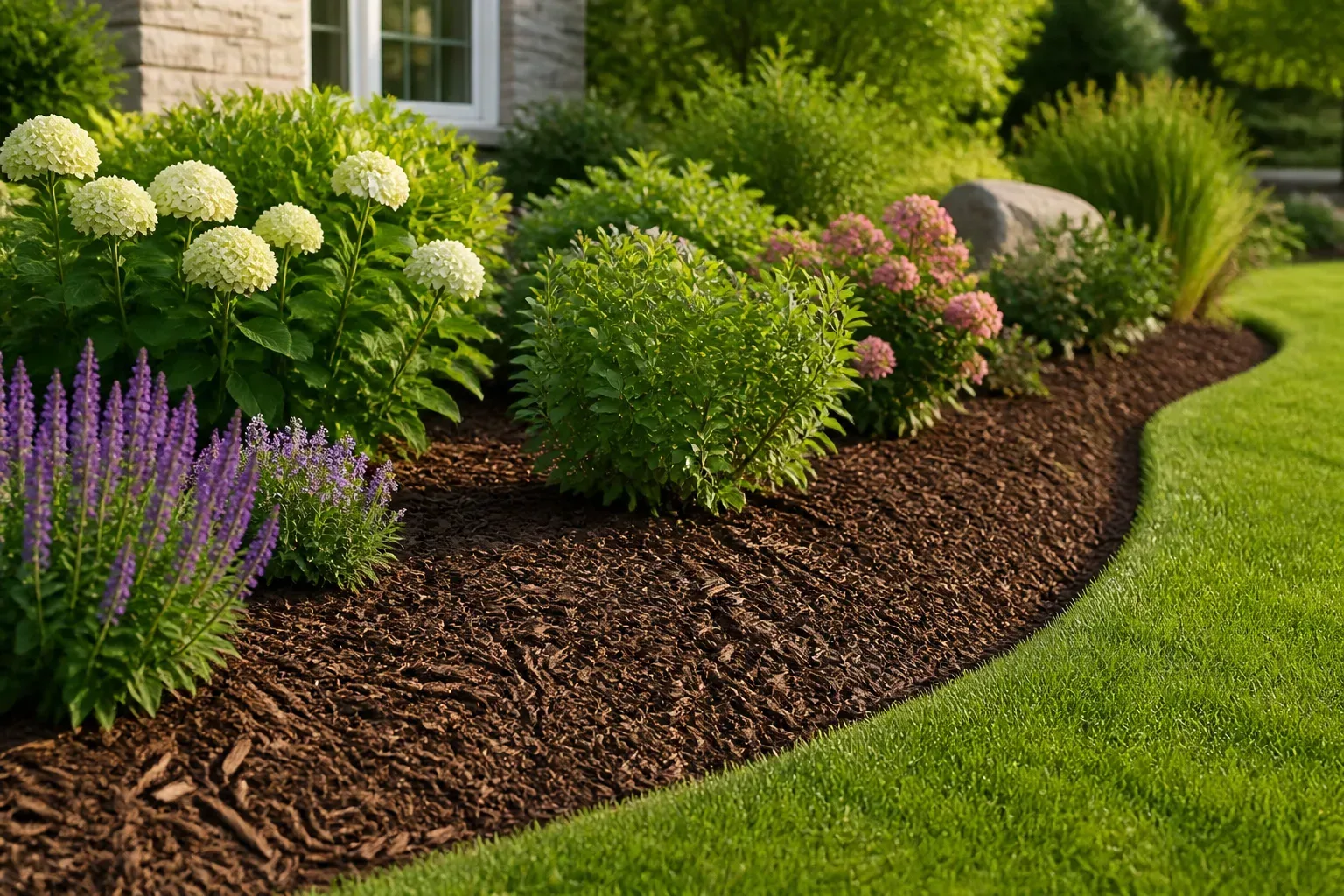
Bare soil is an open invitation: weeds germinate, rain compacts surface crust, sun bakes moisture out, and wind carries topsoil away. Grandparents mulched with straw, shredded leaves, or wood chips—or planted living groundcover between rows—because they could see the difference after one dry week.
Colorado State University Extension lists mulch benefits that read like a checklist for this tip: reduced evaporation, moderated soil temperature, weed suppression, erosion control, and increased microbial activity (CSU Extension). None of that requires a product subscription—just coverage.
Mulch Depth, Materials, and the Bare-Ground Mistake
Match depth to material. Wood chips and bark in ornamental beds: about four inches settled, refreshed as they decompose. Straw in vegetable rows: three to six inches, loose—not the compressed “mulch volcano” around trunks. Grass clippings and leaves: thin quarter-inch layers, dried between passes, never a wet mat from a full mower bag at once.
Keep mulch six inches back from tree and shrub trunks; piled chips against bark cause decay and rodent hiding—the classic mulch volcano mistake extension diagrams warn against (CSU Extension). In vegetable beds that get tilled, rake mulch aside before cultivating so chips do not mix into soil and steal nitrogen.
When weeds are your main worry, depth and prep matter as much as material. Our full breakdown of whether mulch prevents weeds covers seed banks, perennial escapes, and why fabric under mulch often backfires in home landscapes.
Hand-Pick Small Pests on a Daily Walk
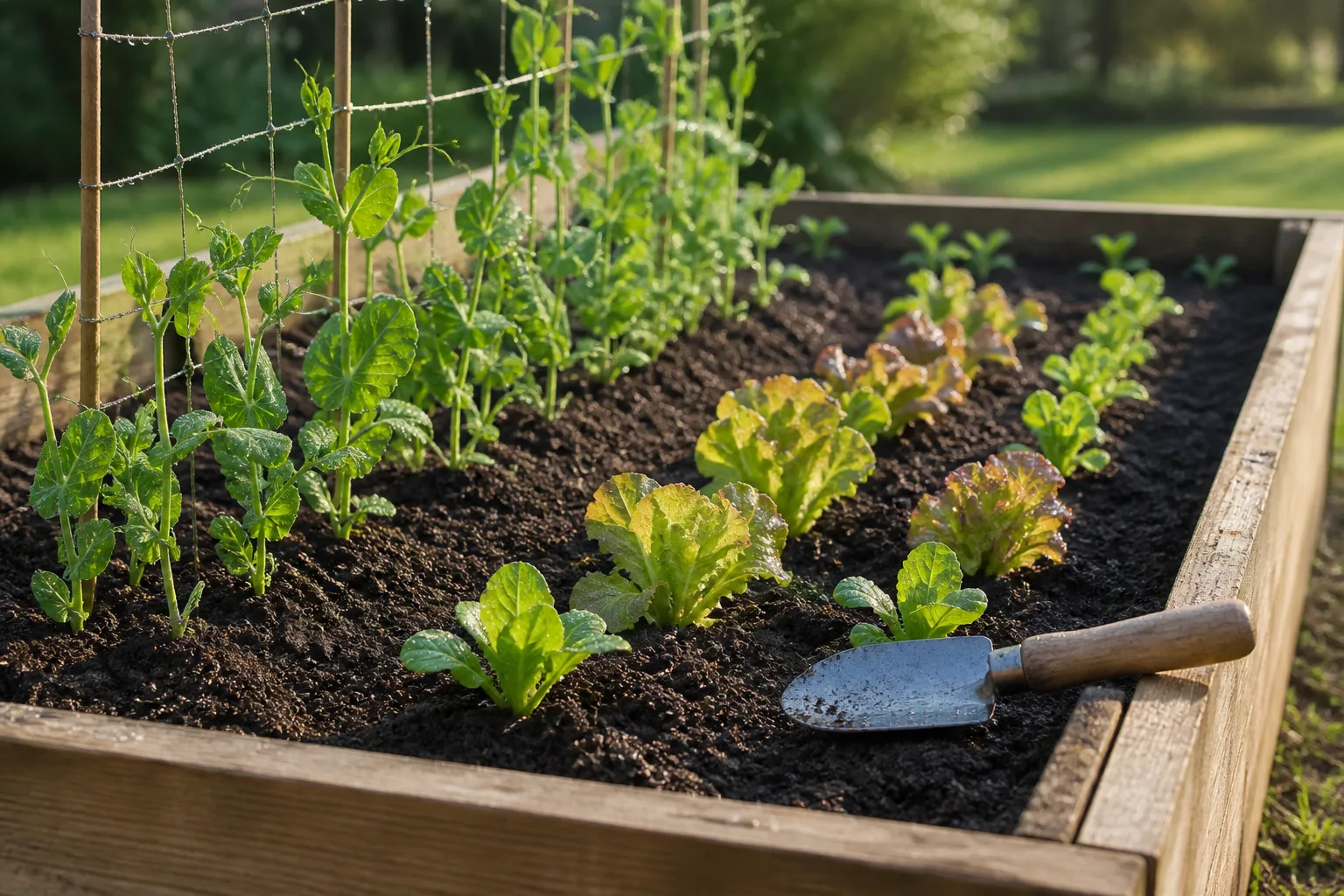
The quiet tip that ages best is show up every morning and remove pests with your hands before breakfast. Slugs, snails, hornworms, and beetles are easiest to catch when cool and damp—exactly when a quick loop through the vegetable garden fits between coffee and everything else.
Rutgers Cooperative Extension notes that for incidental slug and snail findings, hand-picking plus habitat cleanup is often enough; severe infestations may need layered controls (Rutgers FS397). That hierarchy—observe, pick, then escalate—is integrated pest management in plain language.
A Morning Routine That Cuts Damage Without Spraying First
Scout at dawn or on cloudy days when slugs and snails feed openly. Look for shiny mucus trails and irregular holes in leaf centers—not edge chewing from rabbits. Pick pests into a container of soapy water; do not toss them over the fence (they walk back).
Speed the hunt with boards, damp newspaper, or inverted grapefruit halves left overnight; check under them in the morning. For persistent slug pressure, iron phosphate bait near at-risk plants works over about a week and is safer around pets than old metaldehyde products when used per label (Rutgers FS397). Beer traps help in small beds but need emptying twice weekly and can attract other animals.
Pair picking with cultural fixes: water in the morning so beds dry by night, use drip instead of overhead sprinklers, and clear weedy slug hotels under pots and edges. Penn State Extension emphasizes reducing moist shelter as the long game (Penn State Extension).
Banana Peels for Roses—With a Soil-Test Gate
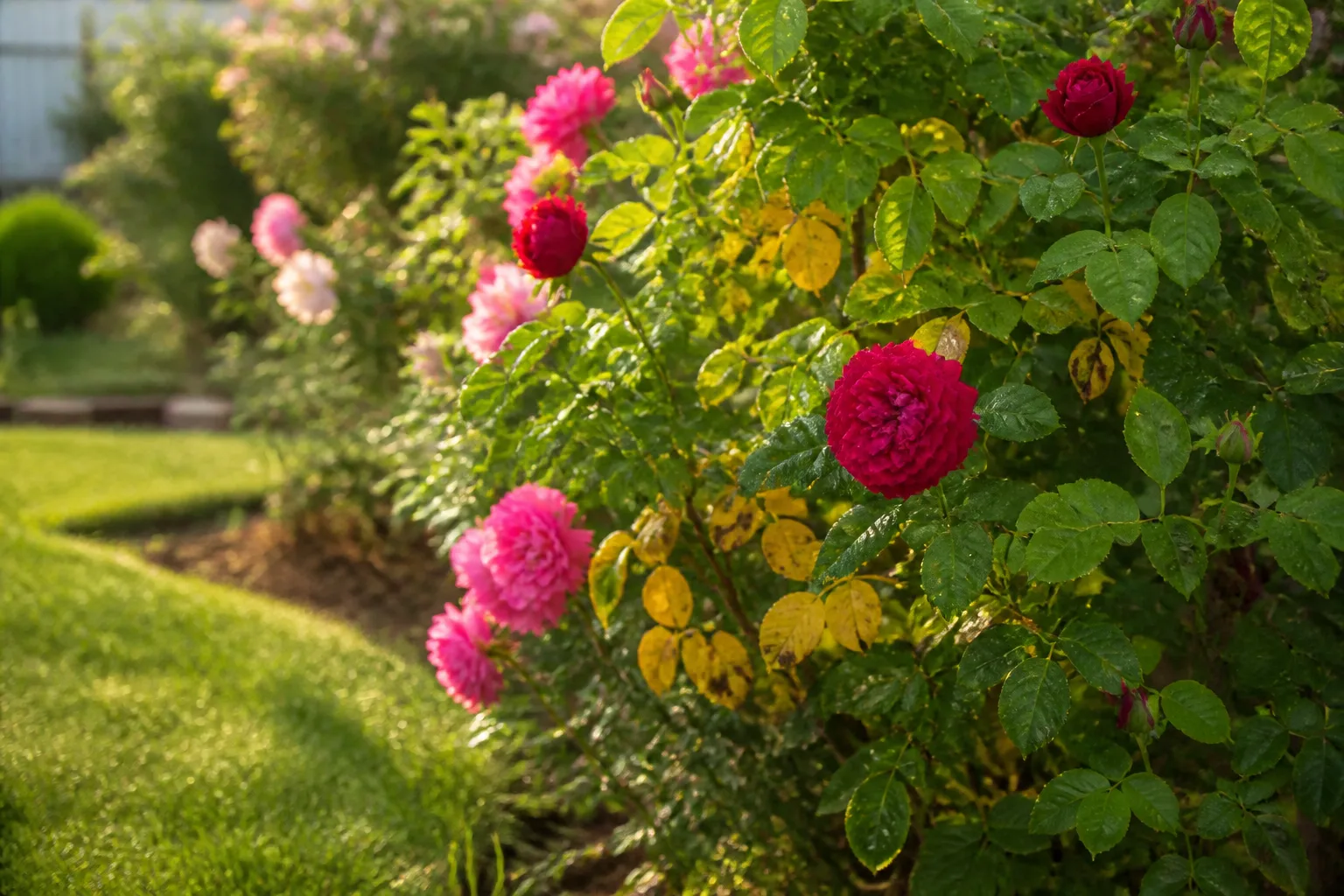
Grandparents buried banana peels at the base of rose bushes for bigger blooms. The kernel is real: peels are rich in potassium, which supports flower formation and root function. The gap is context—potassium helps only if soil potassium is low, and roses also need nitrogen, phosphorus, calcium, and stable pH.
Rose experts still adapt this trick by chopping peels into compost or steeping them in water for a weak banana peel tea poured on soil—not as a sole diet. If blooms stay small and leaves look pale or spotted, the problem may be pH, nitrogen, or disease, not potassium—see our guide on rose leaves turning yellow before chasing kitchen scraps.
Compost or Tea the Peels Instead of Burying Whole
Whole peels buried shallowly can attract rodents, dry into a leather shell, or clump around stems. Better workflow: chop peels, add to compost, apply finished compost around roses in spring. For tea, soak peels two to three days, dilute, and use promptly on soil—not as a foliar spray.
Always soil-test every two to three years before heavy potassium additions. If tests show adequate K, spend effort on balanced rose fertilizer, mulch, and air circulation—plus timely pruning covered in how and when to prune roses.
When Old Pest Tricks Fail (Human Hair and More)
Not every porch-story pest fix earns a place in modern beds. Human hair around plants to repel rabbits and deer sounds plausible—predator scent—but reliability is poor, hair mats when wet, and you must replace it constantly. Professional designers who grew up with the trick often abandon it for physical barriers and resistant plants instead.
Other folklore on the skip list: epsom salt for everything (only helps if magnesium is deficient), dish soap sprays at random strengths (leaf burn), and companion planting as magic circles without spacing or trap crops. When a tip has no extension backing and fails twice in your yard, retire it without guilt.
Pest-Resistant Plants and Barriers That Hold Up
Swap scent gimmicks for texture and structure. Thorny or fuzzy-leaved border plants, hardware cloth fences buried six inches against rabbits, and row cover on seedlings beat hair tufts. For insect pressure, a mixed border of strong-scented herbs can help slightly—but monitor counts and use labeled controls when thresholds spike; our neem oil guide covers when organic sprays fit an IPM plan.
Some gardeners plant repellent species around vulnerable crops—alliums near carrots, marigolds near tomatoes—as part of a system, not a spell. For ant trails and sap-suckers at scale, see plants that repel ants for realistic expectations: habitat change first, products second.
Keep Joy in the Garden—Without Ignoring Problems
The softest-sounding tip—gardening should bring joy—is also a maintenance strategy. Grandparents who walked the rows daily did not do it only for zen; they caught problems early, noticed which bed dried first, and built a relationship with the plot that made chores lighter.
Wildlife-friendly gardeners extend that idea: tolerate some chewing, plant for pollinators, leave water shallow edges, and accept that a living system is not a showroom. Joy does not mean ignoring hornworm outbreaks—it means responding calmly because you were already there to see them.
Wildlife, Patience, and Realistic Expectations
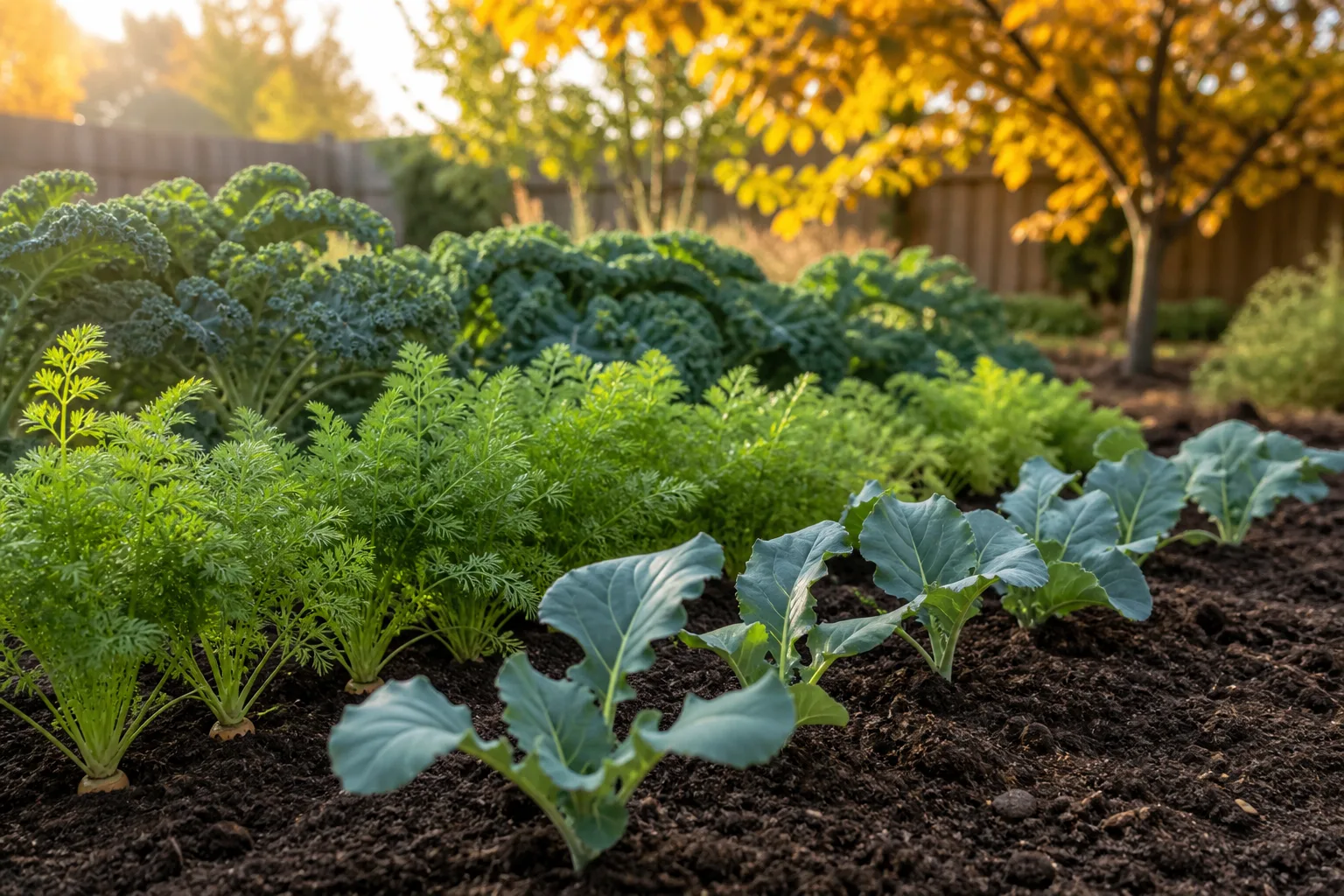
Coexistence has limits. Hand-pick or barrier-protect vegetables you need for the table; let ornamental natives take minor slug holes if plants outgrow damage. A garden that feeds you and wildlife is a success—even when it is messy mid-July.
When stress spikes—heat waves, failed seedings, vole tunnels—shrink the goal: one bed, one routine, one win. The grandparents who kept gardens for decades did not win every season; they returned next spring with compost on the shovel.
Which Tips to Prioritize by Garden Type
New vegetable plot: soil compost pass, straw mulch between rows, daily morning pest walk, skip hair and whole banana peels. Ornamental rose bed: soil test, compost mulch ring (not volcano), peel tea only if K is low, hand-pick Japanese beetles early. Shade perennial border: leaf mold mulch, living groundcover, tolerate slugs on hardy ferns unless damage spikes.
If time is tight, rank efforts: (1) cover bare soil, (2) add organic matter twice a year, (3) walk the garden every morning in season. Everything else stacks on that foundation.
Conclusion
Six time-tested tips from older gardeners still earn their place: feed the soil with compost and aged organic matter, never leave working beds bare, hand-pick pests on a daily loop, use banana peels for roses only after a soil test, replace failed pest folklore with barriers and resistant plants, and keep showing up for the joy—and the early warning system—a garden gives you. Adapt the rhythm to your climate and schedule, test soil before kitchen-scrap fertility, and let extension-backed habits do the heavy lifting while you skip the tricks that never worked in the first place.