Does Mulch Prevent Weeds? A Complete Guide
Does mulch prevent weeds? Yes—when applied at the right depth with the right material. Learn what mulch can and cannot block, plus pro tips for beds and veggie gardens.
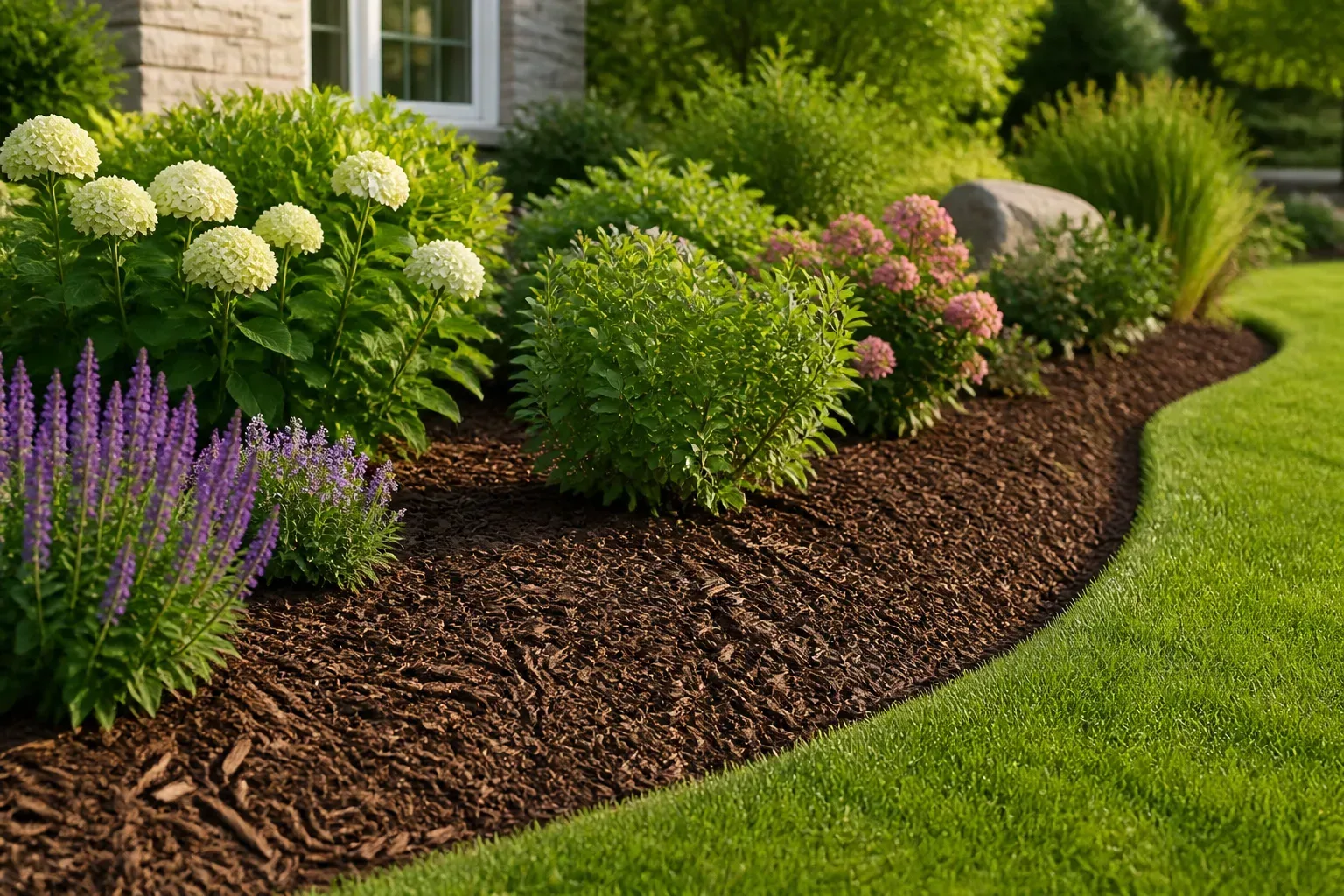
Mulch prevents weeds by blocking sunlight, slowing seed germination, and stopping new weed seeds from reaching bare soil—but only when the bed is prepped, the layer is deep enough, and you refresh it before it thins out. A single mulch application is not a permanent weed cure. It is the foundation of a longer weed-management plan that still includes pulling established weeds, managing the soil seed bank, and choosing the right material for each bed type.
The Short Answer: Yes, Mulch Suppresses Weeds—With Real Limits
Mulch is the most effective natural weed barrier most home gardeners can use. It works on the same principle every extension guide repeats: weed seeds need light to germinate, and a thick enough mulch layer keeps that light from reaching the soil surface. Colorado State University Extension lists weed suppression among the core benefits of mulching, alongside moisture retention, temperature moderation, and erosion control (CSU Extension).
The catch is timing and depth. Mulch suppresses germination, not established perennial taproots pushing up from below. It blocks seeds already in the top inch of soil—it does not sterilize the ground. And mulch that has blown thin, composted down to a dusting, or been stirred into the soil during planting stops doing its job until you top it off.
What Mulch Does to Weed Seeds
A functioning mulch layer attacks weeds on three fronts. Light exclusion is the main one: without enough photons, annual weed seeds sitting on or just below the surface cannot trigger germination. Physical barrier matters too—wood chips, straw, and bark make it hard for a sprout to push through even if a few seeds do germinate in a thin spot. Seed interception is the third benefit: mulch catches windblown weed seeds and bird-dropped debris before they settle into contact with soil.
Organic mulches add a fourth, slower benefit. As they break down, they improve soil structure and support microbial activity, which can make your desirable plants more competitive. That does not replace weed blocking, but healthier beds mean fewer bare patches where weeds colonize first.
What Mulch Cannot Fix on Its Own
Mulch will not kill a healthy stand of quackgrass, nutsedge, bindweed, or Bermuda grass already rooted in the bed. Those plants spread by rhizomes, stolons, or deep taproots that live below the mulch line. Pull or solarize those patches before you spread chips, or you will be fighting the same perennial every spring.
Mulch also cannot stop weeds that germinate on top of the mulch itself. Wind carries dandelion, thistle, and tree seeds onto any surface. The fix is not more mulch—it is a quick hand-pull while seedlings are small, before roots anchor into the layer below.
Finally, mulch does not erase the soil seed bank—the reserve of dormant seeds already stored in your soil from years of weeds going to seed. Suppression reduces how many of those seeds sprout each season, but a bed with a heavy seed bank may still flash weedy the first year until you stop replenishing it.
How Much Weed Control You Can Realistically Expect
Think of mulch as reducing weed pressure dramatically, not eliminating it. In well-prepared beds with four inches of wood chip mulch refreshed annually, many gardeners report pulling weeds a fraction as often as on bare soil. Research cited in horticulture education often lands in the 60–85% reduction range for germination suppression under adequate organic mulch—but your result depends on bed history, mulch type, depth, and whether you let weeds set seed.
Set expectations by weed type and bed condition, not by a single headline number.
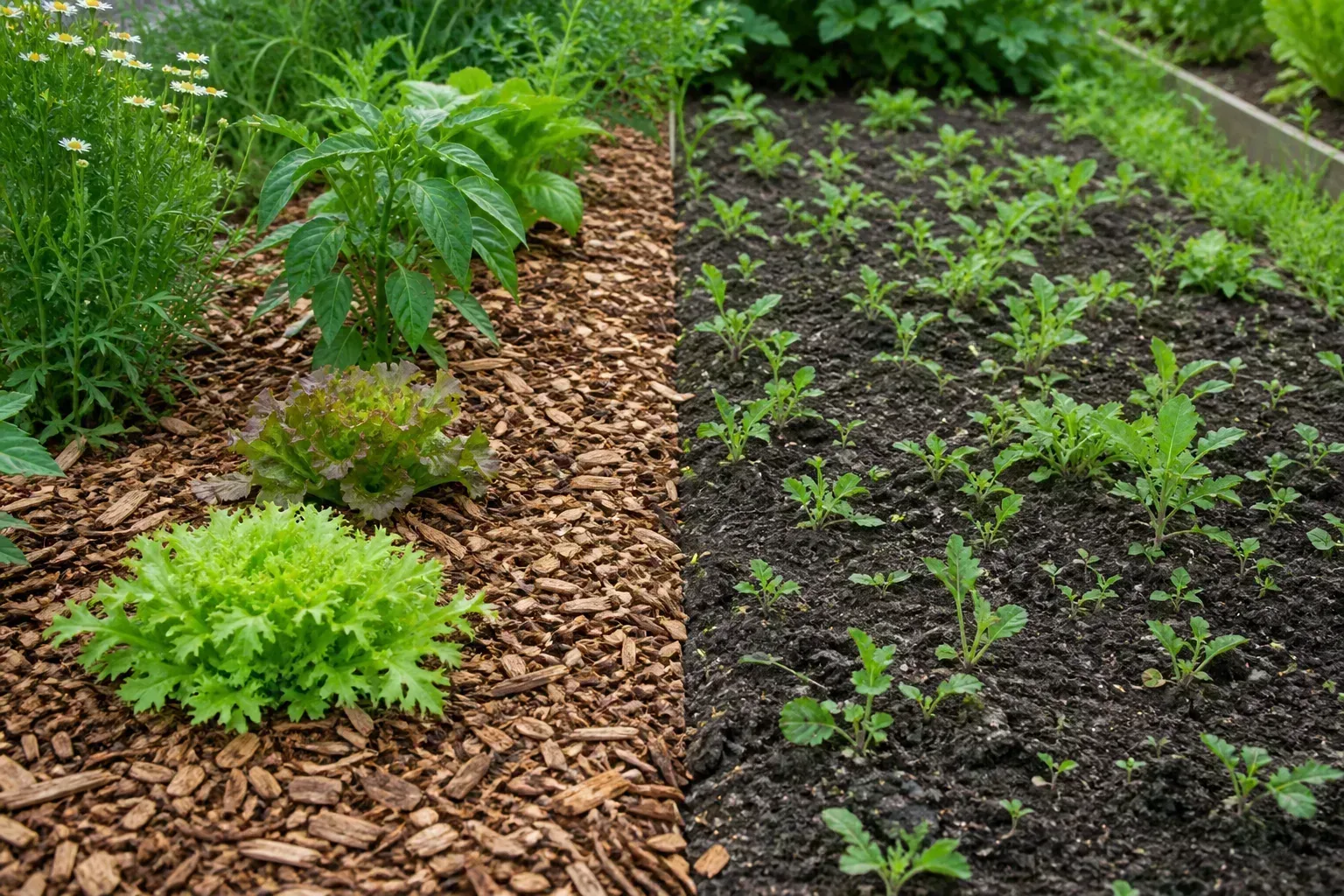
Annual Weeds vs Perennial Weeds
Annual weeds—chickweed, lambsquarters, pigweed, bittercress—are mulch’s best targets. They live one season, reproduce by seed, and die when you block light at the soil surface. A proper mulch layer after spring bed prep can keep most annuals from ever appearing.
Perennial weeds are a different problem. Dandelion, dock, horsetail, and field bindweed store energy underground. Mulch may weaken top growth by making the soil moister and cooler, but it will not starve a taproot that can push new shoots through three inches of bark. Remove perennials by the root before mulching, or expect to spot-treat escapes all season.
Biennial weeds like burdock or garlic mustard fall in between: mulch blocks the seedling cohort, but any plant already in its second-year growth phase needs hand removal.
The Soil Seed Bank and Windblown Seeds
Weed scientists describe the soil seed bank as the inventory of viable seeds stored in soil—sometimes thousands per square foot in long-neglected beds. Mulch lowers germination rates from that bank by blocking light, but seeds can remain dormant for years. The long game is preventing new deposits: pull weeds before they flower, deadhead volunteers on top of mulch, and do not let lawn weeds blow seed into beds.
Wind and birds are ongoing inputs. A fresh layer of straw or chips on a clean bed in spring can look perfect in May and sprout windblown seedlings by July. That is normal maintenance, not mulch failure. Keep a hand weeder by the door and spend ten minutes on top-germinators before they root through the mulch into soil.
Choosing the Right Mulch for Weed Suppression
No single mulch wins every situation. Match material to bed type, climate, irrigation method, and how often you are willing to refresh the layer.
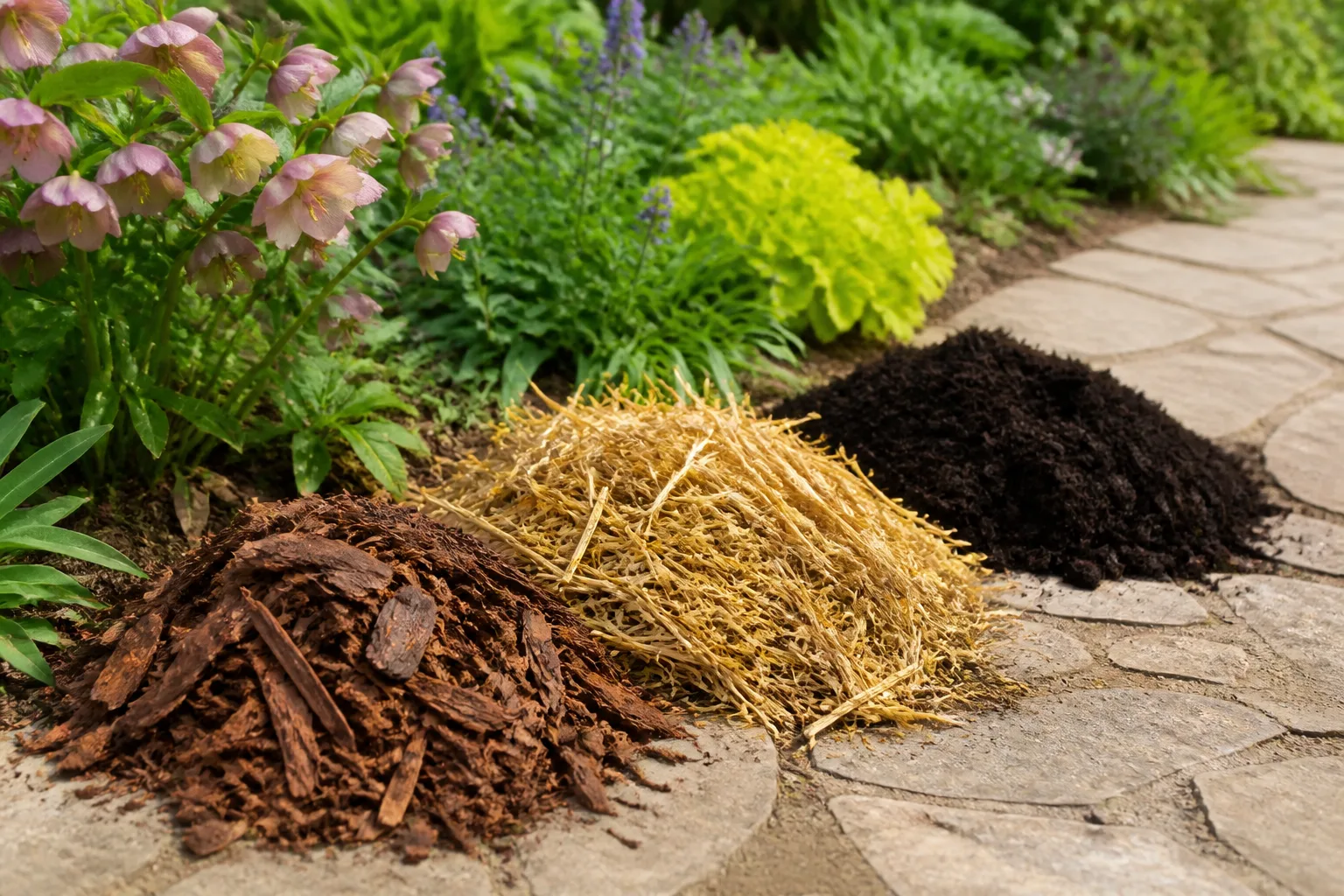
Organic Mulches That Work Best
Wood chips and shredded bark are the workhorses for perennial borders, shrub beds, and pathways between raised vegetable boxes. Colorado State Extension recommends four inches of wood chip mulch to suppress weeds in landscape beds (CSU Extension). Chips last one to three years depending on particle size and rainfall, break down to improve soil, and are widely available free from arborists.
Straw is the classic vegetable-garden mulch. It is light, easy to spread between rows, and excellent at blocking light—if you buy weed-free (seed-free) certified straw. Cheap straw can carry grain seeds that sprout in your tomatoes. CSU Extension notes straw also protects potato tubers from greening when hilled (CSU Extension vegetable mulches).
Grass clippings and shredded leaves work when applied in thin, drying layers. CSU recommends fresh clippings at no more than one-quarter inch per layer, letting each coat dry before adding more (CSU Extension vegetable mulches). Thick, wet mats stink, repel water, and can go hydrophobic. Never use clippings from lawns treated with herbicide in the past month—and read labels carefully, because some products carry over for months.
Compost as mulch (one to two inches) suppresses weeds while feeding soil. It breaks down fast, so plan to refresh mid-season in intensive vegetable beds.
Inorganic Mulches, Fabric, and Sheet Barriers
Gravel and rock mulch suppress weeds when stones are smaller than half an inch in diameter; larger decorative rock looks tidy but does not block light effectively (CSU Extension). Gravel suits xeriscapes, fire-wise zones, and paths. It does not improve soil organic matter and can complicate future planting.
Rubber mulch lasts indefinitely but offers no soil benefit, can heat up in sun, and is flammable—skip it for garden beds.
Black plastic mulch warms soil and blocks weeds in warm-season crops like tomatoes and melons. It is a production tool, not a landscape aesthetic. Overhead watering and oxygen exchange suffer if plastic is left in place year-round.
When Landscape Fabric Helps—and When It Backfires
Landscape fabric and black plastic under decorative mulch are popular—but extension guidance is skeptical for home landscapes. CSU Extension notes that woven weed-barrier fabrics eventually clog, reducing water and oxygen exchange, while weeds germinate in the mulch on top and root through the fabric (CSU Extension). Black plastic is impermeable and can suffocate roots.
CSU’s general recommendation: choose the correct mulch, apply it deeply enough, and skip the fabric in ornamental beds. For vegetable production at scale, plastic may make sense with planned removal each season.
Cardboard and newspaper sit in a gray zone. A couple of sheets of newspaper under thin grass-clipping layers can block light in vegetable rows (CSU Extension vegetable mulches). But CSU’s landscape guide warns that cardboard and fabric under deep wood mulch can interfere with water and air movement—and cardboard under a lawn-conversion project slows decomposition (CSU Extension). Use sheet barriers sparingly and only where you understand the trade-off.
How to Apply Mulch So It Actually Blocks Weeds
Depth without prep is wasted effort. The sequence matters as much as the bag you buy.
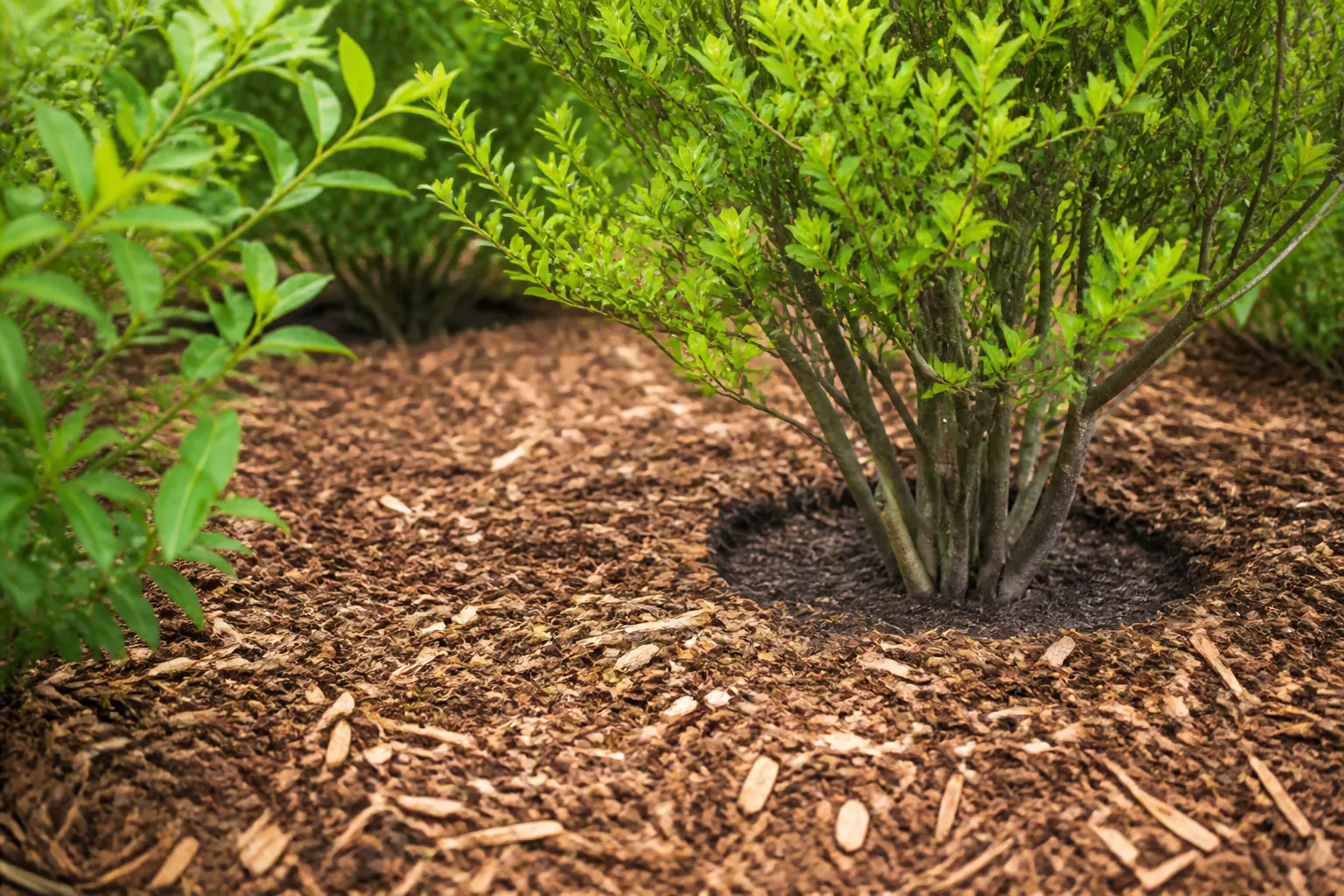
Prep the Bed Before You Spread
Start with a clean surface. Pull or hoe existing weeds—especially perennials—while the soil is moist enough to get roots out. If the bed is overrun, consider solarizing with clear plastic for four to eight weeks in summer, or smothering with a thick wood-chip layer over scalped turf for a full season (CSU Extension).
Water the soil before mulching. Dry soil under a new layer can stay dry; pre-wetting helps roots of desirable plants and gives mulch weight to stay put. Edge the bed or drop soil grade so mulch stays contained at sidewalk and lawn lines—CSU diagrams show how above-grade mulch spills onto mowing strips and creates trip hazards (CSU Extension).
Install drip irrigation or soaker hoses before spreading chips if your beds use them. Lifting mulch every summer to add lines is tedious, and disturbed mulch thins at the edges where weeds enter first.
Depth, Edging, and the Mulch-Free Zone
Wood chips and bark: four inches for weed suppression in landscape beds (CSU Extension). Epic Gardening’s horticulture-reviewed guidance suggests a minimum two-inch layer for trees with four inches optimal for moisture and weed prevention (Epic Gardening). More than six inches risks oxygen starvation and stem rot.
Straw in vegetables: three to six inches loose, fluffed—not packed.
Grass clippings: one-quarter inch per application, dried between layers.
Gravel: three inches for meaningful infiltration and weed block; stones must be pea-size or smaller.
Keep mulch at least six inches away from tree and shrub trunks—CSU’s figure for avoiding decay—and four to five inches per Epic Gardening’s tree guidance. Spread mulch out to the drip line when practical, not in a tight ring against bark.
Why Mulch Volcanoes Invite Problems
A mulch volcano—chips piled high against a tree trunk—is one of the most common landscaping mistakes. Wet mulch against bark holds moisture on the cambium, encourages rot and rodent damage, and does not actually suppress weeds in the root zone where it matters. The fix is a flat, doughnut-shaped ring: thick over roots, bare at the trunk. If you inherit a volcano, pull mulch back gently and spread it outward.
Maintaining Mulch for Long-Term Weed Control
Mulch is not install-and-forget. Organic materials decompose, blow away, and get raked during cleanup. Plan to top off once or twice per year—typically spring after soil warms and fall before winter freeze-thaw cycles thin the layer.
Fluff and redistribute chips in spring if winter compaction or ice has flattened them. Add enough fresh material to restore four inches in landscape beds or replenish straw in vegetable rows after cultivation.
Watch the edges. Weeds colonize where mulch meets lawn first. Refresh a thin edge strip and consider a physical edging trench so mower clippings and grass stolons do not creep into the bed.
In vegetable beds, rake mulch aside before tilling or planting, then replace when seedlings are up. Mixing wood chips into soil ties up nitrogen during decomposition—CSU warns incorporated wood can cause deficiencies for years (CSU Extension).
When mulch has broken down to bare soil patches, you are not “re-mulching too often”—you are maintaining the weed barrier. Budget for a wheelbarrow or two per season on a typical suburban border.
Natural Weed Control to Pair With Mulch
Mulch works best inside an integrated weed plan. Relying on mulch alone while ignoring seed production elsewhere in the yard is like mopping while the faucet runs.
Hand-weeding on a short schedule—weekly in spring, biweekly in summer—catches escapes before they seed. Ten minutes beats an afternoon once plants are knee-high.
Dense planting shades soil between desirable plants. Ground covers, tightly spaced perennials, and wide vegetable canopies reduce the bare patches weeds need.
Cover crops in empty vegetable beds over winter suppress weeds and add organic matter when turned under in spring.
Boiling water or vinegar sprays suit cracks in pavement and spots where mulch is impractical. They are contact killers, not replacements for bed mulch—see our guide on DIY vinegar weed sprays for where those formulas actually work.
Flame weeding along gravel paths can crisp small seedlings; check local fire codes and keep flames away from wood-chip beds.
Cardboard sheet mulching under a thick wood-chip layer can smother turf when converting lawn to garden, but expect the process to take a full season—and skip cardboard under shallow vegetable mulch where CSU recommends against it.
Common Mulch Mistakes That Invite Weeds Back
Mulching over live weeds. A thick layer may weaken annuals, but perennials punch through. Always clear first.
Too thin a layer. Two inches of bark looks fine in the bag and fails by August. Measure depth after settling.
Dyed mulch from unknown sources. Some cheap dyed products carry contaminants or inconsistent particle size. Natural aged chips from a reputable arborist beat mystery red mulch.
Straw with seed heads. One bale of weedy straw can plant your garden for you. Buy certified weed-free straw for vegetables.
Mixing chips into soil. Cultivating wood mulch under creates nitrogen competition and brings buried weed seeds to the surface.
Ignoring the seed bank. Letting one pigweed go to seed in fall can deposit thousands of seeds. Mulch helps most when you stop adding to the bank.
Fabric under mulch without a refresh plan. Weeds on top of fabric are miserable to pull. If fabric is already there, consider removing it during a renovation rather than adding another layer on top.
Conclusion
Mulch prevents weeds—not perfectly, not permanently, but better than any other natural method when you treat it as a system. Block light at four inches for wood chips, prep the bed first, keep mulch off trunks, refresh before the layer thins, and pull the perennials and top-germinators mulch cannot handle. Match straw to vegetables, chips to perennials, gravel to dry paths, and skip landscape fabric in most home ornamental beds.
The gardeners who complain that “mulch does not work” usually mulched once, too thin, over weedy soil, and never topped off. The ones who rarely weed in August pulled roots in spring, spread four inches, and spent ten minutes every two weeks on the few seedlings that appeared. That is the long run mulch was built for—and it is absolutely worth the wheelbarrow.