14 Plants That Repel Ants Naturally
Ants on the patio or kitchen counter? These 14 scented herbs and flowers can help repel trails—plus where to plant them, indoor cut-stem tricks, and safety limits.
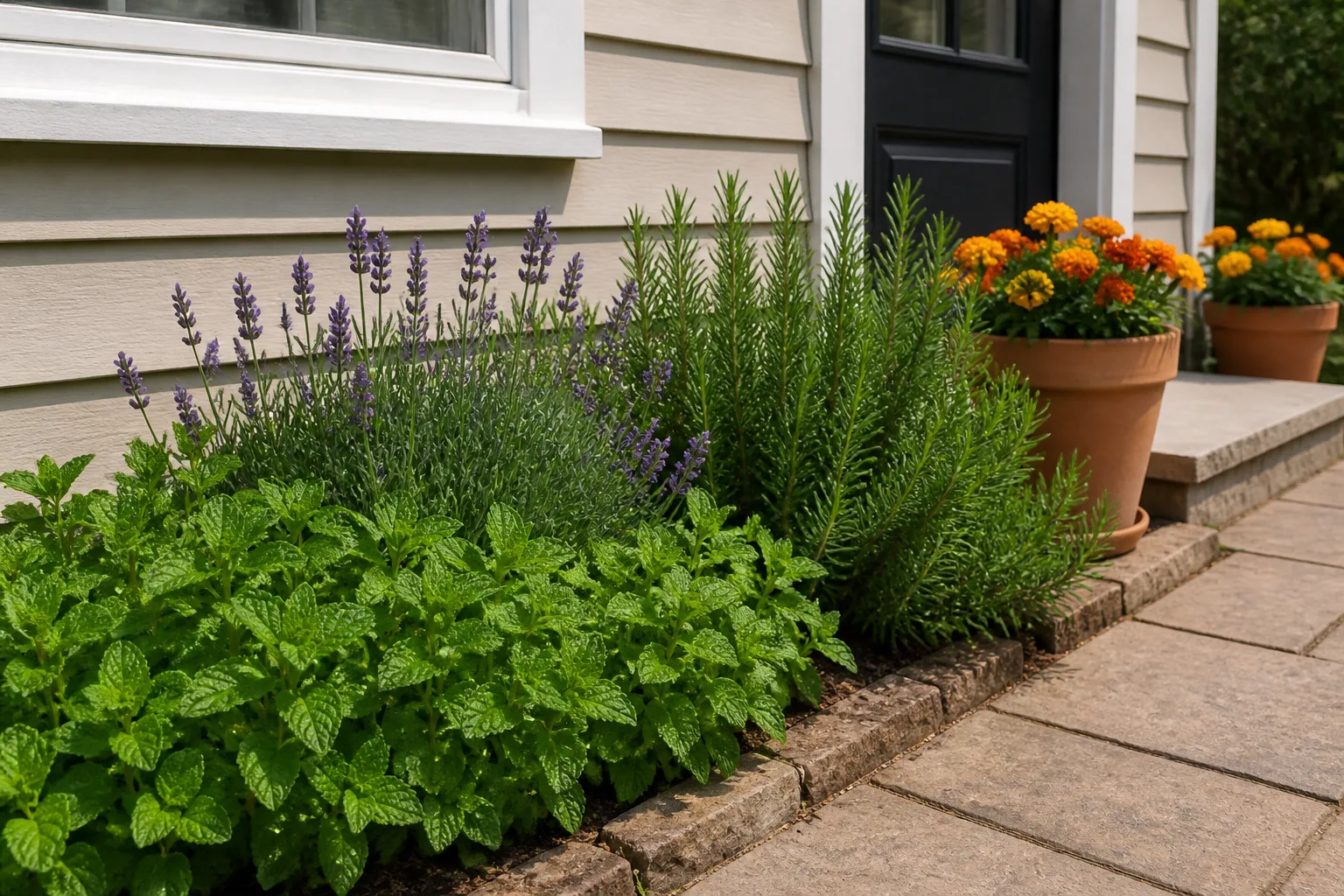
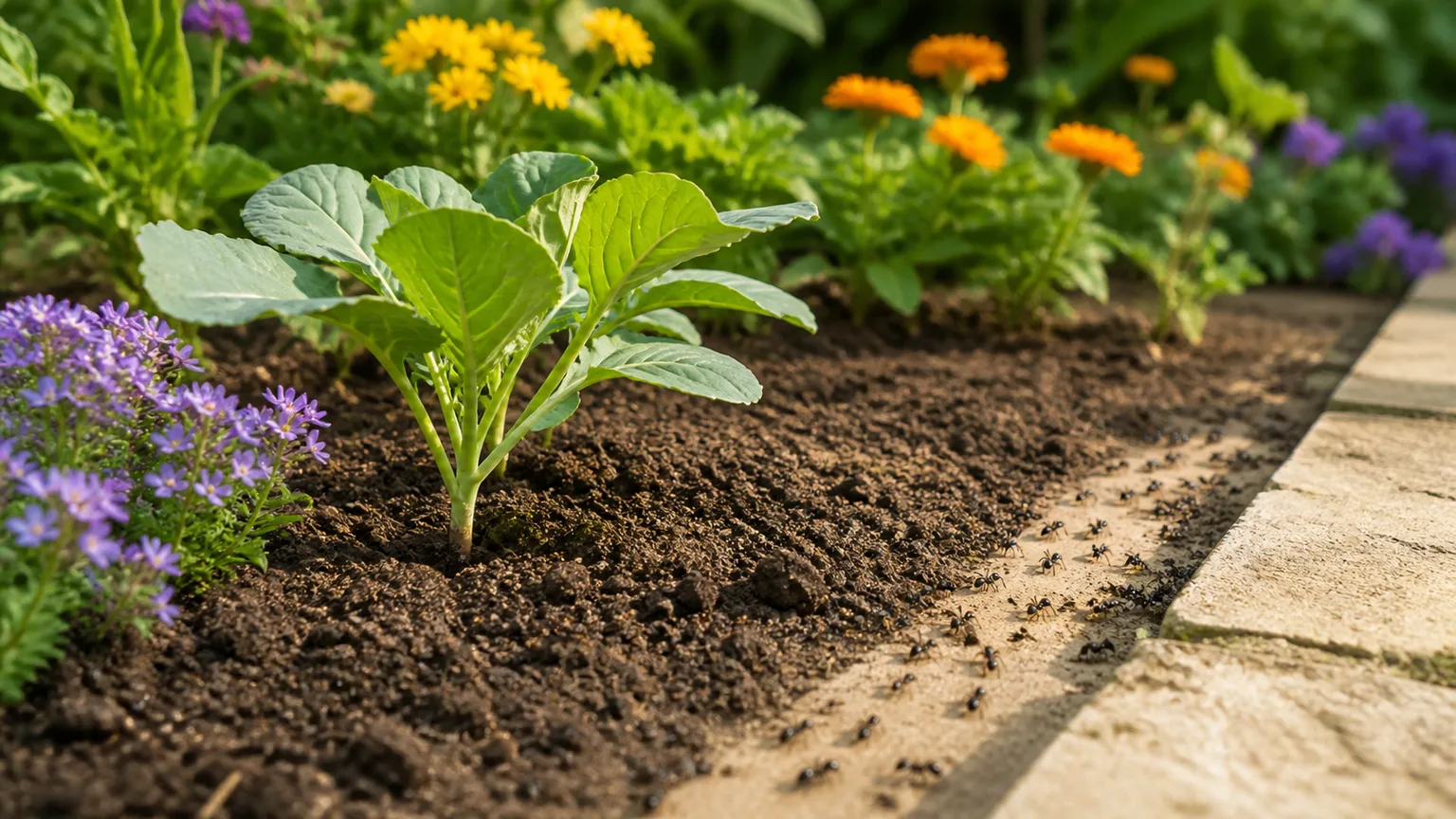
A line of ants across the patio usually means a foraging trail between an outdoor nest and food or moisture—not a failure of your entire landscape.
Scented plants can help by flooding entry zones with volatile oils ants prefer to avoid, but only when you match the plant to the placement and accept what scent cannot do. The fourteen herbs and flowers below are worth growing for barrier effect, companion planting, and indoor cut-stem use—not as a substitute for bait, sanitation, and sealing cracks when colonies keep sending workers indoors.
How Scented Plants Repel Ants — and What They Cannot Do
Ants navigate with pheromone trails laid by scout workers. Research from Vanderbilt University shows ants have an exceptionally high-definition sense of smell—roughly four to five times more odor receptors than most insects—which makes strong ambient scents genuinely disruptive on short paths (Vanderbilt University). When peppermint, sage, or lavender releases essential oils near a threshold or windowsill, foragers often detour rather than march straight through.
That detour is repellence, not colony kill. UC IPM notes that most home ant problems involve outdoor nests sending workers inside for food; spraying or blocking visible ants does not stop new ones from entering until you address the nest, entry points, and attractants (UC IPM). Live plants release lower oil concentrations than bottled extracts, so think of them as landscaping pressure on trails—not a pesticide replacement.
Why ants hate strong smells
The U.S. Forest Service documents widespread traditional use of native plant oils—mint, cedar, pyrethrum-bearing flowers—for insect deterrence because volatile compounds interfere with host-finding behavior (USDA Forest Service). Ants especially avoid sharp, camphor-like scents (sage, tansy, eucalyptus) and heavy minty-musty odors (peppermint, catnip, pennyroyal). Pleasant perfume scents like lavender work the same way: pleasant to you, overwhelming to an ant antenna.
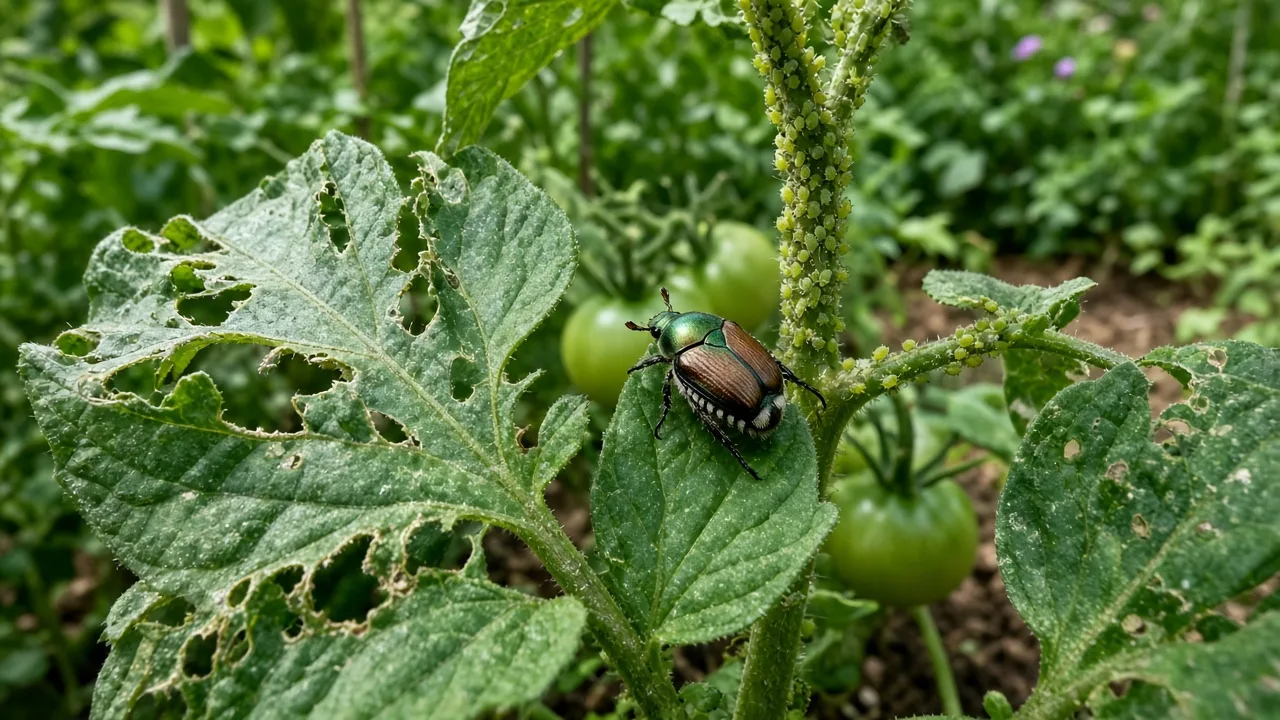
Repellent plants also help indirectly. Thyme and marigolds support ladybirds and other aphid predators; fewer aphids mean less honeydew, the sugary excretion ants farm and defend (RHS). Fix aphids on roses or citrus and ant traffic often drops even before you add new herbs.
Where to Use Repellent Plants: Yard, Patio, or Kitchen
Match the plant to the microclimate and how much scent you need. Foundation borders and patio edges suit hardy perennials—lavender, rosemary, thyme, and contained mint in buried pots. Warm zones (USDA 8–10) can grow citronella grass and some eucalyptus as screen planting; colder regions should treat them as annual pots or skip them for hardier herbs. Indoors, live pots of bay, mint, or rosemary work on sunny sills; cut or dried stems of bay, eucalyptus, or lavender refresh scent under sinks and near pantry gaps without committing to full sun in every room.
Place repellent herbs between known entry points and food, not randomly in a back bed ants never cross. Refresh crushed leaves weekly on indoor sills because dried scent fades faster than living foliage oils. If ants split into new trails after you add scent, that is normal repellent behavior—widen the barrier or switch to bait rather than planting more of the same herb.
Mint — Fast-Growing Groundcover With Real Bite
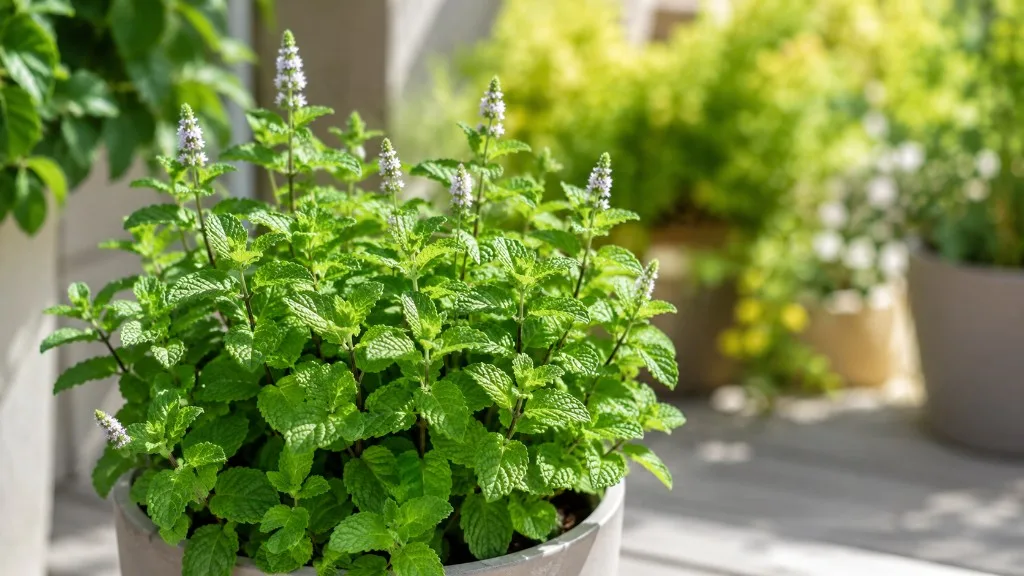
Peppermint and spearmint (Mentha spp.) pack high levels of menthol and related volatiles—the same compounds in peppermint oil barriers recommended in many IPM-adjacent home guides. Mints are cold-hardy in zones 3–10, tolerate part shade, and spread aggressively by runners. That spread is the superpower and the problem: use root barriers, buried pots, or dedicated mint beds so they do not invade lawn or vegetable rows.
For ant pressure, plant mint along the path ants use—deck steps, hose-bib corners, cracked walkway joints—not only in a distant herb circle. Crush a leaf on the trail when you water to spike scent release. Indoors, a small spearmint pot near a sliding door can nudge scouts, but pair it with sticky-trail cleanup (soapy water) so food odors do not overpower the herb.
Rosemary — Sun-Loving Evergreen for Paths and Containers
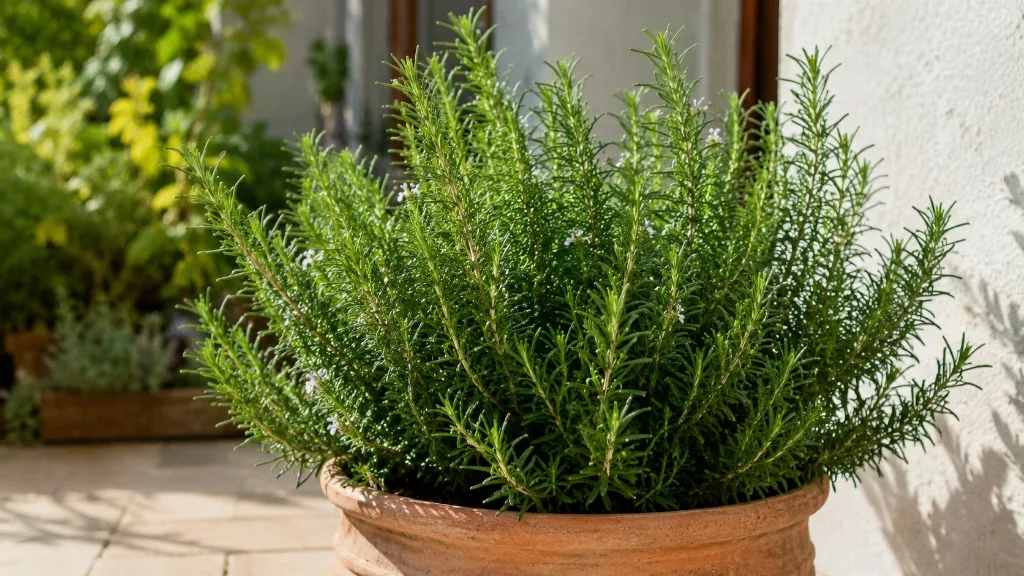
Rosemary (Salvia rosmarinus) brings a resinous, needle-leaf scent year-round in zones 5–9 (variety dependent). Full sun and sharp drainage suit hot, dry patio margins where ants often travel along warm masonry. Potted rosemary flanking a kitchen door gives you culinary harvest and a low hedge ants tend to bypass.
Rosemary pairs well with other Mediterranean herbs in a single ant-buffer strip: lavender, thyme, and sage share light and water needs. Do not expect a single dwarf pot to protect a whole house—aim for continuous scent along the actual trail, not one lonely container on the opposite side of the deck.
Catnip, Sage, and Pennyroyal — Strong Herbs, Different Risk Levels
Catnip (Nepeta cataria) has a long history as an insect repellent; its musty nepeta lactone-rich foliage repels several nuisance insects including ants in anecdotal and ethnobotanical records. It is easy in zones 3–7, drought-tolerant, and doubles as cat enrichment— which may be a pro or con on a patio. Garden sage (Salvia officinalis) releases camphor and thujone from fuzzy leaves; ants avoid the sharp smell, and sage fits sunny herb borders in zones 4–10.
Pennyroyal (Mentha pulegium) is the outlier: extremely effective mint-family scent, historically rubbed on skin and pet collars, but dangerous if ingested. Treat pennyroyal as landscape-only in beds pets and children cannot access—and never as tea or oil supplement.
Pennyroyal safety: potent repellent, serious toxicity
NIH LiverTox data document pennyroyal oil hepatotoxicity in humans and animals; even garden pennyroyal should never be consumed or concentrated into homemade oils (NIH LiverTox). If you grow it for ant barriers, keep plants off pet routes, wash hands after handling, and skip it entirely if toddlers or grazing pets use the yard. Safer mint-family options (spearmint in pots) deliver most of the repellent benefit with far lower risk.
Citronella Grass and Eucalyptus — Warm-Climate Screens and Cut Stems
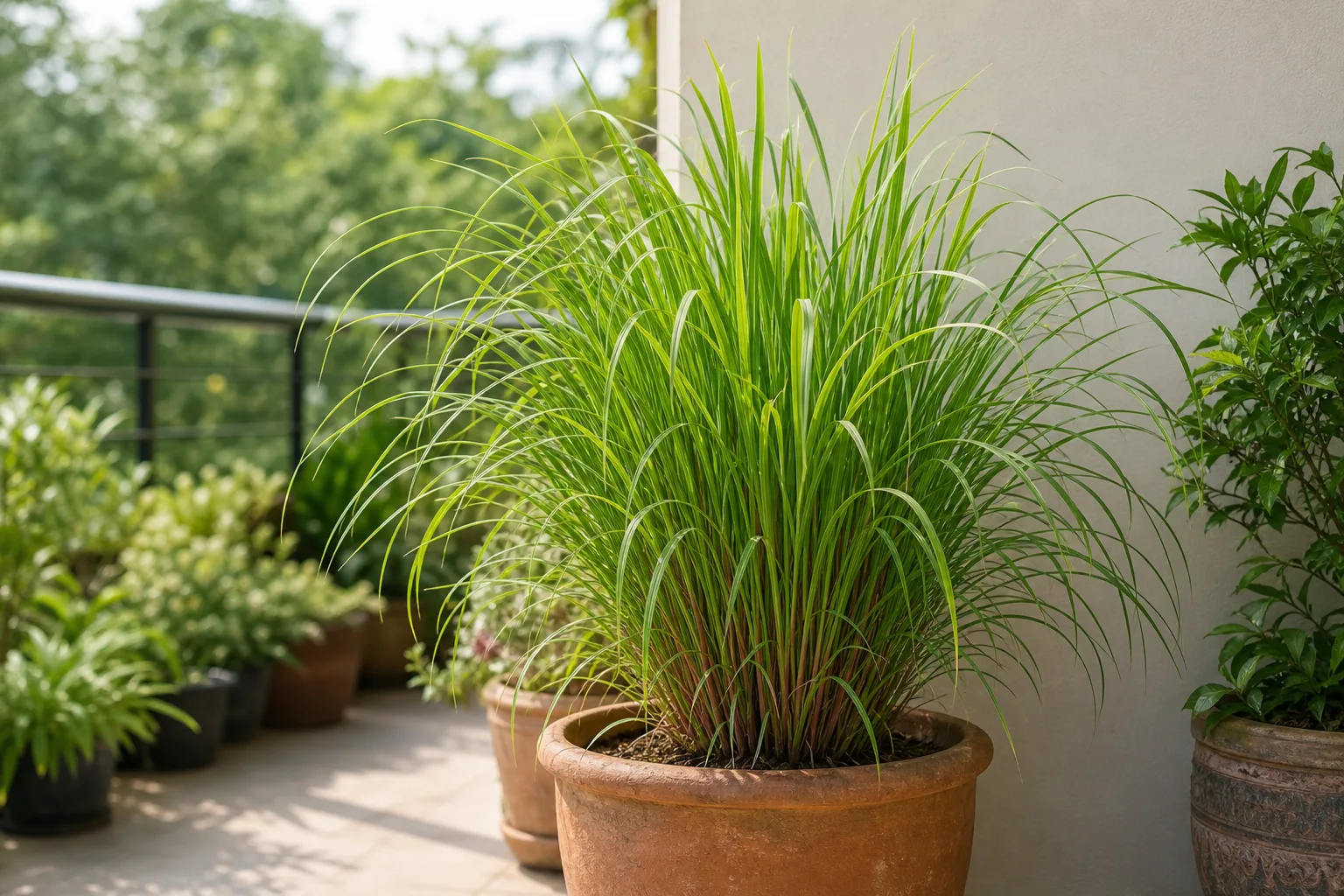
Two different plants hide behind the name citronella. Citronella grass (Cymbopogon nardus or C. winterianus) is the true high-oil species used in repellent products; it needs zones 10–12 or annual pot culture with daily water in full sun. The citronella-scented geranium (Pelargonium citrosum types) smells lemony but carries far less repellent oil—fine as a patio accent, weak as serious ant pressure.
Eucalyptus leaves release eucalyptol; warm-climate gardeners can use shrub forms as windbreaks near outdoor dining areas. Everywhere else, buy cut branches from florists or craft stores and replace them when scent fades—especially near indoor entry points in winter when outdoor planting is dormant.
Lavender and Bay Laurel — Border Color and Windowsill Defense
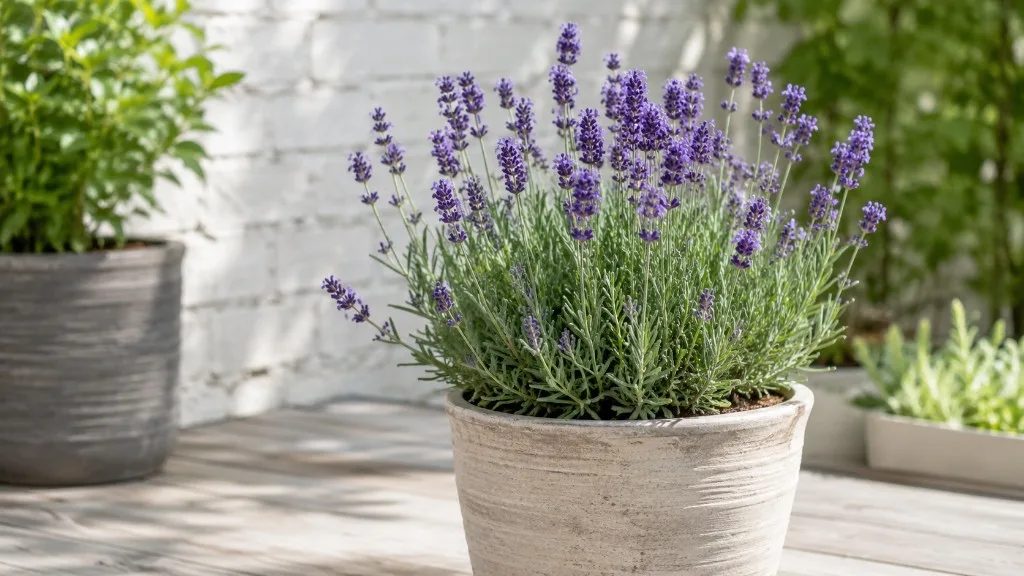
Lavender (Lavandula spp.) combines ant-offending perfume with pollinator-friendly spikes in zones 5–9. Plant tight rows along sunny foundation lines or in pots on steps ants climb. Lavender wants dry roots; overwatering kills plants and leaves you with bare soil ants cross anyway.
Bay laurel (Laurus nobilis) suits temperate pots overwintered indoors (zones 8–10 in ground). One or two small trees by a sunny kitchen window give edible leaves and a bitter, camphor edge ants dislike. Dried, crushed bay on sills and pantry corners refreshes cheaply—reapply after wiping counters so oils are not cleaned away.
Garlic, Thyme, and Alliums — Edible Perimeter Lines
Garlic (Allium sativum) and other alliums release sulfur compounds when bruised; interplant cloves along vegetable edges or in patio pots for dual food and deterrent value in zones 4–9. Crush a clove near an active crack if you need a short burst of scent before caulking.
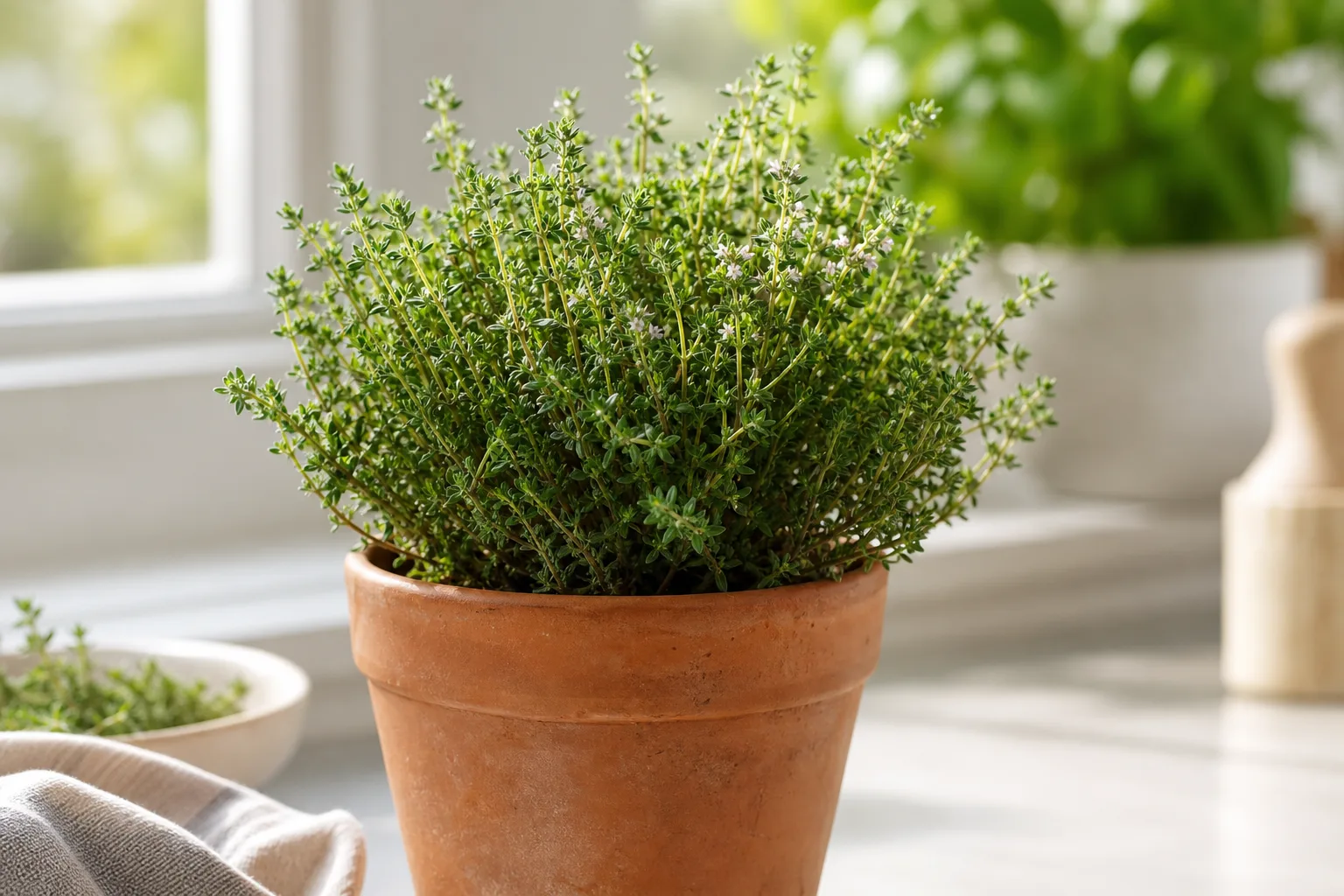
Creeping thyme (Thymus vulgaris and cultivars) makes a walkable groundcover in zones 5–9, releasing scent when stepped on—useful along flagstone paths ants use as highways. Thyme flowers feed ladybirds; reducing aphids cuts honeydew-driven ant loyalty to your roses and fruit trees.
Tansy — Effective Repellent, Often a Bad Garden Trade-Off
Tansy (Tanacetum vulgare) leaves contain thujone and a camphor-like odor ants avoid; it is hardier (zones 3–8) and visually bold with button yellow flowers. The trade-off is invasiveness: University of Minnesota Extension lists common tansy as a problematic spreader with deep roots that are difficult to eradicate once established (University of Minnesota Extension). Most home gardeners get similar repellent effect from sage or contained mint without importing a long-term weed problem.
If you already have tansy on a rural property, keep it away from vegetable gardens and lawn edges and never let it set seed near wild areas. Do not confuse tansy with tansy ragwort (Jacobaea vulgaris), a distinct toxic pasture weed.
Marigolds and Chrysanthemums — Floral Pyrethrin Sources
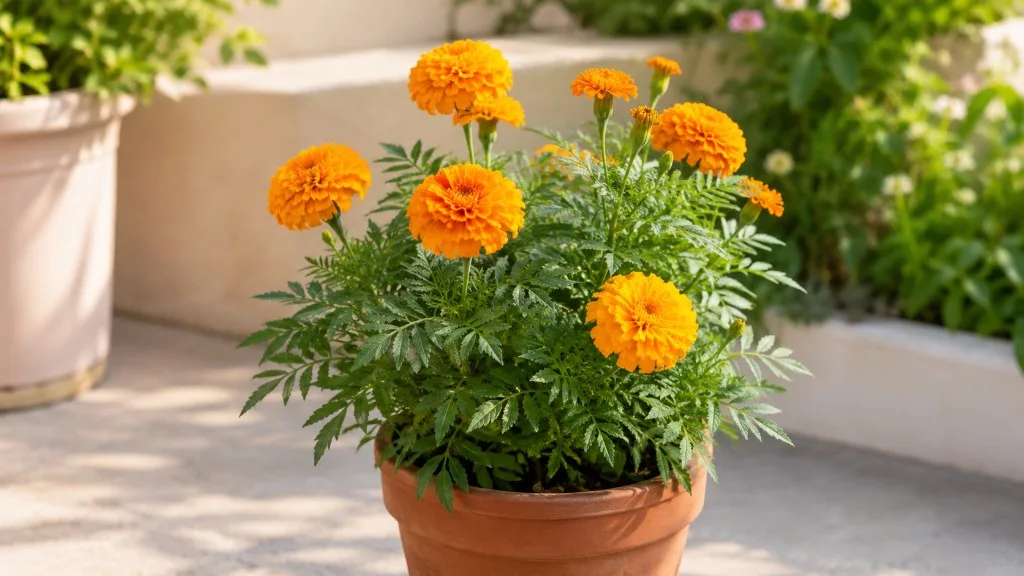
Marigolds (Tagetes spp.) bring pungent foliar scent plus habitat for predatory insects that eat aphids and other small prey—indirect ant control when honeydew sources shrink. French and African marigolds fit annual beds, pots, and vegetable companions in almost every zone.
Chrysanthemums contain pyrethrins, natural compounds that affect insect nervous systems and appear in many botanical insecticides. Live mums release far less pyrethrin than extracted dusts, but massed plantings along patio rails still add scent and pollen resources for beneficials. Hardy garden mums return in zones 3–9; treat florist mums as seasonal pots.
Neither flower eliminates an established colony; they shine as colorful buffer planting combined with sanitation and outdoor bait stations where label directions allow.
Plants That Attract Ants Instead of Repelling Them
Repellent planting fails when neighboring plants feed ants. Peonies produce extrafloral nectar that ants drink directly. Roses, clematis, and penstemon often draw ants when aphids are present because ants harvest honeydew and protect aphids from predators (RHS). Fix the aphid issue first—hose blast, insecticidal soap on soft-bodied stages, or predator support—before blaming your mint border.
Avoid placing sugar-rich compost bins, unsealed recycling, or pet food stations next to your repellent herb strip. Ants follow calories; scent loses every time against an open bag of kibble.
Pair Plants With Bait and Exclusion for Lasting Control
Use scented plants as layer one: steer trails away from doors and dampen scout enthusiasm. Layer two is exclusion and cleanup—caulk gaps, wipe trails with soapy water, store food in sealed containers. Layer three is slow bait near outdoor trails (not mixed with heavy repellent oils on the same surface), which targets the colony UC IPM says perimeter sprays miss (UC IPM).
When indoor traffic persists after planting lavender and rosemary outside, walk the interior perimeter with a flashlight and follow trails to moisture (drip pans, leaking faucets) as well as food. Our guide to natural ant control at home compares baits, diatomaceous earth, and repellents so you can pick the right tool after your herb border is in place.
Conclusion
The fourteen ant-repelling plants in this guide—mint, rosemary, catnip, sage, pennyroyal, citronella grass, eucalyptus, lavender, bay laurel, garlic, thyme, tansy, marigolds, and chrysanthemums—work best as scented barriers and companion planting, not magic colony erasers. Plant them on actual ant highways, manage mint spread and pennyroyal or tansy risk, and fix aphid honeydew sources that invite ants back. When trails keep returning, pair your herb border with sealing, sanitation, and bait so you are repelling scouts and starving the nest—not only perfuming the problem.