30 Garden Plants That Help Keep Snakes Away
Snakes in the yard? Compare 30 plants used as natural deterrents—what science supports, how to plant a perimeter, habitat fixes that matter more, and toxic or invasive species to skip.
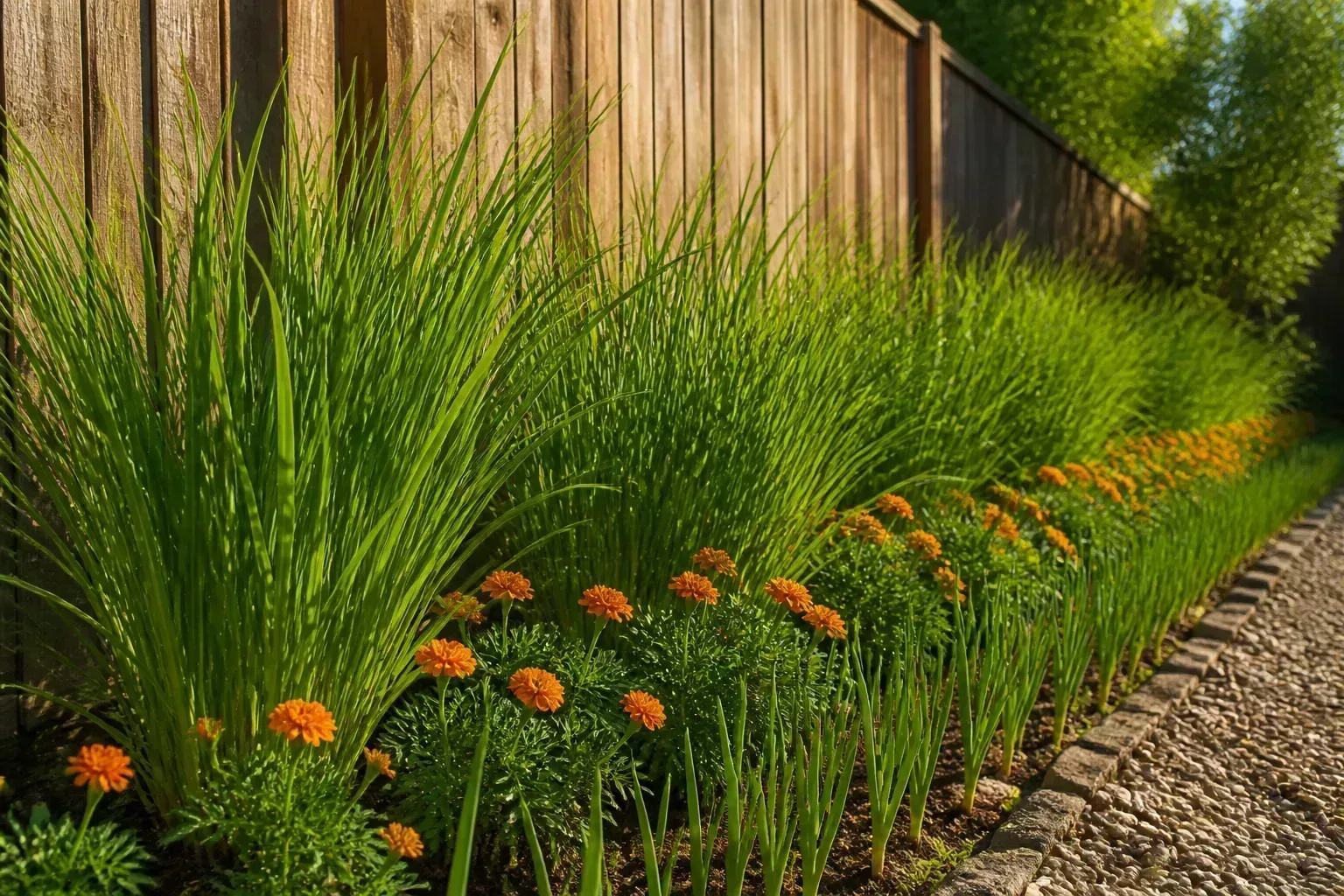
A snake sliding through mulch is not always a crisis—many species eat mice, slugs, and insects—but it is unnerving when the path crosses your patio or chicken run.
Plants alone rarely solve that problem. Ethnobotanical surveys in West Africa and lab tests on plant extracts show real interest in snake deterrents, yet field proof for live garden borders is thin compared with the marketing around “snake-repellent” lists.
The thirty plants below are worth knowing because gardeners worldwide plant them for scent, texture, or barrier effect—but the durable fix is still habitat modification: fewer rodents, fewer cool hiding spots, and less clutter at the foundation. Use this page to pick zone-appropriate plants, understand what evidence exists, and layer planting onto a yard plan that actually changes why snakes visit.
The Quick Answer: Habitat Control Beats Plant Lists Alone
No planting scheme guarantees a snake-free yard. A South African outdoor trial of five common repellent products—including plant-based options—found inconsistent results when applied in real weather (UPSpace). What consistently helps is removing prey (especially rodents), sealing den sites under sheds and decks, keeping grass mowed, and clearing stacked wood and dense groundcover near doors.
Plants can still play a supporting role. The strongest cases combine strong-smelling crushed leaves or seeds refreshed after rain, dense sharp-edged borders snakes prefer not to cross, and open, maintained beds where a snake feels exposed. Think of the list below as landscaping choices with possible deterrent side benefits—not magic borders.
| Plant (examples) | Main mechanism | Field evidence | Best use |
|---|---|---|---|
| Lemongrass, garlic, thyme | Strong scent | Folklore + extract studies | Crush and refresh perimeter |
| Marigold, clove, juniper | Oils used in commercial repellents | Extract/lab stronger than live plant | Mixed borders + maintenance |
| Vetiver, snake plant | Dense / sharp texture | Barrier logic, limited trials | Edge planting, dry zones |
| Thorny amaranth, woodrose vines | Thorns + visual clutter | Ethnobotanical use | Avoid if invasive locally |
How Snake-Repellent Plants Are Supposed to Work
Snakes do not “smell” the way mammals do—they flick tongues to sample airborne particles and ground scents. Sulfur-like, garlicky, or intensely herbal odors may make an area less appealing, especially when concentrated on crushed leaves or sprinkled seeds. That is why rural communities in Ghana and Benin historically used garlic infusions, bitter kola seeds, and aromatic herbs around dwellings (Asante-Kwatia et al.; Dossou et al.).
Scent barriers, sharp textures, and dense borders
Three mechanisms show up repeatedly in both folklore and product formulas:
Scent barriers rely on alliums, lemongrass, thyme, epazote, geranium, cinnamon, and clove—plants whose essential oils appear in commercial repellents (Punetha & Vuppu). Live plants release less oil than crushed foliage unless you bruise leaves weekly.
Texture and visual deterrents include upright snake plant (Dracaena trifasciata) leaves, spiny amaranth, and tangled Hawaiian baby woodrose vines—species some communities plant because snakes may avoid crawling through sharp or cluttered surfaces (Asante-Kwatia et al.).
Dense grass borders such as vetiver and lemongrass clumps create physical bands that are awkward to traverse and may carry scent at the edge. None of these replace mowing, gravel strips, or rodent control—but they can complement them along fence lines and foundation corners.
What Research Supports—and What It Does Not
Laboratory work on plant extracts is more encouraging than proof that a live marigold bed repels snakes. A Defence Science Journal study found several botanical extracts—including sweet flag and thyme oils—showed repellent activity in controlled tests (Renapurkar et al.). Recent work converting floral waste into natural repellents lists hibiscus and marigold among active ingredients (Punetha & Vuppu).
The gap: extract concentration in a lab dish is not a homeowner’s container of geraniums. Nigerian community surveys document dozens of species planted for snake avoidance (Ilondu et al.), but that records traditional use—not controlled yard trials. Read every plant entry below with that lens: possible helper, not proven shield.
Fix the Yard First: Food, Shelter, and Hiding Spots
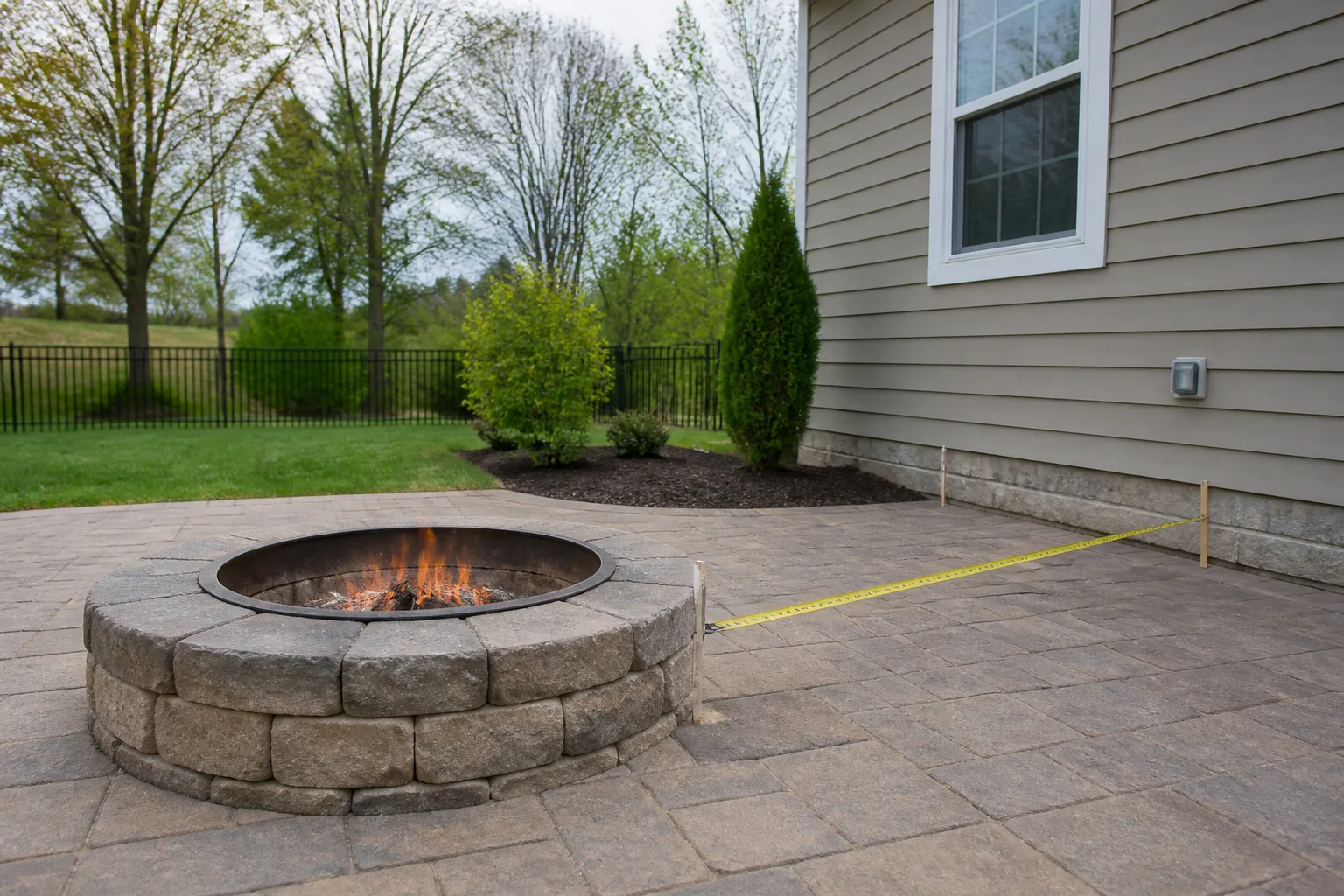
Before you buy lemongrass starts, walk the property like a snake would—low, cool, and close to food.
Rodents, debris piles, and moisture that invite snakes
Snakes follow prey and cover. Bird seed on the ground, compost spills, pet food left outdoors, and unchecked mouse populations pull predators into the garden. Wood piles, thick ivy on foundations, unused pots stacked side-by-side, and unmowed strips along fences create thermally stable hiding spots snakes use for resting and shedding.
Practical sequence that outperforms planting alone:
- Store feed in sealed containers and elevate bird feeders where spillage is easy to sweep.
- Mow or trim a 12–24 inch clear strip along fences and walls; add gravel if drainage allows.
- Stack firewood away from the house on a rack, not on soil.
- Seal gaps under sheds and decks with hardware cloth where regulations allow.
- Fix dripping hoses and pooling irrigation that attract frogs and rodents snakes hunt.
Only after those steps does a scented or spiny plant border become worth the effort.
Aromatic Herbs, Alliums, and Strong-Scented Leaves
These eight species are the backbone of most snake-plant lists because they are easy to grow—or already in vegetable beds—and they match ethnobotanical records of crushed-leaf barriers.
Garlic (Allium sativum, zones 4–9) — West African practice uses crushed bulb infusions sprinkled around properties (Asante-Kwatia et al.). The living plant’s scent is milder; bruise leaves or spread dried minced garlic at entry points after rain. Toxic to dogs and cats if eaten in quantity (ASPCA).
Onion (Allium cepa, zones 4–9) — Same allium sulfur chemistry as garlic; interplant along vegetable edges. Also pet-toxic (ASPCA).
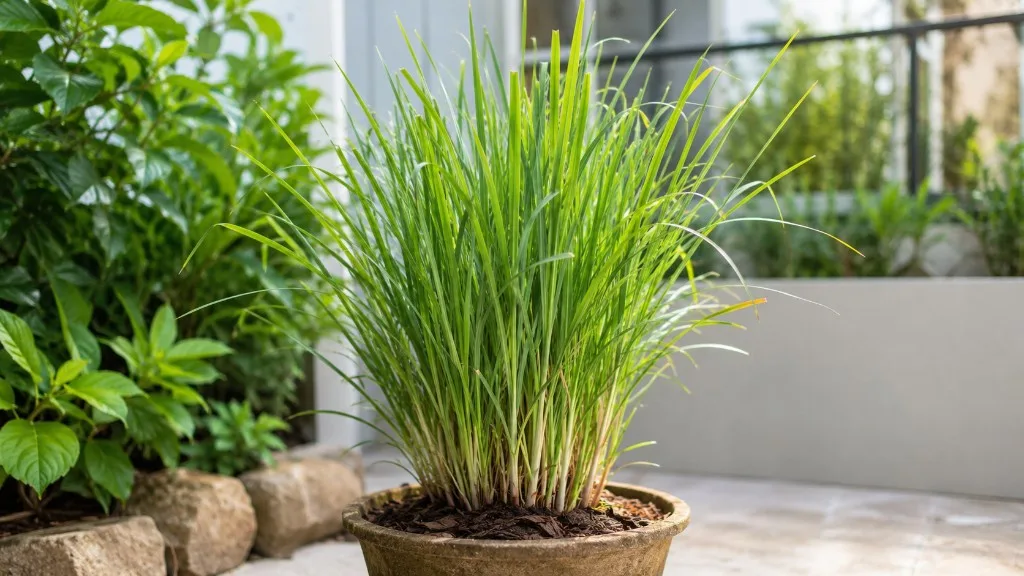
Lemongrass (Cymbopogon citratus, zones 10–11, annual elsewhere) — Dense clumps with sharp leaf edges and strong citrus scent when bruised. One of the most popular warm-climate perimeter choices; container-grow in cooler regions and overwinter indoors.
Citronella-scented geranium (Pelargonium ‘Citronella’ / P. graveolens types) — Foliage smells lemony when touched; oil appears in some repellent formulas. Not the same as true citronella grass (Cymbopogon nardus), but often sold for mosquito and snake lists alike. Crush leaves along paths weekly in peak season.
Thyme (Thymus vulgaris, zones 5–9) — Low, sun-loving herb whose extract tested with repellent activity in lab work (Renapurkar et al.). Excellent between stepping stones where foot traffic releases scent.
Holy basil (Ocimum gratissimum, zones 10–11) — Strong clove-like aroma; used in tropical ethnobotanical surveys. Treat as a warm-season annual in most U.S. gardens.
Epazote (Dysphania ambrosioides, zones 8–10) — Pungent, skunk-adjacent smell; West African snake-repellent use appears in surveys (Dossou et al.). Only leaves are culinary; seeds and other parts are toxic to people and pets (NC State Extension).
Green chiretta (Andrographis paniculata) — Compact annual with bitter foliage planted in parts of Africa for snake avoidance (Ilondu et al.). Needs warm days (70–85°F) and light shade in hot climates; treat as experimental outside the tropics.
Spices, Flowers, and Commercial-Repellent Ingredients
These six species overlap with ingredient lists on packaged snake repellents—useful signal that the scent chemistry is real, even when live-plant proof is weak.
Cayenne pepper (Capsicum annuum, zones 9–11) — Capsaicin irritates; dried seed sprinkled on dry paths may discourage crossing until rain washes it away. Reapply after every storm; wear gloves and keep away from eyes and pet bowls.
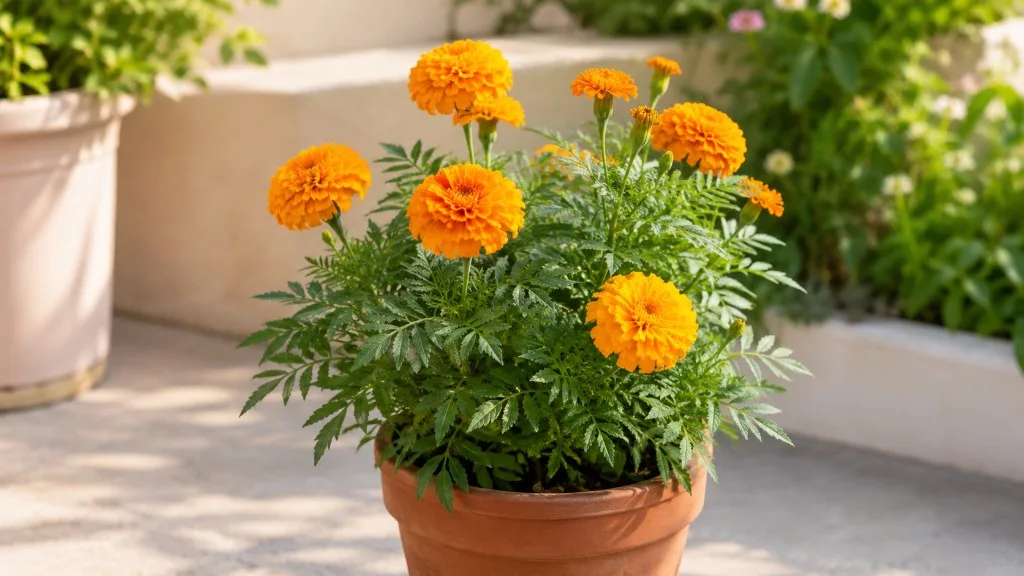
Marigolds (Tagetes spp.) — Contain pyrethrins, compounds in some commercial deterrent blends (Punetha & Vuppu). Fast annual color for sunny borders; pair with vegetable beds for general pest confusion, not guaranteed snake exclusion.
Tropical hibiscus (Hibiscus rosa-sinensis, zones 9–12) — Citric acid extracts from hibiscus appear in repellent research (Punetha & Vuppu). Grow for flowers; do not expect a single shrub to clear the yard.
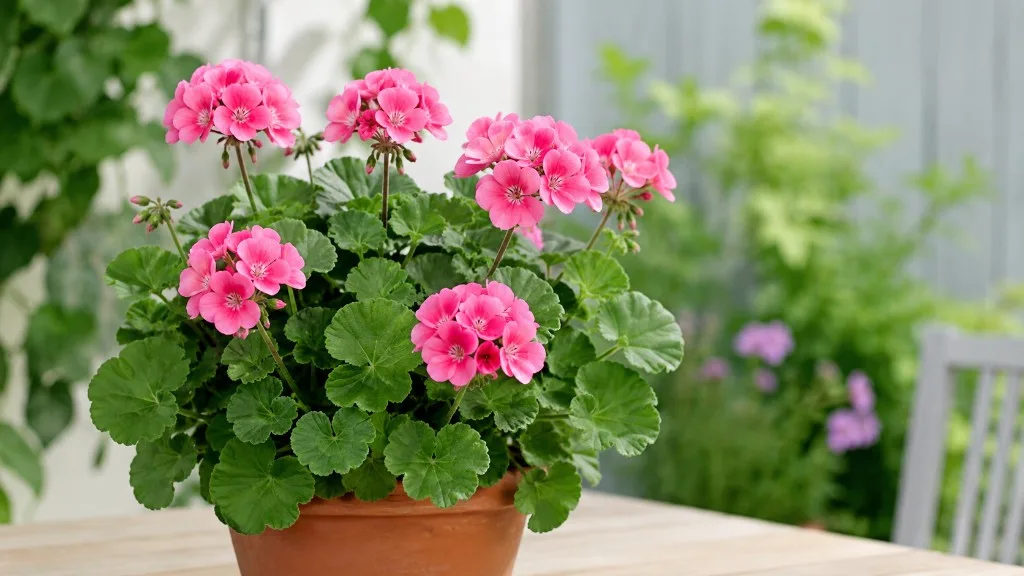
Geraniums (Pelargonium spp., zones 9–12) — Popular in South African homeowner folklore; outdoor efficacy trials show mixed results for repellent products generally (UPSpace). Still valuable as fragrant, drought-tolerant bedding.
Cinnamon (Cinnamomum spp., zones 10–12) — Cinnamon oil shows up in commercial formulas; full-size trees exceed most yards. Choose compact species or container shrubs in warm climates; scent strongest on bruised bark and leaves.
Clove tree (Syzygium aromaticum, zones 11–12) — Source of eugenol, another repellent ingredient (Punetha & Vuppu). Slow-growing tropical tree—only practical in frost-free regions with space for a 20–30 foot specimen.
Dense Grasses, Succulents, and Physical Barriers
Vetiver (Chrysopogon zizanioides, zones 7–11) — Deep-rooted grass with stiff vertical blades forming dense hedges snakes may avoid crossing. Handles poor soil and drought; related to lemongrass and citronella in folk lists (Ilondu et al.). Plant as a linear border, not scattered dots.
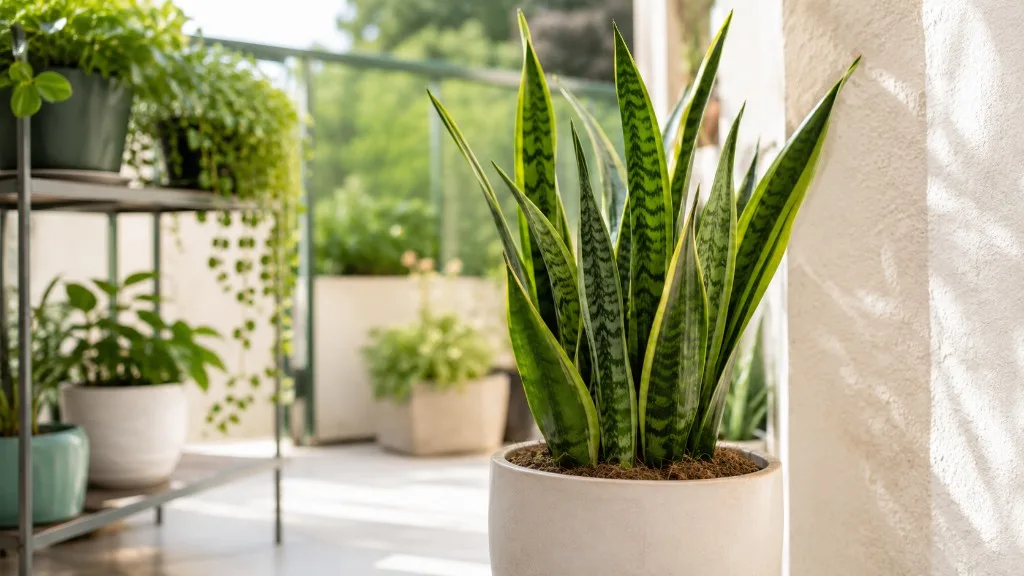
Snake plant (Dracaena trifasciata, zones 9–11 outdoors) — The name is coincidence, not biology—but upright, sharp-edged leaves are planted in African folk practice as visual deterrents (Asante-Kwatia et al.). Excellent for dry, part-shade foundation strips with excellent drainage; avoid intense midday sun in hot climates.
Lemongrass (see above) doubles here as both scent and physical grass wall when planted in tight rows.
Thorny Vines and Creeping Growth Snakes May Avoid
Thorny amaranth (Amaranthus spinosus, zones 4–11) — Spiny stems used in rural Africa as living barriers (Asante-Kwatia et al.). Weedy and invasive in many regions; spines make removal painful (UF/IFAS). Not recommended unless you already battle it and choose to tolerate a controlled patch—never plant deliberately in most U.S. yards.
Hawaiian baby woodrose (Argyreia nervosa) — Fast tropical vine with large leaves; Ghanaian communities report snake avoidance (Asante-Kwatia et al.). Invasive in Hawaii (CABI); avoid outside its native range or where listed as problematic.
Trees and Large Shrubs in the Repellent Conversation
Large species matter when fallen aromatic foliage or crushed seeds release scent at ground level—though most need space suburban lots lack.
Juniper (Juniperus spp.) — Cedrol from juniper/cypress foliage appears in repellent formulas (Punetha & Vuppu). Drought-tolerant evergreens for sunny, well-drained sites; choose dwarf cultivars for small yards.
Scotch pine (Pinus sylvestris, zones 2–9) — Pine oil tested with repellent properties in extract studies (Renapurkar et al.). Needs large space; invasive in parts of the U.S.—check local guidance before planting.
Neem (Azadirachta indica, zones 10–12) — Neem extract shows snake-repellent interest in older research (Renapurkar et al.); dropping leaves may add ground-level scent under mature trees. Fast-growing to 40–75 feet—commit only if you have acreage.
Chaste tree (Vitex negundo, zones 6–9) — Deciduous shrub to small tree with fragrant blue-purple blooms; cited in botanical repellent surveys (Renapurkar et al.). Full sun, well-drained soil, pollinator-friendly.
Bitter kola (Garcinia kola, zones 10–12) — Tropical African tree; crushed seeds used traditionally (Dossou et al.). Rare outside specialty collections; 50+ foot potential.
Tamarind (Tamarindus indica, zones 10–11) — Crushed seeds used in ethnobotanical practice (Dossou et al.). Beautiful shade tree to 60 feet with edible pods—repellent use is secondary to food value.
Nosegay / white plumeria (Plumeria alba, zones 10–12) — Fragrant tropical tree planted in African folk contexts (Asante-Kwatia et al.). Patio-sized specimens possible in pots in frost-free climates.
Bitter melon (Momordica charantia, zones 9–11) — Vining edible gourd used in India as a garden snake deterrent in folk practice (Dossou et al.). Trellis-grow to keep fruit off damp soil where rodents hide.
Sweet flag (Acorus calamus, zones 4–10) — Aquatic-edge perennial; extract oils showed strong lab repellency (Renapurkar et al.). Plant only where you want wet soil—pond margins, not random dry beds.
Medicinal and Tropical Species With Folklore Ties
Indian snakeroot (Rauvolfia serpentina, zones 10–12) — Name reflects medicinal history, not proven herpetological magic; strong-scented shrub used in African folk planting (Asante-Kwatia et al.). Compact to 3 feet; needs frost-free conditions.
Cultivated tobacco (Nicotiana tabacum) — Burnt or sprinkled leaves used in African communities (Asante-Kwatia et al.). Invasive in Hawaii (CABI); toxic if ingested; not recommended for family yards.
Yellow alder (Turnera ulmifolia, zones 9–11) — Heat-loving yellow-flowering sub-shrub with fragrant foliage in folk lists (Ilondu et al.). Invasive in Hawaii (CABI).
Plants to Handle With Caution: Invasive, Toxic, or Weedy
Several listicle staples carry bigger risks than snakes:
- Alliums (garlic, onion) — valuable repellent folklore but poisonous to pets (ASPCA garlic, onion).
- Epazote — medium-severity poison; seeds especially dangerous (NC State).
- Spiny amaranth, tobacco, yellow alder, Hawaiian baby woodrose, Scotch pine — check local invasive and noxious weed lists before planting (CABI; UF/IFAS).
If a plant is both weedy and spiny, you may trade snake anxiety for years of painful maintenance.
Build a Perimeter Plan That Matches Your Climate
Step 1 — Habitat (week one): rodent-proof feed storage, mow strips, move woodpiles, seal under-deck gaps.
Step 2 — Choose two scent plants + one barrier plant you can actually maintain: e.g., lemongrass row + marigold edge + snake plant at dry foundation (warm zones); or garlic/onion in the vegetable bed + thyme between pavers + juniper shrub at the sunny fence (temperate zones).
Step 3 — Refresh crushed material: bruise aromatic leaves or sprinkle dried spice weekly and after rain along the exact routes snakes used last season.
Step 4 — Monitor, don’t expect zero snakes: garter snakes and rat snakes often reduce rodent damage. Relocate only when species pose genuine risk; never use mothballs outdoors—they are illegal for that use and toxic to soil and water.
Step 5 — Escalate if needed: persistent venomous species near entry points warrant a licensed wildlife professional, not more marigolds.
Conclusion
The thirty plants on this page—from garlic and lemongrass to vetiver, marigolds, and chaste tree—share decades of folk use and interesting lab chemistry, but honest expectations keep you out of trouble. Extract studies and ethnobotanical surveys suggest scents and textures matter; outdoor product trials show real-world results fade fast when habitat still offers food and cover.
Plant what fits your USDA zone and maintenance budget, crush aromatic foliage where paths meet the house, and invest first in rodent control and clutter removal. That combination is the closest thing to a science-aligned snake strategy—stronger than any single “repellent” headline, and useful even when a harmless garter snake still passes through once in a while.