18 Sage Companion Plants for a Healthier Crop
Pair sage with 18 vegetables, fruits, herbs, and flowers that share its sunny site. Get spacing tips, pest limits, and better ways to protect crops.
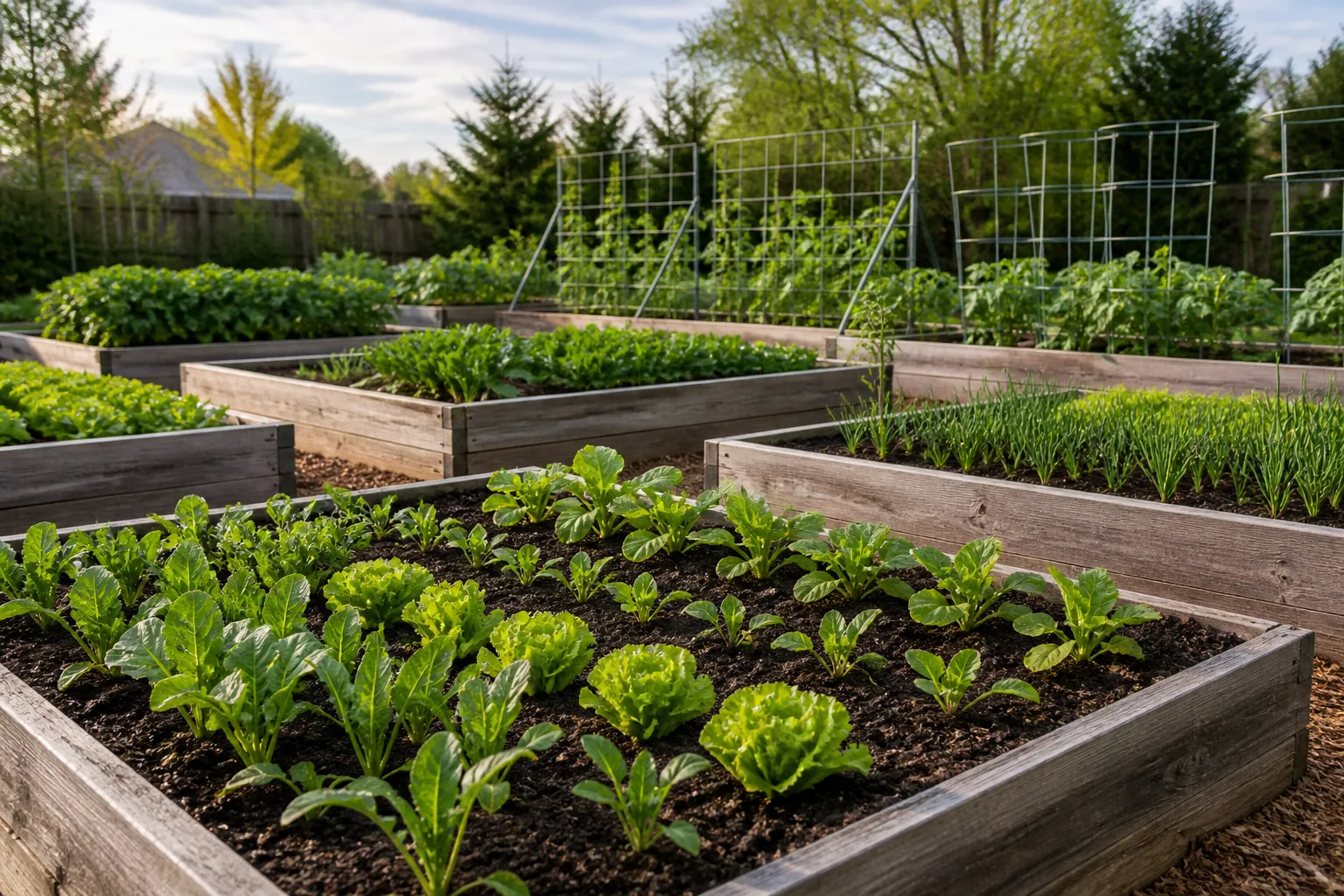
Common sage (Salvia officinalis) is a strong companion plant candidate because it brings three useful traits to an edible garden: aromatic foliage, flowers that feed pollinators, and a preference for the same bright, lean conditions as several Mediterranean herbs. It is not a magic pest barrier, though, and planting one sage plant beside a row of cabbage will not stop every moth or caterpillar.
The best sage companion plants are the ones that either share sage’s sunny, well-drained site or benefit from having a flowering herb nearby without forcing sage into wet soil. The 18 choices below include brassicas, roots, fruit, and herbs, with the spacing, moisture, and pest-management details that determine whether each pairing is genuinely useful.
Why sage is a useful—but limited—companion
NC State’s Plant Toolbox profile of common sage describes it as an aromatic, edible, semi-woody perennial that prefers full sun and medium-to-dry, well-drained soil. It can reach about 2 feet tall and 2 to 3 feet wide, and its bluish-lavender flowers attract bees and butterflies. That profile is a better starting point than treating every plant sold as “sage” as interchangeable.
Scent is a possibility, not pest control
Many companion-planting charts say sage’s fragrance masks the smell of vulnerable crops or discourages flea beetles, cabbage moths, and carrot rust flies. That is a plausible garden experiment, but it is not a dependable shield: a flying insect can still locate a crop, and the effect will change with wind, plant size, pest pressure, and how much sage is actually in bloom or producing fresh foliage.
Think of the aroma as a low-cost extra layer. If it works in your bed, you may see less damage; if it does not, the crop still needs the same scouting, crop rotation, and physical protection you would use without sage. Penn State Extension’s integrated pest management guide makes the same practical point in a broader way: identify the pest, choose the least disruptive control that fits, and observe the result instead of spraying or planting on autopilot.
Site compatibility is the reliable benefit
Sage’s strongest companion advantage is cultural rather than chemical. It tolerates drought once established, dislikes waterlogged roots, and stays productive in a sunny herb bed. Oregano and rosemary can share that dry edge. Strawberries and many vegetables can share the same sun, but their root zones may need more consistent moisture, so they should not automatically be placed on the same drip line as sage.
The flowers add another reason to keep at least one sage plant in the garden long enough to bloom. NC State identifies sage as a nectar plant for bees and butterflies, while the Royal Horticultural Society’s sage growing guide describes its summer flowers as attractive to pollinating insects. That helps make a mixed bed more useful to beneficial visitors, but it does not mean every insect visiting the flowers will prey on your crop pests.
The planting setup that gives sage a fair chance
Put sage on the dry, sunny edge
Give common sage at least six hours of direct sun where possible, and plant it in soil that drains quickly after rain. The RHS recommends free-draining soil and at least 30 centimeters (12 inches) from neighboring plants; NC State lists a mature width of up to 3 feet. Use the 12-inch figure as a minimum gap for a small new plant, not as a promise that a mature plant will stay that narrow.
If your garden is heavy clay or stays wet in winter, use a raised bed, a sloped edge, or a container rather than burying sage in the wettest part of the plot. Water a new sage plant while it establishes, but do not keep the entire bed constantly damp just because nearby greens need regular moisture. A dry-loving herb and a moisture-loving crop can be neighbors when they have separate irrigation zones.
Leave air space between the herb and crop
Avoid a tight ring of sage around every plant. That wastes space, makes it harder to inspect leaves and soil, and can create the crowded, humid conditions that encourage foliar disease. A better design is one sage at the end of a short row, two plants at opposite corners of a raised bed, or a small sage-and-oregano strip along the sunniest border.
Keep sage’s crown at soil level and avoid piling wet mulch against its woody stems. Harvest the soft tips regularly to keep the plant compact, but leave one established plant partly uncut if you want flowers. The RHS notes that regular harvesting encourages bushy growth, while hard pruning into old wood can fail to produce new shoots.
18 sage companions, organized by the job they do
The list is grouped by practical fit rather than by a promise that every plant receives the same pest benefit. For leafy crops, sage is best viewed as a nearby aromatic and pollinator plant; for herbs, it is mainly a shared-site match; for carrots and strawberries, placement and pest monitoring matter more than the scent claim.
Leafy brassicas: arugula, kale, collards, mustard, and turnips
1. Arugula. Arugula and sage can share a sunny bed edge, and the sage gives a quick-growing salad crop a nearby aromatic plant while it is most vulnerable as a seedling. Small round holes in young leaves are consistent with flea-beetle feeding; Minnesota Extension’s flea beetle identification page describes this damage pattern and notes that heavy feeding can stunt plants. Use insect netting or a floating row cover over the arugula if holes are appearing rather than expecting sage to solve the problem.
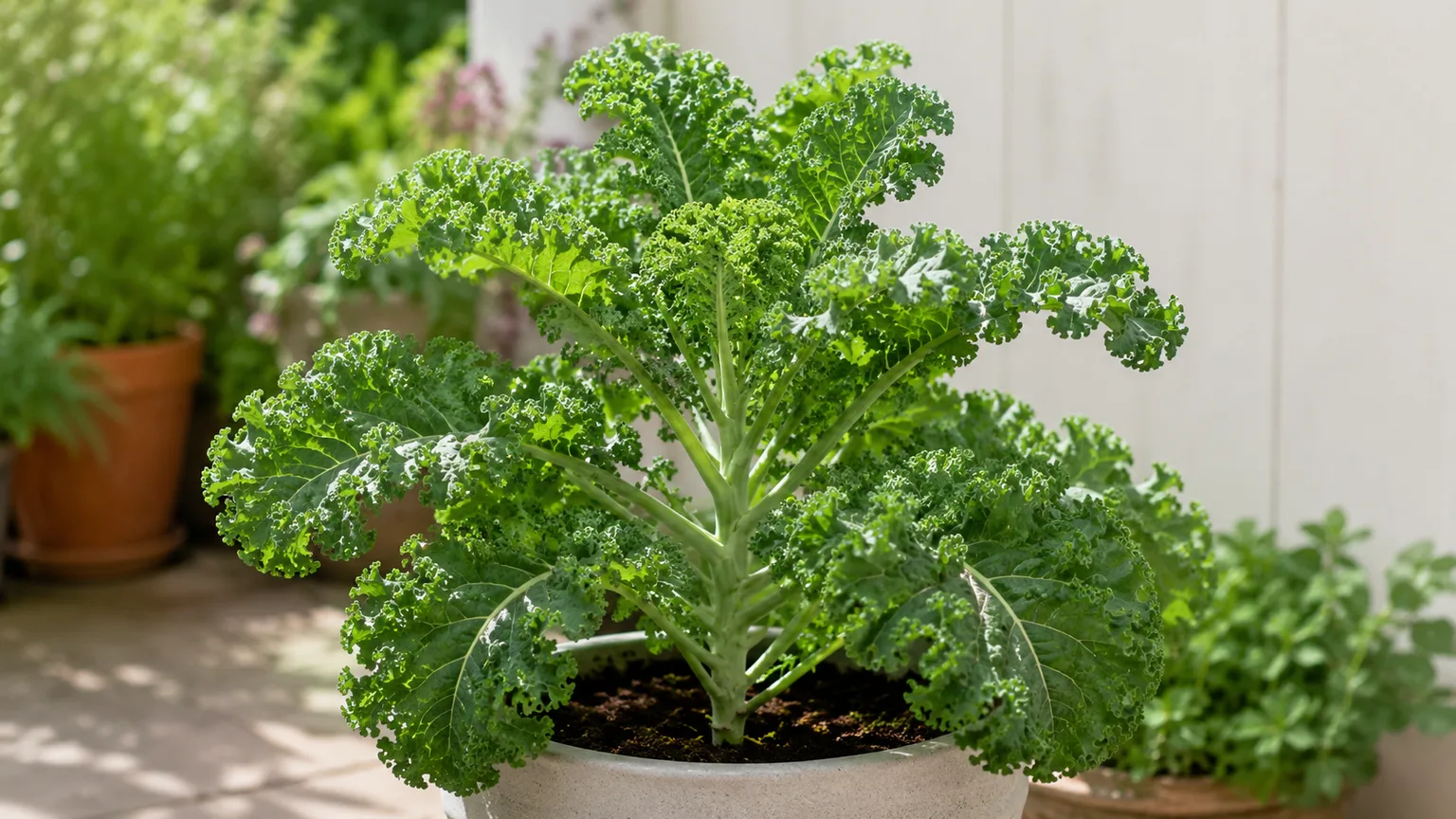
2. Kale. Kale is a durable cool-season brassica that fits the sun exposure, but it can attract flea beetles and caterpillars. Keep sage outside the kale’s main root zone so you can irrigate the kale evenly, and do not let the sage shade the lower leaves as it reaches mature size.
3. Collard greens. Collards are a good pairing when you want a large, harvest-over-time leafy crop beside a compact herb. Their broad leaves are easy to scout, so check the undersides for eggs and small caterpillars twice a week. Sage may be a useful border plant, but row cover is the more predictable choice while young collards establish.
4. Mustard greens. Mustard’s peppery leaves do not make it immune to flea beetles or caterpillars. Plant it near, rather than underneath, a mature sage, and succession-sow a short row so a badly damaged planting does not end the season’s harvest.
5. Turnips. Turnips give you both roots and edible greens, which makes early flea-beetle damage worth taking seriously. Sage can occupy the dry end of the row, while turnips receive the steadier moisture needed for tender greens and swelling roots. Harvest damaged greens promptly and protect the next sowing with a cover if the pest pressure continues.
Radishes
6. Radishes. Radishes are compact enough to fit in front of sage without competing for height, and their quick maturity makes them a sensible trial companion. Sow them in loose soil, thin them early, and keep moisture even. If flea beetles are active, cover the row from germination through the vulnerable seedling stage; a scent-based pairing is not a substitute for excluding a small flying beetle.
Broccoli, Brussels sprouts, cabbage, cauliflower, bok choy, and kohlrabi
7. Broccoli. Broccoli and sage share full sun, but broccoli needs richer, more consistently moist soil and enough room to form a broad plant. Put sage at the bed’s sunny perimeter, not between crowded broccoli heads. Check for caterpillar feeding and frass, and use row cover before moths lay eggs if the season and crop stage allow.
8. Brussels sprouts. Brussels sprouts are tall, long-season brassicas, so their lower leaves can eventually shade sage. Place the sage on the south or west edge in the Northern Hemisphere, or give it a separate sunny strip. The pairing is most useful as a layout match when the plants can keep their own root space, not as a promise that cabbage-family pests will stay away.
9. Cabbage. Cabbage is one of the classic crops recommended beside sage because cabbage moths and cabbageworms are common concerns. It is also one of the crops where readers most need a reality check: NC State Extension’s cabbage looper factsheet notes that loopers feed on many cabbage-family plants and that lightweight row covers can exclude moths in a vegetable garden. Keep sage at the edge, then scout cabbage leaves and use a barrier when pressure is high.
10. Cauliflower. Cauliflower can share a sunny bed with sage, but it is less forgiving of drought and growth interruptions than kale or radishes. Give it the richer, evenly watered portion of the bed and keep the sage on a drier border. If the crop stalls, a nearby herb will not correct the timing problem; prioritize transplant quality, moisture, and pest checks.
11. Bok choy. Bok choy is compact and quick enough for a small bed, but its tender leaves are attractive to flea beetles and caterpillars. Space it so air can move between plants, and cover the row when the leaves are young. Sage is a compatible neighbor for sun and appearance, not a reason to skip inspection.
12. Kohlrabi. Kohlrabi’s swollen stem needs room and steady moisture, while sage prefers a drier crown. Put the kohlrabi in the main vegetable row and sage at a corner or end cap. Remove badly infested leaves, monitor new growth, and rotate the brassica block rather than relying on the same sage plant to protect it year after year.
Carrots
13. Carrots. Carrots are often paired with sage because the herb’s strong aroma is said to make carrot plants harder for carrot rust flies to locate. It is a reasonable trial, but do not treat it as a control. Utah State University Extension’s carrot rust fly guide recommends practices such as timely block harvest, crop rotation, removing host residue, and floating row covers; it also describes yellow sticky traps near the soil line as a way to monitor adult activity.
Plant carrots in loose soil and keep sage from shading the row. If carrot rust fly is a known problem in your area, cover the carrots before adults lay eggs and remove old carrot and related host-crop debris after harvest. The best companion arrangement is sage plus a barrier and clean rotation, not sage instead of a barrier.
Strawberries
14. Strawberries. Sage and strawberries can share a sunny border when the sage is planted outside the strawberry canopy. The flowers may add pollinator value, while the sage’s dry-site habit gives the bed a contrasting edge. Do not wedge sage into a dense, heavily irrigated strawberry patch: poor air movement, wet crowns, and overcrowding create more risk than the aromatic foliage removes.
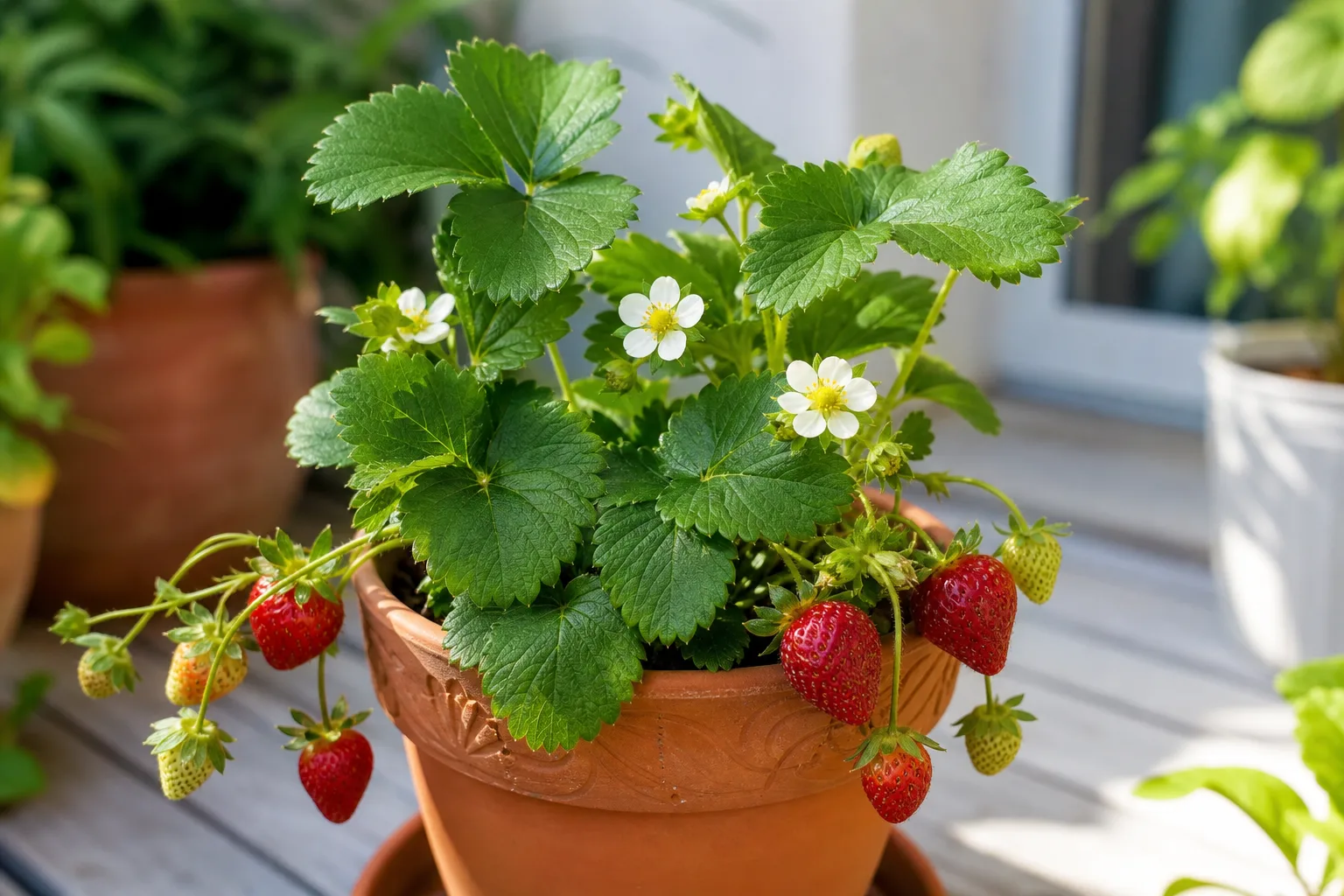
Keep ripe fruit picked, water the strawberry root zone without saturating the sage crown, and use a clean mulch that does not stay pressed against either plant. If slugs or gray mold are the real problem, change the moisture and sanitation conditions instead of expecting sage to repel them.
Lemon balm and peppermint
15. Lemon balm. Lemon balm is a fragrant perennial that can sit near sage in a sunny herb border, but it usually appreciates more even moisture and can spread by self-seeding. Treat it as a neighboring plant with its own watering needs, not as a dry-soil twin. Cut flower heads before seed ripens if you do not want lemon balm appearing throughout the bed.
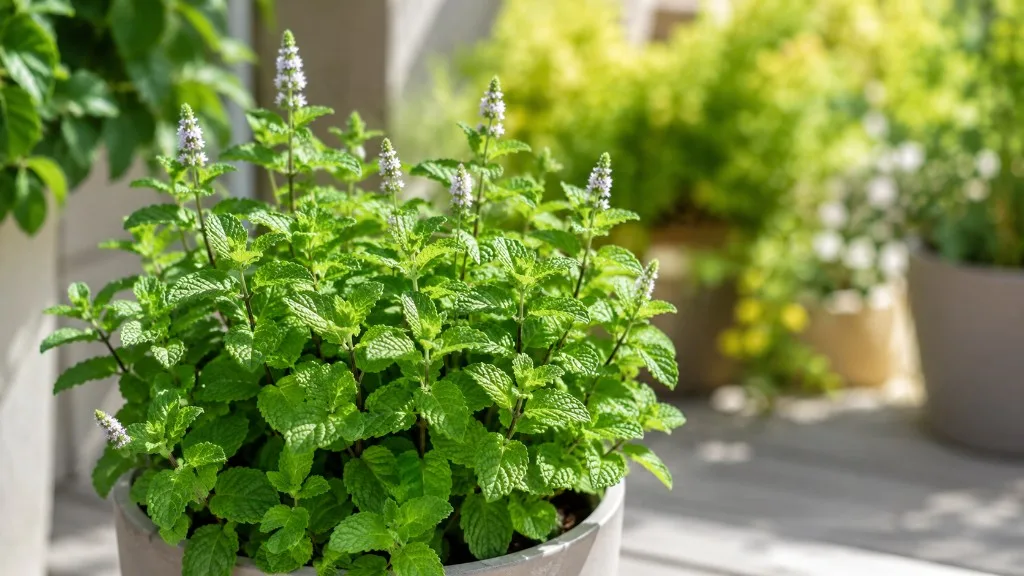
16. Peppermint. Peppermint is useful beside sage only when you are willing to contain it. It prefers more moisture and can run through a bed, eventually crowding the slower, more compact sage. Grow peppermint in a pot or a dedicated contained section, place it where it will not shade sage, and keep its irrigation separate if the soil stays wet.
Oregano and rosemary
17. Oregano. Oregano is one of the most dependable direct matches for sage because both herbs tolerate full sun and free-draining soil. The shared conditions are the benefit; there is no need to claim that oregano and sage mutually repel every pest. Give oregano enough room to spread and trim it before it spills over the sage’s crown.
18. Rosemary. Rosemary and common sage make a classic Mediterranean herb pairing: both want strong light, sharp drainage, and restrained watering once established. Rosemary may become taller or woodier than the sage, and its winter survival depends on climate and cultivar, so place the larger plant behind or beside sage without blocking the sun.
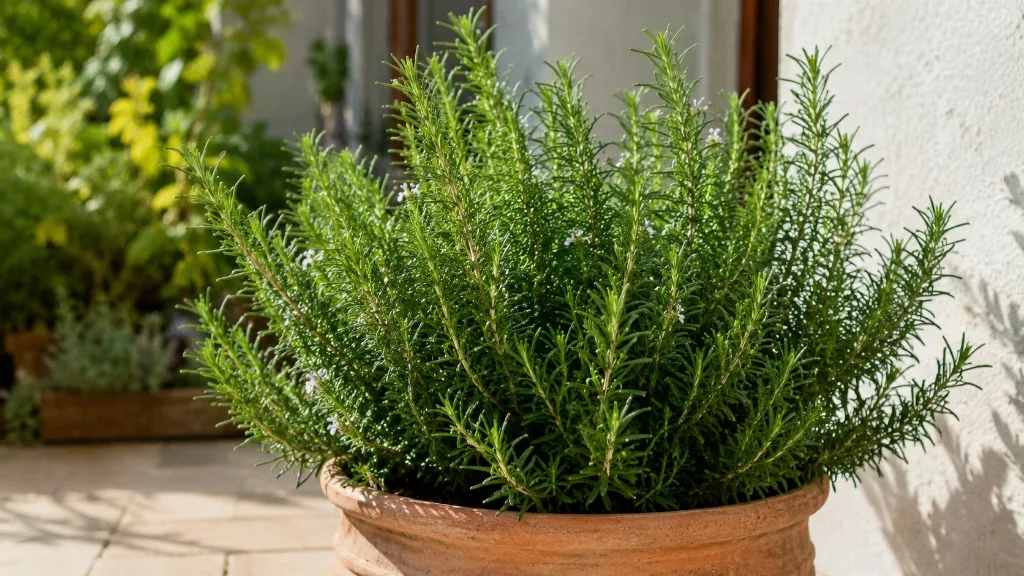
Oregano and rosemary also show why companion planting is not only about pests. When two plants can live in the same soil and irrigation zone, the pairing saves space and makes routine care simpler. GrowVeg’s sage guide and Savvy Gardening’s practical sage overview both emphasize sage’s value as a culinary and flowering plant, while also noting its cold and moisture limits.
How to make the pairing work in a real garden
A small-bed layout that avoids the biggest mistake
In a 4-by-8-foot raised bed, place one sage plant at the sunniest outside corner, at least 12 inches from the nearest vegetable and farther if the cultivar is vigorous. Use the interior rows for carrots, radishes, arugula, or brassicas, and give each row its own irrigation needs. Put oregano or rosemary along the same dry edge; keep peppermint in a pot beside the bed rather than letting it run through the soil.
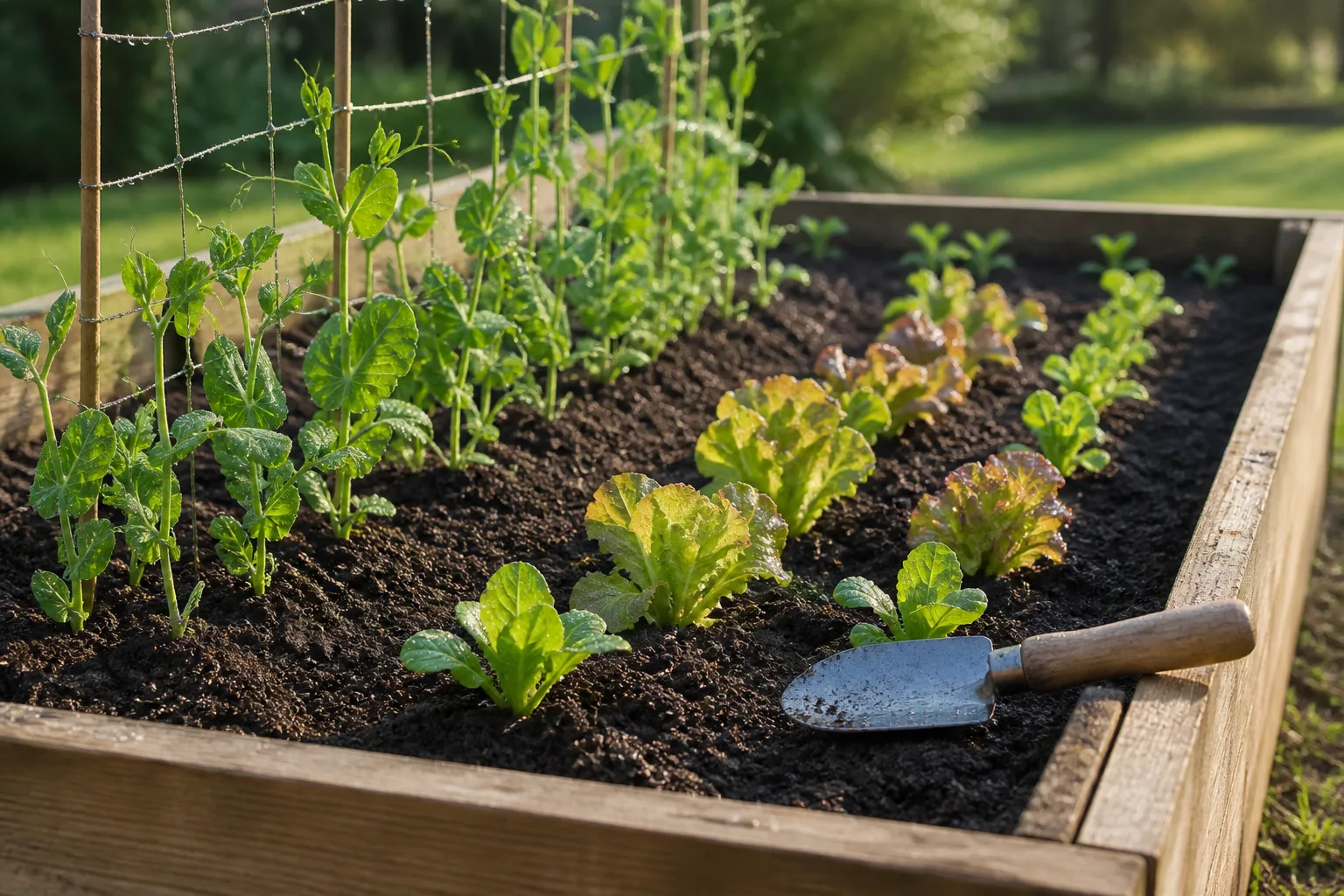
In a smaller plot, one sage plant at the end of a row is enough to test the idea. Keep a short garden note: crop, planting date, pest seen, damage level, and whether the plant was covered. That simple comparison tells you more about your own microclimate than a claim that sage always repels a particular insect.
What to do when pests still arrive
Use this order when you see damage:
- Identify the pattern. Small round holes suggest a flea beetle; ragged holes, frass, or green caterpillars point you toward a chewing larva; wilt and root tunnels on carrots need a different diagnosis.
- Inspect the plant and nearby soil. Look under leaves, around the crown, and on the soil surface. Do not apply a product to an unknown pest.
- Use a physical barrier first. Floating row cover or insect netting is especially useful over young brassicas, arugula, radishes, and carrots. Anchor the edges so insects cannot crawl underneath, and remove or manage the cover when flowers need pollinator access.
- Hand-pick what you find. Caterpillars and egg masses are often easier to remove than to control with a broad spray in a small home garden.
- Escalate carefully. If damage is increasing, follow your local extension recommendation and the current product label. More product is not better, and spraying flowering sage or companion plants can harm beneficial insects.
This is why the best answer to “does sage repel cabbage moths?” is “possibly as one layer, but protect the crop if the moth is present.” A healthy harvest comes from the combination of good site selection, observation, barriers, sanitation, and only then a carefully chosen treatment.
What not to plant beside sage
There is no universal blacklist, but several plants are poor direct neighbors. Basil prefers more consistently moist soil than sage, so they can coexist in the same garden but usually should not share a small pot or the same dry irrigation zone. Peppermint and lemon balm can outgrow sage unless contained. Tall plants that shade the herb, or thirsty crops that keep the sage crown wet, are also poor placements.
Fennel deserves distance mainly because it becomes tall, self-seeds freely, and is awkward to manage in a compact mixed bed. Claims that fennel’s soil chemistry automatically poisons nearby plants are often repeated without enough context; the practical problems of size, spread, and difficult removal are reason enough to keep it separate.
Onions and garlic are not automatically bad companions for sage. If your soil drains well and the plants have different feeding and watering needs, they can occupy separate rows. The same rule applies to basil and other commonly disputed pairings: judge the actual conflict—water, shade, roots, spread, or pest history—rather than following an unsupported yes-or-no chart.
Marigolds are a reasonable flower companion when you want a bright, sunny border and more seasonal flowers near the sage. They can add habitat and visual diversity, but they should not be marketed as a guaranteed pest shield either. Place them where they will not crowd the herb, and keep flowering plants accessible to pollinators.
Conclusion
The best sage companion plants are not simply the ones attached to the strongest pest-repellent claim. They are the plants that fit the bed’s light, drainage, root space, and maintenance rhythm—and that still have a sensible protection plan when insects arrive.
Start with common sage on a sunny, well-drained edge. Pair it directly with oregano or rosemary, use it as a nearby border for brassicas, radishes, carrots, or strawberries, and contain peppermint or lemon balm rather than letting them compete. Keep the soil and irrigation needs separate, let some sage flower, scout twice a week, and use row cover or other IPM steps when the crop needs more protection. That approach gives companion planting a useful role without asking one herb to do the work of an entire garden-care system.



