30 Marigold Companion Plants for Better Blooms
Thirty marigold companion plants grouped by job—pollinators, pest support, and shared sun—plus spacing rules, nematode truth, and four pairings to skip.
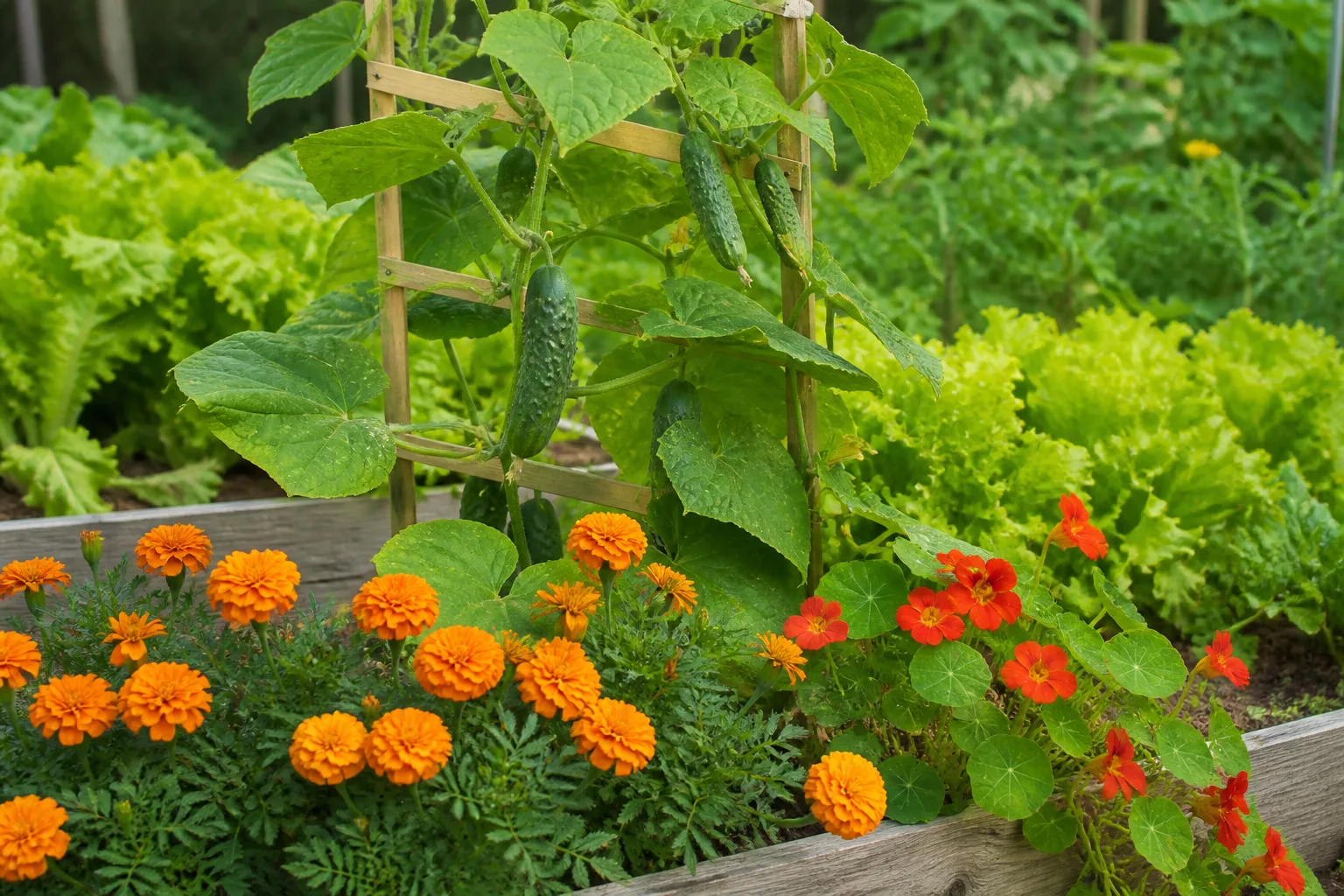
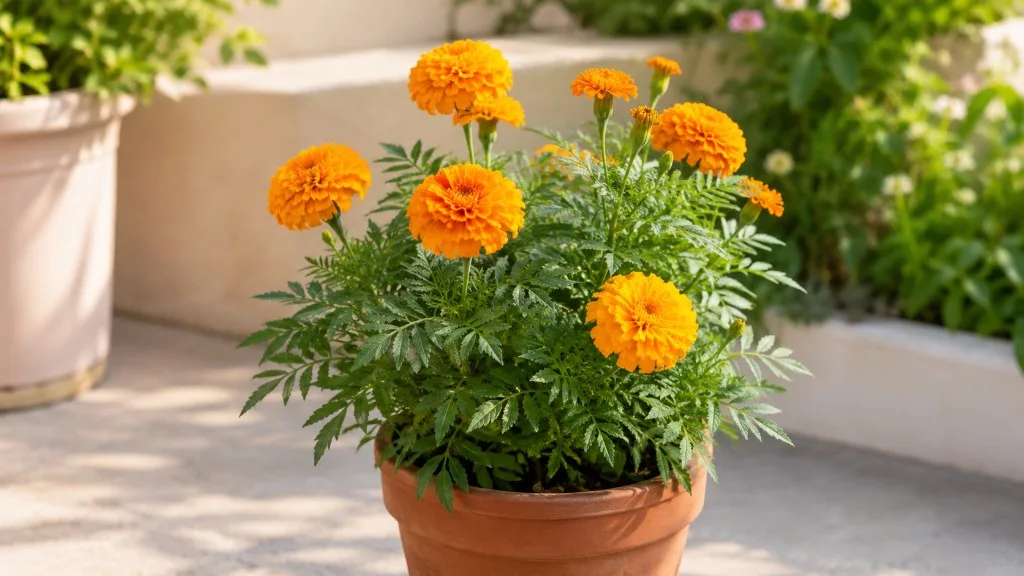
Marigolds (Tagetes spp.) are the annual gardeners reach for when they want reliable color from late spring through frost—and when they want a flexible neighbor in a vegetable row, herb patch, or cutting border. The right companions share marigolds’ love of sun and drainage, fill a different layer in the bed, or bloom in a window that keeps pollinators moving through the garden. The wrong neighbors compete for water, get shaded out by tall African types, or clash with marigold root chemistry.
This guide lists 30 companions worth planting, groups them by the job they do beside marigolds, and explains four pairings to skip. You will also get spacing numbers, a clear nematode strategy, and two layouts for a 4×8-foot raised bed or a sunny foundation border.
What companion planting can—and cannot—do for marigolds
Companion planting means growing two or more species close enough that they interact—through pollinator attraction, physical support, root-zone differences, or scents that change how insects find a crop. Penn State Master Gardener material on good-neighbors companion planting describes it as polyculture that mimics natural diversity, not a guarantee that pests disappear.
For marigolds specifically, companions help most when they (1) bloom in the same full-sun, well-drained conditions, (2) attract bees and hoverflies during marigold peak bloom, or (3) occupy a different height layer without crowding airflow at the crown. A marigold border may reduce whitefly landing on tomatoes in some trials because French types release limonene—RHS companion-planting guidance notes that mechanism—but marigolds are not a stand-alone pest barrier. Our do marigolds really deter pests guide walks through what living marigolds can and cannot control.
Honest expectations keep companion planting useful. Marigolds can draw aphids to stressed plants, host spider mites in hot dry spells, and attract lady beetles that clean up those aphids later. A neighbor that shares water needs beats a neighbor that only looks good in a catalog photo.
How marigolds actually interact with neighboring plants
Marigolds influence beds in three ways gardeners can plan around:
Above-ground: Resinous French marigold foliage releases compounds including limonene that may deter whiteflies and thrips on nearby crops, according to RHS companion planting research summaries. Strong scent also masks host-plant cues for some flies—useful near carrots and onions when paired with rotation and row cover, not instead of them.
Below-ground: Living marigold roots release alpha-terthienyl, a compound studied for nematode suppression. UF/IFAS publication NG045 on marigolds for nematode management is clear that this works best as a dense cover crop in the same soil for at least two months before a susceptible crop—not as one or two interplanted flowers beside established tomatoes.
Ecological: Marigold blooms feed bees, butterflies, and hoverflies. Those insects visit neighboring tomatoes, cucumbers, squash blossoms, and strawberries while foraging. Pollinator traffic is the most reliable “companion benefit” in home gardens.
Marigolds can also act as guardian or trap plants—attracting thrips or nematode pressure to their own roots so a preferred crop sees less damage. That only helps if you accept that the marigold row may look rough by midsummer and you scout both plants weekly.
French, African, and signet marigolds: pick the right type first
Not every marigold plays the same companion role:
| Type | Species | Best companion jobs | Watch-outs |
|---|---|---|---|
| French | Tagetes patula | Vegetable borders, whitefly/thrips support, nematode cover crops (specific cultivars) | Can be resinous and sticky; keep 8–10 inches from cucumber stems |
| African | Tagetes erecta | Back-of-border height, pollinator blocks, nematode pre-crops in open soil | Tall types shade low lettuce; huge heads need staking in rain |
| Signet | Tagetes tenuifolia | Edible-petal edging, tight herb knots, container rims | Finer roots; less nematode research than French types |
NC State profiles for Tagetes and Tagetes erecta note full sun, moist well-drained soil, and deadheading for rebloom—traits every companion on this list should tolerate or mirror.
Before you buy six companion species, decide whether your marigolds are low French edging, mid-height bedding, or 3-foot African backs. Match neighbor height accordingly. For culture basics—watering, feeding, deadheading—see our marigold care guide.
Set up the marigold bed before you choose companions
Spacing, planting depth, and watering rules
Space French marigolds 8–12 inches apart in a row; African types need 12–18 inches when used as a back border. Leave 10–12 inches minimum between a marigold crown and the stem of a heavy feeder like tomato or eggplant so drip irrigation for one does not rot the other’s crown.
Planting depth: Set marigold transplants one node deeper than they sat in the pack—bury the lowest set of leaves after pinching them off. That extra stem rooting helps tall African types stand up in wind, similar to how gardeners plant tomatoes deep. Do not bury the growing tip.
Water: Soak at the soil line. Overhead sprinkling every evening wets marigold foliage and invites powdery mildew, which stresses plants and draws aphids. Morning water or drip is safer when lettuce or strawberries share the row.
Feed: Marigolds are moderate feeders. High-nitrogen fertilizer pushes leaves over flowers on both marigolds and neighbors like basil. Compost at bed prep beats weekly soluble feed for mixed plantings.
Nematode strategy: dense cover crop vs decorative border
If root-knot nematodes are your main worry, treat marigolds as a rotation crop, not a ring of three flowers around each tomato cage. UF/IFAS NG045 recommends:
- Grow compatible French or African marigolds in the exact bed where the susceptible crop will follow
- Maintain a dense stand (transplants often spaced under 7 inches in research plots)
- Grow marigolds at least two months before planting tomatoes, peppers, eggplants, or strawberries in that same soil
- Disk or turn marigolds under as green manure if your plan allows
A decorative border of marigolds beside an already-established tomato may still help pollinators and whitefly pressure. It probably will not replace a proper nematode cover crop. Send soil to a nematode assay lab when galled roots are common—variety choice depends on which Meloidogyne species is present.
Best marigold companions for vegetable beds
The vegetables below appear in most marigold companion lists for good reason: they want sun, they benefit from pollinators, and they share pest pressures marigolds sometimes influence. Numbers are not rankings—pick by the job your bed needs.
Tomatoes, peppers, and eggplant
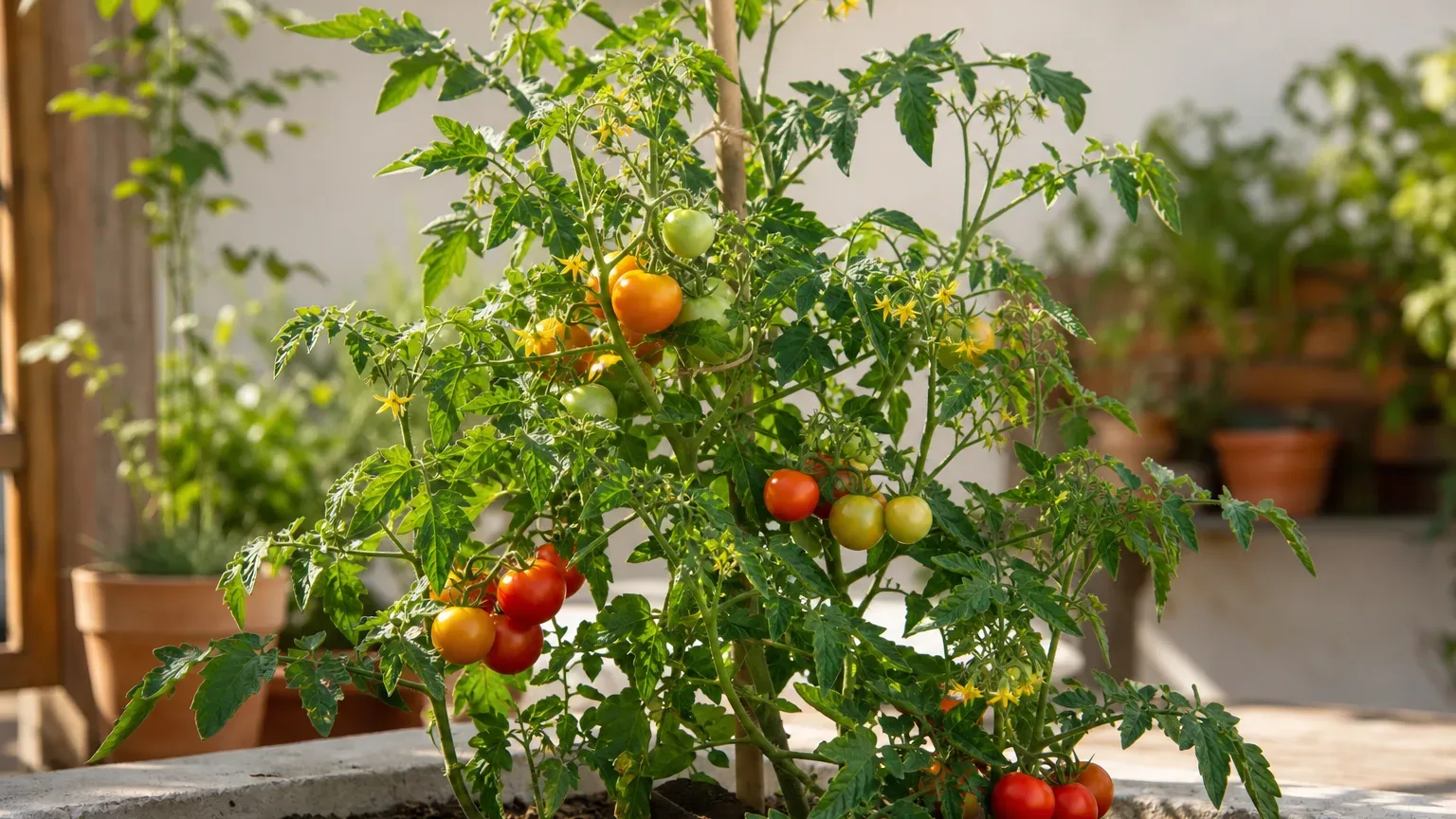
1. Tomatoes. The classic pairing—for pollinators more than magic nematode shields. Plant determinate or staked indeterminate tomatoes on the north side of a marigold row so marigolds do not shade tomato leaves. Leave 18–24 inches between the cage and the marigold strip. French marigolds on the south and east bed edges catch morning sun. If nematodes are confirmed, run a dense marigold cover crop in that bed the season before tomatoes, per UF/IFAS guidance—not only interplants at tomato transplant day.
2. Bell peppers. Peppers and marigolds both want full sun and warm soil. Space pepper transplants 14–18 inches apart with French marigolds 10 inches out on the sunny side. Peppers are nematode-sensitive; treat marigold borders as one layer in a rotation plan.
3. Eggplant. Eggplant roots are vulnerable to root-knot nematodes. Same rule as tomatoes: pre-crop marigolds in infested soil, plus a pollinator-friendly border during the eggplant year. Keep African marigolds at the back—eggplant foliage spreads wide.
Cucumbers, melons, squash, and pumpkins
4. Cucumbers. Low French marigolds fit the south edge of a trellised cucumber row without shading vines. Marigolds may reduce beetle curiosity in some gardens; they do not replace scouting for bacterial wilt. See our companion plants for cucumbers guide for trellis spacing with nasturtiums and dill.
5. Watermelon. Melons need bees at bloom time. A marigold strip planted two weeks before melon vines run gives pollinators a head start. Keep marigolds 12–18 inches from melon crowns—melon leaves are sensitive to crowding and mildew.
6. Pumpkin. Pumpkins and marigolds share cucurbit pest pressure (squash bugs, vine borers in some regions). Marigolds on the perimeter buy time for hand-picking; they are not a substitute for row cover on young plants. The orange-on-orange fall color combo is a legitimate design reason to pair them.
7. Summer squash. Zucchini and yellow squash produce male and female flowers on the same plant—pollinators still help fruit set when heat shuts down pollen. Plant compact French marigolds in front of squash hills; trail squash outward, not over marigold crowns.
Root crops, alliums, and asparagus
8. Carrots. Carrot rust flies locate carrots by scent. Marigolds and onions both mask that cue in traditional companion schemes. Sow carrots in bands 6 inches from a marigold edge; thin early so foliage does not interlock. Do not claim marigolds “sweeten” carrots without soil tests—flavor ties more to variety, water stress, and harvest timing.
9. Onions. Onions and marigolds tolerate dry spells once established. Sets fit between marigold plugs on a 6-inch offset grid. Marigolds do not reliably stop rodents from digging bulbs; use hardware cloth if voles are active.
10. Radishes. Fast radishes finish in the gaps while marigold transplants size up. Pull radishes before roots bump marigold stems. Flea beetles may hit radish leaves first—inspect both crops.
11. Potatoes. Colorado potato beetles are a real potato pest; marigold scent may reduce landing in some gardens but will not replace hand-picking or labeled controls when larvae appear. For nematode-heavy soils, grow a dense marigold block before potatoes in that row, then rotate potatoes in—do not expect simultaneous interplants to sterilize soil.
12. Garlic. Garlic and marigolds stack aromatic defenses at bed corners. Plant garlic cloves in fall on the north edge; add marigolds after spring warm-up so garlic tops are dying back as marigolds peak—avoids shading conflict.
13. Asparagus. Asparagus is a perennial with a shallow root zone—keep marigolds on the outer rim of the asparagus patch, not tilled through crowns. Marigolds may reduce asparagus beetle pressure when changed yearly on the border; they cannot fix a neglected asparagus bed.
Leafy greens and strawberries
14. Lettuce. Lettuce wants cool roots; marigolds want heat. Best timing: plant heat-tolerant lettuce varieties (Sierra, Nevada) beside marigolds in late spring, or run marigolds as a fall replant after lettuce harvest. Marigolds can divert slugs—check under marigold leaves at dusk.
15. Strawberries. Both love sun. Plant marigolds on the south edge of a strawberry row so berries do not sit in marigold shade. Marigolds may distract thrips; net strawberries if birds are the bigger issue.
Herbs that share a sunny row with marigolds
Herbs are where marigold companions shine—similar sun, similar drainage, harvestable foliage, and pest-confusing scent stacks.
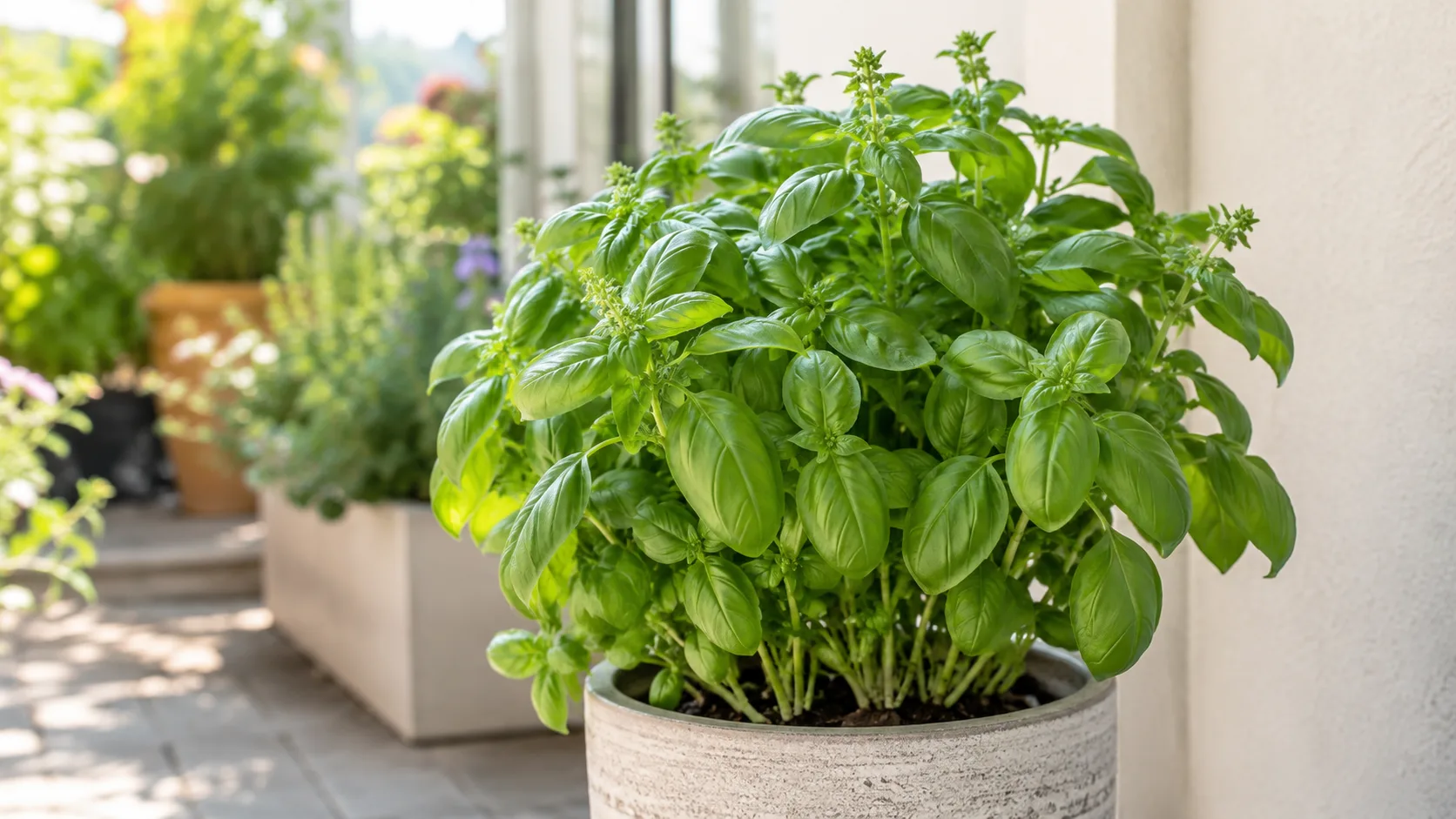
16. Basil. Basil and French marigolds are the tomato-bed trifecta with pollinators and aromatic masking. Plant basil 10–12 inches behind a marigold front edge so you can harvest without stepping on flowers. Pinch basil flowers to keep leaves tender; let one marigold section bloom for insects.
17. Chives. Low chive clumps fit marigold borders. Onion-scented chive foliage may confuse aphids; divide chive clumps every three years so they do not swallow path space.
18. Cilantro. Cilantro bolts in summer heat while marigolds peak. Sow cilantro in early spring beside young marigolds, or sow again in late summer as marigolds fade. Both dislike soggy crowns—raised rows help.
19. Sage. Woody sage and marigolds share drought tolerance once established. Purple sage flowers contrast orange marigolds visually. Give sage 18 inches—its root ball expands.
20. Oregano. Greek oregano stays lower than marigolds; plant it on the sunny rim. Oregano spreads by runners—contain with a buried edge or annual division.
21. Thyme. Creeping thyme in front of marigolds makes a fragrant, pest-confusing living edge. Keep thyme dry; do not let cucumber-scale irrigation drown it.
22. Dill. Let dill bolt for umbel flowers that feed parasitic wasps and hoverflies. Stake tall dill 14 inches from marigold stems; both reseed if you allow seed drop.
23. Lavender. Lavender and marigolds both want sun and sharp drainage—excellent dry-border partners. Lavender is perennial; marigolds are annual—plan to replant marigolds each spring without disturbing lavender roots.
Flowering companions for pollinator borders
These pairings are about color, bloom succession, and insect traffic—not vegetable yield.
24. Dusty miller. Silver foliage cools hot orange marigolds visually. Both tolerate drought and full sun. Plant dusty miller 10 inches in front of African marigolds as a foliage skirt.
25. Salvia. Salvia nemorosa types and marigolds build a bee highway when salvia is deadheaded and marigolds are stripped of spent blooms. Salvia is perennial in many zones; treat marigolds as the annual color reload.
26. Gerbera daisies. Gerberas want even moisture—more than marigolds. Pair them in containers where you control water separately, or plant gerberas behind a drip line and marigolds on the drier front lip.
27. Asters. Late-season asters extend pollinator food after marigolds slow in fall. Give asters afternoon sun and room—powdery mildew hits crowded aster-marigold mixes in humid summers.
28. Cornflower (bachelor’s buttons). Blue cornflowers against orange marigolds are a classic cottage pairing. Direct-sow cornflowers once soil warms; set marigold transplants on the same day for even height by midsummer.
29. Roses. Shrub roses and marigolds share aphid pressure. Marigolds attract beneficial insects; they do not replace rose hygiene (water at roots, open center pruning). Keep marigolds 12 inches from rose trunks for airflow.
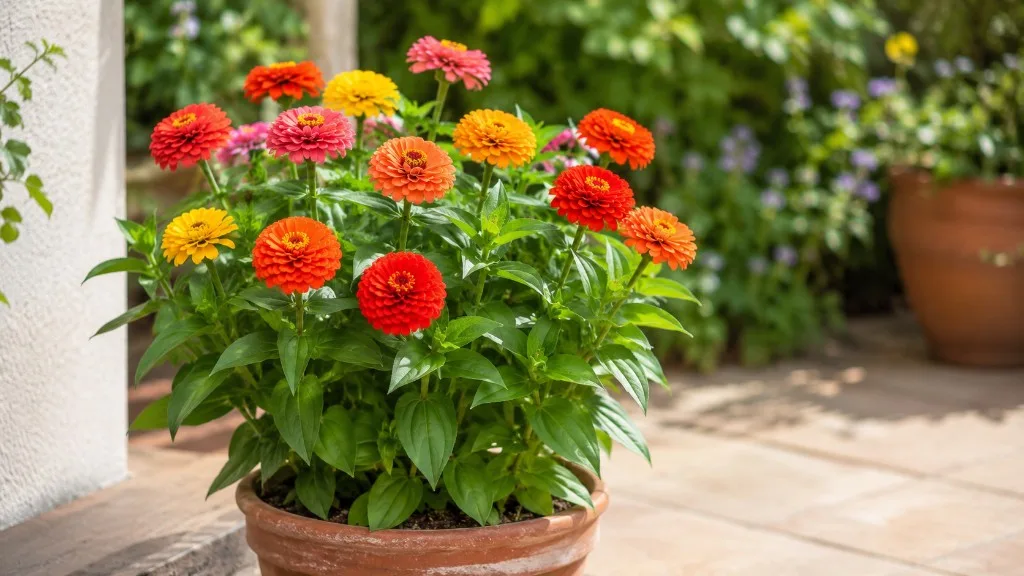
30. Zinnias. Marigolds and zinnias are the easiest cut-flower duo: same sun, same sowing window, staggered heights. Dwarf French marigolds in front, zinnias behind—or interplant dwarf zinnias with signet marigolds for a ribbon effect. See our companion plants for zinnias guide for the reverse pairing logic.
Four plants to avoid planting beside marigolds
1. Pole beans and bush beans. Marigold root exudates can inhibit bean growth in some studies and traditional charts. If you grow beans, put them in a separate row or the next bed over. Legumes fix nitrogen marigolds appreciate—sequence beans before marigolds, not beside them. Our companion plants for beans guide covers safer neighbors.
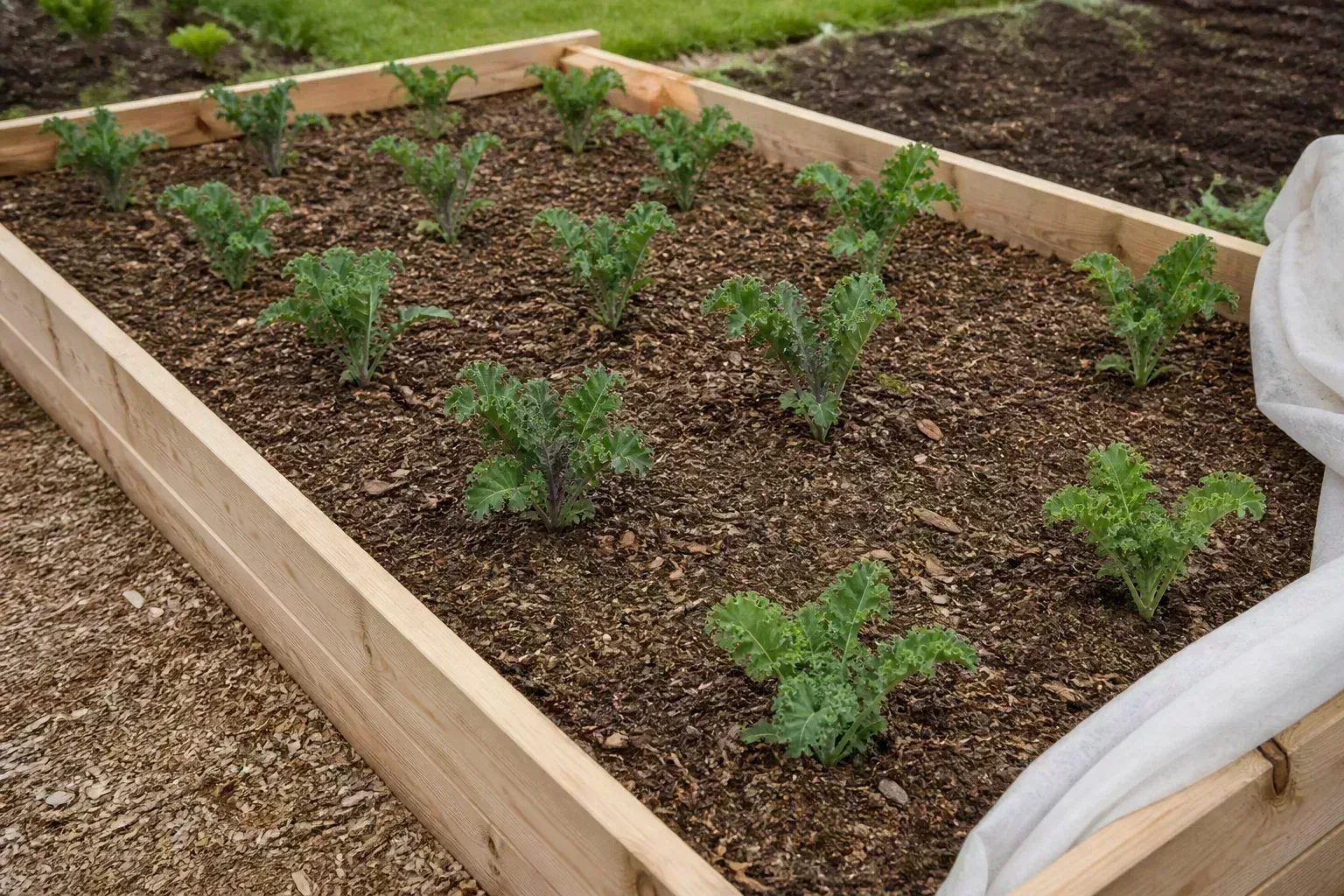
2. Cabbage and brassicas. Cabbage, broccoli, kale, and Brussels sprouts are often flagged as poor marigold partners because of allelopathic root compounds and because tall marigolds shade low brassica leaves. Low French marigolds on the far border of a brassica patch sometimes work for flea beetle confusion—see companion plants for broccoli—but do not interplant through the brassica root zone.
3. Fennel. Fennel inhibits many neighbors; keep it in an isolated patch.
4. Aggressive mint. Peppermint and spearmint roots outcompete marigolds within a season. Plant mint only in buried containers well away from marigold rows.
Two sample layouts you can copy this season
Layout A — 4×8-foot tomato–herb bed (north at top)
- Back row: two staked tomatoes, 30 inches apart
- Middle: basil and dill alternating, 12 inches apart
- Front strip: French marigolds every 10 inches across the 8-foot length
- South long edge: chives and thyme offset 6 inches out
Layout B — pollinator cutting border (8 feet long)
- Back: three African marigolds (‘Crackerjack’ or similar), 16 inches apart
- Middle: zinnias (‘Benary’s Giant’ or ‘Profusion’), 12 inches apart
- Front: signet marigolds and creeping thyme, 8 inches apart
- Deadhead weekly; let one dill plant bolt at the corner for late wasp support
Adjust for your path width. Both layouts assume six-plus hours of direct sun and drip irrigation.
Conclusion
Marigolds earn their place as companion plants when you match species, spacing, and job—not when you expect one flower to sterilize a vegetable patch. Use French marigolds for resinous borders and research-backed nematode pre-crops; use African types for height and pollinator blocks; use signets for tight edible edges. Pair sun-loving vegetables, herbs, and cutting flowers that share drainage and bloom windows, and keep beans, brassicas, fennel, and mint out of the root zone.
Start with three companions for one bed section—one pollinator flower, one herb, one crop you already grow—before scaling to all thirty. Scout weekly, water at the soil line, and treat marigolds as part of a rotation and habitat plan. For midseason bloom recovery, see how to make marigolds bloom again. For pest-evidence limits, keep do marigolds really deter pests bookmarked when neighbors ask why your border still has aphids in August.