Water Stress in Houseplants: Signs and Solutions
'Water Stress is one of the most common houseplant issues because indoor watering is easy to get wrong. Pots, soil mix, season, and light all change how fast soil dries. When you see Leaves curl, droop, yellow, or brown due to irregular watering, the goal is to confirm whether the plant is getting too much water, too little, or uneven moisture before making big changes. Track weekly progress after you change care, and note watering, light, and repotting dates so you can tell whether the symptom is improving or returning.'. Compare upper versus lower leaves, new versus old growth, and soil moisture at root depth before you treat, because the same visible symptom can come from watering, light, pests, or normal aging on different plants.
Water Stress on Houseplants
Still unsure?Match your symptoms to the most likely problems in under a minute.Run diagnosis →Understand and fix water stress
'Water Stress is one of the most common houseplant issues because indoor watering is easy to get wrong. Pots, soil mix, season, and light all change how fast soil dries. When you see Leaves curl, droop, yellow, or brown due to irregular watering, the goal is to confirm whether the plant is getting too much water, too little, or uneven moisture before making big changes. Track weekly progress after you change care, and note watering, light, and repotting dates so you can tell whether the symptom is improving or returning.'. Compare upper versus lower leaves, new versus old growth, and soil moisture at root depth before you treat, because the same visible symptom can come from watering, light, pests, or normal aging on different plants.
Overview
'Water Stress is one of the most common houseplant issues because indoor watering is easy to get wrong. Pots, soil mix, season, and light all change how fast soil dries. When you see Leaves curl, droop, yellow, or brown due to irregular watering, the goal is to confirm whether the plant is getting too much water, too little, or uneven moisture before making big changes. Track weekly progress after you change care, and note watering, light, and repotting dates so you can tell whether the symptom is improving or returning.'. Compare upper versus lower leaves, new versus old growth, and soil moisture at root depth before you treat, because the same visible symptom can come from watering, light, pests, or normal aging on different plants.
How to identify it
- Soil feels soggy or waterlogged several days after watering
- Top inch stays wet while lower roots may be dry (or the reverse)
- Leaves yellow, wilt, or crisp despite your usual routine
- White mold, fungus gnats, or sour smell from the pot
- Symptoms worsen after repotting or a weather change
When to worry
Mushy stems, foul-smelling soil, or widespread yellowing within days means act immediately-root damage may already be underway.
Common causes
Watering on a calendar instead of soil moisture
Many houseplants are watered weekly regardless of need. Cool rooms, short winter days, and dense soil keep pots wet longer and trigger Water Stress.
Poor drainage or no drainage holes
Water that sits in the bottom of a pot suffocates roots. Decorative cache pots without drainage are a frequent cause of Leaves curl, droop, yellow, or brown due to irregular watering.
Heavy or compacted potting mix
Old soil that has broken down holds water like a sponge. Roots get less oxygen even when you think you are watering lightly.
Seasonal light and growth changes
Plants use less water in low-light winter months. Continuing summer watering into winter often leads to Watering stress.
Step-by-step fix
Check soil moisture at root level
Stick your finger 2 inches into the soil or use a moisture meter. Note whether the root zone is wet, evenly moist, or bone dry before watering again.
Adjust watering to the plant's actual need
Water thoroughly only when the top 1–2 inches are dry for most tropical houseplants. Pour out excess from saucers within 30 minutes.
Improve drainage if soil stays wet
Repot into a mix with perlite or bark if needed. Confirm the pot has drainage holes and is not sealed inside a decorative outer pot.
Inspect roots if symptoms persist
Slide the plant out of the pot. Trim mushy brown roots, repot in fresh mix, and hold fertilizer until new growth appears.
Monitor for 10–14 days
Track soil dryness and leaf response. One adjustment at a time makes it easier to see what helped.
Prevention tips
- Water when soil is dry at the top, not on a fixed schedule
- Use pots with drainage holes and empty saucers after watering
- Reduce watering frequency in winter or dim rooms
- Choose a well-draining mix suited to your plant type
Common mistakes
- Watering because leaves look sad without checking soil first
- Repotting into a much larger pot 'to fix' watering issues
- Misting leaves instead of fixing soil moisture
A drooping plant does not automatically need water. Leaves can wilt when the root ball is genuinely dry, but they can also wilt when saturated roots lack oxygen or have begun to fail. Plant water stress is the broader problem: the shoot is not maintaining the water balance it needs, whether because supply is too low, roots are impaired, or water loss temporarily exceeds uptake.
The safest response is to diagnose the root zone before pouring anything into the pot. Check moisture at depth, container weight, leaf texture, drainage, and the timing of recent changes. This takes minutes and prevents the most damaging mistake—adding water to an already wet, declining plant.
This guide synthesizes current university-extension guidance and uses a conservative triage order. It cannot distinguish every root pathogen, salt injury, or vascular problem from appearance alone; persistent wilt in appropriately moist media, spreading stem softness, foul odor, or rapid multi-leaf decline warrants a local extension plant-clinic assessment.
What plant water stress means
Plants absorb water through roots, move it through vascular tissue, and lose much of it through transpiration. Stress develops when this system cannot keep cells adequately hydrated or when prolonged saturation disrupts root respiration and function. The visible response may include drooping, curling, yellowing, brown margins, leaf drop, slow growth, or soft tissue.
These symptoms overlap with heat, cold, low light, root disease, fertilizer salts, transplant shock, and pests. Water stress should therefore describe a supported diagnosis, not a label applied to every wilted leaf. The root-zone evidence determines whether to add water, wait, improve drainage, or inspect roots.
Severity also matters. A brief midday wilt in a well-watered plant during unusual heat may resolve as conditions cool. Repeated or prolonged wilt, progressive yellowing, brittle tissue, a soft base, or root odor indicates a problem that needs more than cosmetic adjustment.
Why wet and dry plants can both wilt
Wilting reflects loss of adequate water pressure in cells, but it does not identify why that pressure fell. Dry roots cannot supply enough water. Damaged or oxygen-starved wet roots may also fail to supply it.
Clemson Cooperative Extension states that symptoms of overwatering and underwatering can be similar and that both can lead to poor root health and plant decline. That is why a watering diagnosis must include the medium and roots rather than foliage alone.
Water shortage and loss of turgor
When a root ball dries beyond the plant’s tolerance, roots cannot replace water lost from leaves. Cells lose turgor, petioles and stems droop, and leaves may curl. Maryland Extension explains that indoor plants wilt and leaves curl when roots cannot supply sufficient moisture.
Longer drought can produce dry or brittle leaves, brown tips and margins, yellowing, leaf drop, stunting, and reduced flowering. A very light container and mix pulling away from the pot wall support this diagnosis. Some species show dramatic wilt before lasting injury, while succulents may soften or wrinkle more gradually.
Extremely dry peat-based media can resist rewetting. Water may rush through cracks along the wall and exit the drain hole while the center remains dry. Seeing runoff is therefore not proof that the root ball absorbed enough.
Saturated media and poor root function
Roots need oxygen as well as water. When media remain saturated, water occupies pore space and reduces aeration. Virginia Cooperative Extension explains that prolonged wetness decreases oxygen availability, causing roots to stop growing and eventually die, which then affects the plant’s top growth.
Wet-stress clues include a heavy pot, yellowing of both older and newer foliage, soft leaves or stems, leaf drop, stalled growth, fungus gnats, and rotten-smelling mix. No single sign proves overwatering, but several together make the diagnosis stronger.
Overwatering is fundamentally about roots staying wet too long or too frequently. One thorough irrigation into a well-aerated mix is not equivalent to repeatedly watering before the root zone has dried to the level that species needs.
Diagnose the direction of stress
Begin with a snapshot of the present condition, then reconstruct the recent pattern. Probe at several depths, lift the container, examine the saucer or cachepot, and compare foliage texture. Ask whether the symptom followed heat, a seasonal light change, repotting, travel, or a watering-system failure.
Use the following clues as a combined pattern:
| Evidence | Drier-root pattern | Wetter-root pattern |
|---|---|---|
| Pot weight | Unusually light | Persistently heavy |
| Mix | Dry at depth, may pull from wall | Damp or wet deep in pot for days |
| Leaves | Crisp edges, brittle or curled | Soft yellowing, limp or mushy tissue |
| Odor | Usually neutral | Sour or rotten odor may occur |
| Drainage | Water may bypass hydrophobic core | Water may sit in cachepot or blocked base |
| Roots | Dry, brittle, shriveled | Soft, hollow, sloughing, or decayed |
The table is not universal. Leaf texture differs among succulents, ferns, and thin-leaved tropicals, and roots vary naturally in color. Combine evidence instead of treating one row as a test.
Think in moisture gradients, not merely wet or dry. A large pot can be dry at the rim and saturated at the center. A compacted root ball may stay dry while fresh loose mix around it remains wet after repotting. Sampling one spot can therefore send you in the wrong direction; check at two or three locations without damaging major roots.
Canopy symptoms also lag behind the root zone. A plant may remain wilted for a time after rehydration because tissue has been damaged, or it may continue yellowing after excess water is removed because roots have already declined. The immediate moisture reading tells you what to do now, while progression over several days tells you whether the diagnosis was complete.
Compare leaves, mix, pot weight, and roots
Check below the surface. A finger works in small accessible pots; a wooden skewer can sample deeper media; and the weight of a familiar pot becomes a practical moisture gauge. Electronic meters vary with salts, media, and contact, so use them as one clue rather than an unquestionable verdict.
Penn State Extension recommends assessing soil moisture instead of assuming visible surface conditions reveal what roots can access. Compare that reading with pot weight and the plant’s recent moisture-use pattern; one inexpensive meter reading should not overrule wet mix, odor, decaying roots, or a visibly shrunken root ball.
Observe whether damage begins in old or new leaves, whether margins are crisp or tissue is soft, and whether the whole plant or one branch is affected. One-sided wilt may indicate physical or stem damage rather than a whole-pot moisture problem.
Inspect roots only when less disruptive checks suggest serious trouble. Firm roots may be white, cream, tan, brown, or stained depending on species and medium. Decay is better identified by loss of firmness, hollow tissue, sloughing outer layers, odor, and associated decline than by color alone.
Use timing and recent changes
The date of onset can reveal the driver. A plant that wilted after a hot sunny day but has moist soil may be losing water faster than roots can temporarily supply it. A plant that declined after moving to a darker winter location may simply be using water more slowly while its old schedule continued.
Repotting changes water behavior. A larger volume of media dries more slowly, while fresh coarse mix may dry faster than compacted old mix. Root disturbance can also cause transient wilt, so immediate repeat watering may worsen the situation.
Keep a short log with watering date, pot weight, moisture observation, and major environmental changes. Three or four entries usually provide more diagnostic value than trying to remember whether the pot was “probably dry.”
For example, a peace lily that is light in weight, dry at depth, and suddenly limp can often be rehydrated without repotting. A succulent with soft yellow lower leaves, a heavy pot, and wet media a week after watering needs a pause and possible root inspection. A fern with crisp margins but evenly moist media may instead be reacting to heat, low humidity, salts, or root damage; adding water without further evidence can make the diagnosis worse.
If several plants wilt simultaneously, look for a shared event: heating or air-conditioning change, direct sun, a failed irrigation device, cold exposure, or missed care. If one branch wilts while the rest remains firm, investigate local stem injury or vascular disease instead of assuming the whole pot is dry.
Give the right first aid
Move the plant away from severe heat or cold and protect physically weak tissue while you assess it. Do not fertilize a severely stressed plant. Then act according to verified moisture condition.
Rehydrate a genuinely dry root ball
Water slowly across the surface, pause, and repeat until the medium wets evenly and excess drains. If water bypasses a shrunken root ball, set the pot in a shallow container of water and let moisture move upward, checking frequently. Virginia Extension specifically recommends bottom watering to rehydrate very dry potting soil.
Remove the pot once the medium is evenly moist and allow it to drain. Do not leave it submerged indefinitely. A very large pot or species susceptible to crown rot may be better rehydrated in several controlled top-water passes.
Expect viable leaves to regain some firmness, but do not assume all damage will reverse. Crispy tissue is dead, and prolonged drought can kill fine roots. Resume normal observation rather than watering again the next day merely because one old leaf remains damaged.
Stabilize a plant that is staying wet
Empty standing water, clear blocked drain holes, and improve appropriate light and gentle airflow. Pause irrigation while monitoring; do not force-dry the plant with intense heat, direct sun, or a powerful fan.
If foliage is stable and roots appear sound, allowing the mix to reach an appropriate moisture level may be enough. If the base is soft, odor is strong, yellowing is rapid, or roots are decaying, inspect promptly and consider repotting into suitable fresh medium.
Remove fallen leaves and dead material from the soil surface. They do not cause overwatering, but sanitation makes it easier to monitor and reduces decaying debris around a stressed crown.
Decide whether to inspect or repot roots
Repotting is a treatment for a specific structural or root problem, not the automatic cure for every moisture symptom. It is justified when the container lacks usable drainage, mix is severely compacted or staying saturated, roots are actively decaying, or the plant is in a badly mismatched volume.
Avoid repotting a mildly dry plant immediately after rehydration or disturbing healthy roots merely because the surface looks unattractive. Every intervention consumes recovery capacity.
Handle damaged roots conservatively
Prepare a clean work surface and sanitized cutting tool. Remove loose saturated medium gently, then trim only roots that are unmistakably dead, hollow, mushy, or sloughing. Preserve firm tissue.
Choose a pot close to the remaining root mass with functioning drainage. A much larger pot holds more media that roots do not yet occupy, which can slow drying. Use a medium suited to the plant rather than adding an arbitrary amount of perlite to every species.
After repotting, settle the mix according to its moisture level and the plant’s needs. Do not fertilize immediately into severely damaged roots. Provide stable appropriate light and warmth, then monitor instead of repeatedly unpotting to check progress.
Root pruning should be proportional. A plant that has lost much of its root system may not support the same canopy under hot, bright, dry conditions, but removing healthy leaves indiscriminately also reduces photosynthetic capacity. Protect the recovering plant from extremes and remove only dead or clearly failing material unless species-specific guidance supports more pruning.
Sanitize tools between plants when decay may be infectious, and discard contaminated mix rather than using it for another pot. Wash reused containers before planting. These precautions do not prove a pathogen caused the problem; they reduce avoidable transfer while diagnosis remains uncertain.
If salts are suspected, review the water source and fertilizer history before repeatedly flushing a plant with damaged roots. Colorado State University Extension explains that poor drainage changes the balance of water and air around roots; container symptoms still need species- and medium-specific interpretation, so seek local guidance when crusting, marginal burn, and poor root function persist together.
Fix the cause, not just the watering date
The interval between waterings is an outcome of plant demand and the environment. It changes with species, leaf area, growth rate, light, temperature, humidity, airflow, container material, pot size, root occupancy, and medium.
Light, season, humidity, pot, and media
Lower light generally slows water use. Cool conditions and high humidity can slow drying, while warmth, sun, airflow, porous terracotta, and a root-filled pot may accelerate it. Maryland Extension lists potting media, growth stage, pot type, humidity, and temperature among factors influencing watering.
A decorative cachepot can hide standing water. A pot with one blocked hole may behave like a sealed container. Dense decomposed media may stay wet at the center even when the surface appears dry, while very coarse media can dry quickly.
Change the system deliberately. Improve light because the plant needs it, select a pot for root and moisture behavior, and choose media for the species. Do not add gravel at the bottom as a substitute for a functioning drainage hole.
Species differences and misleading rules
There is no universal instruction to water every plant when the top two inches are dry. A small fern, large aroid, cactus, orchid in bark, and plant in a self-watering reservoir require different assessment. Clemson Extension states plainly that watering amount and frequency depend on species, growth stage, location, pot, mix, and weather.
Learn the species’ broad moisture preference, then calibrate it to your pot. Use pot weight and moisture at an appropriate depth. A calendar can remind you to check; it should not automatically trigger watering.
Self-watering containers are not inherently overwatering devices, but they require appropriate media, reservoir management, and plants suited to consistent moisture. Likewise, terracotta is not automatically better; it simply alters drying behavior.
“Water when the top inch is dry” is a screening rule, not a biological law. In a shallow four-inch pot, one inch represents much of the root zone; in a tall floor container, it may reveal little about the center. Calibrate depth to root distribution and container size, and learn the lag between surface drying and the species’ preferred root-zone condition.
Water quality and accumulated fertilizer salts can also complicate the picture. Salts make it harder for roots to take up water and may cause marginal burn even when the medium is moist. If care and drainage are sound but crust accumulates on the surface or pot rim, review fertilizer use and local water quality with species-appropriate guidance rather than increasing irrigation blindly.
Monitor recovery
Take a dated photograph and mark the newest damaged leaf. For drought stress, look for restored firmness in viable tissue and stable new growth. For wet stress, look for the end of yellowing, a normal drying cycle, and new roots or shoots over time.
Old brown margins, yellow leaves, and dead patches will not turn green. Evaluate whether damage is progressing rather than demanding cosmetic reversal. Remove dead foliage when convenient, but retain functioning green area during recovery.
Seek help if decline continues despite a corrected root zone, lesions spread, or the stem base softens. A local extension plant clinic can assess whether root or stem pathogens, pests, salts, or another environmental disorder are involved.
Use a decision threshold for escalation. One old yellow leaf on an otherwise stable plant can be monitored. Multiple new yellow leaves, spreading softness, foul odor, or continued wilt in an appropriately moist root zone justify immediate inspection or expert help. The threshold should reflect the rate of change, not merely how dramatic one leaf looks.
New growth is the most reliable long-term measure. A recovered plant should eventually produce leaves of normal size and texture and resume a predictable moisture-use cycle. The interval itself may differ from the old schedule because the root system, season, or location has changed.
Common mistakes
The biggest mistake is watering a wilted plant without checking moisture. Others include leaving a nursery pot in standing water, applying fertilizer as “medicine,” moving a stressed plant into harsh sun, and repotting repeatedly.
Avoid relying on surface color, one meter reading, or a rigid weekly schedule. Do not cut healthy roots because they are not bright white, and do not assume runoff means a hydrophobic root ball is wet.
Changing light, pot, media, fertilizer, and watering simultaneously also hides cause and effect. In a stable plant, change the most likely driver first and document the result.
Another mistake is “compensatory oscillation”: soaking a plant after every dry episode, then withholding water for an extreme period after seeing yellow leaves. That creates repeated stress instead of stability. Correct the present condition, then use smaller evidence-based adjustments to the future interval.
Build a resilient watering system
Group plants by moisture behavior rather than watering the entire collection together. Check on a schedule but water individually. Learn each container’s weight, observe media at depth, and note seasonal changes.
Use pots with workable drainage and empty saucers or cachepots. Water thoroughly when the root zone reaches the appropriate state, then let excess drain. Reassess whenever the plant grows, is repotted, moves, or enters a new season.
A resilient system accepts variability. The goal is not a perfect interval; it is a repeatable decision based on the plant, pot, and current environment.
Build a baseline after each thorough watering. Record the pot’s weight or feel, how long the surface and deeper zone take to change, and the plant’s posture. Check more frequently during heat, active growth, flowering, or a recent move; check thoughtfully rather than automatically watering more often.
When someone else cares for the plants, leave decision instructions instead of dates: which pot to lift, where to probe, what dry or wet evidence looks like, and which plants use reservoirs. This prevents well-intentioned double watering and makes the system transferable.
Conclusion
Water stress in houseplants can result from too little available water, excessive water loss, or wet roots that no longer function properly. Because both wet and dry plants may wilt, inspect moisture at depth, pot weight, leaf texture, drainage, roots, and timing before acting.
Rehydrate genuinely dry media evenly, stabilize wet roots without harsh forced drying, and repot only when drainage or root damage justifies it. Then build a species-aware watering method that adapts to light, season, pot, and growth. The best schedule is a schedule to check—not an automatic instruction to pour.
Plants commonly affected
These houseplants often struggle with water stress. Open a care guide or plant-specific troubleshooting page for tailored fixes.
 Easy
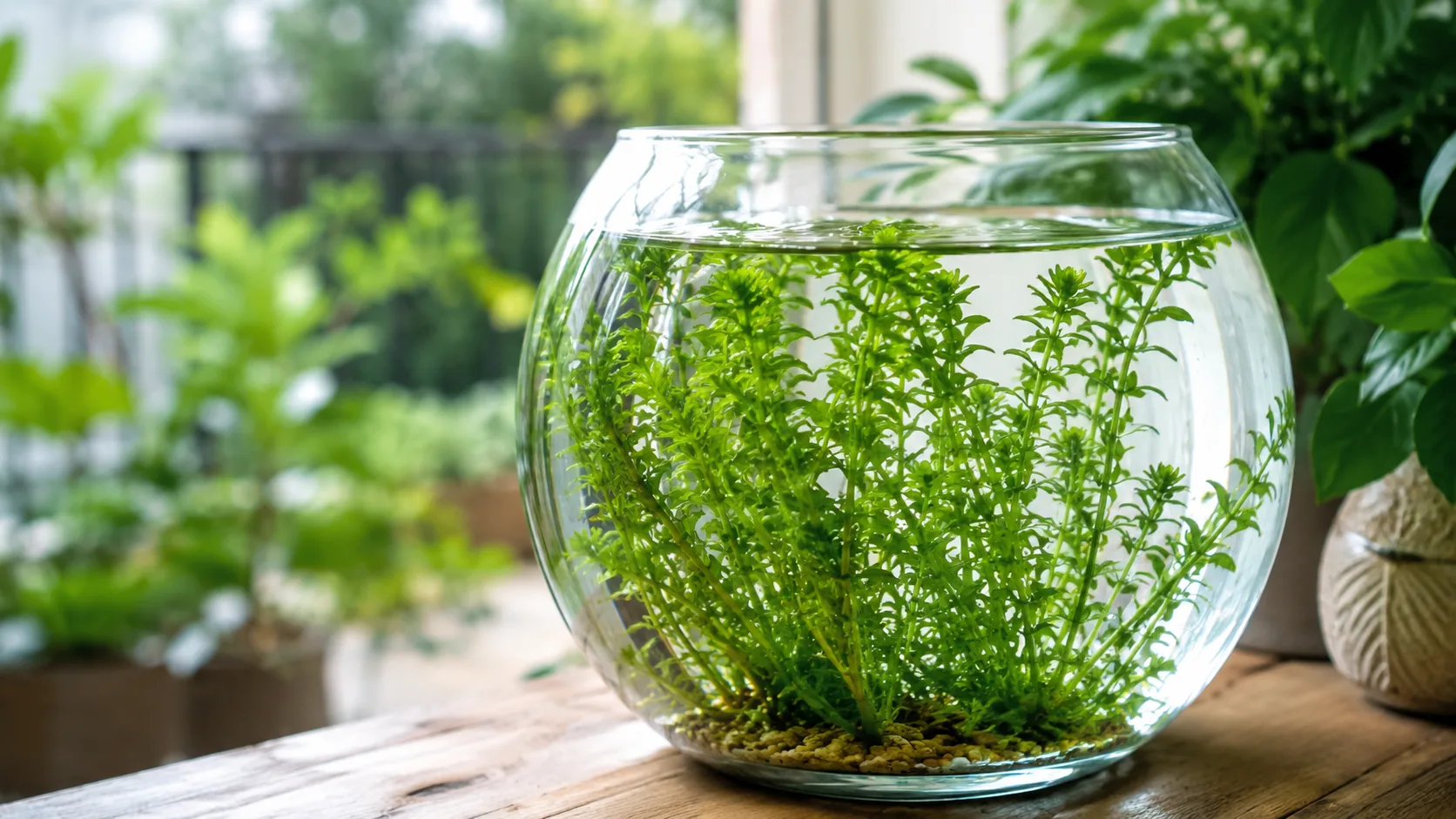
EasyAnacharis / Elodea
Likely causeLarge unmatched water changes, new-tank cycle spikes, or moving between very different source tanks.
Quick fixMatch temperature and parameters on transfers, fix ammonia/nitrite, and remove decaying stems promptly.
 Medium
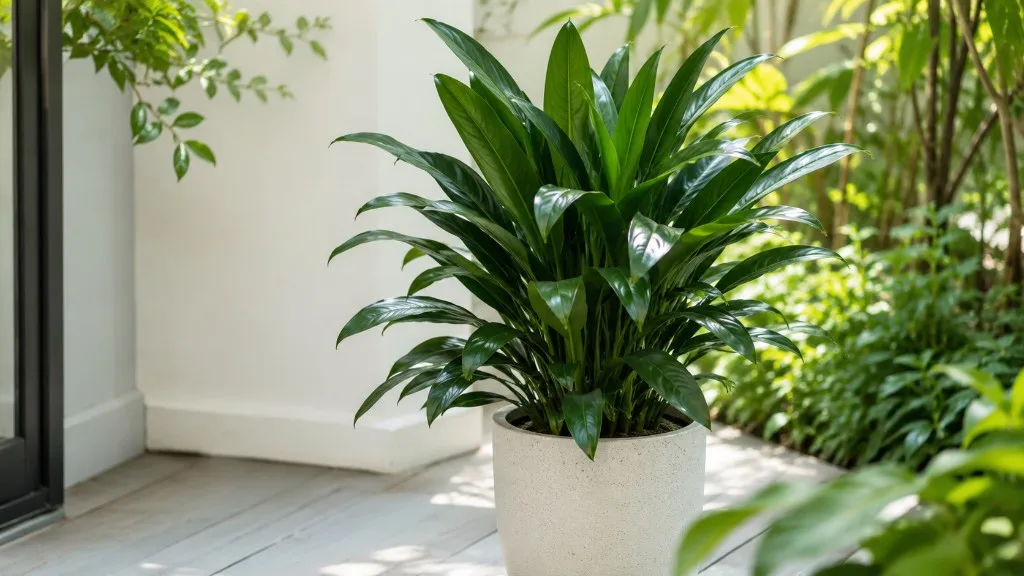
Janet Craig Dracaena
Likely causeWater your Janet Craig Dracaena plant when the top inch of soil feels dry, using lukewarm water until it drains from the bottom of the pot. Welcome to my easy-to-follow watering guide for the Janet Craig Dracaena !
Quick fixConfirm diagnosis on your Janet Craig Dracaena, then address the most likely care or pest factor described in current extension guidance.
 Medium
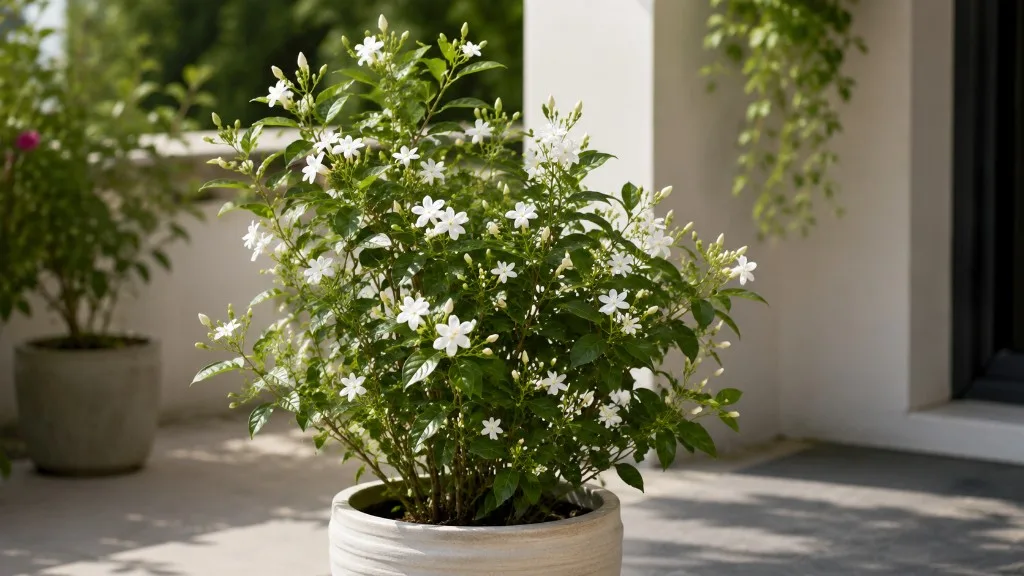
Jasmine
Likely causeJul 20, 2025 · Potassium silicate (PS) has been proposed as a foliar spray to alleviate plant water stress . This study aimed to evaluate the effects of PS on growth, ornamental traits, and photosynthetic parameters of off-season potted Cur
Quick fixConfirm diagnosis on your Jasmine, then address the most likely care or pest factor described in current extension guidance.
 Medium
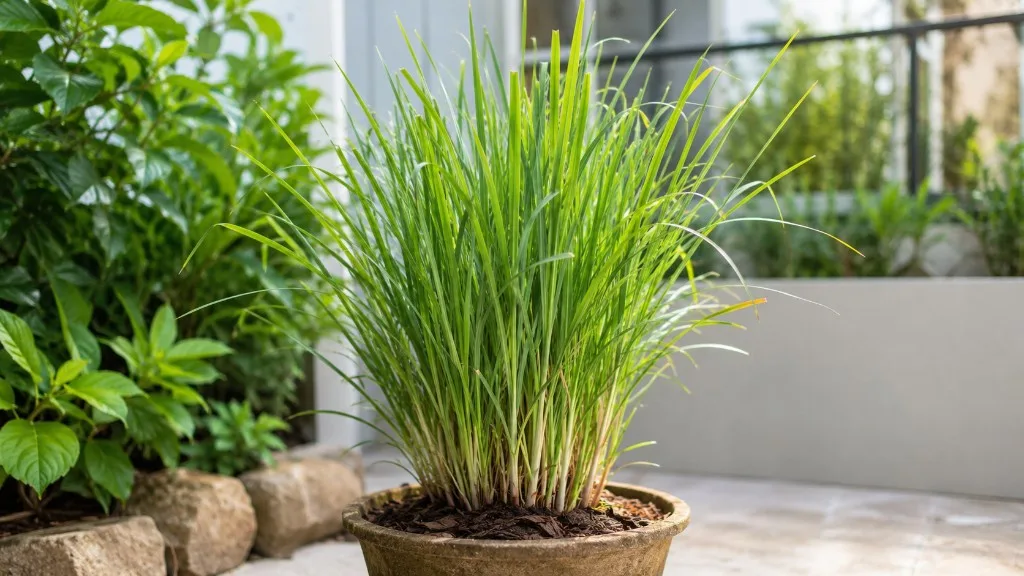
Lemongrass
Likely causeMar 18, 2026 · Lemongrass (Cymbopogon citratus) evolved in tropical and subtropical environments where moisture is abundant and consistent. A 2023 study published in Plants tested four ornamental grass species under water deficit conditions
Quick fixConfirm diagnosis on your Lemongrass, then address the most likely care or pest factor described in current extension guidance.
 Medium
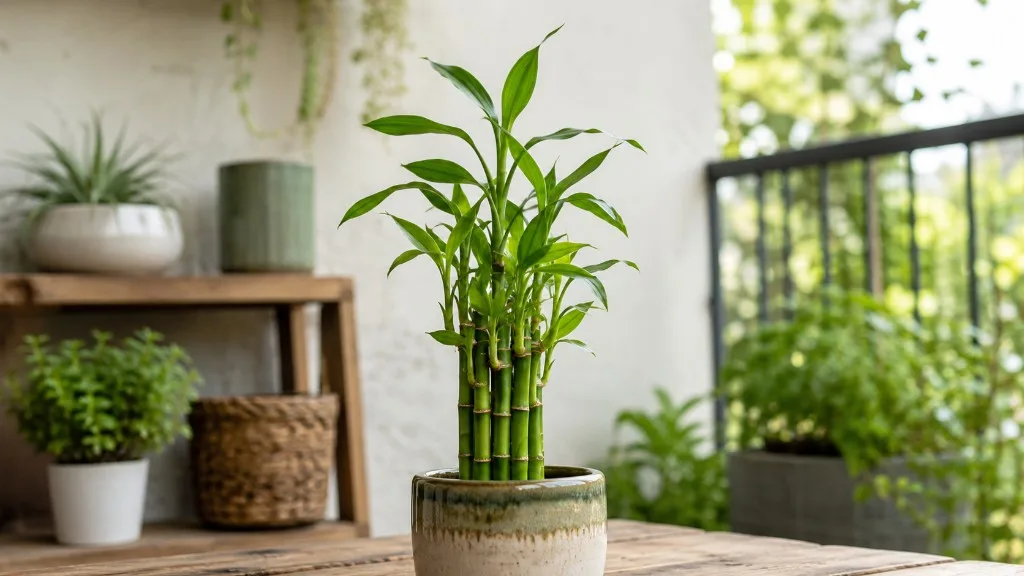
Lucky Bamboo
Likely causeJan 16, 2026 · Learn how to keep lucky bamboo thriving in water : prevent yellowing, root rot, and algae with proven care steps and avoid common mistakes like tap water chlorine or direct sun exposure.
Quick fixConfirm diagnosis on your Lucky Bamboo, then address the most likely care or pest factor described in current extension guidance.
 Medium
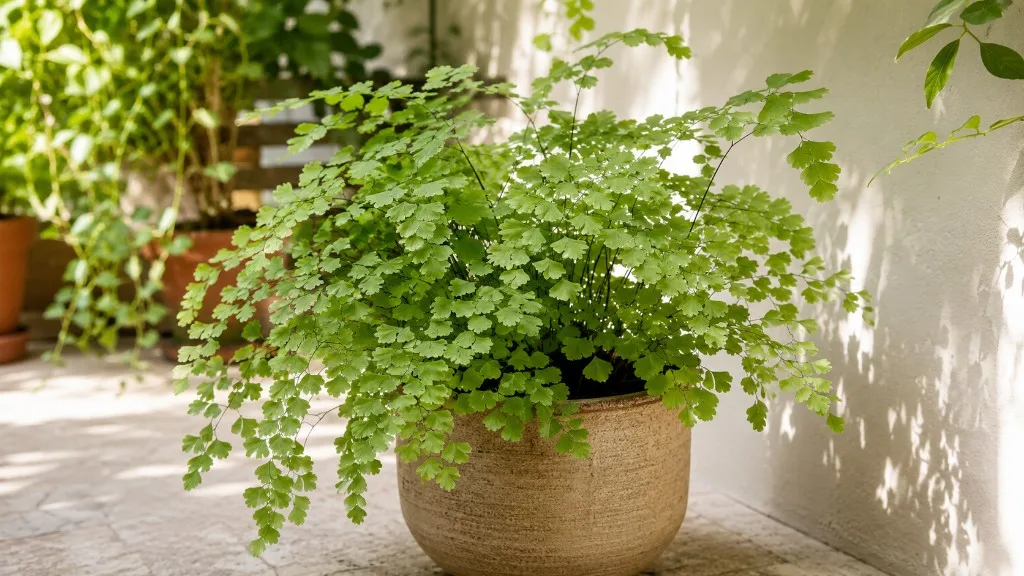
Maidenhair Fern
Likely causeWatering is perhaps the most critical aspect of Maidenhair Fern care. These ferns absolutely abhor dry soil, and even a brief period of dryness can cause significant damage to their delicate fronds. The goal is to keep the soil consistently
Quick fixConfirm diagnosis on your Maidenhair Fern, then address the most likely care or pest factor described in current extension guidance.
 Medium
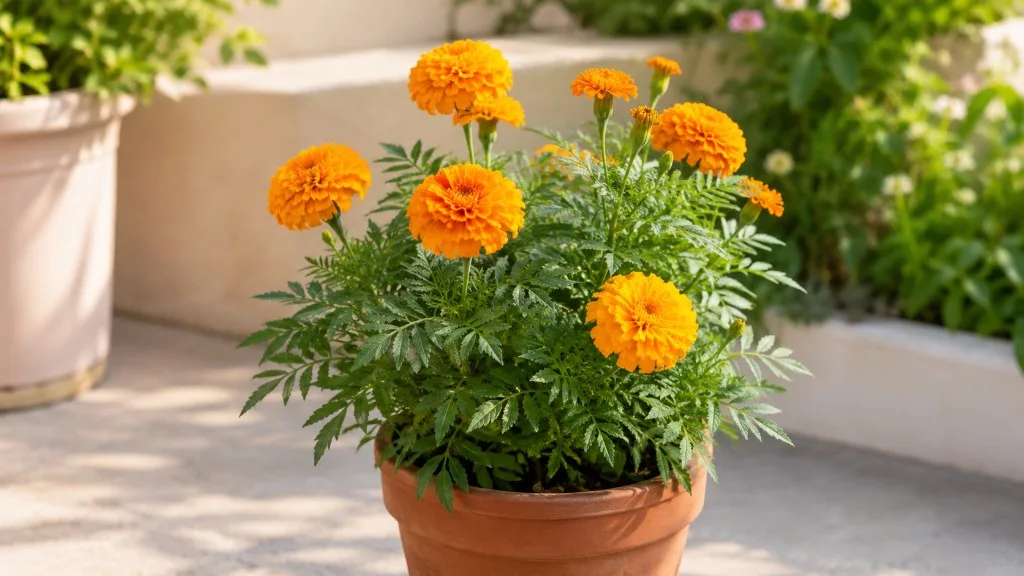
Marigold
Likely causeA pot experiment was conducted to investigate the growth and flowering response of two marigold species (Tagetes erecta and Tagetes patula) to varying water stress levels.
Quick fixFollow extension or botanical guidance for Marigold water stress; adjust care before applying broad treatments.
 Medium
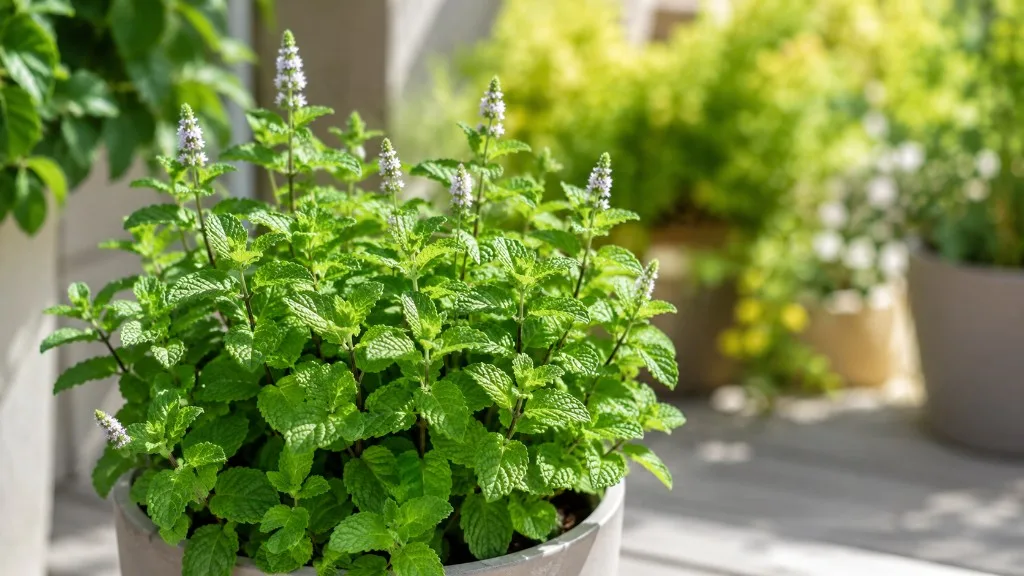
Mint
Likely causeBoth drought and chronic wetness disrupt mint water uptake, causing wilt and leaf drop.
Quick fixUse finger-test watering; ensure drainage; adjust frequency to season and pot size.
 Medium
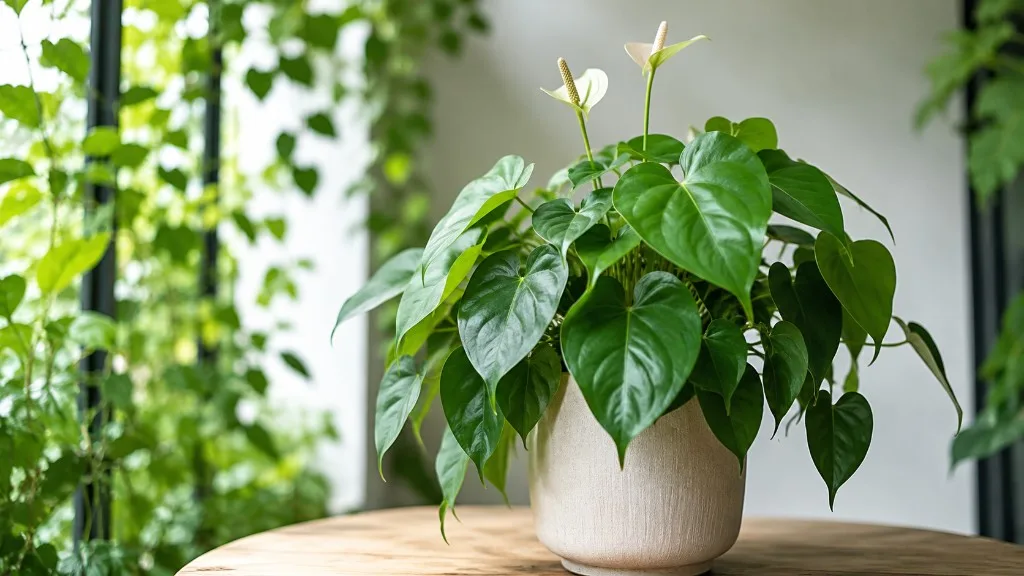
Heartleaf Philodendron
Likely causeJun 26, 2025 · Can I grow my philodendron in just water forever? You sure can, but the plant will need clean water , changed weekly, and might not get as big as it would in soil.
Quick fixConfirm diagnosis on your Heartleaf Philodendron, then address the most likely care or pest factor described in current extension guidance.
 Medium
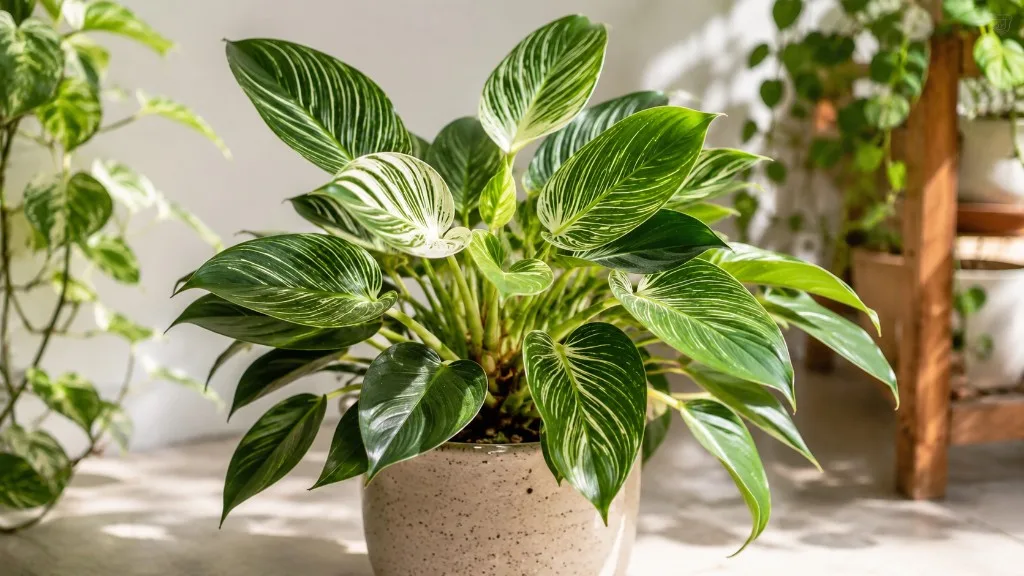
Philodendron Birkin
Likely causeMay 10, 2026 · Place it where curious pets can't nibble. Water when the top 1-2 inches of soil feel dry — roughly once a week in the growing season, less in winter. The Birkin prefers consistent moisture but not soggy roots. Ensure thorough
Quick fixConfirm diagnosis on your Philodendron Birkin, then address the most likely care or pest factor described in current extension guidance.
 Medium
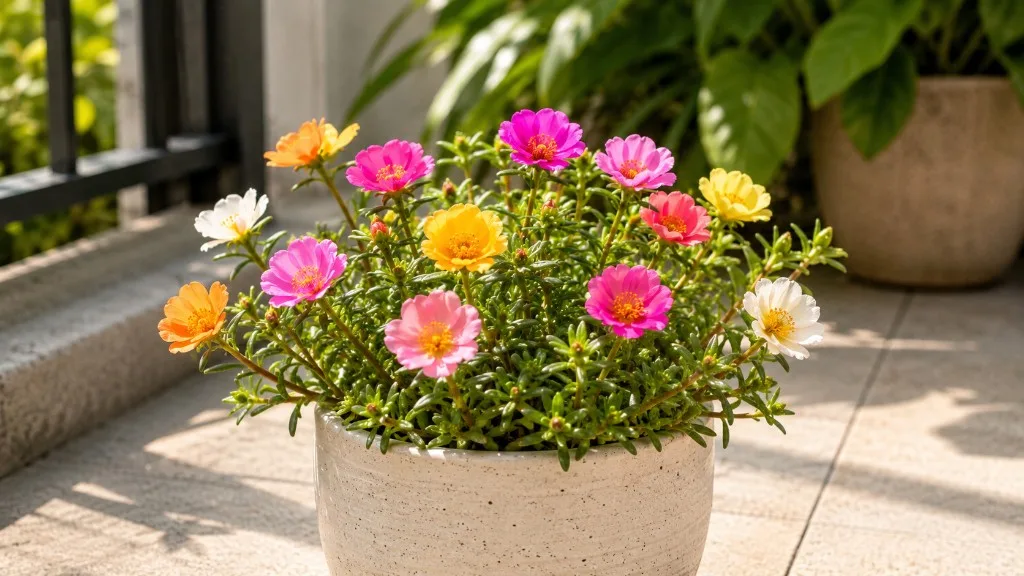
Portulaca
Likely causeNov 27, 2020 · In this work we try to demonstrate the feasibility of such strategy applying and investigating the effects of saline stress in different species and cultivars of Portulaca.
Quick fixConfirm diagnosis on your Portulaca, then address the most likely care or pest factor described in current extension guidance.
 Medium
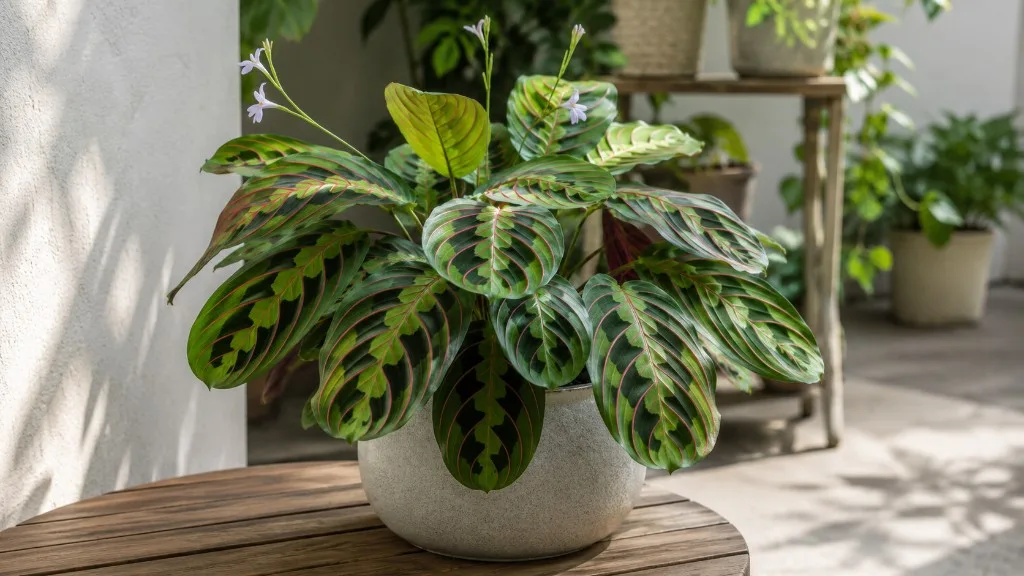
Prayer Plant
Likely causeFeb 28, 2025 · To sustain this healthy, bold, colorful look, consistent moisture and humidity are essential to prayer plant health. They are sensitive to watering imbalances and even tap water. Their leaves reflect stress by folding more fr
Quick fixFollow extension or botanical guidance for Prayer Plant water stress; adjust care before applying broad treatments.