Houseplant Water Stress: Causes, Diagnosis and Fixes
Under and over watering are both water stress. Use a fixed soil→drainage→leaf→root order before you water again.
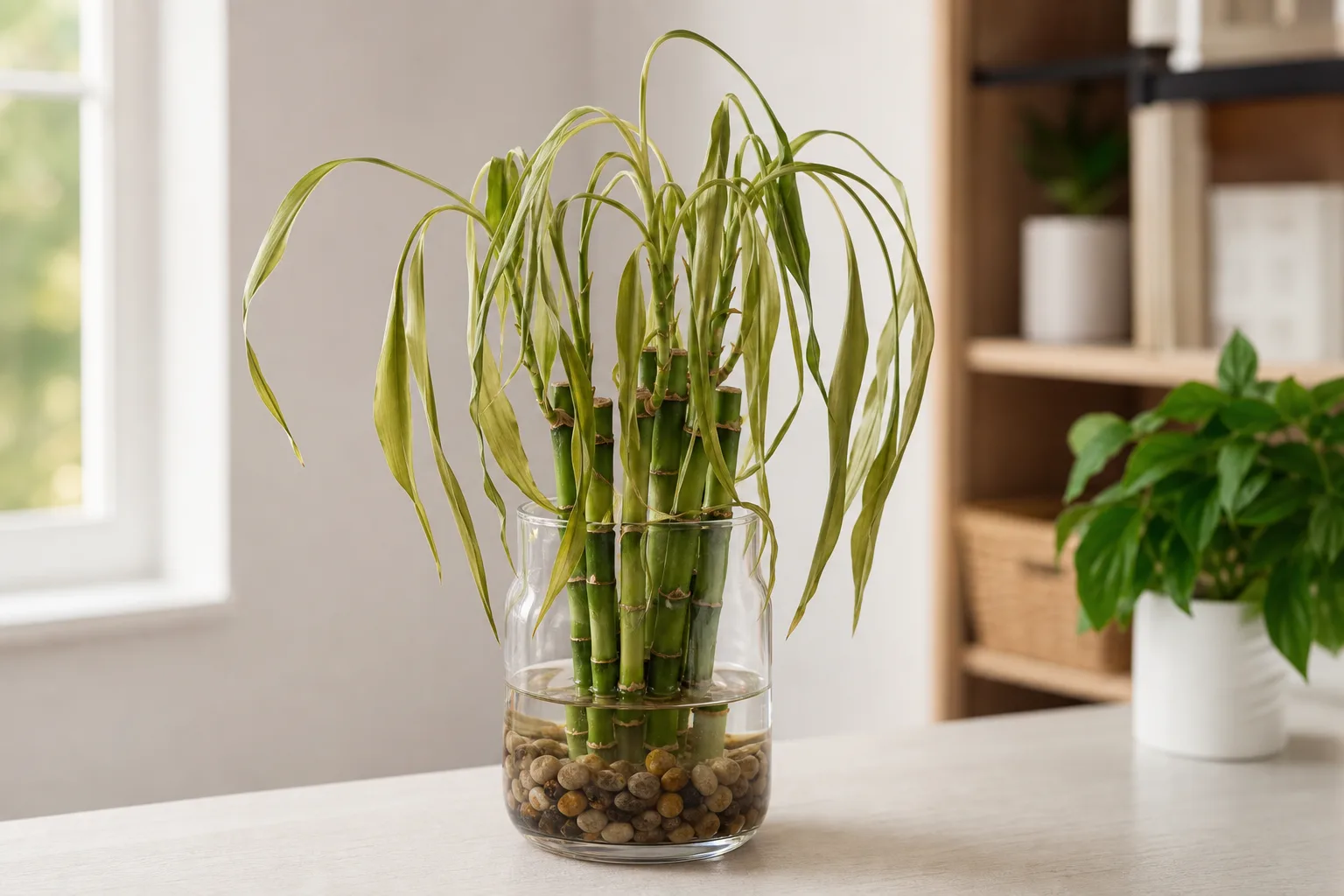
Your plant looks thirsty. The leaves are soft, yellow, or falling. You reach for the watering can — and that is often the moment water stress gets worse.
Water stress is not a single disease name. It is the umbrella for moisture imbalance in the root zone: too little water, too much water, or uneven moisture that leaves parts of the root ball dry while other parts stay soggy. Clemson HGIC is blunt about the stakes — over-watering is the main cause of death for potted plants — and equally clear that over- and underwatering symptoms can look similar because both damage roots. (Clemson HGIC) University of Florida plant pathologist Carrie Harmon puts the ranking in everyday terms: overwatering is the number one way people kill houseplants; forgetting to water is number two. (UF Emerging Pathogens Institute)
This page owns the moisture fork — the fixed soil → drainage → leaf → root order that tells you which side you are on before you pour. It is not the deep wet-side rescue manual, not the dry-side rehydration encyclopedia, and not the wilt-physiology decision tree. Those jobs belong to sibling guides after this fork is clear.
What Water Stress Means Indoors
Indoors, roots live in a closed volume of mix. They need both water and oxygen in the pore spaces. When the mix stays saturated, water fills those pores and roots cannot take up oxygen; they decline, then rot, and the top growth wilts even though the pot is wet. (Clemson HGIC) Missouri Botanical Garden describes the same oxygen failure in waterlogged soil — roots die, vigor drops, and stressed plants become more susceptible to pathogens such as Phytophthora. (Missouri Botanical Garden)
When the mix is too dry, roots have nothing to absorb. Leaves lose turgor, edges crisp, and older foliage often yellows and drops first. The Royal Horticultural Society groups wilting, yellowing, browning, and leaf drop as common poorly-houseplant signs, and notes that winter problems often come from overwatering, poor light, or dry air — not from a single mysterious disease. (RHS)
Keep one mental model: water stress = root-zone moisture that is wrong for this plant in this pot right now. Dry-side stress is a supply failure. Wet-side stress is an uptake failure caused by oxygen debt and damaged roots. Uneven moisture — hydrophobic peat that sheds water, or a wet bottom with a dry crust — is still water stress because parts of the root system are working against each other.
Virginia Cooperative Extension lists overlapping symptoms on both sides (wilting, leaf drop, stunted growth) and separates them with texture and soil cues: overwatered foliage tends to soft-yellow; underwatered foliage tends to dry and brittle, with soil pulling from the pot edge and a very light container. (Virginia Cooperative Extension)
Do This First (Next 10 Minutes)
- Finger-check soil 2–5 cm / about 1–2 inches deep — do not water yet.
- Lift the pot and note light vs heavy.
- Empty the saucer and any decorative outer pot of standing water.
If the mix is dry and the pot is light, plan a thorough rehydration (next dry-side section). If the mix is wet and the pot is heavy, stop watering and keep reading before you pour. If afternoon limp recovers overnight with evenly moist — not soggy — soil, cool the placement before you add water.
This page’s job in one line: decide dry-side vs wet-side vs uneven moisture, then branch. For day-to-day technique after the crisis, use indoor plant watering basics and how to water indoor plants the right way.
Why the Leaves Lie and the Soil Tells the Truth
Yellow leaves are to houseplants what a cough is to humans, Harmon says — common, non-specific, and useless as a solo diagnosis. (UF Emerging Pathogens Institute) Clemson adds the warning that wilting often means “needs water,” but not always — root injury, including root rot from excess water, also causes wilt, and watering then makes the problem worse. (Clemson HGIC)
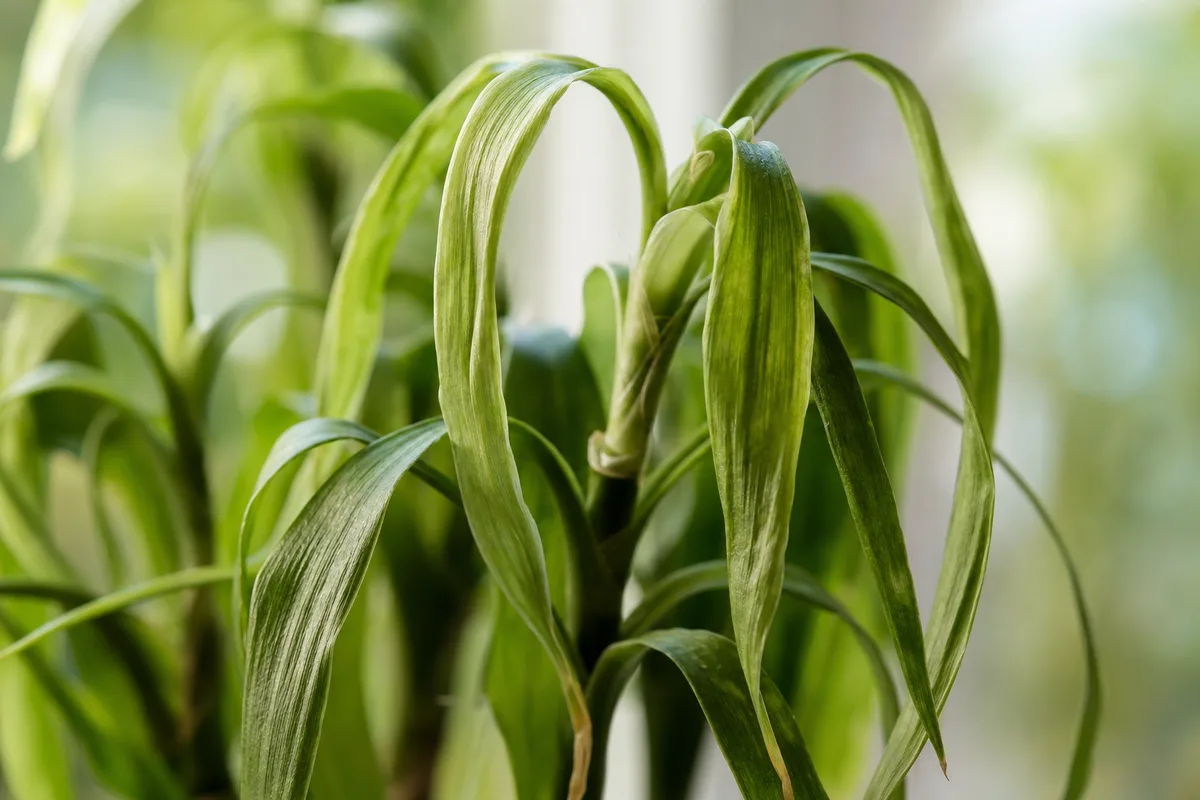
So stop treating leaf drama as a watering cue. Leaves advertise that the water pathway failed. Soil depth, pot weight, drainage, and root feel tell you why. Penn State Extension’s poor-plant-health differentials put the same fork in practical terms: wilted leaves can trace to soggy overwatered mix or to dry mix that has pulled away from the pot edge, among other causes. (Penn State Extension) If you reverse that order, you will keep watering wet plants and under-watering dry ones that look “fine” until they suddenly crisp.
The Fixed Diagnosis Order (Do Not Skip Steps)
Run these steps in order every time. Skipping ahead to fertilizer, misting, or a bigger pot is how mild water stress becomes root rot or chronic leaf loss. This sequence is LeafyPixels’ editorial method for indoor crisis use — the facts come from the cited extension sources; the order is how we force the fork before the pour.

Step 1 — Finger Test and Pot Weight
Push a finger about 2–5 cm into the mix, not just the crust. Clemson’s rule is simple: if it is dry at your fingertip, water; also use pot weight and soil color as supporting checks. (Clemson HGIC) Harmon’s version: if the soil is dry and crumbly, water; if it is wet and soggy, gently pull the plant and look at the roots. (UF Emerging Pathogens Institute)
Lift the pot. A dry pot feels light. A wet pot feels dense. Compare against how that same pot feels right after a thorough watering so you build a personal baseline.
Step 2 — Drainage, Saucers, and Cachepots
Confirm the grow pot has open drainage holes. Empty the saucer within about 30 minutes of watering — Clemson specifically says not to let the pot sit in runoff. (Clemson HGIC) Harmon flags decorative outer pots as a classic trap: the outer vessel holds water you cannot see, and roots sit cut off from oxygen until they rot. (UF Emerging Pathogens Institute)
If you water “a little every day” into a cachepot, you may never see the perched water at the bottom. Lift the grow pot out of the decorative cover every check. Standing water overrides every careful schedule.
Step 3 — Leaf Pattern, Texture, and Timeline
With moisture known, read the canopy:
| Cue | More likely dry-side | More likely wet-side |
|---|---|---|
| Leaf feel | Dry, brittle, papery | Soft, limp, sometimes mushy |
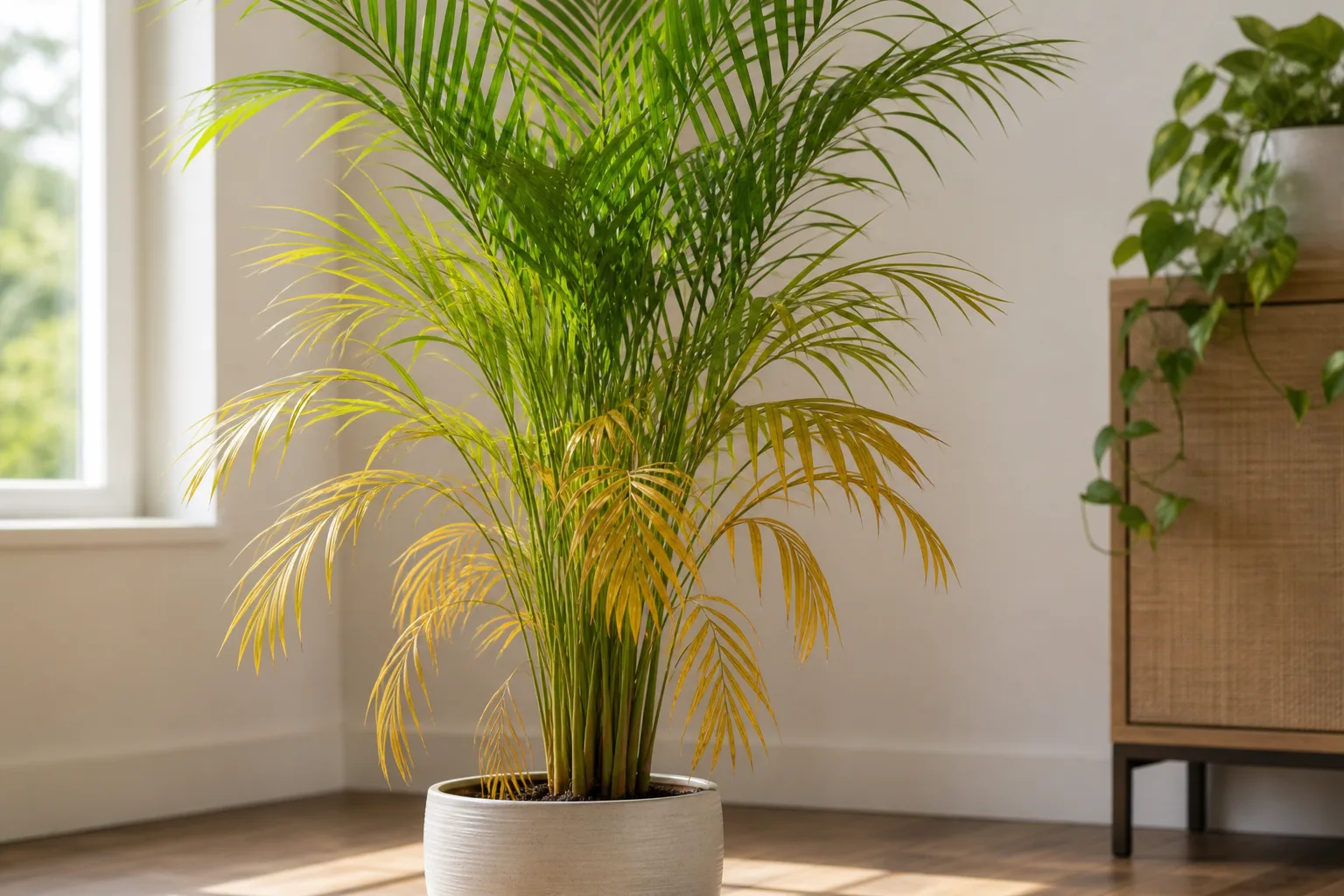
| Color pattern | Brown tips/edges; older basal leaves yellow first | Soft yellow; old and new leaves may decline together |
| Soil / pot | Mix pulled from sides; pot light | Mix wet days later; pot heavy; possible sour smell |
| Timeline | Follows missed waterings or heat spikes | Follows frequent watering, winter low light, or poor drainage |
RHS notes that underwatering often yellows and drops older basal leaves first, with brown crispy edges, while overwatering can wilt a plant in a way people mistake for thirst — especially in winter — and may yellow old and new leaves together with dark mushy roots. (RHS) Clemson’s houseplant disorders page also groups leaf drop under cultural problems from either overwatering or underwatering. (Clemson HGIC)
Step 4 — Root Inspection for Wet-Soil Failures
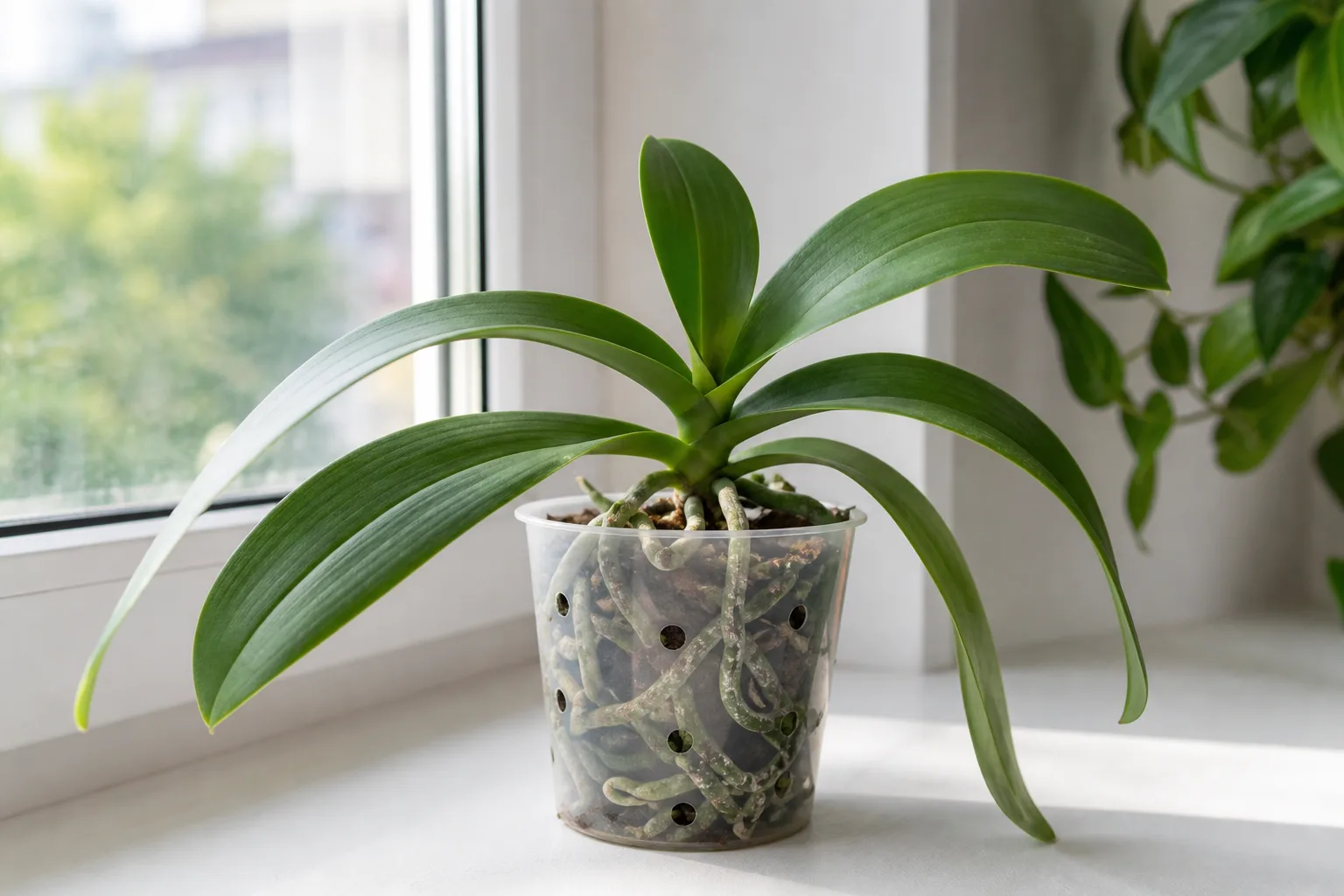
Unpot when the mix is wet, the plant is declining, and leaf cues point wet-side — or when wilt continues despite moisture. Healthy roots should be white and firm; overwatering can turn them soft brown or black, and the soil may smell sour as oxygen-poor conditions favor anaerobic bacteria. (UF Emerging Pathogens Institute) Wisconsin’s Plant Disease Diagnostics Clinic adds the classic field clue: wilt even though the soil is wet, with soft brown roots that may smell bad. (Wisconsin PDDC)
If roots are still mostly firm and pale, dry the plant down and fix drainage. If most of the root mass is mush, move to the root-rot fork below — do not keep “waiting it out” in the same soggy mix.
Dry-Side Water Stress and Safe Rehydration
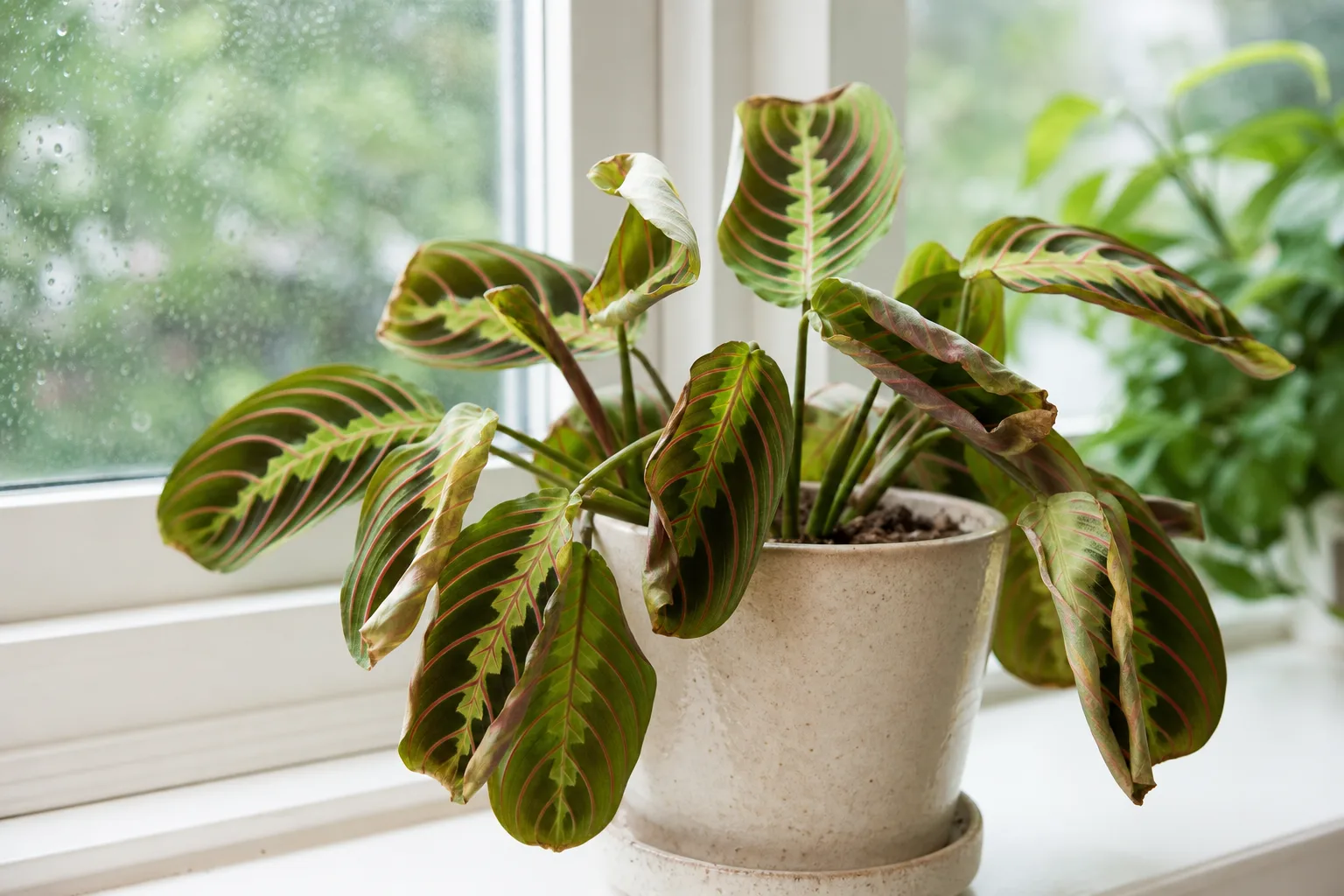
Dry-side stress shows as wilting with light, dry mix; brittle leaves; brown tips or edges; curling; leaf drop; slowed growth; and potting soil that has shrunk away from the container wall. (Virginia Cooperative Extension) RHS adds faded or quickly falling flowers and the reminder to check moisture a few centimetres down rather than watering on a calendar. (RHS)
Rehydrate thoroughly, then drain fully. Clemson warns that if peat dries completely it becomes hard to rewet and holds less water afterward — use a double watering (water, wait about half an hour, water again) or set the pot in a sink or bucket until the surface moistens, then drain completely. (Clemson HGIC) Dead crispy tissue will not green again; trim only fully dead leaves after the plant firms up so you can see what is truly gone.
Bottom Watering vs Top Soak for Dry Mix
Virginia Cooperative Extension recommends bottom watering for 15–30 minutes to rehydrate dry or hydrophobic mix, confirming success when the surface moistens or a wilted plant perks up — and warns against leaving pots in basins longer than about 60 minutes. (Virginia Cooperative Extension) Bottom watering is especially useful when foliage should stay dry (African violets, begonias, cyclamen) or when a dense canopy makes top watering messy.
A top soak still works if you water slowly until runoff appears, pause, and water again so the center of the root ball wets. Either method fails if you stop at a quick surface splash. For technique detail, see how to bottom water houseplants and the dedicated underwatered plant recovery page.
Wet-Side Water Stress: Signs and Oxygen Recovery
Wet-side stress shows as wilting with wet soil; yellowing on new and old foliage; soft mushy leaves or stems; leaf drop; stunted growth; rotten-smelling mix; and often fungus gnats. (Virginia Cooperative Extension) Missouri Botanical Garden lists yellowing, leaf scorch, oedema-like blisters, crown rot, and root death from oxygen loss. (Missouri Botanical Garden) University of Maryland Extension likewise frames excess moisture as a frequent cause of houseplant decline, with wilting that can mimic drought because waterlogged roots cannot function. (University of Maryland Extension)
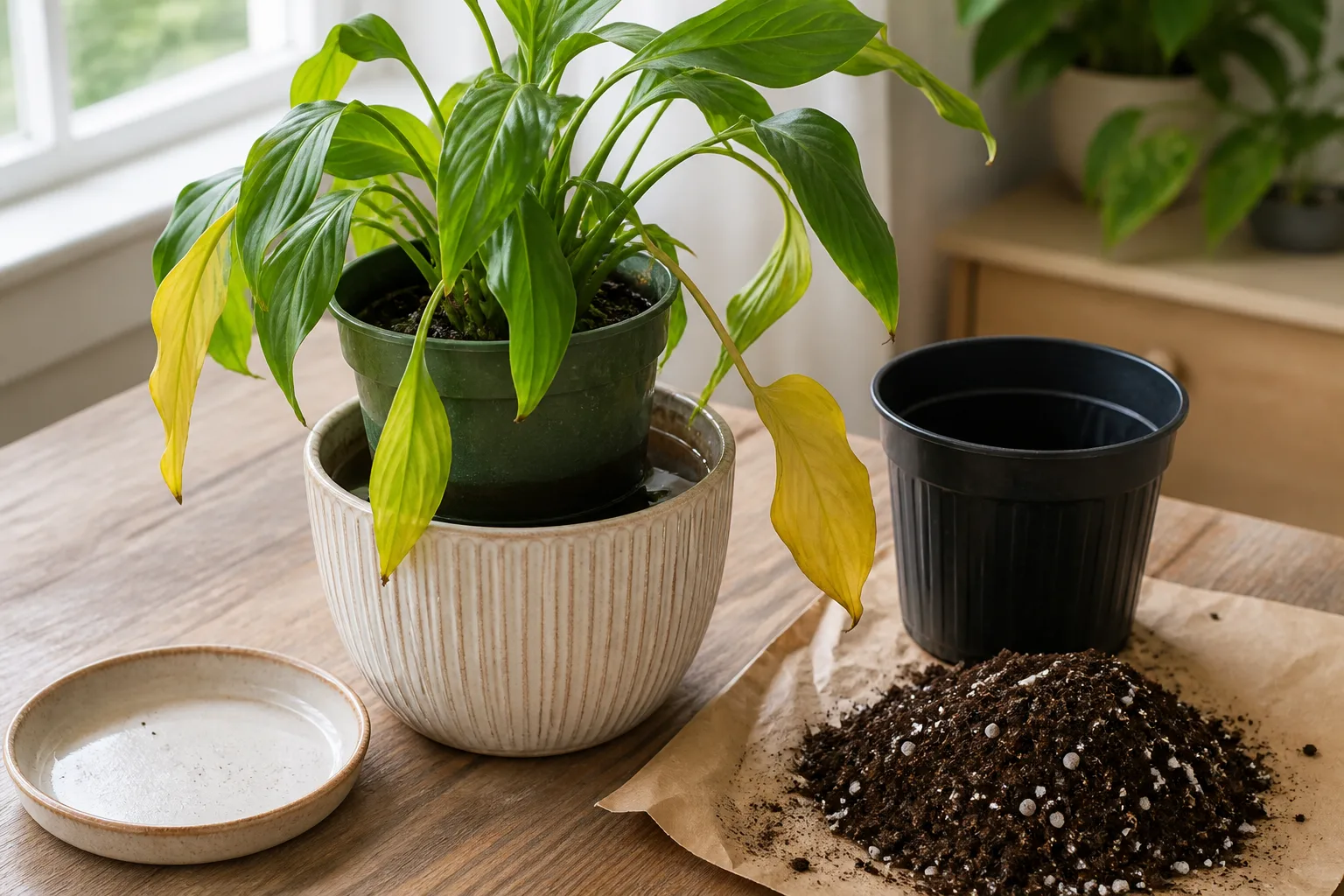
Stop watering. Empty saucers and cachepots. Move the plant into brighter indirect light and better airflow if the room is cool and dim — winter overwatering is a classic RHS poorly-plant setup. (RHS) If the mix is only slightly too wet and roots still feel firm, dry-down alone may be enough. If the plant stays limp or soft-yellow in heavy wet mix, unpot.
When Root Rot Means Discard or Cuttings
Wisconsin PDDC notes that throwing the plant out is often the most cost-effective option once root rot is established; if you keep it, the priority is reducing soil moisture, not spraying. They do not recommend homeowner fungicides for houseplant root rots. (Wisconsin PDDC) Common pathogens include Pythium, Phytophthora, Rhizoctonia solani, and Fusarium, which prefer wet conditions. (Wisconsin PDDC)
Rescue protocol when enough firm tissue remains: rinse mix away, cut soft brown roots and soft stem tissue to healthy firm tissue, repot into fresh pasteurized mix in a clean pot with drainage, and water lightly only after the surface begins to dry. Discard heavily contaminated plastic pots that are hard to disinfect. (Wisconsin PDDC) For the full trim-and-repot workflow, use root rot in houseplants and overwatered plant.
Hydrophobic Soil and Uneven Moisture Traps
Water stress is not only “always dry” or “always wet.” Peat-heavy mixes that dry hard can shed water down the sides of the pot — the surface looks wet after a pour while the core stays dry. Clemson describes exactly this rewetting failure and the double-water or soak fix. (Clemson HGIC) Virginia Cooperative Extension notes hydrophobic soils may need repeated bottom-watering cycles until the surface stays moist, and that excessive quick drainage often means the mix never hydrated. (Virginia Cooperative Extension)
The opposite trap is a dry crust over a wet bottom, common in large pots, dense mixes, and cachepots. Always check depth, not crust. If the pot is oversized for the root ball, the outer mix stays wet too long after each watering — Virginia Extension warns against jumping to a container that is too large for that reason. (Virginia Cooperative Extension)
This Page vs Overwatered, Underwatered, and Wilting Guides
Use this router so you do not bounce among four similar URLs:
| Page | Unique job |
|---|---|
| This guide (water stress) | Umbrella moisture fork: under vs over vs uneven; fixed diagnosis order |
| Overwatered plant | Deep wet-side rescue, urgency staging, recovery tracking |
| Underwatered plant | Deep dry-side rehydration and aftercare |
| Houseplant wilting | Collapse physiology: temporary vs permanent wilt |
| Houseplant leaf drop | Shedding patterns after the moisture fork is clear |
| Water stress symptom hub | Short sign-based router into related pages |
Keep the roles clean: this page decides the fork; siblings execute the side-specific or symptom-specific rescue. Do not fertilize, heavily prune, and repot on the same day you are still guessing which fork you are on.
Heat, Light, and Seasonal Demand Shifts
Water stress often starts as a seasonal mismatch. Actively growing plants in bright spring and summer light use more water; autumn and winter growth slow, so the same watering rhythm becomes overwatering. (Virginia Cooperative Extension) RHS flags winter as a high-risk window for overwatering, poor light, and dry heated air. (RHS)
Heat and low humidity raise transpiration, so leaves can wilt in the afternoon even when the mix is still moist — Missouri Botanical Garden notes plants may wilt in hot sun and recover later, and warns against watering from a dry surface alone. (Missouri Botanical Garden) The RHS explains that temporary wilt can happen when leaves lose water faster than roots replace it. (RHS) If afternoon limp recovers overnight with evenly moist — not soggy — soil, cool the placement or raise humidity before you add water.
Species That Hide Thirst vs Species That Drown Easily
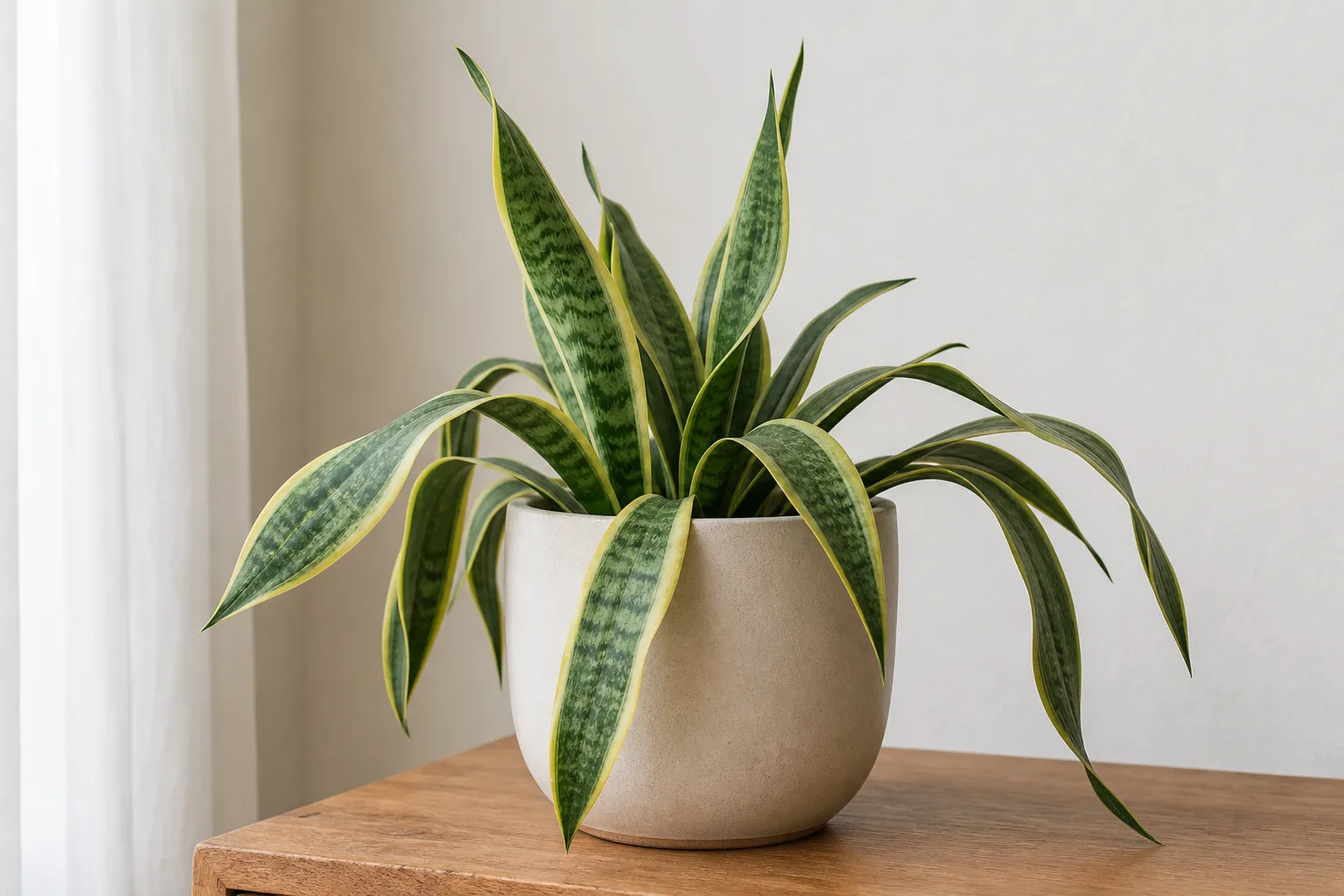
Thin-leaved tropicals (peace lilies, many calatheas, ferns) advertise dry-side stress early with dramatic wilt. Thick-leaved or drought-tolerant plants (snake plants, ZZ plants, many succulents) hide thirst and then fail hard when kept wet — stem rot and collapse are common overwatering outcomes on succulents in RHS guidance. (RHS) Clemson notes that large or thin-leaved plants and those with fine surface roots usually need more frequent watering than fleshy succulents that store water. (Clemson HGIC)
Pot material matters too. Terracotta dries faster through porous walls; plastic and glazed clay hold moisture longer. (Virginia Cooperative Extension) Match pot and mix to the plant’s dry-down preference instead of forcing one schedule across a mixed shelf. For species-specific watering after the crisis, open the plant hub — for example Monstera deliciosa or peace lily.
Recovery Timeline, Propagation, and Prevention
Dry-side recovery is often fast if roots survived — firmness can return within hours to a day after an even soak and full drain. (Virginia Cooperative Extension) Wet-side recovery tracks root repair: mild cases improve over one to two dry-down cycles; repotted plants may take weeks before reliable new growth. Judge progress by stem firmness and new growth, not by every damaged leaf greening again.
Propagate instead of rescue when the crown or main stem is soft and slimy, most roots are mush, or no firm root mass remains. Take cuttings from firm nodes above the rot, discard the contaminated mix, and start clean. Wisconsin PDDC’s discard advice applies when salvage cost exceeds replacement value. (Wisconsin PDDC) Hold fertilizer until you see consistent new growth — salts stress damaged roots.
Prevention is moisture literacy, not a stricter calendar:
- Check depth and pot weight before every watering.
- Water thoroughly when the plant actually needs it, then empty saucers.
- Reduce frequency in low light and cool seasons; increase checks in heat and bright growth periods. (Virginia Cooperative Extension)
- Use drainage holes; avoid rocks-in-the-bottom myths that can worsen perched water. (Wisconsin PDDC)
- Do not water with softened water — Clemson warns sodium and chloride from softeners can damage plants. (Clemson HGIC)
- Choose mix and pot that dry on a rhythm you can manage.
Mistakes that reset the stress cycle: watering from leaf wilt alone; misting instead of fixing the root zone; jumping to a much larger pot “to hold more water”; fertilizing a declining plant; leaving grow pots in wet cachepots; and treating fungus gnats or yellow leaves as primary diseases before checking moisture. Harmon’s abiotic-first view still holds — most houseplant problems are care and environment, not exotic pathogens. (UF Emerging Pathogens Institute)
First-Hand Notes From Diagnosing Water-Stressed Houseplants
These notes come from LeafyPixels editorial checks on living plants — not lab trials. They exist to show how the moisture fork behaves in real pots.
Hydrophobic peat, double-soak recovery (February 2026). A pothos in a 12 cm plastic pot looked “watered” after a quick pour — water raced down the sides while the core stayed dry and the pot still felt light. Finger depth was dusty peat. After a 20-minute bottom soak, a 10-minute drain, and a second short top soak to runoff, the pot finally felt heavy and the surface stayed moist. Leaf firmness returned overnight. Lesson: runoff alone is not proof of rehydration when peat has gone hydrophobic.
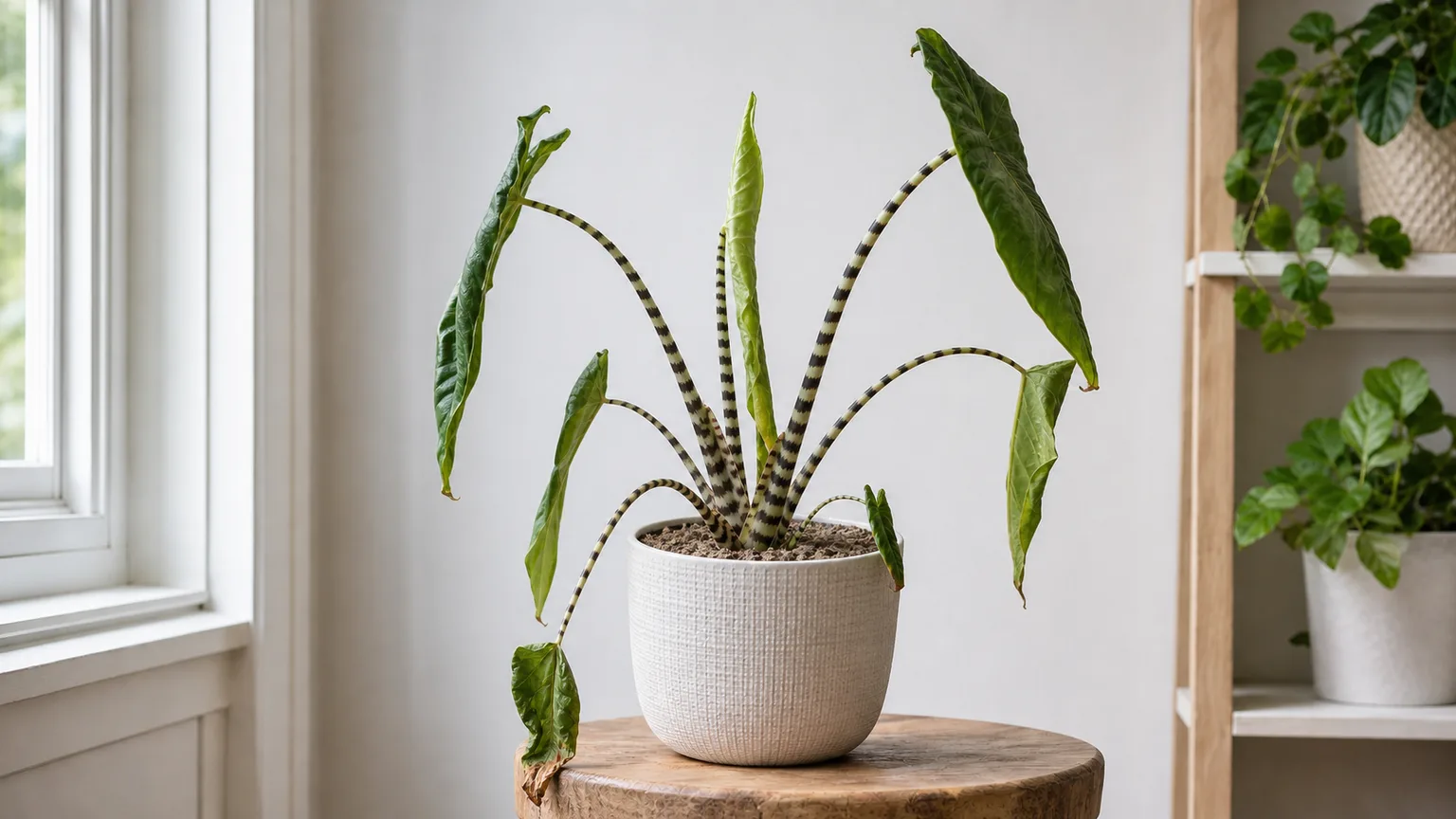
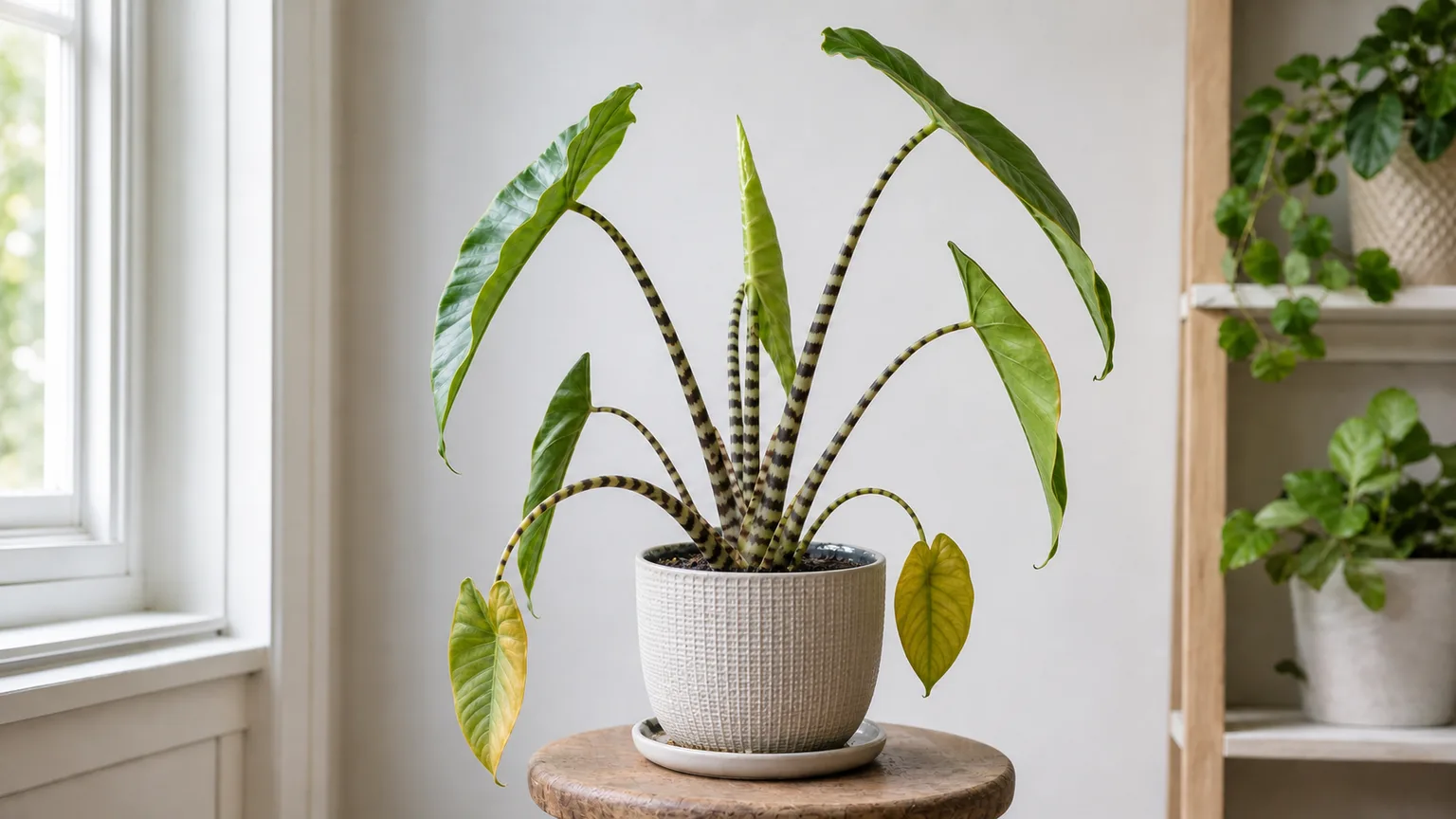
Cachepot wet wilt → soft brown roots (April 2026). An Alocasia zebrina in a decorative ceramic cover stayed soft-yellow and limp for three days after we “cut back watering.” The grow pot still sat in 2 cm of hidden runoff. Unpotting showed a sour mix and soft brown outer roots with a few firm white cores. We trimmed mush, repotted into fresh airy mix with open drainage, and held water until the top 2 cm dried. New growth appeared about three weeks later; the softest yellow leaves never recovered. Lesson: empty cachepots every check — leaf color cannot see standing water.
Afternoon heat wilt without watering (May 2026). A Monstera deliciosa near a west window wilted hard by 4 p.m. Deeper mix was still evenly moist, not soggy. We moved it one meter back from the glass and left watering alone. By morning the leaves were firm again. Lesson: temporary heat wilt can reverse overnight; watering that plant on the afternoon cue would have pushed it toward wet-side stress.
Editorial method note. The check order on this page — soil depth, pot weight, drainage, leaf pattern, then roots when wet — is LeafyPixels’ synthesis of extension guidance for indoor crisis use. Source facts (oxygen debt, temporary wilt, pathogen lists, fungicide skepticism, hydrophobic rewetting) come from the cited references; the sequence and case notes are our diagnostic framing.
Related guides
After the moisture fork is clear, open the page that matches the next job:
- Need the watering system after diagnosis → indoor plant watering basics or how to water indoor plants the right way
- Collapse is the main symptom → houseplant wilting
- Confirmed wet rot → root rot in houseplants or overwatered plant
- Confirmed dry rehydration → underwatered plant
- Leaves falling in bursts → houseplant leaf drop
- Short symptom router → water stress symptom overview
Conclusion
Do this in the next ten minutes. Finger-test 2–5 cm deep and lift the pot. If the mix is dry and light, rehydrate thoroughly — bottom water or a double soak — then drain. If the mix is wet and heavy, stop watering, empty cachepots, and unpot if limp or soft-yellow tissue persists. If afternoon wilt recovers overnight with moist soil, fix heat and humidity before you add water.
Water stress is a root-zone diagnosis, not a leaf-color guessing game. Under and over both break the water pathway; only soil depth, drainage, and roots tell you which fix to use. Keep this page as the moisture-fork decision tree, then branch to the watering pillar for routine technique, the wilting guide for collapse triage, and the overwatered or underwatered guides for side-specific rescue. Crispy or fully yellow leaves will not heal — judge recovery by stem firmness and new growth over days to weeks, not by one damaged leaf greening again.