How to Get Marigolds Blooming Again: 7 Fixes
Get marigolds blooming again after flowers fade with the right cut, better light and watering, smarter feeding, and a practical seven-day recovery plan.
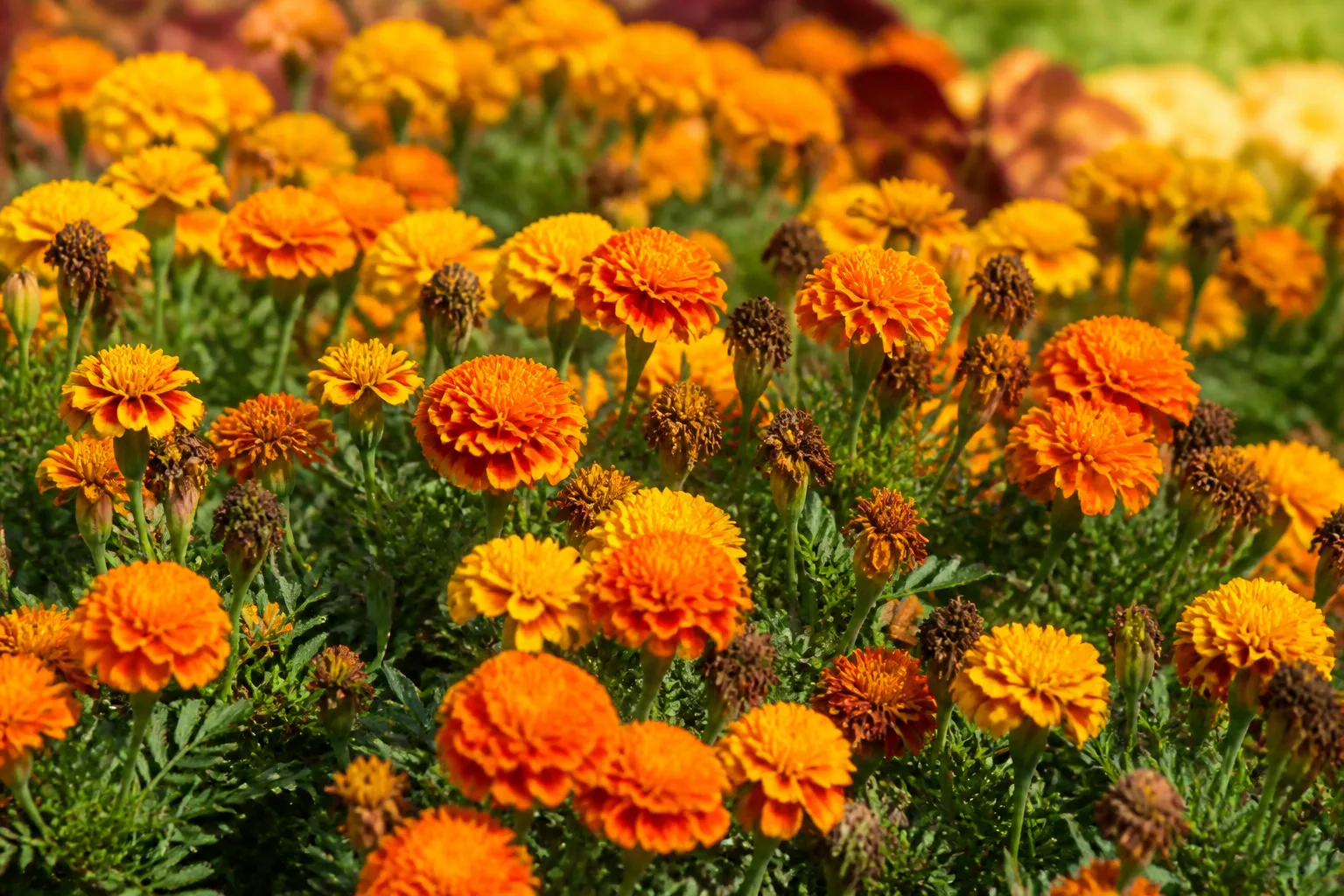
If your marigolds have faded but the foliage is still green and firm, the plant is usually not finished. Remove the spent flowers, then check the three conditions that control the next flush: direct light, usable moisture, and a plant that is not spending all its energy on seed or stressed growth.
Deadheading is the quickest first step, but it is not a universal cure. A marigold that is tall and leafy needs a different response from one with brown, moldy flowers or a pot of waterlogged soil. Use the visual triage below before you add fertilizer or cut the plant back.
Start with a 10-minute bloom triage
Walk around the plant before touching it. Look at the leaves, stems, flower heads, and soil together; a faded flower by itself is normal, while a faded flower paired with wilting or yellow foliage is a clue that something else is wrong.
| What you see | Most likely situation | First move |
|---|---|---|
| Papery brown heads, green leaves, and firm buds | A normal spent bloom | Deadhead the whole head back to a healthy leaf joint |
| Tall, leafy growth with few buds | Shade, excess nitrogen, immature plants, or the wrong seasonal expectation | Count direct-sun hours and pause routine feeding |
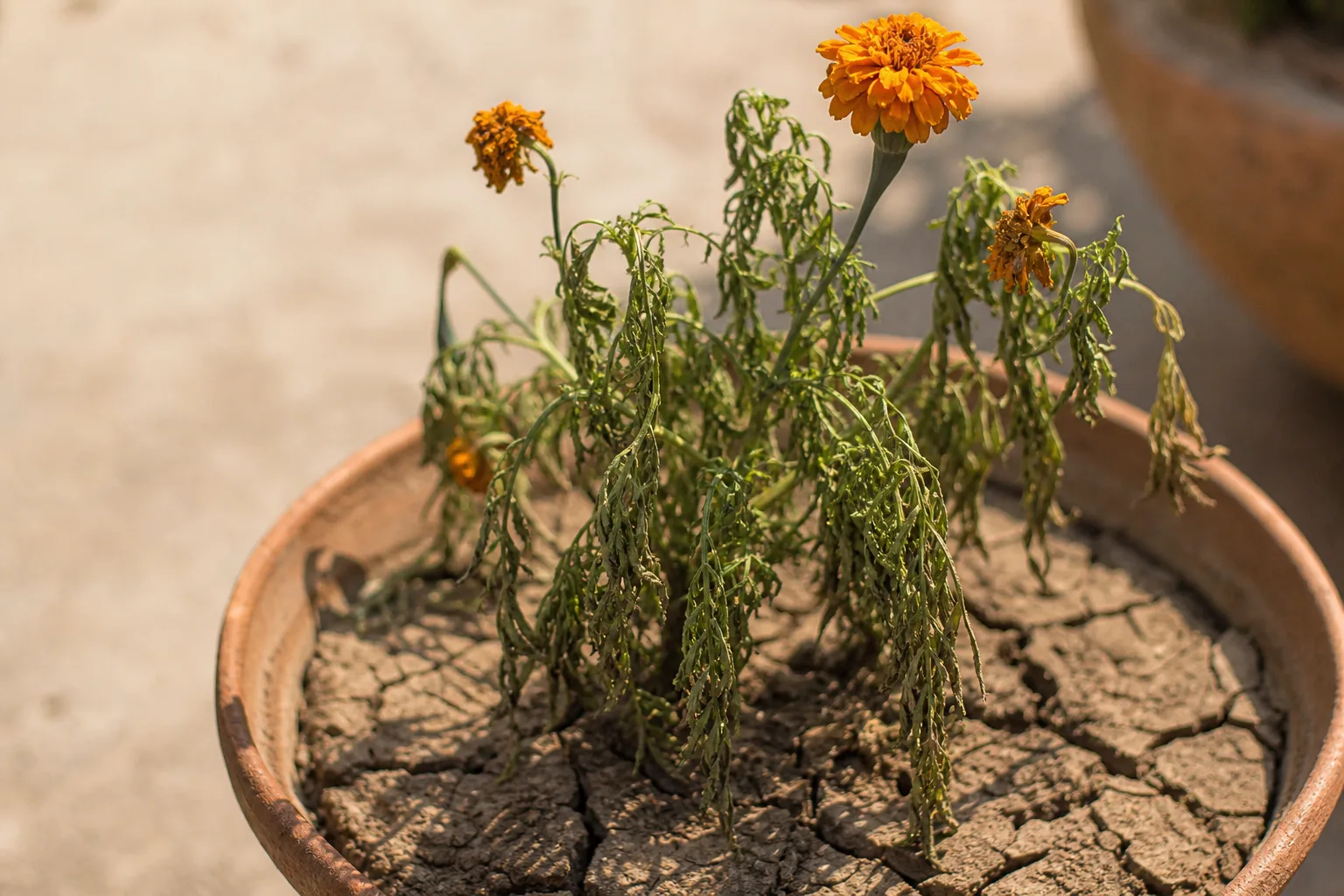
| Wilted leaves with dry, cracked soil | Root-zone drought, especially in a container | Water slowly and deeply at the soil line |
| Wilted leaves with wet soil or yellow lower leaves | Overwatering, poor drainage, or root damage | Stop automatic watering and inspect drainage |
| Brown or gray flowers, white leaf coating, or rapid collapse | Weather damage or disease | Improve airflow and identify the symptom before pruning harder |
Healthy foliage, papery heads, and new buds
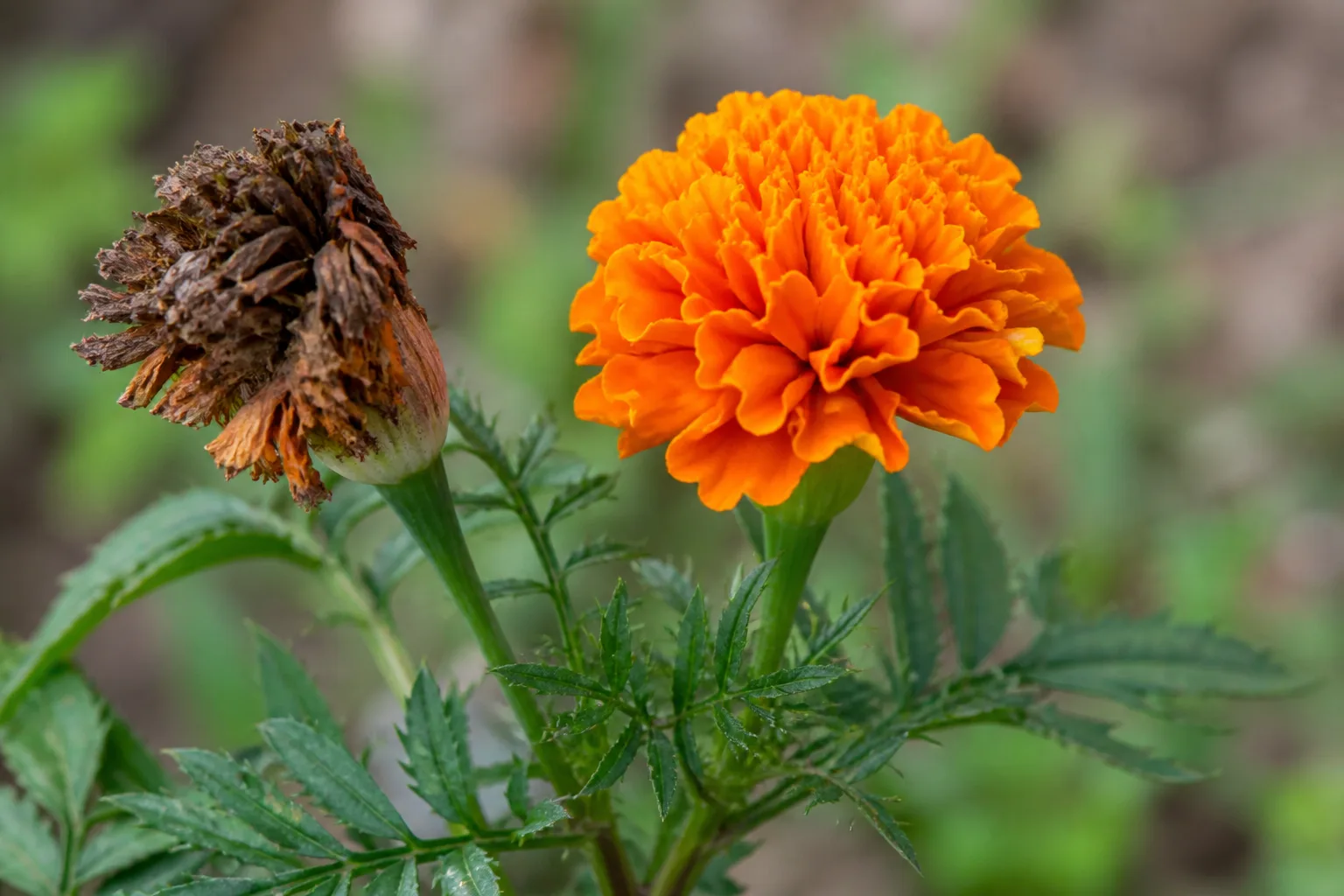
This is the easy case. The old flower has done its job, and removing it prevents an unattractive seed head from taking over the tip of the stem. It also keeps the plant’s energy directed toward new buds, although a healthy marigold can still flower if you miss a few deadheads.
Look for buds at different stages before you cut. If small, pointed buds are already swelling below the faded bloom, make a light cut that removes the old head without sacrificing those buds. You should see fresh flowers on a healthy plant as the next buds mature; the exact timing depends on the type of marigold, heat, and how much growth remains.
Leafy growth with few or no buds
A marigold that is green but all leaves is often being grown in the wrong light or being fed more than it can use. Count the hours of direct sun where the plant actually sits, not the brightness of the whole yard. A nearby tree can leaf out, a vine can cover a fence, or a tall crop can shade a bed that was sunny in spring.
Hold fertilizer for now, especially if the plant has soft, lush stems and no visible buds. Check the plant’s age and label as well: African marigolds can take longer to reach a flowering size than compact French or signet types, and a cool spring can delay the entire schedule.
Brown blooms, wilting, or yellowing foliage
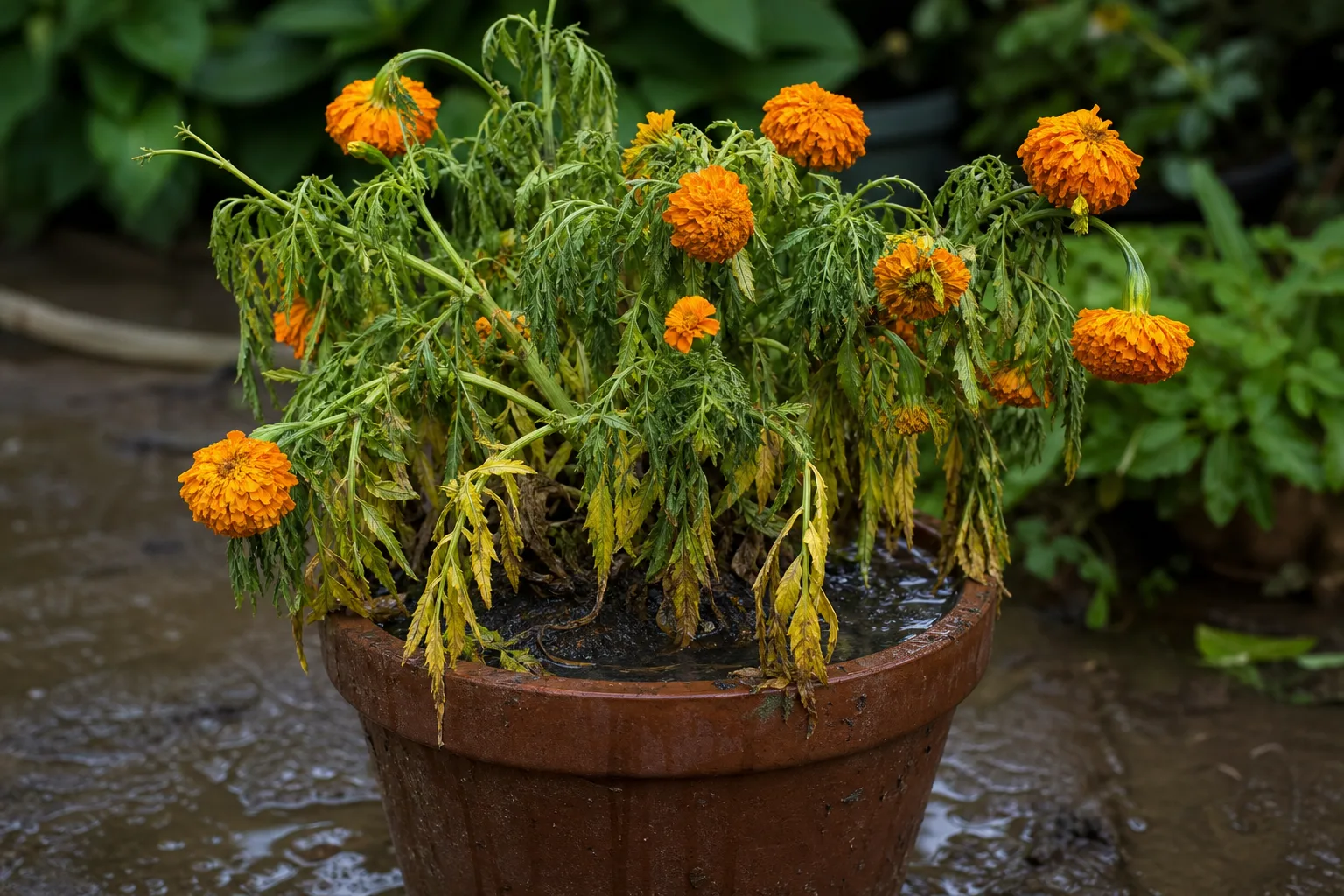
Do not treat every brown flower as a spent flower. A normal old bloom is dry, papery, and loose-petaled; a flower that turns brown and mushy after rain, or one that browns while the leaves are spotted, points to weather or disease. A whole plant that wilts while the soil is wet is also not asking for another drink.
University of Minnesota Extension’s marigold diagnostic guide separates powdery mildew, gray mold, cold damage, and leaf spots by their visible patterns. Its root and whole-plant wilt guide also identifies cool, wet soil and poor drainage as conditions that favor root rot. In those cases, deadheading may improve appearance, but it will not repair damaged roots or infected tissue.
Deadhead the whole spent flower, not just petals
When the problem is a normal faded bloom, deadhead it as soon as it looks finished. Pinch the flower head off with your fingers or use clean bypass snips; take the swollen base of the flower with it instead of plucking only the loose petals. Leaving the seed-forming base behind makes the job cosmetic rather than a useful reset.
The practical guidance from Gardeners’ Path and Gardenia’s marigold care guide agrees on the main point: remove fading flowers back to a healthy leaf or branch point, but marigolds are vigorous enough that a missed pass is not a disaster. Deadheading is a way to keep the plant in a productive flowering cycle and the bed tidy, not a reason to strip healthy foliage.
Choose the cut point by plant size
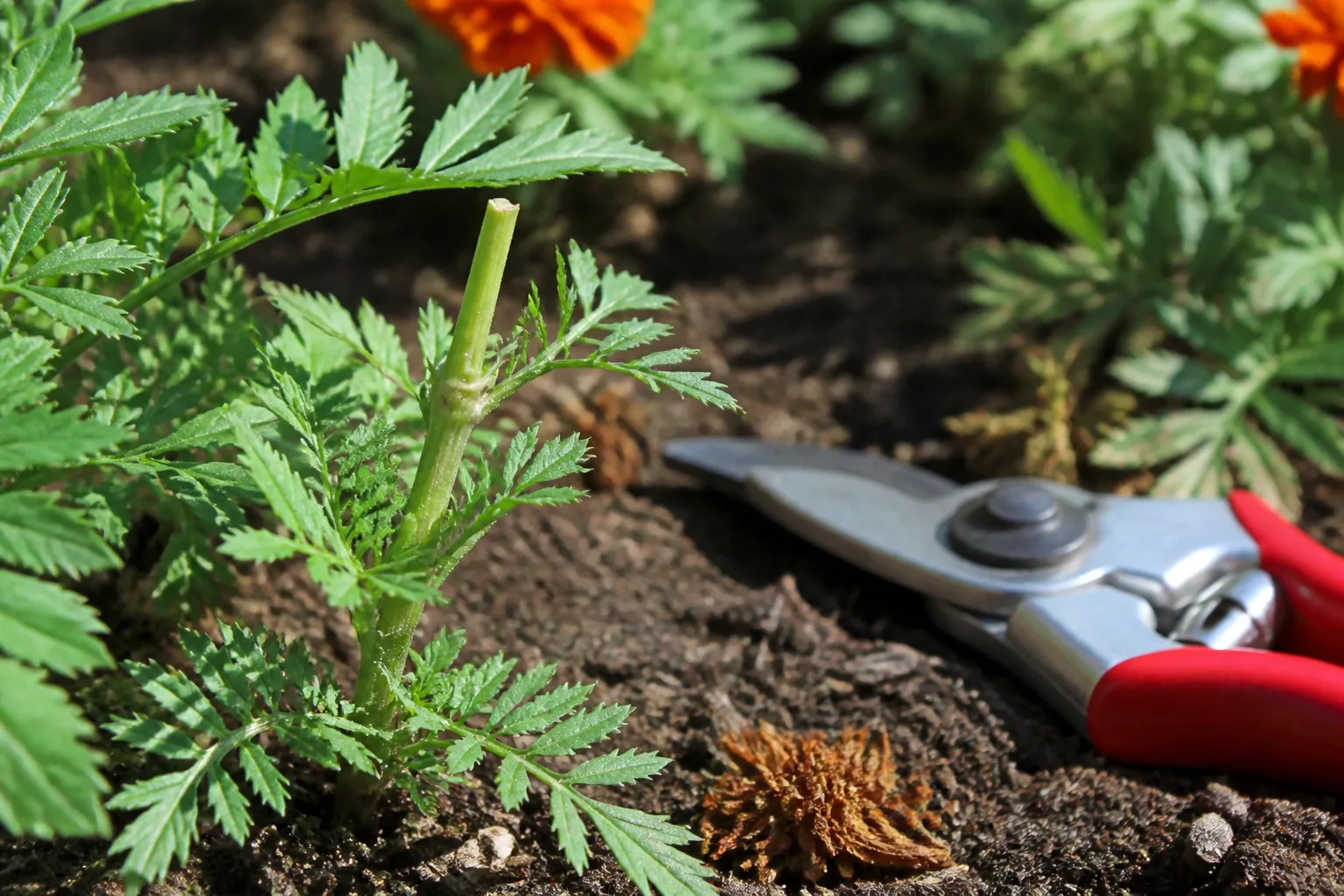
For a compact French or signet marigold, pinch or snip just below the spent head, above the nearest healthy set of leaves or side branch. For a tall African marigold with a long, thin flower stem, follow the stem to a sturdy leaf joint or side shoot and cut there if the upper section is bare. This encourages the remaining stem to branch without removing half the plant.
Do not make a deep cut into a young transplant, a drought-stressed plant, or a marigold that has just endured extreme heat. Keeping healthy leaves is more important than making every plant the same height. A clean cut just above a leaf joint is enough; there is no rose-style rule that requires a particular leaf count.
Use a sharp tool when stems are tough or crowded, and wipe it clean before moving from visibly diseased tissue to a healthy plant. Gather moldy or spotted flowers instead of leaving a wet pile under the canopy. On a dry, healthy plant, you can simply repeat a quick walk-through every few days or about once a week during peak flowering.
Fix light before you reach for fertilizer
Marigolds need at least six hours of direct sunlight for reliable flowering. Gardenia’s growing guide describes full sun as the best setting, while allowing that light afternoon shade can be useful in very hot areas. In practice, move a container to the brightest outdoor spot you have, or thin back a nearby plant that has begun blocking a garden bed.
There is a useful distinction between relief from brutal heat and permanent shade. A short afternoon break during a heat wave can keep a stressed container from wilting, but a plant that receives only dappled light will usually produce fewer, smaller flowers and more lanky growth. Change the site if the plant is consistently shaded; do not try to solve a light problem with more food.
Light duration also affects flowering biology, even though backyard gardeners do not need greenhouse lighting schedules. A controlled-environment study of Tagetes erecta published in Frontiers in Plant Science found that the finishing photoperiod influenced how quickly a marigold cultivar reached flowering. The study is not a prescription for putting a patio pot under a timer, but it supports the simpler field observation: insufficient usable light can delay or reduce flowering.
Water deeply, then let the soil partly dry
Marigolds are more forgiving of a short dry spell than of soil that stays saturated. Water at the base of the plant when the root zone has begun to dry, apply enough to wet the full root area, and let excess drain away. Avoid frequent shallow splashes that wet the surface but leave the deeper roots dry.
Water in the morning when possible so leaves and flower heads dry quickly. Overhead irrigation is especially unhelpful during humid weather because wet foliage and crowded growth make mildew and gray mold more likely. Mulch can slow evaporation in a bed, but leave a small gap around the stem so the crown does not stay damp.
Beds, containers, and hot weather dry at different rates
A bed may need a slow soak during a dry week, while a small terracotta pot can dry out in a day of wind and sun. Check the soil with a finger or a narrow trowel a little below the surface rather than watering on a fixed schedule. If the bed is dry at root depth, water; if the pot is still cool and damp, wait.
When a container is dry, water until a little drains from the bottom, then empty any saucer. If water runs straight down the sides, the mix may have pulled away from the pot or become difficult to re-wet; apply water in two or three slower passes. When the soil stays wet for days, improve the drainage setup instead of adding more water to rescue wilting leaves.
Heat creates a second trap: a marigold can wilt at midday because leaves are losing water faster than roots can supply it, then recover in the evening. Check the soil before you irrigate. If the soil is already moist, provide temporary afternoon protection and airflow rather than soaking the pot again.
Fertilize only when the soil or plant gives you a reason
Most established marigolds do not need a strong feeding program to flower. Gardeners’ Path notes that too much fertilizer, especially nitrogen, is a more common bloom problem than a true nutrient shortage. Gardenia likewise recommends light nutrition for poor soil and warns that overfeeding can produce foliage at the expense of flowers.
If plants are growing normally, buds are forming, and the soil is reasonably fertile, skip the emergency bloom booster. If growth is weak across a bed, use a soil test or a locally appropriate extension recommendation before adding a product. Feed only according to the label, and do not fertilize a severely wilted, waterlogged, or heat-stressed plant until its root zone has recovered.
Why too much nitrogen creates leaves, not flowers
Nitrogen supports leafy and stem growth. That is useful when a plant is establishing, but an excess can leave you with tall green marigolds and very few buds. It is also why a phosphorus-heavy product or bone meal is not a universal answer: adding a nutrient that the soil already has will not force flowering and can create an unnecessary imbalance.
For a container with exhausted mix, a mild, balanced fertilizer used as directed can be reasonable. For a garden bed, compost and good drainage may be all the correction needed. The decision should come from the soil and the plant’s symptoms, not from the color of a fertilizer bag.
Match the fix to your marigold type and season
Marigold names are not just botanical trivia; they change what “late” or “finished” looks like. French marigolds (Tagetes patula) are generally compact and can flower quickly. Signet marigolds (Tagetes tenuifolia) have smaller flowers and fine foliage. African marigolds (Tagetes erecta) tend to grow taller, carry larger flower heads, and may take longer to reach a heavy flowering display.
If a young African marigold is making leaves and a sturdy stem but has not flowered yet, give it time and light before pruning it hard. If a mature French marigold has stopped after a heat wave, the pause may be temporary. Check the plant’s variety, planting date, and local weather before deciding it has failed.
Heat, rain, and frost can pause flowering
Very hot weather can slow or temporarily stop flowering in some French and signet marigolds; Gardeners’ Path’s bloom troubleshooting guide notes that flowering may resume when temperatures ease. Extra water during a genuinely dry spell, a layer of mulch, and temporary afternoon shade can reduce stress, but do not keep the soil wet all the time.
Rain and humidity create the opposite problem. Flowers that stay damp can rot, and leaves may develop powdery mildew, gray mold, or spots. The University of Minnesota Extension’s flower symptom guide lists brown blossoms and premature flower drop among the clues for gray mold and identifies cold damage separately. If frost has killed the plant, no amount of deadheading will create another flush; replace it or let a few healthy heads mature for seed.
Plan the next flush with succession planting
Deadheading extends the useful life of the plants you already have, but succession planting spreads the risk. Instead of sowing every marigold on one day, start small batches about 10 to 14 days apart while your local growing season has enough warm time left for the plants to mature. The result is a younger group coming into bloom as the first group slows.
Use your first-frost date as the boundary, not a promise that every batch will flower on the same schedule. Compact French and signet types are usually better for a late-season gap than a slow, tall African type. You can also combine nursery transplants with direct-sown seed, allowing the established plants to provide color while the next wave builds roots.
Leave a few late flowers untouched if you want self-sown seedlings or seeds to save. That choice competes with maximum immediate flowering, but it can reduce next year’s planting work in climates where marigold seed survives winter. Deadhead the rest of the bed and keep the seed plants marked so you know why those heads were left.
Follow a practical 7-day bloom-restart plan
- Day 1: Diagnose before cutting. Photograph the plant, count direct-sun hours, feel the soil below the surface, and note whether the old flowers are papery, mushy, spotted, or simply past their peak.
- Day 1: Remove normal spent heads. Cut or pinch each finished flower back to a healthy leaf joint or side branch, but keep vigorous leaves and any unopened buds.
- Day 2: Correct moisture. Deeply water a dry root zone; if the soil is wet, pause irrigation and confirm that the container or bed drains freely.
- Day 3: Improve the site. Move a pot into brighter light, clear a new shade source, or give a heat-stressed container temporary afternoon protection without placing it in permanent shade.
- Day 4: Clean up only what is unhealthy. Remove rotten flowers and badly spotted leaves, collect debris, and clean pruners before working on another plant.
- Day 5: Resist the fertilizer reflex. If the plant is green but budless, record its growth pattern and arrange a soil test rather than applying a strong bloom booster.
- Day 7: Recheck the trend. Look for firm new buds, steadier leaves, and soil that is drying at a sensible rate. Repeat light deadheading as flowers finish, and give the plant time to respond instead of changing three more variables at once.
This plan is meant to restore the conditions for flowering, not to force a calendar result. If the plant is healthy, new flowers may follow as existing buds mature and weather settles. If the plant is declining, the symptom pattern matters more than the number of old blooms you remove.
Know when deadheading will not solve the problem
Deadheading cannot reverse root rot, cure a fungal disease, replace leaves lost to severe drought, or make a frost-killed annual perennial. A marigold with a white powdery coating, gray-brown flowers, black leaf spots, or widespread yellowing needs diagnosis and sanitation. A plant that collapses from the crown should be removed rather than repeatedly pruned and watered.
Look under leaves and along tender stems for aphids, sticky residue, or fine webbing. These pests are not the first explanation for every missing flower, but a heavy infestation can stress a plant enough to reduce bud production. The practical troubleshooting coverage from Gardeners’ Path is useful here because it separates pests from the more common causes of light, heat, excess fertilizer, and moisture.
Finally, keep the annual lifecycle in view. Marigolds naturally slow as nights cool and stop after frost, even if the plant looked magnificent a week earlier. The goal is to keep healthy plants flowering for as long as the season allows, then choose whether to save seed, compost disease-free plants, or start a new succession batch next year.
Conclusion
To get marigolds blooming again, start with the flower and then inspect the whole plant. Deadhead a normal papery bloom back to a healthy leaf joint, give the plant at least six hours of direct light, water the root zone deeply without keeping it soggy, and pause fertilizer unless the soil shows a real need.
If the flowers are brown and mushy, the foliage is wilting, or the soil stays wet, treat the underlying weather, drainage, pest, or disease problem instead of cutting harder. Match your expectations to the marigold type and the season, and use succession planting when you want color that does not depend on one batch carrying the entire garden.