How Long Can Cut Flowers Go Without Water? It Depends
How long can cut flowers go without water? Get realistic time windows by flower type and temperature, plus a damp-wrap transport plan and wilt-recovery steps.
The short answer: plan for hours, not a day
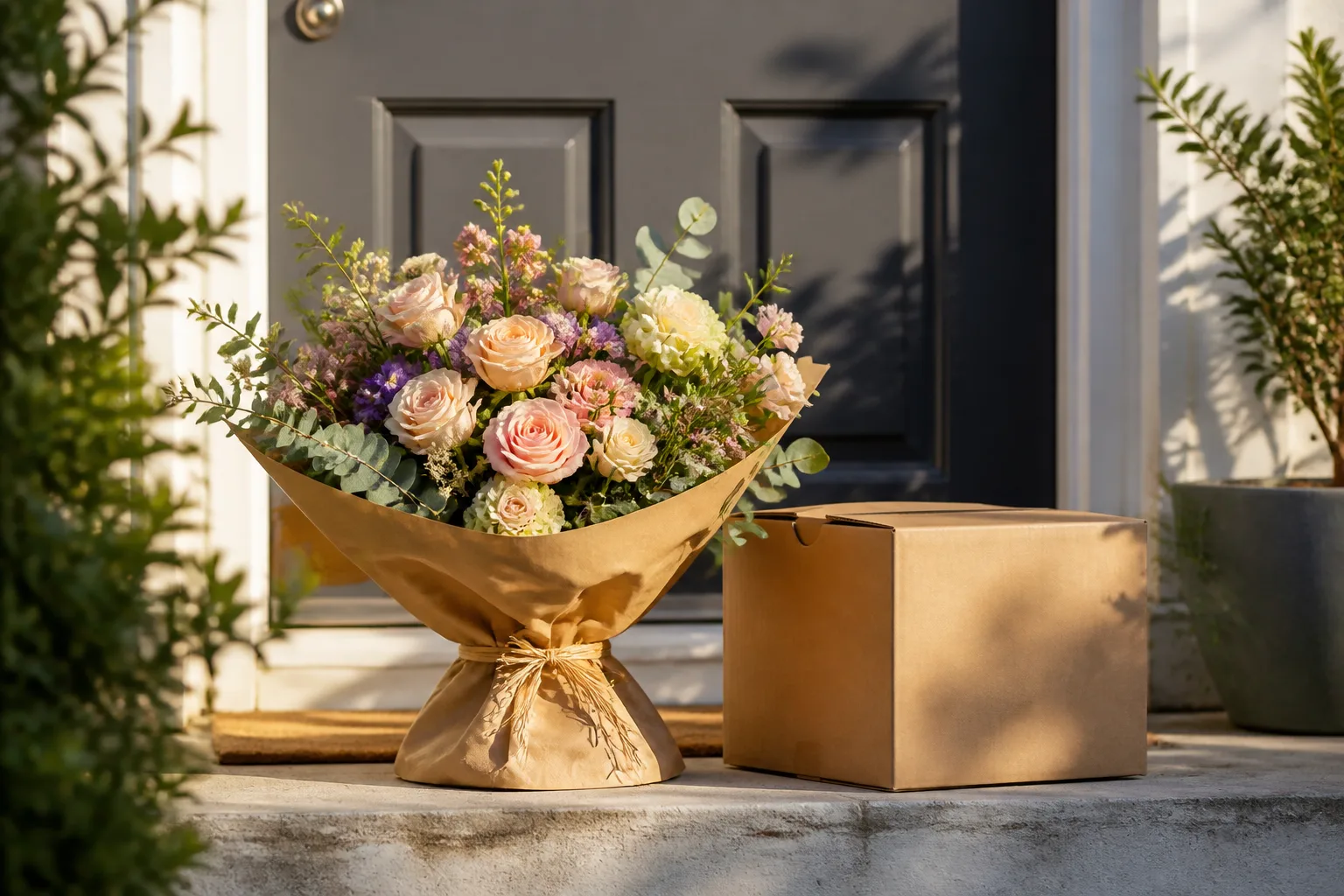
Most fresh cut flowers are safest when they are back in water within one to two hours. A bouquet that was well hydrated first and kept cool, shaded, and supported can often manage roughly two to four hours out of water, while sturdier stems may tolerate a longer delay. Those are conservative planning windows, not guarantees: a delicate bouquet in a warm car can wilt in less than an hour, while a cool, damp wrap can buy more time.
The practical rule is simple: treat water as urgent, heat as an accelerator, and a damp wrap as a bridge—not a vase. A half-day or overnight hold without a real water source can shorten vase life even if the flowers stand back up later. If the flowers matter for a wedding, event, gift, or long delivery, use a water pack, flower tubes, or a bucket whenever you can.
There is no scientifically reliable countdown that applies equally to roses, tulips, gerbera daisies, and a mixed bouquet. The flower’s species, harvest stage, time since cutting, previous hydration, stem condition, humidity, air movement, and temperature all change the result. Good handling reduces the rate of damage; it does not stop a cut stem from losing water.
Why cut flowers wilt without water
After a stem is cut, the flower no longer has roots supplying water. Its leaves and petals continue to lose moisture to the air through transpiration, but the cut end is no longer connected to the plant’s normal root-to-stem water supply. As cells lose water pressure, stems soften, leaves droop, and petals lose their firm shape.
Water uptake can also fail even after you put the bouquet in a vase. A crushed stem, a dry or ragged cut, an air-disrupted water column, or a blocked xylem pathway can leave the flower sitting in water while the bloom remains thirsty. That is why a clean, sharp recut is often more useful than simply topping up an empty vase.
The Royal Horticultural Society’s cut-flower guidance recommends cutting with a sharp tool, removing foliage that would sit below the waterline, and conditioning prepared stems in clean water in a cool place for at least two to three hours or, ideally, overnight. Fine Gardening’s rose-handling guidance makes the same practical point from another angle: clean cuts and immediate hydration protect the stem’s ability to take up water.
What “wilted” actually tells you
Wilt is a symptom of lost firmness, not a diagnosis. A green flower with limp leaves and a dry stem end may simply be dehydrated and recover well after the stem is reopened and the bouquet is cooled. A flower with brown, translucent, crushed, slimy, or foul-smelling tissue has a different problem, and water alone may not reverse it.
The timing of the wilt is useful evidence. Drooping that appears suddenly after a hot drive points toward rapid water loss; drooping that develops after several days in cloudy vase water points more toward poor water uptake, bacterial buildup, or natural aging. A mixed bouquet can show both at once, so assess individual stems rather than judging every flower by the weakest bloom.
Water quality and cleanliness matter after the flowers return to a vase. A 2023 PLOS One study of cut roses, lilies, and gerberas found that bacterial communities changed over a seven-day vase period and notes that bacterial blockage of xylem can interfere with water balance and postharvest quality. You do not need to identify the bacteria at home; you do need a clean container, clean water, and stems that are not sitting among rotting leaves.
A planning window by situation
Use the following ranges to plan a trip, not to test the absolute survival limit of a bouquet. They assume reasonably fresh flowers, no direct sun, and stems that were hydrated before they left water. If your flowers have already been sitting dry, move them into the shortest window and act immediately.
| Situation | Conservative planning window | Best move |
|---|---|---|
| Freshly hydrated bouquet in a cool indoor room | About 2–4 hours | Wrap the stem ends, keep the bouquet shaded and upright, and rehydrate on arrival |
| Sturdy, well-conditioned stems such as carnations, chrysanthemums, roses, or some lilies | About 4–8 hours in favorable conditions | Use a water pack if possible; expect the delay to reduce remaining vase life |
| Soft stems or heavy heads such as tulips, gerberas, hydrangeas, poppies, or sweet peas | About 1–2 hours | Keep stems supported and damp; do not plan a long dry hold |
| Warm room, sunlit windowsill, or climate-controlled car with heat exposure | Often less than 1–2 hours | Move the flowers to shade and cool air immediately; a water source is strongly preferred |
| Parked car in warm weather or direct afternoon sun | Treat as an emergency, sometimes under an hour | Never leave the bouquet in the parked car; use air conditioning, shade, and a water pack |
| Overnight without a vase | Not a dependable household plan | Use a florist-grade hydration pack or bucket; otherwise expect wilt and a shorter display life |
The sturdy-stem range does not mean those flowers are immune to dehydration. It means they often hold their shape longer before visible collapse. A bloom can look acceptable after a long dry journey and still have less reserve for opening, scent, or a full vase life once it is arranged.
Room-temperature indoor transport
For a short walk across town or a drive in a mild, shaded car, start with the bouquet’s condition rather than the clock. A bouquet that was just pulled from a florist’s cooler or a garden bucket has more reserve than one that has already spent the morning on a sunny counter. Keep it out of drafts from a fan or air vent, but do not seal it in a hot, airtight container.
If the journey is likely to take two hours, prepare as if it will take four. Ask the florist for a water pack, carry a clean container with a small amount of water for the stems, or make a temporary damp wrap. This small amount of preparation gives you margin for traffic, errands, and an arrival delay.
Heat, sun, and a parked car
Heat changes the equation faster than most people expect. A cut flower in a warm car is losing moisture while the vehicle itself traps radiant heat; direct sunlight through glass can heat the bouquet even when the outside air feels tolerable. The trunk is not a safe default because it can become hot, dark, and poorly ventilated, while the dashboard is exposed to both sun and vibration.
Keep flowers in the passenger area of an air-conditioned car, shaded from the windows and away from the vents’ strongest blast. Secure the container so it cannot tip or roll, and never leave the bouquet in a parked vehicle while you run an errand. If the car must stop, take the flowers with you or postpone the pickup until you can keep them hydrated.
Avoid placing cut flowers beside ripening fruit during transport or storage. The RASNetwork Gardening care guide includes fruit, heat, dirty containers, and submerged leaves among the common causes of premature decline. Its practical advice is useful as a reminder that the bouquet’s environment matters after the trip too, though exact home recipes and hour counts should not be treated as universal standards.
Cool storage and overnight holds
Cool conditions slow water loss and flower aging, but “cool” does not mean that every household refrigerator is safe for every bouquet. An open refrigerator may contain ripening produce, dry circulating air, cramped shelves, or temperatures that damage sensitive flowers. A bouquet pressed against a cold surface can suffer physical damage or condensation, and a crowded refrigerator can crush petals.
For a short hold, a cool, dark, stable room is usually the simplest choice. For a longer hold, keep the stems in clean water or use a florist’s properly packed cooler or water source. If you use a refrigerator only when the flower type and packaging are known to tolerate it, keep flowers away from fruit and vegetables, protect them from contact with shelves, and do not freeze them.
An overnight dry hold is a different category from an overnight conditioned hold. The RHS recommends placing prepared stems in clean water in a cool place for two to three hours or overnight; that is a hydration step, not permission to leave the stems dry overnight. If you need the bouquet tomorrow, keeping it in water is the decision that protects your options.
Flower type matters—but condition matters more
Flower names are helpful, but they are only one part of the prediction. A fresh rose cut at a good stage and kept cool can outperform an old, poorly handled rose. A tulip that has been conditioned, supported, and kept damp can arrive in better shape than a sunflower left in a hot car.
The stem gives you a quick clue. Firm, woody, or thick stems generally hold structure better than soft, thin stems, while heavy flower heads put more demand on a dehydrating stem. Leaves and open petals increase the surface area losing water, and flowers cut fully open have less time left in their natural display cycle.
More forgiving stems
Carnations and chrysanthemums are often among the better choices for a delay because their stems and blooms tend to hold together well. Roses, lilies, sunflowers, and some woody-stemmed flowers can also manage a short dry journey when they started fully hydrated and are protected from heat. This is a relative advantage, not a promise of 24-hour survival.
The condition of the bloom still matters. For many garden flowers, the RHS recommends cutting when the flower is just starting to show color, while noting that roses and dahlias may fail to develop if picked in a tight bud. A late-bud rose may travel well, but an unopened rose cut too early may never open properly; a fully open rose may look beautiful at pickup but have less vase life left.
Faster-to-stress flowers
Tulips and gerberas have soft stems and heavy heads that can bend when they lose water. Hydrangeas, poppies, sweet peas, and very delicate garden stems can show stress quickly in dry air or warm conditions. Flowers with thin foliage, large exposed petals, or a very open bloom are usually poor candidates for a long dry trip.
Support matters as much as the stopwatch for these flowers. The RHS recommends wrapping prone-to-bending bunches in paper and standing them deeply in water for at least two hours, ideally overnight, to help straighten the stems. For a dry journey, keep the bunch together, protect the heads from pressure, and use a damp stem wrap or individual water tubes rather than relying on a bare paper sleeve.
How to transport cut flowers without a vase
The best dry transport setup is a short, controlled handoff: hydrate before leaving, protect the cut ends during the trip, keep the flowers cool and upright, and get them into clean water as soon as you arrive. Do not mist the blooms repeatedly as a substitute for stem hydration; wet petals can mark, stick, or encourage decay while the stem remains dry.
1. Hydrate and condition before leaving
If you cut flowers from the garden, do it in the morning when the stems are fully turgid rather than during the hottest part of the day. Put the stems straight into a clean bucket of water. If you bought the bouquet, remove any tight packaging that is crushing the stems, inspect the ends, and ask the florist to condition it before pickup when the trip will be long.
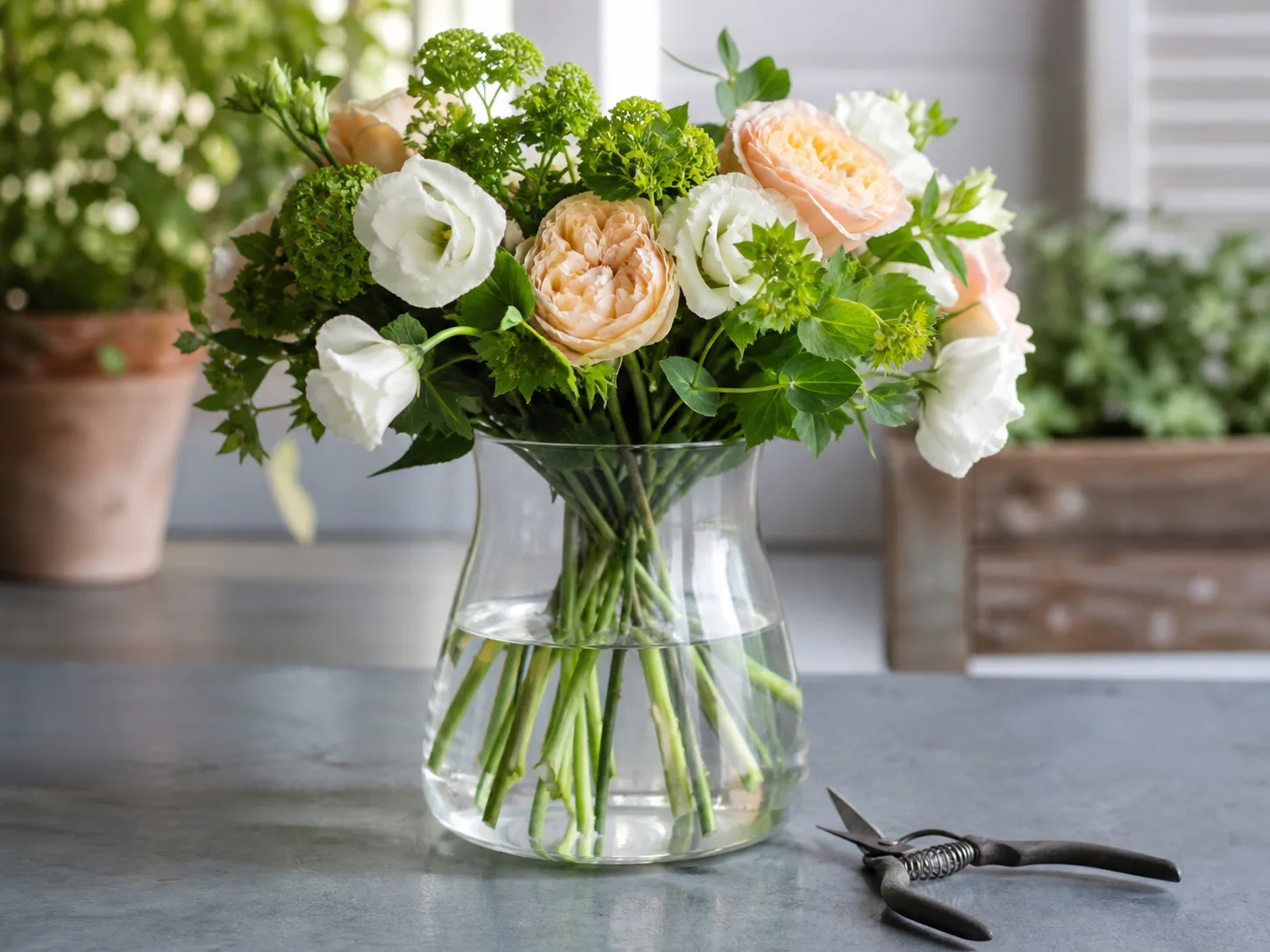
Before departure, use a sharp, clean knife or bypass pruner to remove a short section from each stem at an angle. Do not crush the stem with dull scissors, split every woody stem by default, or hammer the base as a universal remedy. The RHS specifically warns that hammering woody stems can increase bacterial infection and is usually unnecessary.
Strip off leaves that would sit below the waterline once the flowers are arranged. This keeps the bouquet from carrying decaying foliage into the vase and directs attention to the stems that need to take up water. Let the flowers drink in a cool place for at least two to three hours when your schedule allows; a pre-hydrated bouquet is the easiest bouquet to transport.
2. Make the temporary wrap
For a short trip, dampen several layers of clean paper towel or plain absorbent paper with clean water, then wrap it snugly around the stem ends. The wrap should be wet enough to keep the cut surfaces from drying, not dripping so heavily that the bouquet leaks or the paper falls apart. Secure it gently with a rubber band or floral tape below the cut ends without crushing the stems.
Slide the damp stem wrap into a small plastic bag or another leakproof sleeve. Keep the bag around the stem ends rather than sealing the entire bouquet in plastic. The flowers need protection from drying air, but trapped heat and condensation around the blooms can create a new problem.
For a trip longer than a couple of hours, use a proper water pack, floral water tubes, or a small bucket instead. Those options keep an actual water source against the stem ends and reduce the margin for error. A damp towel is useful for a short handoff; it is not the right equipment for a long, hot delivery.
3. Keep the bouquet cool and stable
Wrap the flower heads loosely in clean paper if they need protection from movement, leaving enough room that petals are not compressed. Carry the bouquet upright when possible. If it must lie down, support it so the heads do not bear the weight of the stems and do not let the bouquet roll against a door, box edge, or heavy bag.
In a car, use the shaded passenger area with steady air conditioning. Keep the bouquet away from direct sun, heaters, strong vents, and a hot floor. Do not put cut flowers in a sealed parcel with no ventilation, and do not add ice directly against petals or stems; a stable cool environment is safer than a sudden temperature shock.
Set a reminder for the arrival step before you leave. The easiest mistake is to complete the drive, set the wrapped bouquet on a counter, and postpone the vase for another hour. Have a clean container, fresh water, and a sharp tool ready before the flowers come through the door.
What to do when flowers arrive wilted
Start recovery as soon as possible, but do not confuse a dramatic limp shape with certain death. Green, flexible stems and leaves can recover after the water pathway is reopened and the bouquet is cooled. Brown or translucent petals, mushy stem tissue, a sour smell, or a stem that has split and collapsed are signs that the damage may be advanced.
Recut, rehydrate, and reassess
Use this sequence for a bouquet that is limp but otherwise clean:
- Prepare a clean container. Wash the vase or bucket thoroughly, then fill it with fresh cool or room-temperature water. Add commercial flower food if you have it and the label is appropriate for the bouquet.
- Remove damaged packaging and submerged leaves. Do not force wilted heads under water. Keep the blooms and foliage above the waterline while the stems rehydrate.
- Re-cut the stems. Remove about an inch, or enough to expose fresh tissue, with a sharp clean tool. Make the cut at an angle and, when practical, make it while the stem end is under water or place it into water immediately afterward.
- Give the stems time. Stand the bouquet in a cool, shaded place for two to three hours. For soft stems and heavy heads, loosely wrap the bunch in clean paper while it hydrates so the stems are supported as they regain firmness.
- Reassess each flower. Remove stems that remain slimy, split, foul-smelling, or visibly decayed. Keep the flowers that have regained firmness and move them into a clean display vase.
Do not add a stronger dose of sugar, bleach, vinegar, or household cleaner because the bouquet looks thirsty. Concentration errors can injure stems and contaminate the water, while a clean vase and a fresh cut address the most immediate problems. Commercial flower food is formulated for cut-flower use; follow its label rather than improvising a stronger mixture.
If the flowers are still limp after several hours in clean water, inspect the cut ends again. A blocked or crushed section may need another small recut, but repeatedly shortening the bouquet is not a cure for tissue that is already senescing. When recovery is partial, remove the worst blooms and arrange the firm stems in a smaller vase instead of keeping decaying flowers among them.
Prevent the next wilt
The most reliable way to make cut flowers last longer is to reduce the time they spend both dry and hot. Plan the pickup close to the time you can arrange them, choose a water source for any trip longer than a short handoff, and ask for conditioning advice when the bouquet contains delicate stems.
If you are cutting from your own garden, harvest in the cool morning, choose the right development stage, carry clean water to the bed, and put stems into that water immediately. If you are buying flowers, look for firm stems, fresh leaves, and blooms that are not already fully open or damaged. Avoid bouquets that have sat in warm, stagnant water or show slimy stem ends.
The clean-vase routine
Prepare the vase before cutting the wrapping. Wash it with detergent and a bottle brush, rinse away residue, and fill it with fresh water. Remove leaves that would be submerged, keep the arrangement from becoming so crowded that stems are crushed together, and place it somewhere cool and away from direct sun, radiators, fires, strong drafts, and ripening fruit.
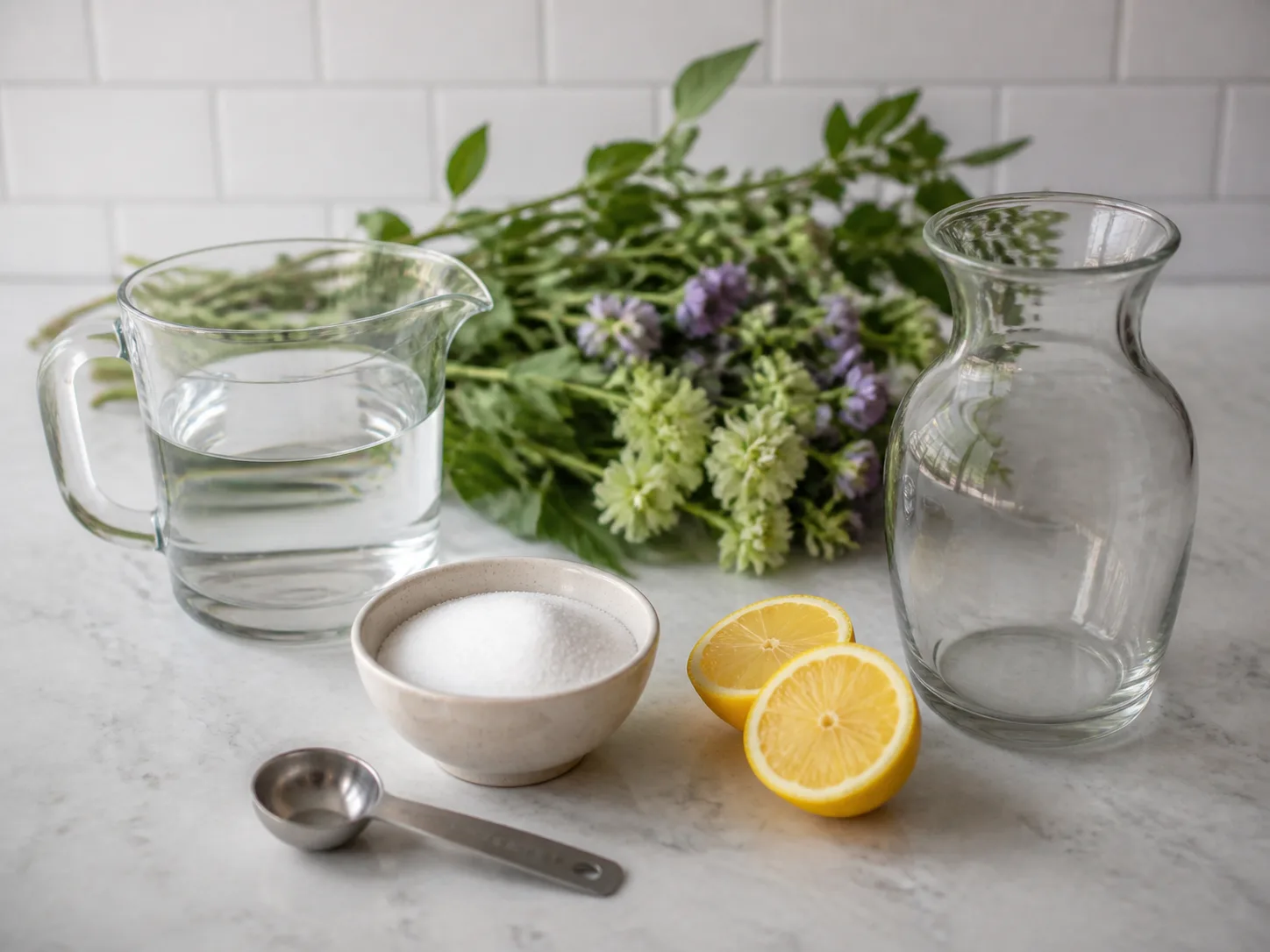
Check the water every day. Top it up when the level drops, and change it completely when it becomes cloudy, smells stale, or contains fallen foliage. The RHS recommends changing the water and recutting the stems every two to four days, while Fine Gardening’s rose-care guidance recommends refreshing water about daily for the longest vase life; for a mixed home bouquet, the sensible middle ground is frequent checks and earlier changes for warm rooms or valuable flowers.
Lift the stems out for a small recut every two to three days, clean the vase before refilling, and remove fading flowers before they collapse into the water. This routine cannot reset the bouquet’s age, but it keeps a short dry journey from becoming the first step in a much faster decline.
Conclusion
Most cut flowers should not be planned for a full day without water. Aim to hydrate them within one to two hours, and treat two to four hours as a manageable short-trip window only when the bouquet started hydrated and stays cool, shaded, supported, and damp at the stem ends. Sturdy flowers may tolerate longer, while soft-stemmed or heavy-headed flowers and anything left in a hot car can fail much sooner.
When water is delayed, buy time with the order of operations: condition first, wrap the cut ends, control heat and movement, then recut and rehydrate immediately on arrival. A clean vase, fresh water, and a realistic expectation about recovery will do more for the bouquet than any unmeasured kitchen remedy.