Cold Damage on Houseplants: Signs and Recovery
Homes are not greenhouses. Cold Damage appears when humidity, temperature, or air movement falls outside what your plant tolerates. Dark, limp, or blackened leaves after cold exposure after a move, heat wave, or dry winter often points to environment-not necessarily wrong watering. Track weekly progress after you change care, and note watering, light, and repotting dates so you can tell whether the symptom is improving or returning. Compare upper versus lower leaves, new versus old growth, and soil moisture at root depth before you treat, because the same visible symptom can come from watering, light, pests, or normal aging on different plants.
Cold Damage on Houseplants
Still unsure?Match your symptoms to the most likely problems in under a minute.Run diagnosis →Understand and fix cold damage
Homes are not greenhouses. Cold Damage appears when humidity, temperature, or air movement falls outside what your plant tolerates. Dark, limp, or blackened leaves after cold exposure after a move, heat wave, or dry winter often points to environment-not necessarily wrong watering. Track weekly progress after you change care, and note watering, light, and repotting dates so you can tell whether the symptom is improving or returning. Compare upper versus lower leaves, new versus old growth, and soil moisture at root depth before you treat, because the same visible symptom can come from watering, light, pests, or normal aging on different plants.
Overview
Homes are not greenhouses. Cold Damage appears when humidity, temperature, or air movement falls outside what your plant tolerates. Dark, limp, or blackened leaves after cold exposure after a move, heat wave, or dry winter often points to environment-not necessarily wrong watering. Track weekly progress after you change care, and note watering, light, and repotting dates so you can tell whether the symptom is improving or returning. Compare upper versus lower leaves, new versus old growth, and soil moisture at root depth before you treat, because the same visible symptom can come from watering, light, pests, or normal aging on different plants.
How to identify it
- Symptoms started after AC, heat, or window season change
- Crispy leaf edges in winter near radiators
- Wilting during a heat spell despite moist soil
- Leaf drop within days of bringing plant home or repotting
- Only plants near one vent or draft show damage
When to worry
Blackened tissue after frost exposure, or widespread collapse after heat above 95°F, may leave permanent damage-trim and stabilize fast.
Common causes
Low indoor humidity
Winter heating drops humidity below what tropical plants prefer, causing brown tips and curl.
Temperature extremes
Cold window glass, hot afternoon sun through glass, and heat vents create localized Cold Damage.
Transplant or relocation shock
Roots and leaves need time to adjust after repotting or room changes-temporary drop is common.
Sudden environmental flip
Moving from greenhouse to home, or outdoor to indoor, shocks plants before they acclimate.
Step-by-step fix
Identify the environmental trigger
Note heat vents, drafty windows, and recent moves. Fix placement before heavy pruning.
Stabilize temperature and humidity
Group plants, use humidifiers, or pebble trays. Keep foliage away from hot and cold glass.
Reduce additional stress
Hold repotting and fertilizer until the plant looks stable for 2–3 weeks.
Trim permanently damaged tissue
Remove leaves that are fully brown or black. Partial tip damage can wait until conditions improve.
Acclimate gradually next time
Move plants in steps over a week when changing rooms or bringing them indoors for winter.
Prevention tips
- Keep tropical plants away from heating vents and cold drafts
- Run a humidifier in dry winter rooms
- Acclimate new plants slowly to your home
- Repot during active growth, not during stress
- Document which leaves show symptoms first and whether the soil is wet, dry, or compacted before changing multiple variables at once.
Common mistakes
- Misting once daily instead of raising ambient humidity
- Placing plants touching cold window glass in winter
- Repotting immediately when a plant arrives stressed
Cold damage can turn healthy foliage limp, translucent, dark, or crisp after a winter delivery, an open window, contact with cold glass, an air-conditioning stream, or a heating failure. The visible injury may be immediate, but it can also develop over several days as damaged cells collapse.
The first response should be calm and conservative: end the exposure, return the plant to a stable species-appropriate temperature, check the root ball, and wait for the boundary between living and dead tissue to become clear. Abrupt high heat, automatic watering, immediate fertilizing, or severe pruning can add stress without repairing cold-killed cells.
There is no universal “too cold” number for all houseplants. Tropical foliage plants, desert succulents, temperate bulbs, and woody bonsai have different tolerances, acclimation states, and vulnerable tissues. Diagnosis therefore begins with the exact exposure and the individual plant, not a generic temperature chart.
As a broad transport warning rather than a universal threshold, University of Minnesota Extension notes that, depending on species, temperatures below 45–50°F can damage many houseplants. A named species’ trusted care guidance should take precedence over that range, and leaf temperature can differ from the room reading when foliage touches glass or sits in moving air.
Chilling Injury Versus Frost and Freeze Injury
Chilling injury occurs above the freezing point in plants that are sensitive to low temperatures. A tropical plant may suffer membrane dysfunction, discoloration, pitting, wilting, or delayed growth after a temperature that a temperate plant tolerates. Duration matters: a brief cool event and an overnight exposure at the same minimum temperature may have different outcomes.
Frost injury occurs when freezing conditions and ice formation damage susceptible tissue near the plant. Freeze injury is the broader effect of tissue temperatures falling low enough for damaging ice formation. Ice outside cells can draw water out; intracellular ice is especially destructive. University of Maryland Extension describes frost and cold damage as water-soaked, darkened, or collapsed tissue that may later become dry and brown.
The categories can overlap in a household event. A leaf touching an icy window may freeze while the crown remains above freezing; a tropical plant in the same room may experience nonfreezing chilling injury. That mixed pattern explains why one side or one height of a plant may look far worse than the rest.
What Cold Damage Looks Like
Early cold injury can appear as limp, dull, translucent, or water-soaked tissue. Leaves may curl downward or lose their normal firmness. After warming, injured areas often darken to brown or black and later dry. Tender new leaves and flowers are frequently more vulnerable, but exposed mature leaves can be injured first when they touch glass.
Severe damage may soften petioles, stems, or the crown. Frozen succulent tissue can become glassy or mushy. Woody stems may show discolored cambium under the bark. Roots in a small exposed pot can chill or freeze faster than roots buffered by a large soil volume, particularly during transport or on an unheated surface.
NC State Extension notes that cold injury after frost or freeze may not be fully apparent at once and recommends patience before assuming the final extent. Although the source addresses outdoor plants, delayed symptom development and cautious assessment are directly relevant to a houseplant exposed during transport or a building outage.
Why Symptoms Can Appear Later
Cold-damaged cells may initially retain shape. As the plant warms and cellular contents leak, tissue can become water-soaked, then dark and collapsed. Secondary decay may appear later in soft tissue, especially when moisture remains trapped in a crown or around damaged stems.
This delay complicates cause-and-effect. A plant delivered on Monday may look acceptable that evening and develop black patches by Wednesday. The timing still supports cold exposure, particularly when the damage maps to outer packaging, the window-facing side, or exposed leaf tips.
Do not interpret every later symptom as continuing cold injury. If new lesions appear weeks after stable temperatures were restored, consider damaged roots, bacterial or fungal decay, pests, or unrelated care problems. Photograph the plant daily for the first week to distinguish the original injury from new progression. In freeze-injured crops, extension guidance commonly delays assessment for several days because injury declares after thawing; use that timing as a reason to observe, not as a species-specific recovery guarantee for houseplants.
Trace the Exposure
Reconstruct the cold event as precisely as possible:
- What was the lowest measured or estimated temperature?
- How long was the plant exposed?
- Was foliage wet, wrapped, touching glass, or in moving air?
- Was the pot itself cold or frozen?
- Which tissues faced the source?
- Was the plant recently watered, shipped, repotted, or otherwise stressed?
Use an indoor minimum-maximum thermometer near the plant rather than trusting a thermostat across the room. Surface temperatures at a window can differ substantially from central room air. A vent or open door can create a localized cold stream that never affects the thermostat.
Check neighboring plants, but interpret carefully. If only cold-sensitive species are damaged, chilling is plausible. If every plant on one shelf has injury on the same side, localized exposure is stronger evidence. Species tolerance means an unaffected snake plant does not prove a nearby tropical seedling was safe.
What the Images Can—and Cannot—Confirm
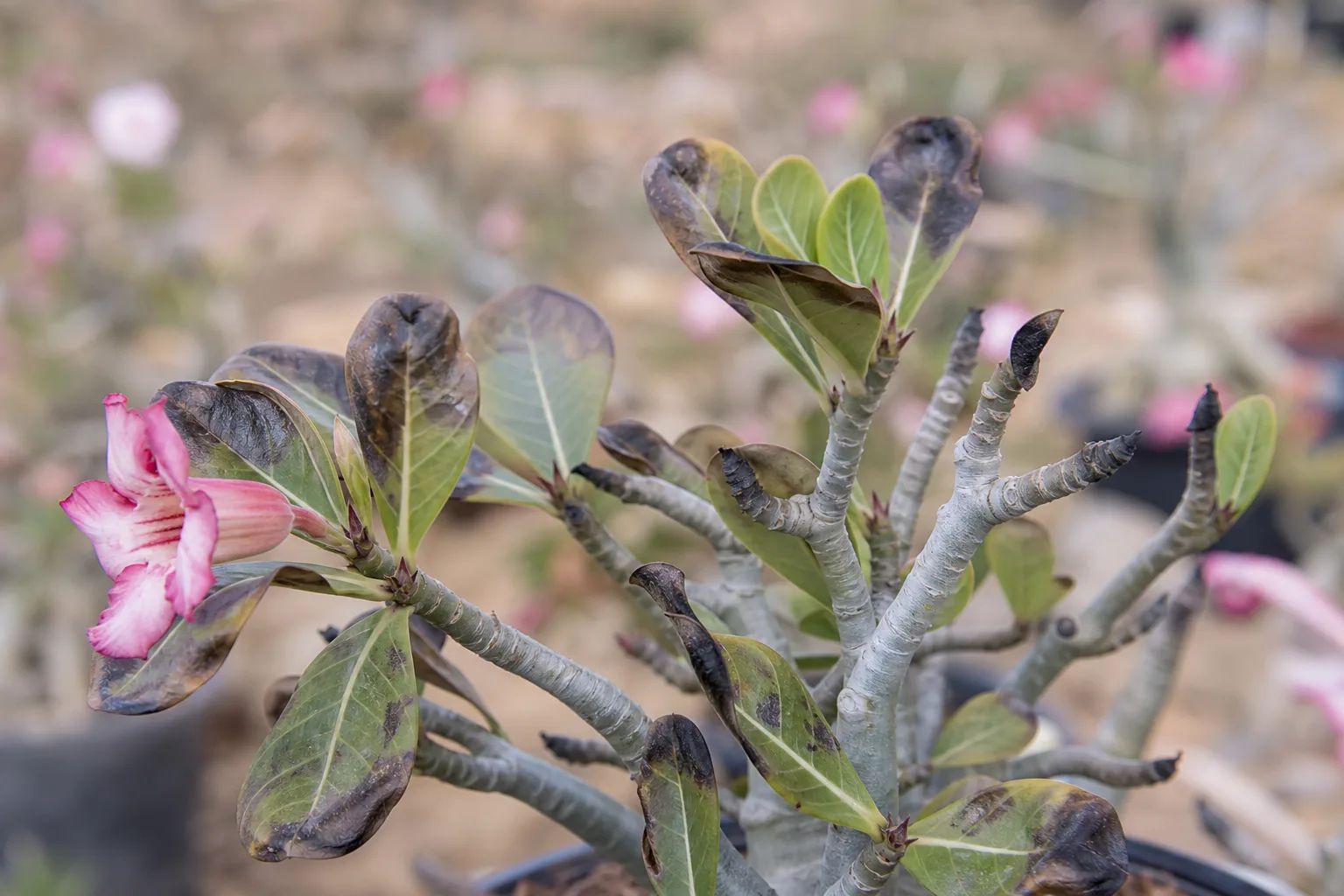
The adenium image shows how exposed foliage may lose normal color and firmness after cold stress. A succulent stem or caudex deserves separate assessment because leaf loss alone does not establish that storage tissue is dead. Conversely, firm-looking outer tissue does not rule out internal damage after a severe freeze.
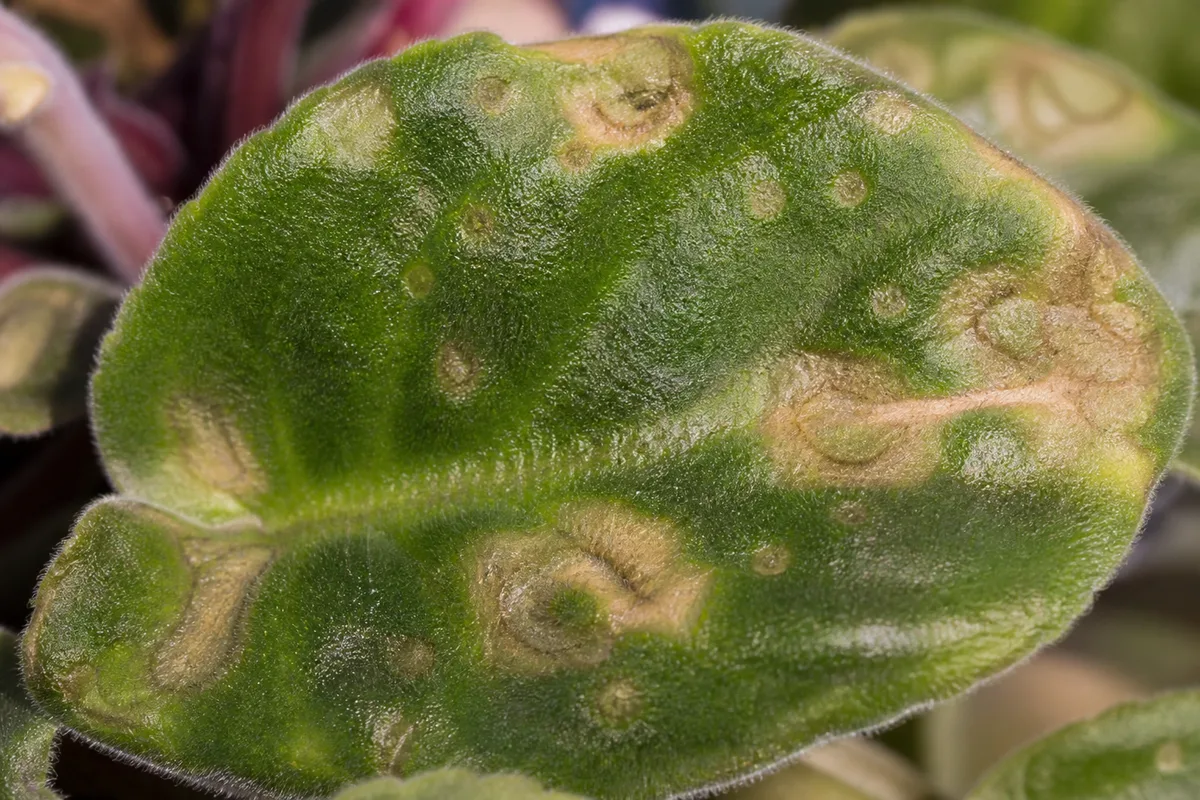
The close view helps compare translucence, darkening, and lesion boundaries. African violets can also develop spotting from cold water on leaves, sun injury, disease, or mechanical damage. Photographs cannot supply the exposure history needed to distinguish them, so use the images as pattern references only.
Cold Damage Look-Alikes
Overwatering and root rot can produce limp leaves, yellowing, soft stems, and collapse. The difference is evidence: cold injury follows an exposure and often affects the exposed side or tender tissue abruptly; root-zone decline aligns with prolonged wetness and deteriorating roots. Both can occur together because a chilled root ball dries slowly.
Drought causes wilt and crisping, but the pot is usually light and the root ball dry. Sunburn produces bleached or tan patches on the high-light side, often after a move. Chemical sprays may leave droplets or streaks. Bacterial soft rot can create wet, foul tissue and continue spreading under warm, humid conditions.
The Iowa State University Extension houseplant diagnosis guide stresses evaluating improper temperature, water, light, and humidity together. Use this differential table:
| Evidence | More consistent with |
|---|---|
| Damage after winter transport; outer leaves worst | Cold exposure |
| Lesions exactly where leaves touched glass | Contact chilling/freezing |
| Entire root ball wet for weeks; soft dark roots | Root dysfunction |
| Bleached patches on sun-facing tissue after move | Sun injury |
| Droplet-shaped spots after product use | Chemical injury |
| New foul, expanding soft decay | Secondary microbial problem |
Immediate First Aid
Move the plant out of the cold source into a stable indoor location suitable for the species. Aim for ordinary room conditions rather than placing it against a heater, fireplace, radiator, or intense grow light. Rapid drying and hot air can compound water loss from already injured tissue.
Keep the plant away from other stressed or valuable plants until pests and soft rot have been excluded. Remove wet decorative wrapping and drain standing water from saucers. If leaves are wet, provide gentle air circulation without a direct fan blast.
Do not fertilize. Injured plants are not repaired by a sudden nutrient dose, and damaged roots may be salt-sensitive. Do not repot unless the container is waterlogged, broken, contaminated, or roots clearly require intervention. Each extra change makes the plant’s response harder to interpret.
Watering After Cold Exposure
Check moisture at root depth before watering. Cold, low-light conditions slow water use, so a plant watered on schedule may already be too wet. If the mix is appropriately moist, wait. If it is dry through the root ball and the roots are not frozen, water normally with room-temperature water and allow complete drainage.
Do not pour hot water on a cold pot. Do not keep dry roots dry for days merely because the leaves wilted; cold injury and drought can coexist. The correct choice depends on the root ball, not the leaf alone.
When roots appear damaged, maintain slightly more conservative moisture appropriate to the species while they recover. “Keep it dry” is not universal: ferns and thin-rooted tropicals may deteriorate if allowed to desiccate, while succulents are vulnerable to rot in a wet, cold mix.
Assess Leaves, Stems, Crown, and Roots
Evaluate the plant as a set of tissues rather than making a whole-plant verdict from foliage:
- Leaves: Are they limp but green, translucent, dark, crisp, or foul?
- Petioles and stems: Are they firm, or soft and collapsing?
- Crown: Is the central growth point firm and intact?
- Roots: Are they firm and species-normal, or soft, dark, and odorous?
- Buds: Are protected buds or nodes still viable?
A plant can lose all leaves yet regrow from a living crown, caudex, rhizome, cane, or node. The reverse is also true: superficially intact leaves may be temporary if the crown or roots were killed. Give concealed structures time to declare their condition.
University of Georgia Extension advises waiting to determine the extent of cold-damaged plant tissue before extensive pruning. Outdoor timing differs from indoor care, but the principle remains sound: boundaries between living and dead tissue become clearer after the event.
Assessment also depends on growth form. A palm grows from one or a limited number of growing points and should not be cut like a branching shrub. A cane plant may resprout below a dead tip. A rhizomatous plant may retreat below the substrate, while a soft rosette may fail if its central crown collapses. Identify where that species stores buds before deciding what “all leaves lost” means.
Check roots gently only when aboveground decline or moisture history justifies the disturbance. Pulling apart a stable root ball immediately after cold exposure can destroy fine roots that survived. When inspection is necessary, support the plant, preserve firm roots, and return it to a clean, species-appropriate, freely draining medium without oversizing the pot.
A Scratch Test With Limits
On a woody stem, a very small, shallow scratch can reveal green, moist tissue beneath the bark, suggesting that point remains alive. Brown, dry tissue may indicate death there. Test sparingly and begin near a tip, moving downward only if needed; repeated wounds create infection and desiccation sites.
The scratch test is not suitable for every plant. Do not scrape soft succulent stems, thin herbaceous petioles, palms, orchids, or a compact crown as though they were woody shrubs. For those plants, firmness, bud activity, root condition, and time are safer indicators.
Even green tissue at one point does not guarantee the whole stem will recover. Continue monitoring nodes and the crown, and avoid cutting into healthy tissue merely to satisfy curiosity.
When and How to Prune
Remove tissue promptly when it is mushy, leaking, foul-smelling, or collapsing into the crown, because decaying material can create sanitation problems. Use clean, sharp tools and cut back to firm tissue. Disinfect tools between cuts with a method appropriate to the tool and plant.
For dry cosmetic damage, waiting is often better. Damaged outer leaves can shield inner tissue from another cold event, and delayed pruning makes the living boundary easier to see. On an indoor plant already returned to stable conditions, prune dead material gradually once it is clearly dry or the plant begins new growth.
Avoid removing most foliage from a plant that still has green leaf area. Partly damaged leaves can contribute photosynthesis. Never seal a soft, wet wound with an unapproved coating; trapped moisture can worsen decay.
Recovery Expectations
Cold-killed tissue does not turn green again. Recovery means that injury stops advancing, the crown or stems remain firm, roots function, and new buds or leaves appear. Fast-growing tropical vines may show progress within weeks; slow succulents, palms, woody plants, or dormant species can take much longer.
Expect damaged leaves to yellow, dry, or fall even after the plant has been stabilized. That does not necessarily mean the intervention failed. Track whether newly unaffected tissue is appearing and whether the stem base remains sound.
Do not force growth with fertilizer or excessive warmth. Provide appropriate light and a stable temperature, then resume feeding only when active growth and healthy roots justify it. A plant with extensive tissue loss needs less water than before because it has less leaf area.
Separate survival from appearance. A plant can survive but need a full growing season to rebuild an attractive canopy. It may also produce weak emergency shoots that later fail if the root system was badly injured. Evaluate several signals together: firmness at the crown or nodes, stable roots, a normal wet-dry cycle, and successive leaves that expand without new darkening.
If no growth appears, consider the plant’s natural season before declaring failure. Some species pause after stress or enter dormancy under short days. Maintain safe baseline care, but set a reasonable reassessment date so a chronically decaying pot is not retained indefinitely.
Special Situations: Transport and Power Outages
After winter transport, photograph packaging and plant condition immediately. Keep the plant wrapped only long enough to move it safely indoors; then open packaging so condensation does not remain trapped. Let the plant acclimate in moderate light before exposing it to intense sun or grow lights.
During a power outage, group plants away from windows and exterior walls, close curtains without trapping foliage against cold glass, and insulate pots from cold floors. Avoid combustion heaters not approved for indoor use. Human safety and ventilation take priority.
If evacuation or transport is necessary, pre-warm the vehicle, minimize outdoor transfer time, and use an insulated box. Heat packs can burn plants or create dangerous conditions if used incorrectly; follow manufacturer directions and prevent direct contact.
Preventing Cold Damage Indoors
Place sensitive plants several centimeters away from cold glass and exterior doors. Check leaf contact after growth or rearrangement. Redirect air-conditioning vents so they do not blow directly across foliage, and remember that a plant can be chilled in summer by conditioned air.
Monitor the actual plant zone with a minimum-maximum thermometer. The NC State winter houseplant care guidance recommends protecting indoor plants from drafts, maintaining appropriate temperatures, and adjusting water as growth slows.
Reduce watering frequency when seasonal light and growth decline, but continue checking the plant rather than using a fixed calendar. Keep foliage dry before cold nights when practical. Do not crowd plants so tightly that condensation and poor air movement encourage decay.
Safer Winter Transport
Prepare before opening the door. Wrap the pot and canopy loosely with paper or an insulated box, protect leaves from direct contact with frozen surfaces, and move directly between warmed spaces. Do not place a tropical plant in an unheated trunk or leave it in a parked vehicle.
For deliveries, choose weather-appropriate shipping and retrieve packages promptly. Photograph severe damage before discarding packaging if a claim may be needed. Then prioritize plant assessment over immediately repotting or feeding.
When moving a large collection, stage the route and vehicle so exposure is measured in seconds rather than minutes. Small plants and exposed root balls lose heat faster than large, insulated containers.
Packaging can reduce heat loss but cannot make a plant safe for unlimited time in a freezing vehicle. Paper sleeves, boxes, and insulation work best as short-transfer protection between warm locations. Prevent leaves from touching icy plastic, metal, or glass, and keep the plant upright so cold wet mix does not spill into the crown.
On arrival, remove tight wrapping gradually in a moderate indoor location. Condensation inside packaging can leave injured foliage wet; separate leaves gently and allow them to dry with mild circulation. Avoid placing the newly unwrapped plant in direct winter sun, which adds another rapid environmental change.
When to Seek Help or Discard
Seek help from an extension office, nursery specialist, or plant diagnostic laboratory when a valuable specimen has an uncertain living boundary, symptoms continue after temperatures stabilize, or soft decay spreads into the crown. Provide the species, measured temperature, duration, photos, and care timeline.
Discarding may be reasonable when the crown and all regenerative tissues are mushy, roots are extensively dead, odor and decay persist, or recovery would risk nearby plants. Bag diseased or decaying material according to local guidance; do not compost tissue if a contagious disease is also suspected.
For a partly living plant, propagation from sound tissue may preserve it. Take cuttings only from firm, uninjured sections and use a method appropriate to the species. Do not propagate visibly water-soaked or discolored tissue.
Conclusion
Cold damage on houseplants is best diagnosed by a credible exposure followed by a matching spatial and tissue pattern. Chilling can injure tropical plants above freezing, while frost or freezing can destroy exposed cells more dramatically. No single temperature or leaf color applies to every species.
End the exposure, warm the plant gradually into stable conditions, water according to the root ball, and delay cosmetic pruning until living boundaries are clearer. Judge recovery by firm regenerative tissue and healthy new growth—not by whether damaged leaves regain color.
Plants commonly affected
These houseplants often struggle with cold damage. Open a care guide or plant-specific troubleshooting page for tailored fixes.
 Medium
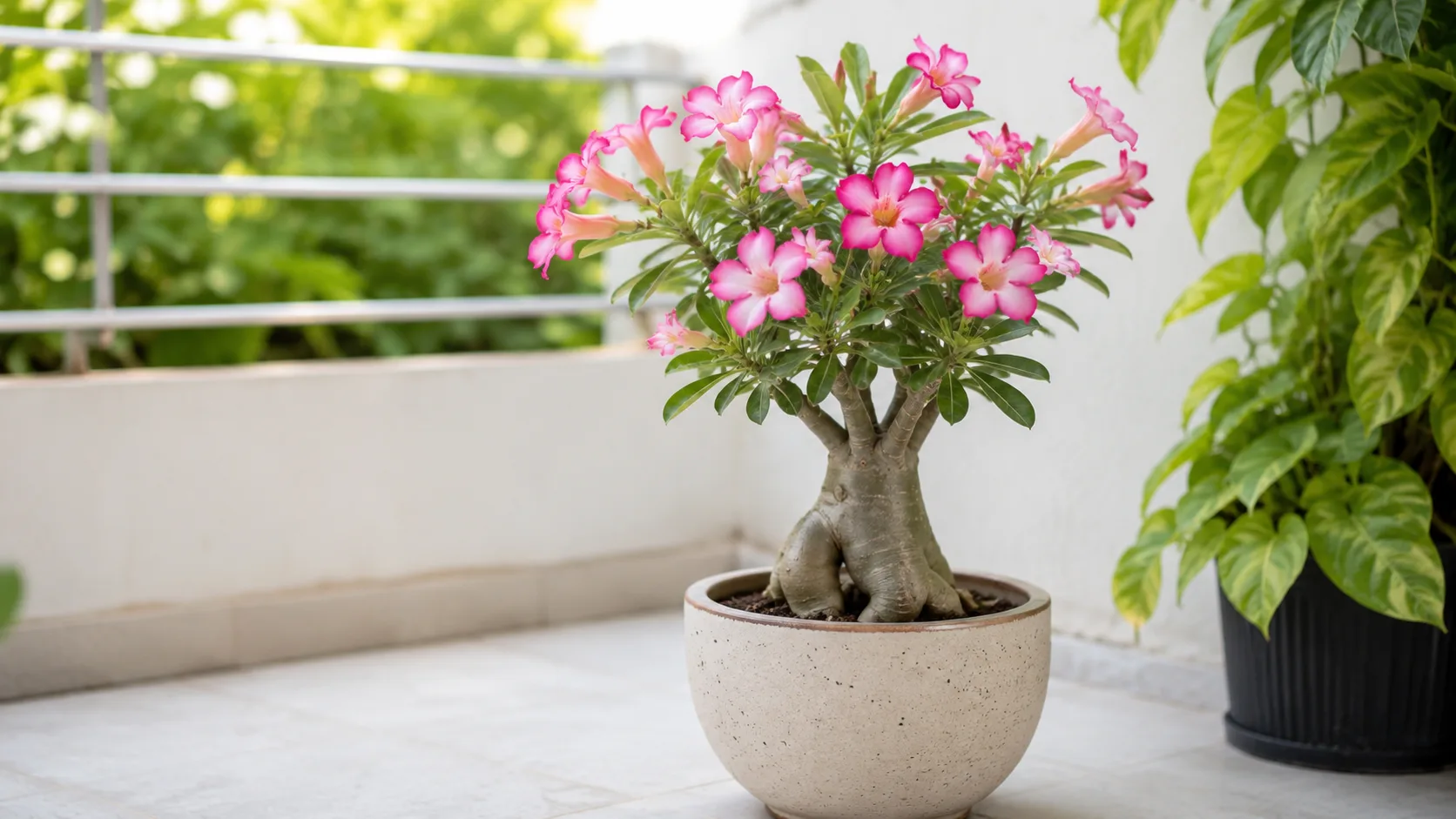
Adenium
Likely causeTemperatures below ~50°F (10°C) cause blackened tips, leaf drop, and soft cold-stressed tissue on desert rose.
Quick fixMove to a warm bright spot above 55°F, stop watering until firm, and prune only mushy tissue later.
 Medium
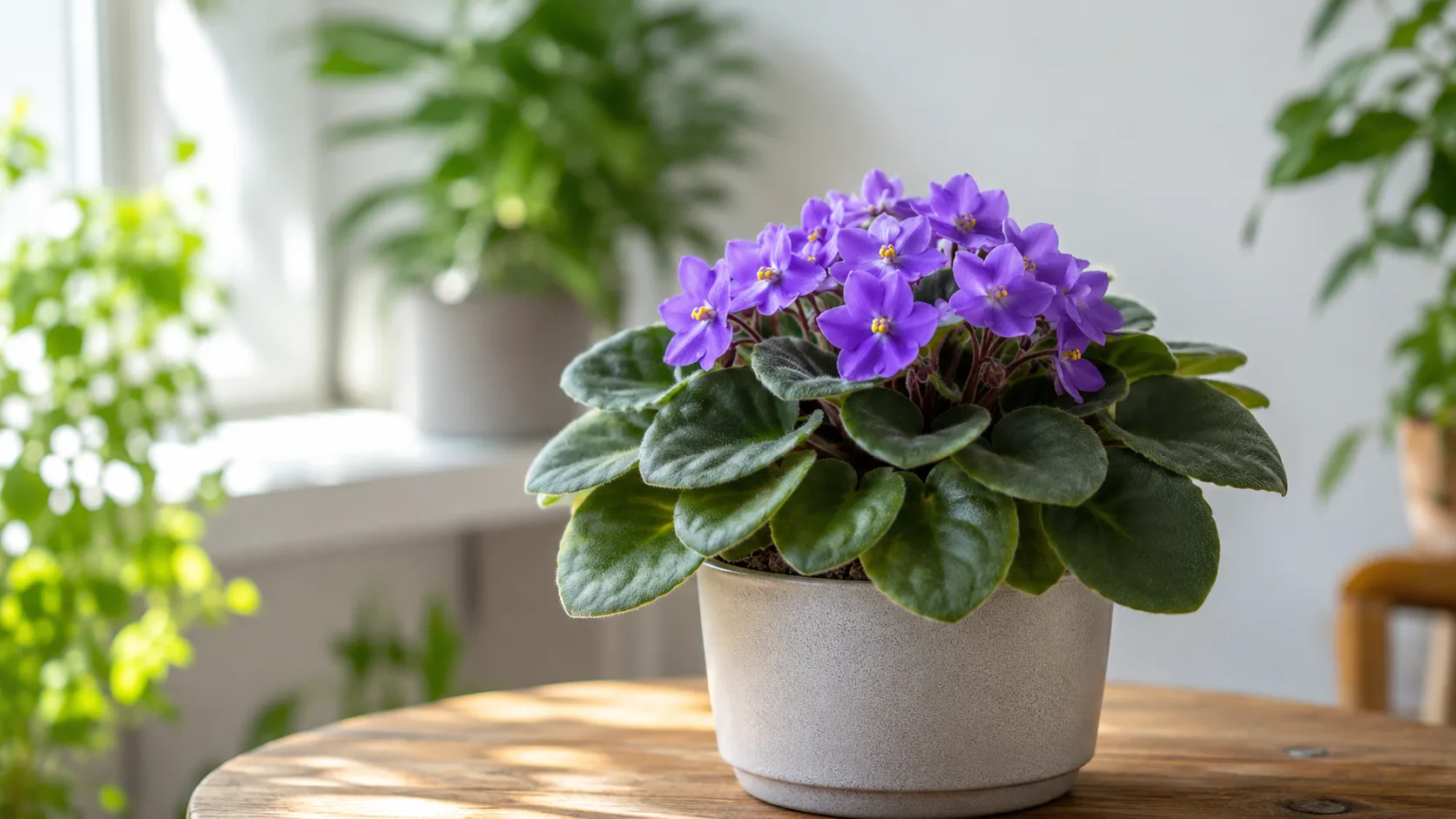
African Violet
Likely causeCold Damage on African Violet: In summary, dealing with African violet cold damage involves recognizing the symptoms, taking immediate corrective steps, and establishing a care routine that prevents future issues. By keeping an eye
Quick fixInspect African Violet, confirm cold damage matches your symptoms, then adjust care or treat per authoritative guides.
 Easy
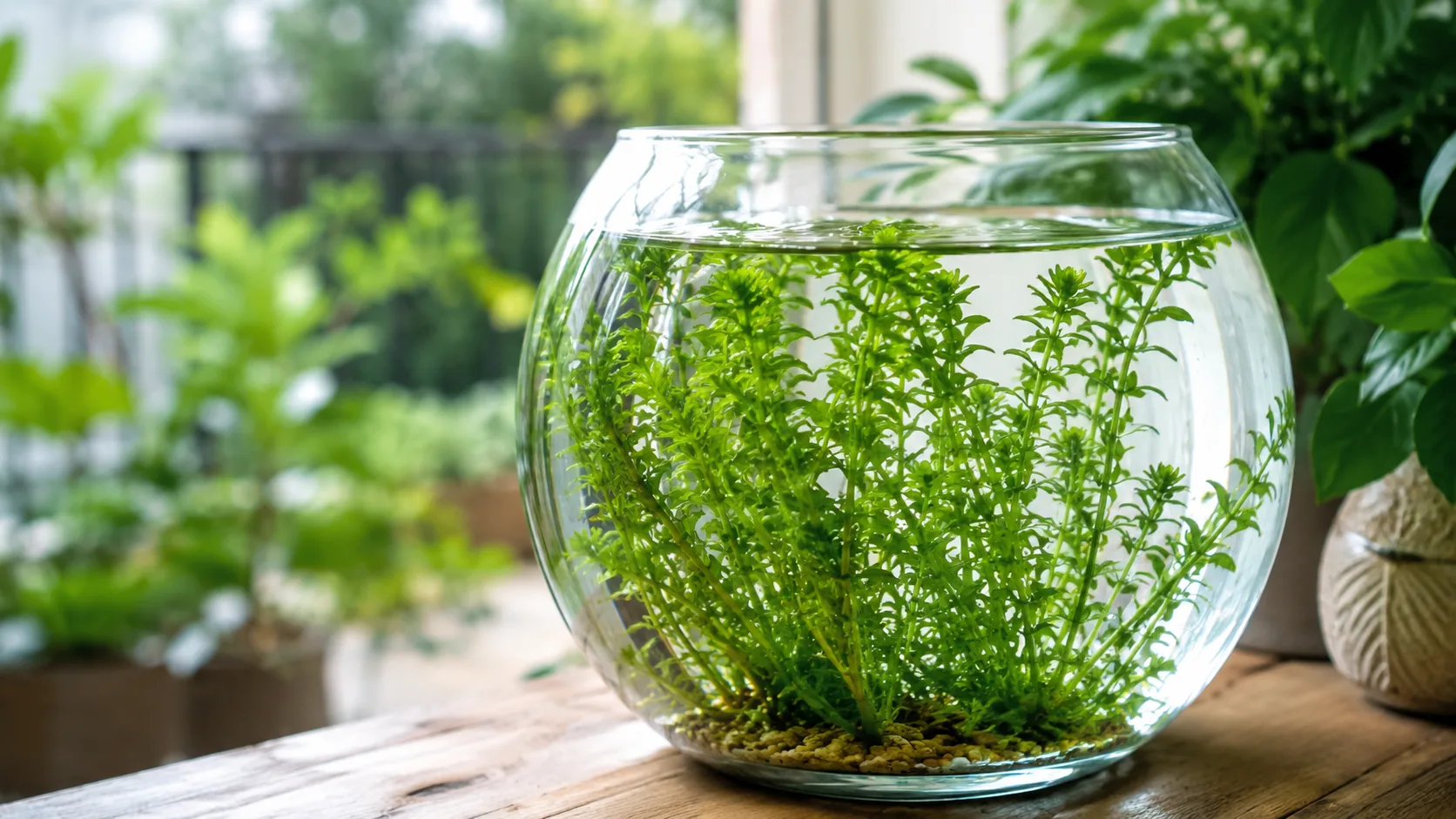
EasyAnacharis / Elodea
Likely causeOutdoor pond freeze, ice damage, or water held near freezing for extended periods.
Quick fixMove plants below the ice line in ponds, use a de-icer for gas exchange, or overwinter cuttings indoors in cool aquarium water.
 Medium
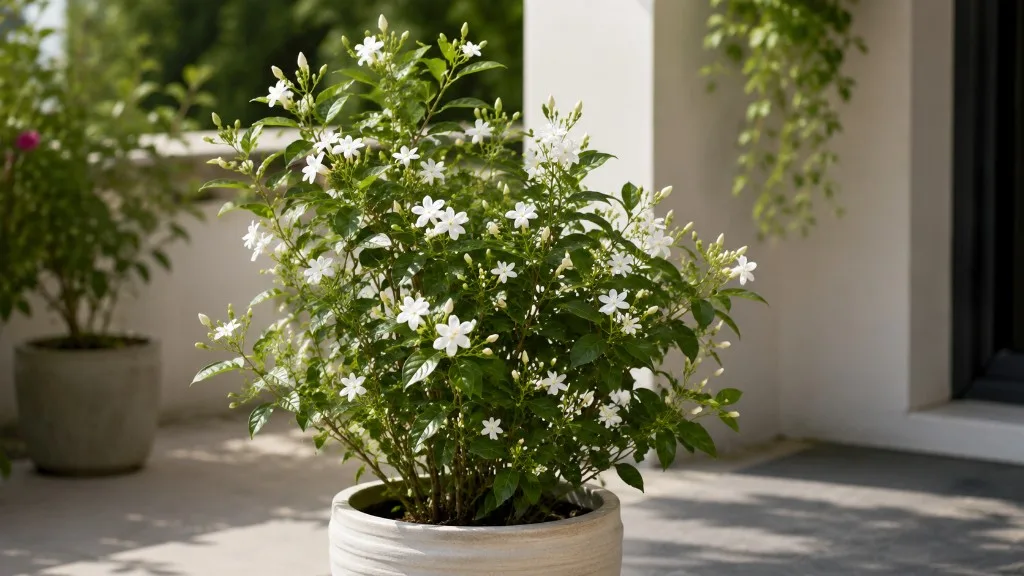
Jasmine
Likely causeMay 31, 2023 · The exposure to cold temperatures presents a significant challenge for jasmine plants, as most varieties are not frost-tolerant. When exposed to freezing temperatures for extended periods, jasmine can suffer damage or even di
Quick fixConfirm diagnosis on your Jasmine, then address the most likely care or pest factor described in current extension guidance.
 Easy
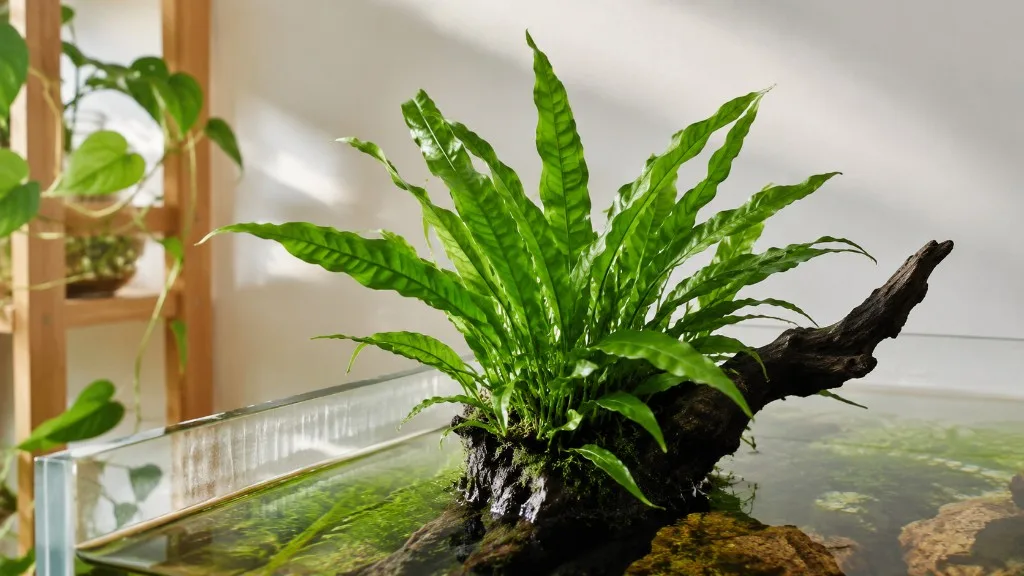
EasyJava Fern
Likely causeJul 18, 2024 · When the water gets colder , java ferns slow down their growth. Below 59°F (15°C), they might stop growing. And when it’s less than 50°F (10°C), growth really halts. In the cold , the plant changes its shape. It loses its old
Quick fixConfirm diagnosis on your Java Fern, then address the most likely care or pest factor described in current extension guidance.
 Medium
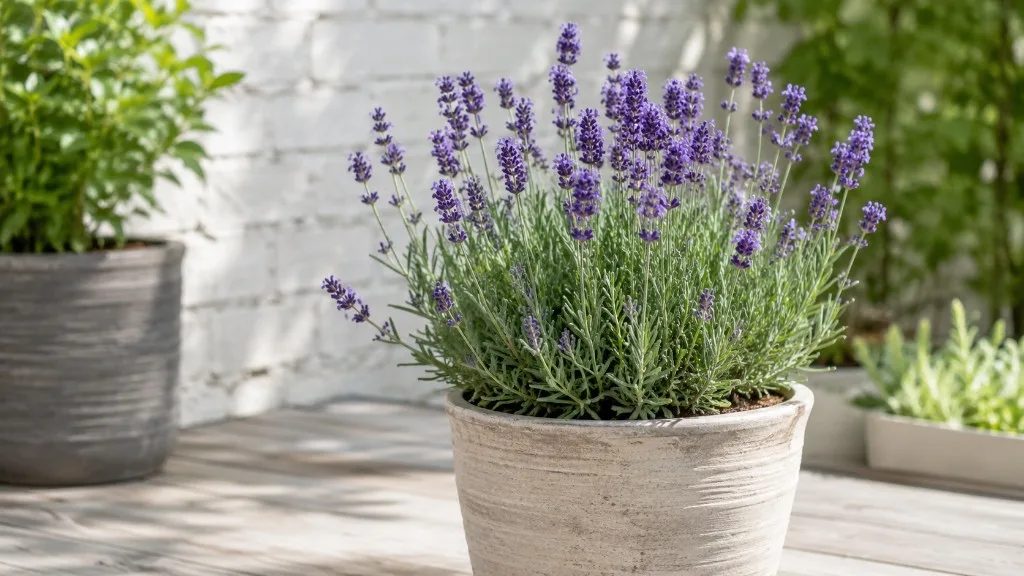
Lavender
Likely causeOct 25, 2025 · But when winter arrives, especially in colder climates, many gardeners worry: Will my lavender survive the frost? The truth is that while lavender is hardy, cold and wet winter conditions can quickly damage or even kill the p
Quick fixConfirm diagnosis on your Lavender, then address the most likely care or pest factor described in current extension guidance.
 Medium
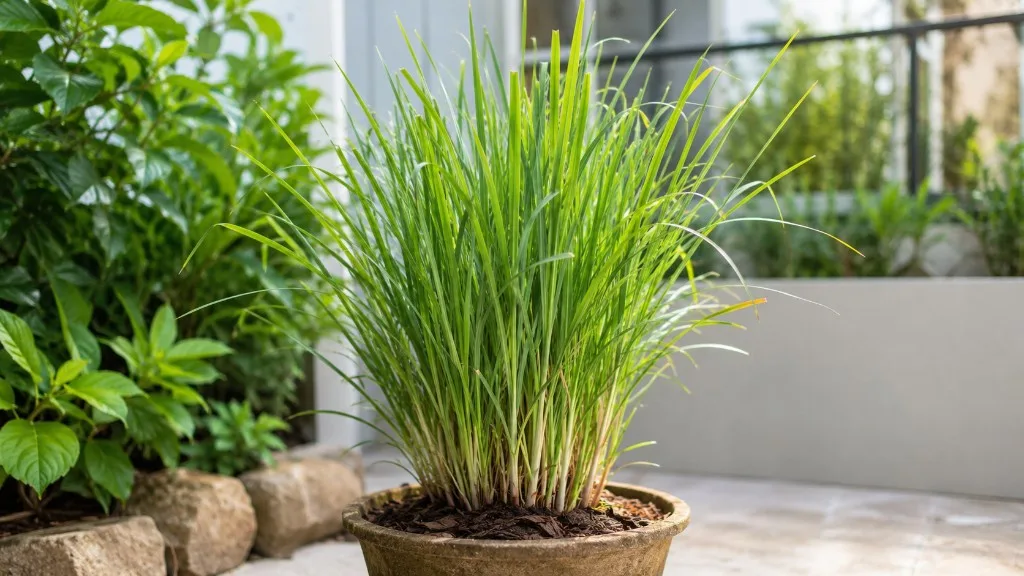
Lemongrass
Likely causeSep 29, 2025 · Lemongrass is sensitive to temperatures below 40°F (4°C), with frost producing immediate damage. It is a tropical plant, and its cells rupture when ice crystals form within them.
Quick fixConfirm diagnosis on your Lemongrass, then address the most likely care or pest factor described in current extension guidance.
 Medium
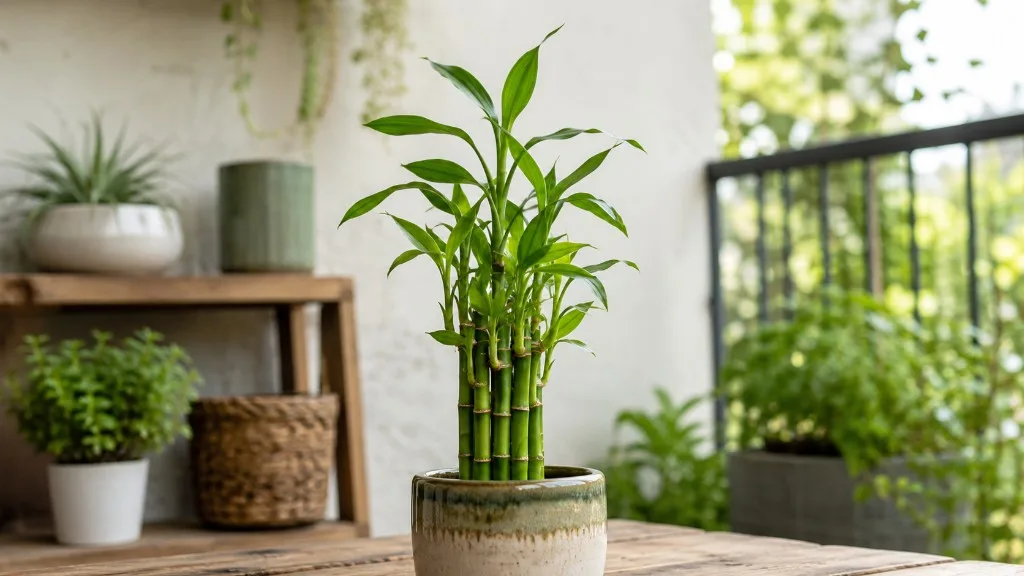
Lucky Bamboo
Likely causeJun 5, 2024 · Cold temperatures can be a harsh reality for houseplants, and Lucky Bamboo is no exception. Let's explore how to identify, treat, and prevent cold damage in your beloved green companion.
Quick fixConfirm diagnosis on your Lucky Bamboo, then address the most likely care or pest factor described in current extension guidance.
 Medium
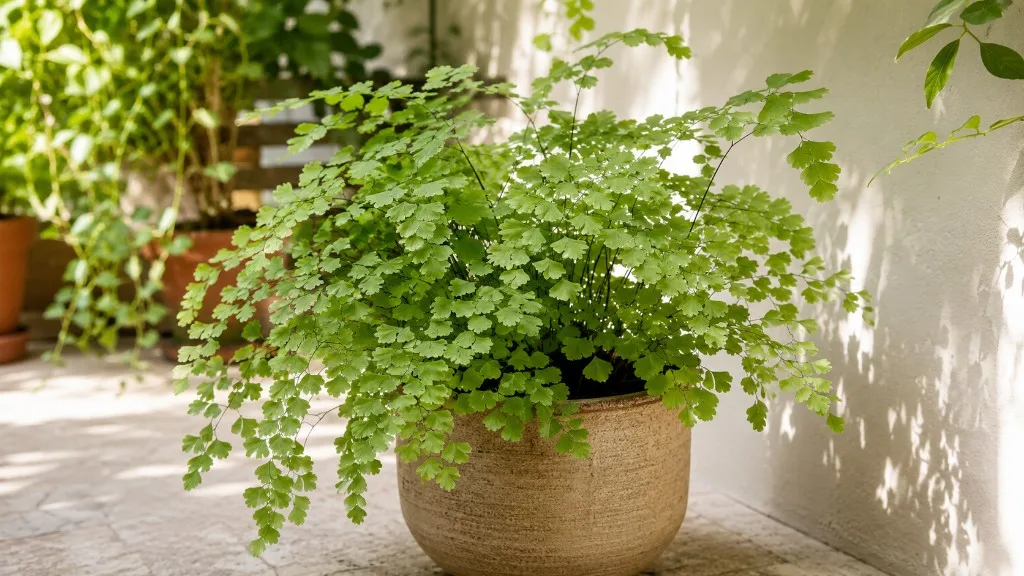
Maidenhair Fern
Likely causeJun 3, 2024 · In this article, we'll explore what you can do to nurse your maidenhair fern back to health after cold damage . We’ll cover everything from identifying signs of cold stress to providing practical tips on how to revive your pla
Quick fixConfirm diagnosis on your Maidenhair Fern, then address the most likely care or pest factor described in current extension guidance.
 Medium
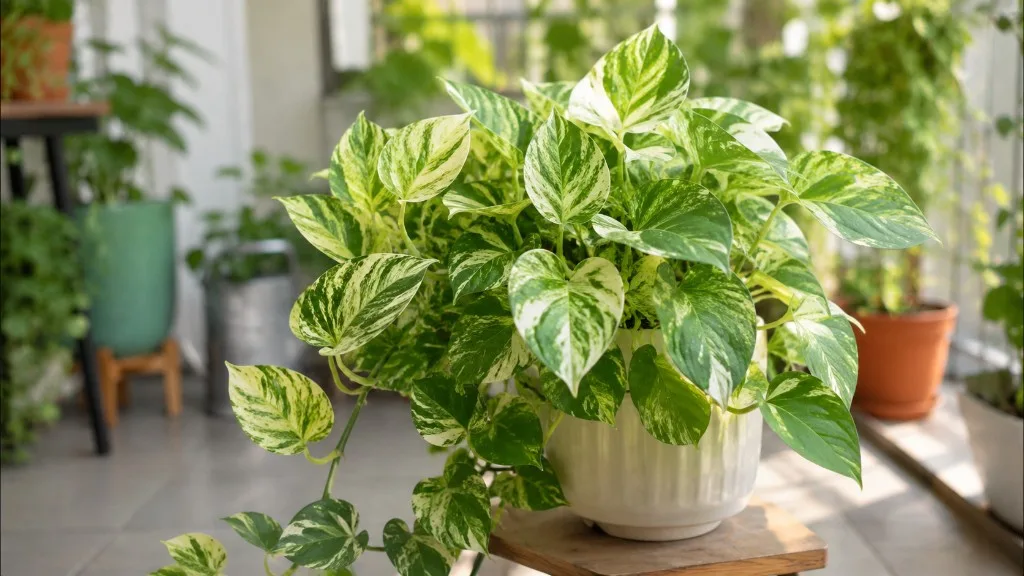
Manjula Pothos
Likely causeJun 4, 2024 · In this article, we're going to explore what to do when your Manjula Pothos experiences cold damage . We'll cover everything from identifying signs of distress to nursing your plant back to health.
Quick fixConfirm diagnosis on your Manjula Pothos, then address the most likely care or pest factor described in current extension guidance.
 Medium
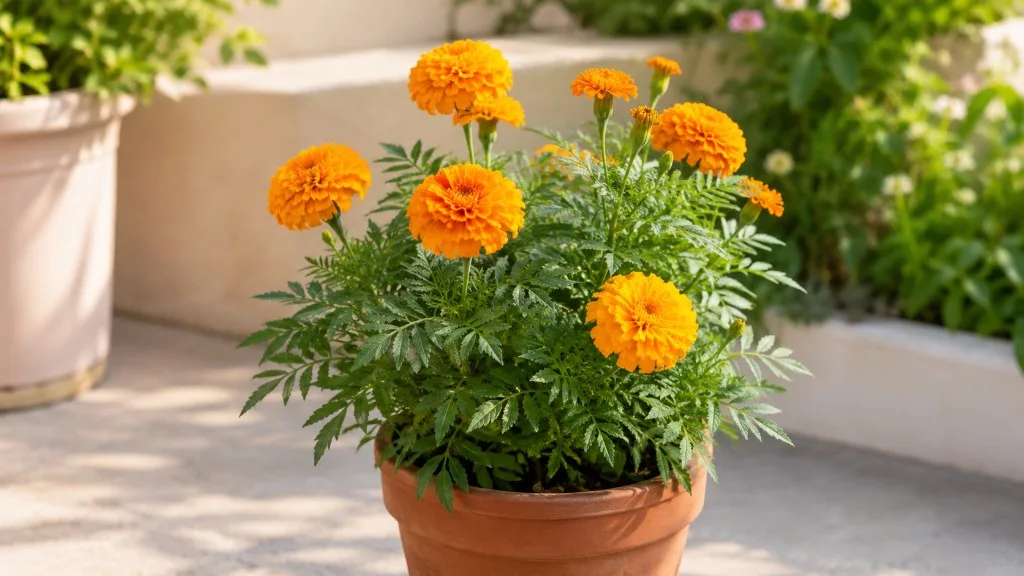
Marigold
Likely causeJul 22, 2024 · When frost threatens, protecting Tagetes erecta is crucial to maintain its health through winter. Use frost cloths or burlap sheets to cover the plants, avoiding plastic as it can cause damage . For potted Tagetes erecta , mo
Quick fixConfirm diagnosis on your Marigold, then address the most likely care or pest factor described in current extension guidance.
 Medium
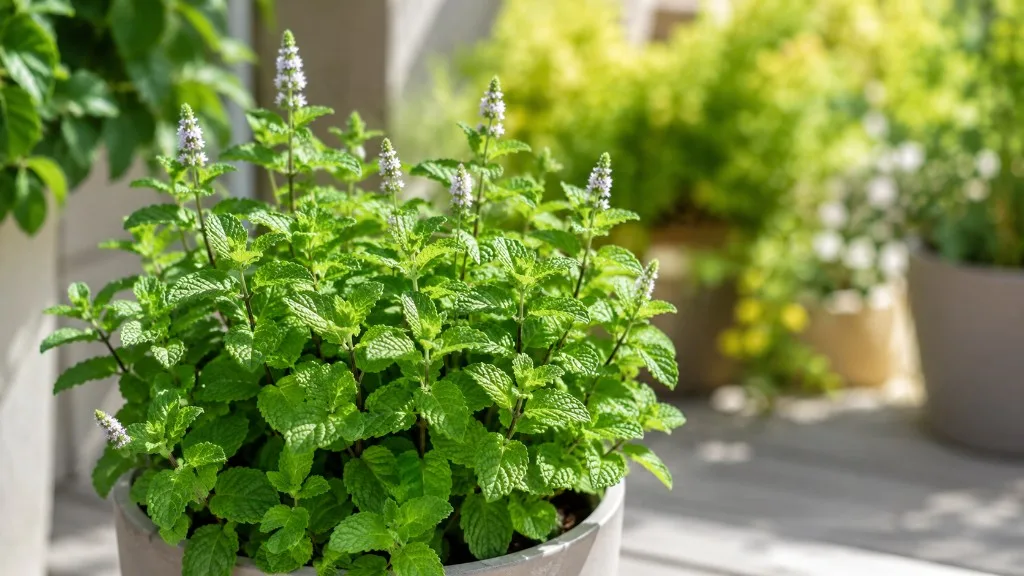
Mint
Likely causeHard frost blackens mint foliage; potted mint roots freeze more easily than in-ground rhizomes.
Quick fixCut back blackened stems after frost; mulch in-ground plants; move pots to sheltered unheated space.