Thrips on Houseplants: Identification and Treatment
'Houseplant pests are common indoors because conditions lack natural predators. Thrips often arrives on new plants, open windows, or stressed specimens. When you notice Silvery streaks, black specks, distorted new leaves, act quickly: confirm the pest, isolate the plant, and treat before the population explodes. Track weekly progress after you change care, and note watering, light, and repotting dates so you can tell whether the symptom is improving or returning.'. Compare upper versus lower leaves, new versus old growth, and soil moisture at root depth before you treat, because the same visible symptom can come from watering, light, pests, or normal aging on different plants.
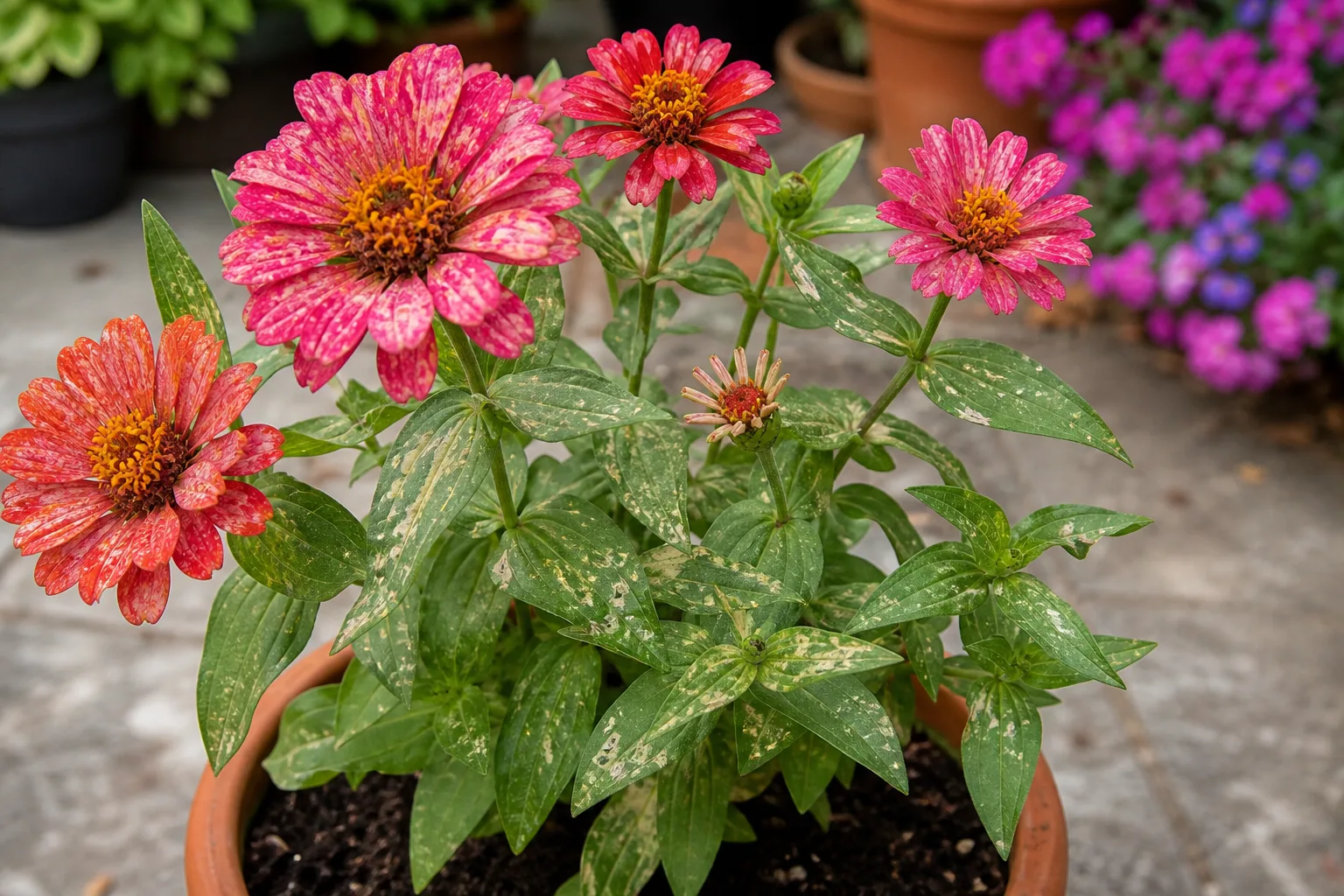
Thrips on Houseplants
Still unsure?Match your symptoms to the most likely problems in under a minute.Run diagnosis →Understand and fix thrips
'Houseplant pests are common indoors because conditions lack natural predators. Thrips often arrives on new plants, open windows, or stressed specimens. When you notice Silvery streaks, black specks, distorted new leaves, act quickly: confirm the pest, isolate the plant, and treat before the population explodes. Track weekly progress after you change care, and note watering, light, and repotting dates so you can tell whether the symptom is improving or returning.'. Compare upper versus lower leaves, new versus old growth, and soil moisture at root depth before you treat, because the same visible symptom can come from watering, light, pests, or normal aging on different plants.
Overview
'Houseplant pests are common indoors because conditions lack natural predators. Thrips often arrives on new plants, open windows, or stressed specimens. When you notice Silvery streaks, black specks, distorted new leaves, act quickly: confirm the pest, isolate the plant, and treat before the population explodes. Track weekly progress after you change care, and note watering, light, and repotting dates so you can tell whether the symptom is improving or returning.'. Compare upper versus lower leaves, new versus old growth, and soil moisture at root depth before you treat, because the same visible symptom can come from watering, light, pests, or normal aging on different plants.
How to identify it
- Inspect leaf undersides, stem joints, and soil surface with a magnifying glass
- Look for movement, webbing, sticky honeydew, or cottony clusters
- Check nearby plants-even if only one looks bad initially
- Note whether symptoms match pest damage vs fungal or water issues
- Review recent plant purchases or outdoor time for introduction routes
When to worry
Heavy webbing, visible colonies on multiple plants, or larvae in soggy soil affecting seedlings need immediate treatment across your collection.
Common causes
New plant without quarantine
Pests hitchhike on nursery plants. Skipping a 2-week isolation period is the top way Thrips enters a collection.
Dry air and heat stress
Spider mites thrive when humidity is low and plants are stressed. Heat vents and winter heating make infestations worse.
Overwatered soil
Consistently moist organic soil breeds fungus gnat larvae that feed on fine roots and spread annoyance indoors.
Dusty leaves and poor airflow
Dust blocks light and weakens plants, making them easier targets for scale, mealybugs, and aphids.
Step-by-step fix
Isolate the affected plant
Move it away from others until you see no new pest activity for at least two weeks after treatment.
Identify the pest correctly
Compare symptoms to photos or use a pest identifier tool. Treatment differs for mites, gnats, scale, and mealybugs.
Remove what you can manually
Wipe leaves, shower the plant, pick off visible bugs, and scrape scale with a cotton swab dipped in alcohol.
Apply appropriate treatment
Use insecticidal soap or horticultural oil for most soft-bodied pests. Repeat every 5–7 days for two to three cycles to catch hatchlings.
Fix conditions pests love
Let soil dry for fungus gnats, raise humidity for mite-prone plants, and dust leaves regularly.
Prevention tips
- Quarantine new plants for 2 weeks before placing near others
- Inspect leaf undersides during weekly care
- Avoid overwatering and improve airflow between plants
- Keep plants healthy-stressed plants attract pests faster
Common mistakes
- Treating once and assuming pests are gone
- Using the wrong product for the pest type
- Returning an isolated plant too soon
Silver streaks on a new leaf, twisted growth, and a few pepper-like black dots are a strong reason to look for thrips—but they are not proof by themselves. Before spraying, hold white paper beneath the damaged foliage and tap it firmly. Tiny, narrow insects that fall and begin moving turn a vague symptom into an actionable diagnosis.
Thrips on houseplants are minute insects that puncture surface cells and remove their contents, leaving pale stippling, silvery scars, distorted tissue, and often dark specks of waste. Use the evidence you have—not the ugliness of one old leaf—to choose the next step.
| What you find | Best next action |
|---|---|
| Damage but no insects | Inspect with magnification and repeat the white-paper test before treating |
| One or two live thrips | Isolate, inspect neighboring plants, prune or rinse, then monitor closely |
| Repeated live finds or occupied new growth | Combine physical removal with a product labelled for thrips, the plant, and indoor use |
| No live thrips and clean new growth | Continue monitoring; do not spray old scars simply because they remain visible |
The goal is to stop finding live thrips and see healthy new growth without injuring the plant through unnecessary treatment.
What Thrips Are and Why They Are Difficult
Thrips belong to the insect order Thysanoptera. Adults are slender, usually about 1–2 mm long, and many have narrow wings edged with fringes; immature thrips look like smaller wingless versions and are often pale yellow, cream, or translucent. Color varies by species and life stage, so a black insect is not automatically a thrips and a yellow thrips is not automatically a harmless juvenile.
Their feeding is often described casually as “rasping and sucking,” but the useful point is what it does to the plant. Thrips puncture the outer tissue and remove cell contents, creating stippling, flecking, or silvering as damaged cells dry and reflect light differently. Injury that occurs while a leaf is still folded may not become obvious until the leaf opens, which makes the infestation seem to appear overnight.
Thrips are difficult because much of their population is concealed. Eggs may be inserted into plant tissue, larvae feed inside folded leaves or flowers, and prepupal or pupal stages can occur in protected places that a foliar spray never reaches. Adults can also move between plants, so treating one visible leaf while leaving touching neighbors unchecked rarely solves a collection-wide problem.
Not every thrips species damages every plant, and some are predators or pollen feeders. Exact identification can require microscopic examination, according to UC IPM. For most indoor decisions, confirming plant-feeding thrips and matching control to the label matters more than naming a species from color.
Signs of Thrips on Houseplants
The strongest diagnosis comes from a cluster of signs: new damage, black frass, and live insects found on the affected tissue. Inspect the newest unfolding leaves, tender shoot tips, flower buds, open blooms, leaf undersides, petiole joints, and any curled or distorted area. Use bright side-light and a 10× hand lens because a pale larva can vanish against a cream vein.
Illustrative close view of the damage pattern to inspect; symptoms alone do not confirm thrips.
Do not judge severity from one ugly old leaf. A small population can scar tender growth noticeably, while a larger population may remain hidden in a dense plant until several leaves expand. Mark or photograph current damage, then use new growth and repeated insect checks to learn whether the problem is still advancing.
Feeding Scars, Distortion, and Flower Damage
On broad leaves, thrips injury can look like irregular silver patches, short pale streaks, stippling, bronzing, or rough scabby scars. Unlike a normal variegation pattern, the damage may cross veins unevenly and feel dry or thin. On dark foliage, the contrast can be dramatic; on pale or patterned leaves, texture and black specks may be easier to notice than color.
Feeding inside a rolled leaf can produce a lopsided blade, ragged expansion, brown edges, or corky lines once it unfurls. Buds may fail to open cleanly, flowers can develop streaked or browned petals, and pollen-feeding species may shorten flower life. Utah State University Extension lists cupping, browning, dieback, flower damage, and black fecal spots among western flower thrips signs.
Severe, sustained infestations reduce the working leaf area and can weaken a plant, especially when growing points are repeatedly attacked. Yet cosmetic damage is permanent even after control, so a scarred leaf cannot tell you whether yesterday’s treatment worked. Look for fresh scars on tissue that developed after treatment and pair that observation with an actual pest check.
Finding Insects, Larvae, and Black Frass
Adult thrips resemble moving dashes more than familiar round-bodied bugs. They may run quickly when disturbed, disappear into a crease, or make a short flight; larvae usually crawl and lack functional wings. University of Georgia IPM describes adults as tiny insects with thin bodies and notes that color alone is not a reliable identification feature.
The black dots are frass, or insect waste, and may look glossy or varnish-like under magnification. They often occur near silvered feeding areas, providing a useful clue that simple abrasion or sun scorch does not. Dust rinses or wipes away evenly, while frass tends to appear as discrete stuck-on specks, though neither visual impression replaces finding the insect.
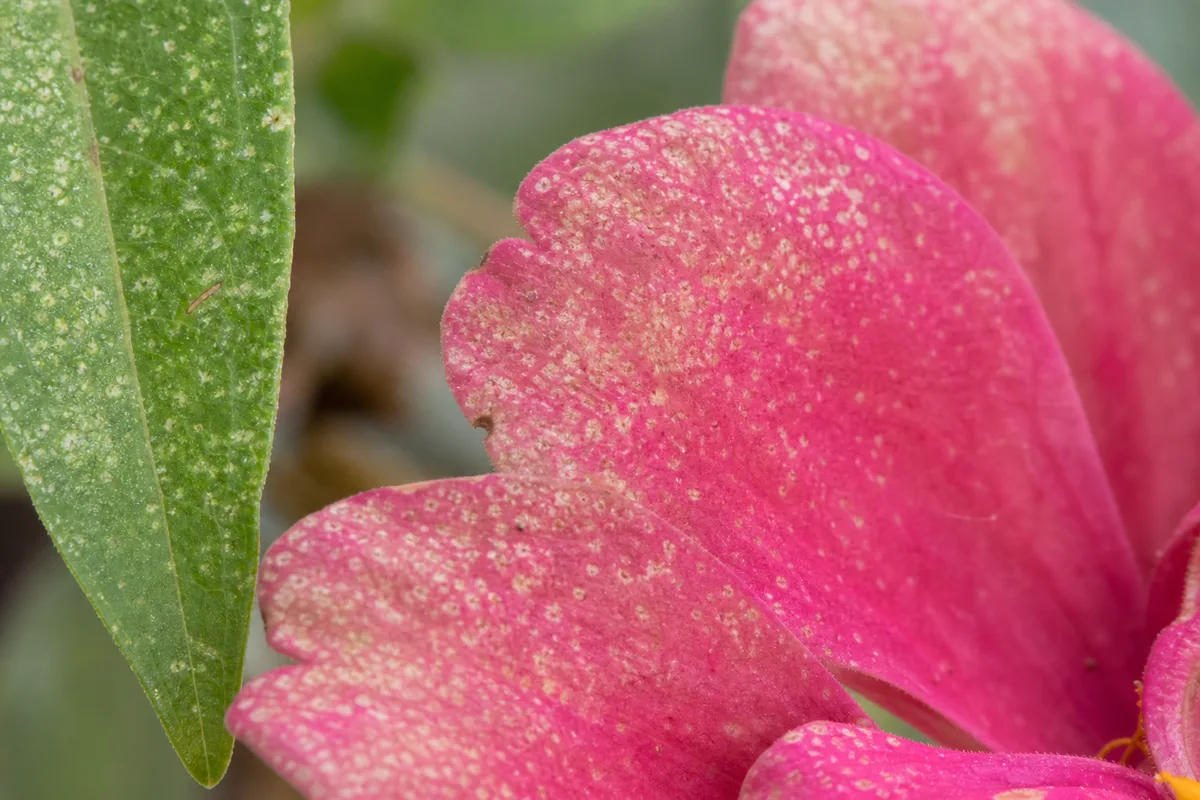
Illustrative macro view of thrips life stages, feeding scars, and frass on zinnia.
Examine flowers over paper as well as leaves. Gently open a damaged bloom or tap it above the page, because flower-feeding thrips can remain between petals and around reproductive structures. Dispose of the sampled flower if it contains multiple larvae rather than returning it to the plant.
Confirm an Active Infestation
Confirmation protects the plant from unnecessary pesticide exposure and helps you select a useful control. Harsh light, low humidity, mechanical abrasion, edema, nutrient problems, mites, and disease can all produce some combination of spots, scars, or distorted leaves. UC IPM explicitly recommends verifying that pest thrips are present because other causes can create similar-looking damage.
Inspect damaged new growth, apparently healthy new growth, and protected areas such as flowers or leaf folds. Then check nearby plants, especially any whose leaves touched or overlapped.
The White-Paper Tap Test
Place a clean sheet of white paper or a white plate beneath a suspect leaf or flower. Tap the stem sharply two or three times, wait a few seconds, and watch for narrow moving insects; use a hand lens or phone macro lens to inspect what falls. UC IPM recommends shaking foliage or flowers over white paper as a practical thrips check.
Repeat the test on several shoots because one leaf can miss a localized colony. A pale larva may look like a grain of rice dust, while a dark adult may resemble a tiny splinter that suddenly walks. Photograph the specimen beside a fine ruler if you need help from a local extension office or plant diagnostic service.
Examine the first specimen before crushing it. Thrips have six legs and an elongated body; adult spider mites are smaller, eight-legged arachnids. If the sample is ambiguous, capture it on clear tape and seek expert identification.
What Sticky Cards Can and Cannot Tell You
Blue or bright yellow sticky cards can reveal flying adult thrips and show whether captures rise or fall over time. UC IPM notes that blue cards are especially attractive to western flower thrips, while yellow cards catch a broader range of thrips and other flying pests. Place a card close to, but not touching, the plant canopy and keep it where pets, hair, and leaves cannot contact the adhesive.
A sticky card is a monitor, not a complete treatment. It does not remove eggs inside tissue, most wingless larvae, or protected nonfeeding stages, and Colorado State University Extension cautions that trapping alone will not eliminate houseplant pest problems. Treat a falling card count as supporting evidence, not as proof that the plant is clear.
Date each card, count the same area, and replace dusty or crowded traps. Confirm suspicious captures with magnification because fungus gnats and other small flies may be trapped nearby. Combine card trends with paper tests and fresh-growth inspection.
Problems Commonly Mistaken for Thrips
Spider mites also cause stippling and bronzing, but they are typically concentrated on leaf undersides and may produce fine silk between veins, petioles, or stems. Thrips do not make webbing and are usually easier to see as elongated insects on a paper test. Both pests can occur on the same plant, so finding silk does not prove that every scar came from mites.
Edema produces corky bumps or scars when water uptake and water loss become unbalanced; it does not create moving insects or black frass. Low humidity can brown edges and damage a leaf as it unfurls, while physical rubbing can create pale scratches where foliage touches a wall or another leaf. Map the pattern: repeated injury centered on protected tender tissue is more suspicious than one abrasion at a contact point.
Nutrient stress, excess soluble salts, root trouble, and poor light can slow growth or yellow leaves, but they do not generate a population on white paper. Viral disease can distort or discolor growth, and some pest thrips can vector plant viruses, but appearance alone cannot identify a virus. Isolate a plant with unusual rings, mosaics, or persistent distortion and seek a plant diagnostic service rather than escalating insecticide indefinitely.
Fungus gnats may appear on the same sticky card, yet adults look like tiny long-legged flies and their larvae live primarily in moist organic media. Springtails jump from wet substrate and generally do not produce silver feeding scars. Identifying the organism before choosing a control prevents an unhelpful soil treatment for a foliage pest—or repeated foliar spraying for a substrate problem.
The Life Cycle Explains the Rebound
Thrips develop from egg through two feeding larval stages, then through nonfeeding prepupal and pupal stages before adulthood. UC IPM describes this sequence and notes that some species pupate on the plant while others drop to soil or leaf litter. That variation is why “thrips live in soil” is only partly useful: some life stages of some pest species may be there, but the damaging population also occupies foliage and flowers.
Temperature, host plant, diet, and species change how quickly the cycle runs. University of Georgia IPM reports that development from egg to adult can take about two to three weeks in favorable outdoor conditions, but the range is not a universal indoor timer. A warm grow cabinet and a cool windowsill can produce different treatment and monitoring timelines.
Eggs protected inside tissue may survive a contact spray, while hidden larvae escape incomplete coverage. Later, untreated individuals emerge and become visible, creating the impression that the product “made” more thrips. A rebound usually means the control did not reach every susceptible stage, the treatment interval did not match the label and biology, or another infested plant reseeded the first one.
This biology supports a process, not a magic recipe. Remove as many exposed insects as practical, use only a suitable labelled treatment, and reinspect through more than one potential emergence period. Never shorten the label interval or exceed its application limit in an attempt to outrun the life cycle.
Contain Thrips Before You Treat
Move the suspect plant before carrying out a long inspection on the shared shelf. Use a washable, plant-free room when practical. Avoid dragging foliage through the collection, and carry the plant in a tray or bag if loose flowers and leaves could drop.
Do not seal a living plant in a dark plastic bag for weeks. Poor light, stagnant humidity, and excess heat create stress and make recovery harder to evaluate. Use controlled separation with normal species-appropriate care.
Isolate the Plant and Inspect Its Neighbors
Inspect every plant that touched the infested one and those immediately around it. Thrips can move on wings, crawl across contacting leaves, and travel with infested plant material; University of Georgia Extension also notes that some are attracted to bright clothing and can be transported between growing spaces (UGA Extension). Test neighbors even when they look clean because damage may appear after the insects have fed inside folded tissue.
Handle healthy plants first and the infested plant last. Keep its watering can, cloth, and pruners separate or clean them before reuse, then wash your hands after inspection. Do not move the plant from room to room for better light each day, because repeated transport creates more opportunities to spread insects.
New purchases deserve their own observation area. Colorado State University Extension recommends keeping new houseplants separate for at least three weeks before joining the collection, followed by a careful inspection. No fixed quarantine period guarantees a pest-free plant, so repeat paper tests and inspect new growth rather than relying only on elapsed time.
Prune, Rinse, and Clean With a Purpose
Remove flowers and the worst heavily occupied growth when the plant can tolerate pruning. Bag those pieces immediately; do not carry an open pile of infested material through the home or add it to indoor compost. Preserve enough functional foliage for recovery, especially on a small or slow-growing specimen.
Rinse a sturdy plant with lukewarm water, directing the spray at leaf undersides, folded areas, petioles, and stems. Support the pot so saturated runoff does not waterlog the root ball, and skip forceful washing on fragile, fuzzy, or water-sensitive foliage. Rinsing reduces exposed insects but does not reliably remove embedded eggs or every hidden larva.
Wipe the shelf, saucer, cachepot, and pot exterior, then vacuum or collect fallen plant debris. Routine household cleaning removes strays and makes later monitoring clearer, but fumigating the room or sterilizing every object is usually unnecessary. Focus effort on living hosts, protected feeding sites, and repeated checks.
A Layered Treatment Plan
Start with the least hazardous method that can realistically reach the infestation. For a small colony on washable foliage, isolation, pruning, rinsing, and close monitoring may reduce the population enough to finish with a labelled contact product. A dense flowering plant, a large collection, or repeated positive tests may require a more structured treatment or professional advice.
Before using any pesticide, confirm that its label allows the intended plant or site, lists the pest or applicable use, and permits indoor or houseplant application. Read directions for dilution, coverage, personal protection, ventilation, re-entry, repeat interval, and maximum applications. Never assume that a garden product is suitable inside a home simply because its active ingredient sounds familiar.
Insecticidal Soap and Horticultural Oil
Commercial insecticidal soap and horticultural oil can provide contact control when the spray directly reaches susceptible thrips. UC IPM says these products may provide temporary control, which is a more realistic expectation than a one-spray cure. Thorough coverage matters because a light mist on upper leaf surfaces misses insects in creases, flowers, and undersides.
Spot-test a small part of the plant and wait for the label-directed period before treating the entire specimen. Tender new growth, open flowers, fuzzy leaves, and stressed plants may be more prone to marking or burn. Move the plant out of harsh light while wet if the label directs, and never combine products unless the label explicitly permits the mixture.
Dish detergent is not interchangeable with registered insecticidal soap. Household cleaners vary in surfactants, fragrances, degreasers, and concentration, so a kitchen dilution can injure waxy leaf surfaces without delivering a validated pesticide dose. Use a product formulated and labelled for plant pest control, then follow its directions exactly.
Horticultural oils and neem-derived products are not all the same. Some act mainly through oil contact, while other neem products contain different active components and approved uses; concentration and plant safety also vary. Read the active-ingredient statement and use directions instead of treating “neem” as a standard recipe.
Labelled Insecticides and Resistance
Spinosad, azadirachtin, pyrethrins, pyrethroids, and other active ingredients may appear on products labelled for thrips, but availability and indoor permissions vary by country and product. UC IPM reports that spinosad may be more effective than some contact options in certain settings, yet that does not make every spinosad product legal or appropriate for every indoor plant. The product label—not a social-media recipe—controls how and where it may be used.
The U.S. Environmental Protection Agency explains that pesticide labels carry legally enforceable directions and precautions (U.S. EPA). Keep children and pets away for the specified period, protect skin and eyes as directed, and ventilate appropriately. Do not apply a systemic or foliar product to edible herbs, vegetables, or plants accessible to pollinators unless that precise use is on the label.
Thrips can develop insecticide resistance, particularly where the same mode of action is used repeatedly. University of Nevada, Reno Extension notes that western flower thrips are hard to reach in concealed sites and have documented resistance to numerous insecticides. More frequent spraying is not resistance management; it can increase exposure, plant injury, and selection pressure.
If the label permits multiple applications, follow its interval and application cap. For a valuable or persistent collection-wide infestation, contact a local extension service or licensed pest-management professional about product choice and mode-of-action rotation. Do not improvise a rotation among random household chemicals.
When Biological Control Makes Sense
Predatory mites such as Amblyseius or Neoseiulus species and minute pirate bugs are used against thrips in greenhouses and controlled growing spaces. They can make sense in a greenhouse cabinet, conservatory, or substantial collection where temperature, humidity, pest density, and pesticide residues can be managed. Biological control is a living system, not an instant release-and-forget cure.
Species and life-stage matching matter. UGA Extension reports that several commercially available predatory mites target the first larval stage of Thrips parvispinus, while some also feed on prepupae (UGA Extension). University of Connecticut IPM emphasizes combining monitoring, sanitation, biological controls, and compatible products rather than expecting one tactic to carry the whole program.
Buy biological controls from a reputable insectary and describe the plant, space, temperature, humidity, and recent pesticide history. Many pesticide residues—including some oils and soaps on direct contact—can harm beneficial organisms. Ask the supplier about compatibility, release timing, storage, and whether the population is large enough to support the chosen predator.
Biocontrol is often inefficient for one isolated windowsill plant, especially when it is moved, washed, or sprayed. For that setting, physical removal plus an appropriate labelled product is usually easier to apply consistently.
Repeat Treatment and Measure Recovery
There is no responsible universal instruction to spray every three, five, seven, or ten days with every product. Repeat timing depends on the label, active ingredient, residual activity, plant sensitivity, temperature, and stages present. Use the label’s minimum interval and maximum number of applications, then make each permitted treatment count through careful coverage.
Before every repeat, inspect the same marked shoots with the paper test and hand lens. Record the date, number of live thrips seen, sticky-card count, new damage, treatment used, and any leaf reaction. This simple log distinguishes a shrinking population from old scars that merely remain visible.
Recovery appears first as an absence of live pests and fresh feeding, then as cleaner new growth. Damaged leaves do not regain lost cells, and distorted leaves rarely straighten fully. UC IPM warns that pesticides do not restore injured tissue, so spraying until every leaf looks perfect can harm a plant that is already pest-free.
Continue monitoring the treated plant and its neighbors through successive checks after the last live thrips is found. A single clear paper test is encouraging but not conclusive because eggs and hidden stages can be missed. Repeated negative tests, no new card captures, and clean expanding leaves together provide the strongest practical evidence of control.
Discarding is reasonable when most growing points remain occupied, the plant repeatedly seeds nearby specimens, treatment access is poor, or isolation and pesticide exposure cost more than the plant is worth to you. Bag the plant and substrate where it stands, close the bag, and dispose of it according to local rules. Do not donate an infested plant or place it in a shared hallway.
Common Mistakes and Prevention
The most common mistake is treating leaf damage without confirming live thrips. The next is incomplete coverage: spraying the top of open leaves while larvae remain in flowers, rolled growth, and leaf joints. A third is stopping after one application even though the label and repeated checks indicate that susceptible stages are still emerging.
Repotting by itself is not a complete thrips treatment. Some species may pupate in media, but eggs and feeding stages can remain in above-ground tissue, so replacing soil while ignoring foliage adds root stress without removing the whole population. Treat the plant as a connected habitat and change the substrate only when the selected, labelled management plan or a separate root problem justifies it.
Avoid routine “preventive” pesticide spraying on clean plants. It creates exposure and phytotoxicity risk, can interfere with beneficial organisms, and may select for resistance without evidence of a target. Prevention works better as inspection, quarantine, plant spacing, sanitation, and quick confirmation of suspicious damage.
Inspect nursery plants, cut flowers, and plants returning from outdoors before bringing them near the collection. Look into buds and folded leaves, tap foliage over paper, and keep new plants separate long enough to inspect new growth more than once. Remove spent flowers and dead foliage where thrips can hide, while maintaining the correct watering, light, and nutrition for the plant.
Do not push a stressed plant with heavy nitrogen feeding in hopes that it will outgrow damage. Soft, rapid growth can be attractive or vulnerable to some thrips, and fertilizer does not replace lost leaf tissue. Restore normal species-appropriate care, avoid both drought and saturated roots, and let clean growth—not forced growth—show recovery.
Space canopies so leaves do not bridge across the shelf. Clean pruners, handle quarantined plants last, and keep a hand lens and white card near the watering area. Brief routine inspection is more valuable than discovering months of damage at once.
Conclusion
Managing thrips on houseplants begins with confirmation. Silver scars, distorted growth, and black specks point you in the right direction, but the white-paper test, magnified inspection, and sticky-card trend show whether live insects are present. Once confirmed, isolate the plant, inspect its neighbors, remove the most occupied tissue, and reduce exposed thrips with methods the plant can tolerate.
Choose treatment according to evidence and the current product label. Contact products need excellent coverage, hidden life stages make repeat inspection essential, and no schedule applies safely to every active ingredient. Biological controls can suit controlled collections, while discarding may be the wiser choice when an inexpensive plant repeatedly threatens valuable neighbors.
Judge success by what happens next, not by whether old leaves become beautiful again. Repeated negative checks, falling trap counts, and clean new growth are meaningful signs that the population has been controlled. Keep quarantine and routine inspection as ordinary plant care, and the next introduction is more likely to remain a small problem instead of becoming a room-wide infestation.
Plants commonly affected
These houseplants often struggle with thrips. Open a care guide or plant-specific troubleshooting page for tailored fixes.
 Medium
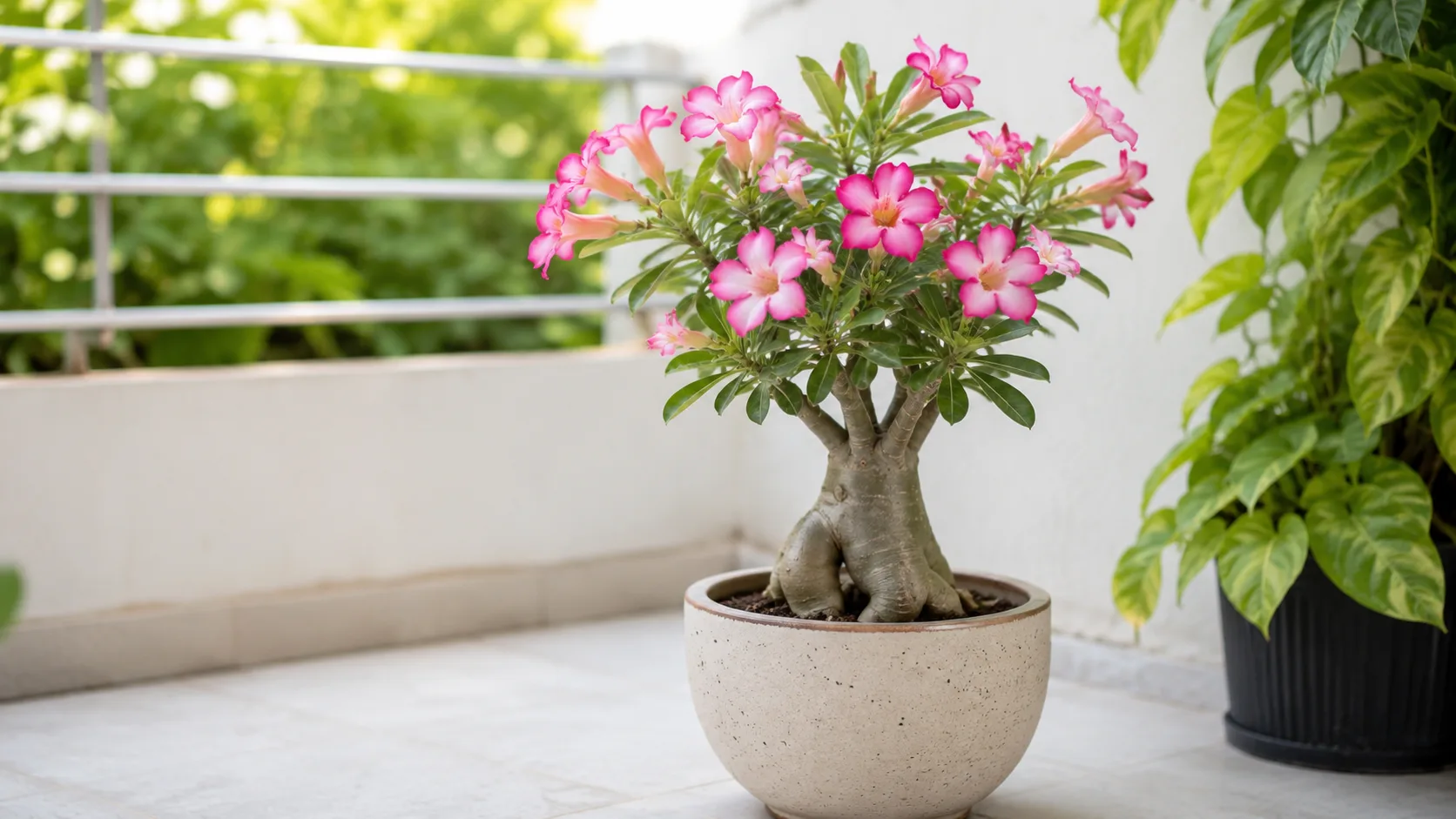
Adenium
Likely causeThrips rasp growing tips and buds, leaving silvery scars that deform new leaves and flowers.
Quick fixShake stems over white paper to confirm, use blue sticky traps, and treat with spinosad or insecticidal soap.
 Medium
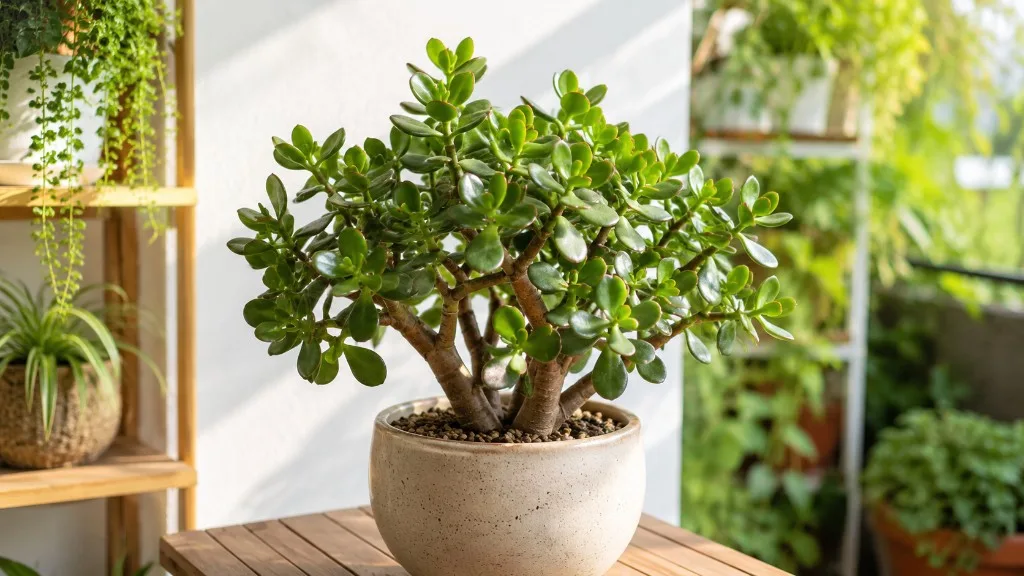
African Milk Tree
Likely causeCommon thrips pattern on African Milk Tree under indoor care stress.
Quick fixInspect roots, watering, light, and pests; adjust one variable and monitor new growth.
 Medium
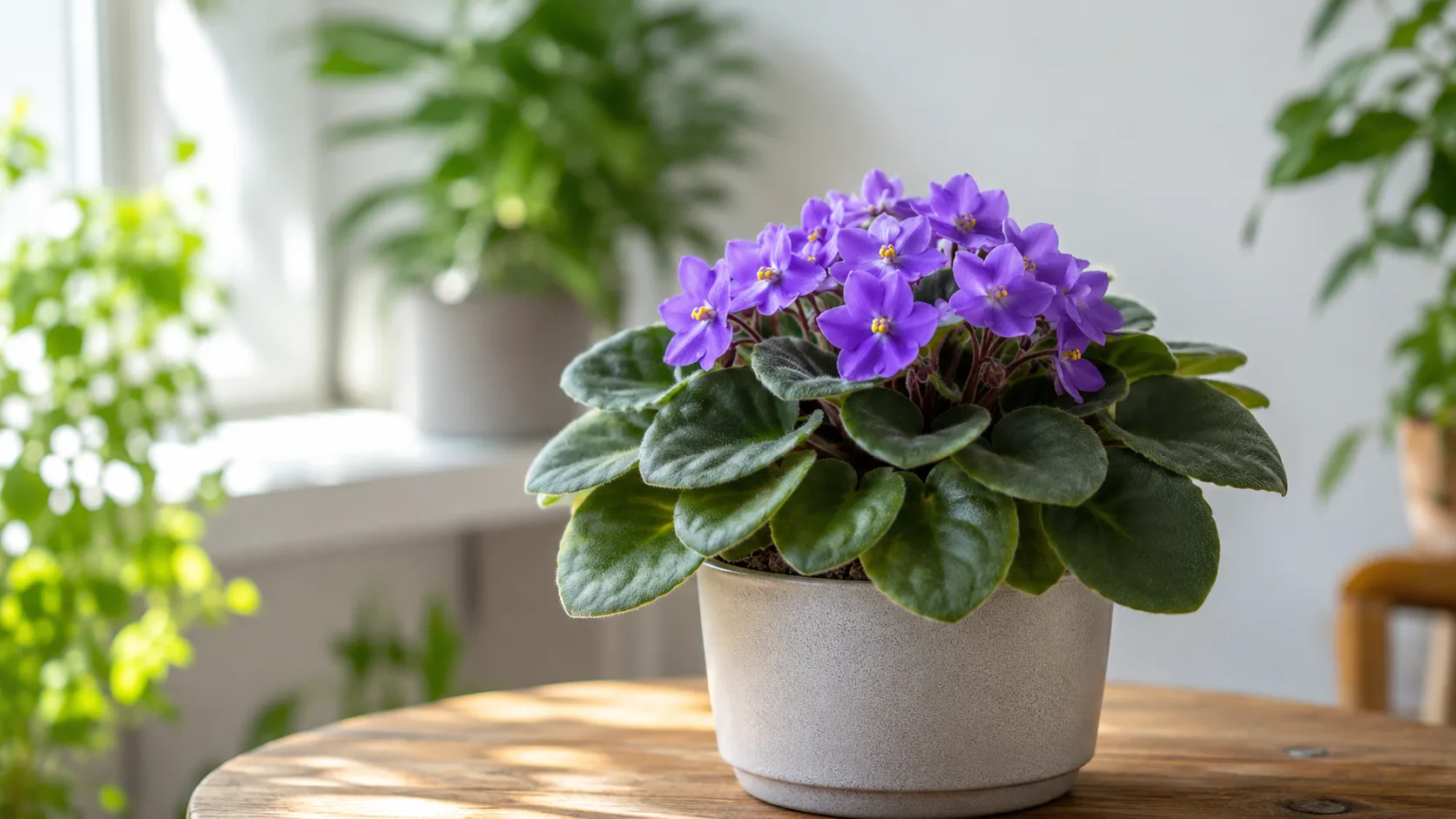
African Violet
Likely causeThrips on African Violet: Thrips are tiny insects which measure about 1/50 inch. While the most common species known to feed on African Violets is yellow in color, they may also be brown or black. Thrips thrive on the flowers
Quick fixInspect African Violet, confirm thrips matches your symptoms, then adjust care or treat per authoritative guides.
 Medium
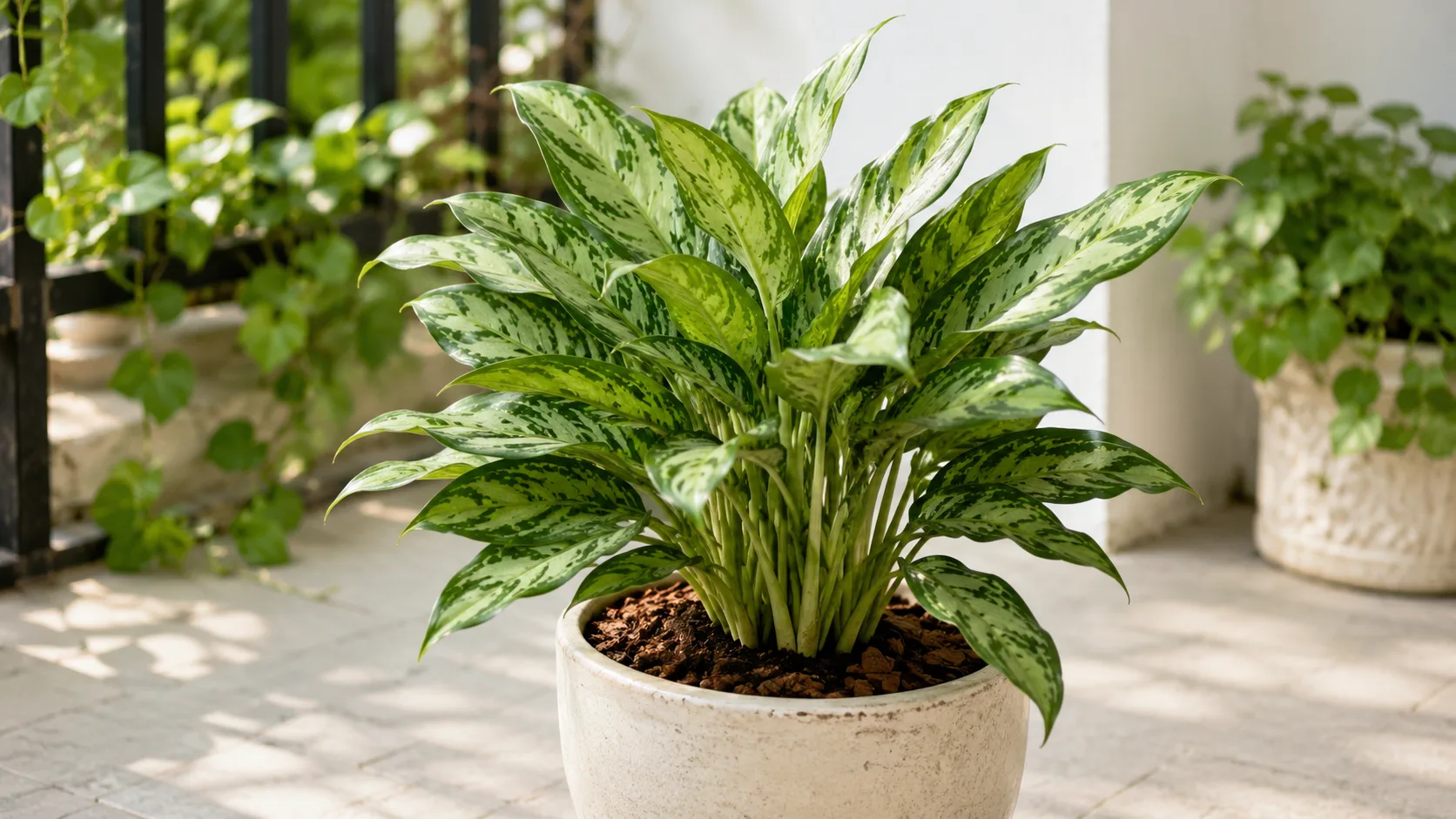
Aglaonema
Likely causeCommon thrips pattern on Aglaonema under indoor care stress.
Quick fixInspect roots, watering, light, and pests; adjust one variable and monitor new growth.
 Medium
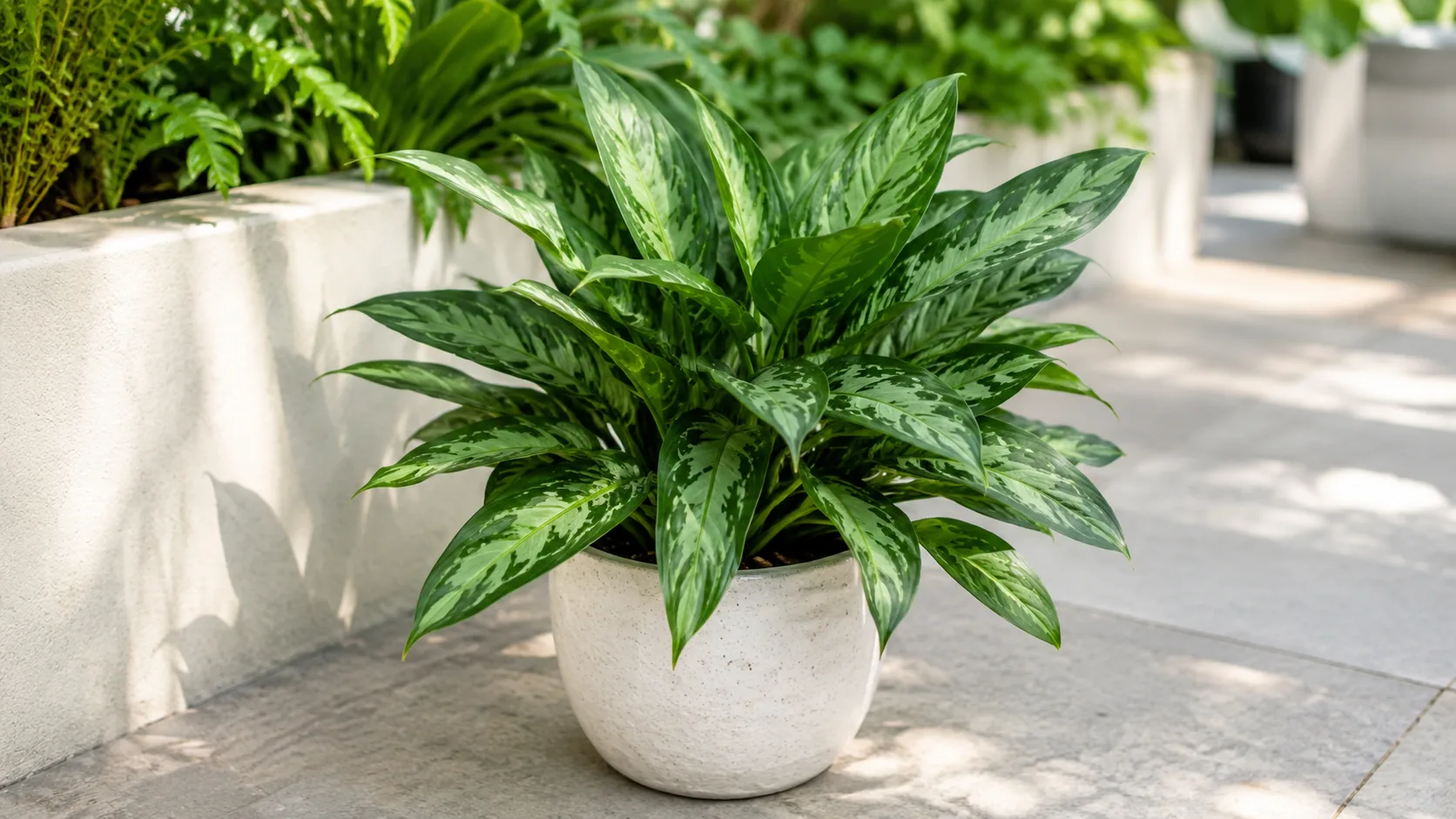
Aglaonema Cutlass
Likely causeCommon thrips pattern on Aglaonema Cutlass under indoor care stress.
Quick fixInspect roots, watering, light, and pests; adjust one variable and monitor new growth.
- Medium
Aglaonema Lady Valentine
Likely causeCommon thrips pattern on Aglaonema Lady Valentine under indoor care stress.
Quick fixInspect roots, watering, light, and pests; adjust one variable and monitor new growth.
- Medium
Aglaonema Maria
Likely causeCommon thrips pattern on Aglaonema Maria under indoor care stress.
Quick fixInspect roots, watering, light, and pests; adjust one variable and monitor new growth.
- Medium
Aglaonema Pictum Tricolor
Likely causeCommon thrips pattern on Aglaonema Pictum Tricolor under indoor care stress.
Quick fixInspect roots, watering, light, and pests; adjust one variable and monitor new growth.
 Medium
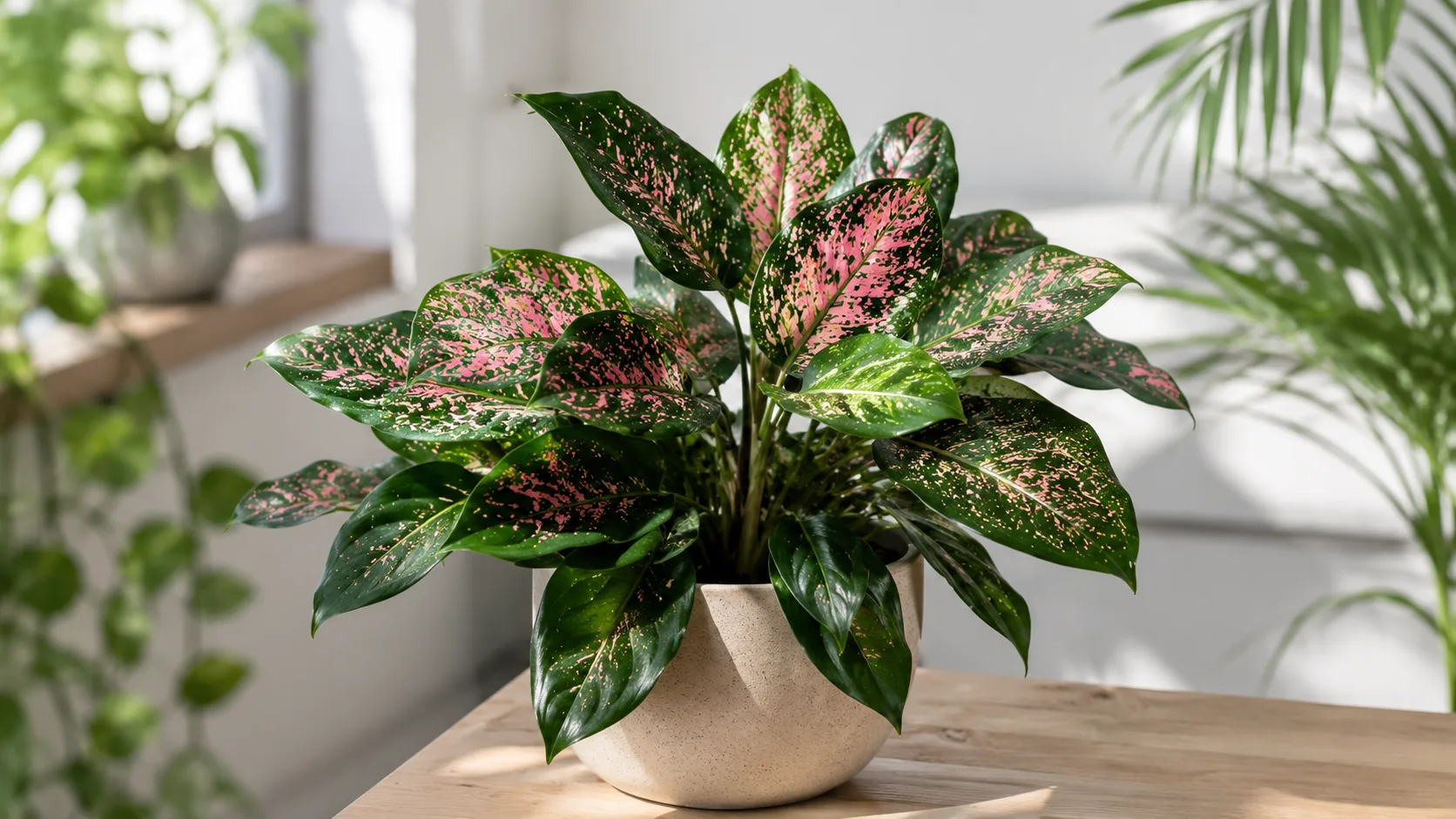
Aglaonema Pink Dalmatian
Likely causeCommon thrips pattern on Aglaonema Pink Dalmatian under indoor care stress.
Quick fixInspect roots, watering, light, and pests; adjust one variable and monitor new growth.
- Medium
Aglaonema Red Siam
Likely causeCommon thrips pattern on Aglaonema Red Siam under indoor care stress.
Quick fixInspect roots, watering, light, and pests; adjust one variable and monitor new growth.
 Medium
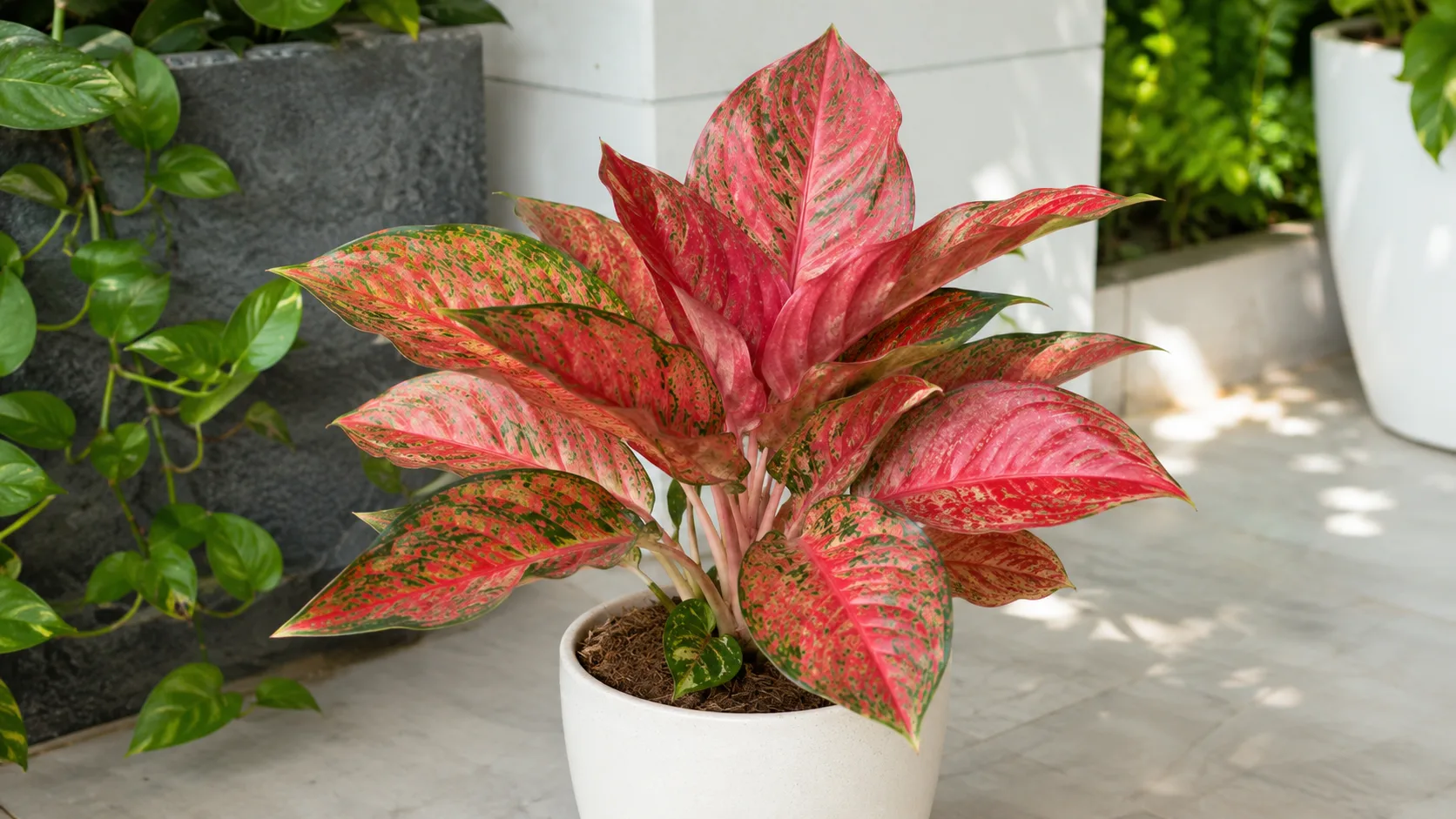
Aglaonema Red Valentine
Likely causeCommon thrips pattern on Aglaonema Red Valentine under indoor care stress.
Quick fixInspect roots, watering, light, and pests; adjust one variable and monitor new growth.
 Medium
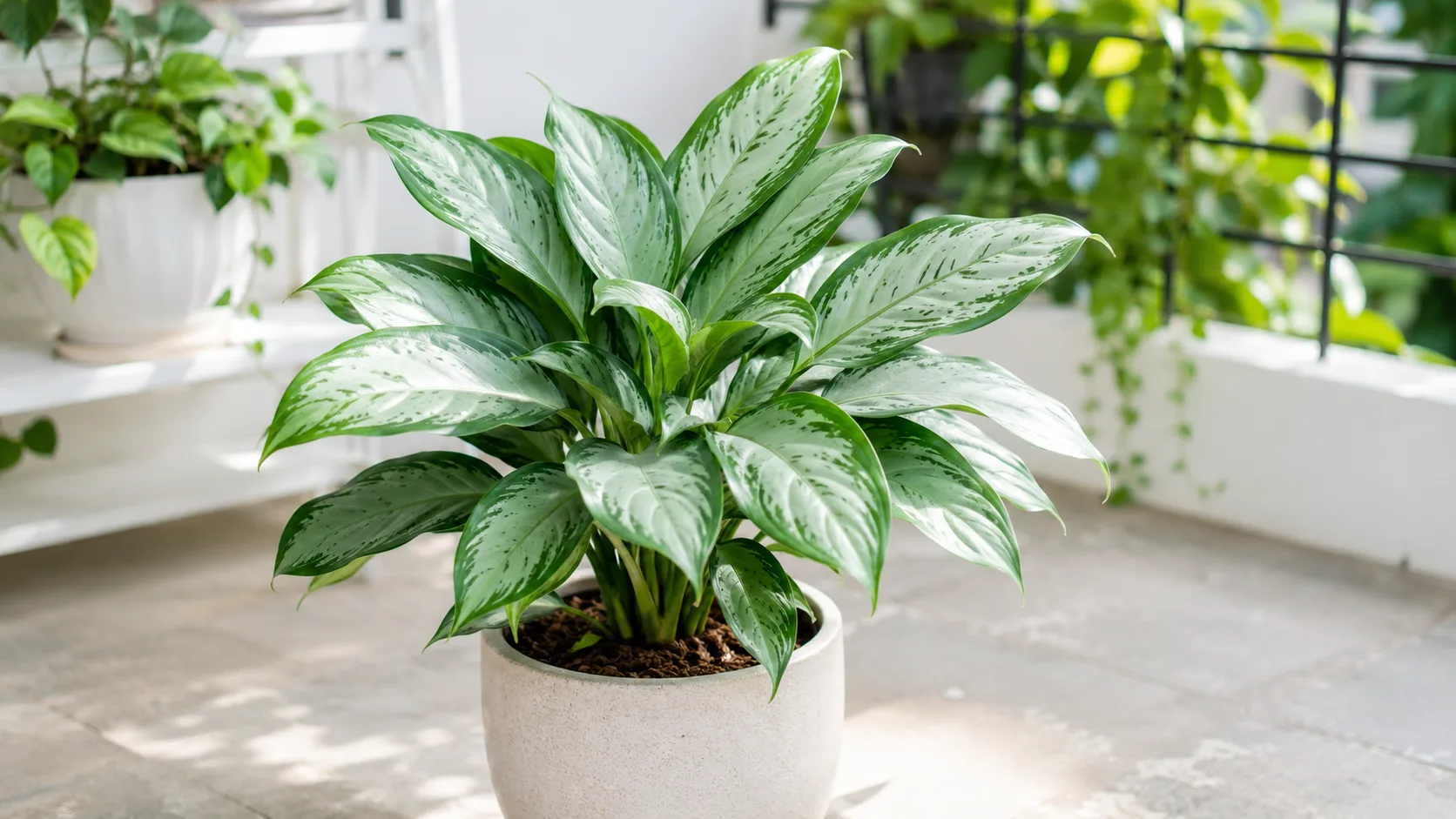
Aglaonema Silver Bay
Likely causeCommon thrips pattern on Aglaonema Silver Bay under indoor care stress.
Quick fixInspect roots, watering, light, and pests; adjust one variable and monitor new growth.