Does Neem Oil Kill Thrips? What Actually Works
Does neem oil kill thrips? Learn what it can and cannot do, how to spray safely, why repeat treatments matter, and when to switch tactics.
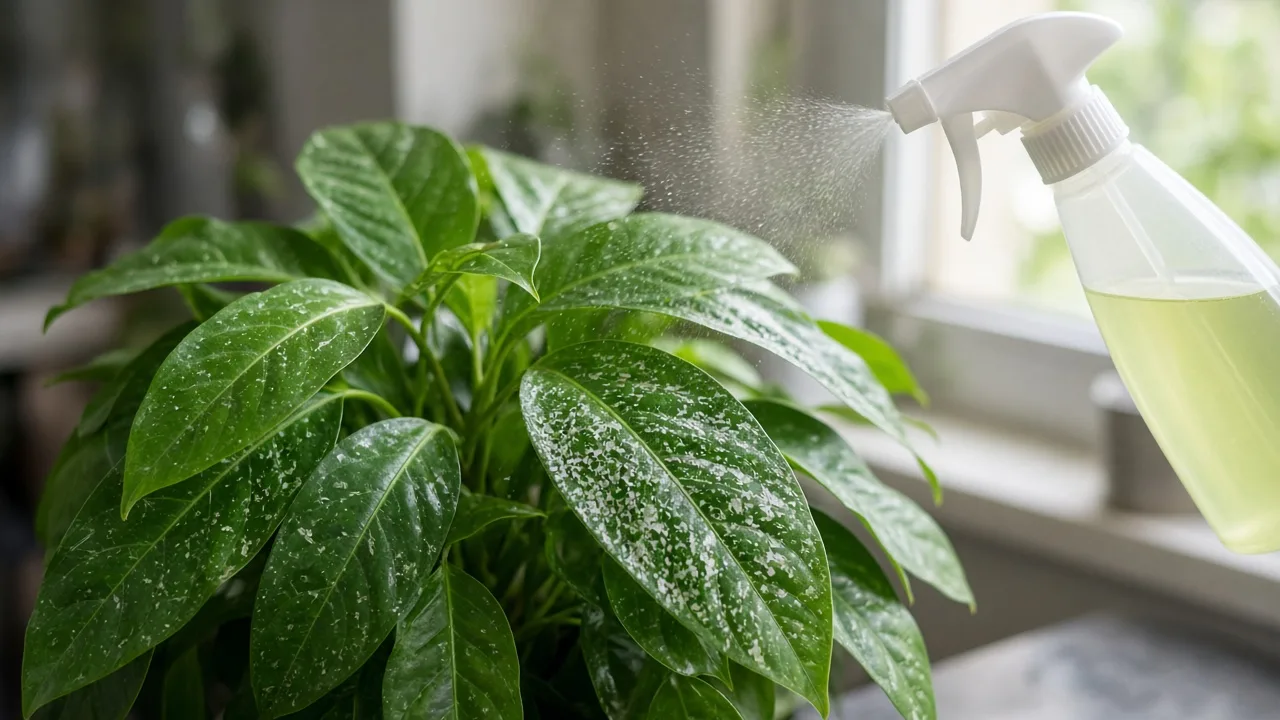
If you are staring at silvery streaks, distorted new leaves, or tiny black specks on a houseplant, neem oil is an understandable first thought. It is widely sold as a plant-based pest treatment, but the useful answer is more precise than “yes” or “no.” A properly labeled neem-oil product can kill exposed thrips and suppress a population, but it will not reliably reach every life stage or cure a serious infestation with one spray.
The result depends on four things: whether the pest really is thrips, which neem formulation you have, whether the spray contacts the insects, and whether you keep monitoring after the first application. Treat neem as one tool in an integrated pest-management plan—not as a magic coating that makes a plant pest-proof.
The short answer: neem can help, but it is not a one-spray cure
Neem can be useful against thrips when you can thoroughly wet the surfaces where the insects are feeding. The oil portion of a product may act by coating exposed insects, while products that retain azadirachtin can also interfere with feeding and development after the pest consumes treated plant tissue. Either way, the spray has to be used according to its own label.
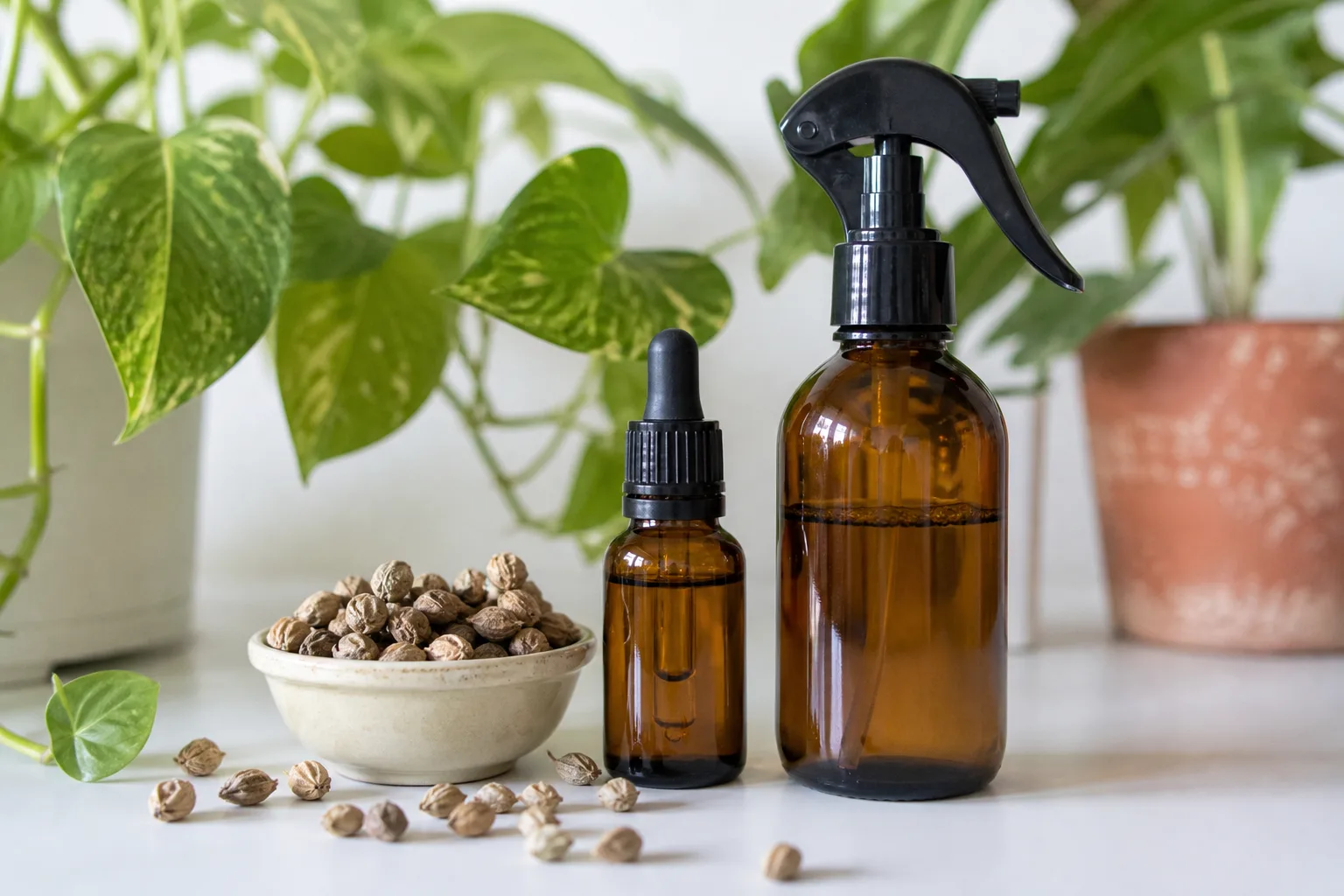
That qualification matters because “neem oil” is not one standardized recipe. Products may contain cold-pressed neem oil, clarified hydrophobic extract, azadirachtin, or a blend of ingredients. Their permitted crops, target pests, concentration, reapplication interval, and precautions can differ. A homemade formula found online cannot override the label on a commercial pesticide, and a product sold as a cosmetic leaf shine may not be labeled for insect control at all.
Expect gradual improvement rather than a dramatic overnight collapse. A successful treatment is one where you find fewer live thrips, less fresh damage, and healthier new growth over the following inspection cycle. Old silvering and scars will remain; neem cannot restore cells that thrips already destroyed.
Confirm thrips before treating
Thrips are small, narrow insects that can be cream, yellow, brown, or nearly black. Adults may have slender wings fringed with hairs, but the immature stages are wingless and even harder to see. Because the insects hide in leaf folds, flowers, and tight new growth, damage is often noticed before the pest itself.
Damage and signs that point to thrips
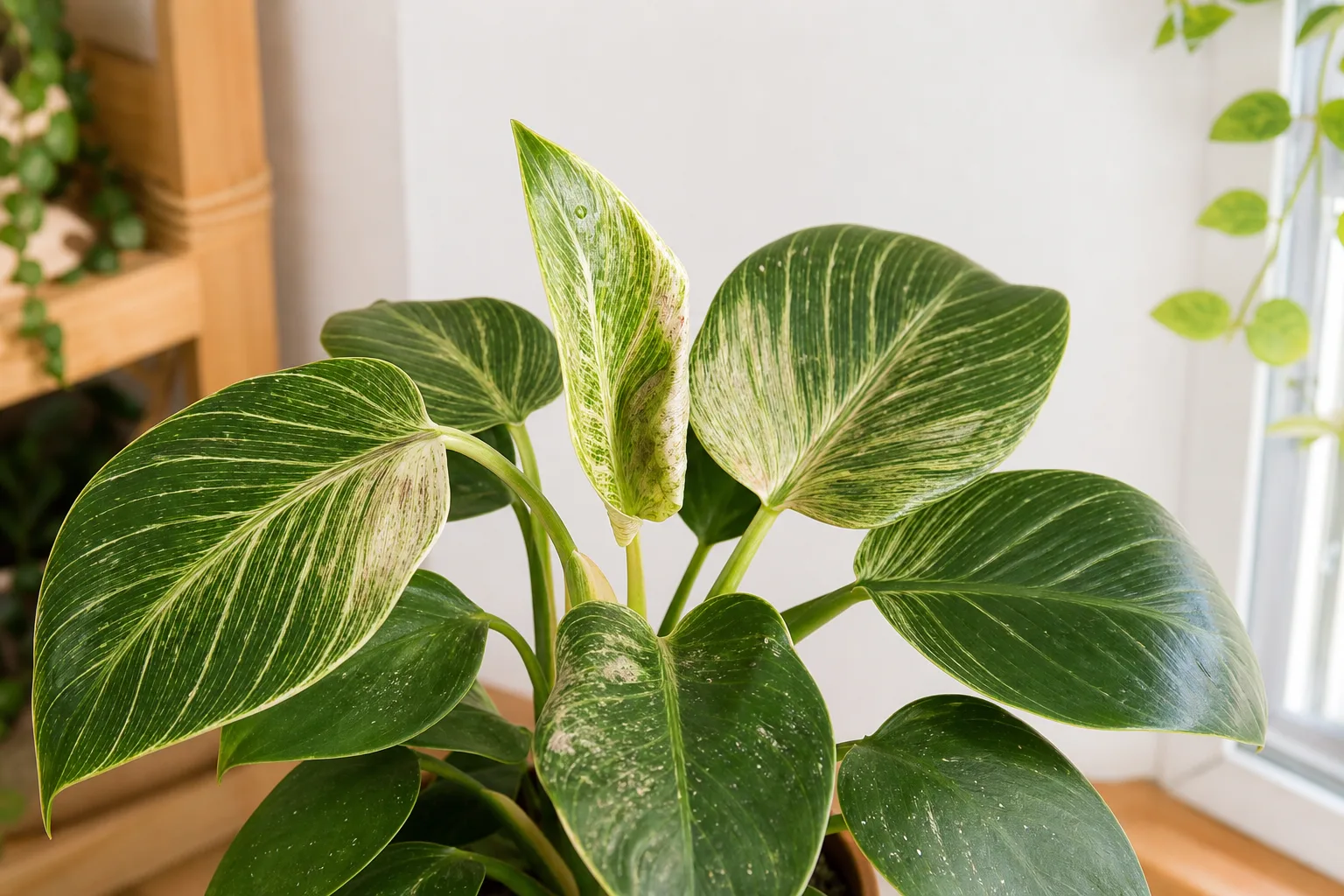
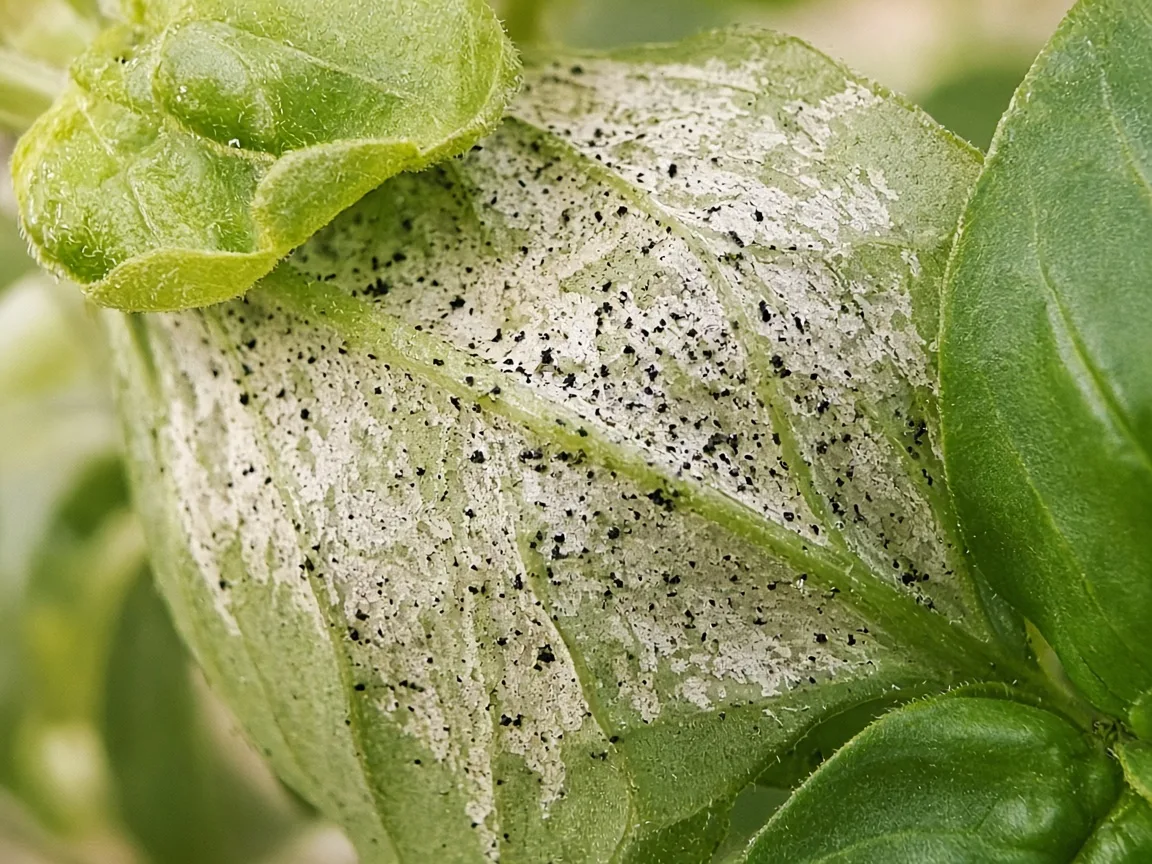
Look for silvery or bronze scarring, pale irregular streaks, distorted leaves, and black pinprick feces. Thrips scrape plant cells and then feed on the released contents, so damage may look like a dry, reflective window rubbed with grit. Flowers can develop brown edges or fail to open normally, and fresh leaves may emerge curled or misshapen.
The pattern is not proof by itself. Spider mites can create stippling and webbing; fungal disease can create spots; sun scorch can bleach one exposed side; and hard-water residue can wipe away. Before spraying, tap a suspect leaf over white paper and look for moving slivers with a hand lens. Check several leaves and, if possible, a flower. The Royal Horticultural Society notes that thrips can be difficult to identify because symptoms vary with the plant and species, making close inspection important (RHS thrips guidance).
How to check undersides, flowers, and nearby plants
Inspect the underside of leaves along the midrib, the base of petioles, folded new growth, and the centers of flowers. Use a flashlight from the side; moving insects cast a more useful shadow than a quick glance from above. Blue or yellow sticky cards near, but not touching, the plant can help reveal adult activity, although they are monitors rather than a complete treatment.
If one plant has thrips, examine every plant that shares a shelf, windowsill, propagation area, or greenhouse bench. Move the suspect away before handling the collection. A treatment that kills insects on one plant cannot succeed if an untreated neighbor keeps supplying adults.
How neem oil affects thrips
Neem products work through different pathways, and understanding the distinction explains many disappointing results. The National Pesticide Information Center describes azadirachtin as a neem compound associated with effects on insect feeding, growth, and reproduction, while clarified hydrophobic neem oil acts primarily as a surface treatment (NPIC neem fact sheet).
Contact action, azadirachtin, and coverage
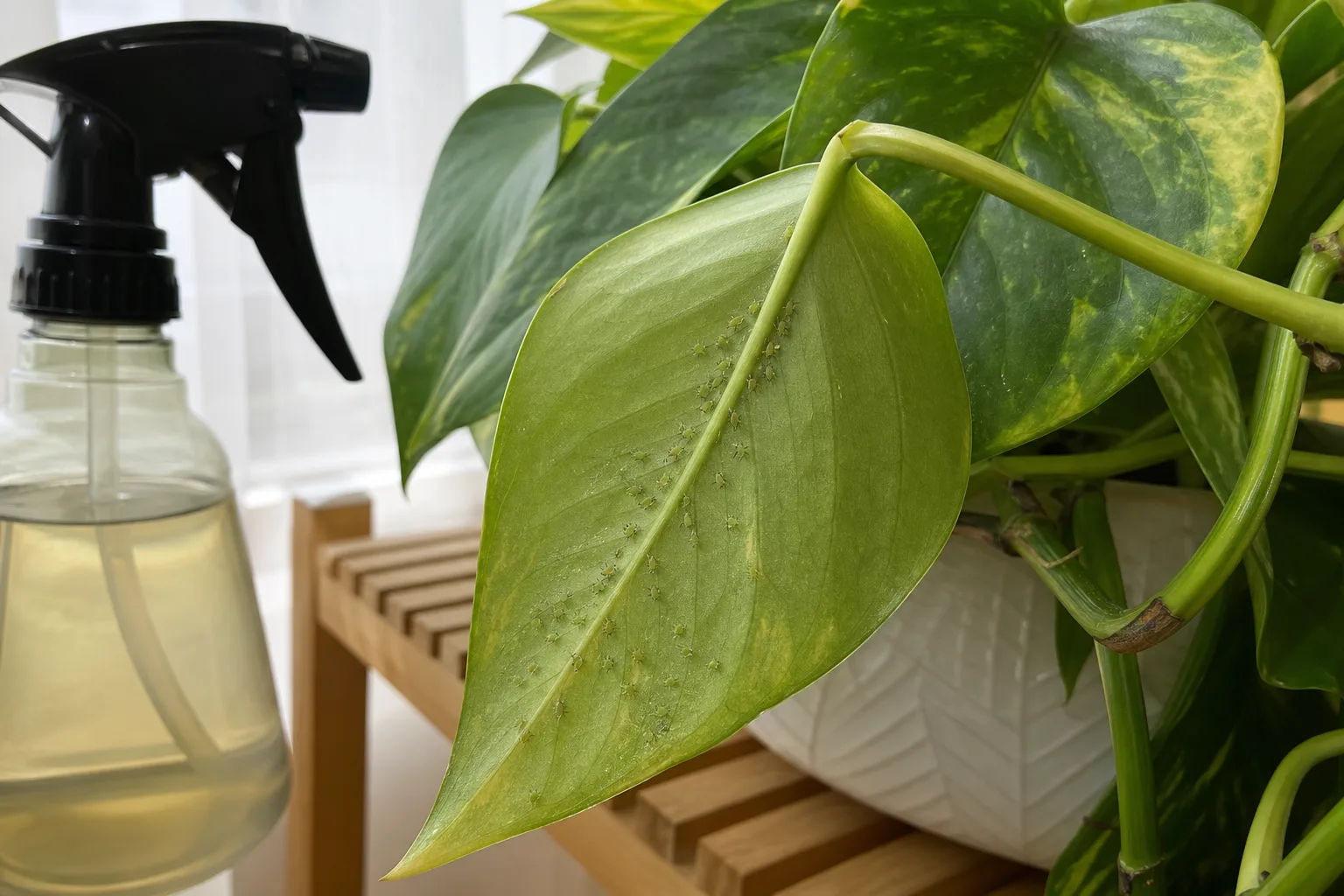
When an oil spray fully coats an exposed insect, it can interfere with respiration and movement on the plant surface. This is a contact effect: the insect must be reached. A dry leaf with a few droplets on it is not the same as a thorough treatment of both leaf surfaces and hiding places.
Azadirachtin is different. A feeding thrips may ingest treated tissue, then feed less or develop abnormally depending on the species, stage, formulation, and dose. That is not the same as instant contact kill, and it does not mean that every product labeled neem contains a meaningful amount of azadirachtin. Read the active-ingredient panel.
Research on plant-derived insecticides can be promising without translating directly to a windowsill. For example, peer-reviewed work on botanical oils and Thrips flavus found strong effects for several non-neem essential oils in laboratory and pot conditions, but those results do not establish a universal home-garden rate for neem or every thrips species (peer-reviewed thrips study). Treat controlled experiments as evidence of possibility, not permission to improvise a stronger spray.
Thrips do not spend all day on the broad upper surface of a leaf. They shelter in creases, flowers, leaf axils, and the protected center of a plant. A heavy droplet on the top of a leaf may leave those places untouched, while an overly oily mixture can run off, pool, or increase the chance of foliage injury.
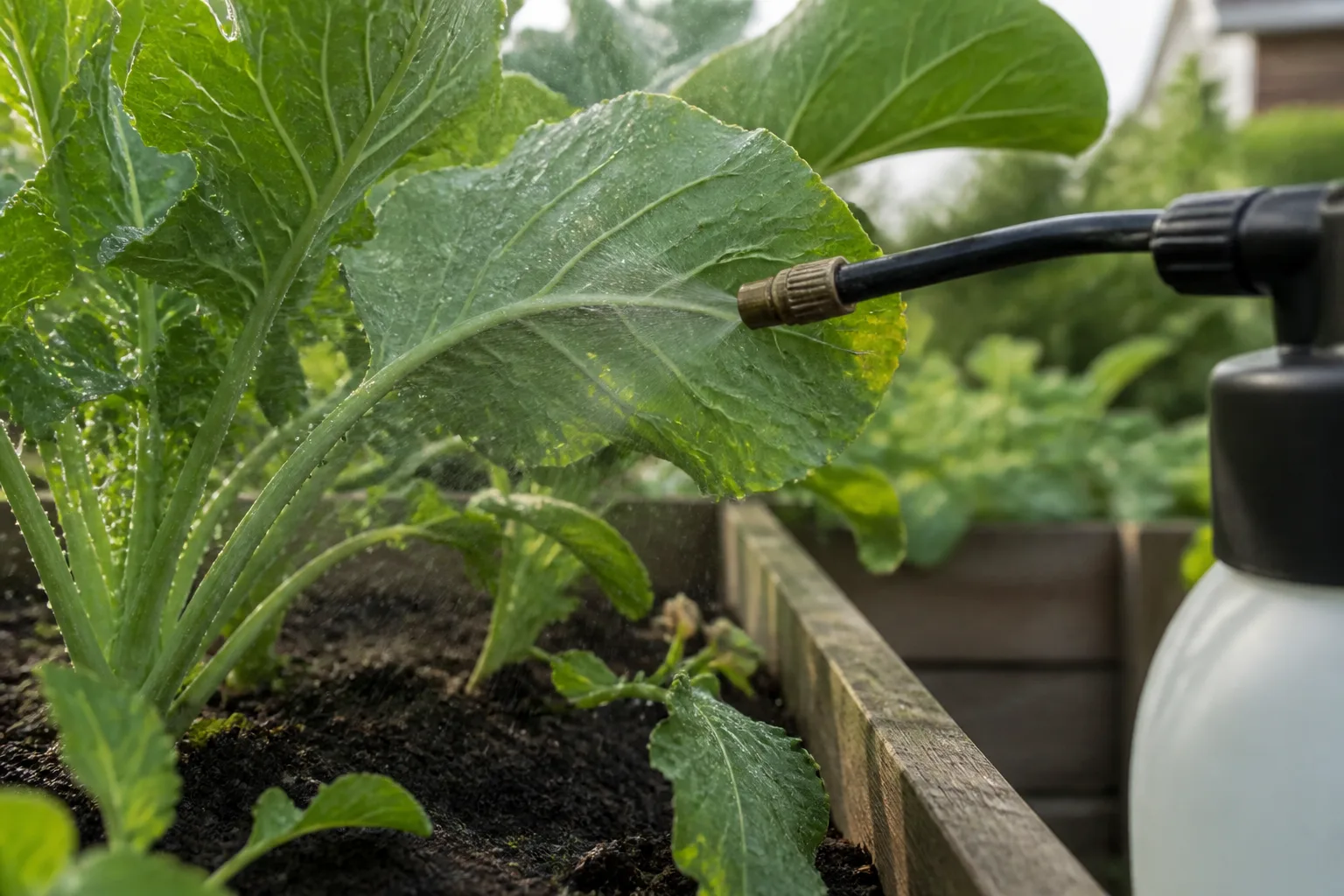
Aim for an even wetting film, not a dripping plant. A small hand sprayer that produces a fine, controllable mist is easier to direct than a hose-end sprayer indoors. Gently support delicate leaves as you spray, and turn the pot so you can reach the underside without forcing stems or petioles.
What neem oil can and cannot reach
Thrips have a life cycle that makes repeated inspection essential. Adults lay eggs in plant tissue, larvae feed on leaves or flowers, and later stages may leave the foliage to pupate in protected spots such as soil, leaf litter, or cracks around a growing area. One application cannot be assumed to reach all of them.
Eggs, larvae, adults, and pupae
Thrips eggs are inserted into plant tissue, so a surface spray may not contact them. Do not promise yourself that neem “kills the eggs” simply because the foliage looks wet. Whether a particular product affects eggs depends on its formulation and label claims; in practical houseplant control, the safer assumption is that some eggs will survive and hatch later.
Larvae feeding on reachable foliage are more exposed than eggs inside leaves, while fast-moving adults may escape a poorly directed spray. Pupae hidden away from the leaf surface are another reason a population can appear to return after an apparently successful treatment.
This is why monitoring beats the calendar. Recheck the plant at the product’s permitted interval and record what you see. If fresh damage continues and live insects are still present, a follow-up may be justified. If the plant is improving and traps remain quiet, spraying more often “just to be safe” adds risk without proving better control.
A safer neem-oil treatment sequence
Neem works more fairly when you first reduce the number of insects and then apply it as part of a repeatable process.
Isolate and reduce the population first
Move the infested plant away from the collection. Rinse sturdy foliage with a gentle stream of lukewarm water, paying attention to undersides and new growth. The goal is to dislodge insects and dust before the treatment, not to blast the plant with enough pressure to tear leaves or bury the potting mix in runoff.
For delicate plants, wipe individual leaves with a damp, soft cloth or use a small sprayer. Remove badly damaged leaves only when the plant has enough healthy foliage to support itself. Bag discarded material and clean the work area; do not carry the same cloth from an infested plant to a clean one.
Read the product label and patch-test
Use only a product labeled for the plant setting and target pest. Follow the label’s dilution, protective-equipment, application, storage, and reapplication instructions. If the label does not list thrips or the intended crop, choose a product with clearer directions rather than guessing.
Before treating the entire plant, test a small area or one leaf. Keep it out of intense direct sun while wet and wait long enough to observe delayed spotting, bronzing, curling, or wilt. A patch test is not a guarantee, but it can prevent an avoidable collection-wide burn.
Spray for coverage, not runoff
Mix the product exactly as directed and keep the solution agitated if the label calls for it. Oil and water separate; an uneven mixture can leave some leaves untreated and others overloaded. Do not add extra dish soap or a second pesticide because a recipe claims it improves “oomph.” Household detergents vary and can strip leaf cuticles or cause injury.
Start with the undersides, then cover upper surfaces, petioles, leaf axils, stems, and the protected areas around new growth. Avoid open flowers unless the label specifically allows the use and you can apply when pollinators are not foraging. Leave the plant in an airy, shaded location until dry.
Monitor and repeat by life-cycle evidence
Put a dated sticky card near the plant and inspect with a hand lens every few days. Count live insects on a consistent number of leaves, and note whether new damage is appearing. That simple record separates treatment failure from old cosmetic damage that merely remains visible.
Repeat only at the label interval. Many infestations need more than one treatment because eggs or hidden stages were not exposed, but shorter intervals and stronger mixtures are not automatically better. If the label allows a series and live thrips remain, continue within that permitted program. If the label does not give a repeat schedule, ask a local extension service or select a clearly labeled alternative.
How to avoid leaf burn and treatment setbacks
Oil treatments are more likely to injure foliage when a plant is already stressed. Do not spray drought-wilted, freshly repotted, heat-stressed, diseased, or badly sun-exposed plants until the underlying stress is addressed. Water the root zone normally, but do not treat a struggling plant as if extra pesticide can compensate for poor conditions.
Avoid the hottest part of the day and direct sun on wet leaves. Oil can change how light and heat interact with the leaf surface. Test especially carefully on thin leaves, ferns, fuzzy foliage, plants with delicate waxy coatings, and cultivars that have previously reacted to sprays.
Do not combine neem with sulfur, copper, or another oil unless the label expressly permits the combination and timing. If leaves develop a sudden pattern of translucent spots, brown margins, or widespread bronzing after treatment, stop spraying, rinse if the product label permits, improve airflow, and seek plant-specific advice.
Neem oil around flowers, pollinators, pets, and edible crops
“Natural” is not a complete safety category. Any pesticide can harm a non-target organism through direct exposure, and flowering plants bring bees and other visitors into the treatment area. Apply only when the label allows it, avoid open blooms whenever possible, and never spray a foraging pollinator.
For edible crops, follow the label’s crop list, application rate, and pre-harvest interval. A recipe intended for an ornamental houseplant is not automatically appropriate for lettuce, herbs, or fruit. Wash produce as directed by food-safety guidance, but do not use washing as a reason to ignore a pesticide label.
Keep people and pets away from wet treated foliage and prevent chewing or licking of concentrated product. Store the bottle in its original container, away from food and children. If exposure occurs, use the product label and local poison-control or veterinary guidance rather than relying on a general claim that neem is harmless.
Neem oil versus insecticidal soap and other options
Neem is not always the best first or second choice. A properly labeled insecticidal soap can be useful when the goal is direct contact with exposed, soft-bodied stages, but it also requires thorough coverage and can burn sensitive foliage. Horticultural oils may be a better fit for some pests or plants, yet they carry the same need for label compliance and phytotoxicity precautions.
Physical washing is valuable for every option because it lowers the starting population. Sticky cards help monitor adults. In a greenhouse or serious collection, biological controls such as predatory mites or minute pirate bugs may fit better than repeated broad spraying, but pesticides can harm those allies. Outdoor beds also have more natural enemies and pollinator exposure, so blanket spraying is rarely a thoughtful default.
The practical comparison is simple: neem may offer contact and feeding-disruption effects but often works gradually; soap is primarily a thorough-contact treatment; biological control is a population-management strategy; and a labeled conventional product may be appropriate when damage is severe and other measures fail. Choose based on the pest, crop, life stage, surroundings, and label—not on the word “natural.”
When neem is not enough
Escalate your diagnosis when fresh damage continues after a complete, correctly timed treatment sequence. Check whether you treated every nearby plant, whether the product actually lists thrips, whether the infestation is in flowers or new growth you missed, and whether the damage was caused by a different pest.
For a severe infestation, prune what the plant can spare, wash the remaining foliage, and ask a university extension service or qualified horticulturist about a rotation that fits your crop and region. Do not rotate products randomly or repeat the same active ingredient indefinitely; resistance is a documented concern in thrips management, and broad pesticide use can remove natural enemies that would otherwise help.
If the plant is small, heavily damaged, and surrounded by valuable plants, disposal may be the most responsible choice. Seal it before moving it through the home, clean the shelf, and inspect replacement plants before they join the collection. Saving one plant is not worth spreading an established infestation to twenty.
Prevent the next thrips outbreak
Prevention starts before a new plant enters your home. Inspect leaf undersides, stems, flowers, and the newest growth under bright light. Quarantine new arrivals in a separate room and monitor them before placing them beside established plants.
Keep leaves reasonably clean, remove spent flowers and fallen debris, and avoid crowded shelves where touching foliage creates a bridge. Check plants weekly, especially during warm, active growth and after bringing cut flowers or outdoor plants indoors. A small sticky card can act as an early-warning tool, but it should support inspection rather than replace it.
Healthy growth does not make a plant immune, but stable watering, suitable light, adequate airflow, and sensible fertilization help it tolerate feeding damage and recover. The goal is not a sterile collection. It is a collection where a few insects are detected early, identified correctly, and managed before they become an outbreak.
Conclusion: use neem as a monitored tool
So, does neem oil kill thrips? It can kill exposed thrips and help suppress an infestation, but only when the formulation is appropriate, the spray reaches the pest, and you follow up against the life stages the first application missed. It is not a guarantee against eggs hidden in plant tissue, pupae away from leaves, or a diagnosis that was wrong from the start.
Begin with isolation and confirmation. Reduce the population physically, read the label, patch-test, spray for even coverage in safe conditions, and judge progress by live insects and fresh damage—not by whether old scars disappear. If neem fails, move to a better-supported IPM option for your plant and region instead of simply making the mixture stronger.