Myoporum Ground Cover: A Practical Guide for Drought-Prone Yards
Considering myoporum ground cover? Learn where it works, how to plant and water it, what thrips damage looks like, and when to choose another option.

If your lawn is turning brown every summer, myoporum ground cover may look like an appealing escape from mowing and irrigation. The prostrate forms can make a dense green mat, tolerate dry conditions after establishment, and cover awkward spaces such as sunny slopes, curb strips, and bare soil between larger plants.
That does not make myoporum a drop-in replacement for turf. It will not tolerate regular play, every species has the same site preferences, and some regions restrict or discourage particular species because they spread beyond gardens. The smartest approach is to identify the exact plant, check local guidance, and trial a small patch before you remove a whole lawn.
The short answer: when myoporum makes sense
Myoporum is worth considering when you have a sunny, low-traffic area with well-drained soil and a climate that fits the species you can legally buy. It is especially useful where you want a soft, evergreen-looking surface without mowing and where stepping stones can carry people across the space.
It is a poor choice for a play lawn, a dog run, a compacted wet spot, or a site where you cannot provide reliable water during the first growing season. It is also the wrong choice if the only plant available is a potentially invasive species in your area. A drought-tolerant plant still needs water to build roots; “low water later” is not the same as “no water now.”
The three questions to answer before buying
First, ask how the ground is used. If people cross it daily, keep a path of pavers or retain a small strip of tougher turf. Myoporum can handle light incidental contact, but repeated footsteps crush stems and open gaps for weeds.
Second, inspect the site for at least one sunny day. Most prostrate myoporum performs best in full sun or very bright light. Deep shade, reflected heat beside a wall, and hot afternoon wind can all change the result even when the plant label says “drought tolerant.”
Third, write down the exact species and cultivar before planting. “Myoporum” covers shrubs, trees, and trailing plants with different mature sizes, hardiness, salt tolerance, and weed risk. A label that gives only the genus is not enough for a whole-yard conversion.
What myoporum ground cover actually is
Myoporum is a genus of evergreen plants in the figwort family. The ground-cover types have flexible stems that trail across the soil and root or hold close to the surface, creating a low planting that can soften a slope or fill a bare bed. They are sometimes sold under common names such as creeping myoporum or prostrate naio, but nursery names are not always consistent.
The attraction is practical: a successful planting needs no mowing, generally uses less supplemental water than thirsty turf once established, and can reduce exposed soil that would otherwise erode or become a weed nursery. It is still a living plant, so the finished surface depends on spacing, weed control, drainage, and the first year of care.
Prostrate species versus taller myoporum
Do not assume a tall myoporum can be maintained as a ground cover by repeated shearing. A shrub or tree form may become woody, shade neighboring plants, or outgrow a narrow border. Conversely, a low-growing form may be excellent on a slope but too fragile for a route people use as a shortcut.
Two names deserve extra caution. Myoporum parvifolium is commonly grown as a low, spreading ground cover in suitable climates. Myoporum laetum, often called ngaio or coastal myoporum, is a larger plant and is listed as invasive or high risk in parts of California. Check the California Invasive Plant Council profile and your local extension or weed authority before purchase; a plant’s legality and risk are location-specific.
Where myoporum fits—and where it does not
Think of myoporum as a low-traffic landscape carpet, not a lawn in the recreational sense. It can fill the visual role of green between shrubs, but it does not provide the same resilience under running, ball play, furniture, or frequent mowing.
Traffic, light, soil, and slope
For traffic, rate the site honestly. Occasional maintenance access is manageable if you use stepping stones. Daily foot traffic calls for a path or a more durable surface. If a child or dog will run there, choose a surface designed for that use instead of hoping the ground cover knits back together.
For light, favor open sun. In partial shade, growth may become thinner and slower, which leaves soil visible and makes weed pressure more obvious. For soil, drainage is the key filter: myoporum is much easier to establish in soil that sheds excess water than in a low basin where roots stay saturated.
Slopes are promising because a low mat can reduce raindrop impact and hold soil better than bare ground, but slopes also shed irrigation. Use short, slow watering cycles during establishment, or install drip lines that place water along the root zone. Do not rely on a single fast spray that runs downhill before the soil absorbs it.
Check local rules and invasive-plant risk first
Before ordering plants, search the exact botanical name plus your county, state, or region’s invasive-plant list. Local restrictions can apply to one species while another myoporum is acceptable, and a plant that behaves well in one climate may spread in another. Your county extension office or state noxious-weed agency is a better authority than a generic nursery description.
This check is not a technicality. Removing an established spreading plant is expensive, and a planting near a natural area, drainage channel, or undeveloped slope deserves more caution than a contained courtyard bed. If local guidance is unclear, choose a locally recommended native ground cover instead of gambling on a large installation.
Pick the planting site and prepare the soil
Start by measuring the site’s sun, slope, drainage, and irrigation reach. Mark where people walk, where water collects after rain, and where reflected heat comes off paving. Those observations tell you whether myoporum should cover the whole space or only the dry outer edge.
Remove perennial weeds before planting. Pulling only the tops is not enough for rhizomatous or deeply rooted weeds; persistent roots will compete with young plants and make early maintenance miserable. If the area is heavily compacted, loosen the top layer without creating a loose, amended pocket that drains differently from the surrounding soil.
Improve structure modestly rather than filling the hole with rich compost. The goal is a broad, even root zone, not a “pot” of perfect soil surrounded by hard ground. Grade away standing water, preserve the soil surface, and use a thin organic mulch after planting while keeping it off the stems.
How to plant myoporum ground cover
Plant during a mild period when the ground can be worked and irrigation is available. In hot climates, avoid placing new plants into the most punishing part of summer unless you can provide consistent establishment water and temporary shade during extreme heat.
Set plants at the spacing recommended for the exact cultivar, usually allowing room for lateral growth rather than touching every root ball together. Tighter spacing covers faster but increases the initial cost and can reduce airflow; wider spacing saves money but leaves more room for weeds. A staggered layout usually closes a bed more evenly than straight rows.
Dig holes no deeper than the root ball and several times wider. Loosen circling roots gently, set the crown at the same level it occupied in the container, backfill with the native soil, and water slowly enough to settle air pockets. Add a thin layer of mulch over the root zone, leaving a clear ring around each stem.
Do not fertilize heavily at planting. A flush of soft growth is not the same as a strong root system, and excess fertilizer can increase watering demand. Let the plants establish, then use a soil test or local recommendation to decide whether feeding is needed at all.
Watering during establishment and after rooting

For the first weeks, check moisture below the surface rather than watering by calendar alone. Water deeply enough to moisten the developing root zone, then let the upper layer begin to dry before watering again. Sandy soil may need more frequent applications; clay soil may need slower applications and longer drying intervals.
As roots spread, extend the interval between waterings while maintaining enough volume to reach below the surface. Drip irrigation or a low-flow bubbler is easier to tune than a high-pressure sprinkler, especially on a slope. Once established, myoporum can often go longer between irrigations than turf, but unusual heat, drought, wind, or root competition may still require a deep drink.
Avoid both extremes. Daily shallow sips keep roots near the surface and can make the planting look drought tolerant until the first heat wave. Constantly wet soil deprives roots of oxygen and can cause decline that looks, confusingly, like thirst. Push a finger or soil probe into the root zone and adjust based on what is actually wet.
Mulch, fertilizer, and routine maintenance
Keep weeds down while the ground cover is filling in. Hand-pull small weeds after irrigation makes the soil workable, refresh a thin mulch layer if it has blown away, and keep mulch away from stems. Once the mat is dense, weeds may be easier to remove because they are visible above the foliage, but no ground cover eliminates maintenance completely.
Prune only to contain the edges, clear a path, or remove damaged growth. Shearing a low plant into a hard geometric surface can expose woody stems and create a dense, stressed canopy. Clean tools between visibly diseased plants, and avoid trimming during severe heat when fresh cuts lose water quickly.
Pair myoporum with plants that have similar water needs. A thirsty shrub on the same irrigation zone forces you to overwater the ground cover, while a truly dry companion may suffer if you irrigate for the shrub. Grouping plants by water demand makes the whole bed easier to manage.
Myoporum thrips: symptoms, prevention, and response
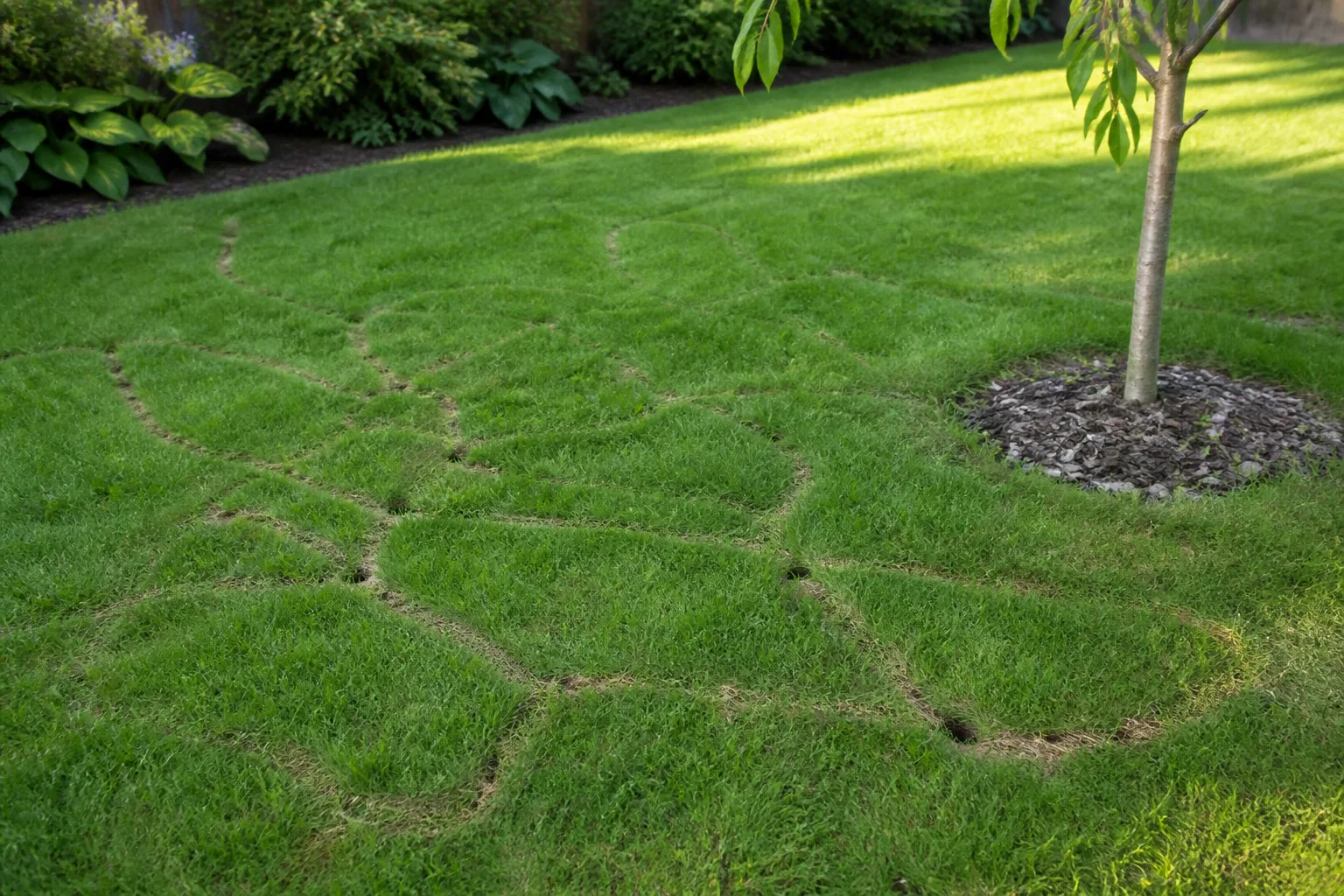
Myoporum thrips are among the most important reasons to avoid treating this plant as maintenance-free. The insects feed on tender growth and can cause distorted leaves, puckering, discoloration, and gall-like swelling. Severe infestations can weaken or kill plants, particularly when drought stress and poor site conditions are already limiting recovery.
The first response is diagnosis, not a blanket spray. Look closely at distorted new growth and the undersides of leaves; compare affected stems with healthy ones, and inspect nearby plants for a pattern. The University of California Integrated Pest Management thrips guidance explains why monitoring, sanitation, biological control, and carefully chosen treatments work better as an integrated plan than repeated broad spraying.
How to tell thrips damage from drought stress
Drought stress usually appears as general loss of turgor, crisping, premature leaf drop, or dieback that follows hot, dry conditions. Thrips damage is more likely when the newest leaves are twisted, scarred, silvery, or swollen while older foliage remains comparatively normal. The two problems can overlap: under-watered plants may be more vulnerable to pests, while damaged leaves reduce the plant’s ability to recover.
Start with irrigation and plant vigor. Remove badly affected growth where practical, reduce nearby weed habitat, and avoid excess nitrogen that pushes soft new growth. Encourage natural enemies by limiting unnecessary insecticide use; lacewings, minute pirate bugs, predatory mites, and parasitoids can all contribute to control in a balanced garden.
If treatment is warranted, use a product labeled for the plant, pest, and site, follow the label exactly, and avoid spraying open flowers or beneficial insects. “Organic” does not mean harmless, and insecticidal soap works only when it contacts the pest. A large, declining ground-cover expanse may be harder and more expensive to rescue than a small test patch, which is another reason to scale up gradually.
Salt, wind, cold, and other edge cases
Coastal exposure deserves species-level research. Some myoporum tolerate salt better than others, and salt spray is different from salt accumulating in soil through irrigation. Rinse foliage only when your local water and drainage make that sensible; repeated wetting can create other problems if the site does not drain.
Cold tolerance also varies. A plant that succeeds in a warm coastal zone may suffer in a frost pocket or exposed inland site. Check the cultivar’s mature range, protect new plantings from unusual freezes, and do not infer hardiness from a nearby garden with a different microclimate.
Wind can dry shallow new roots before a plant looks visibly wilted. On exposed slopes, a temporary windbreak, deeper initial watering, and a surface mulch can buy time. Avoid piling mulch against stems or blocking drainage in an attempt to protect the plant.
Common mistakes that cause a myoporum planting to fail
The most common mistake is buying by common name. A “myoporum” tag without a botanical name leaves you unable to check mature size, invasiveness, salt response, or hardiness. The second is converting too much area before observing how the plant handles the site.
The next mistakes are practical: planting into compacted or waterlogged soil, watering only the surface, placing it where people walk, and assuming drought tolerance removes the need for first-year irrigation. Overfeeding, shearing aggressively, and spraying for every suspicious leaf can create additional stress.
Finally, do not use one irrigation zone for plants with opposite water needs. A low-water ground cover beside a lawn or thirsty annual bed will be forced into an unhappy compromise. Design the bed around water-use groups before you plant.
Ground-cover alternatives when myoporum is a poor fit
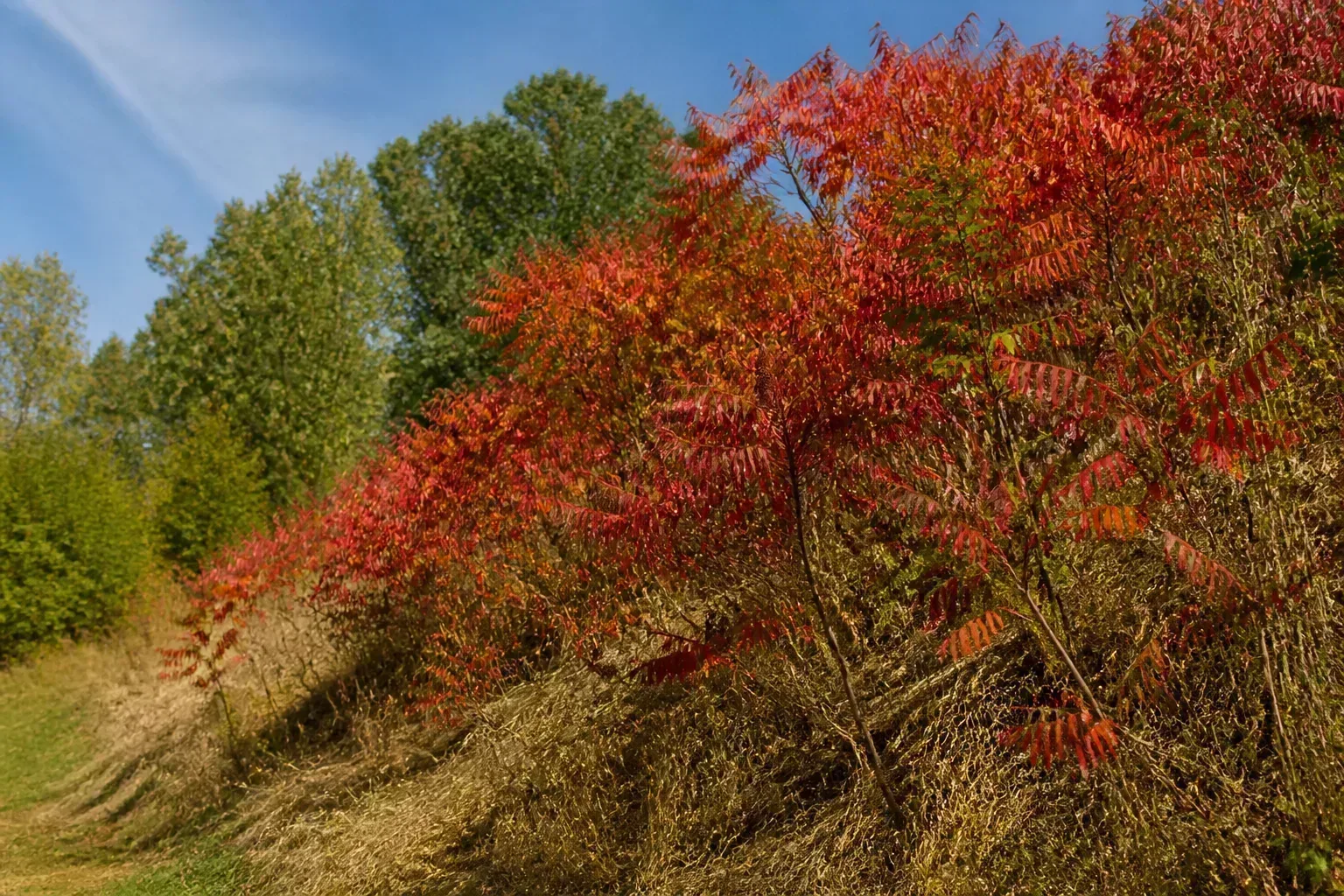
If the site is shady, wet, heavily trafficked, or in a region where the available myoporum is invasive, look for a locally recommended alternative matched to that exact condition. Possibilities may include native sedges for some shade sites, low-growing succulents for hot well-drained pockets, or a designed bed of shrubs, perennials, mulch, and stepping stones rather than a single carpet.
For a genuinely active lawn, keep or reduce turf where it earns its place and replace only the unused margins. For a slope, combine erosion-control plants with contouring, mulch, or structural stabilization when needed; a ground cover is not a substitute for repairing a drainage or slope-failure problem.
The best alternative is the one that fits your region and use, not the one with the lowest advertised water requirement. A locally native plant may support wildlife and avoid invasive-plant concerns, while gravel or pavers may be more durable in a walkway. Compare the whole job—installation, irrigation, weeding, replacement, and maintenance—not just the price of a tray of plugs.
A low-risk test-patch plan
Trial myoporum in a small, representative area before committing the yard. Choose a spot with the same sun, soil, slope, and irrigation conditions as the proposed larger planting. Install enough plants to reveal spacing and closure, but leave an accessible edge for inspection.
Record planting date, watering intervals, heat events, weed pressure, and any distorted new growth. After the first dry season, ask four questions: Did the plants stay vigorous? Did the mat close without constant watering? Did pests or salt damage appear? Can you maintain the edges without walking through the planting?
If the answers are mostly yes, expand in stages and keep paths intentional. If the patch struggles, you have learned cheaply that the problem is probably species choice, drainage, shade, traffic, irrigation, or local pest pressure. Fix that diagnosis before spending more money.
Conclusion: use myoporum as a site-specific tool
Myoporum ground cover can solve a real landscaping problem: a sunny, low-traffic area that needs a living surface but no weekly mowing. Its value comes from the combination of low growth, drought tolerance after establishment, and useful coverage—not from a promise that it will replace every lawn.
Choose the exact species, verify local restrictions, prepare the soil, water deeply while roots develop, and watch for thrips rather than waiting for a whole bed to decline. A measured test patch will tell you more about your yard than a generic plant list, and it gives you a way to keep myoporum where it works while choosing a better regional alternative where it does not.